
Scubanana
Google 5/5 (1,346 reviews)
less than 1 km away as the crow flies
Tenerife · Canary Islands · Atlantic
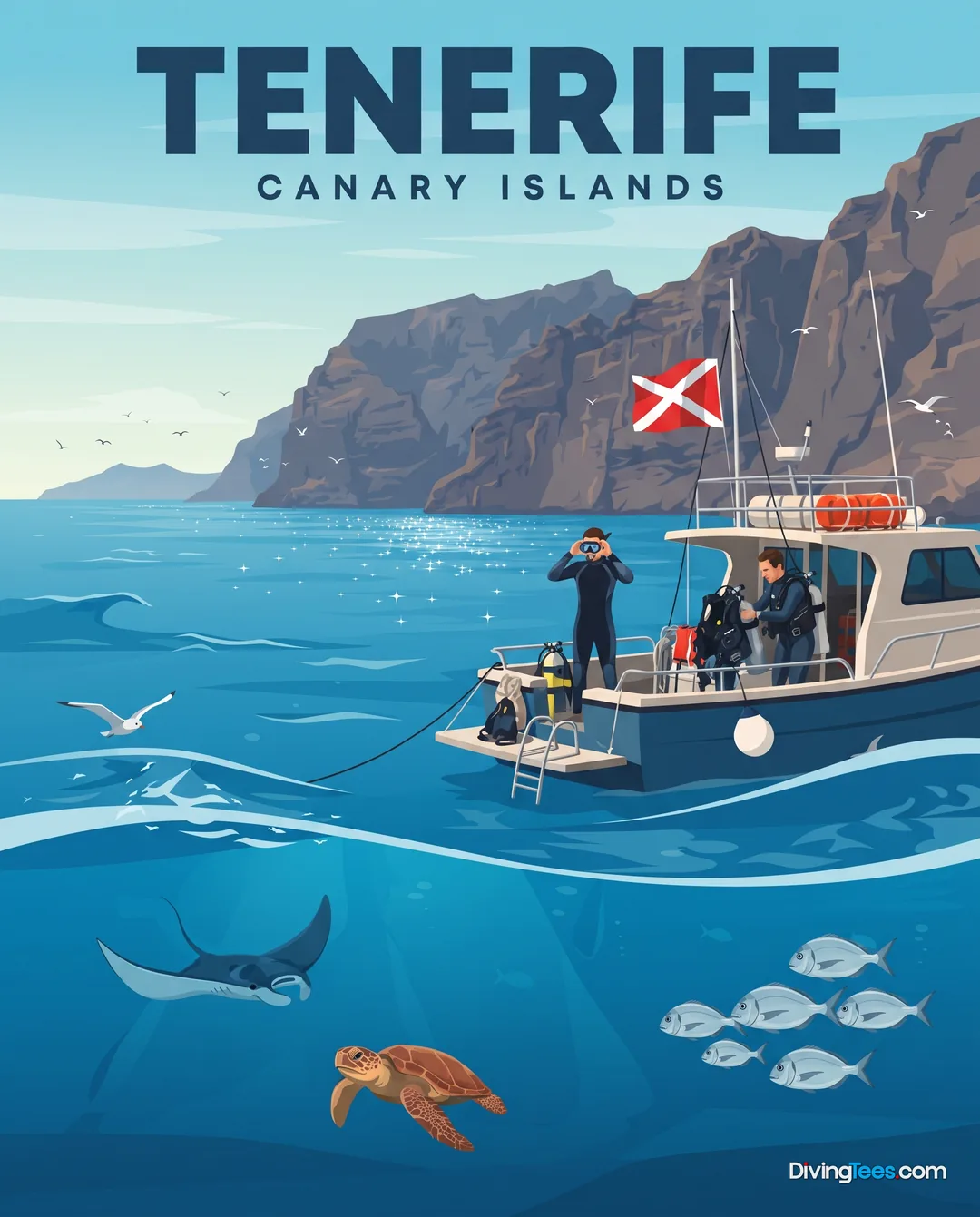
Max. depth · 40 mDescend into Radazul's volcanic underwater landscape, where dramatic formations host rays, morays, and turtles against a backdrop of deep blue Atlantic water.
For subtitles in English: start the video firstthen click the gearat the top right of the video, select “Subtitles/CC”, then “Auto-translate” and choose “English”.
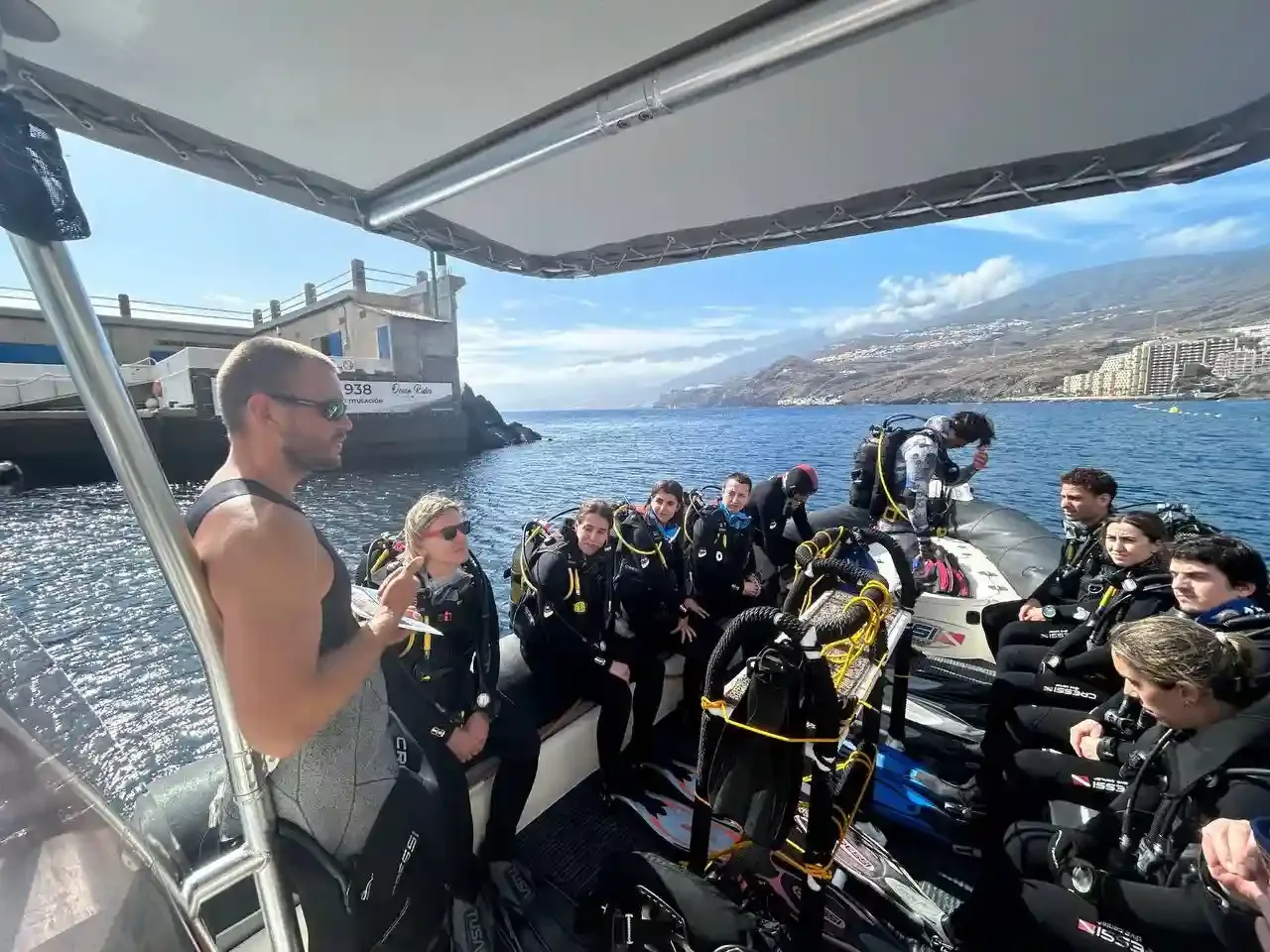
Radazul is found within a sheltered bay on Tenerife, providing protection from prevalent weather and swell, which creates generally calm conditions for diving. This makes the site accessible for a range of experience levels, from initial training dives to deeper explorations. The underwater topography transitions from rocky areas to sandy flats, offering varied habitats for marine life and allowing for different dive profiles depending on your certification and air consumption.
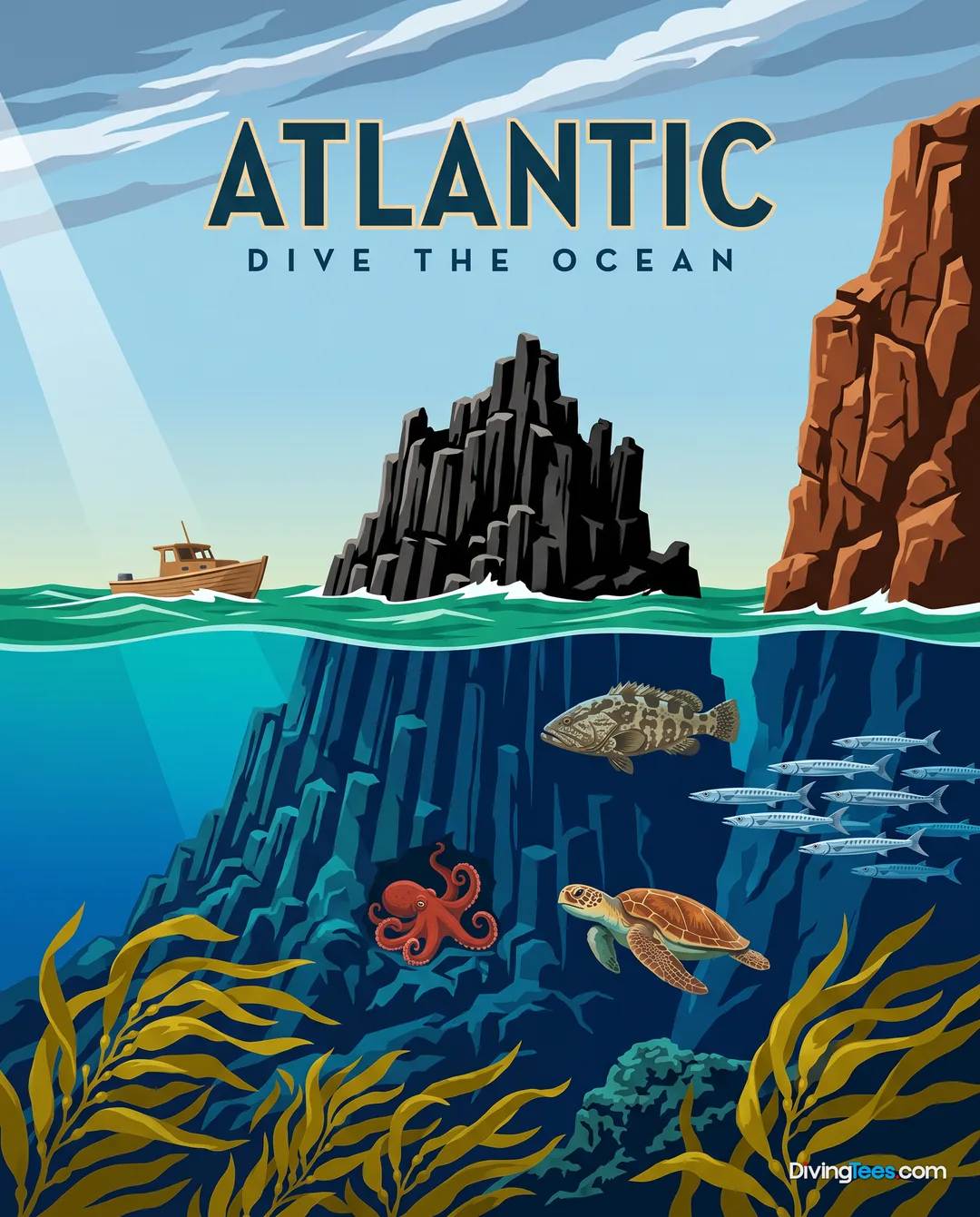
The site's volcanic geology defines its character, creating a striking underwater landscape of arches and walls. As you descend, these formations guide you through a progressively deeper environment. This natural architecture not only presents visual interest but also provides numerous hiding spots and sheltered areas for resident species, contributing to the site's rich biodiversity.
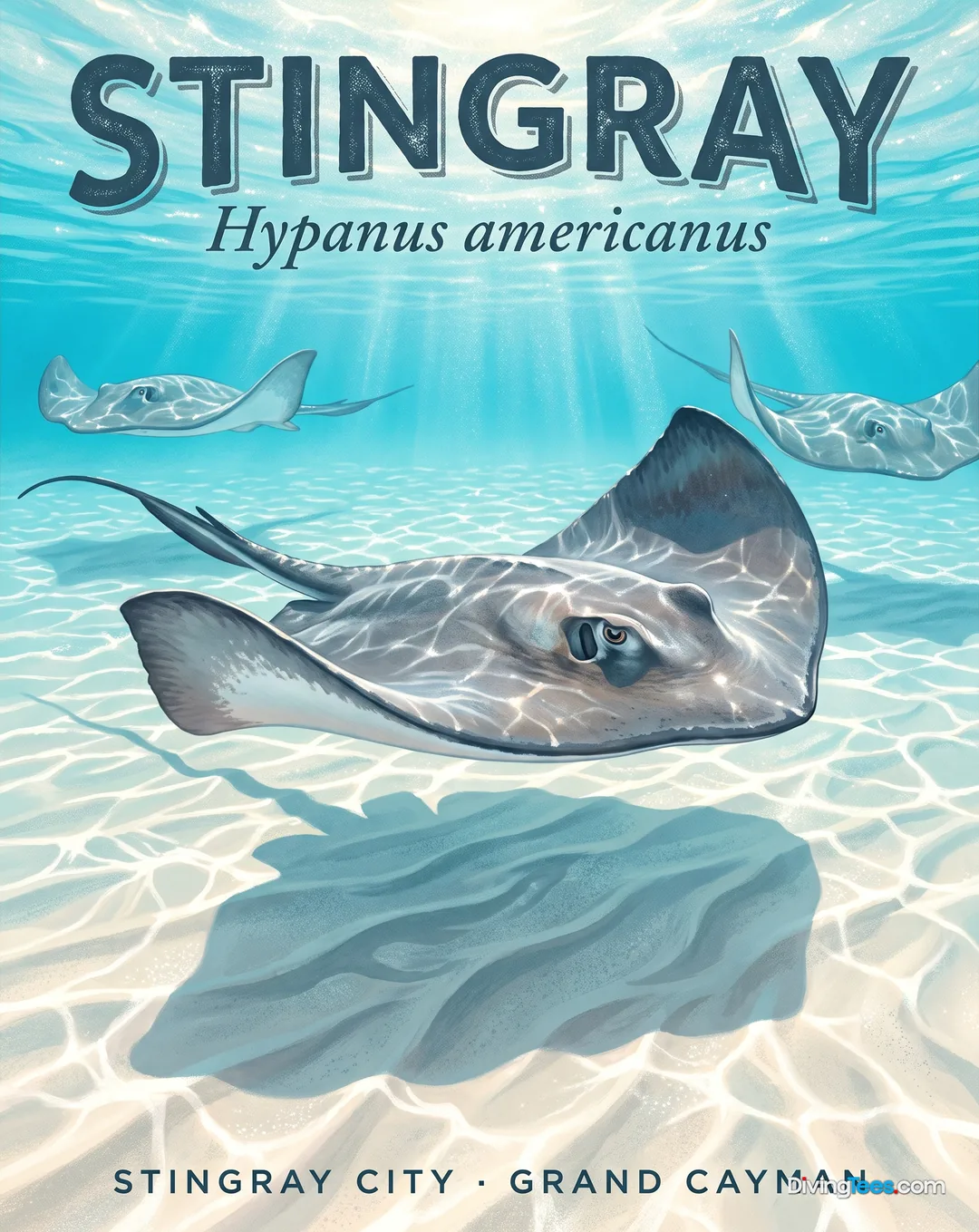
One of the consistent draws at Radazul is the opportunity to encounter various ray species. Stingrays and common rays are frequent residents, often found patrolling the sandy areas or resting partially buried. Beyond these, sightings of chuchos (round fantail stingrays) add to the diversity, moving gracefully over the bottom, often in transitional zones between rock and sand. Keep your eyes on the slightly deeper sand areas, as these are often where they are found.
The site is also home to a healthy population of moray eels, which you'll typically find tucked into crevices and under ledges among the volcanic rock. Grouper are also present, often holding their positions near the reef structure. This resident fish community, along with pipefish and striped burritos, contributes to the active feel of the reef, particularly as you explore the numerous nooks and crannies of the wall system during your dive.
Further out, especially in the areas with slightly more current, you might encounter schools of fish moving along the walls, indicating a healthy pelagic influence. For those exploring the deeper sections and volcanic arcs, there is also the consistent possibility of seeing turtles. They are not guaranteed but are regular visitors, often found either feeding on the reef or moving through the water column. Observing them move slowly across the volcanic structure is a highlight here.
Visibility at Radazul is consistently good, often reaching up to 35 metres, which enhances the experience of the large volcanic formations and panoramic views. Even at depths reaching 40 metres, natural light penetrates well, illuminating the volcanic features. This clarity, combined with generally calm conditions, allows for relaxed navigation and extended observation of marine life, regardless of whether you're focusing on macro subjects or scanning the blue.
The overall profile of Radazul, with its combination of a protected bay, clear water, and a diverse range of depths down to 40 metres, makes it a site suitable for multiple dives. You can explore the shallower sandy zones for rays and octopus on one dive, and then trace the deeper volcanic walls and arcs on another. This versatility, combined with the year-round diving conditions and potential for night dives, ensures that Radazul remains a reliable and rewarding dive location.
Radazul is generally accessible for all certified divers, often used for introductory dives, with possibilities extending to 40 metres for those with appropriate deep diver training. While typically experiencing no to moderate current, conditions can shift, so always assess the water movement. Visibility often extends to 35 metres. The site is diveable year-round, making it a reliable option regardless of the season.
You can dive Radazul year-round, regardless of the season. The sheltered bay helps protect the site from prevalent weather and swell, creating generally calm conditions. Radazul is also suitable for night diving, giving you another way to explore its rocky and sandy habitats and observe its marine life.
Radazul is generally accessible for all certified divers and is often used for introductory dives. You can explore shallower areas or descend to forty metres, provided you have appropriate deep diver training. Your certification and air consumption help determine which dive profile and volcanic formations you can explore.
At Radazul, you will typically find no current to moderate current, although water movement can change. Assess the conditions before entering and during the dive. The sheltered bay generally provides calm conditions, while areas with slightly more current may attract schools of fish moving along the volcanic walls.
You can explore volcanic walls and arches, rocky areas, sandy flats, and varied marine habitats at Radazul. Look for rays on the sand, moray eels in rock crevices, groupers, pipefish, striped burritos, and regular turtle visitors. Visibility often reaches thirty-five metres, helping you observe the underwater landscape.