

Octopus Diving Center
Google 4.9/5 (213 reviews)
133 km away as the crow flies
Terceira · Azores · Atlantic
Max. depth · 40 mDescend onto Baixa do Sul, a vibrant pinnacle with its shallowest point at 8 meters, where dense schools of wrasse swirl above an algae-covered plateau and manta rays might glide by in late summer.
Dropping into Baixa do Sul, you immediately encounter the pinnacle's shallow peak, rising proudly to just 8 meters below the surface. This creates a natural focal point, often bathed in vibrant light, before the structure plunges deeper. This initial ascent sets the stage for a dive that quickly transitions from bright, sun-drenched shallows to the more expansive depths of the channel, giving you an immediate sense of the site's dramatic topography.
The most striking feature of the shallower plateau is its lush covering of 'peacock tail' algae, a living tapestry that sways gently with the surge. Over this verdant carpet, dense schools of ornate wrasse (Thalassoma pavo) and Turkish wrasse (Symphodus tinca) create a constant, shimmering display of activity. You'll find yourself immersed in their iridescent movements, a continuous ballet of reef life that defines the upper reaches of this pinnacle.
As you move away from the peak, the dive profile deepens, revealing the pinnacle's full scale, extending down to 40 meters. This transition zone is where the character of the dive shifts, the light softens, and the potential for larger encounters increases. Keep an eye out from the blue, as barracudas and amberjacks (Carangue) frequently patrol these deeper fringes, often in impressive schools, their sleek forms a stark contrast to the colorful wrasse above.
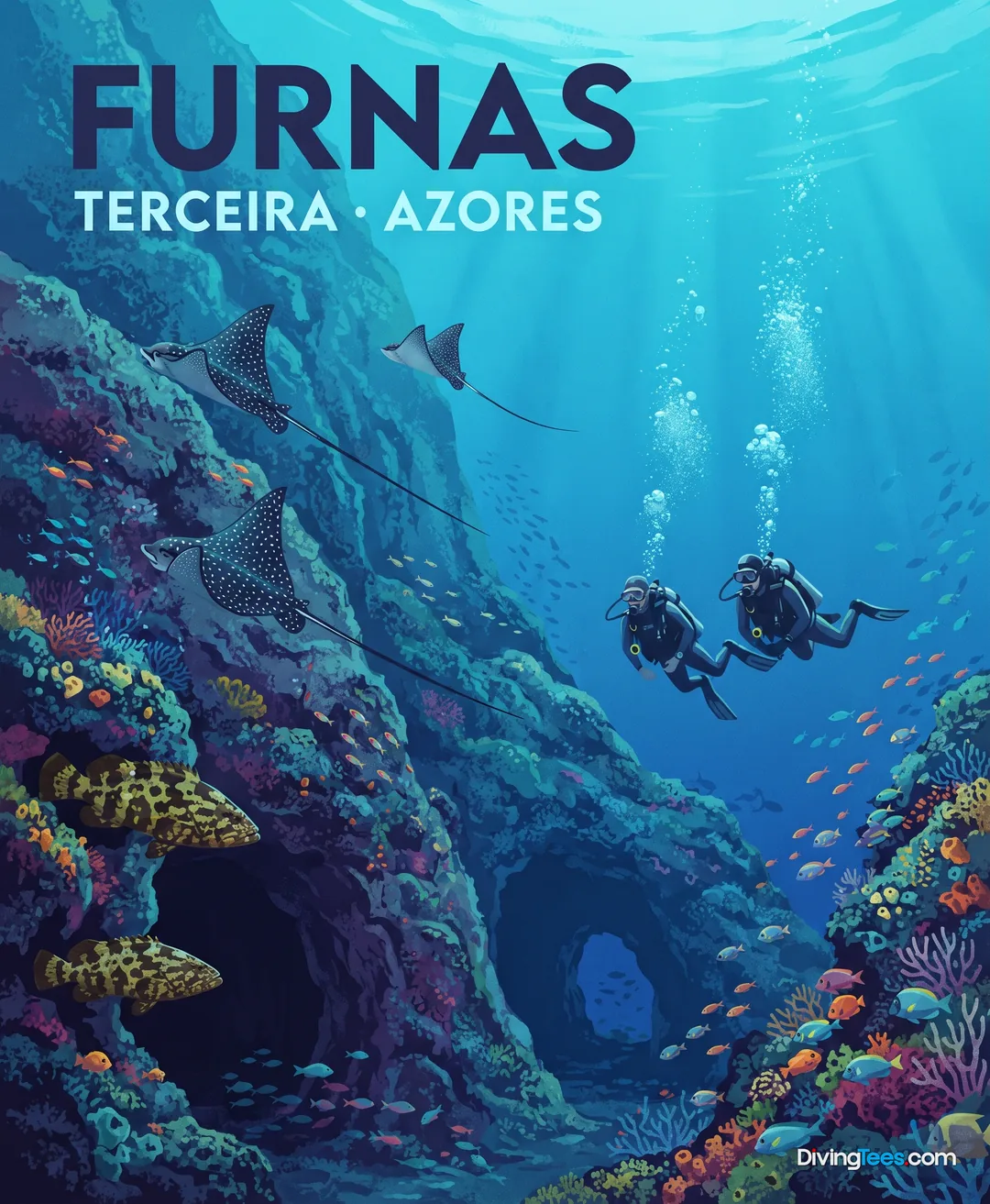
Among the geological formations that characterize this site, you’ll also discover the resident life of the deeper reef. Brown groupers (Epinephelus marginatus) often seek refuge in the crevices and overhangs, their stoic presence a testament to the health of the ecosystem. The terrain itself, sculpted by volcanic activity, offers myriad hiding spots and hunting grounds, encouraging a rich diversity of life to thrive here.
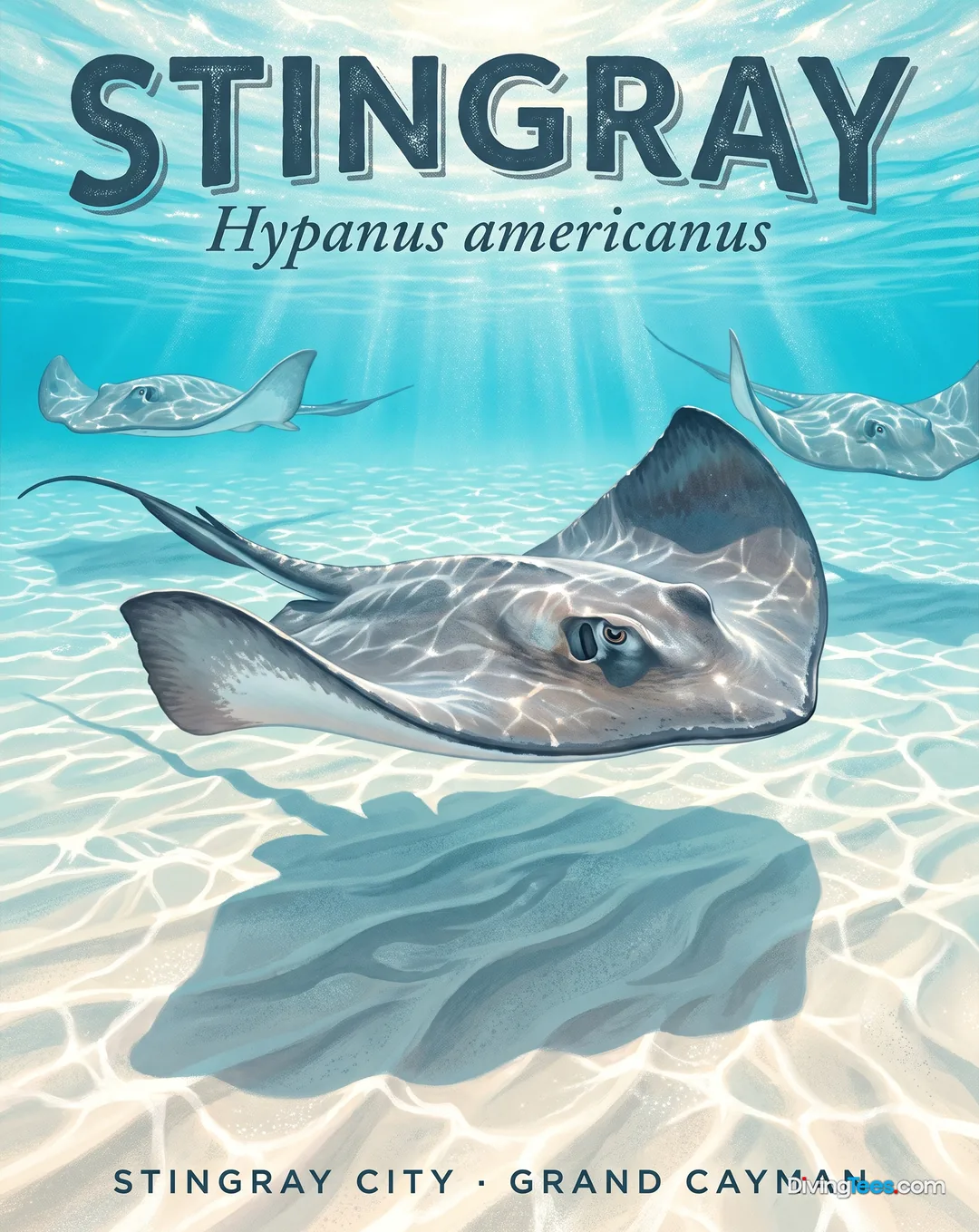
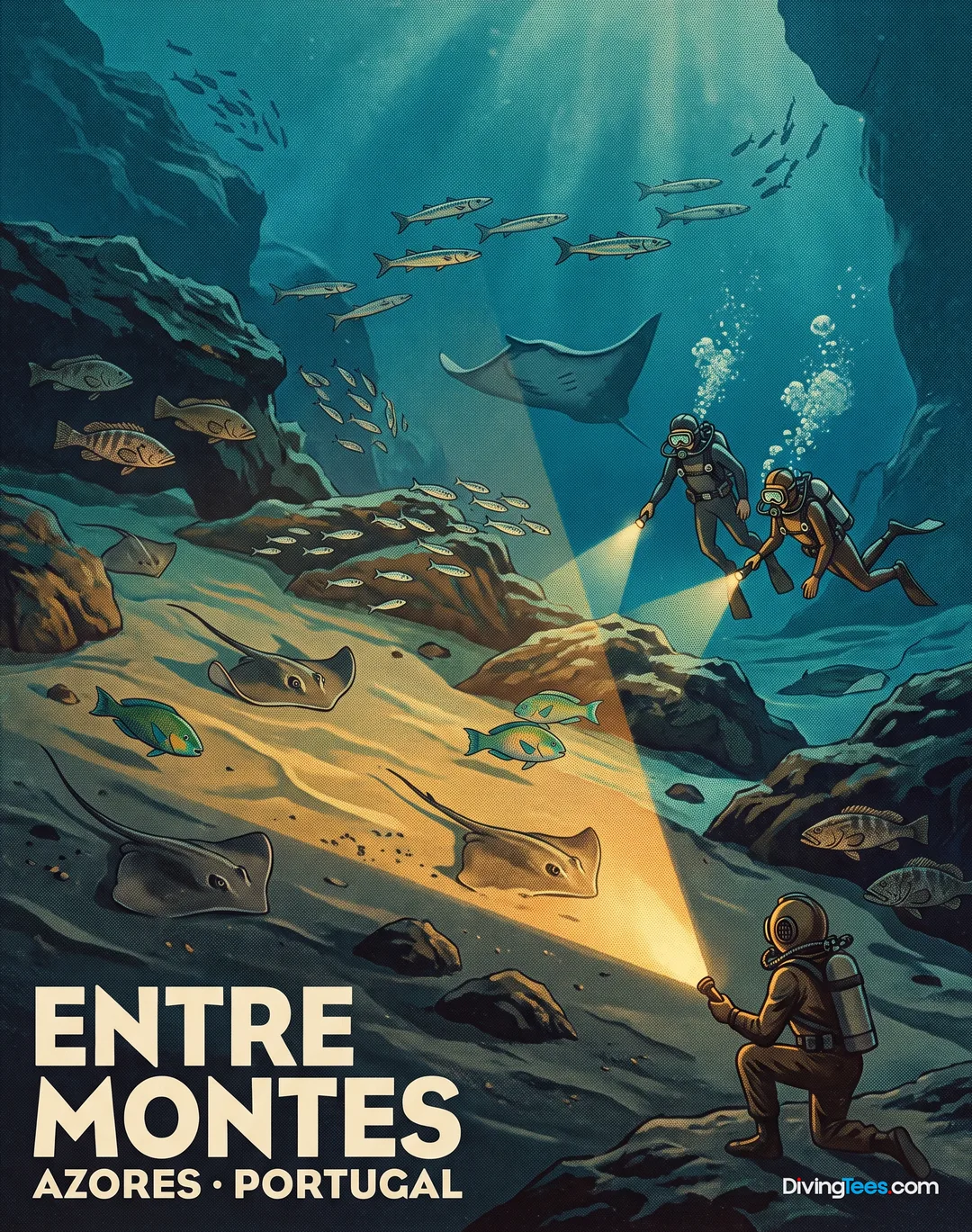
The currents around Baixa do Sul can be strong, a characteristic of many Azorean offshore sites. This surge of water is precisely what nourishes the rich marine communities, bringing nutrients and attracting pelagic visitors. While it demands a certain level of experience to navigate, it’s also what makes possible the exciting encounters with species like stingrays (Dasyatis pastinaca), often seen gliding along the contours of the pinnacle.
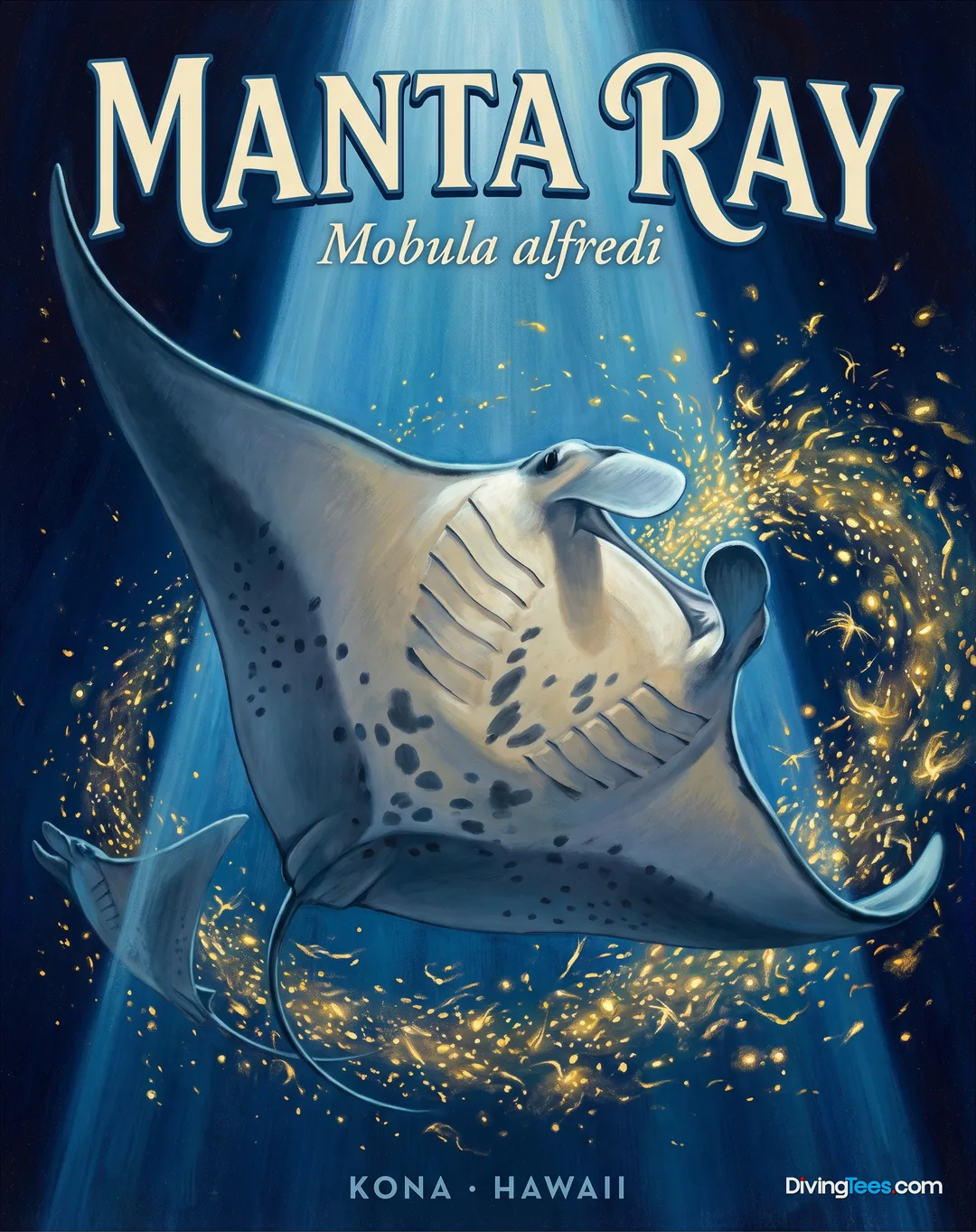
The pelagic draw of Baixa do Sul extends further into the channel, particularly during specific times of the year. Anthias, their small, vibrant bodies forming clouds of color, populate the more current-exposed sections, feeding on passing plankton. And for those fortunate enough to dive in August and September, the site holds the promise of encountering majestic manta rays (Manta birostris), sweeping through the open water around the pinnacle.
Baixa do Sul is considered an advanced diving site, with depths ranging from 8 meters to a maximum of 40 meters. You should be prepared for potentially strong currents, which are a defining feature of this pinnacle. For the best chance of encountering manta rays, the recommended period to dive here is specifically during August and September.
You should plan a dive at Baixa do Sul during August and September for the chance to encounter manta rays. During these months, Manta birostris may sweep through the open water around the pinnacle. The site’s deeper channel and current-exposed sections also attract other pelagic species and clouds of anthias.
Baixa do Sul is considered an advanced diving site, and you should be prepared for potentially strong currents around the pinnacle. These currents nourish the marine community and attract pelagic species, but they also demand experience to navigate. Stingrays may glide along the pinnacle’s contours, while anthias gather in current-exposed sections.
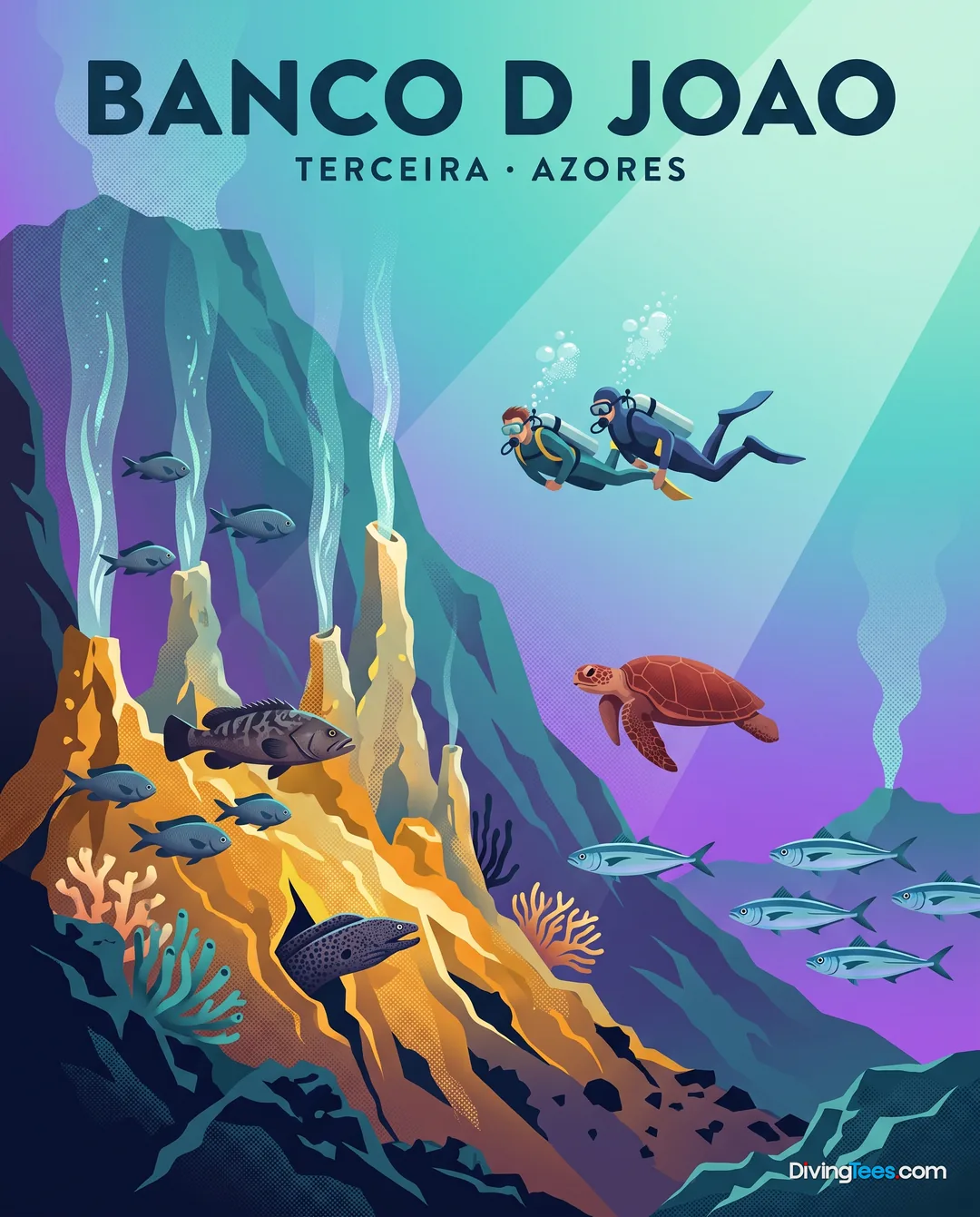
Baixa do Sul begins at a shallow peak covered in peacock tail algae, then descends through a deeper transition zone toward the channel. You move from bright, sunlit shallows into softer light and expansive depths, with the volcanic pinnacle extending to 40 meters and offering geological formations, crevices, and overhangs.
At Baixa do Sul, you can see peacock tail algae, dense schools of ornate and Turkish wrasse, and clouds of anthias over current-exposed sections. Deeper water may bring barracudas and amberjacks, while brown groupers shelter among geological formations. You may also encounter stingrays and, in August and September, manta rays.