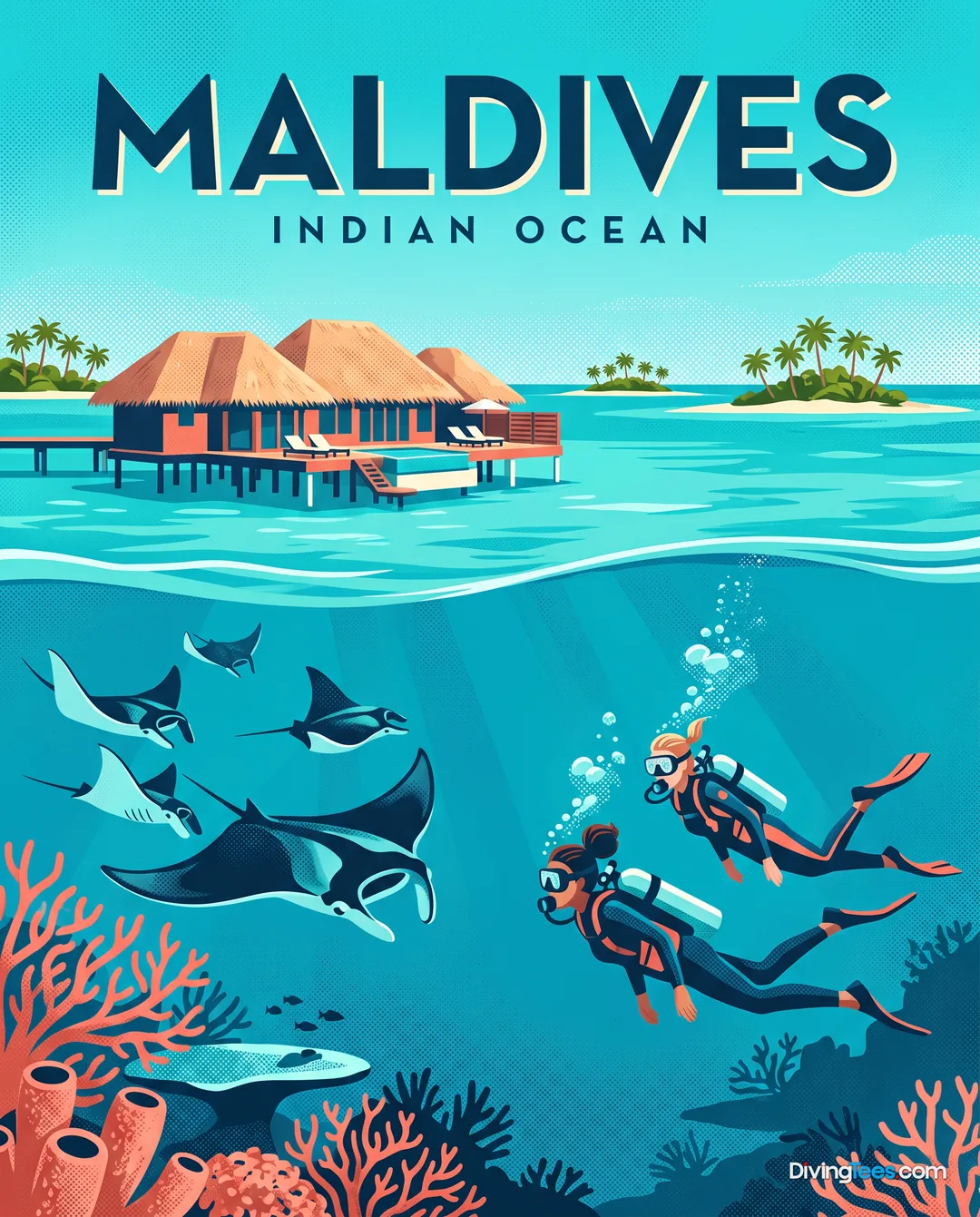
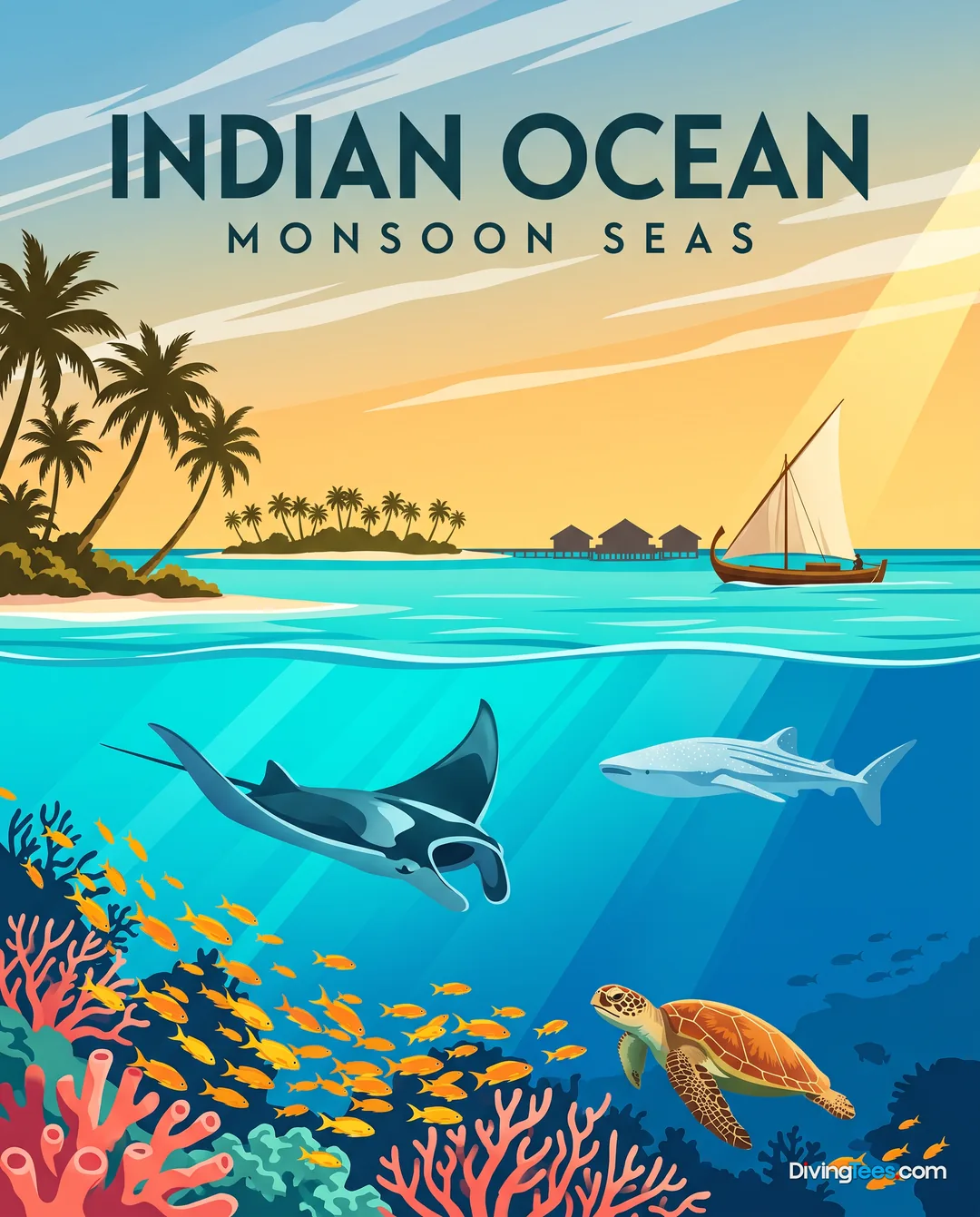
Liveaboards · Maldives
Legend Zen — a modern Maldivian liveaboard built around serious diving
What makes this boat unique
- Built in 2024, Legend Zen is a 41-metre liveaboard with 13 cabins for up to 24 passengers.
- Its dive setup includes a shaded dive area, a dedicated camera rinse, DIN adaptors, nitrox, rebreather support and sidemount diving with one cylinder.
- The four Maldivian routes offer 8-day, 7-night trips with 17 dives, including one or two night dives.
- Hanifaru Bay brings the chance to snorkel among feeding manta rays, while nearby sites add reef sharks, whale sharks, currents and pinnacles.
- The boat welcomes non-divers and offers a jacuzzi, spa, kayaks, paddleboards, fishing and watersports between dives.
For subtitles in English: start the video firstthen click the gearat the top right of the video, select “Subtitles/CC”, then “Auto-translate” and choose “English”.
The invitation
Legend Zen suits divers who want a broad Maldivian route without giving up the comforts that matter after a demanding dive. The programme reaches current-swept channels, shark sites, manta cleaning stations and whale-shark country, then brings the group back to a proper saloon, shaded outdoor space and a jacuzzi. That balance is the point: the boat is designed for diving, but a week aboard does not feel reduced to a bunk and a tank rack. The Hanifaru + North Ari route is the obvious choice when manta rays are the main reason for travelling. Best of Maldives covers Male, Ari and Vaavu for a wider mix of sharks, mantas, reefs and night diving. The Great North adds Lhaviyani, Raa and Baa. Deep South is aimed at experienced divers looking for pelagic encounters.
Boarding
At the dock, Legend Zen presents itself as a substantial working liveaboard rather than a compact yacht. The polished wooden hull, finished with a fibreglass coating, gives the boat a traditional Maldivian character, while the 2024 build brings cleaner lines and newer machinery to the experience. Once aboard, the crew settles guests into their cabins, gives a tour of the boat and runs the general briefing before the diving begins. The spaces are arranged for movement between the saloon, outside areas and dive operations, so the first impression is practical as much as decorative. The boat's size gives the group room to spread out without losing the social scale of a shared safari. After boarding, the important question is answered quickly: where the kit goes, where the next briefing happens and how the tender connects the boat to the reef.
The atmosphere on board
Legend Zen is set up for a mixed group: committed divers, families and non-divers can share the boat without needing the same timetable. English is the working language of the crew. The dive team handles the briefings and the route, while the wider crew takes care of cabin service, meals, transfers and the practical work around equipment. That division matters after several dives, when clean towels, a prepared meal and a boat that is ready for the next move matter more than formal polish. Evenings can stay quiet in the saloon or move outside for dinner, drinks and a view of the atoll. The boat has audio and video entertainment, televisions in the cabins and a bar, but the strongest reason to gather is usually simpler: a manta encounter, a shark pass or the question of whether the current will run at the next site.
The sites you’ll dive
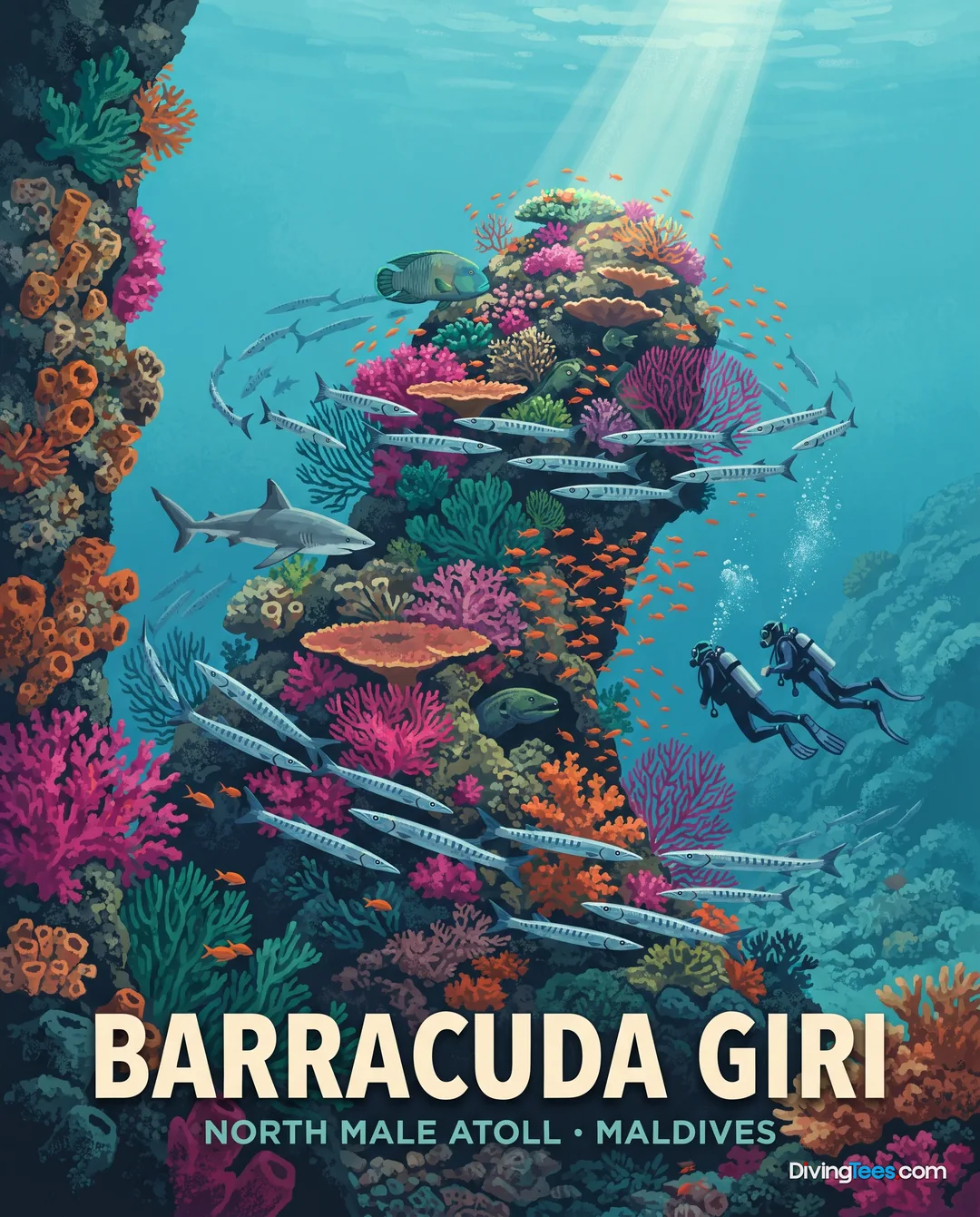
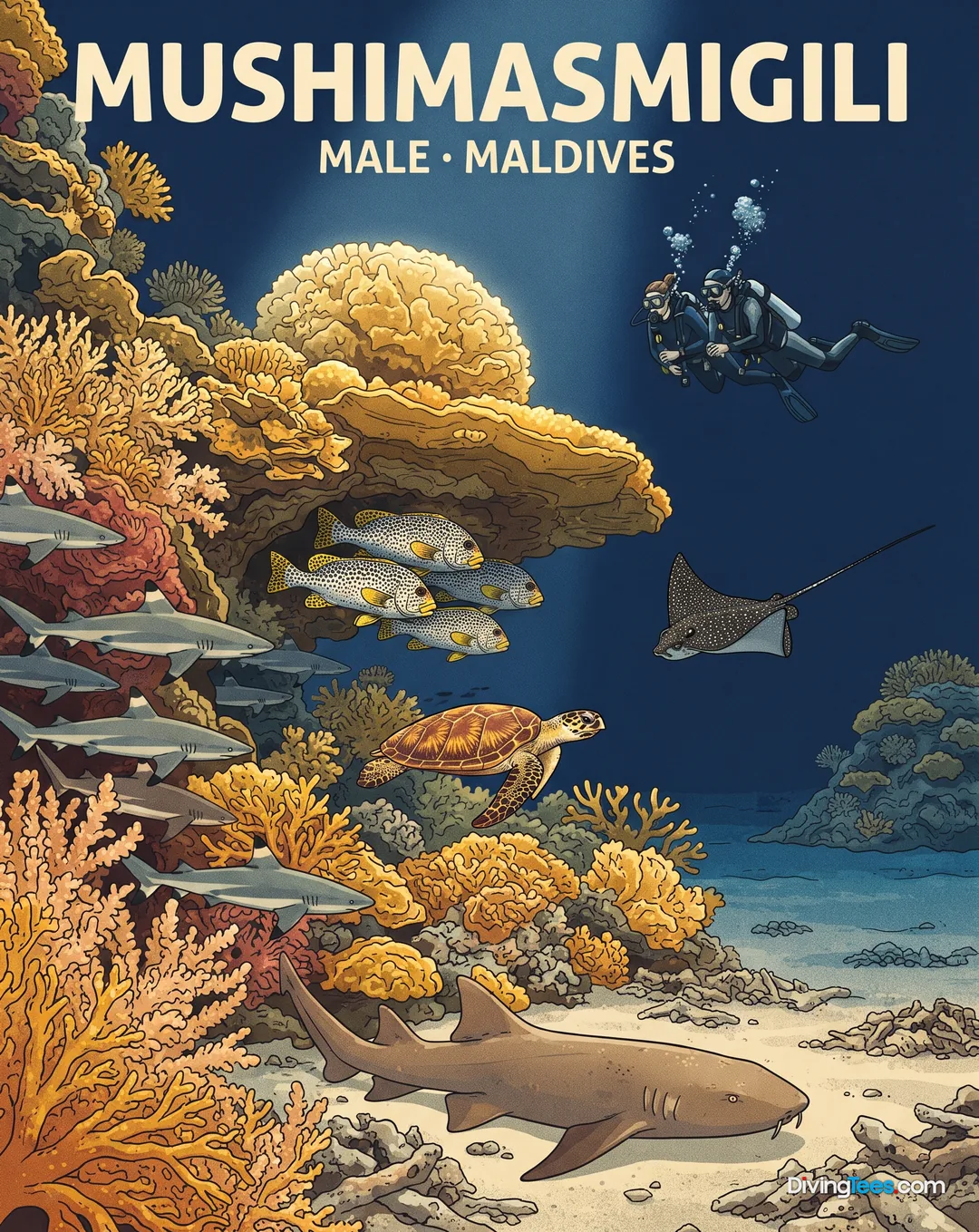
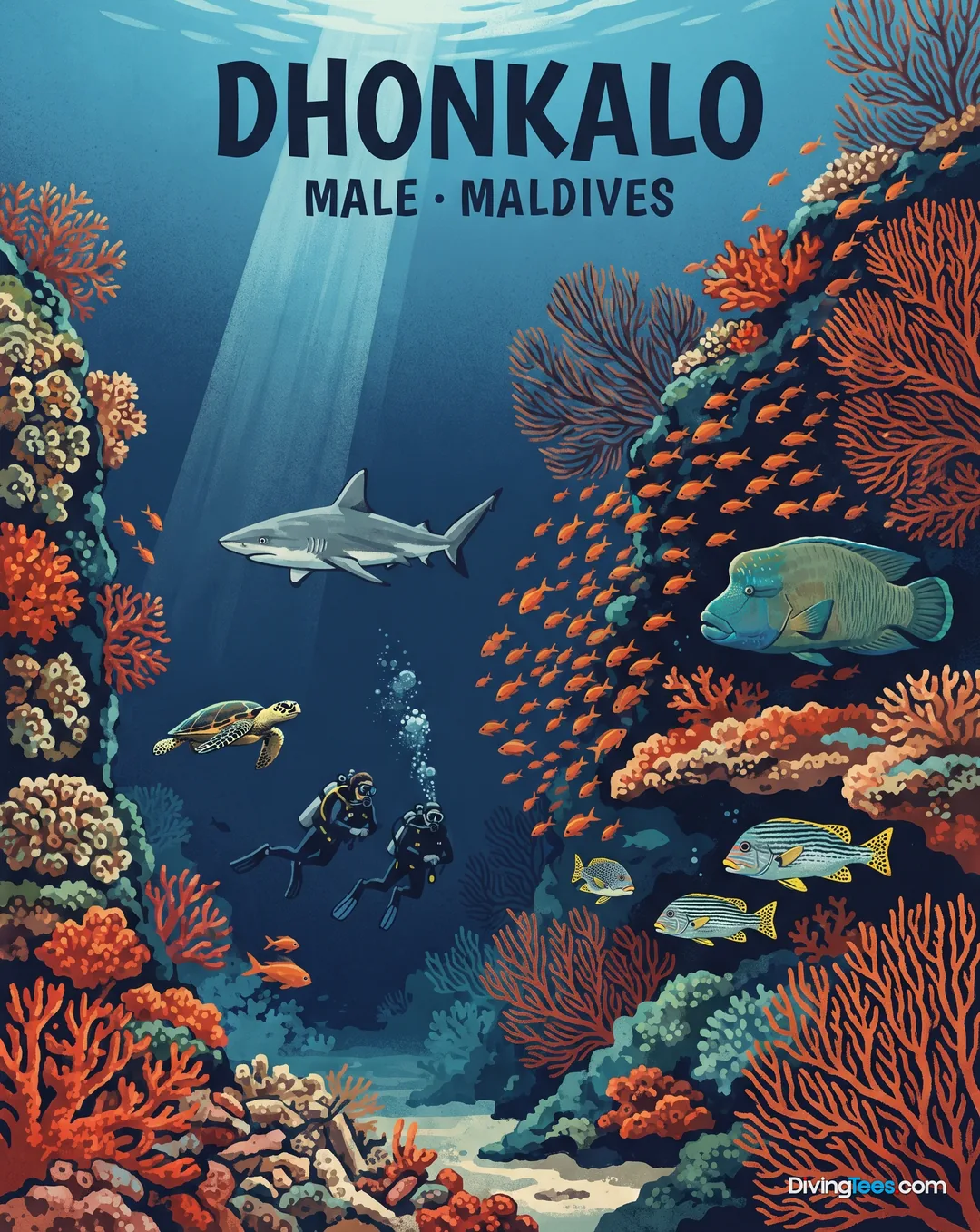
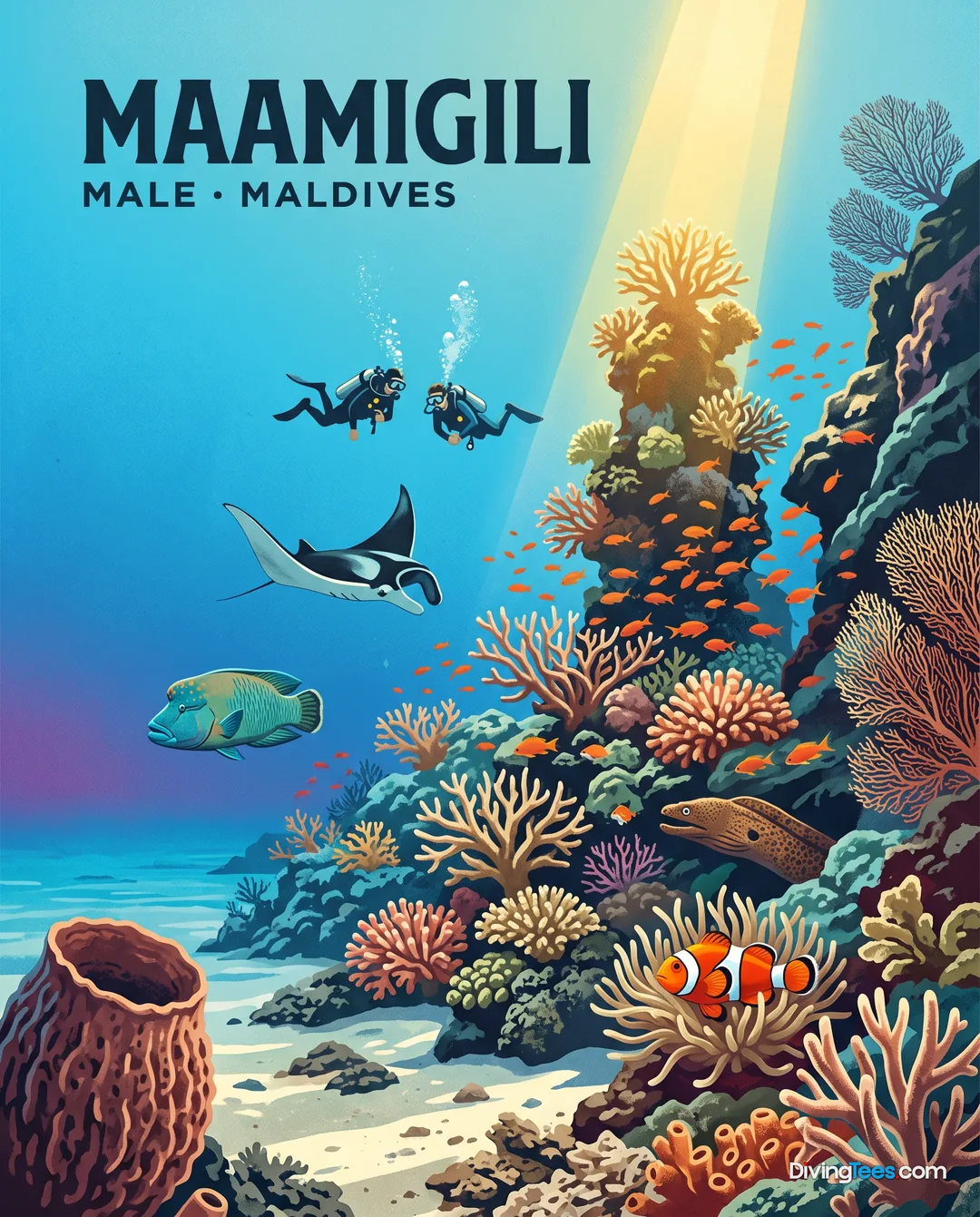
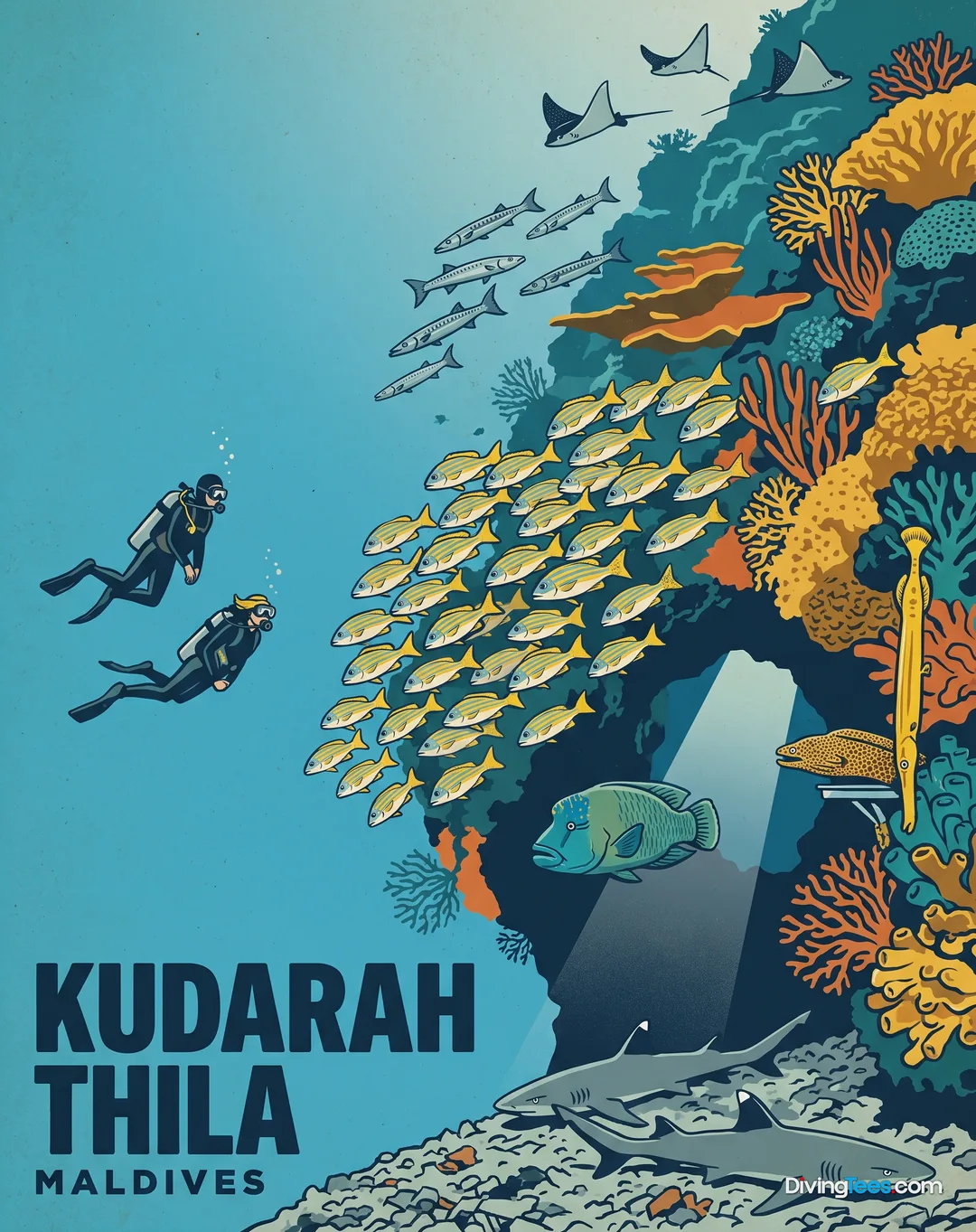
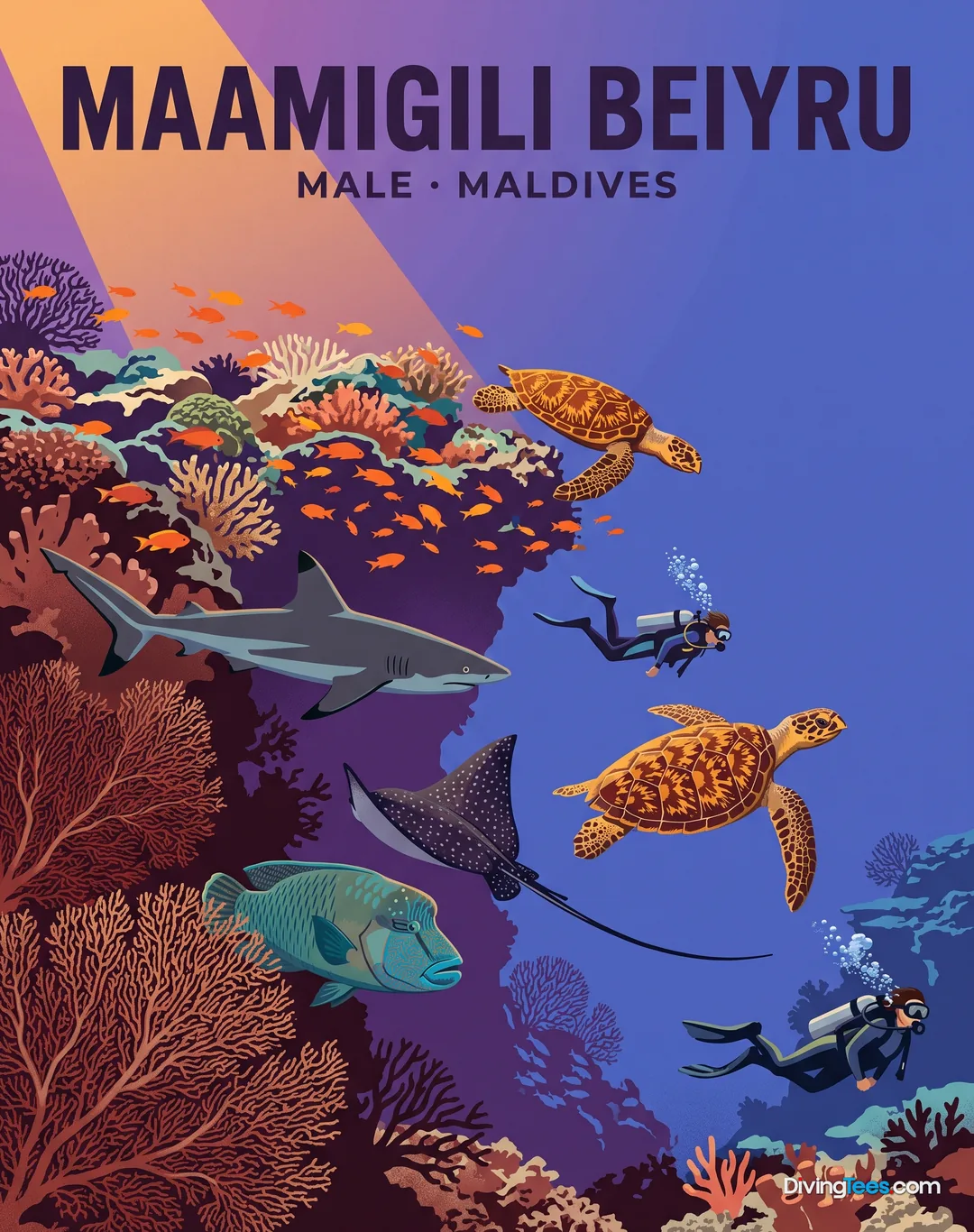
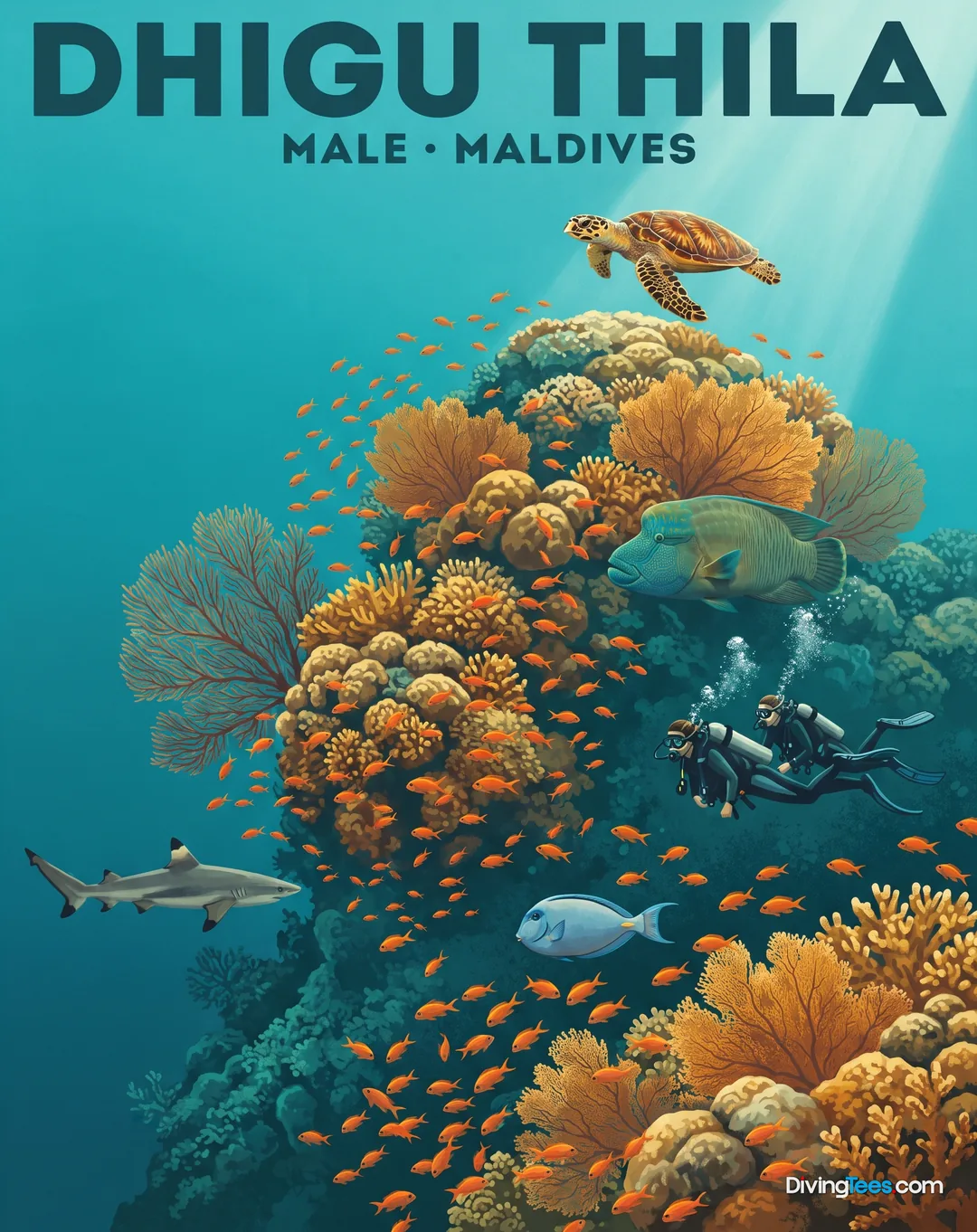
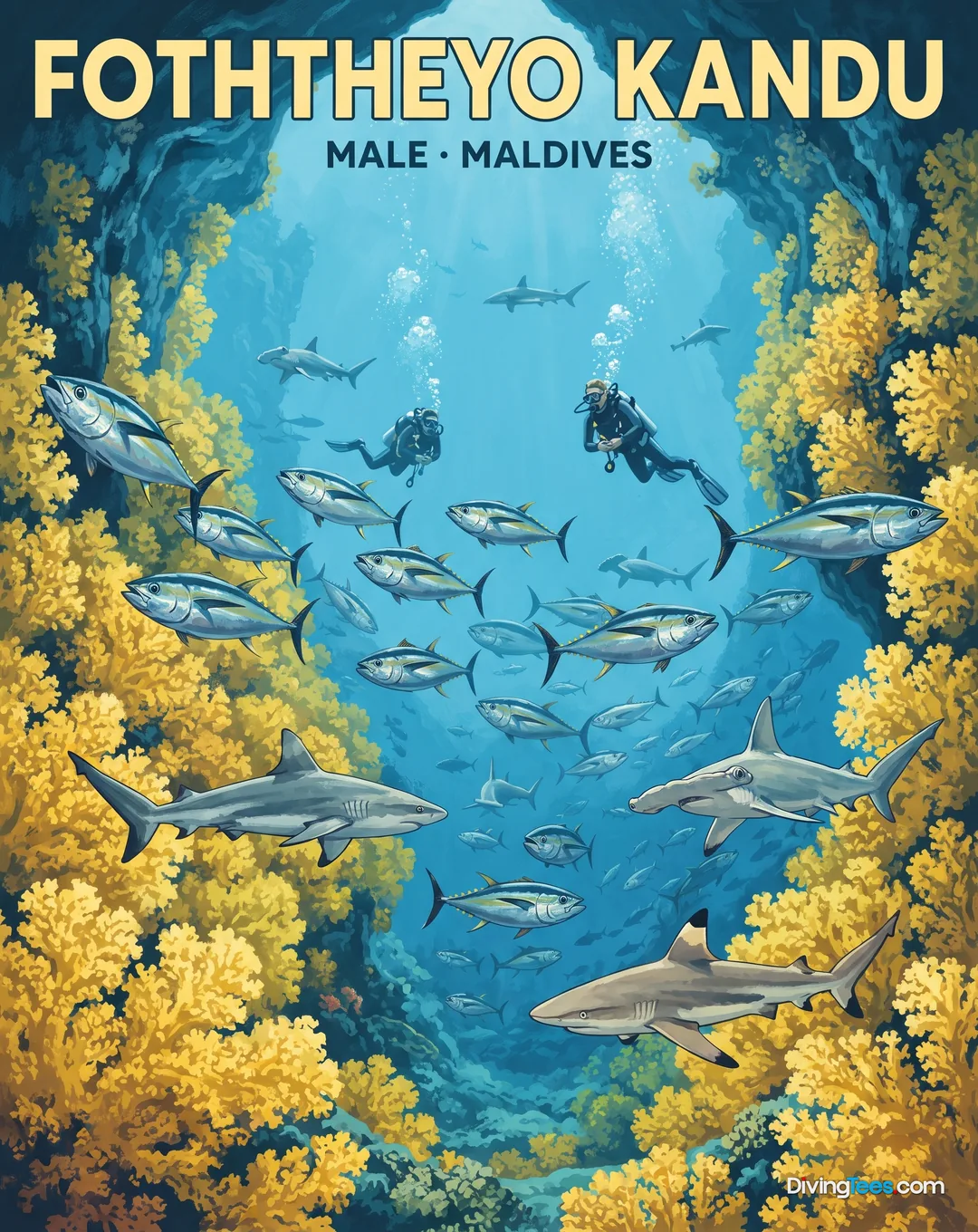
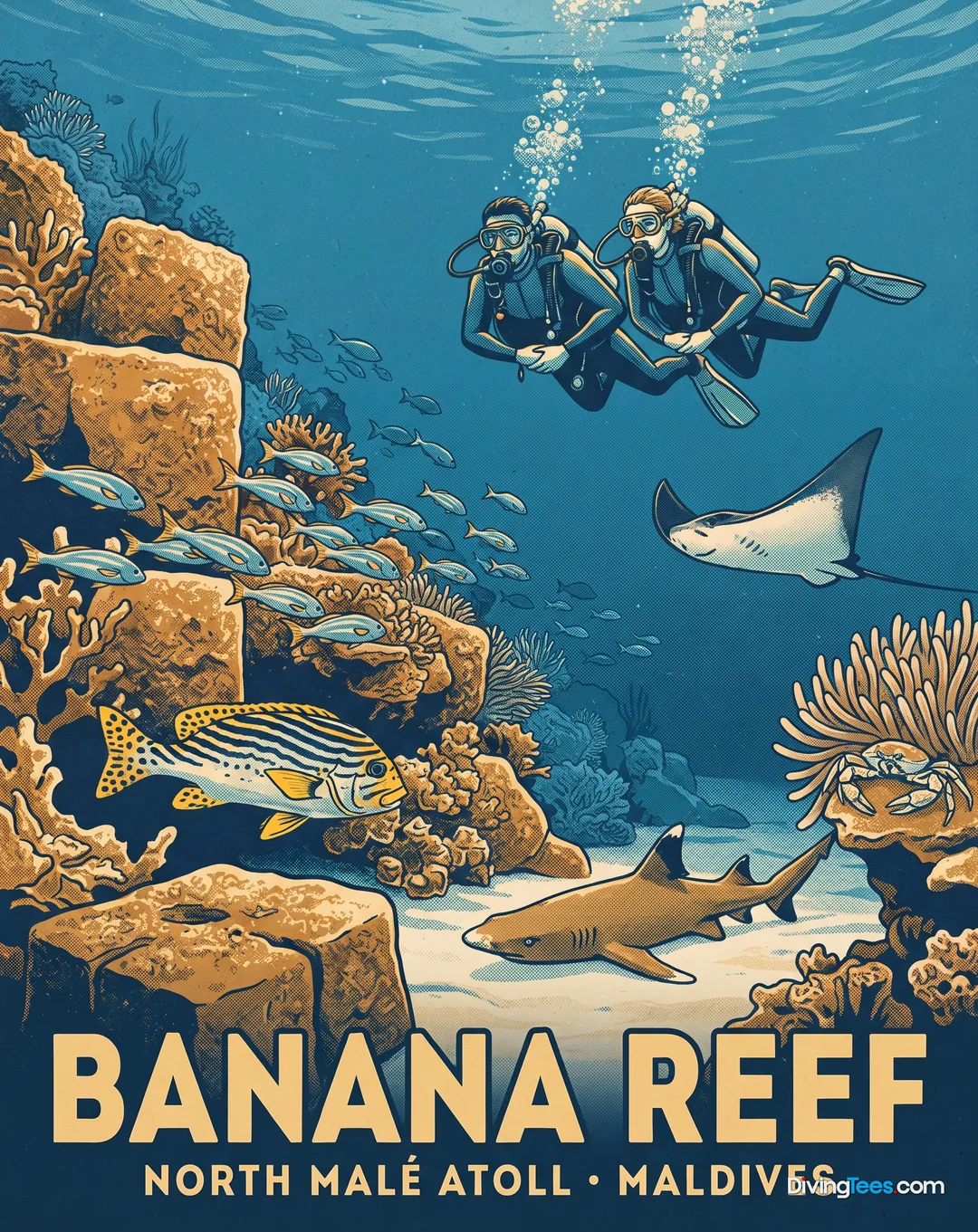
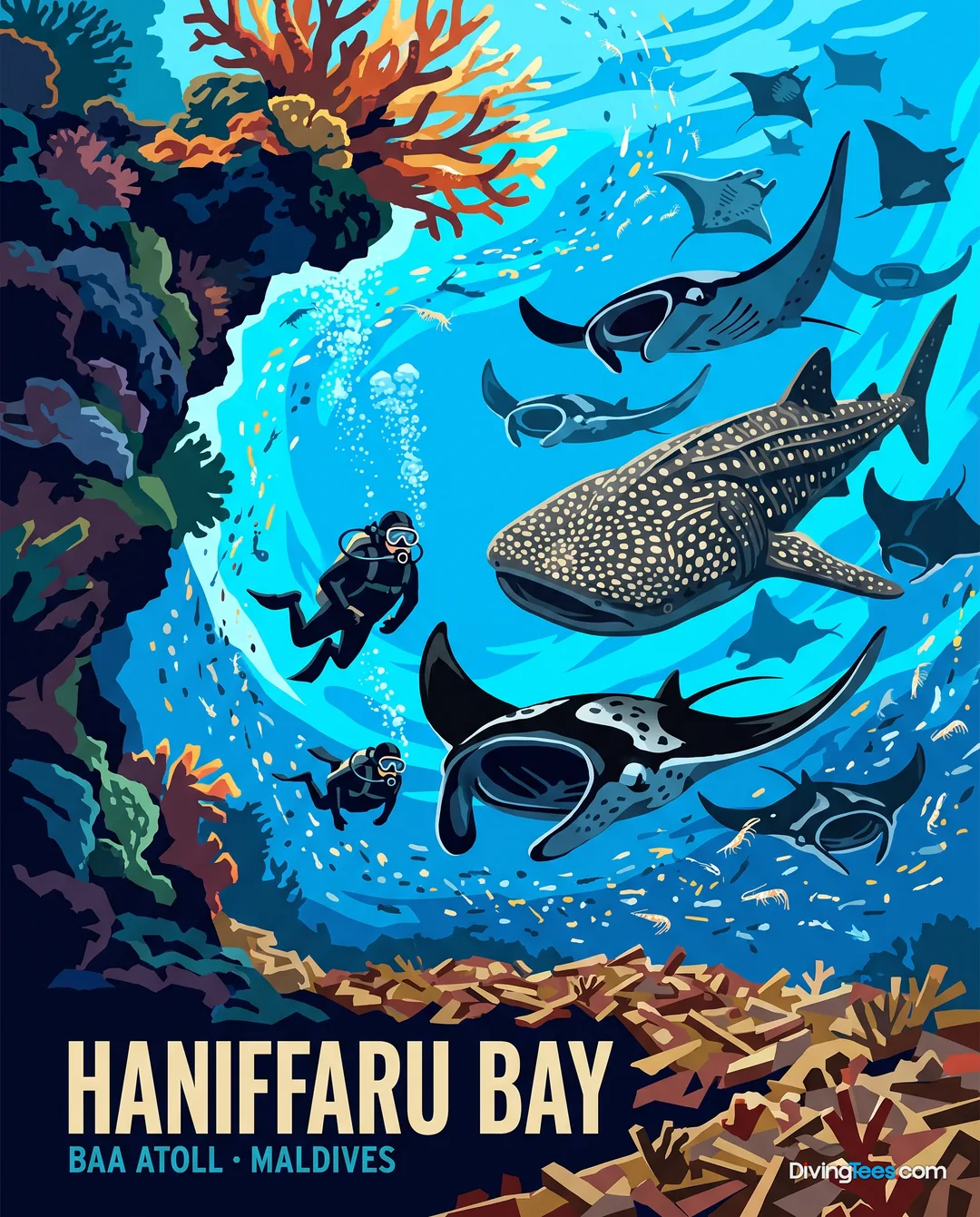
The recorded cruises run for 8 days and 7 nights, with Male-to-Male departures on the Best of Maldives and Hanifaru + North Ari routes; The Great North and Deep South are also offered as 8-day itineraries. The sites cover the Maldives' main underwater signatures. At Barracuda Giri, three submerged pinnacles drop to a maximum of 30 metres, where current draws schooling barracuda, fusiliers, tuna and jacks. Mushimasmigili Marine Reserve reaches 30 metres and puts grey reef sharks around the up-current pinnacle. Dhonkalo, to 25 metres, is a manta cleaning station in a sandy channel. Maamigili, Kudarah Thila, Maamigili Beiyru and Dhigu Thila reach 30 metres, with whale sharks and mantas, batfish around clefts and overhangs, and pelagics drawn to strong current. Foththeyo Kandu reaches 40 metres, combining caves covered in yellow soft coral with open-ocean traffic. Banana Reef is a lively reef landmark near Thulhagiri. Hanifaru Bay is different: scuba diving is prohibited there, but snorkelling can bring hundreds of feeding manta rays in cyclone formation.
What you’ll meet underwater
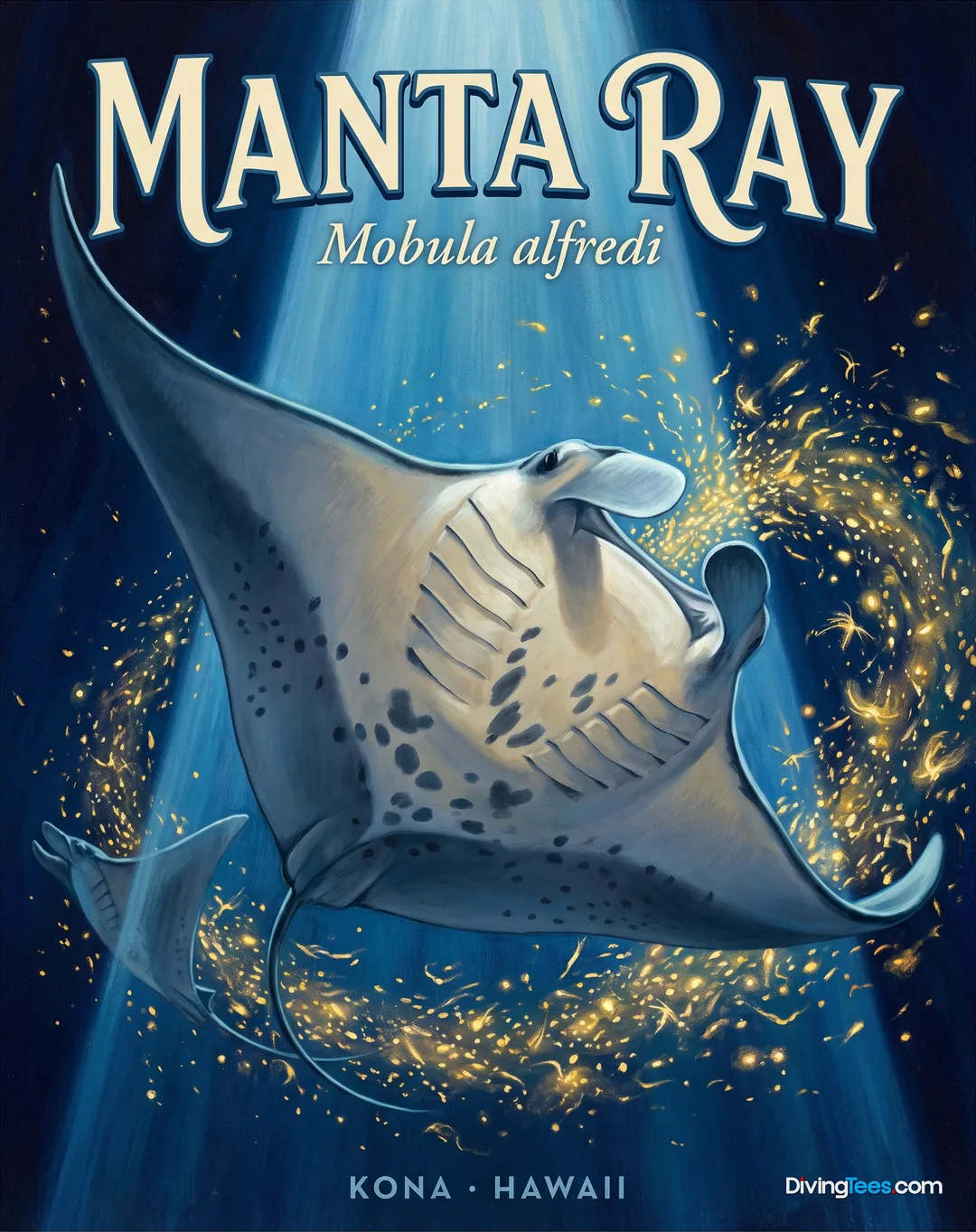
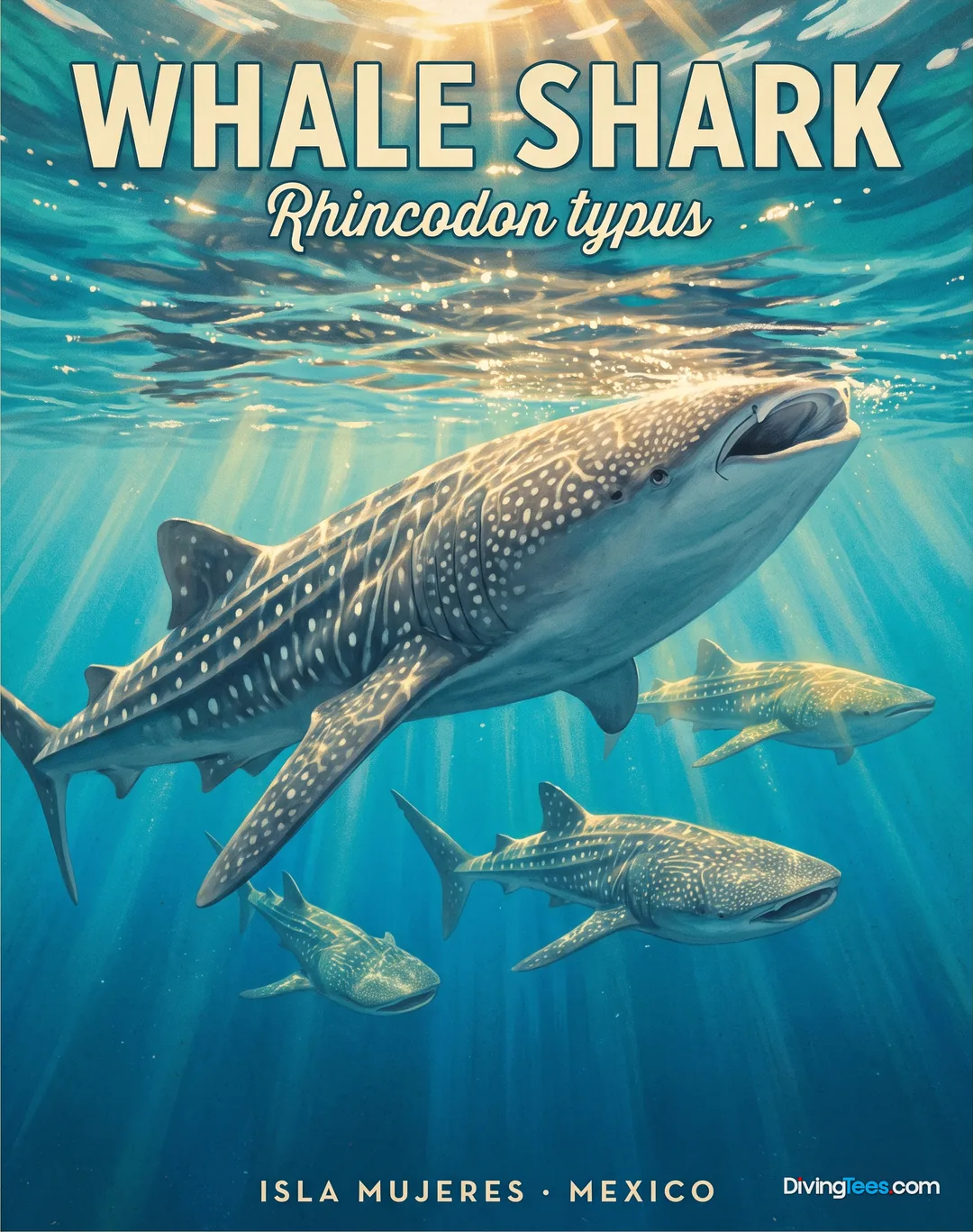
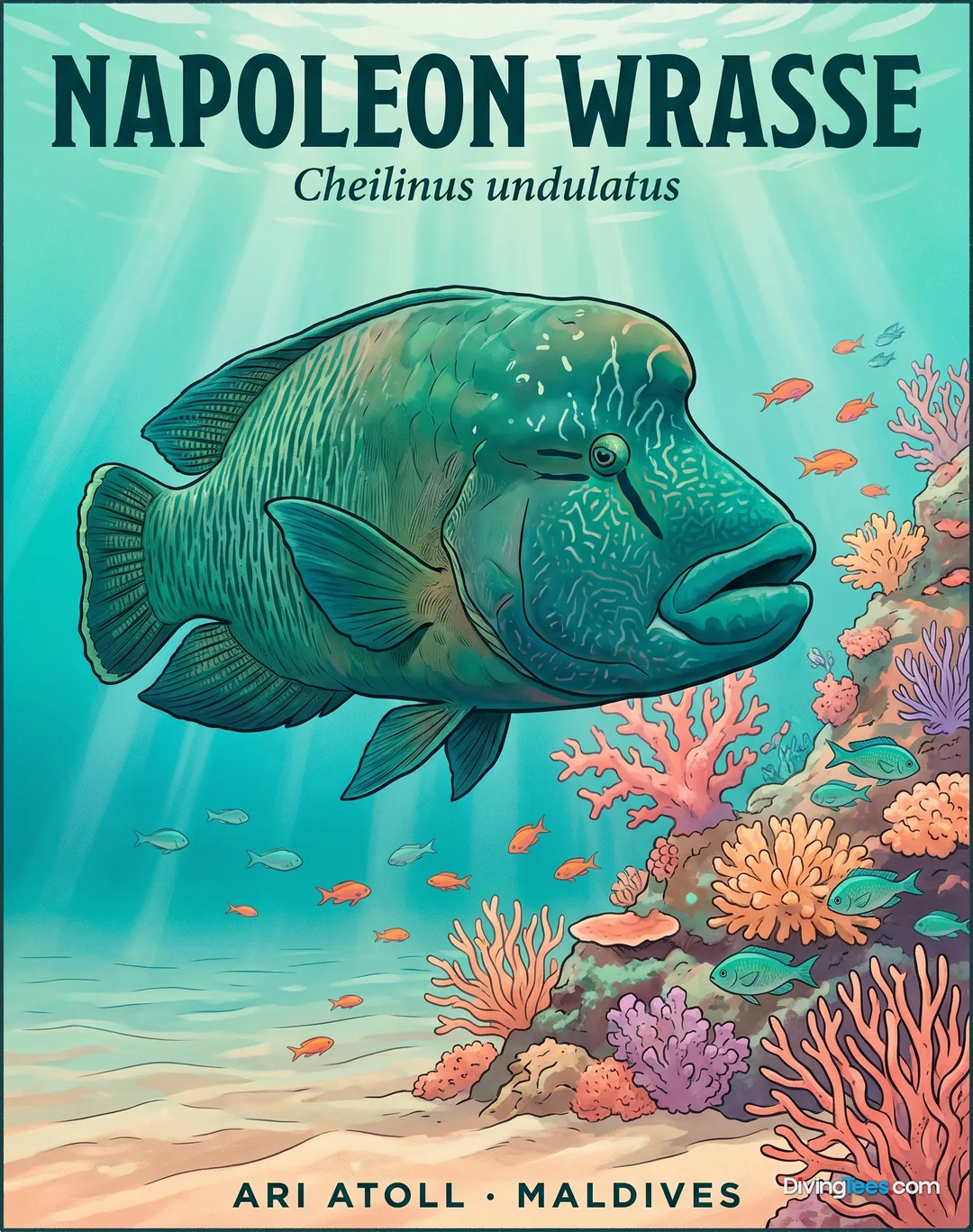
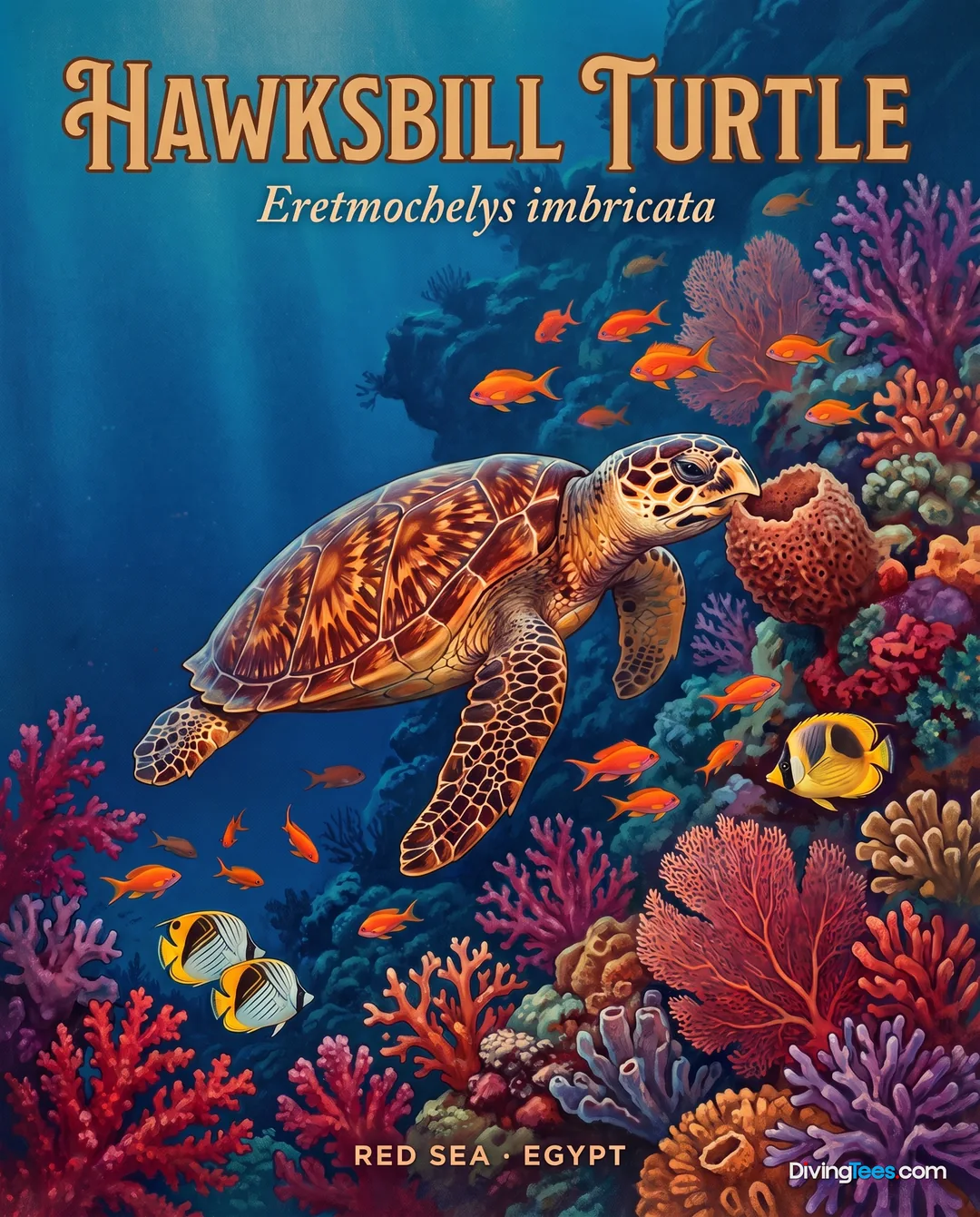
The route is built for large animals. Napoleon wrasse, grey reef sharks, manta rays, tuna, sea turtles, fusiliers, barracuda, eagle rays, jacks, white-tip reef sharks, moray eels and batfish recur across the recorded sites, with the current often deciding how close and how long the encounter becomes. Cleaning stations explain the manta sightings at Dhonkalo, and the up-current pinnacle at Mushimasmigili Marine Reserve concentrates grey reef sharks. South Ari's Maamigili and Maamigili Beiyru are the places to look for whale sharks and mantas inside protected waters. The spectacle at Hanifaru Bay is on the surface rather than below it: from July to October, snorkellers may find hundreds of reef mantas feeding in the plankton-rich bay, and whale sharks can also occur. Some smaller sightings are site-specific. Barracuda Giri is the listed site for groupers and anthias; Banana Reef for anemones; Maamigili for porcupinefish and sweetlips; Dhigalhi Haa Marine Reserve for soft coral and gorgonians; and Dhigu Thila for hawksbill turtles.
Who puts you in the water
The dive team gives a briefing before each dive and organises the water work around the conditions at the site. English is spoken on board. PADI courses available through the operator include Discover Scuba Diving, Open Water, Advanced Open Water and Nitrox, making the boat workable for divers at different stages, subject to the limits set for each trip and site. The Deep South itinerary is specifically aimed at experienced divers; the other routes combine reef dives, channels, pinnacles and night dives. No fixed guide-to-diver ratio, minimum logged-dive requirement or guide qualification is stated, so those details should not be assumed. Safety equipment on the boat includes oxygen, first-aid kits, life jackets, fire alarms and extinguishers, radar, GPS, sonar, radios and emergency beacons. The dive team briefs each descent, while the captain retains the ability to alter the route for weather, current and sea conditions.
The dive deck and the gear
The dive operation is built around a shaded dive area, a platform and diver tenders rather than making everyone enter directly from the main hull. Eight tenders are listed for the boat, giving the crew several small boats for transfers and diver collection around the reefs. Divers return to the platform after the tender ride, with rinse tanks for equipment and a separate rinse for cameras. DIN adaptors are available. Nitrox is available, and nitrox certification can be completed on board as an optional course. The setup also supports rebreathers and sidemount diving with one cylinder. Rental equipment is available, but specific tank volumes, cylinder materials, compressor type, blending method and rental brands are not stated. The same applies to SMB provision, hot-water facilities on the dive platform and the exact camera workbench layout. The useful facts are the ones confirmed: the boat is purpose-built for diving and gives wet gear, cameras and alternative configurations their own handling points.
Between dives
The quiet hours are spread across the upper areas, shaded dive space, air-conditioned saloon and terrace. The jacuzzi is the natural stop after a morning of current and the place to sit when the next site is still over the horizon. Guests who do not dive can snorkel, fish, kayak, use a stand-up paddleboard or take part in watersports such as wakeboarding and jet-skiing. There is also a spa and massage service, both optional, for the afternoon when a fourth dive is not on the plan. A dedicated photo area and separate camera rinse keep photographers close to their equipment without taking over the social spaces. Internet is available, with coverage that can vary at sea. The boat also offers outdoor dining and beach barbecues, so a surface interval can mean more than waiting for the next briefing.
A day on board
A typical day starts with the first dive before breakfast, often around 06:30 or 07:00 on the published programmes. The briefing comes first; then the tender runs divers to the reef and returns them to the platform, where breakfast follows. A second dive usually sits in the late morning, with lunch after it, and an afternoon dive around 14:30. In between, the boat cruises toward the next atoll or site, leaving time for the saloon, the shaded deck, cameras and a swim. Some days finish with a fourth dive, and selected programmes include a night dive, including manta or reef sites. Dinner follows the evening dive, with some nights reserved for a beach barbecue or outdoor meal. The final diving day is followed by a snorkelling trip, island or Male city visit, or optional spa time. On departure morning, breakfast comes before checkout and the transfer back to the airport.
What you eat aboard
Meals are served full board, with buffet service alongside local and Western cooking. The galley covers vegetarian and vegan choices, and special dietary requirements can be arranged when communicated before the trip. Breakfast follows the first morning dive, while lunch lands between the daytime dives and dinner closes the main rhythm of the day. That timing matters on a safari: food needs to be available without turning every surface interval into a formal event. There are snacks through the day, non-alcoholic drinks, tea and coffee, and wine with dinner; beer, other wine and cocktails are available on board. Some evenings move outside, with a beach barbecue or dinner in the open air. The bar and restaurant give the group a place to compare sightings, dry off and make plans for the next descent.
Nights at sea
Legend Zen offers Double/Twin cabins, Junior Suites and Single Cabins on the lower deck, plus Seaview Cabins and Seaview Suites on the upper deck. Cabins are air-conditioned and have private bathrooms with hot-water showers, so returning from a current-heavy dive does not mean queuing for a shared washroom. Upper-deck accommodation is the choice for more direct sea views; lower-deck cabins keep the sleeping area closer to the boat's centre of movement. The boat also provides family-cabin options, daily housekeeping, cabin towels and beach towels. A night here is less about hotel-style isolation than about being close to the sea and the machinery that keeps a liveaboard moving. The saloon is air-conditioned, while the outside areas give guests somewhere to feel the evening air before turning in. The cabin window is a standard window.
Double/Twin Cabin Lower Deck
Junior Suite Lower Deck
Single Cabin Lower Deck
Seaview Cabin Upper Deck
Seaview Suite Upper Deck
What to know before boarding
The recorded routes use Male as both departure and return port, with transfers arranged from Velana International Airport. Airport staff meet arriving guests and take them to the boat's dedicated dhoni for the transfer. Airport drop-off is arranged at the end of the cruise. Arriving in Male the night before is sensible, so a delayed flight does not put the boarding connection at risk.
Deck plan
What the boat does for the ocean
The fleet does not provide single-use plastic water bottles. Reusable bottles can be refilled at water stations throughout the trip, reducing the amount of disposable plastic carried and discarded on board.
- Year built
- 2024
- Length
- 41 m
- Maximum number of passengers
- 24
- Number of cabins
- 13
- Number of bathrooms
- 12
- Cruising speed
- 10 knots
- Tenders
- 8
- Website
- maldiveslegend.com ↗
Hello, I'm Marina, DivingDeal.com's AI assistant. I answer in detail about hotels, dive centres and liveaboards.

Thinking about the whole trip and the flights? Talk it over with Edith →
Marina is an AI. Some links are affiliate links: DivingDeal may earn a commission, at no extra cost to you. Bookings are made with the partner.