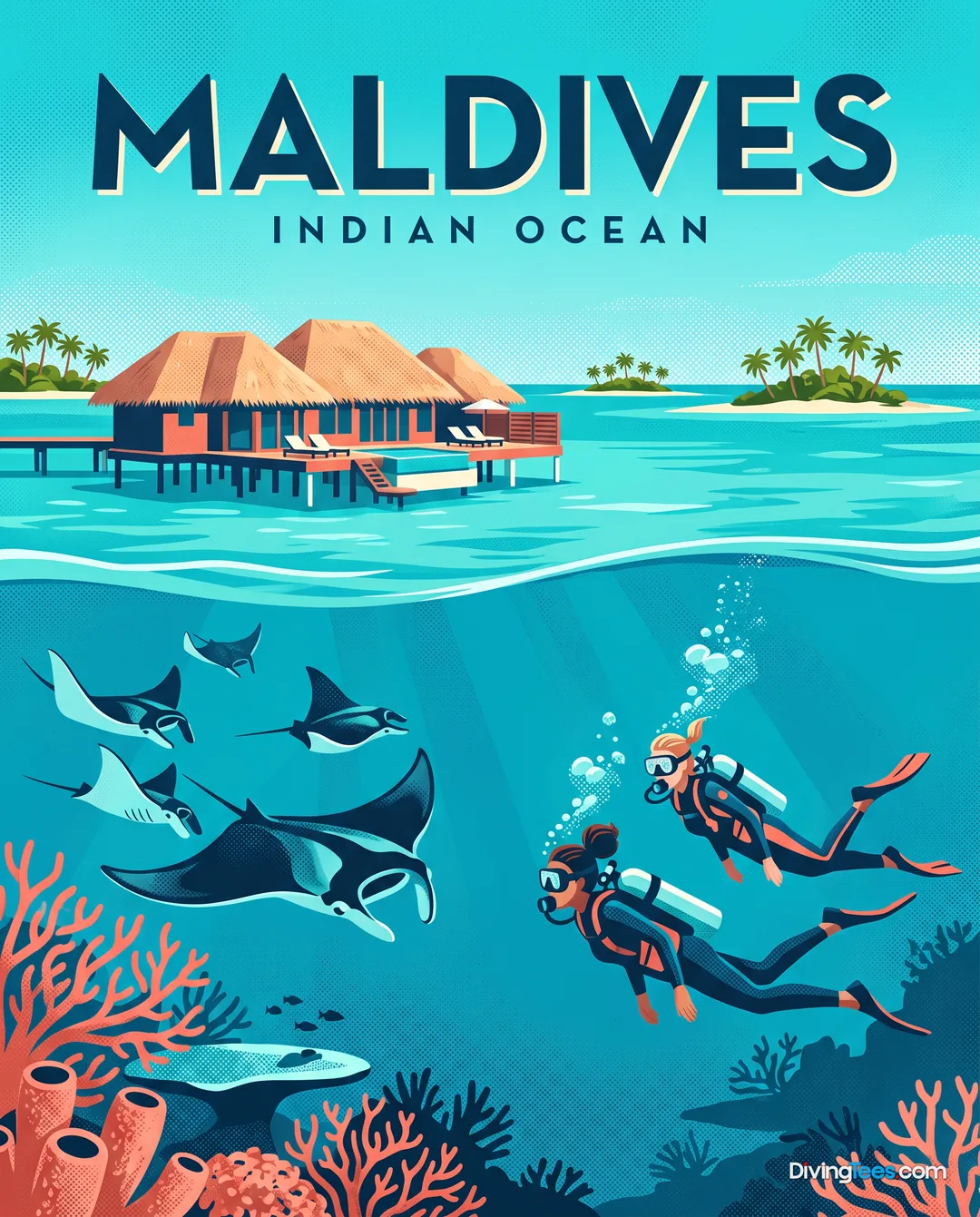
Liveaboards · Maldives
Ocean Sapphire: a wooden Maldivian liveaboard built around the diving
What makes this boat unique
- Ocean Sapphire is a three-deck wooden yacht with natural teak and pine interiors, renovated in 2018.
- Its Maldives itineraries run for 8 days and 7 nights between Malé and Malé.
- A separate diving dhoni carries the equipment, divers and two Bauer Mariner 320 compressors.
- The boat offers up to three dives per day, including one night dive per week, with two dives on the final day.
- Four upper-deck cabins have double beds and bathtubs, while the sun deck has a six-person Jacuzzi.
The invitation
Ocean Sapphire suits divers who want the Maldives to stay at the centre of the trip. The boat is not simply a place to sleep between excursions: its separate dhoni takes the equipment to channels, pinnacles and manta cleaning stations while the yacht remains the living space. The route links North Ari, North Malé and South Malé sites, with the chance to combine current dives, reef life, sharks, mantas and whale sharks in one 8-day, 7-night safari. The wooden hull and teak-and-pine interior give it a warmer feel than a purely utilitarian dive platform. The trade-off is clear: this is a 22-guest boat, not an expedition vessel for technical diving or a small-group charter by default. It works best for an Advanced Open Water diver with at least 50 logged dives who wants varied Maldivian diving, a proper dhoni, and a comfortable cabin to return to.
Boarding
From the dock, Ocean Sapphire presents as a broad wooden yacht rather than a stripped-down dive boat. Its three decks give the trip a clear separation between cabins, dining and open-air space, while natural teak and pine continue through the interior. The wood makes the boat feel warmer than a standard working platform, but it also means the character comes from the finish and the way the spaces are used, not from minimalist design. Once aboard, the dive operation is kept apart on the dedicated dhoni. That matters: tanks, compressors and wet equipment stay with the boat that takes divers to the reef, leaving the main yacht quieter and easier to live on. The engine details are less important than this arrangement. Divers move from cabin to restaurant to sun deck without carrying the whole dive operation through the living areas.
The atmosphere on board
Ocean Sapphire’s atmosphere comes from a shared week rather than a formal resort routine. Up to 22 guests meet repeatedly at the restaurant, on the sun deck and during transfers to the dhoni, while the English- and Maldivian-speaking crew keeps the practical side moving between those spaces. The wooden interior and polished teak give the common areas a more settled feel than a bare dive platform. Evenings can stay simple: a drink at the top-deck bar, a meal after the last dive, or a beach barbecue when conditions allow. Island visits and local-style fishing add a Maldivian element without taking over the trip. The boat can also accommodate groups or a charter, so the character changes with the booking. On an open trip, the appeal is the mixture of divers, snorkelers and non-divers sharing the same route while the diving remains the fixed centre of the day.
The sites you’ll dive
The 8-day, 7-night Best of Maldives route runs from Malé to Malé through North Ari, North Malé and South Malé atolls. It is built around current-shaped sites. Barracuda Giri drops onto three submerged pinnacles, with schooling barracudas and pelagic fish; its maximum depth is -30m. Banana Reef is a lively reef near Thulhagiri Island Resort, while Mushimasmigili Marine Reserve reaches an isolated thila where grey reef sharks gather up-current, to -30m. Dhonkalo is a manta cleaning station in a sandy channel, to -25m. Farther south, Maamigili and Maamigili Beiyru are used for whale shark and manta encounters within the South Ari protected area, while Kudarah Thila brings clefts, overhangs, caves and schools of batfish, to -30m. Guraidhoo, Myaru Kandu and Foththeyo Kandu add shark channels and stronger current work; Foththeyo reaches -40m. Dhigalhi Haa, Dhonfanu, Dhigu Thila and Fushifaru Thila add Baa and South Malé reef scenery, mantas, caves and cleaning stations, with recorded maximum depths from -30m to -35m where given.
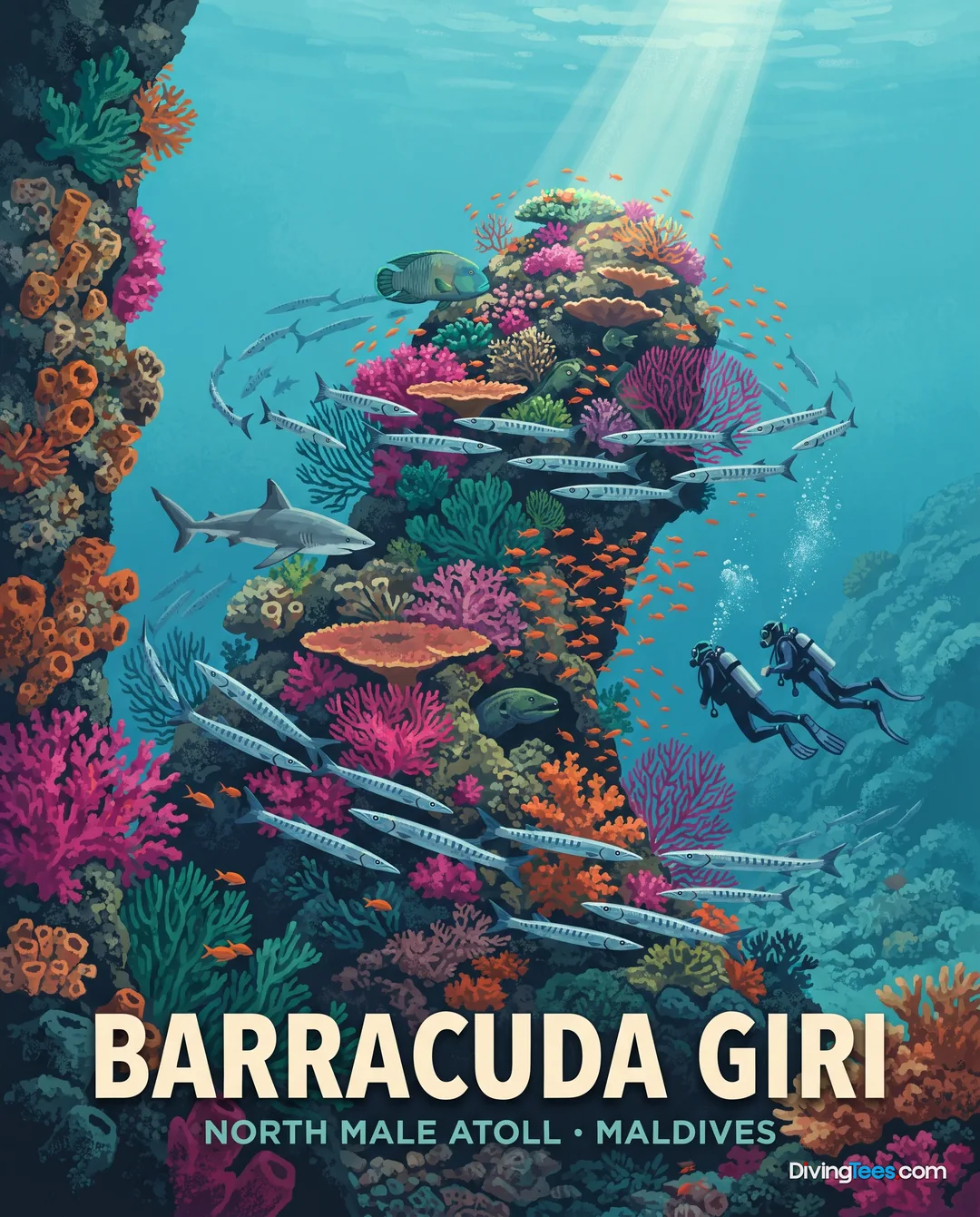
Barracuda Giri →
Max. depth · 30 m
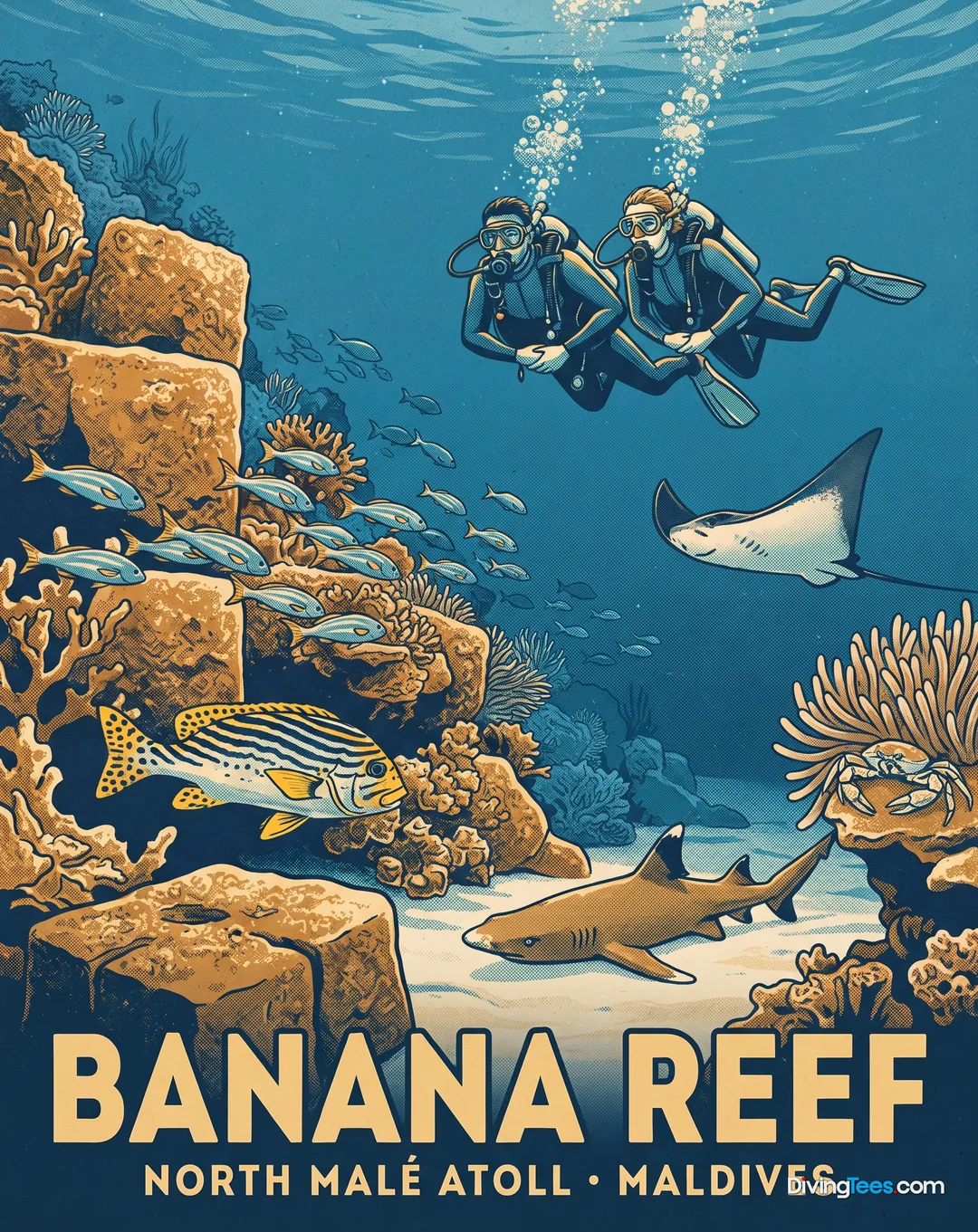
Banana Reef →
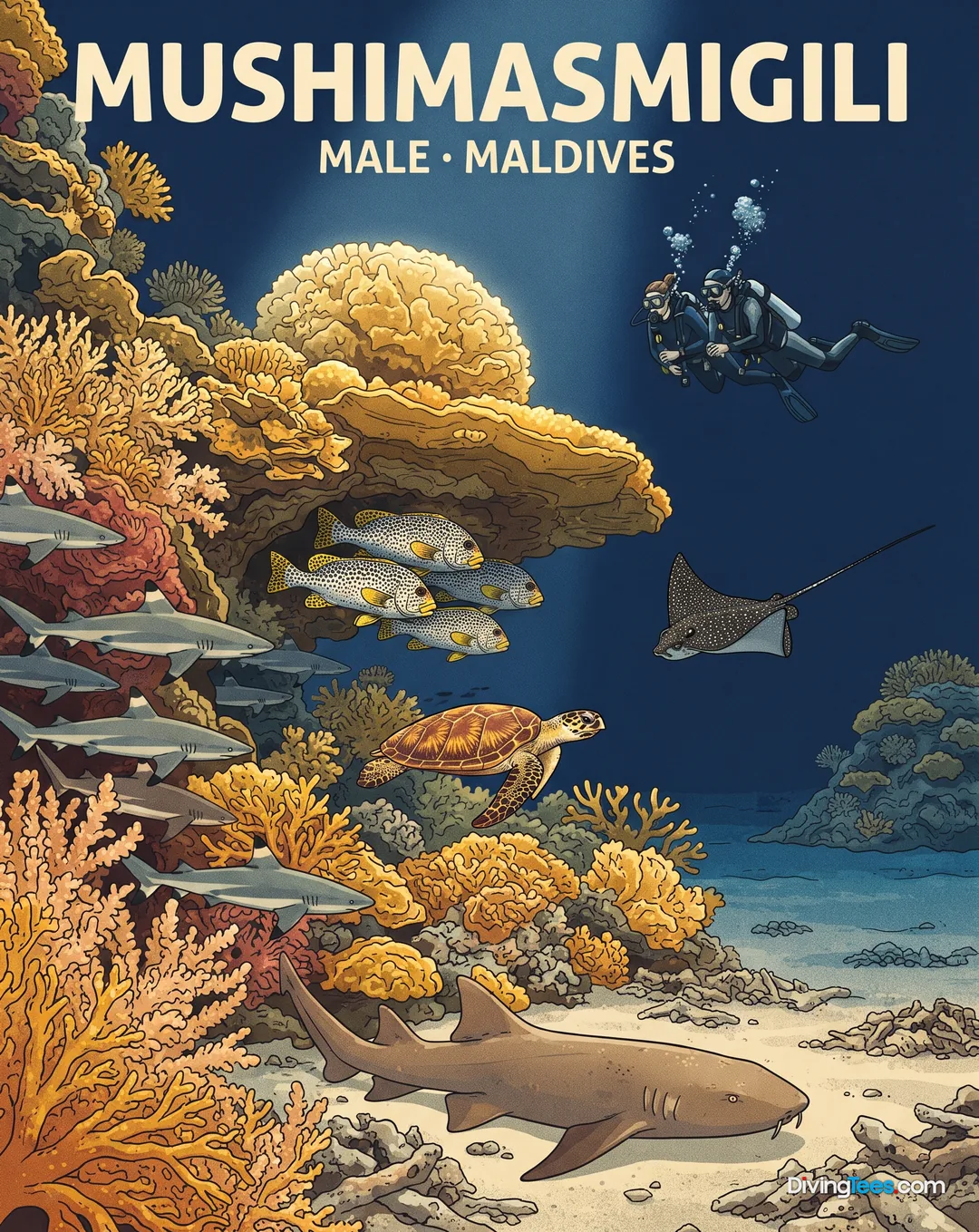
Mushimasmigili Marine Reserve →
Max. depth · 30 m
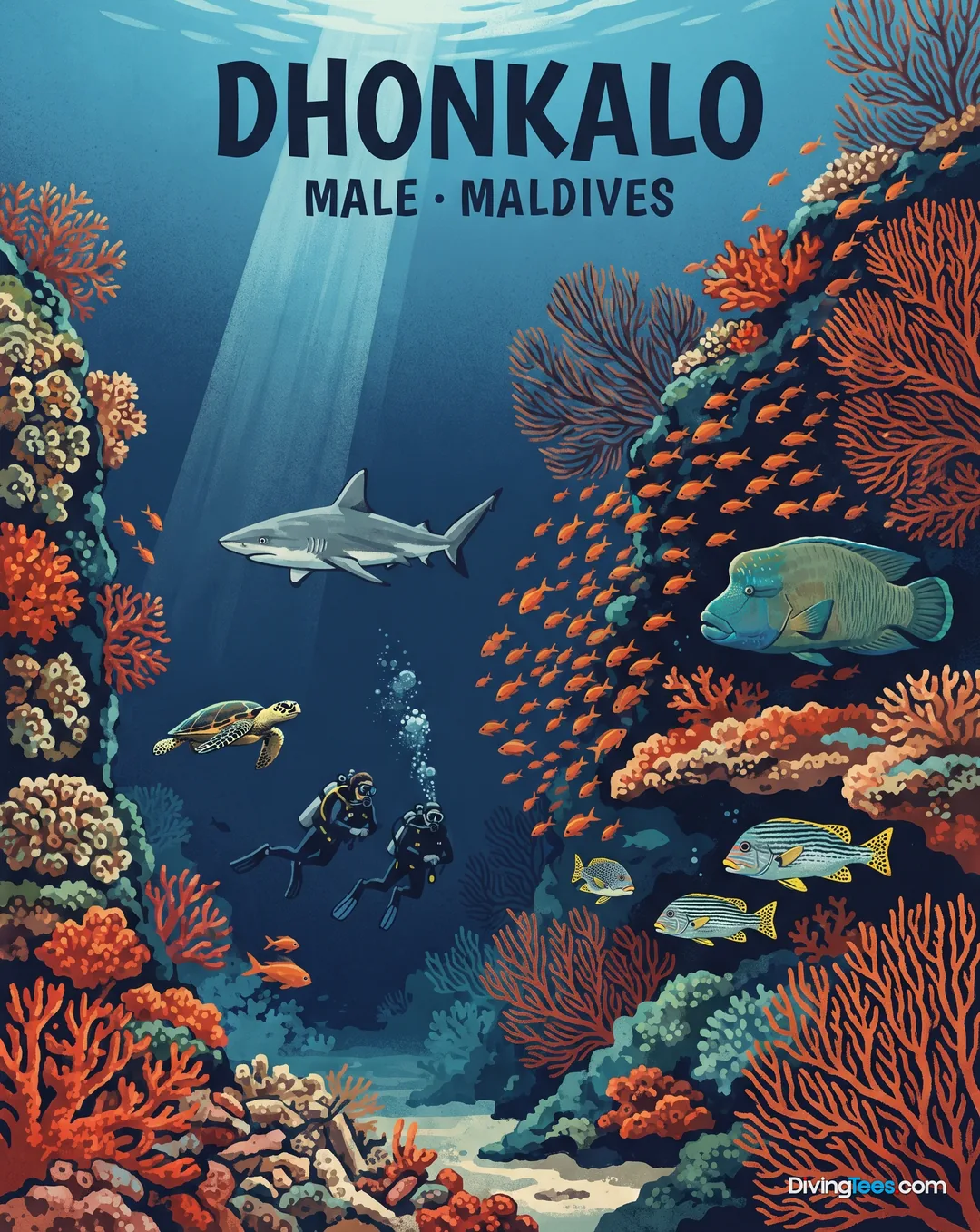
Dhonkalo →
Max. depth · 25 m
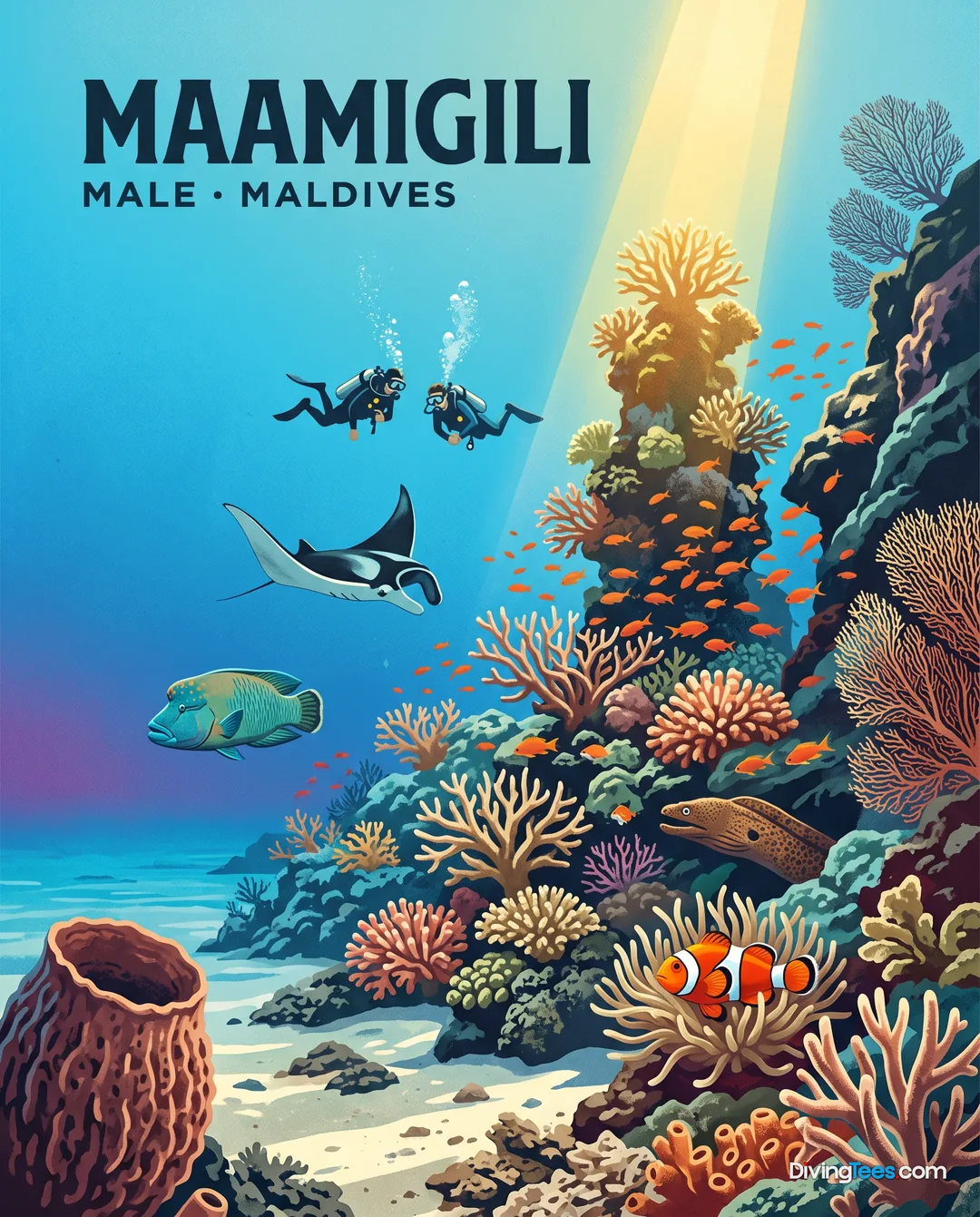
Maamigili →
Max. depth · 30 m
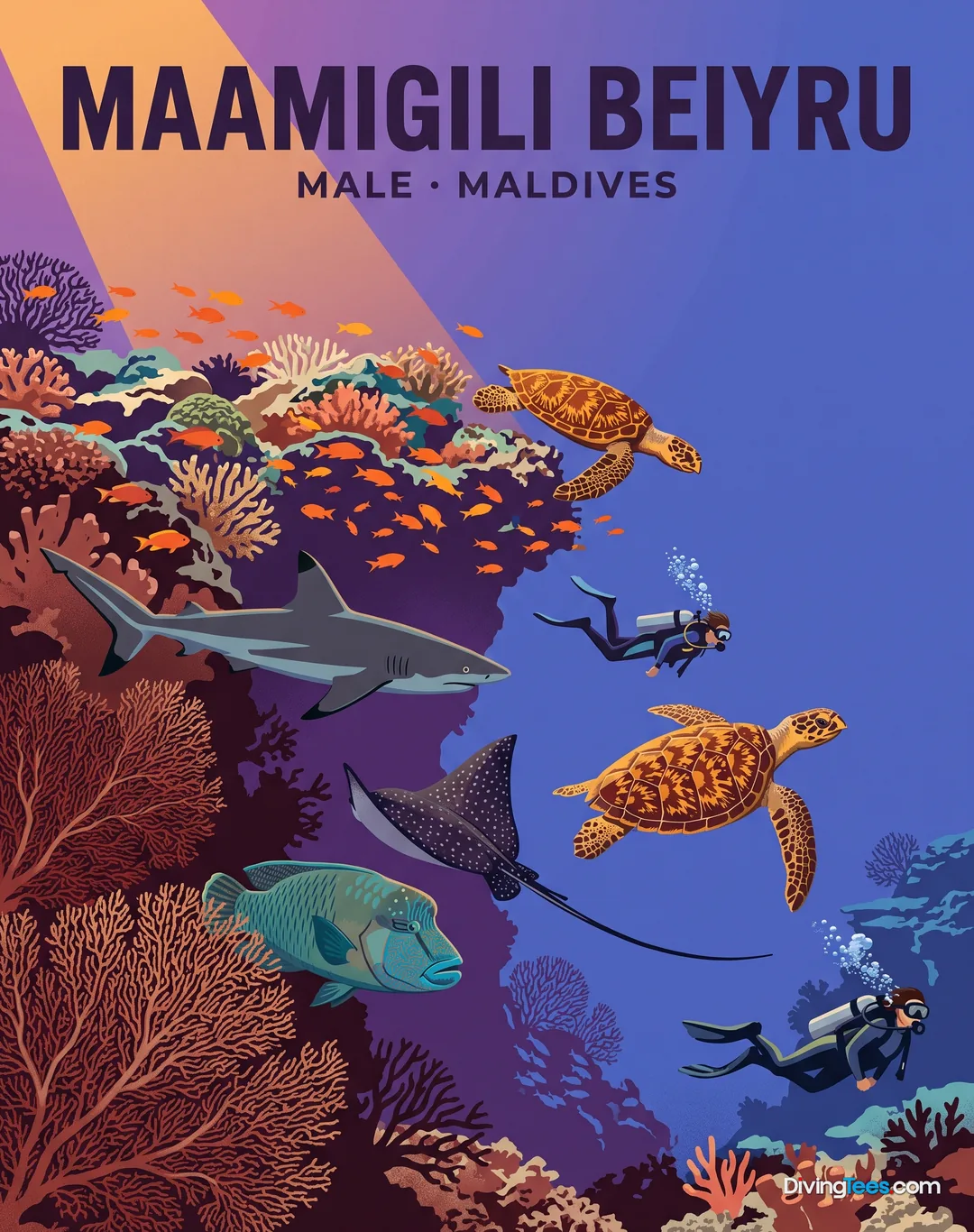
Maamigili Beiyru →
Max. depth · 30 m
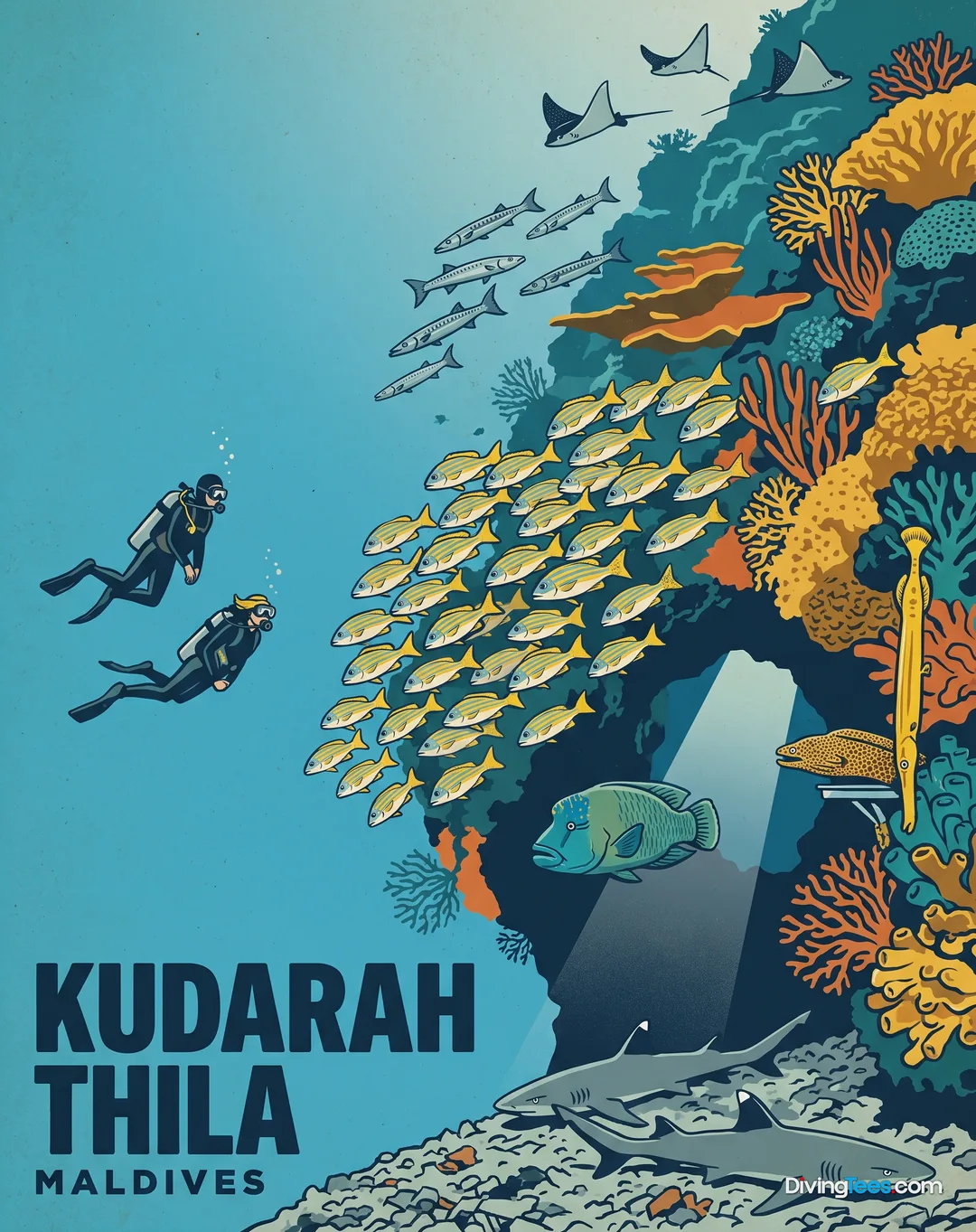
Kudarah Thila →
Max. depth · 25 m
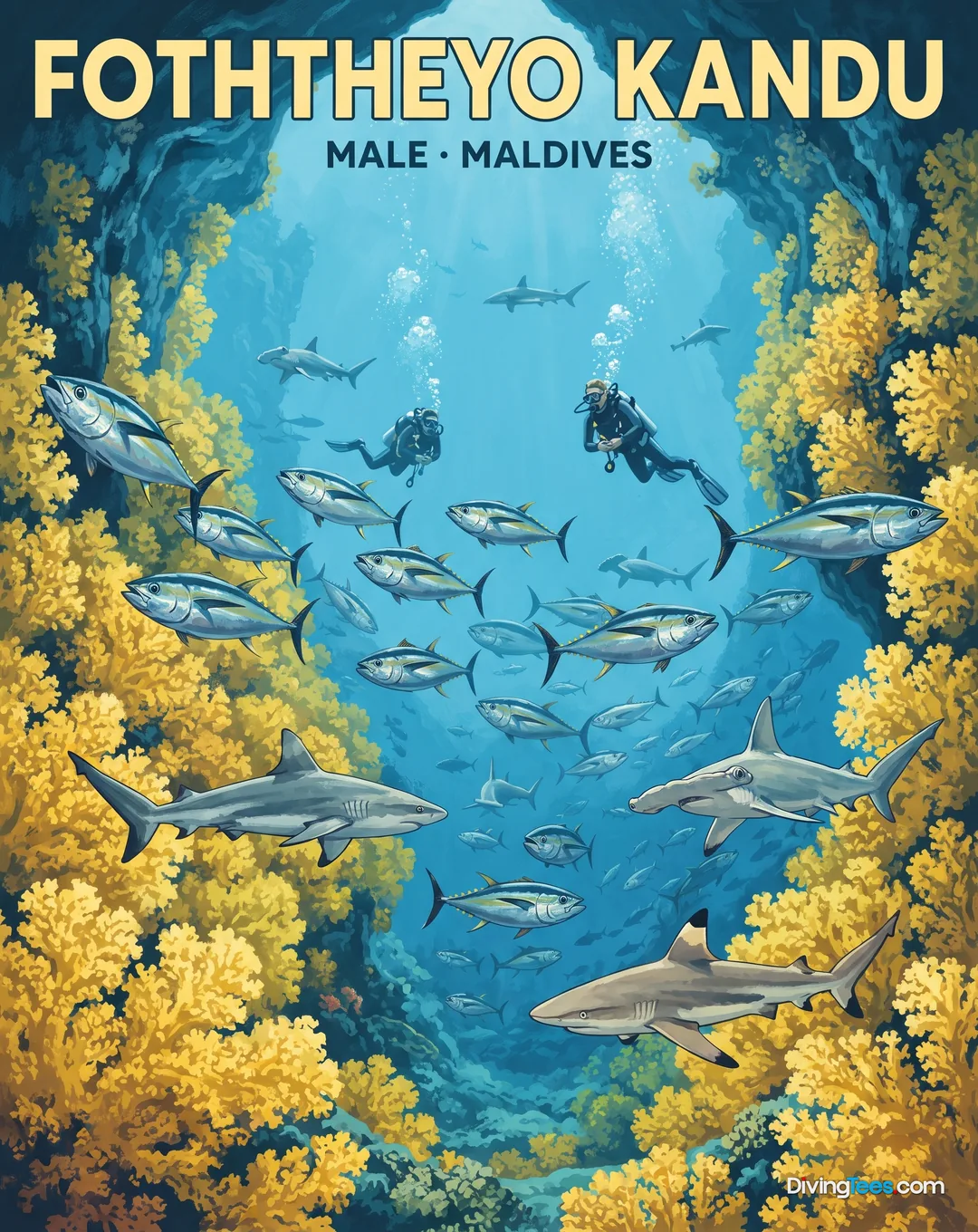
Foththeyo Kandu →
Max. depth · 40 m
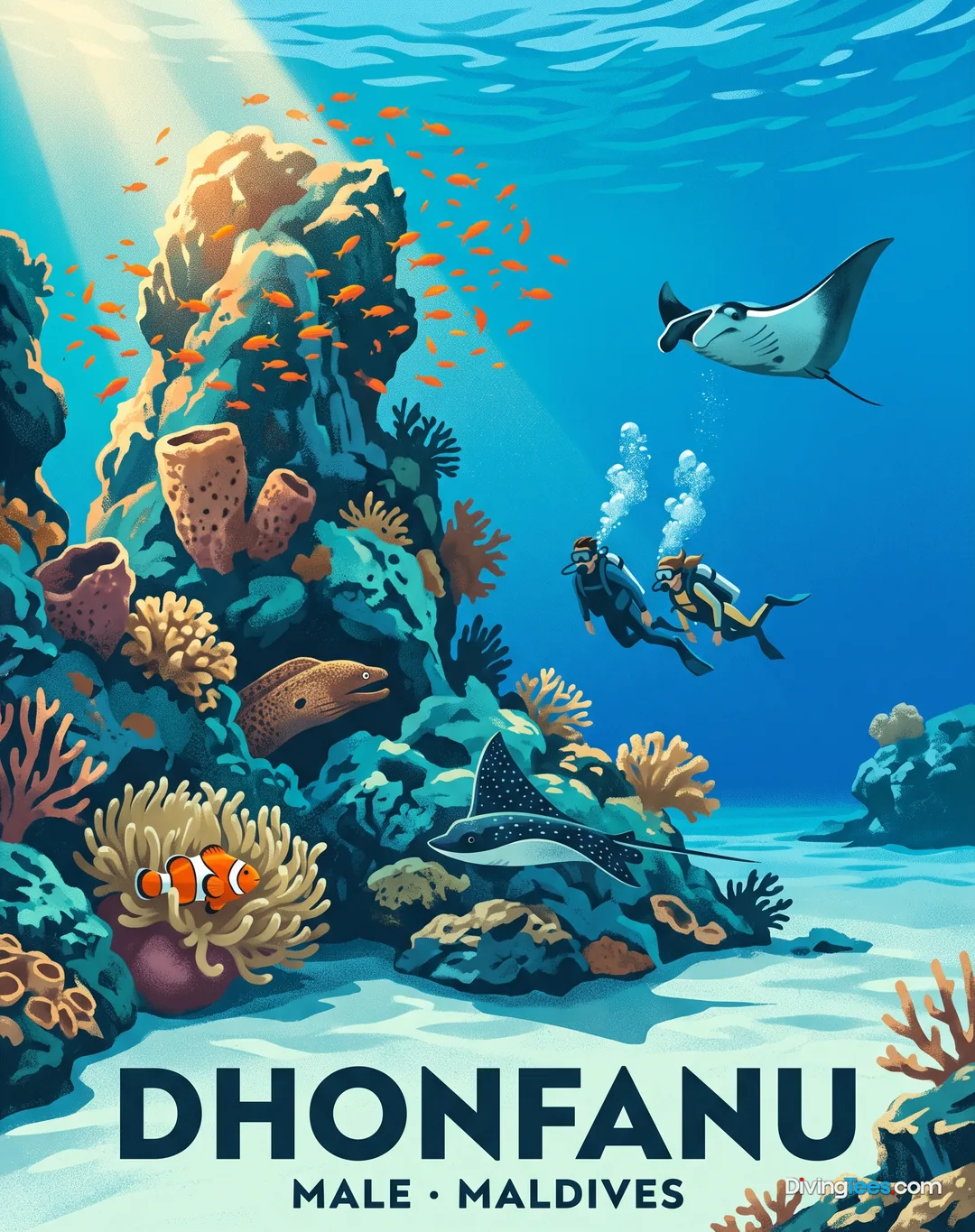
Dhonfanu →
Max. depth · 30 m
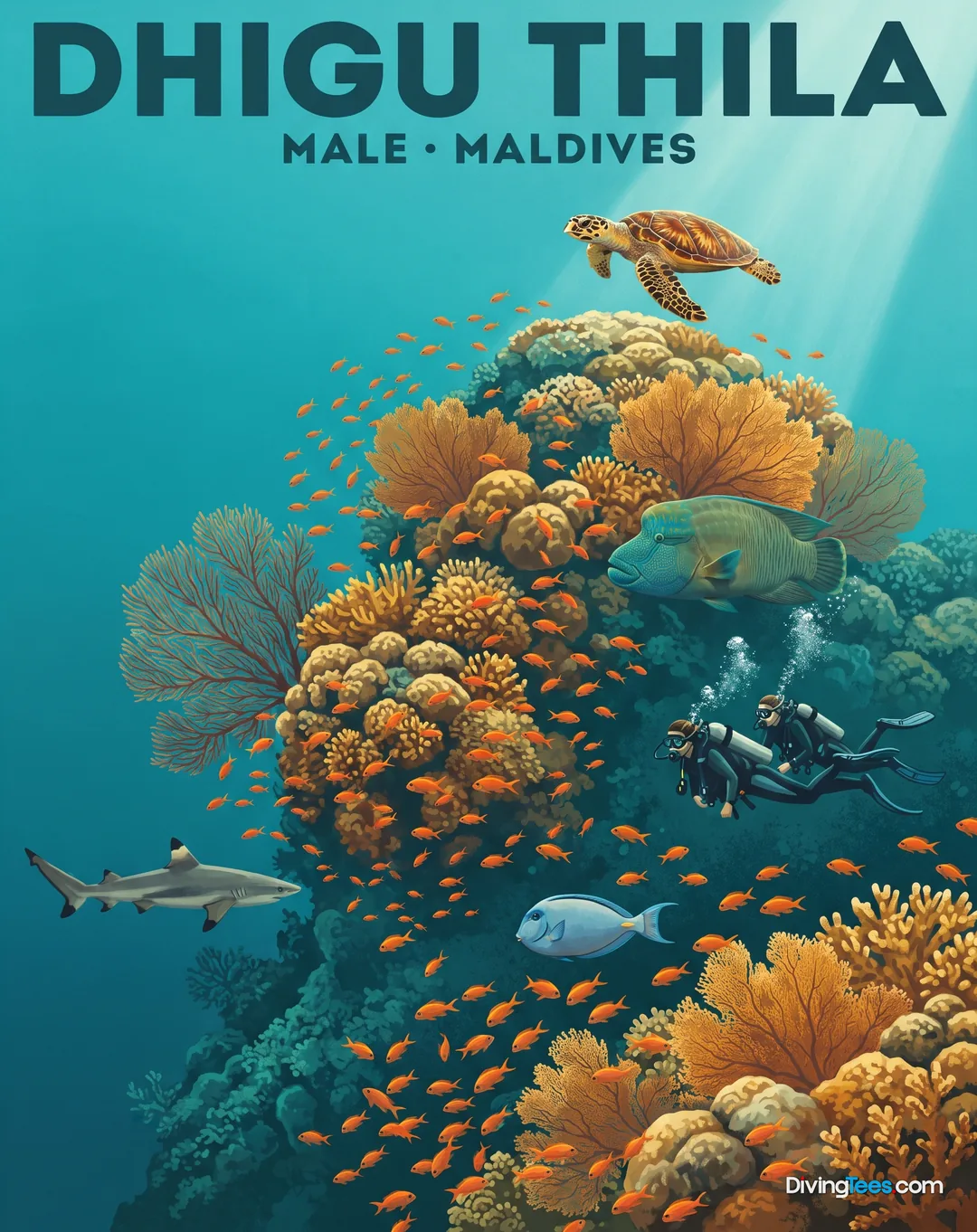
Dhigu Thila →
Max. depth · 30 m
What you’ll meet underwater
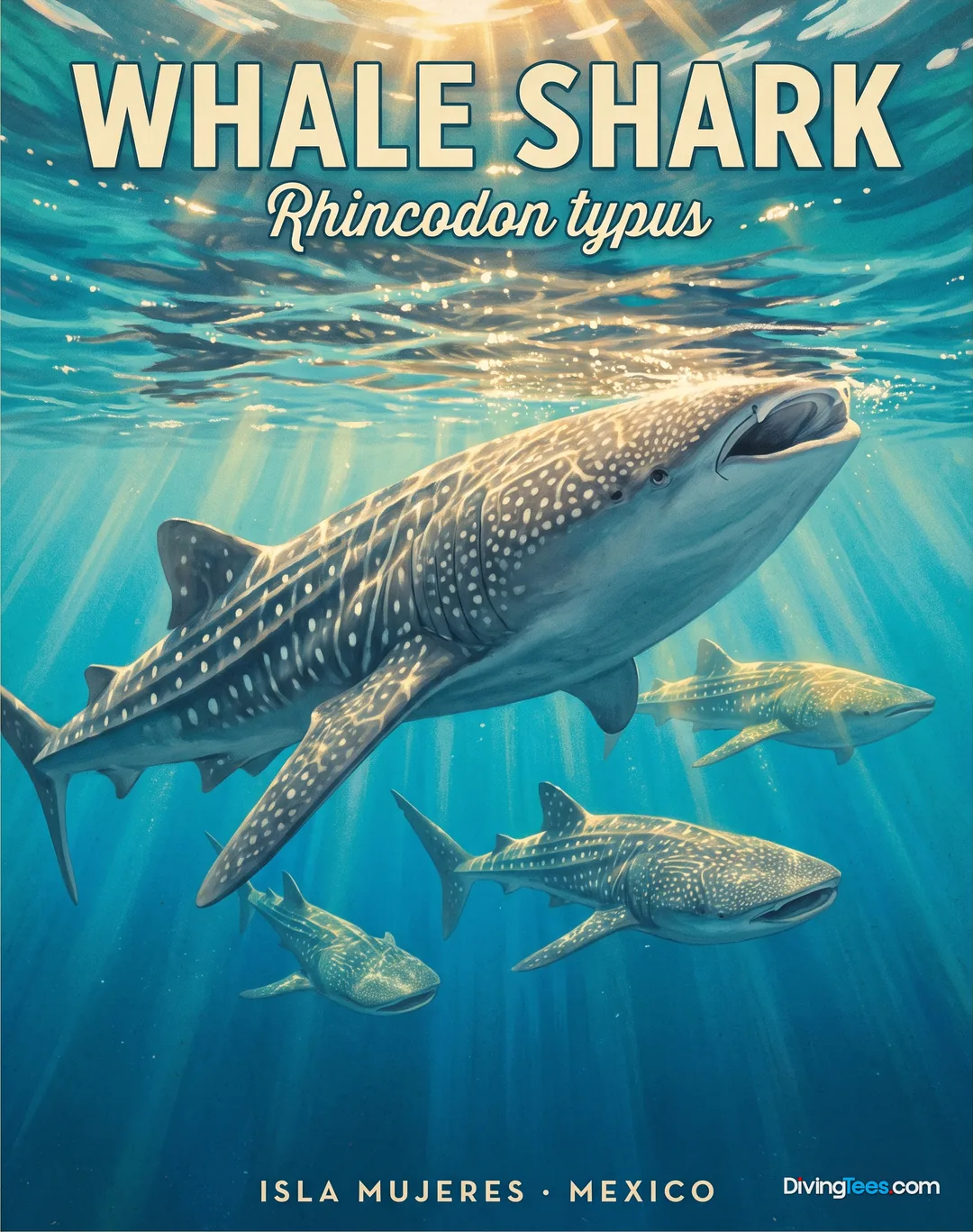
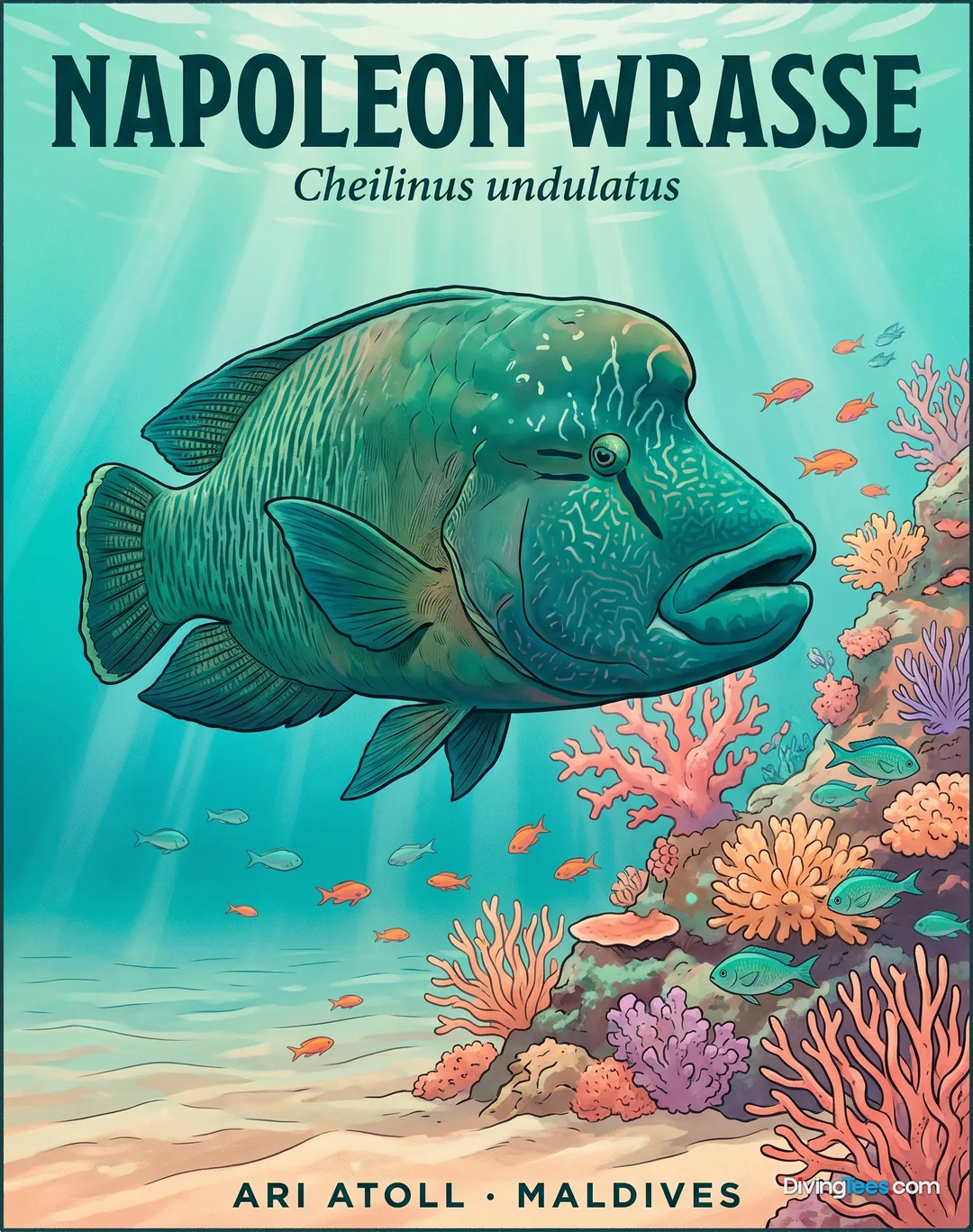
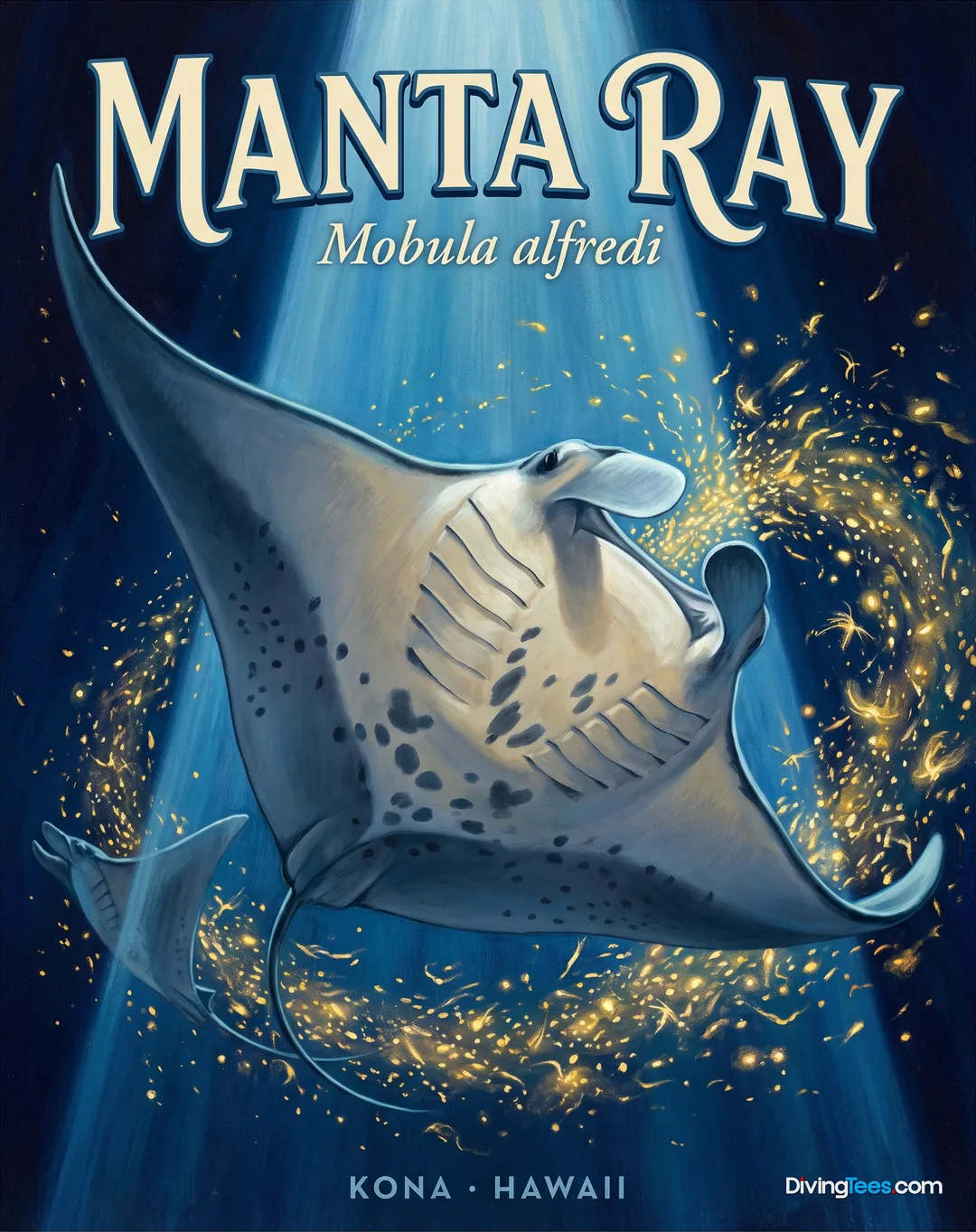
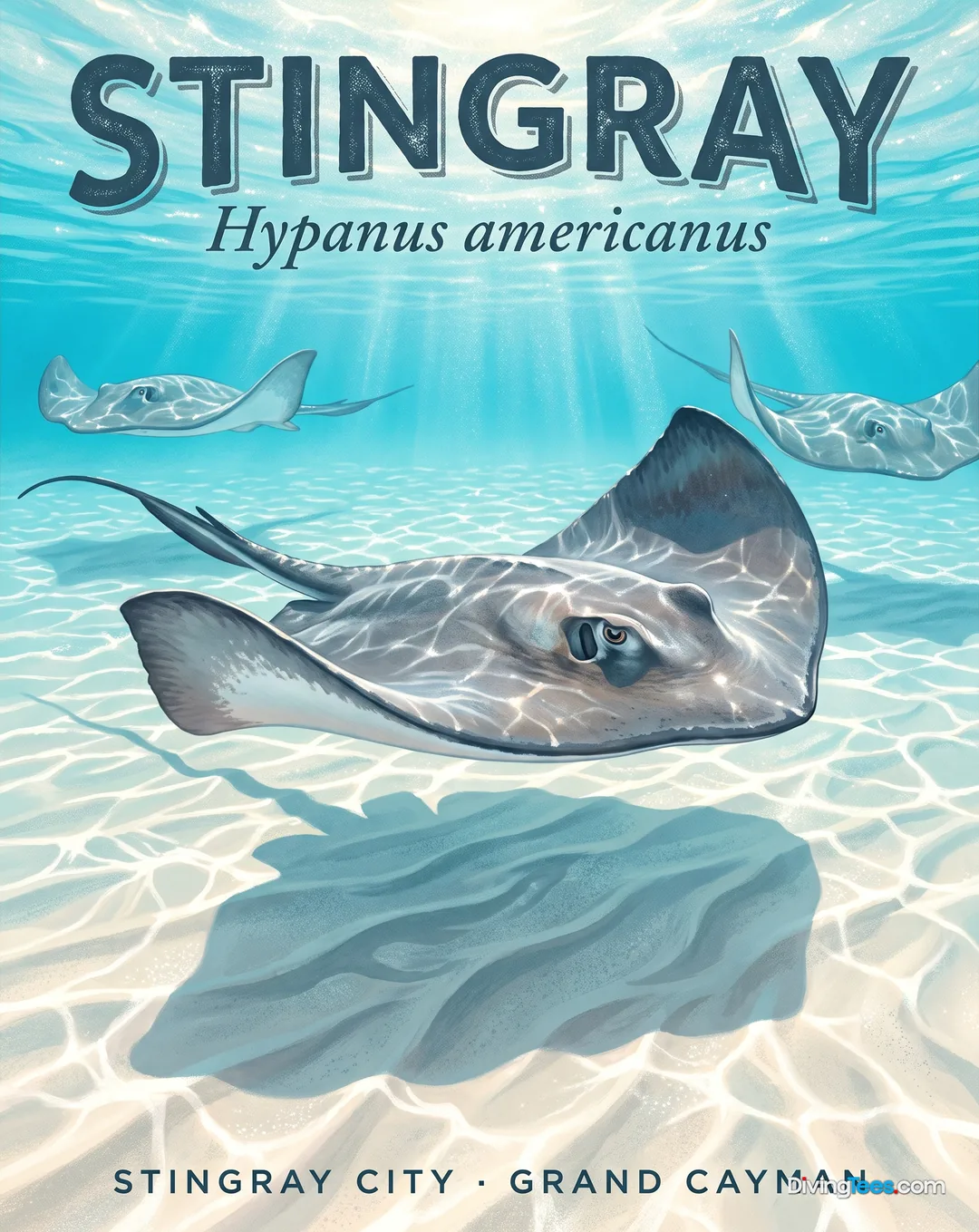
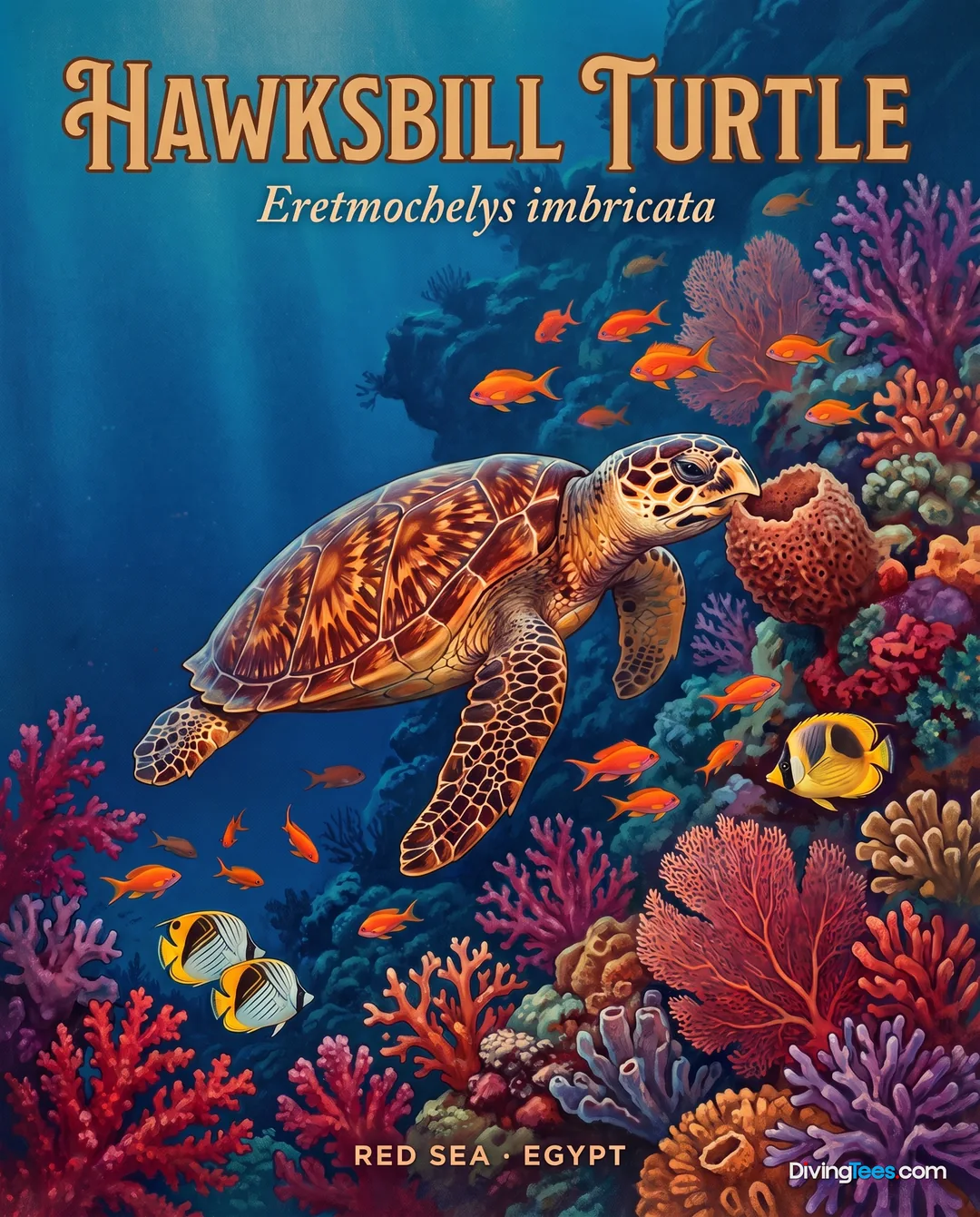
Across this route, the recurring spectacle is a mix of fusiliers, Napoleon wrasse, grey reef sharks, whitetip reef sharks, turtles, barracudas, manta rays, tuna, eagle rays, jacks, trevally and batfish. Currents and cleaning stations are what bring much of the larger life into view, so the best encounters depend on the conditions and the guide’s positioning rather than a promise of guaranteed sightings. Some animals give a particular site its reason to exist. Barracuda Giri is the place for groupers and anthias; Banana Reef has a recorded anemone; Kudarah Thila is where giant trevally and large batfish schools may add weight to the scene. Maamigili is notable for sweetlips and porcupinefish, while Myaru Kandu can produce dogtooth tuna in its shark-channel setting. Dhigalhi Haa is the site for soft coral and gorgonians. Fushifaru Thila has stingrays, and Dhigu Thila is the recorded site for hawksbill turtles. Whale sharks are recorded at Maamigili and Maamigili Beiyru, alongside mantas.
Who puts you in the water
Dive groups are organised around a guide-to-diver ratio of 1:6, with English and Maldivian used by the crew. Ocean Sapphire asks for at least 50 logged dives and an Advanced Open Water Diver certification or equivalent, which fits the route’s channels, current work and reef-pinnacle dives. The requirement is not decorative: several sites depend on reading the current, holding position and using a reef hook correctly when appropriate. The guides accompany the dives and daily snorkeling, but the available information does not set out a course programme or a detailed emergency system. Full boat safety is provided. Divers should therefore arrive comfortable with their own basic skills, equipment and surface marker buoy, rather than treating the trip as a place to complete an entry-level course.
The dive deck and the gear
The dive operation is based on one separate diving dhoni, which carries the equipment and takes divers to the sites. The standard setup includes 12-litre tanks and weights; 15-litre tanks can be rented at extra cost. The dhoni has DIN and INT fittings, two Bauer Mariner 320 compressors, each filling at 320 litres per minute, plus BCDs, regulators with depth gauges, wetsuits, dive computers, lights, fins, masks, snorkels, DSMBs, compasses, reef hooks and weight belts. Rental equipment is available for an extra charge. Nitrox is also available for an extra charge, but the blending system is not specified. Divers have a camera and photography station and charging stations. The dhoni arrangement is the key practical choice: equipment stays on the diving boat, while Ocean Sapphire remains the dry living space. Technical diving is not supported.
Between dives
Between dives, Ocean Sapphire gives guests several different places to settle. The sun deck has space for open-air rest, outdoor showers and a Jacuzzi for up to six people; the top-deck bar is the natural place for a drink while the light changes. The main-deck bar sits beside the restaurant, so the quieter option is close to food and shade rather than isolated from the group. The gaps can also be spent away from diving: accompanied snorkeling, local-island and desert-island visits, local fishing, surfing and land excursions are part of the wider programme. Non-divers are welcome, which makes the boat workable for mixed groups. When there is no excursion to join, the separate dhoni leaves the yacht with less wet equipment and fewer people moving through the living areas.
A day on board
The day is shaped by diving rather than by a fixed clock. The first briefing comes before the first descent, followed by the next meal, surface interval and move to the following site. Ocean Sapphire schedules up to three dives on a normal day, with one night dive during the week and two dives on the final day. The dhoni carries the divers and equipment while the yacht provides the places to eat, dry off, rest or watch the route pass. Between dives, the gaps can hold snorkeling, an island visit, fishing or simply time on the sun deck. Meals punctuate the sequence more reliably than any stated hour: divers return, eat, drink, and prepare again. The night dive changes the pace. After it, the restaurant and bar become the evening’s meeting point, and the boat’s movement matters less than the next briefing.
What you eat aboard
Meals are buffet-style, with Western and Maldivian food served in the main-deck restaurant. That suits a diving boat: breakfast, lunch and dinner can be taken without turning each meal into an event, and divers can choose a lighter plate or go back for more after a current-heavy dive. Mineral water, Nescafé and tea are included. Hot and cold soft drinks and alcoholic drinks are available, with alcohol and soft drinks charged separately. The local element is not limited to the menu. Fishing in local style, trips to local and desert islands, and a beach barbecue when weather allows give the meals a place beyond the restaurant. Dinner matters more after the last dive, when the table becomes the point where divers compare the reef, the current and whatever passed close enough to make everyone look up.
Nights at sea
The cabin choice is straightforward. Lower-deck Deluxe Twin and Deluxe Twin/Double cabins have twin beds or a double-and-single arrangement, air conditioning, an en-suite bathroom, wardrobe and dressing table; some can take a third bed. Upper-deck Deluxe Oceanview cabins use double beds, air conditioning and bathtubs. The cabins are about 12 square metres, so the upper-deck bathtub is the notable luxury rather than a large private room. Natural teak and pine continue inside, giving the cabins a polished, warm finish. Lower-deck rooms are the practical choice for divers who spend most of the day on the dhoni and need a cool, private place to sleep. Upper-deck rooms bring more of the boat’s comfort into the night. After a day of current dives, that difference is felt most when wet gear is drying outside and the cabin becomes the quiet part of the boat.
Deluxe Twin / Double Cabin
Deluxe Twin Cabin
Deluxe Oceanview Cabin
What to know before boarding
The Best of Maldives route departs from and returns to Malé. A scheduled group transfer between the airport and the boat is included; private transfers are available at extra cost. The transfer is arranged through the booking process, so the pickup instructions should be checked before arrival. Arriving in Malé the night before is the sensible choice, especially when an international flight is involved.
- Year built
- 2012
- Year renovated
- 2018
- Length
- 35 m
- Beam
- 10 m
- Maximum number of passengers
- 22
- Number of cabins
- 11
- Engines
- Daewoo 480 hp
- Tenders
- 1 diving dhoni
- Website
- oceansapphire.mv ↗
Hello, I'm Marina, DivingDeal.com's AI assistant. I answer in detail about hotels, dive centres and liveaboards.

Thinking about the whole trip and the flights? Talk it over with Edith →
Marina is an AI. Some links are affiliate links: DivingDeal may earn a commission, at no extra cost to you. Bookings are made with the partner.