

Himmafushi Scuba Adventure
Google 5/5 (263 reviews)
132 km away as the crow flies
Male · Maldives · Indian Ocean
Max. depth · 35 mDescend onto Fushifaru Thila to witness manta rays at their dedicated cleaning stations, a vibrant hub of marine activity in the Maldives.
Fushifaru Thila is an elongated pinnacle, approximately 150 metres long and 70 metres wide, situated within the Fushifaru channel. The reef top begins around 10 metres in the centre, gradually sloping down towards the sandy channel floor. The northeastern end of the thila extends to the atoll rim, which drops away to depths between 27 and 35 metres. This topography creates a natural magnet for marine life, with the thila acting as a submerged island in the blue expanse, drawing in both reef dwellers and pelagic species.
The primary draw to Fushifaru Thila are its two well-documented manta ray cleaning stations. Here, manta rays (Manta birostris) patiently hover while smaller cleaner wrasse and other fish meticulously remove parasites from their skin. Positioning yourself at a respectful distance allows you to observe this symbiotic behaviour without disturbance, providing an intimate view into the reef's ecological balance. These stations are active year-round, though peak manta activity is often reported during the southwest monsoon from May to November, and also from September to February.
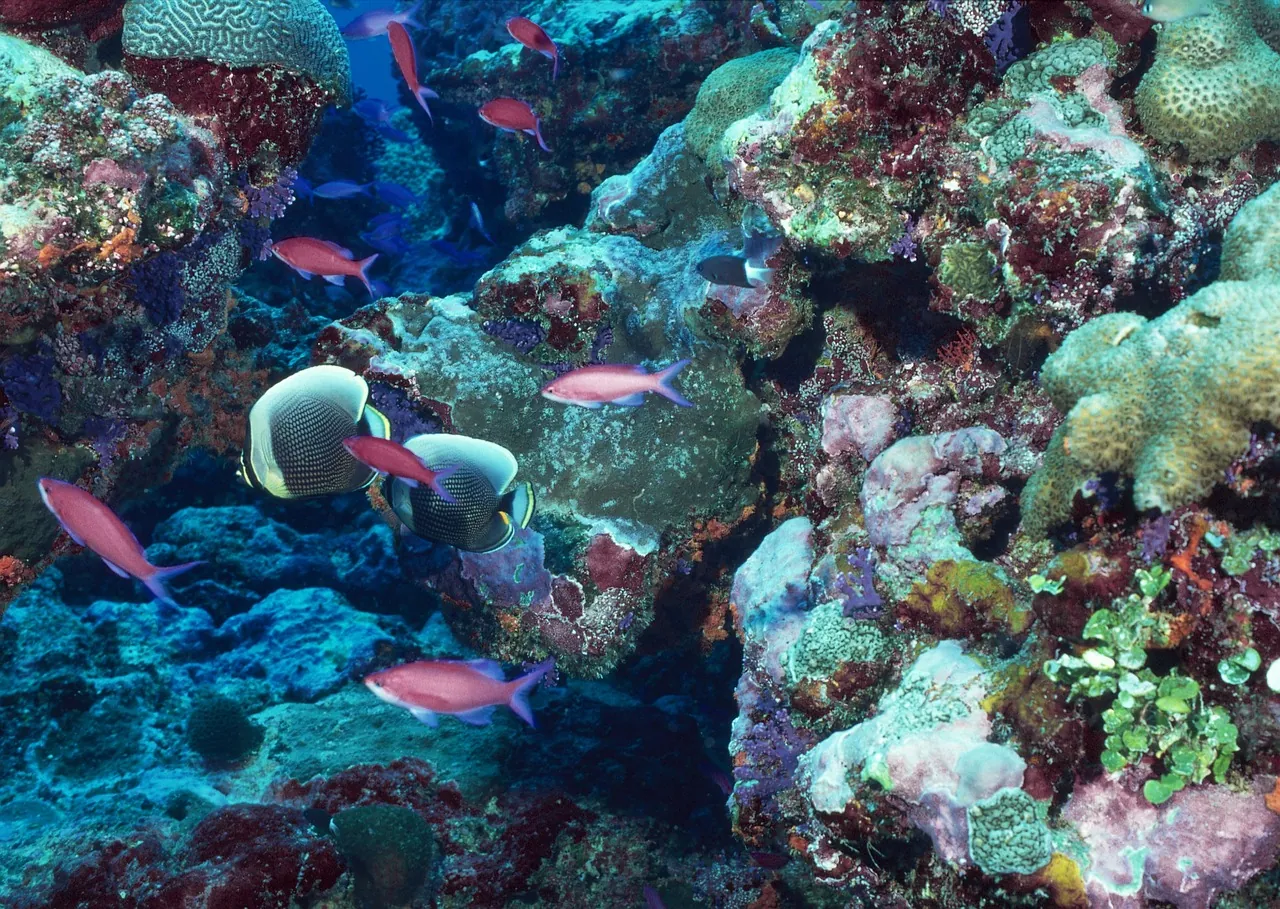
Beyond the mantas, the thila supports a prolific and diverse fish population. The reef crests and slopes teem with schooling bannerfish, while solitary Napoleon wrasses (Cheilinus undulatus) navigate the coral gardens. You will find dense aggregations of fish hugging the thila's contours, foraging among the soft corals and sea fans, or darting through the water column. This constant motion and variety of species ensure that every dive offers new observations, even for those who have explored the site multiple times.
As you navigate the thila, you will encounter various micro-habitats, each supporting its own community. The deeper sections along the atoll rim often reveal grey reef sharks (Carcharhinus amblyrhynchos) patrolling the edges, while white-tip sharks are also present. Shallower areas are typically bustling with snappers and jackfish, creating a dynamic environment. The interplay of light and shadow across the reef structures highlights hidden crevices and offers unexpected encounters around every corner, making the exploration of Fushifaru Thila a continuous discovery.
The site's location within a channel means that current is a defining characteristic, often strengthening during tidal exchanges. When the current is running, Fushifaru Thila becomes a drift or flow dive, where you drop on the upcurrent corner and allow the flow to carry you around the structure. This current brings in nutrients, contributing to the thila's rich biodiversity and attracting the larger pelagic species like eagle rays, stingrays, and barracudas that frequent the area. Understanding the current's direction and intensity is key to planning your dive profile here.
Fushifaru Thila is accessible from a minimum depth of 10 metres, with the deepest sections reaching 35 metres along the atoll rim. Due to its location in a channel, the current can be moderate, strengthening significantly during tidal exchanges. This makes it a site best suited for experienced divers, particularly those comfortable with drift diving and managing variable current conditions. Visibility is generally good, allowing for clear observation of the extensive marine life. The best season for manta ray encounters is typically from May to November, with some reports also noting September to February for peak activity.
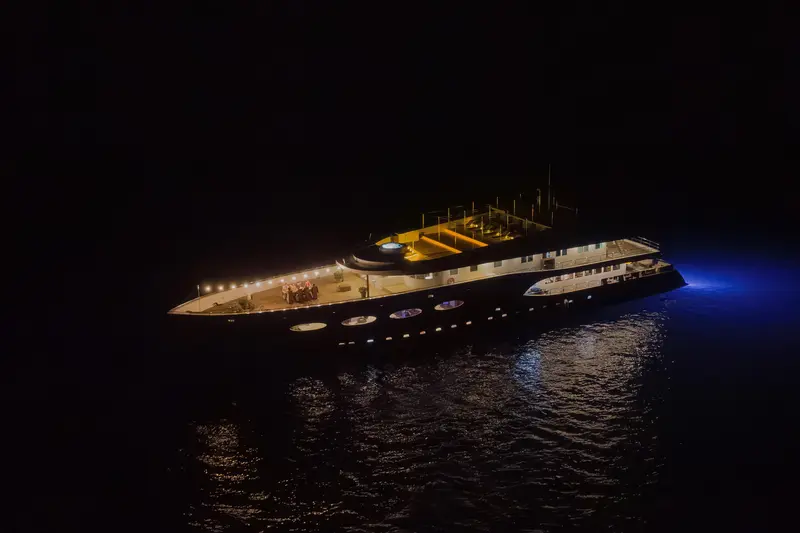
38 liveaboards depart from Male another way to explore the region, over several days at sea.
You can dive Fushifaru Thila Marine Reserve year-round, with manta rays regularly observed at its two cleaning stations. Manta activity is often reported from May to November and also from September to February. You may also encounter diverse fish life, grey reef sharks, white-tip sharks, eagle rays, stingrays, and barracudas.
Fushifaru Thila Marine Reserve is best suited to experienced divers, particularly those comfortable with drift diving and managing variable current conditions. Its channel location can produce moderate current that strengthens significantly during tidal exchanges. Good visibility generally supports clear observation of the extensive marine life around the thila.
Fushifaru Thila Marine Reserve begins at a minimum depth of 10 metres. The reef top starts around 10 metres in the centre and slopes toward the sandy channel floor. Along the atoll rim, the deeper sections reach between 27 and 35 metres, with the site extending to 35 metres.
At Fushifaru Thila Marine Reserve, current is a defining feature because the site lies within a channel. It may be moderate and can strengthen significantly during tidal exchanges. When running, the dive becomes a drift or flow dive, usually beginning at the upcurrent corner before carrying you around the thila.