
Trek Divers
Google 4.8/5 (324 reviews)
3.5 km away as the crow flies
La Digue · Seychelles · Indian Ocean
Max. depth · 25 mExplore a complex system of granite canyons and vertical walls between Praslin and La Digue characterized by high visibility and frequent shark sightings.
For subtitles in English: start the video firstthen click the gearat the top right of the video, select “Subtitles/CC”, then “Auto-translate” and choose “English”.
Ave Maria is situated in the waters between Praslin and La Digue, forming a complex underwater landscape. The topography is defined by large granite boulders and rocky islands that have been shaped into intricate canyons, arches, and crevices. These geological formations create a diverse habitat that offers multiple surfaces for marine growth. You will find that the terrain transitions from these craggy granite structures to vertical walls that descend into deeper water. This combination of sheltered crevices and open wall sections provides a wide range of environments for different species.
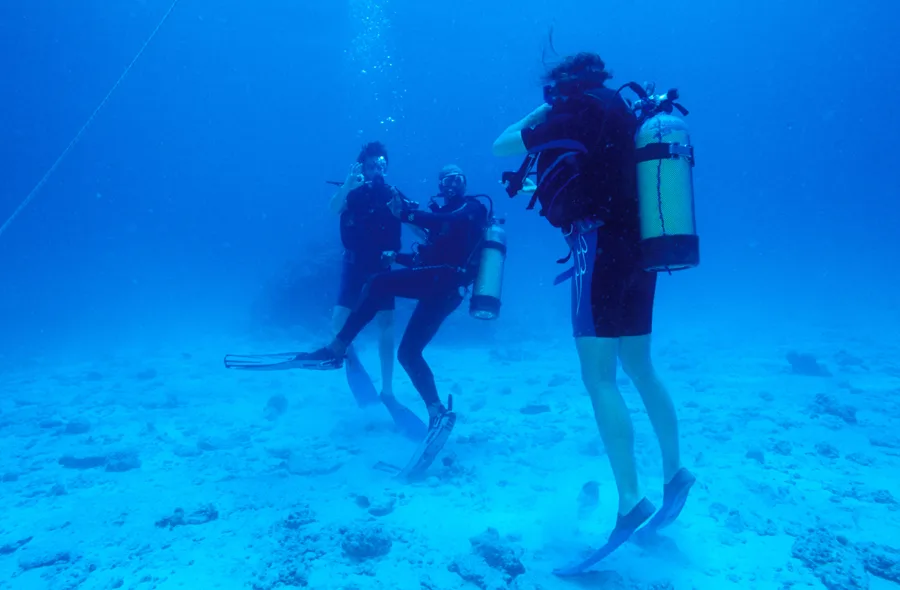
The dive profile typically starts in shallower zones before dropping toward a maximum depth of 25 metres. As you navigate the site, you will encounter a variety of depth zones created by the uneven granite blocks and sandy patches located between the rock formations. The vertical walls are particularly notable for their density of soft coral growth, which is unusually thick for this specific part of the Seychelles. These walls provide a rich backdrop for observing how life adheres to the hard granite substrate. You can move through the underwater canyons to find sheltered areas or follow the slope of the reef.
One of the most significant features of Ave Maria is the consistent visibility, which often ranges between 18 and 28 metres. This clarity allows for expansive views across the reef system and makes it easier to spot large pelagic species from a distance. The light penetration through the water column helps highlight the textures of the soft corals and the details of the rocky terrain. Because the visibility is consistently high, the site offers a clear sense of scale as you move between the shallow granite platforms and the deeper vertical walls. This clarity is one of the primary reasons the site is a frequent choice for day trips.
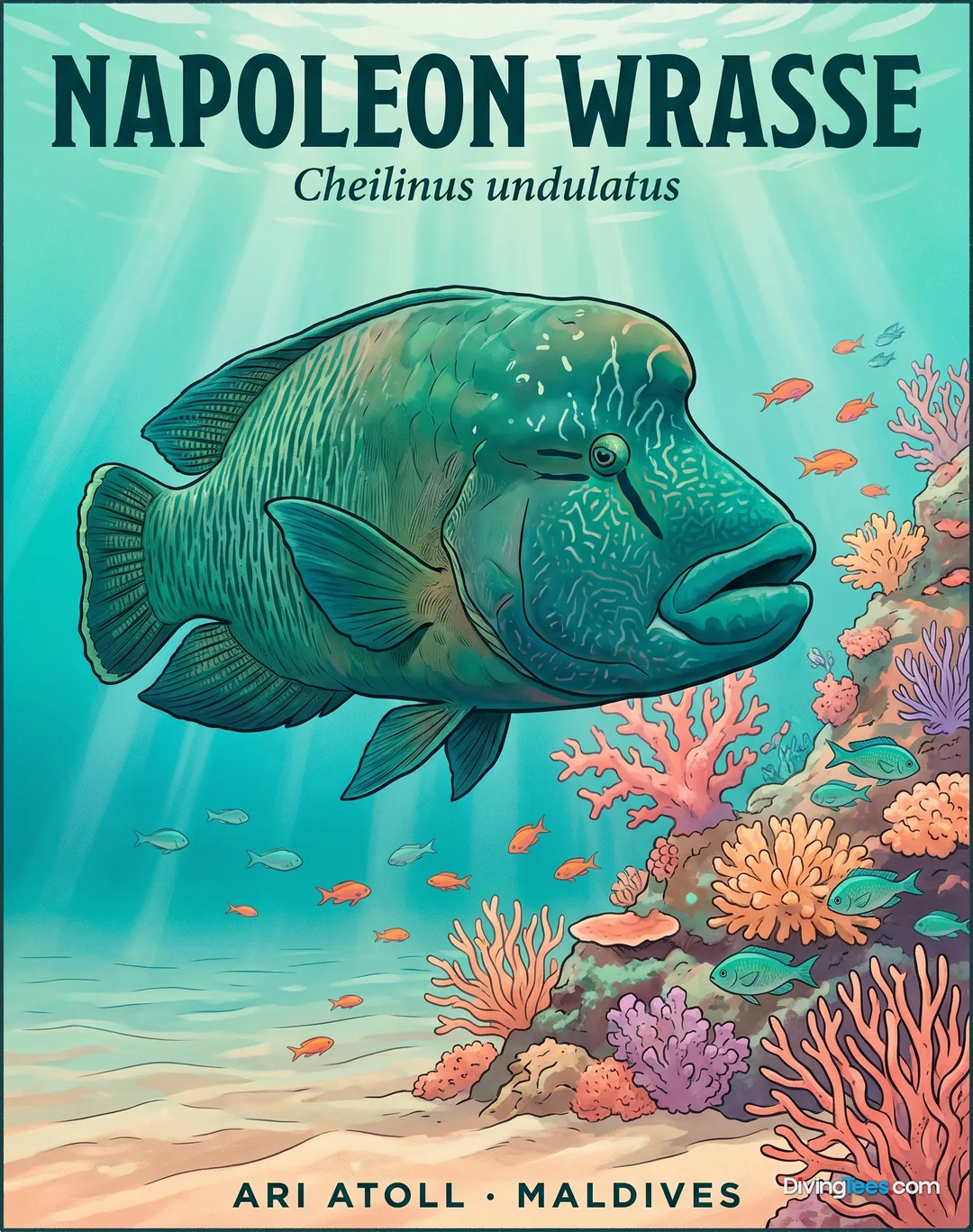
The fauna at Ave Maria is characterized by a high density of both resident and passing species. You will frequently see large schools of fusiliers and snappers moving through the water column, often accompanied by batfish and bumphead parrotfish. On the reef structure itself, you can observe various species such as Napoleon wrasse, giant moray eels, and various crabs or shrimps hiding within the crevices. This biodiversity is supported by the complex topography which provides ample hiding spots and hunting grounds for larger predators. The site architecture ensures that there is always something to observe on the reef face or within the rocky gaps.
For those looking for larger marine life, the site is known for regular encounters with various shark species. You can expect to see grey reef sharks, white-tip reef sharks, and sometimes nurse sharks or unidentified reef sharks patrolling the area. The presence of these predators is a consistent feature that adds a sense of scale to the dive. In addition to sharks, you will often encounter eagle rays cruising the water column or stingrays resting on the sandy patches between the granite blocks. These encounters are a regular part of the experience due to the site's position and structure.
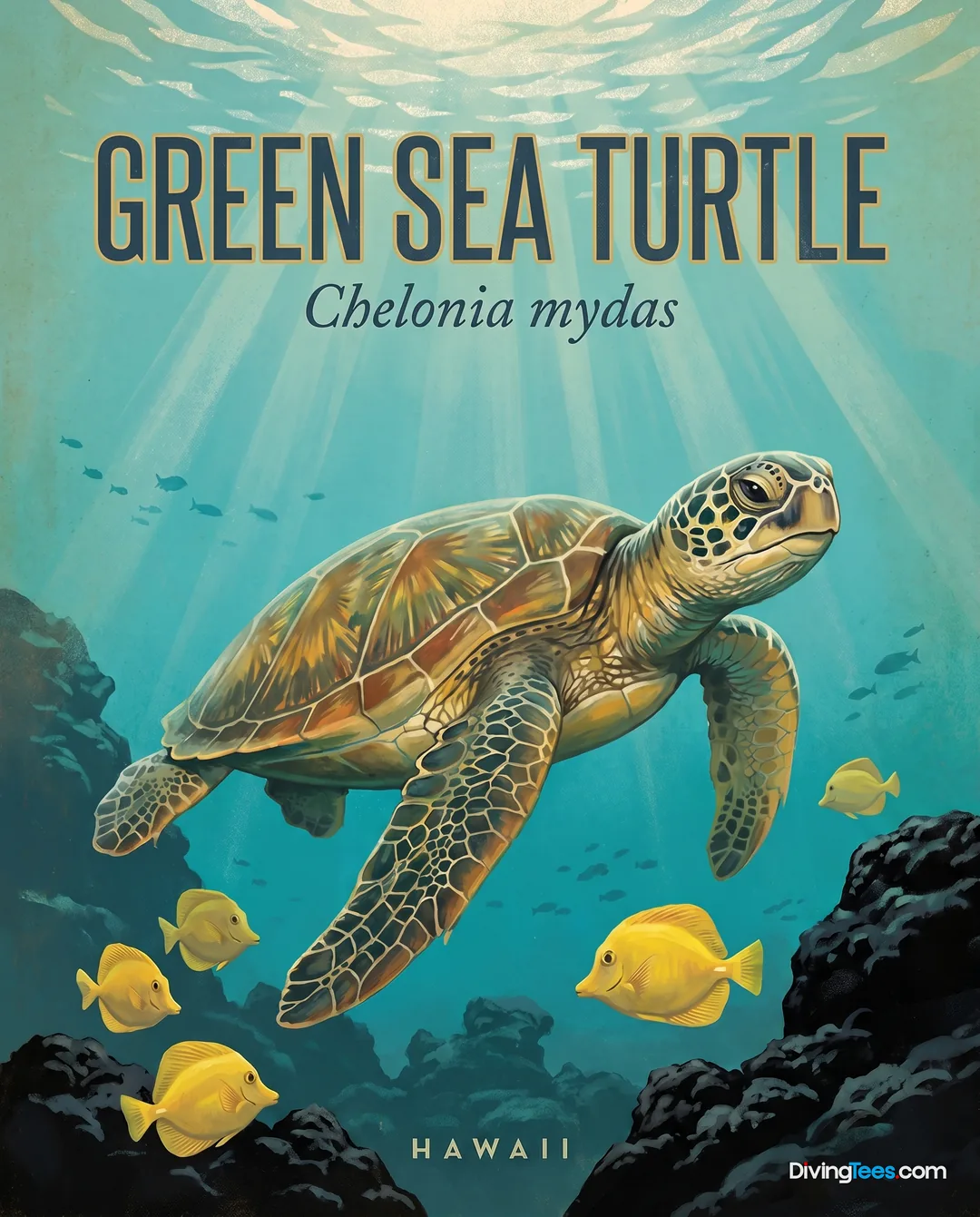
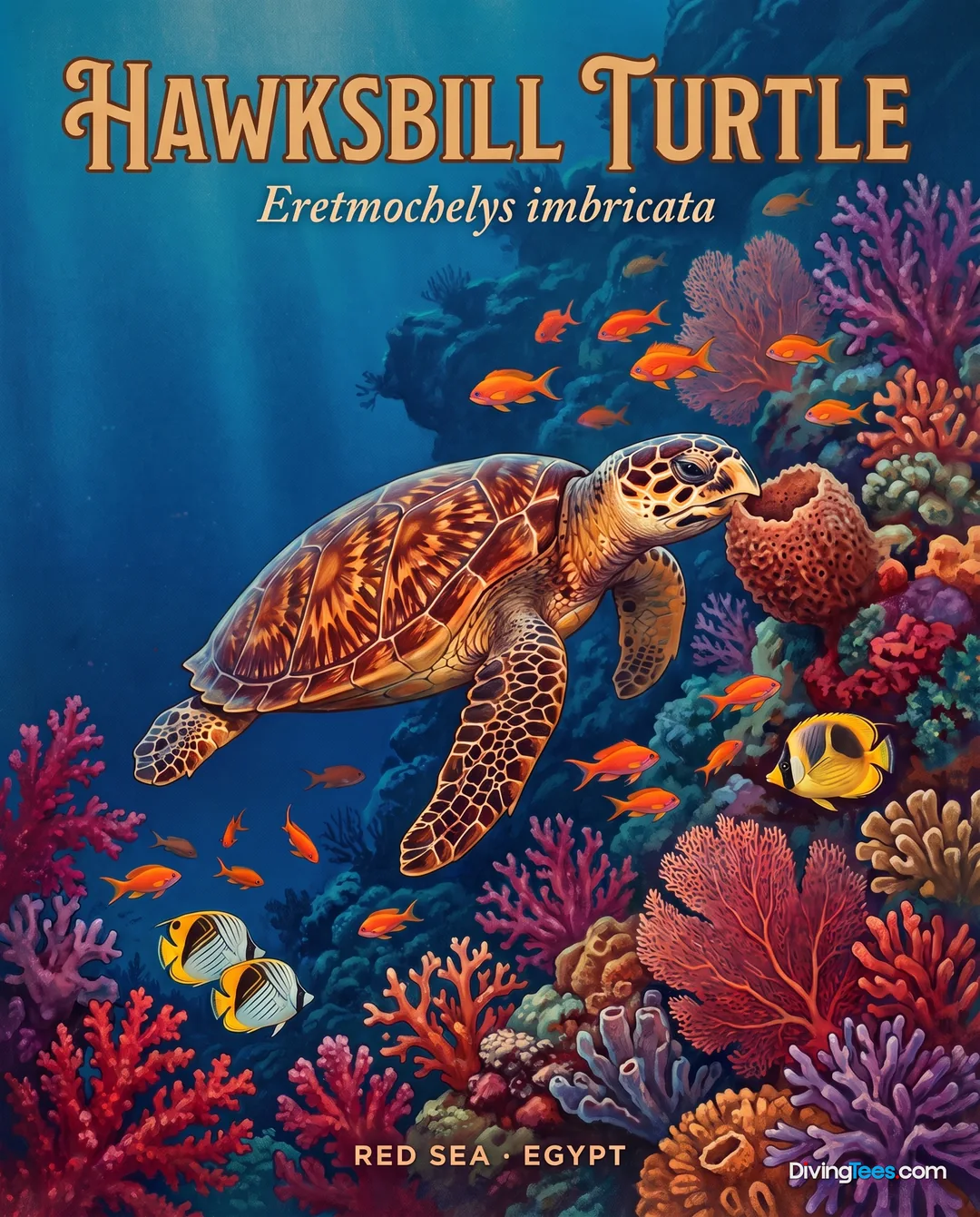
The site also serves as a frequent habitat for larger, slower-moving marine life. Green turtles and hawksbill turtles are regular residents, often found navigating the reef edge or resting near the granite formations. Occasionally, you may encounter a whale shark or a guitarfish passing through the area, making the site a significant location for observing different types of marine life. The variety of species, from small clownfish in sea anemones to large rays, ensures that the biological interest remains high throughout the dive. Each section of the reef offers a different perspective on the local ecosystem.
The conditions at Ave Maria can be influenced by seasonal shifts, particularly during the transition months. The best periods for diving here are often cited as April–May and October–November, when the environment is most stable. While the site is dived year-round, the swell and current levels will vary depending on the season and local weather. Knowing these cycles is essential for selecting the best time to experience the site at its most calm. Planning your dive based on these seasonal trends will help ensure the best visibility and most stable conditions for your exploration.
Depth ranges from 5 to 25 metres. Open Water level required, though being comfortable in mild currents and navigating canyons is recommended. Visibility typically reaches 18–28 metres. The best diving conditions are observed during April–May and October–November.
Ave Maria is dived year round, but conditions are influenced by seasonal shifts, swell, current, and local weather. Diving conditions are described as more stable during April to May and October to November, with visibility typically reaching 18 to 28 metres.
You need an Open Water level to dive Ave Maria. Being comfortable in mild currents is recommended, as is navigating the site’s canyons. Local conditions vary with season and weather, so current levels may change while you move among granite formations, walls, and crevices.
Ave Maria ranges from 5 to 25 metres deep. The dive typically begins in shallower zones before descending toward 25 metres. Uneven granite blocks create different depth areas, with sandy patches between the formations, while vertical walls extend into deeper water.
At Ave Maria, you can explore granite boulders, canyons, arches, crevices, and vertical walls covered with soft corals. Marine life includes grey reef sharks, eagle rays, fusiliers, snappers, batfish, bumphead parrotfish, turtles, moray eels, crabs, shrimps, stingrays, and various reef species.