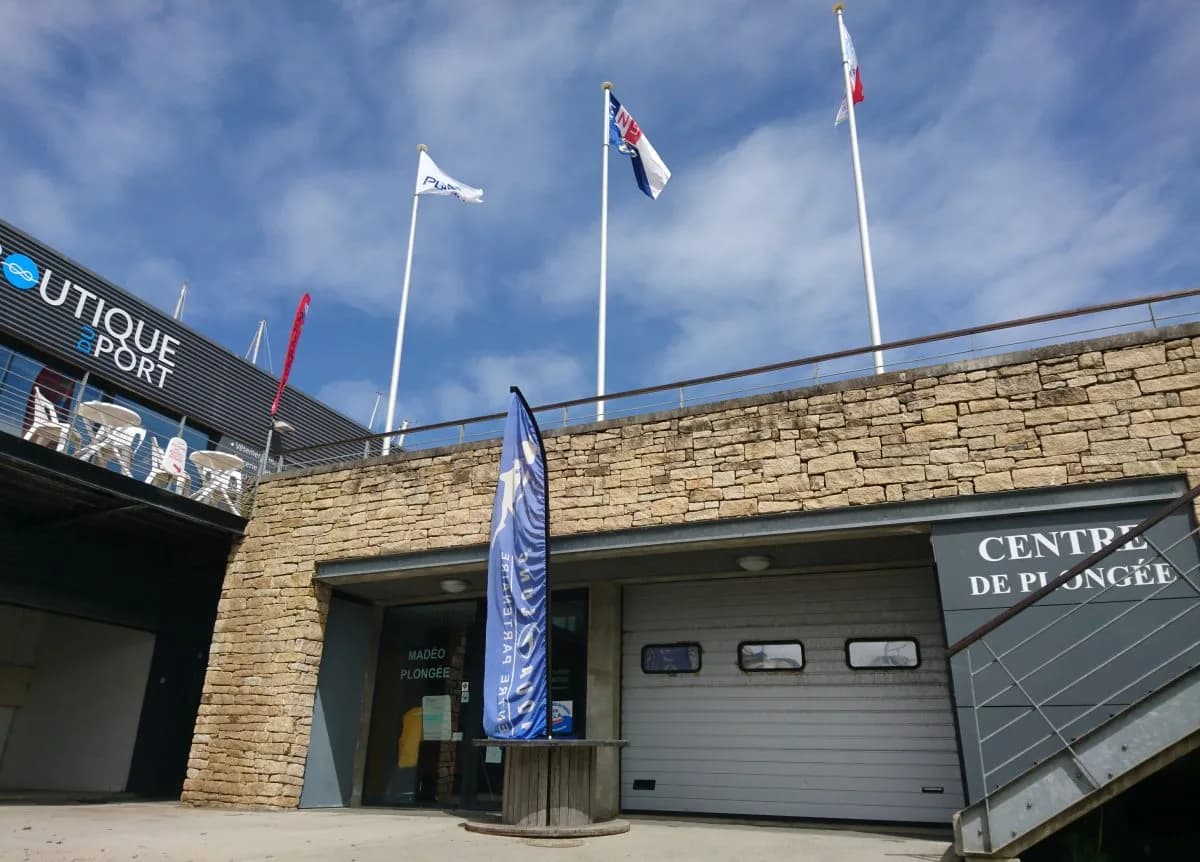

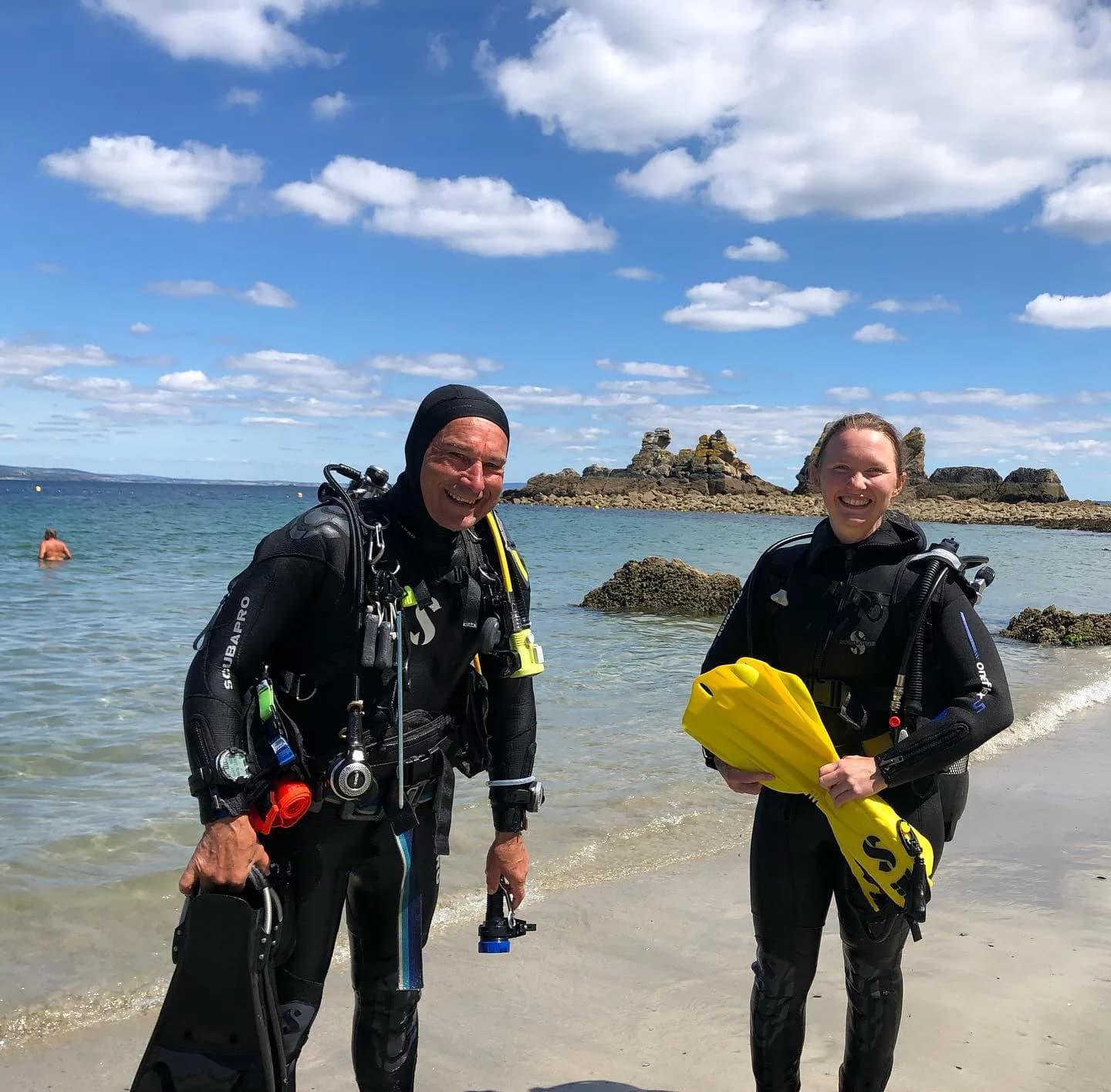

I.S.A Diving Center
★ 4.7/5 (105 reviews)
13 km away as the crow flies
Brittany · France · Mediterranean
Max. depth · 38 mThe SS Swansea Vale offers a structured wreck dive in Brittany, with an intact hull, prominent boiler, and engine room to explore.
The SS Swansea Vale is a steamship wreck resting on the seabed off Brittany, France, with its key features largely intact. Descending onto the wreck, you'll find the main structure of the vessel well-defined, providing a substantial site to navigate. While sections of the bow show signs of collapse, the integrity of the hull offers numerous points of interest for exploration, making it a dive focused on architectural features and internal spaces.
The dive profile typically involves reaching the wreck at a minimum depth of 30 metres, with the deepest sections extending to 38 metres. This depth range places the Swansea Vale firmly in the realm of advanced diving. As you approach the wreck, the preserved steamship structure becomes clear, revealing the outlines of cargo spaces that now provide shelter for marine life. Navigating along the deck and through accessible areas allows you to trace the vessel's layout and internal workings.
Central to the wreck are the boiler and engine area, which remain prominent features and often serve as key navigation points. These sections are robust and provide a sense of the scale of the vessel. The stern is another well-preserved part, offering further opportunities for exploration. The intact nature of these main components means you are diving a structured wreck rather than a scattered debris field, which contributes to a distinct underwater landscape.
Currents at the SS Swansea Vale are a significant factor, typically moderate during optimal dive times. Diving is generally planned around slack water, with local operators often scheduling entry around 45 minutes before low or high tide. This timing is crucial due to the potential for stronger tidal currents outside these periods, which is a common characteristic of the Brest approaches area. Understanding the tide cycle is key to enjoying a controlled dive on this site.
The wreck surfaces are especially rich in marine life, providing habitat and feeding grounds for a variety of species. You'll encounter conger eels (Conger conger) and pollack (Pollachius pollachius) often patrolling the deeper sections and within the wreck's confines. Coalfish (Pollachius virens) are also regularly seen. The structure itself is colonised by European painted top snails (Calliostoma zizyphinum), gorgonians, and sea stars, adding colour and texture to the metallic remains.
Closer inspection of the wreck reveals smaller inhabitants such as nudibranchs and spider crabs (Maja brachydactyla) nestled among the growth. These creatures highlight the transformation of the vessel from a man-made structure to a thriving artificial reef. Visibility averages around 8 metres, which is sufficient to appreciate the wreck's structure and the details of the marine communities that have made it their home.
What sets the SS Swansea Vale apart is its combination of a well-preserved structure and rich marine ecosystem. Despite some conflicting historical accounts regarding its exact identity and sinking date, its present state as a substantial, intact wreck makes it a valuable dive. It offers a tangible connection to maritime history while providing a dynamic environment for underwater exploration and observation of the diverse life it now supports.
The SS Swansea Vale is a challenging dive, with depths ranging from 30 metres to a maximum of 38 metres. It is recommended for advanced divers, ideally with prior wreck-diving or decompression experience. Current is moderate, but can be significant outside of slack water; entry is typically timed 45 minutes before low or high tide to minimise its impact. Visibility averages around 8 metres. While the wreck can be dived in January, February, and July, careful planning around tidal schedules is essential.
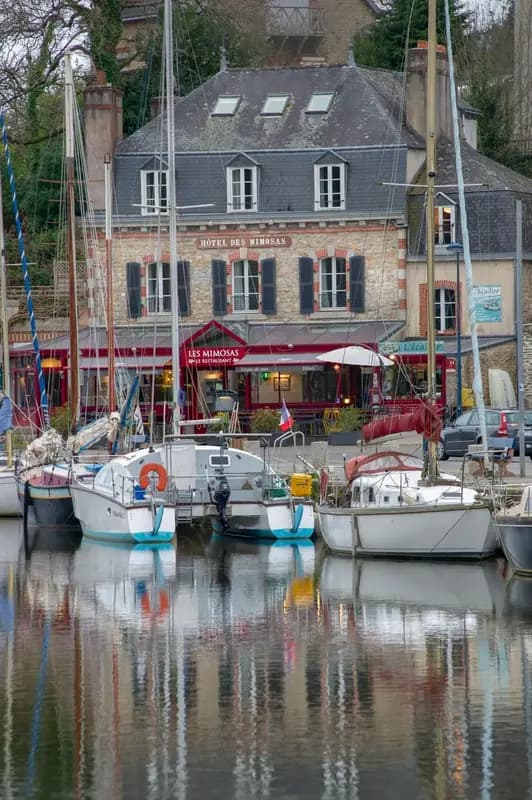
★ 8.7/10 (468 reviews)
83 km away as the crow flies
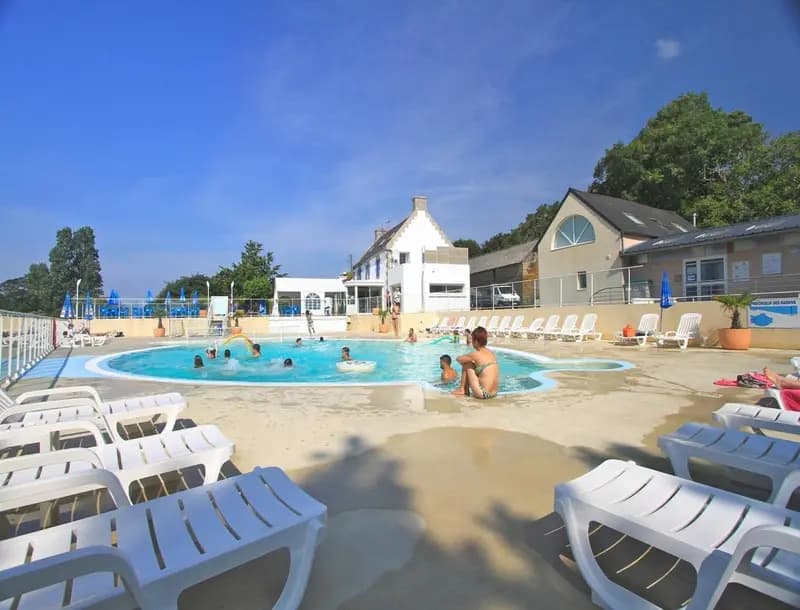
★★★★
★ 8.2/10 (72 reviews)
70 km away as the crow flies
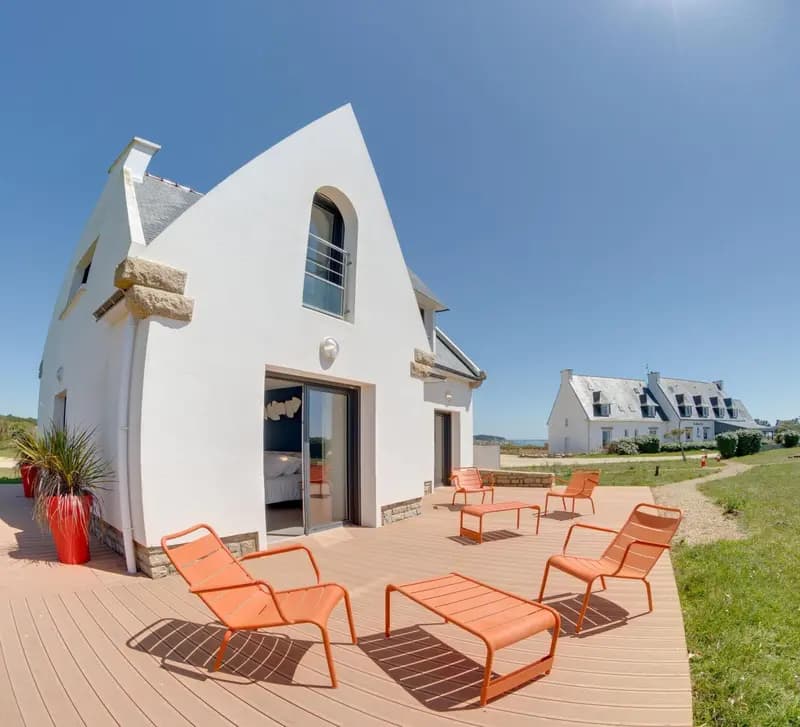
★★★
★ 8.6/10 (129 reviews)
84 km away as the crow flies

★★
★ 8.7/10 (146 reviews)
87 km away as the crow flies