CMAS
Sellor - Kerguelen Sports Ocean
Google 4.7/5 (44 reviews)
14 km away as the crow flies
Brittany · France · Mediterranean
Max. depth · 30 mBasse Laurent offers a vibrant dive on a compact rock pinnacle between 22 and 30 meters, rich with invertebrate life.
Basse Laurent, a rocky pinnacle off the coast of Groix near Lorient, presents a dive profile between 22 and 30 meters. It’s a distinctive submerged feature, not a broad reef, but rather a compact, isolated rock that rises from the seabed, still shallow enough for boats to navigate over its highest point. The structure itself is described as a 'téton rocheux,' emphasizing its singular, elevated form rather than an extensive underwater landscape.
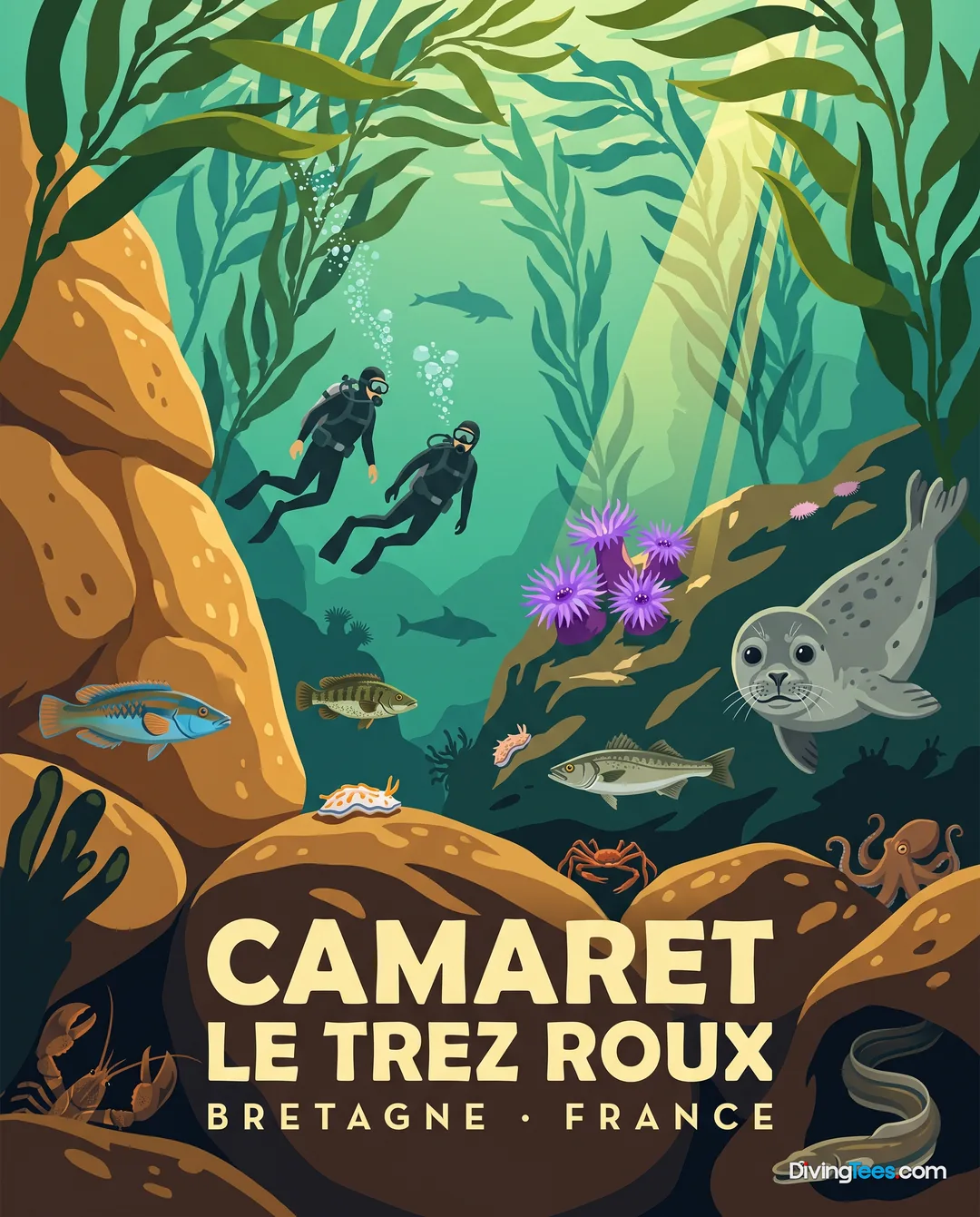
The topography of Basse Laurent is defined by this compact rock, offering a clear relief underwater. As you descend, the rock face reveals itself, covered in a dense growth of corynactis, various sponges, intricate gorgonians, and soft corals. This vibrant invertebrate layer transforms the otherwise bare rock into a colorful and dynamic habitat, making the exploration of its contours and overhangs a visual experience.
Visibility at Basse Laurent typically offers a clearer dive than some of the more inshore sites, providing an unobstructed view of the pinnacle's rich invertebrate covering. While a specific measured range isn't consistently noted, divers often report better conditions here compared to areas like the nearby Rivière d'Étel. This improved clarity allows for appreciation of the smaller details along the rock face, enhancing the observation of resident marine life.
Among the crevices and under the ledges of Basse Laurent, you can expect to encounter conger eels, often found in deeper, sheltered spots. The pinnacle is also home to various crustaceans, with both common lobsters and spiny lobsters seeking refuge within its rocky structure. These bottom-dwelling species are typically found tucked away, requiring a keen eye to spot them.
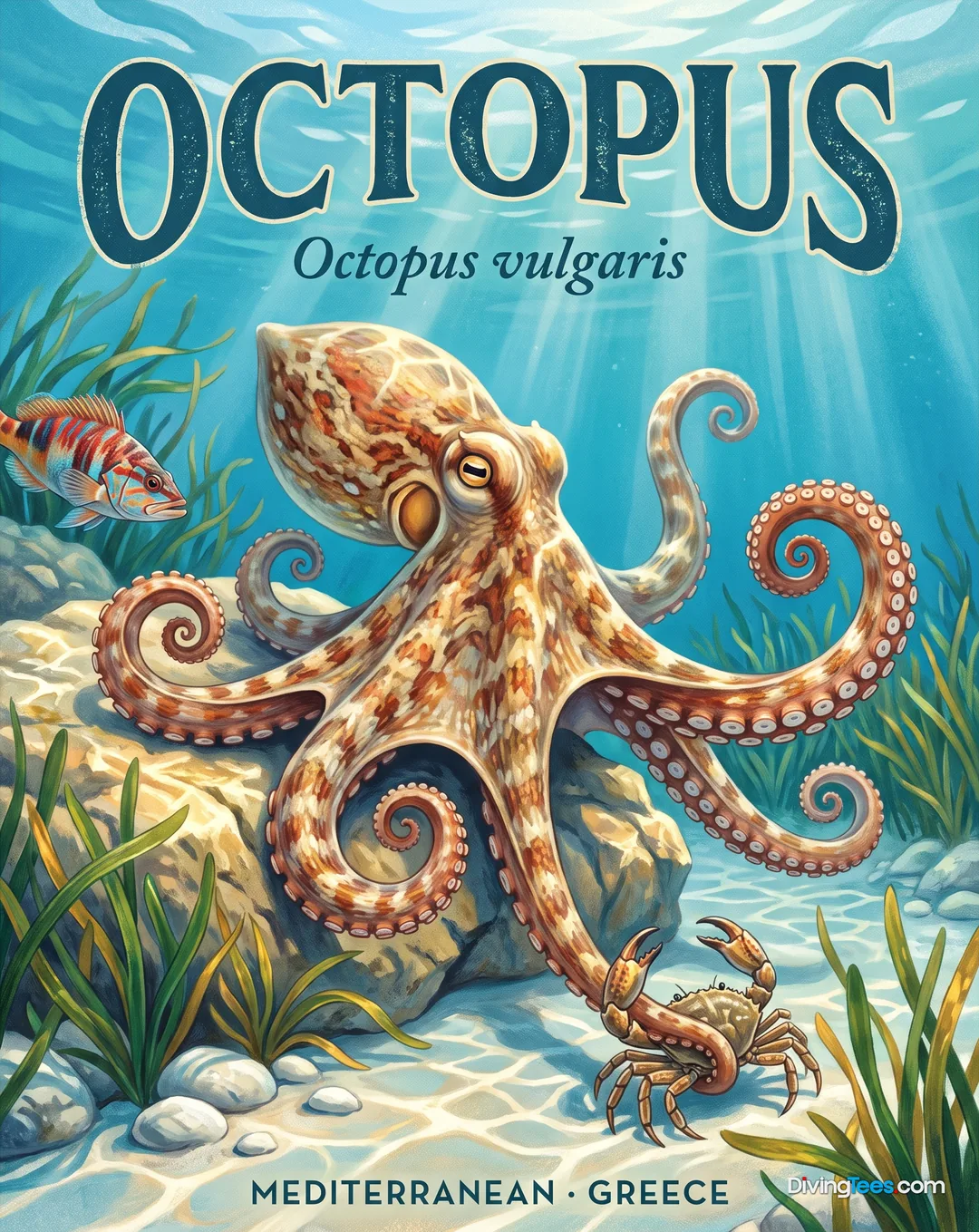
Octopuses are also resident on Basse Laurent, using the pinnacle's complex rocky terrain for camouflage and hunting. Their presence adds another element to the dive, as you might observe them moving between rocks or concealed within their chosen hiding spots. The interaction of these species with the specific topology of the pinnacle creates a unique ecosystem, distinct from more expansive reef systems.
Basse Laurent is accessible for advanced divers, with a maximum depth extending to 30 meters. The site experiences variable currents, a common characteristic of Breton diving, which requires careful planning and awareness of tidal patterns. Access to the site is exclusively by boat, typically from dive operations in the Lorient area.
You should plan a dive at Basse Laurent around the tidal patterns, because the site experiences variable currents typical of Breton diving. Access is exclusively by boat, usually from dive operations in the Lorient area. Careful preparation and awareness of the changing tide are important when arranging your visit to this rocky pinnacle.
Basse Laurent is accessible to advanced divers. You should be comfortable planning a dive around variable currents and staying aware of tidal patterns while exploring a compact rocky pinnacle. The site is reached exclusively by boat, typically from dive operations in the Lorient area, so your planning should include the boat-based access.
Basse Laurent offers a dive profile between 22 and 30 meters, with the maximum depth reaching 30 meters. You descend along a compact, isolated rocky pinnacle that rises from the seabed, then explore its rock face, contours, and overhangs within this depth range. The site is not a broad reef.
At Basse Laurent, you can explore rock covered with corynactis, sponges, gorgonians, and soft corals. Look among crevices and ledges for conger eels, common lobsters, and spiny lobsters. Octopuses also live among the rocks, using the pinnacle’s complex terrain for camouflage and hunting. Visibility is often clearer than at some inshore sites.