
Hippocampe
★ 4.9/5 (514 reviews)
3 km away as the crow flies
Corsica · France · Mediterranean
Max. depth · 20 mExplore the varied topography of Forana Nord-Est, where shallow rocky plateaus transition into a gentle sand bank, offering distinct dive profiles.
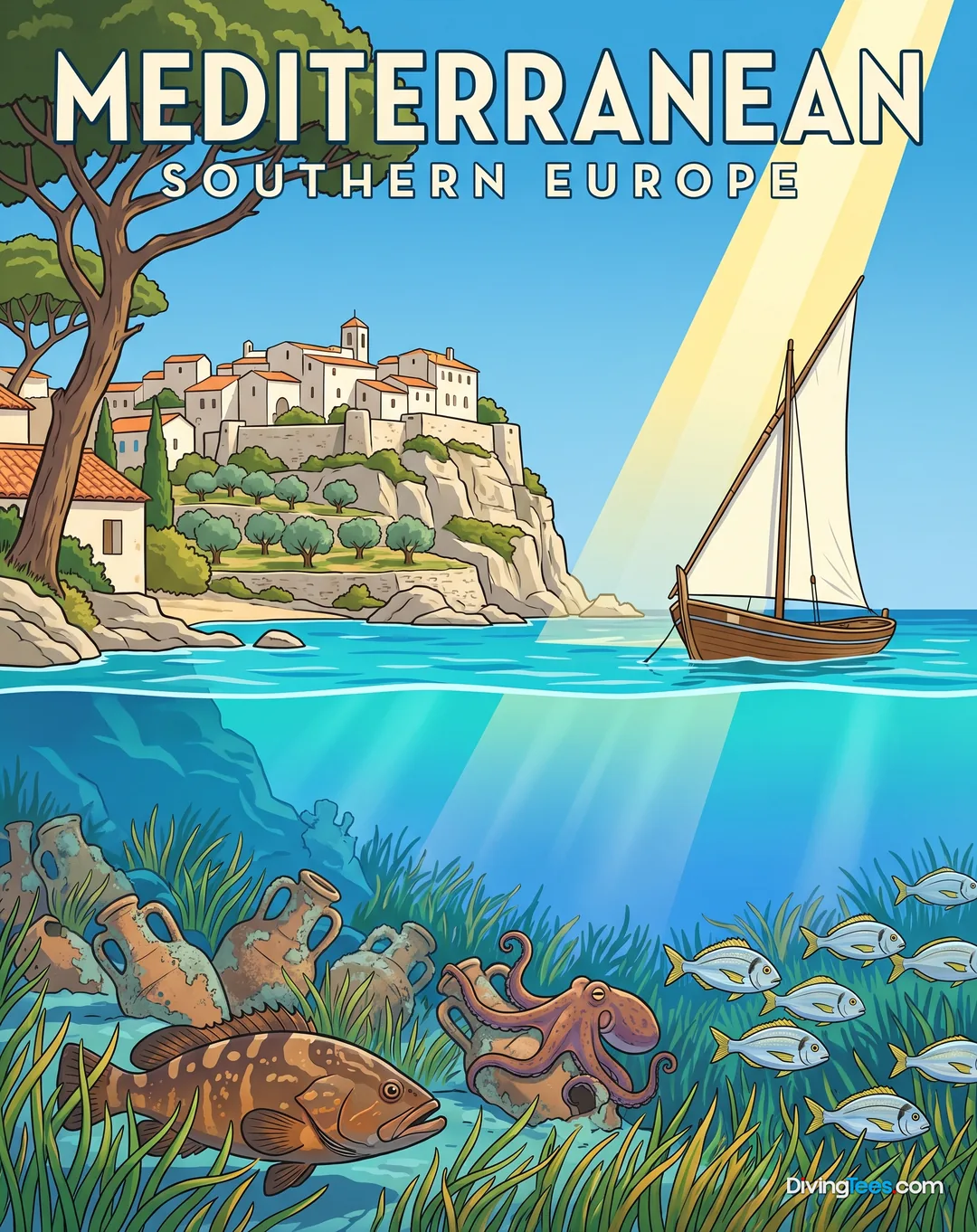
Diving Forana Nord-Est brings you to the exposed northeast flank of Île de Forana, an integral part of the Cerbicale Islands Reserve. This area features a sequence of rocky plateaus, gradually sloping from a minimum depth of 3 metres down to 20 metres. The site's profile is not a sheer wall but a series of natural steps and formations, allowing for a relaxed exploration over varied terrain. It is a sector where the island's geology extends underwater, creating a complex, low-relief environment ideal for detailed observation rather than deep penetration.
The primary dive trajectory often follows these rocky plateaus, where the contours guide your path. An alternative route leads towards a distinct sand bank along the island's edge, presenting a different aspect of the site. Here, the depth range shifts from 3 metres to 15 metres, providing a softer substrate and a different light quality compared to the more rugged rock formations. This dual topography means you can experience both hard and soft bottom environments within the same general area, tailoring the dive to conditions or preferences.
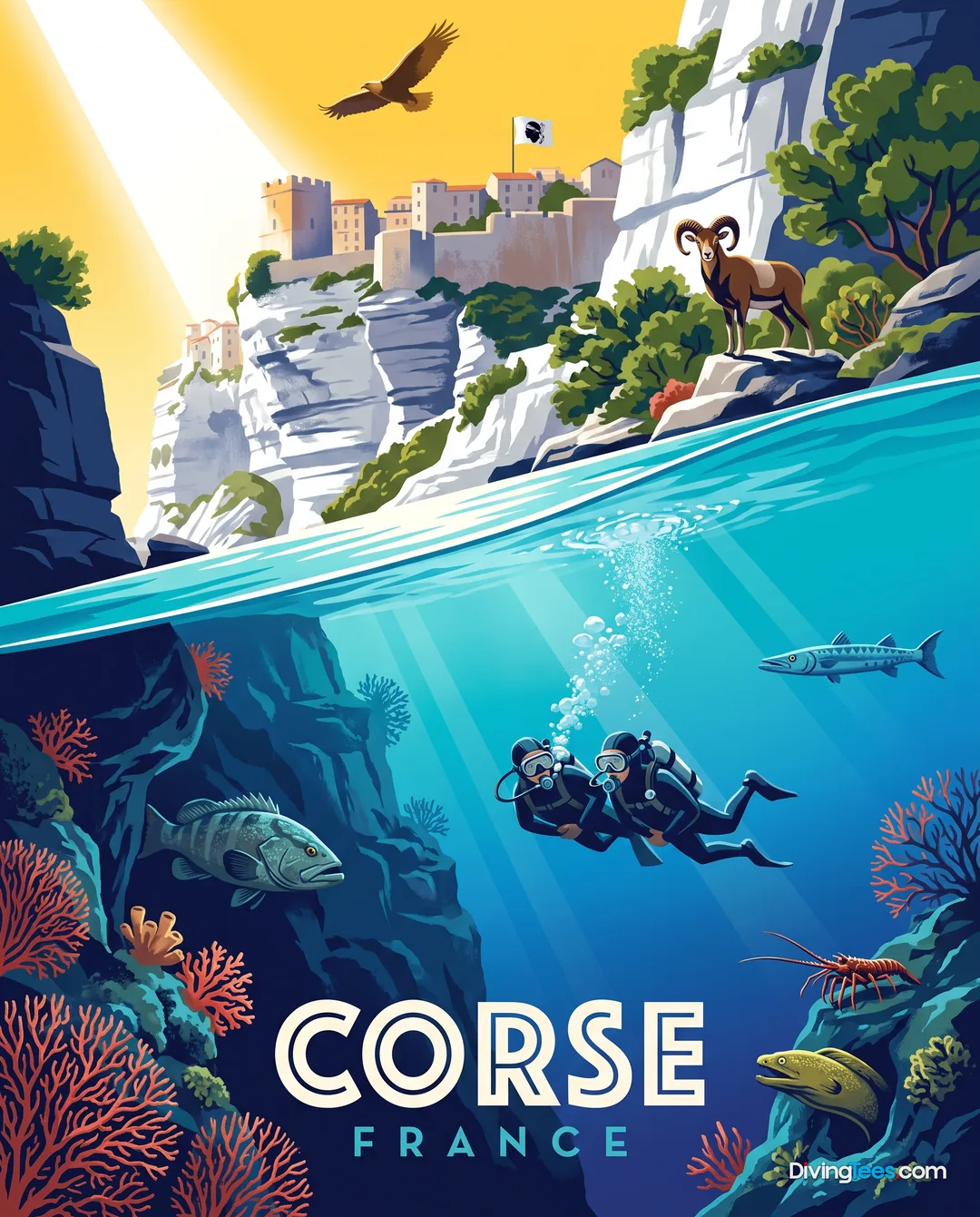
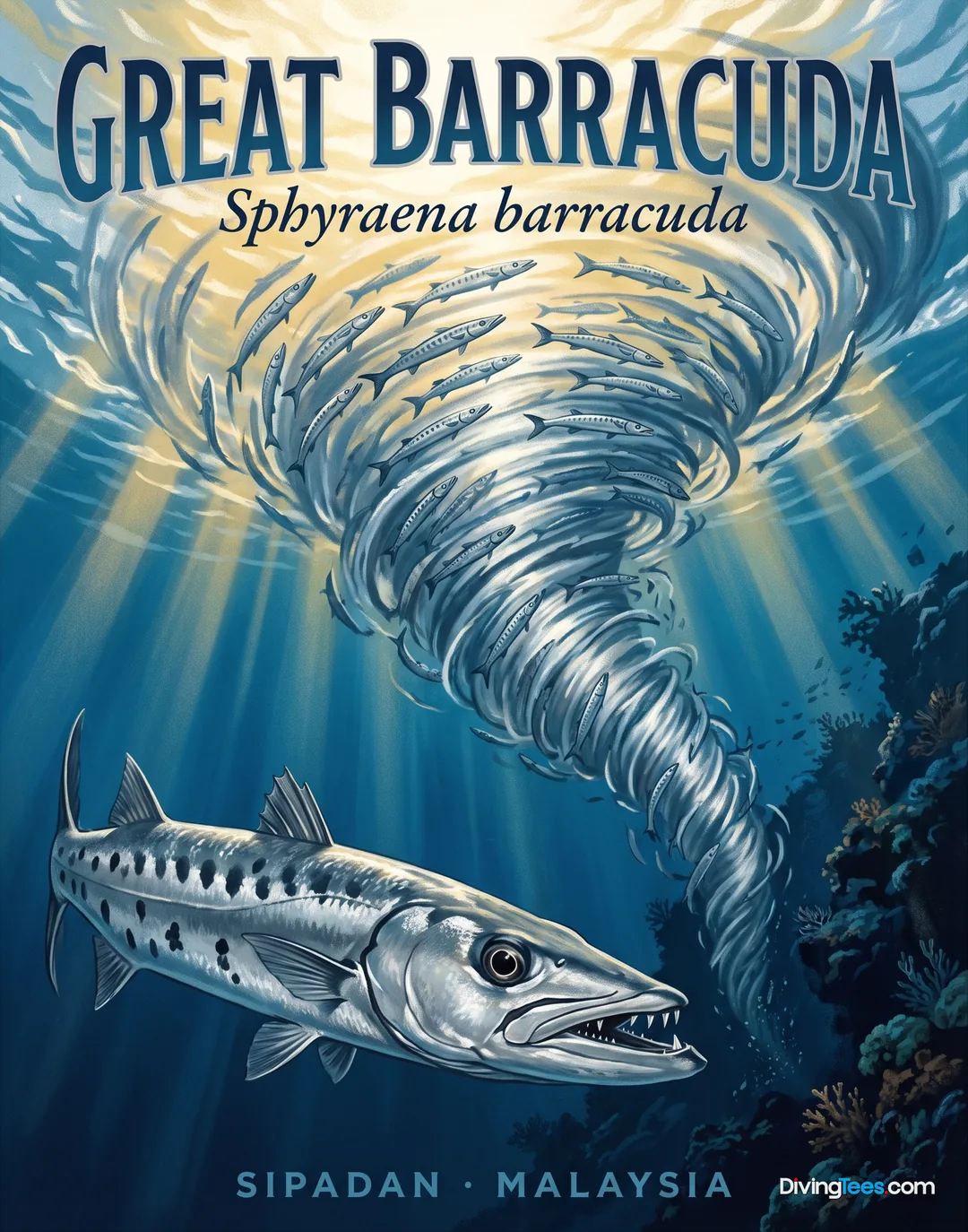
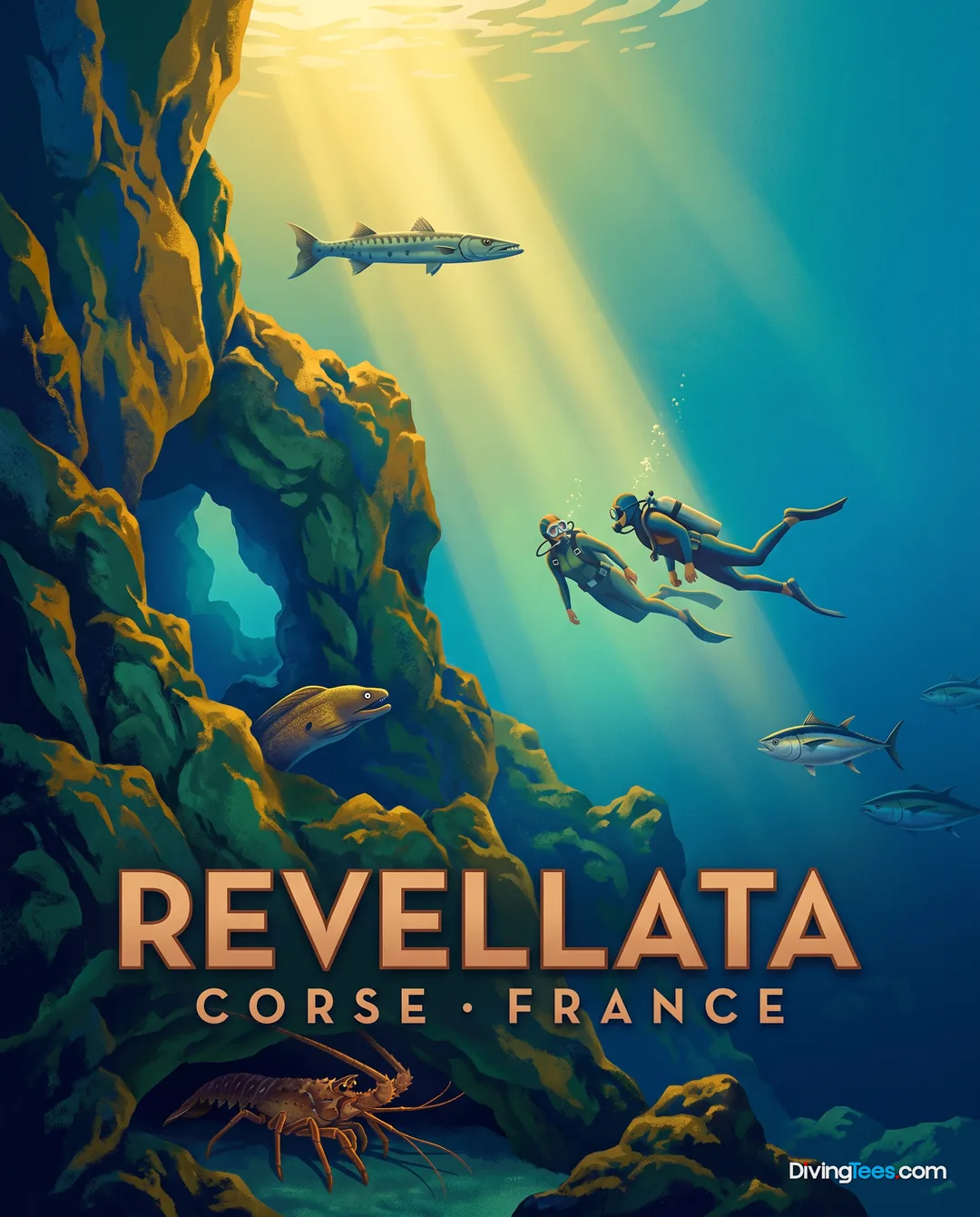
A key feature of the site is a prominent rock formation, positioned roughly between 11 and 20 metres depth, serving as a focal point for marine life. This rock acts as a cleaning station or aggregation point, drawing in various species. You will often find barracuda (Sphyraena barracuda) schooling here, along with amberjacks (Seriola dumerili) and tunas (Thunnus thynnus) making passes, particularly when the current brings in nutrients. This specific structure provides a consistent reference for navigation and a reliable spot for observing pelagic activity.
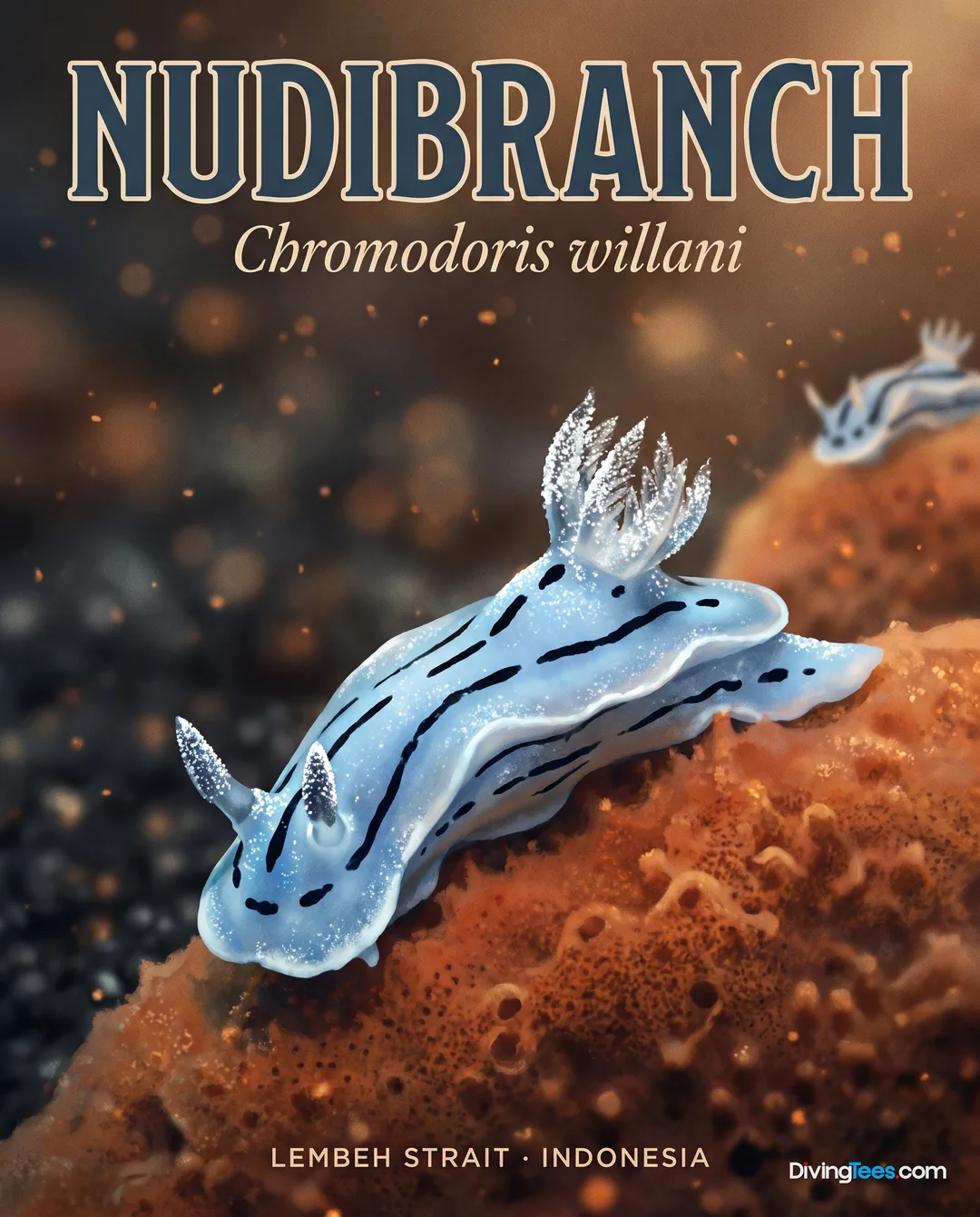
The shallower sections of the plateaus and the sand bank host a resident population of nudibranchs, often found grazing on sponges or hydroids. As you explore deeper into the crevices and under ledges of the rocky terrain, moray eels (Muraena helena) are a common sight, often peering out from their retreats. Groupers (Epinephelus marginatus) also inhabit these rocky zones, particularly the larger individuals seeking shelter in deeper pockets and overhangs. The interaction of rock and sand creates diverse micro-habitats supporting this range of bottom-dwelling and crevice-dwelling species.
This site is accessible from 3 metres down to a maximum of 20 metres. An Open Water Diver certification is sufficient for this dive, making it suitable for beginner divers. Current at Forana Nord-Est is variable; as an exposed island site, conditions can shift based on sea state and your exact position on the plateaus or near the island's edge.
★★★
★ 9.6/10 (227 reviews)
3.3 km away as the crow flies
★ 9.5/10 (172 reviews)
7.3 km away as the crow flies
★★★★★
★ 9.2/10 (141 reviews)
3.9 km away as the crow flies
★★★★
★ 9.1/10 (142 reviews)
3.2 km away as the crow flies