
KoroSun Dive
Google 4.7/5 (76 reviews)
Vanua Levu · Fiji · Pacific
Explore Namena Marine Reserve, a horseshoe-shaped barrier reef system between Fiji's main islands, known for its extensive coral diversity and abundant pelagic life.
For subtitles in English: start the video firstthen click the gearat the top right of the video, select “Subtitles/CC”, then “Auto-translate” and choose “English”.
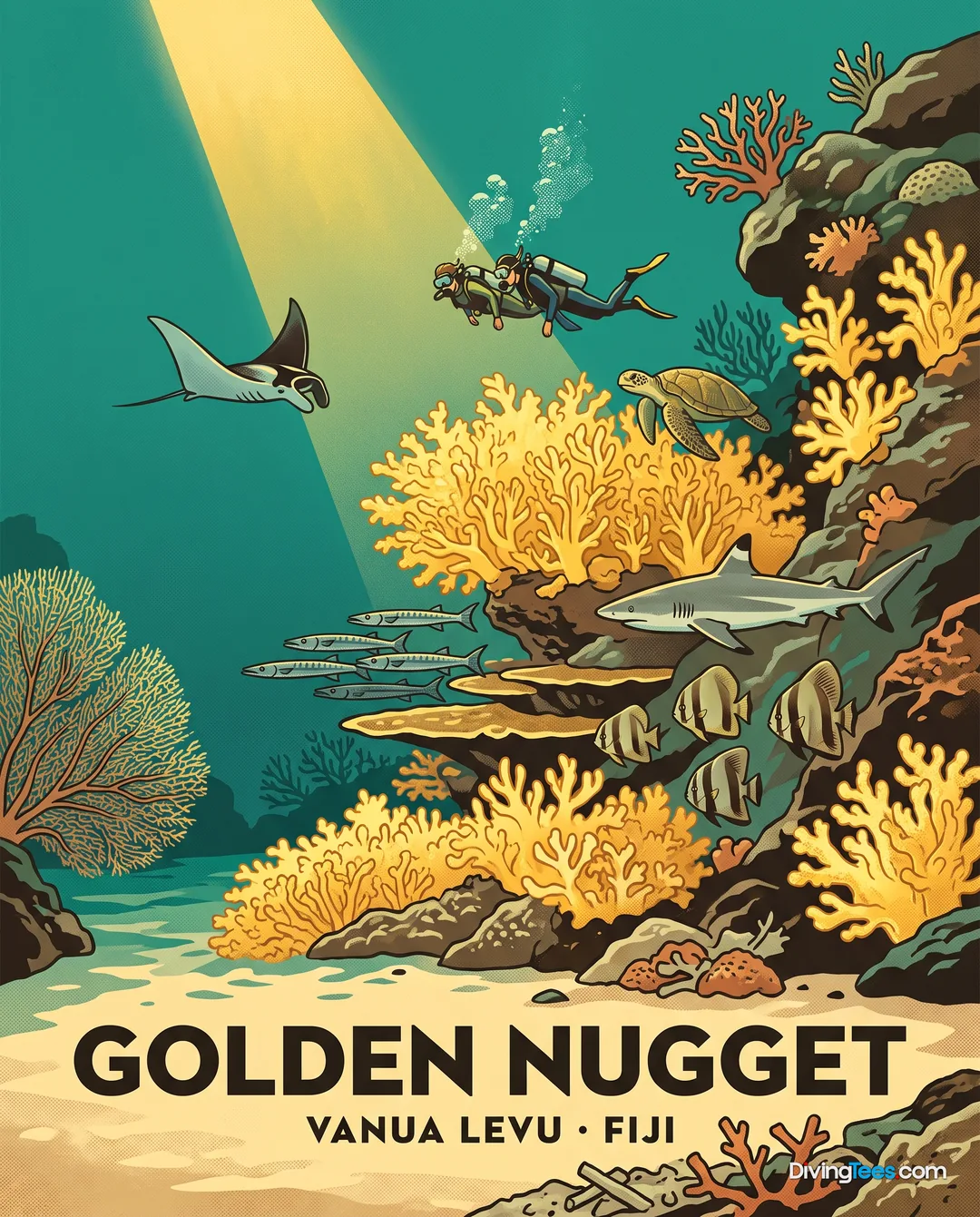
Namena Marine Reserve is a significant horseshoe-shaped barrier reef system that encircles the small island of Namenalala, strategically positioned between Fiji’s larger islands of Viti Levu and Vanua Levu. This extensive reserve encompasses a variety of underwater topographies, ranging from shallow reef flats and gentle slopes to deeper reef structures, intricate passages, and exposed oceanic channels that face the Koro Sea and Bligh Waters. The sheer scale and varied environment of Namena contribute to its reputation as one of Fiji's most biodiverse dive areas, offering a different experience depending on the specific site and prevailing conditions.
The journey to Namena typically involves a boat transfer, often around 30 to 40 minutes from Vanua Levu, or as part of a liveaboard itinerary exploring the Bligh Waters. This relative remoteness has been instrumental in preserving the reserve's pristine condition, allowing its coral structures to flourish into complex and healthy habitats. As you descend, you'll find yourself navigating through intricate coral gardens, where both sturdy hard corals and delicate, swaying soft corals create a vibrant tapestry. This exceptional coral biodiversity forms the foundation of the ecosystem, providing shelter and feeding grounds for countless marine species.
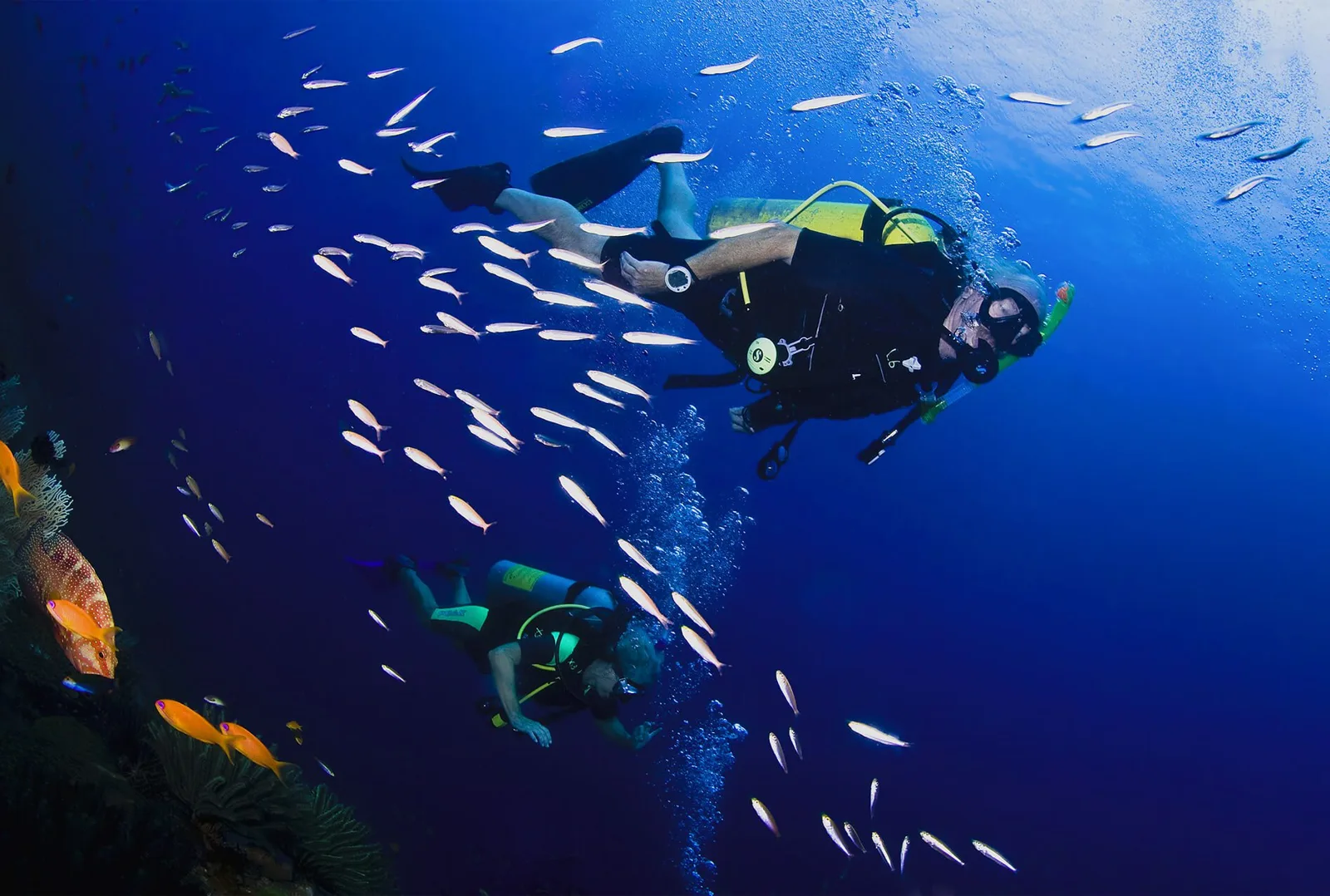
The resident fish populations within Namena are a defining characteristic, with large schools of various species constantly moving across the reef, creating a living current of color. You'll observe dense aggregations of anthias, damselfish, parrotfish, angelfish, and butterflyfish, their coordinated movements a constant reminder of the sheer volume of life supported by these vibrant corals. These robust fish populations are a clear indicator of a well-protected marine environment, showcasing the success of Namena as Fiji’s largest no-take, locally managed marine reserve.
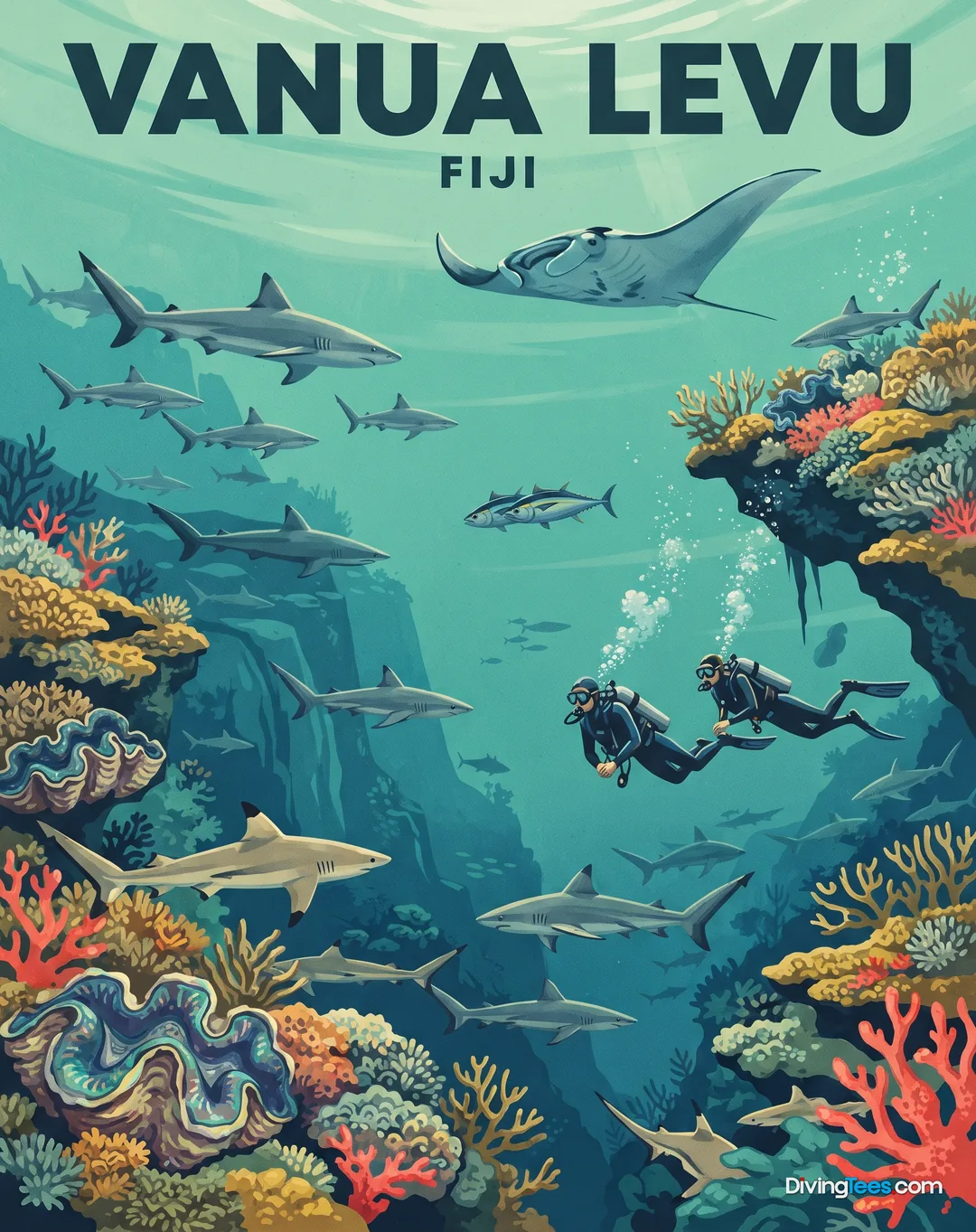
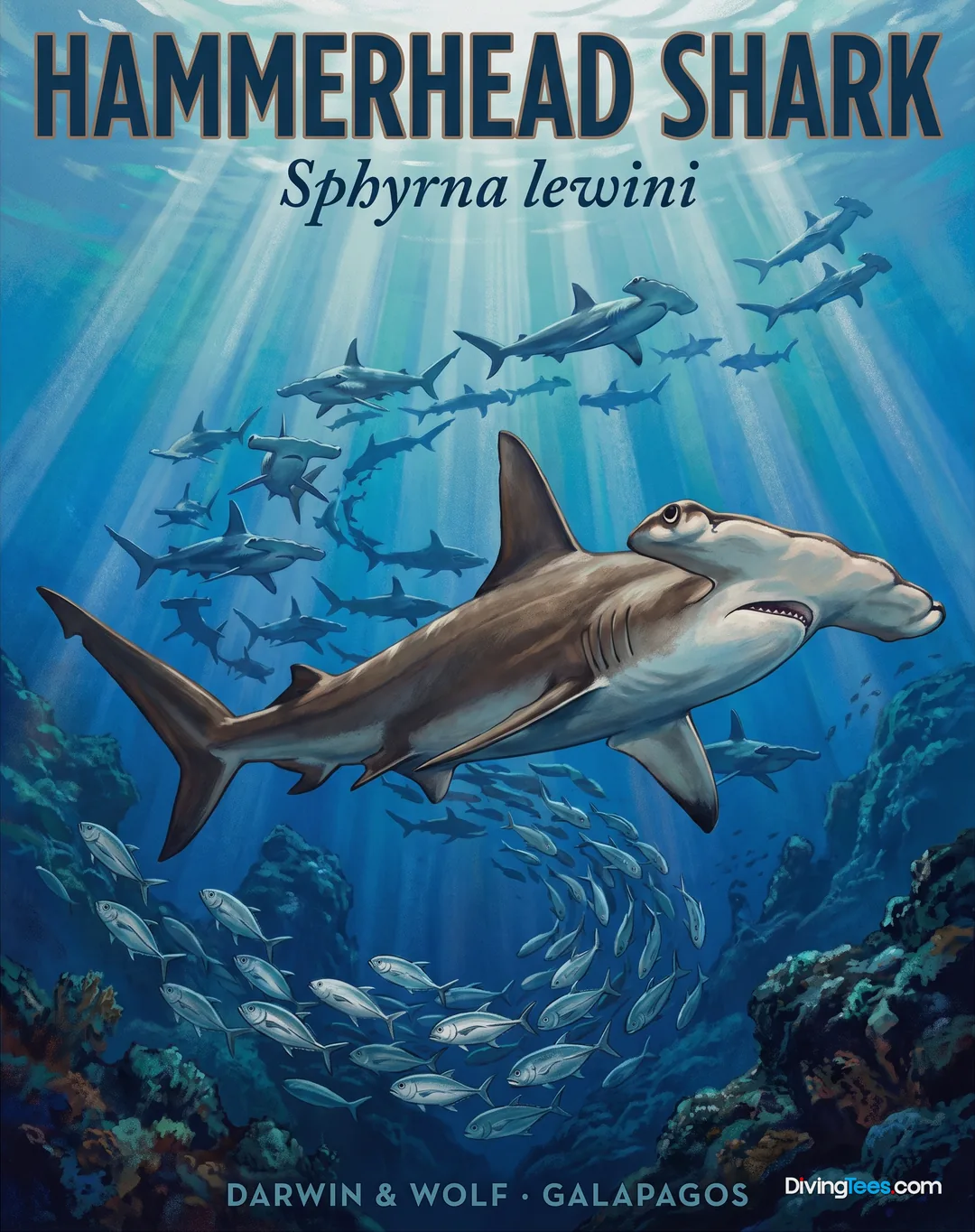
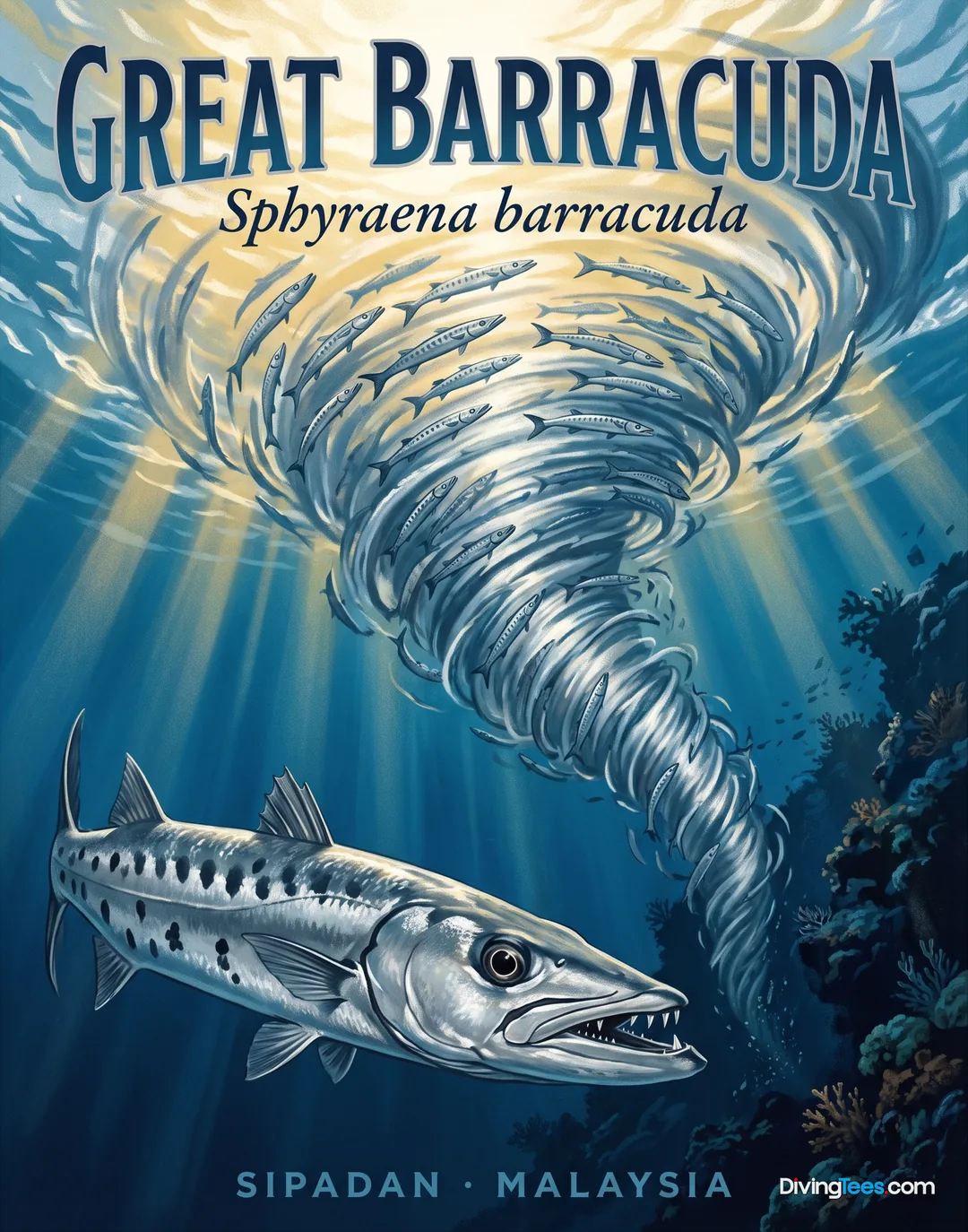
Beyond the reef residents, Namena is also a known hotspot for pelagic encounters. Reef sharks are a common sight, patrolling the reef edges, while hammerhead sharks can be observed in the deeper, more exposed areas. Large pelagic fish such as trevally, barracuda, and tuna are frequently seen, often hunting in the currents that sweep through the channels. These encounters with larger marine life underscore the reserve's position on important migratory pathways and its role as a vital feeding ground.
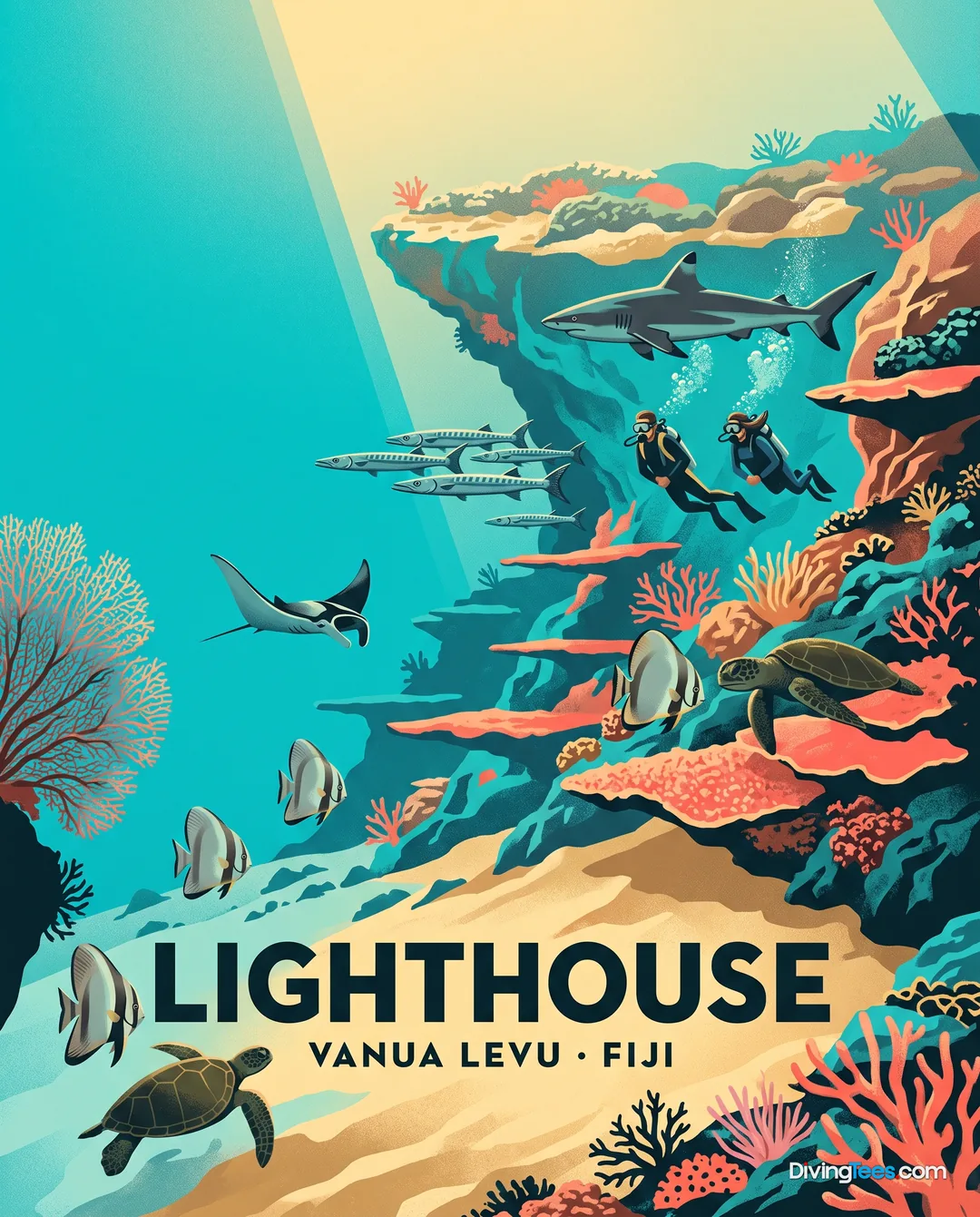
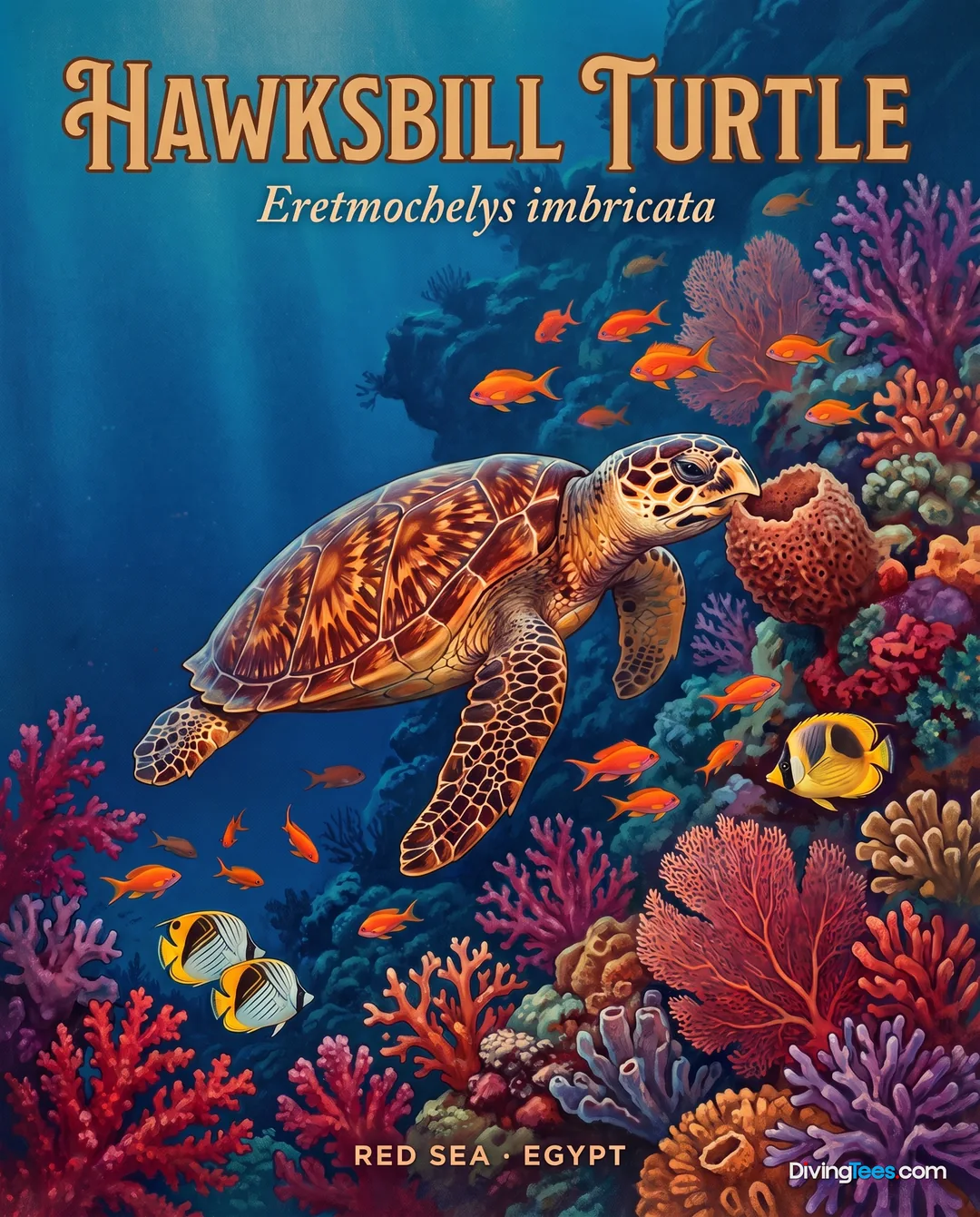
Encounters with sea turtles are a highlight of diving Namena, particularly hawksbill sea turtles (Eretmochelys imbricata) and green sea turtles. These graceful reptiles navigate the reef with an unassuming elegance, often found foraging among the corals or resting in sheltered ledges. Namena also includes nesting beaches for these endangered species, highlighting the critical role this reserve plays in their protection and survival within the region.
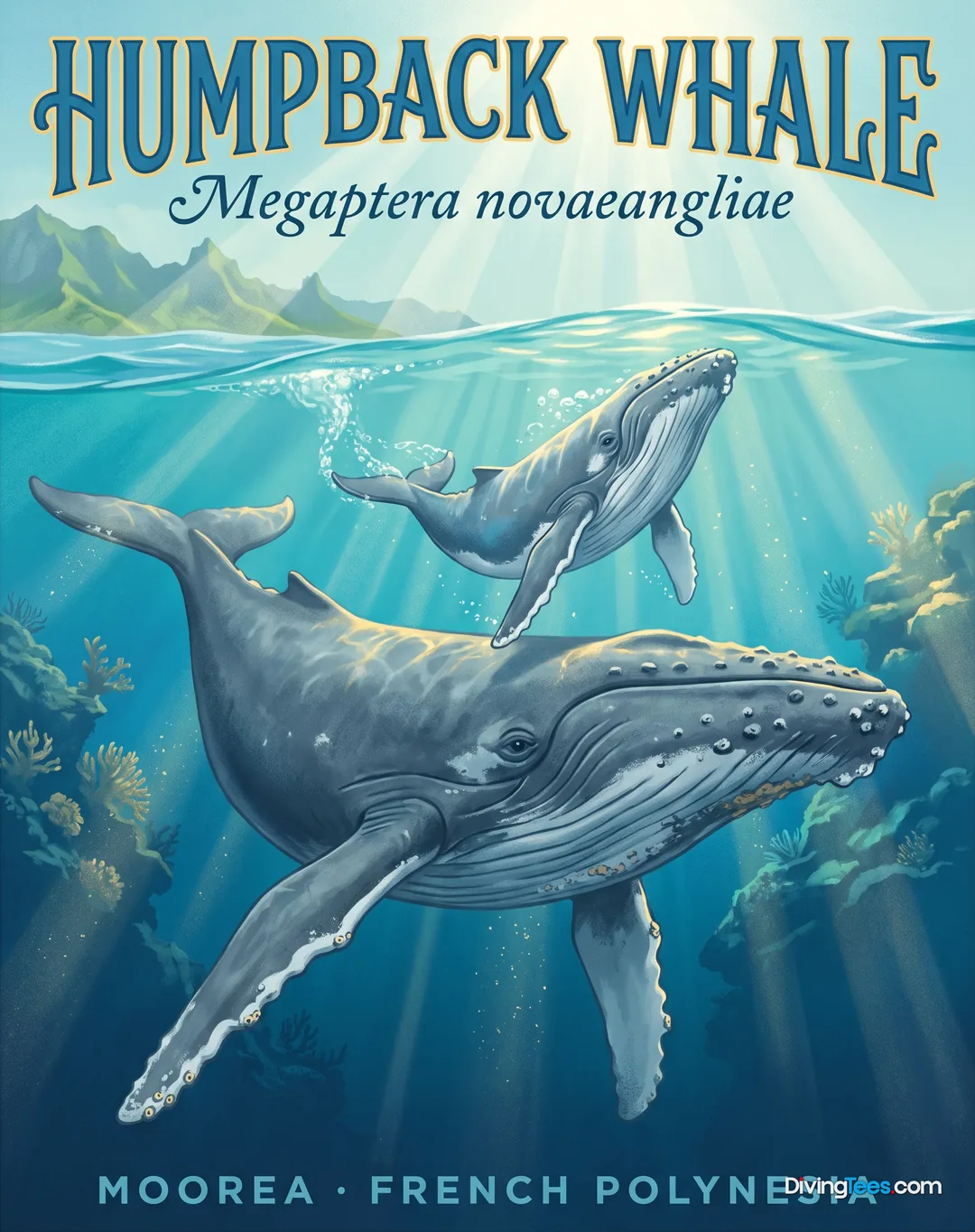
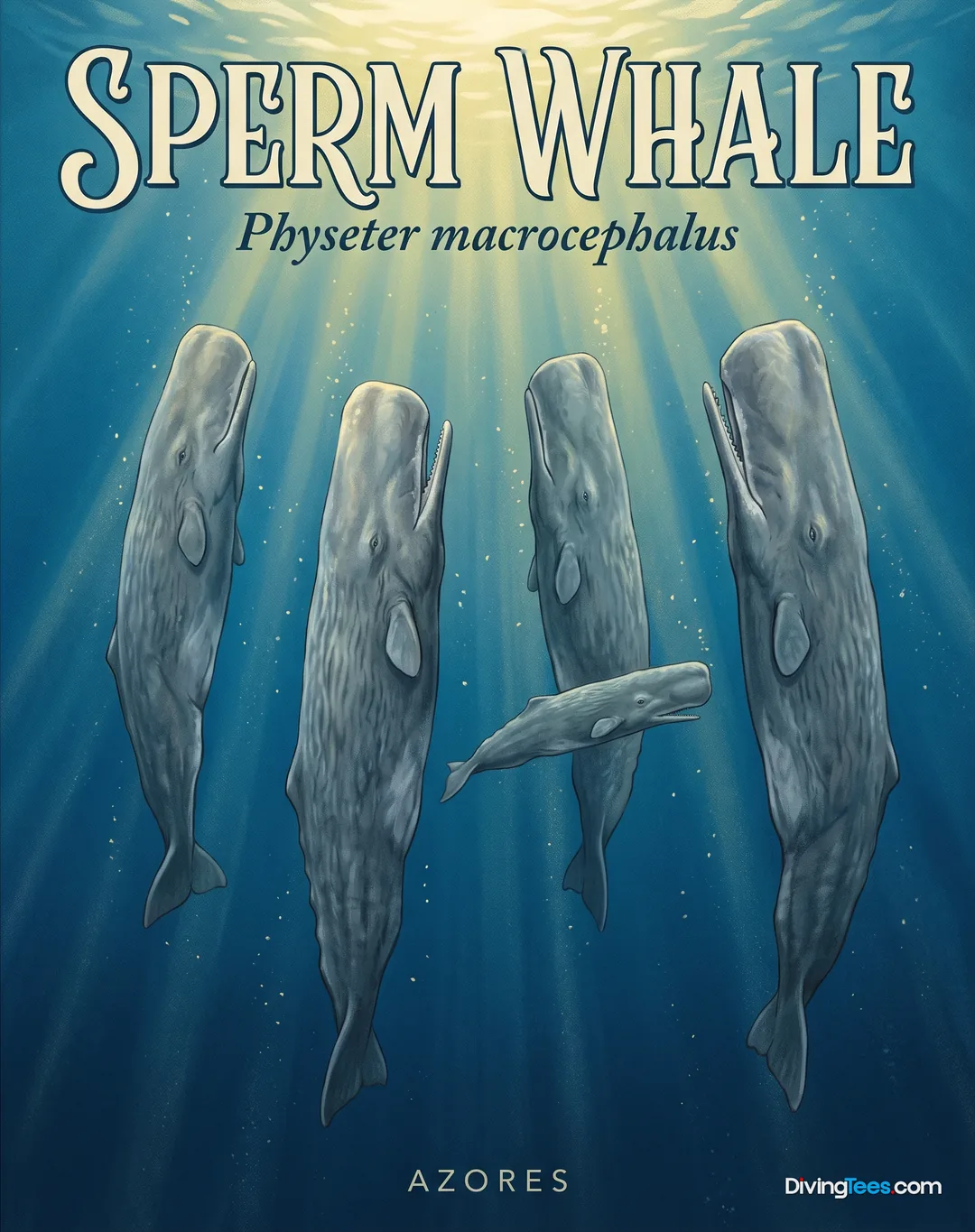
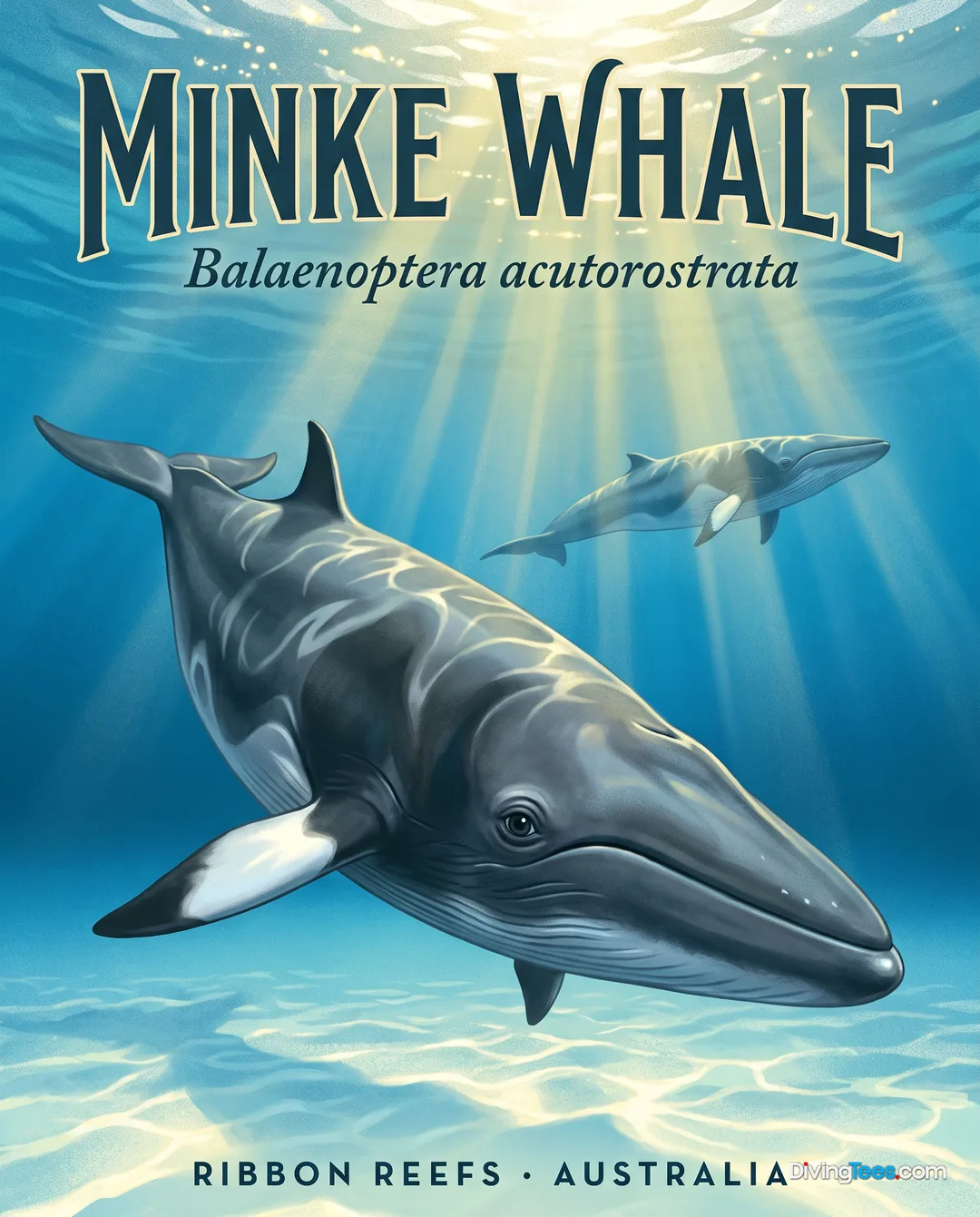
The reserve experiences seasonal migrations of whales, adding another layer of wonder to the diving experience. While direct underwater encounters are rare, the presence of pilot whales, sperm whales, minke whales, and humpback whales in the surrounding waters influences the entire ecosystem. Namena is notably the only known humpback whale calving site in Fiji’s waters, making their presence during the dry season (May–October) a significant event for surface observations and the broader marine environment.
Currents in Namena are variable and can often be strong, particularly in the more exposed sites and during tidal changes. This variability means that while some sheltered sites may be accessible to less experienced divers under calm conditions, many of the prime locations require a higher level of experience to navigate safely. The reserve's oceanic channels and exposed reef sections are particularly prone to strong currents, which contribute to the abundance of pelagic life but also demand careful dive planning and execution.
Visibility at Namena typically ranges from 15 to 40 metres, with the dry season (May–October) generally offering peak visibility and calmer seas. Water temperatures are cooler during this period, while the wet season (November–April) brings warmer water and occasionally stronger currents, along with increased plankton, which can attract manta rays and turtles. Diving is possible year-round, but understanding these seasonal variations helps in planning for specific conditions and marine life encounters.
Access to Namena Marine Reserve requires a 30 to 40-minute boat transfer from Vanua Levu, or via liveaboard. Due to frequent strong and variable currents, particularly in exposed sites and oceanic channels, this site is best suited for experienced divers. While some sheltered areas may be accessible to less experienced divers under calm conditions, a minimum of Advanced Open Water certification and at least 50 logged dives are recommended for most of the reserve's dive sites. Visibility typically ranges from 15 to 40 metres. Diving is possible year-round, with the dry season (May–October) offering cooler water, calmer seas, and peak visibility.
You can dive Namena Marine Reserve year-round. The dry season, from May to October, generally brings cooler water, calmer seas, and peak visibility. The wet season, from November to April, offers warmer water, occasionally stronger currents, and increased plankton that can attract manta rays and turtles.
Namena Marine Reserve is best suited to experienced divers because currents are frequently strong and variable, especially at exposed sites and oceanic channels. A minimum of Advanced Open Water certification and at least 50 logged dives is recommended for most sites, although sheltered areas may suit less experienced divers in calm conditions.
At Namena Marine Reserve, currents can be strong and variable, particularly around exposed reef sections and oceanic channels. Tidal changes can also affect conditions. These currents support abundant pelagic life, but they require careful dive planning and execution, especially when exploring the reserve’s more exposed locations.
At Namena Marine Reserve, you can explore vibrant hard and soft corals supporting large populations of reef fish. Reef sharks, pelagic fish, hawksbill and green sea turtles, and seasonal whales may also be seen. Deeper exposed areas can offer hammerhead sharks, while trevally, barracuda, and tuna hunt in the channels.