
Fakarava - O2 Fakarava
Google 4.9/5 (604 reviews)
7.8 km away as the crow flies
Fakarava · French Polynesia · Pacific
Max. depth · 100 mOhotu Reef offers a dynamic encounter with Fakarava's rich pelagic life and vibrant coral ecosystems within the legendary Garuae Pass.
For subtitles in English: start the video firstthen click the gearat the top right of the video, select “Subtitles/CC”, then “Auto-translate” and choose “English”.
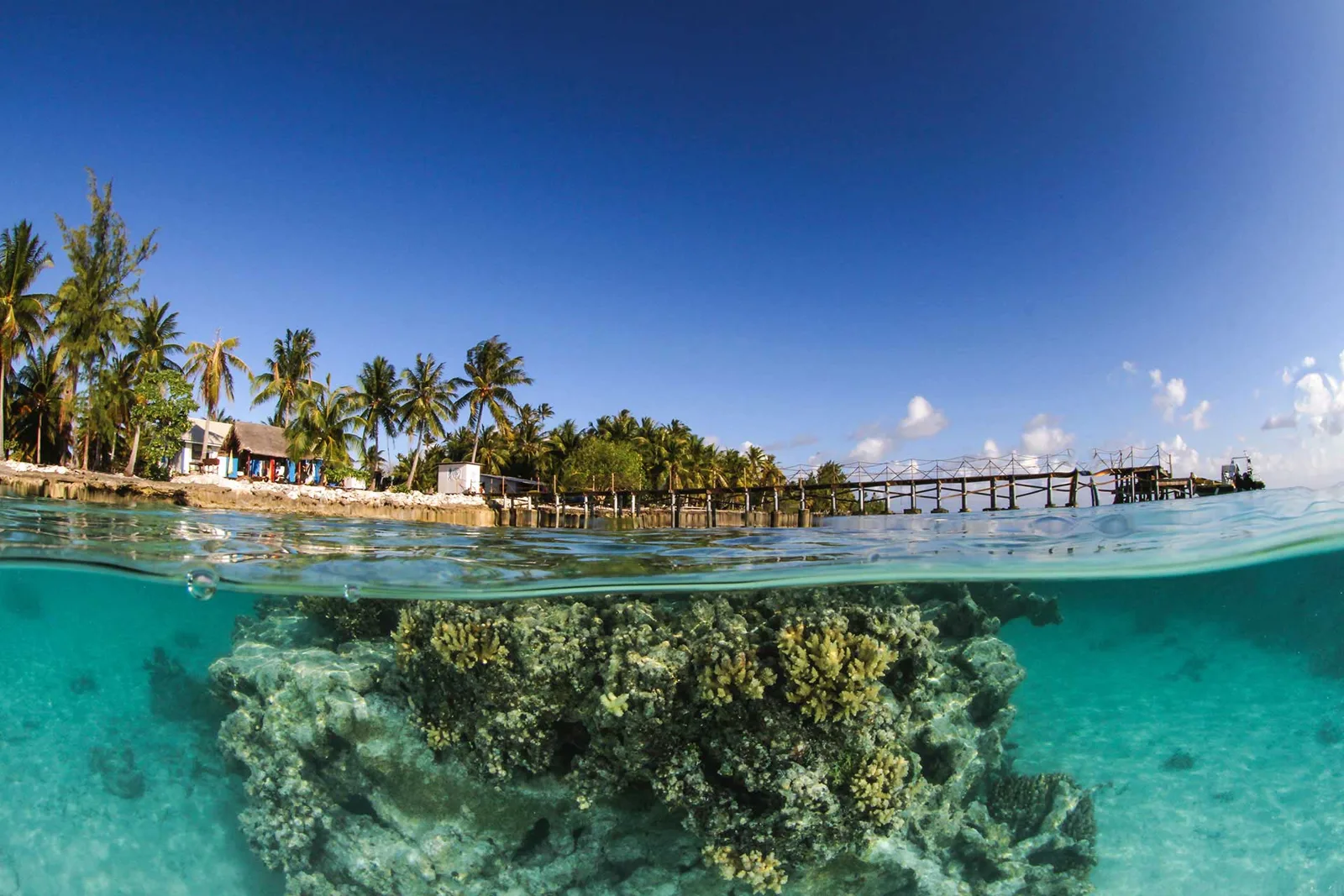
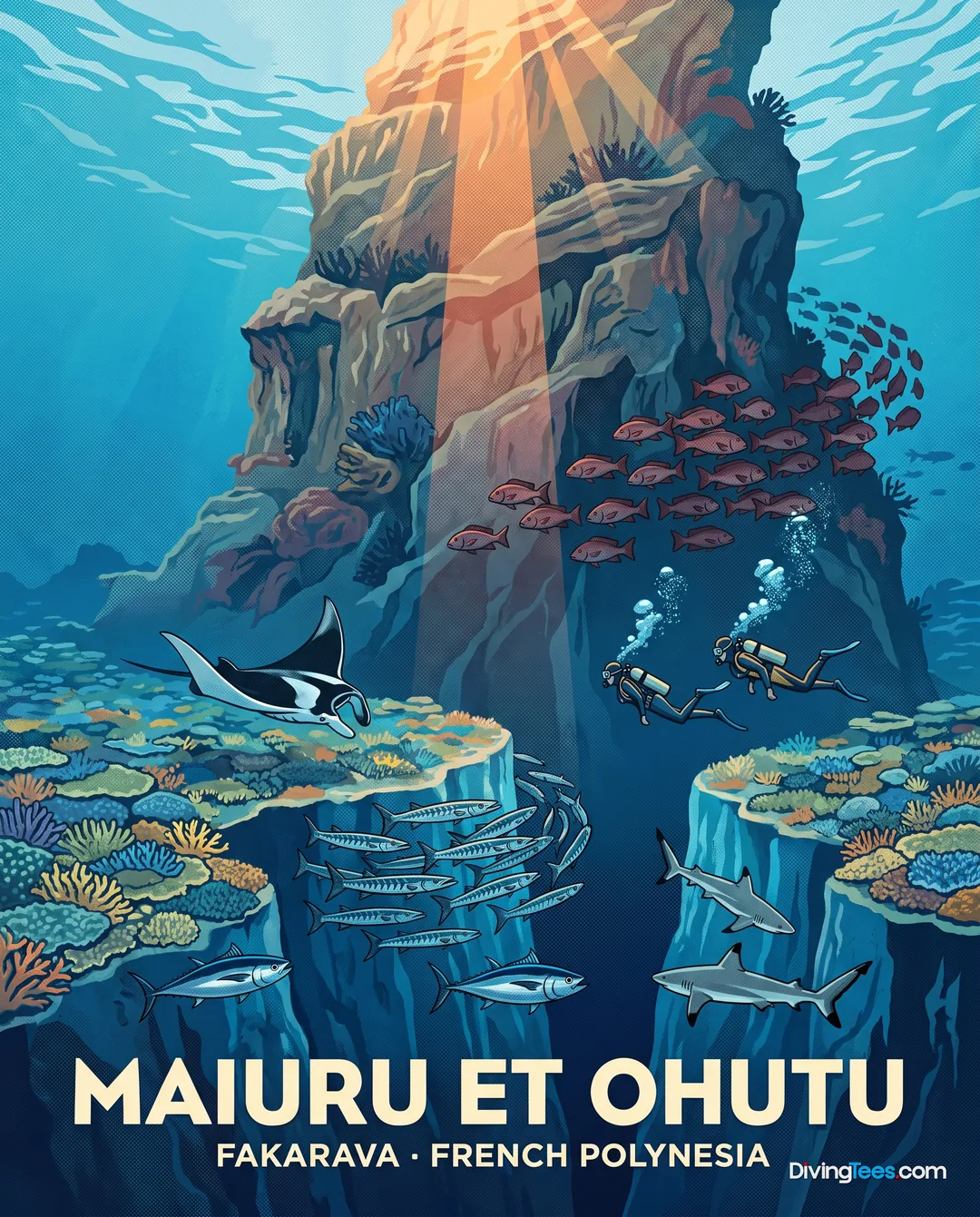
Ohotu Reef, also known as Récif d'Ohotu, offers a quintessential Fakarava diving experience, situated on the right side as divers navigate out of the renowned Garuae Pass. The dive typically commences on a vibrant reef-flat or plate, which begins at a comfortable 12 meters (40 feet) and serves as a bustling nursery for countless fish species. This initial plateau provides a shallower perspective of the rich ecosystem, immediately immersing divers in a dynamic underwater world where the vitality of the coral is evident, a testament to the thriving reef health in this part of French Polynesia.
The reef-flat maintains a gentle slope, gradually deepening to approximately 30 meters (100 feet) before transitioning into a more pronounced drop-off wall. This progression allows for a varied dive profile, moving from the sunlit shallows where schools of smaller fish congregate to the deeper, more dramatic contours of the wall. The transition zone itself is often a hotbed of activity, as both reef residents and pelagic visitors move between the different environments. As the dive unfolds along this coral-clad wall, the chances of encountering significant pelagic life increase considerably.
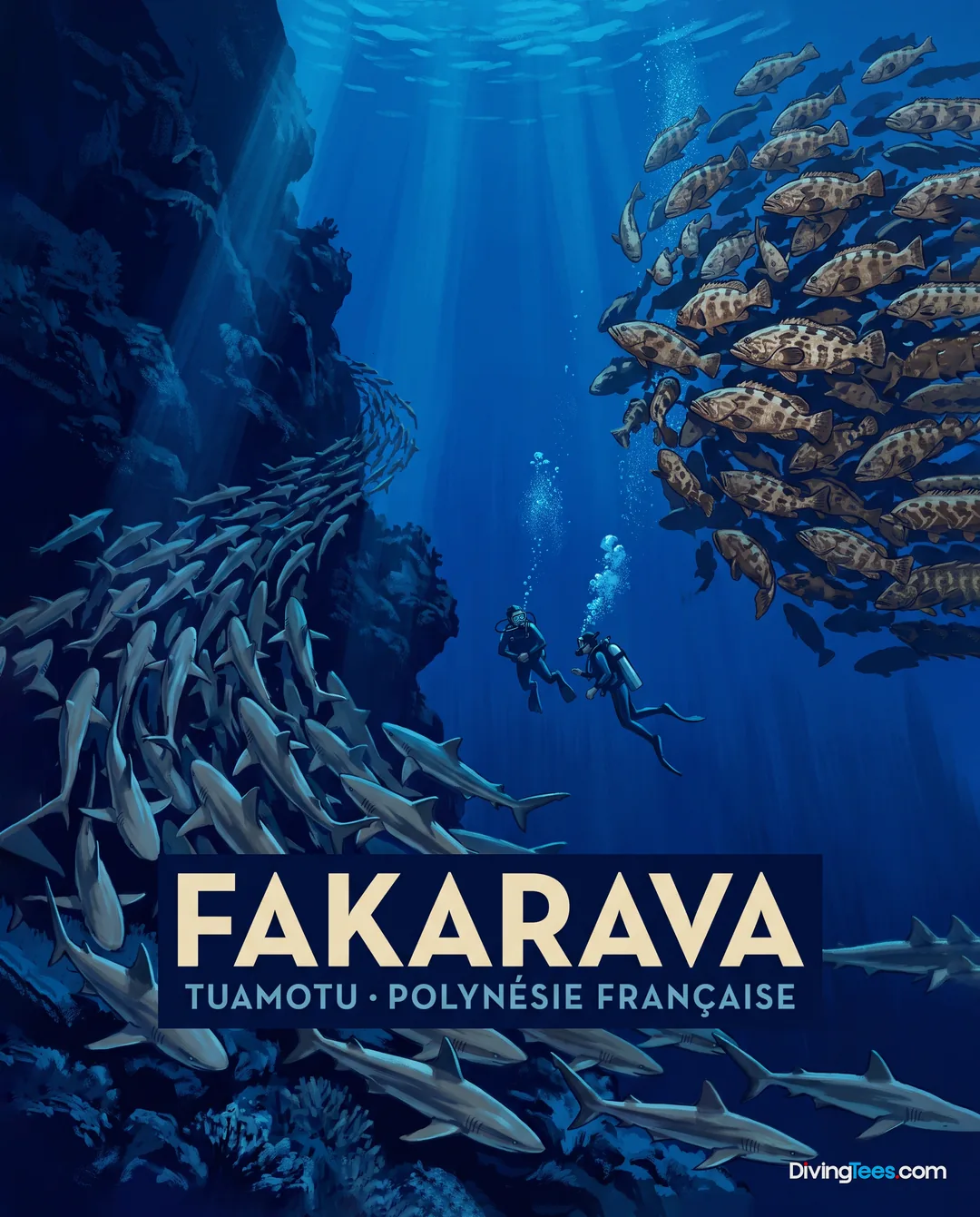
Grey sharks (Carcharhinus amblyrhynchos) regularly patrol these deeper sections, their powerful forms gliding effortlessly against the current. These encounters are often unhurried, allowing for observation of their natural behavior as they navigate their territory along the drop-off. Lagoon white-tip sharks (Triaenodon obesus) are frequently seen closer to the reef structure, moving with a more inquisitive presence. Beyond the permanent residents, the currents along the Garuae Pass bring with them a parade of oceanic travelers. Divers will often spot schooling tuna (Thunnus spp.) and powerful trevallies or scads (Carangus spp. / Caranx) moving with purpose in hunting formations. The presence of these larger species highlights the nutrient-rich waters that flow through the pass, fueling the entire food chain.
One of the standout encounters at Ohotu is the possibility of gliding alongside majestic manta rays. These gentle giants, identified as Manta birostris or Mobula alfredi, are often seen moving gracefully near the drop-off or filter feeding in the rich waters. Their calm demeanor and impressive wingspan make every sighting a memorable moment, adding another layer to the diverse marine interactions. The reef itself is a testament to the health of Fakarava's ecosystem, with prolific and healthy coral specimens forming vibrant structures that provide shelter and food for countless smaller species, making it a crucial breeding ground.
The dive often culminates by ascending back towards the shallower coral gardens of the reef-flat. Here, the light penetrates more deeply, illuminating a kaleidoscope of colors and textures. These gardens are bustling with juvenile fish and smaller reef dwellers, offering a detailed and often intimate look at the beginning stages of the reef's life cycle. This return to the vibrant shallow ecosystem provides a stark yet harmonious contrast to the deeper wall, encapsulating the full spectrum of marine life supported by Ohotu Reef and its connection to the greater Garuae Pass system, offering a perfect, gentle end to a dynamic dive.
This dive site is open to divers of all levels of experience, making it accessible for a wide range of certifications. Divers can explore depths ranging from a minimum of 12 meters (40 feet) to a maximum of 30 meters (100 feet). Fakarava is renowned for its currents, which can be strong, especially within the Garuae Pass where Ohotu Reef is located; planning your dive accordingly, particularly on the ascent, is always a sound strategy.
Ohotu Reef is open to divers of all experience levels, so you can explore it with a wide range of certifications. The site combines a reef-flat beginning at 12 meters with a gradual slope toward deeper terrain, offering changing underwater environments as you move from coral gardens toward the drop-off.
At Ohotu Reef, the dive begins on a reef-flat at about 12 meters and follows a gentle slope to approximately 30 meters before reaching a more pronounced drop-off wall. This profile takes you from sunlit coral gardens and fish nurseries into deeper sections where larger pelagic animals are encountered.
Currents at Ohotu Reef can be strong because the site lies within Garuae Pass. You should plan your dive accordingly, with particular attention to the ascent. The moving water carries nutrient-rich flow through the pass, supporting schools of tuna, trevallies or scads, and other oceanic visitors along the reef.
At Ohotu Reef, you can see healthy coral gardens, juvenile fish, and smaller reef species on the shallower reef-flat. Deeper areas may bring encounters with grey sharks and lagoon white-tip sharks, while schools of tuna and trevallies or scads move through the pass. Manta rays may also appear near the drop-off.