
Fakarava - O2 Fakarava
Google 4.9/5 (604 reviews)
7.3 km away as the crow flies
Fakarava · French Polynesia · Pacific
Max. depth · 17 mPufana offers a tranquil lagoon dive within Fakarava's North Pass, where extensive coral gardens host diverse reef life and frequent shark encounters in calm, clear conditions.
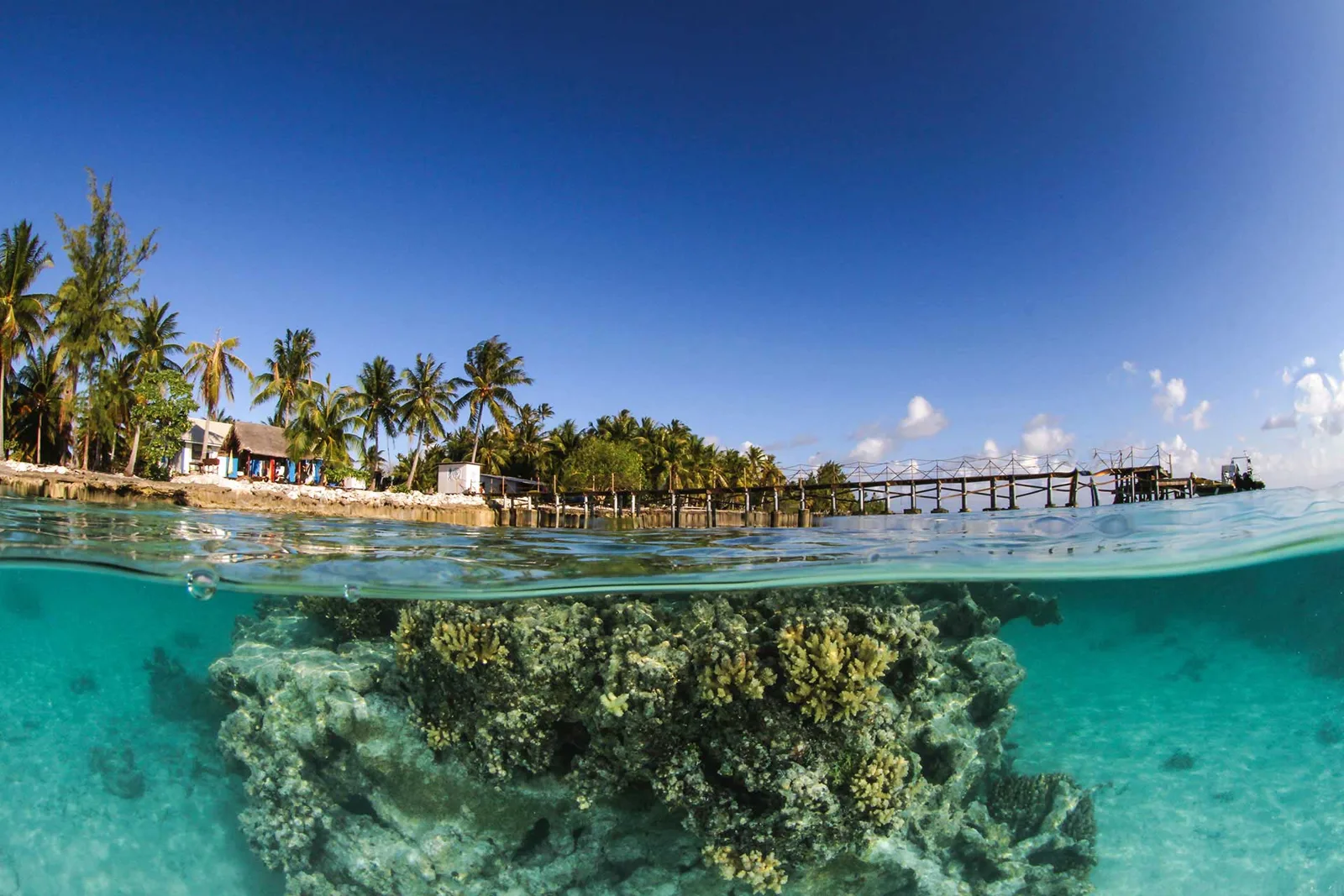
Pufana Reef, nestled within Fakarava's lagoon near the North Pass, offers a distinct contrast to the more dynamic channel dives. This site is a shallow, inner reef, providing a calm and luminous environment that feels like a natural aquarium. As you descend, the water clarity allows sunlight to penetrate deeply, illuminating the extensive coral gardens and white sand patches that define the topography. It's a gentle slope, making for an easy profile where you can take your time observing the resident marine life without the push of a strong current.
The reef structure here is dominated by sprawling coral formations, creating a vibrant mosaic across the lagoon floor. These corals provide shelter and feeding grounds for a dense population of reef fish. You'll find schools of parrotfish (Scaridae) grazing actively, their iridescent scales flashing as they move, contributing to the constant activity. Angelfish (Pomacanthidae) and butterflyfish (Chaetodontidae) navigate through the intricate coral branches, their patterns adding to the visual richness of the reef.
One of the consistent draws of Pufana is the presence of sharks, offering encounters that are both frequent and typically unhurried. White-tip reef sharks (Triaenodon obesus) are commonly seen patrolling the sandy bottom or resting among the corals. These interactions occur in a calm setting, allowing for observation of their natural behaviour without the added challenge of strong currents. Blacktip sharks and grey reef sharks are also regular visitors, adding to the diversity of pelagic life you can expect to encounter here.
Beyond the sharks, the site is a nursery for various species, contributing to the overall abundance of marine life. You can expect to see jackfish and red snapper moving through the water column. Turtles (Cheloniidae) are also frequent visitors, often found cruising slowly or resting peacefully among the coral formations, their calm demeanour enhancing the tranquil atmosphere of the dive. The clear, luminous waters make for excellent visibility, enhancing the experience for both observation and photography.
Pufana's sheltered environment fosters a rich proliferation of local flora and fauna, making every corner of the reef a potential discovery. Look closely, and you might spot stingrays or spotted eagle rays gliding over the sandy areas. This site is particularly noted for its role as a fish nursery, which explains the consistent presence of diverse reef fish and the larger predators that follow them. The soft pastel hues of the coral, combined with the bright white sand, create a visually appealing backdrop for all these encounters.
The absence of significant current at Pufana is a defining characteristic, setting it apart from many other sites in Fakarava. This makes it an ideal location for divers who prefer a relaxed pace, allowing ample time to explore and observe. It's a site where you can truly connect with the Fakarava ecosystem on its own terms, free from the rush of a drift dive. The excellent natural light further enhances the colours of the marine life, making it a rewarding experience for underwater photographers.
This tranquil lagoon site is often used for checkout dives and is also popular for snorkeling, highlighting its calm and accessible nature. While the maximum depth is around 17 metres, the most vibrant activity is often found in shallower areas, making it suitable for extended bottom times. The consistent conditions and rich biodiversity ensure that each dive offers something new, from the smallest nudibranch to the larger pelagic species that frequent the reef.
Pufana Reef is accessible from beginner diver level, making it suitable for those new to the underwater experience. The maximum depth for this site is 17 metres, with a gentle slope. Current is consistently light to non-existent, ensuring calm and easy dive conditions. Visibility is generally excellent, though it can vary with weather conditions. The site is diveable year-round, with mantas more likely to be seen from July to September.
You can dive Pufana year-round. If manta encounters matter to you, they are more likely from July to September. Visibility is generally excellent, although weather can affect it, so conditions may vary. The site’s calm lagoon setting and natural light support relaxed exploration in every season.
Pufana is accessible from beginner diver level, so you can choose it if you are new to underwater experiences. Its gentle slope, shallow lagoon setting, and calm conditions support a relaxed pace. The site is also used for checkout dives, making it suitable for building confidence while observing reef life.
Pufana reaches a maximum depth of 17 metres and follows a gentle slope. You can expect consistently light to non-existent current, creating calm and easy dive conditions. The most vibrant activity is often found in shallower areas, while the sheltered lagoon allows you to explore without the rush of a drift dive.
At Pufana, you can explore extensive coral gardens, white sand patches, and a rich fish nursery. White-tip reef sharks are frequent, with blacktip sharks, grey reef sharks, turtles, schooling reef fish, jackfish, and red snapper also present. You may also encounter stingrays, spotted eagle rays, and mantas.