Pension TUPUNA
★ 9.1/10 (74 reviews)
4.8 km away as the crow flies
Dive centre · Huahine · French Polynesia
4.978 Google reviewsPrivate dives and CMAS training in the tranquil tropical gardens of Fare, where yoga-inspired relaxation meets the vibrant reefs of Huahine.
For subtitles in English: start the video firstthen click the gearat the top right of the video, select “Subtitles/CC”, then “Auto-translate” and choose “English”.
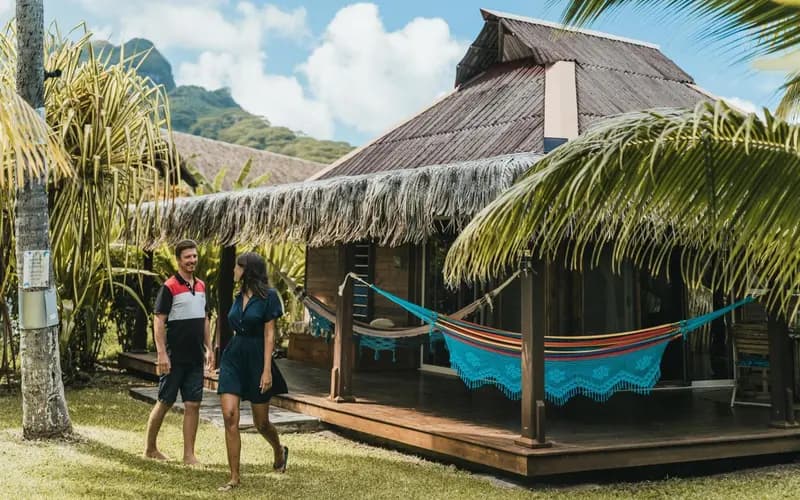
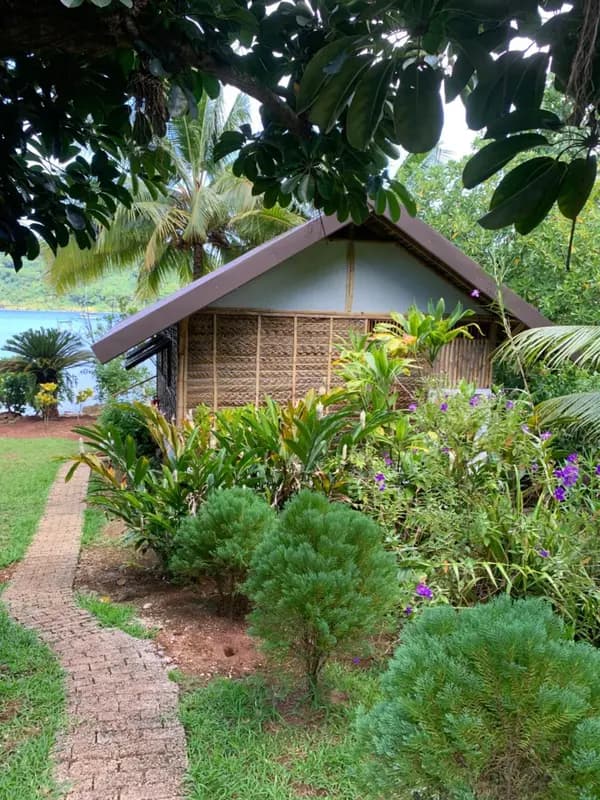
Mahana Yoga Dive is a long-established centre situated in the village of Fare on the island of Huahine. Since 2002, the centre has operated from a tropical garden setting, complete with a banyan tree and its own private pontoon for easy access to the water.
The centre's philosophy is heavily influenced by yoga, prioritising communication, calm, and a sense of shared harmony. This approach is reflected in their service model, which leans towards private sessions and smaller groups to ensure a relaxed atmosphere for every diver.
The team is led by the owner and instructor Annie, who has been a professional diver since 1989. She is joined by Captain Robert Teikipahaupokototoehitu Kimitete, ensuring that both the instruction and the boat handling are managed by experienced hands.
As a CMAS affiliated centre, the instruction is delivered in both French and English. The centre focuses on providing a personalised experience, offering private dives that include a dedicated instructor and boat for one to four divers.
Training is conducted under the CMAS framework, catering to a range of experience levels. For those new to the underwater world, the centre offers First Dive experiences and Open Water Diver training.
More structured progression is available through the CMAS Level 1 course, which is offered as a private package of four dives. This ensures that students receive dedicated attention as they build their skills.
The centre operates from a pontoon located in the centre of Fare. While specific boat names and technical specifications are not detailed, the vessel is used for private dive excursions and snorkeling trips, departing directly from the village area.
The centre provides full equipment hire for those not travelling with their own kit. They utilise recent equipment to ensure that training and exploration are both safe and straightforward.
On land, the centre offers a relaxed environment for preparing for dives, with tea, coffee, biscuits, and fruit available for guests. The location in Fare allows for easy access, with boat pick-ups available from the Hotel Maitai pontoon for certain guests.
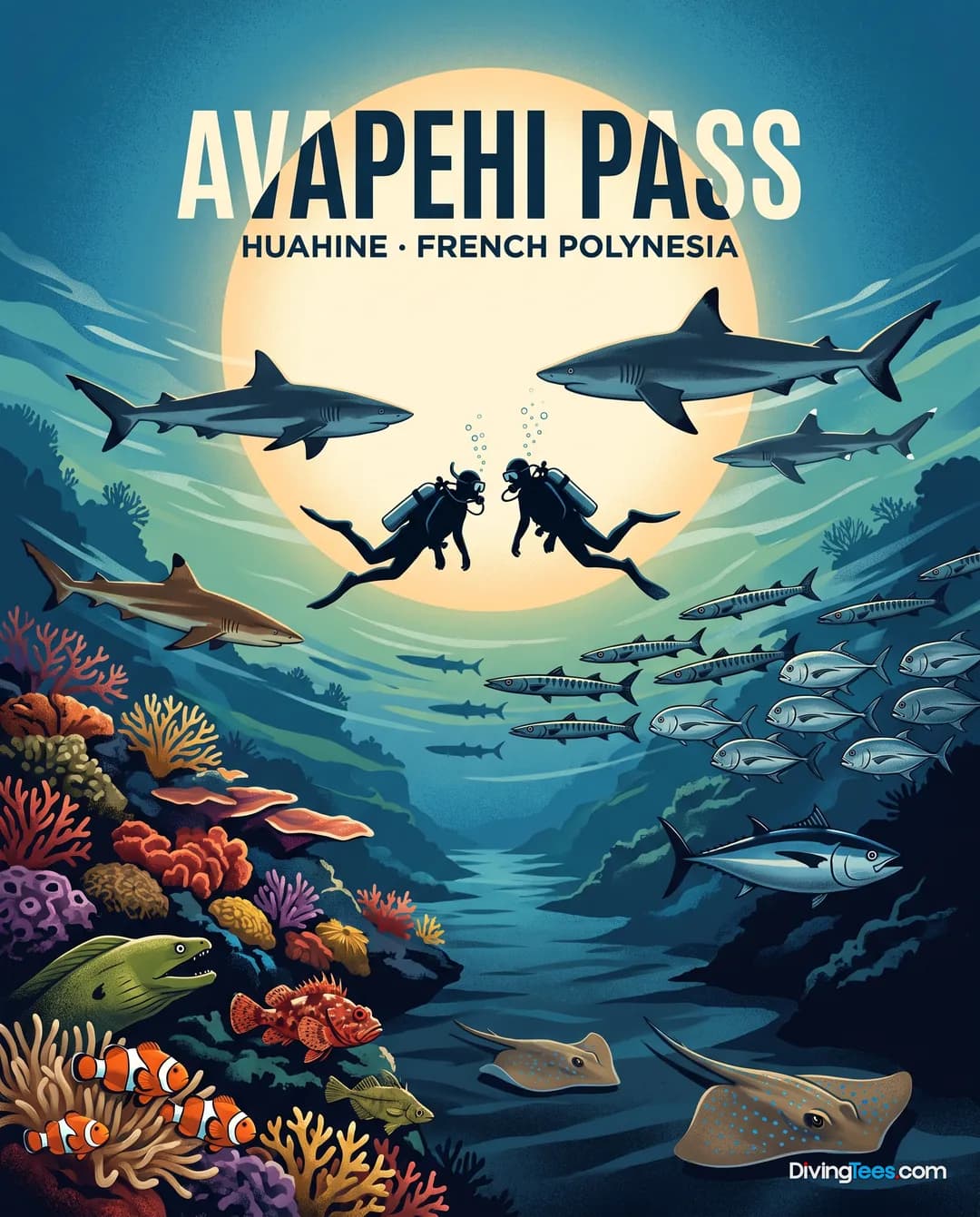
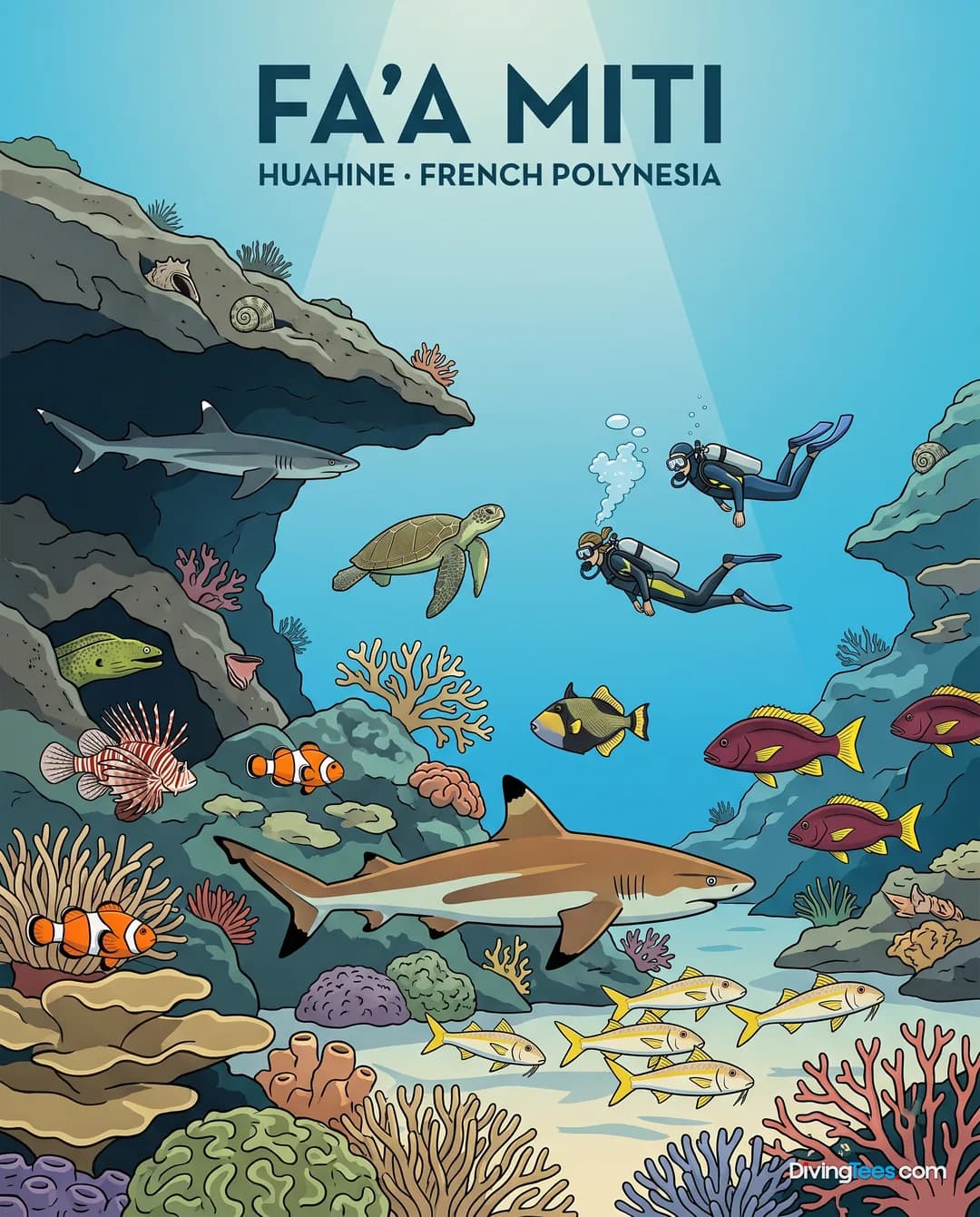
Avapehi Pass is a premier site for those looking to see diverse marine life. The dive begins on a healthy coral reef slope and moves into a sandy bottom at 15 metres that descends to 26 metres, where you can encounter sharks and large schools of fish.
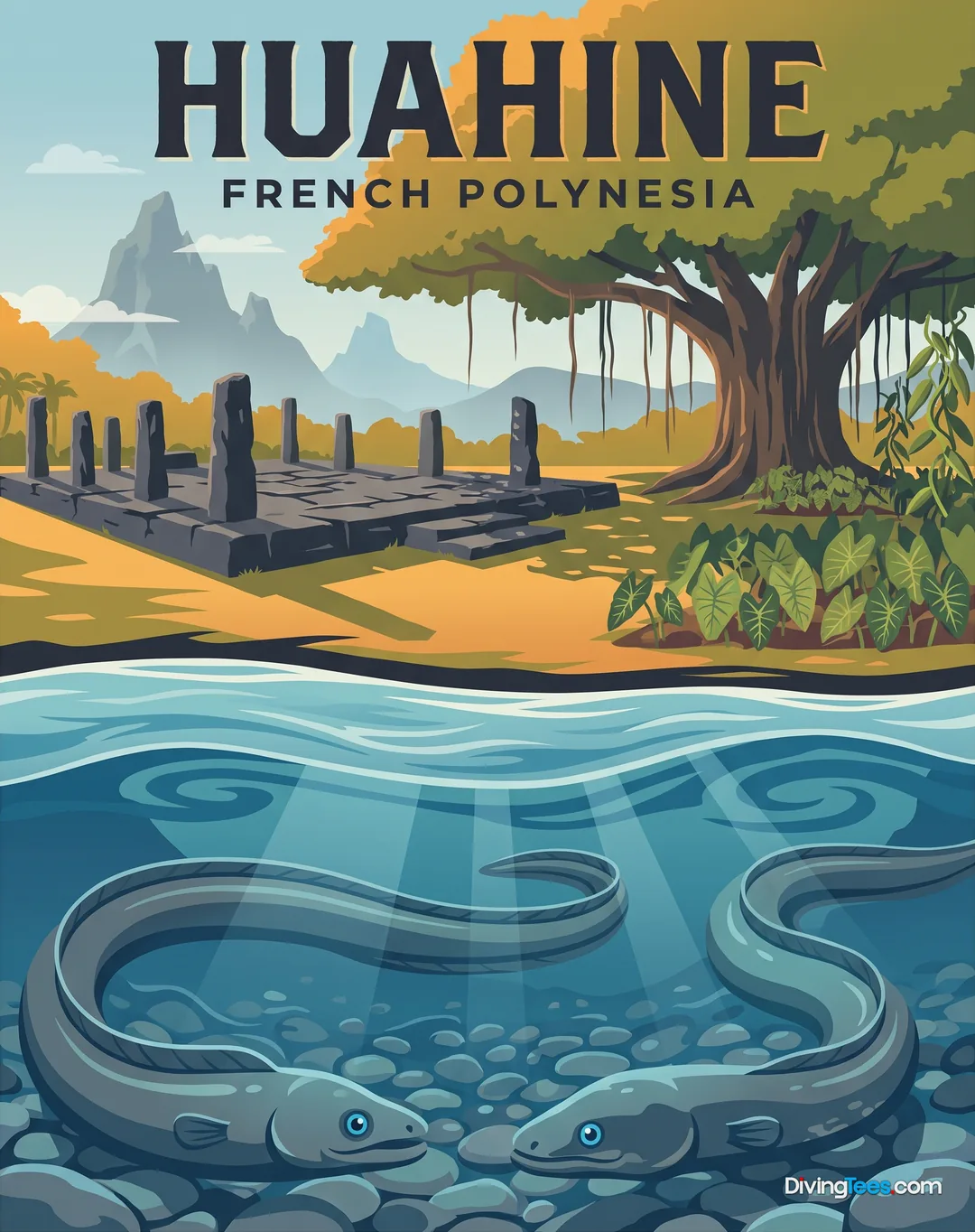
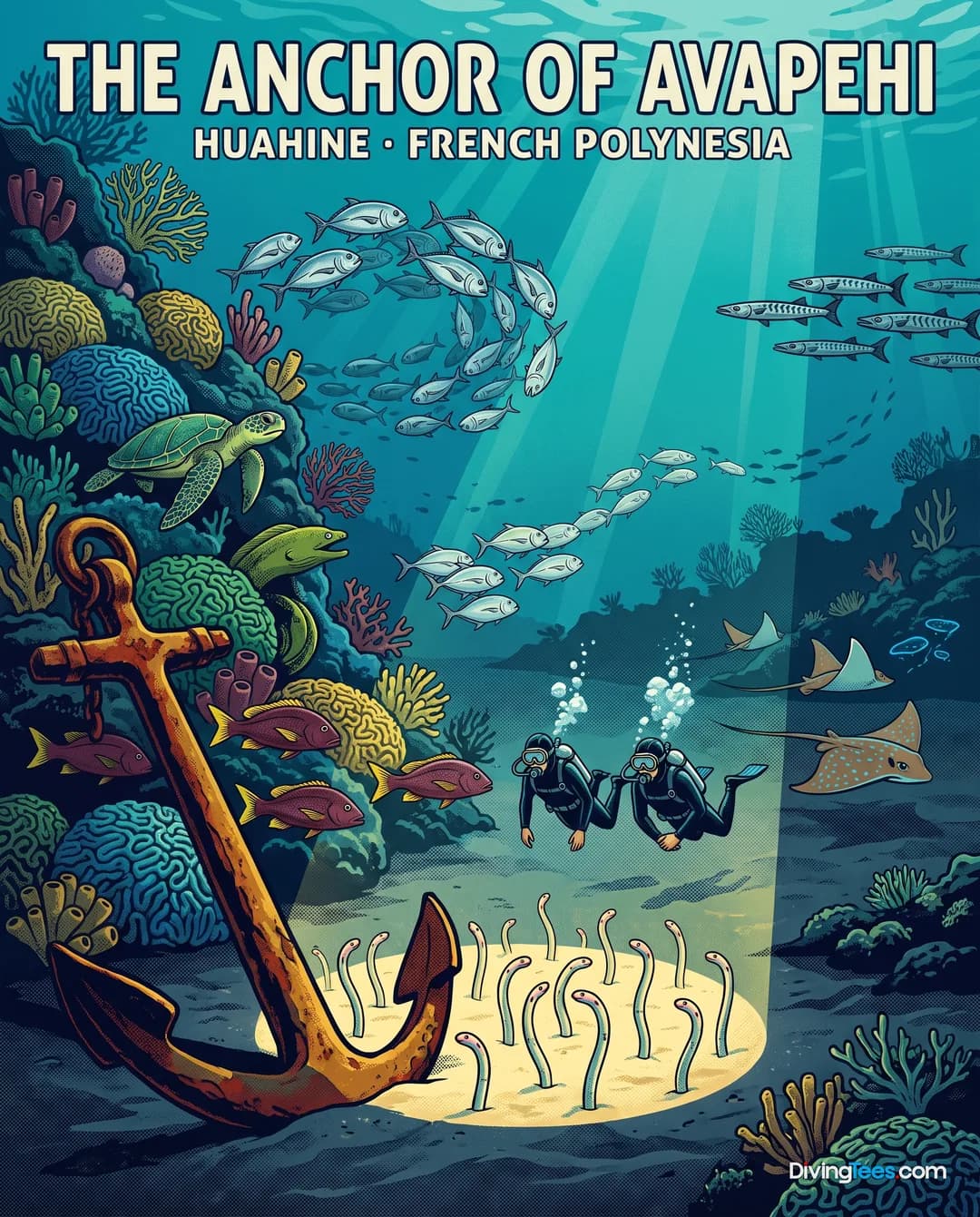
The Anchor of Avapehi offers a mix of reef drop-offs and sandy plains. You can dive along the southern reef slope to see bigeye trevally (Caranx) in the blue, or move across the sandy floor to find turtles, moray eels, and sand eels.
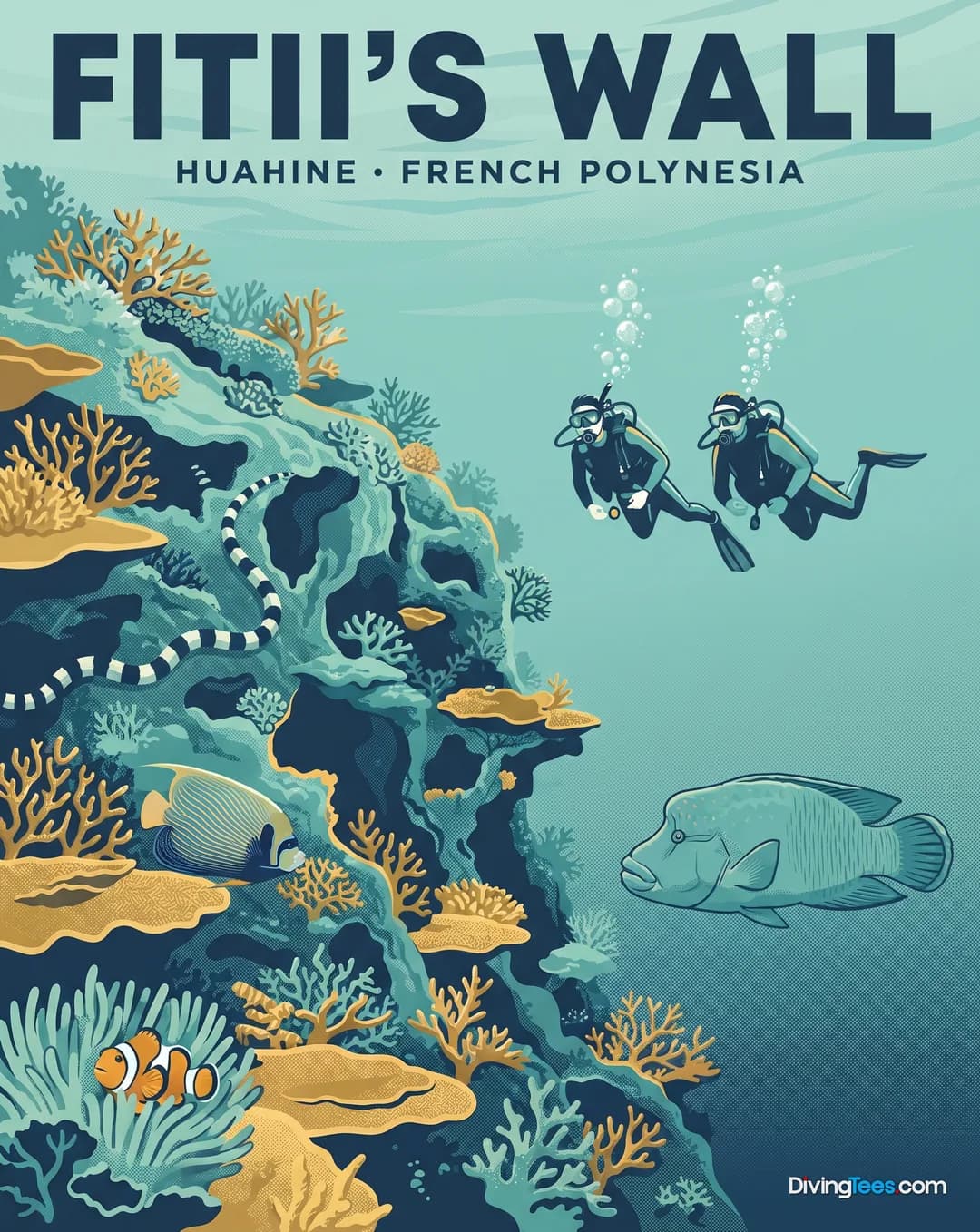
Fitii's Wall is a shallower site ranging from 2 to 20 metres, making it an ideal location for beginners or those in training. The escarpments and cavities of the wall are rich in small organisms, though a torch is recommended to see the details clearly.
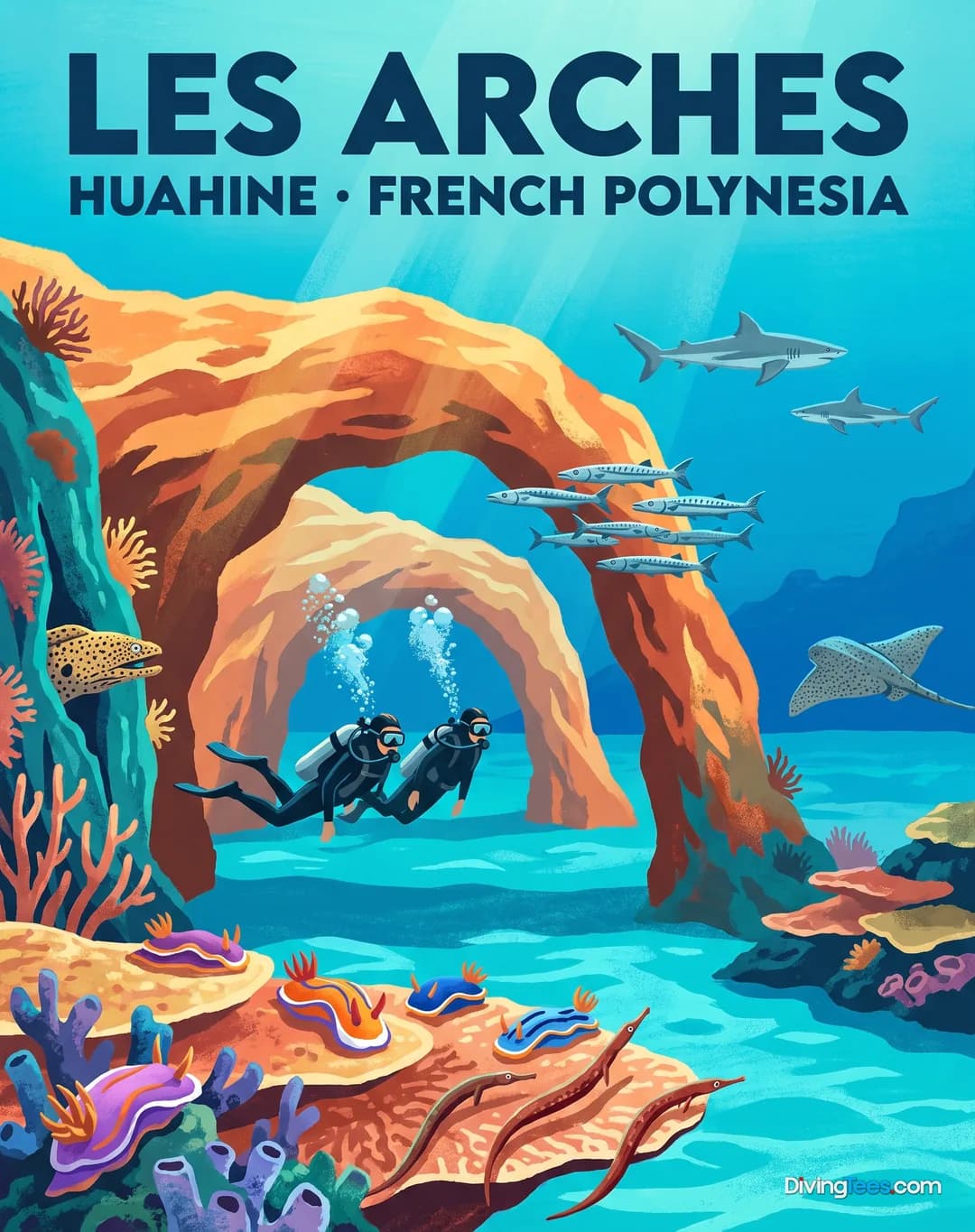
The Arches provides a more technical experience for those with a good level of proficiency. The site features stone arches and luminous cavities at depths reaching 40 metres, where harptail blennies and mullet are frequently seen.
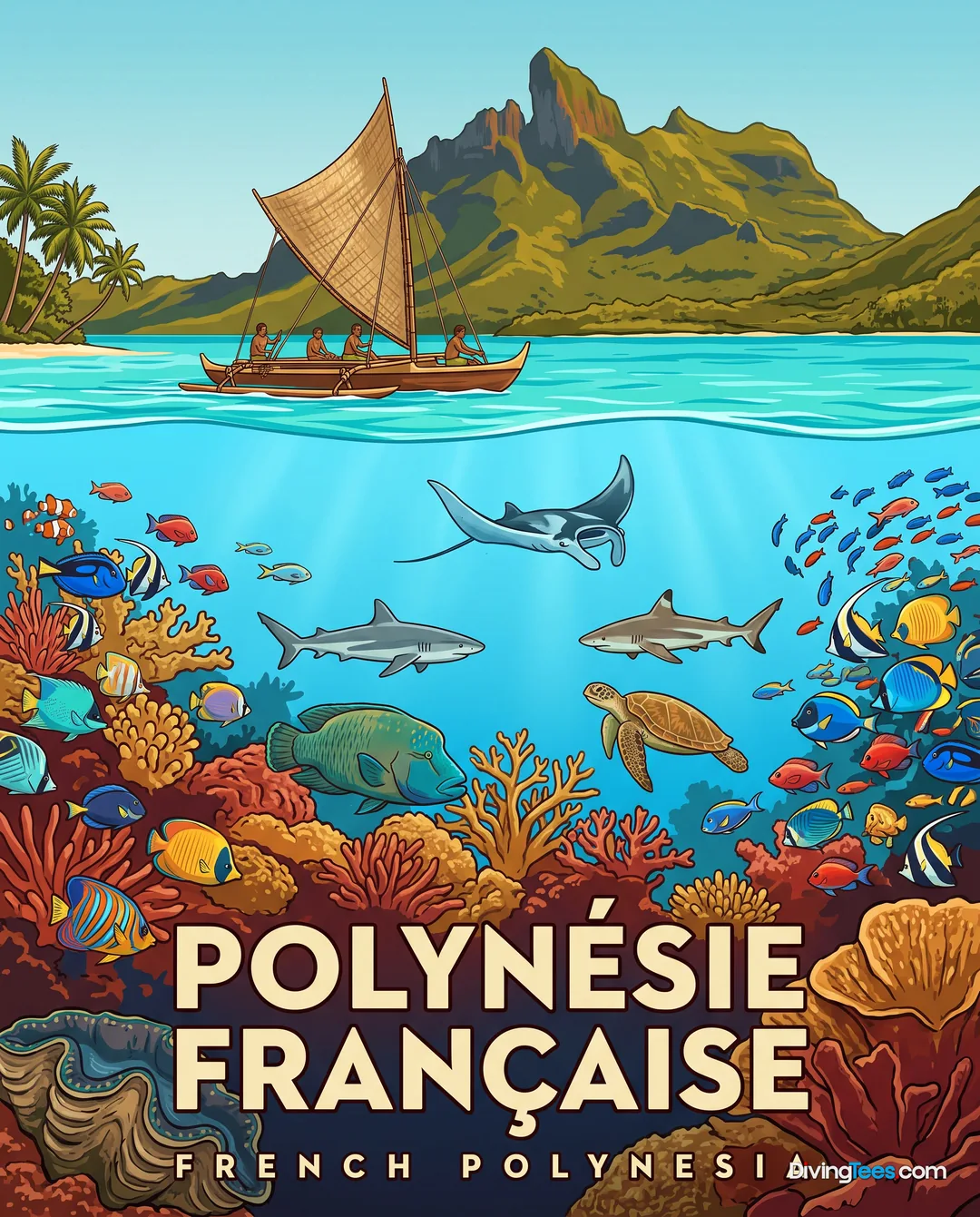
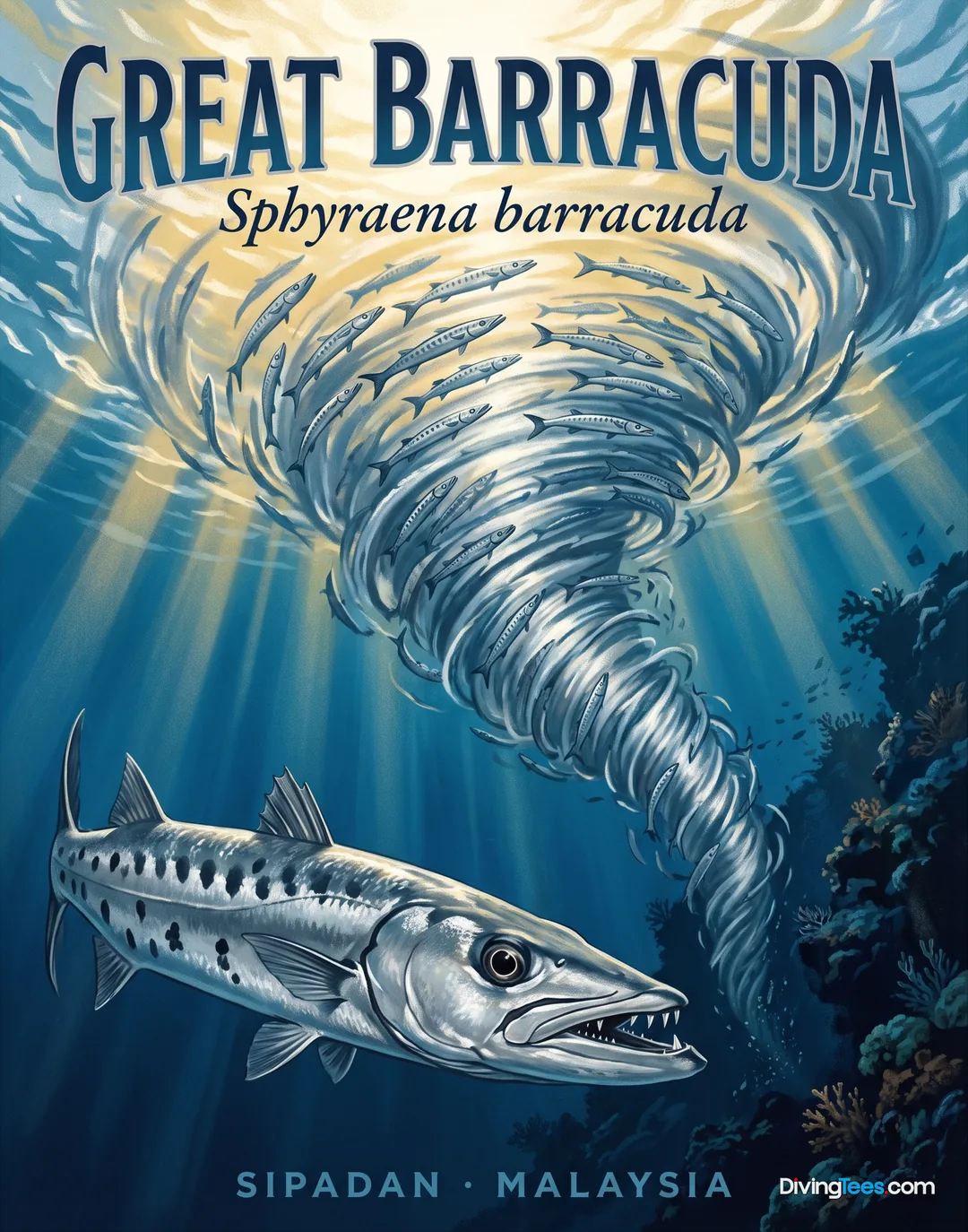
The waters around Huahine are home to a significant variety of pelagic species. You can regularly encounter grey sharks, whitetip sharks, and blacktip reef sharks, alongside schools of Great barracuda (Sphyraena barracuda) and Bigeye trevally (Caranx). Larger predators such as Dogtooth tuna (Gymnosarda unicolor) and various jacks also frequent the passes.
The reef structures themselves are vibrant, featuring healthy coral gardens with large porites. You will find various species of rays, including leopard rays, and sea turtles (Cheloniidae) moving through the area. Schools of yellow mullet and various species of mullet (Mugilidae) are common in the shallower sections.
For those interested in macro life and smaller inhabitants, the crevices of the walls and coral heads offer plenty to see. Look for Green moray (Gymnothorax funebris), sand eels, and various species of batfish. The sandy areas are also home to sand eels and different types of crustaceans.
Diving in the area involves navigating various environments, from shallow reef flats and coral gardens to deeper passes and walls. The sites vary in character, with some offering sheltered lagoon environments and others involving the more open waters of the passes.
Hello, I'm Marina, DivingDeal.com's AI assistant. I answer in detail about hotels, dive centres and liveaboards.

Thinking about the whole trip and the flights? Talk it over with Edith →
Marina is an AI. Some links are affiliate links: DivingDeal may earn a commission, at no extra cost to you. Bookings are made with the partner.
Your last day stays dry: no diving in the 18-24 hours before a flight the perfect window to see the destination from another angle.