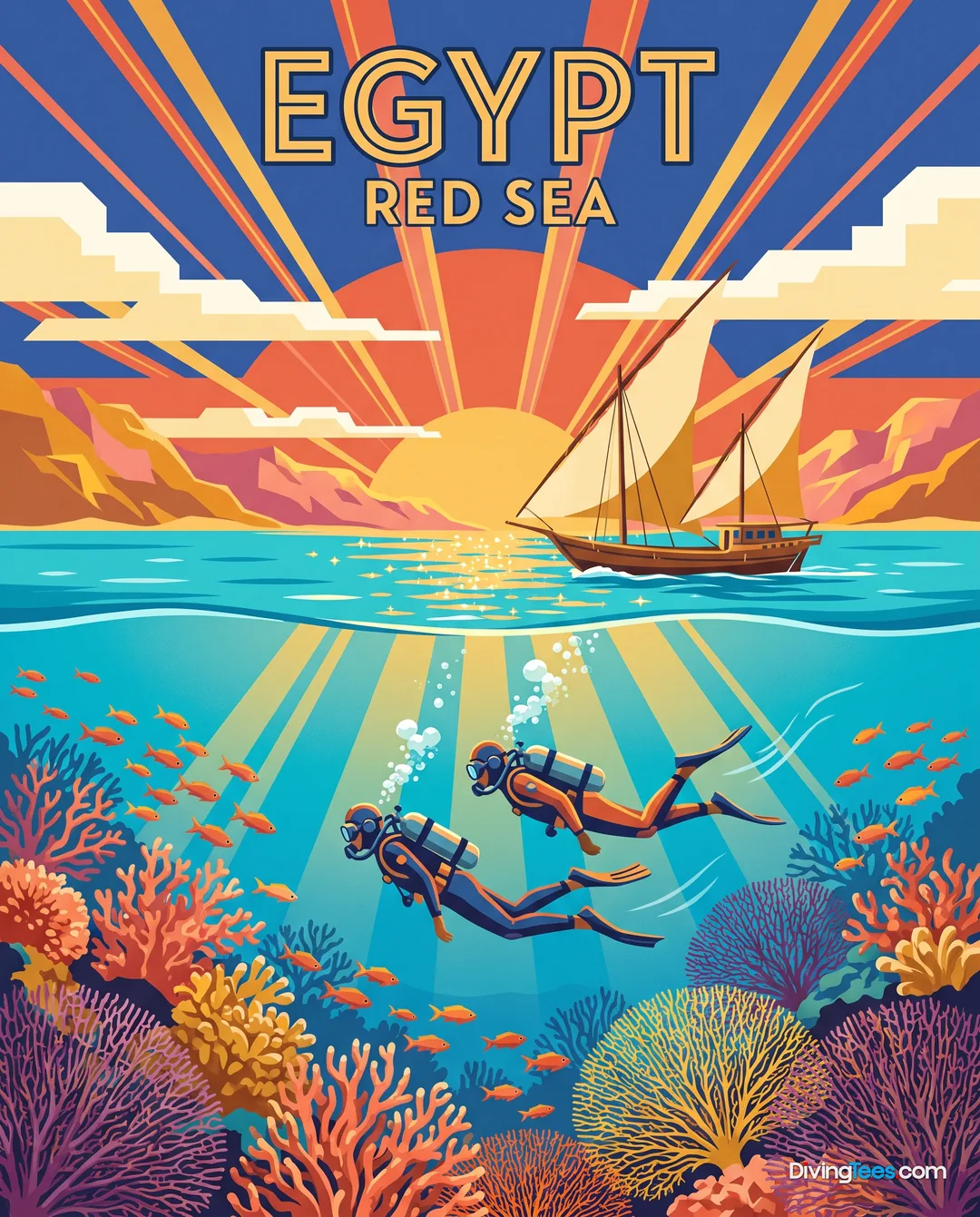
Liveaboards · Egypt
Star Jet — a warm, family-minded Red Sea dive boat built around serious routes
What makes this boat unique
- Star Jet was built in 2004 and renovated in 2025, with spacious air-conditioned cabins, private bathrooms and panoramic sea views.
- The dive setup includes a shaded dive area, platform, two diver tenders, DIN adaptors, nitrox, tech-diving support, rebreather and sidemount options.
- Routes range from Brothers, Daedalus and Elphinstone to Ras Mohammed, Tiran, Abu Nuhas and the Thistlegorm, with trips lasting 8 days and 7 nights.
- Dugongs, turtles, reef sharks, barracudas and dolphins feature across the route network, while wrecks, walls, seagrass bays and isolated oceanic reefs provide the variety.
For subtitles in English: start the video firstthen click the gearat the top right of the video, select “Subtitles/CC”, then “Auto-translate” and choose “English”.
The invitation
Star Jet suits divers who want the Red Sea in several forms rather than one repeated reef: isolated oceanic walls, dugong bays, hard-coral gardens and wrecks carrying their history below the surface. The route list reaches from Brothers, Daedalus and Elphinstone to Ras Mohammed, Tiran, Abu Nuhas and the Thistlegorm, so the boat can be chosen for big-animal water or for wreck and reef variety. It also works for mixed groups. Non-diving snorkelers are welcome, with kayaks, paddleboards and a naturalist guide available between dives. The reason to choose Star Jet is the combination: a purpose-built dive boat with technical-diving facilities, but a family atmosphere rather than a stripped-back expedition feel. The crew's warmth and the food are among the boat's strongest points. Come aboard for demanding sites, then return to a boat designed to make the hours between them easy.
Boarding
Star Jet arrives as a substantial liveaboard rather than a bare diving platform, with broad public areas, a sun deck and room for both divers and non-divers to spread out. Its 2025 renovation matters: the boat has the history of an established vessel, but the guest spaces are kept current rather than left to show their age. Movement is practical, with cabins and shared areas arranged for a week at sea and a dive operation that stays close to the water. The engines are Mercedes, and the boat can move quickly when an itinerary needs to cover ground between Red Sea regions. A panoramic-window cabin on the sun deck gives the clearest sense of the setting; other choices include lower-deck twins, main-deck doubles and twins, and a suite. Boarding feels less like checking into a hotel than joining a working dive boat that has been renewed for another long season offshore.
The atmosphere on board
Star Jet's atmosphere is built around a professional, warm crew and a family feel, not formal service. The crew speaks English, French, Spanish, Turkish and Italian, which helps a mixed group handle briefings, meals and the small practical questions that accumulate over a week. The boat is large enough to offer separate corners—air-conditioned lounge, terrace, sun deck and observation deck—yet the diving, meals and returns from the tenders keep people in contact. Evenings can stay simple: food, conversation, the audio-video lounge or a quiet place outside after the last dive. The strongest impression is the balance between a serious route and an approachable onboard house. Divers can come for Brothers or the Thistlegorm without signing up for an austere expedition atmosphere, while families and snorkelers are not treated as passengers waiting for the divers to finish. Star Jet's crew is the part most likely to define the week.
The sites you’ll dive
The strongest itineraries head to the Red Sea's exposed southern reefs. Brothers Islands reach -85m, with isolated oceanic reefs, walls and the possibility of pelagic encounters; Daedalus and Elphinstone add the same big-water character, with Elphinstone's walls descending to -60m and a chance of oceanic whitetip, hammerhead and grey sharks. Marsa Egla reaches -30m and Marsa Mubarak -25m, both sheltered seagrass bays known for dugongs and green turtles. The Marsa Alam House Reef reaches -40m, with rays and schooling barracudas, while Shaab Alam reaches -30m and combines a submerged wreck, cave systems and coral gardens. Thistlegorm reaches -32m, its cargo holds still carrying wartime relics and marine life. Abu Nuhas brings four wrecks close together; Shaab Abu Nuhas reaches -30m with coral gardens and a reef drop-off. Other stops include Abu Kafan's walls and current, Middle Reef's hard-coral labyrinth, Marsa Nakari House Reef to -30m, and Abu Galawa Soghayar's private sailboat wreck. Recorded trips run 8 days and 7 nights, including Brothers–Daedalus–Elphinstone, Safaga–Daedalus–Brothers, Abu Nuhas–Ras Mohammed–Tiran and Brothers–Ras Mohammed–SS Thistlegorm, departing and returning through Hurghada or linking Hurghada with Marsa Alam.
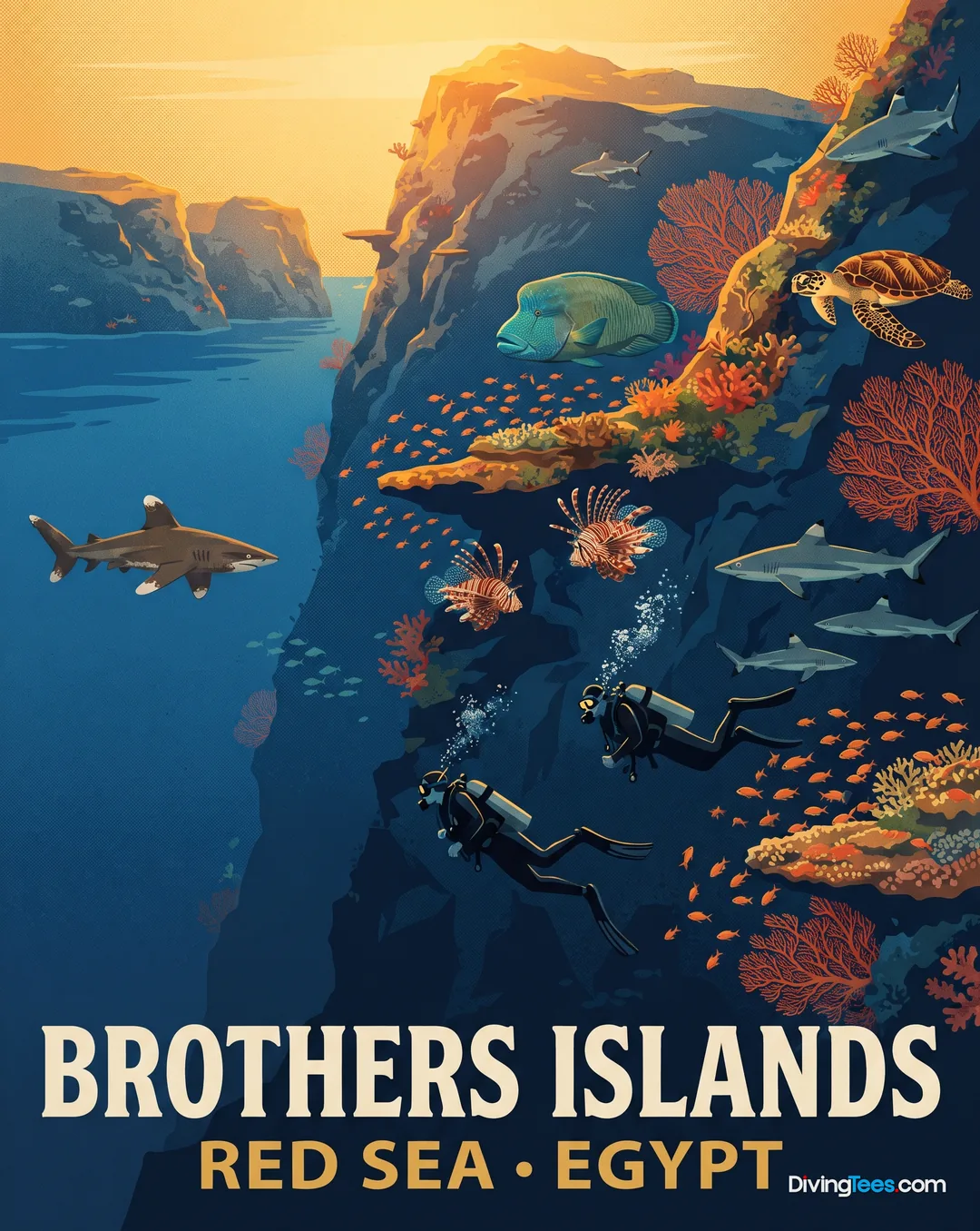
Brothers Islands →
Max. depth · 85 m
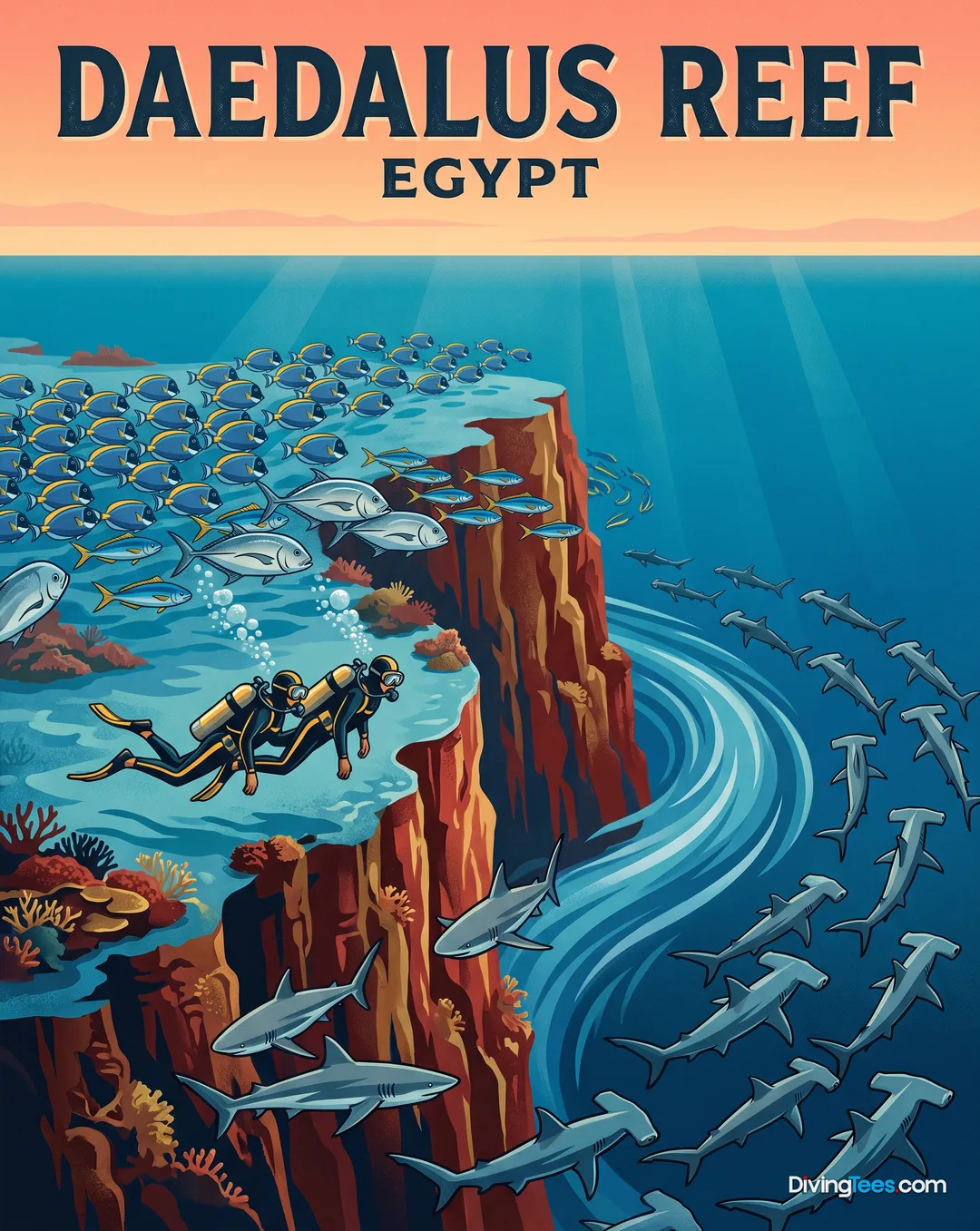
Daedalus →
Max. depth · 40 m
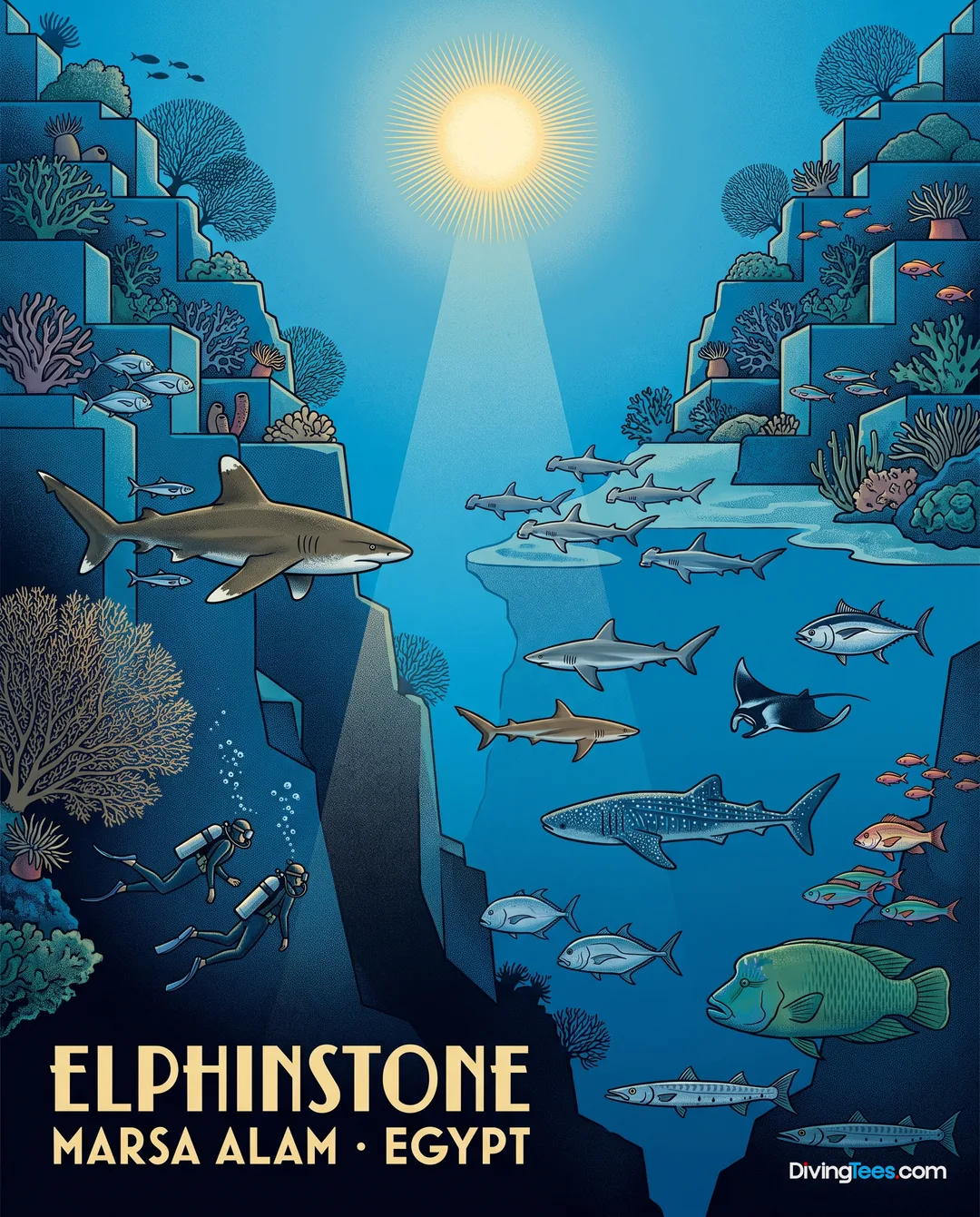
Elphinstone →
Max. depth · 60 m
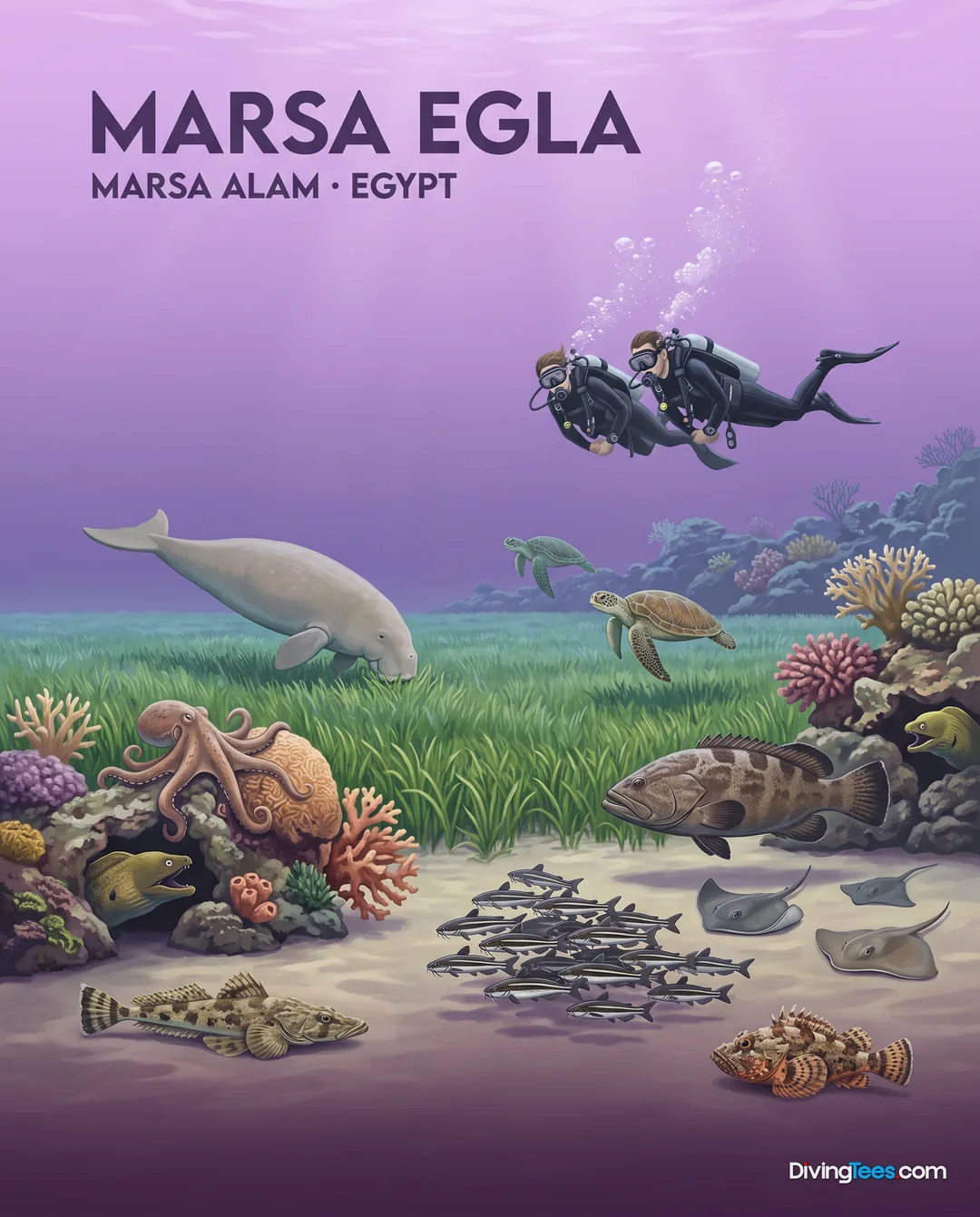
Marsa Egla →
Max. depth · 30 m
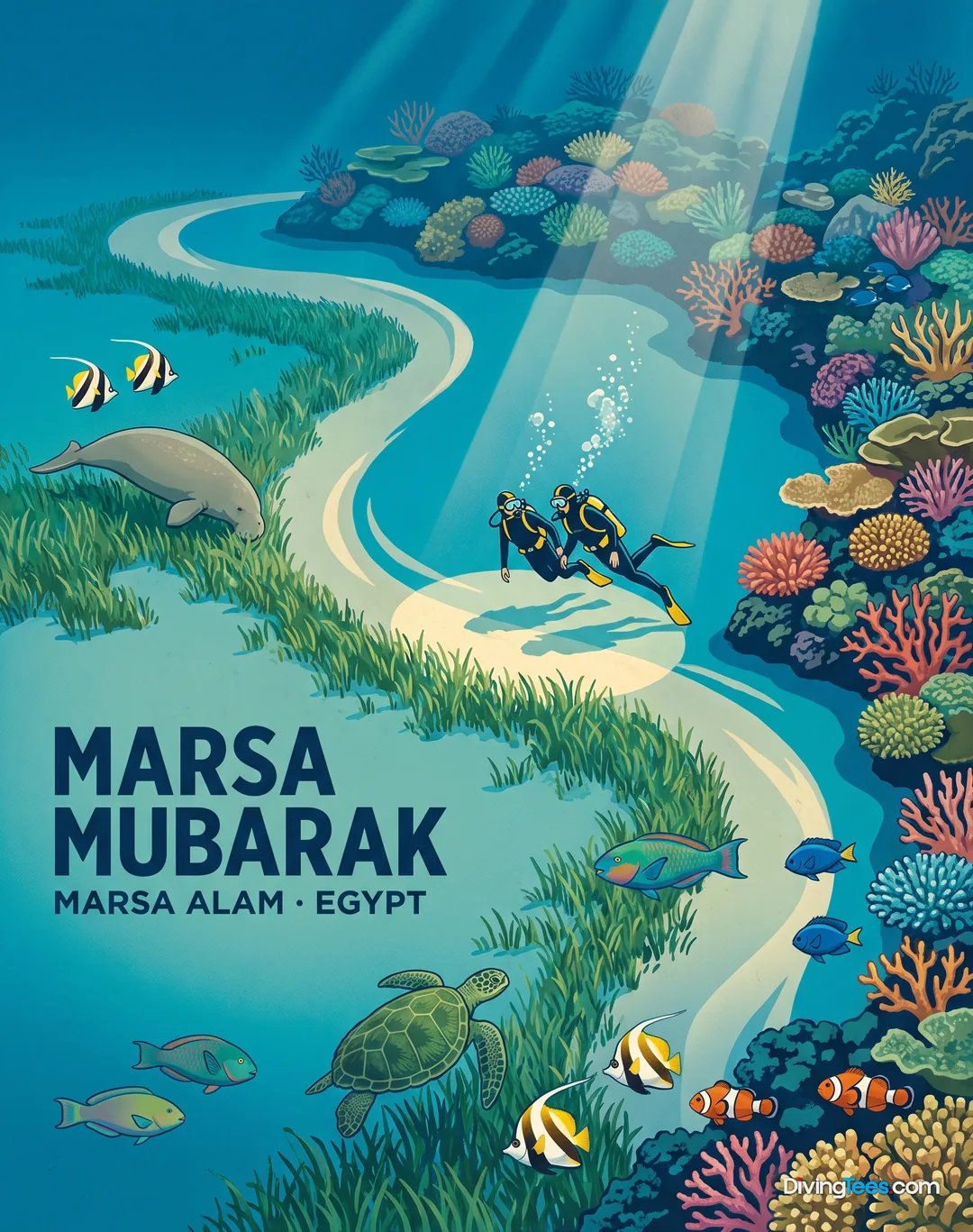
Marsa Mubarak →
Max. depth · 25 m
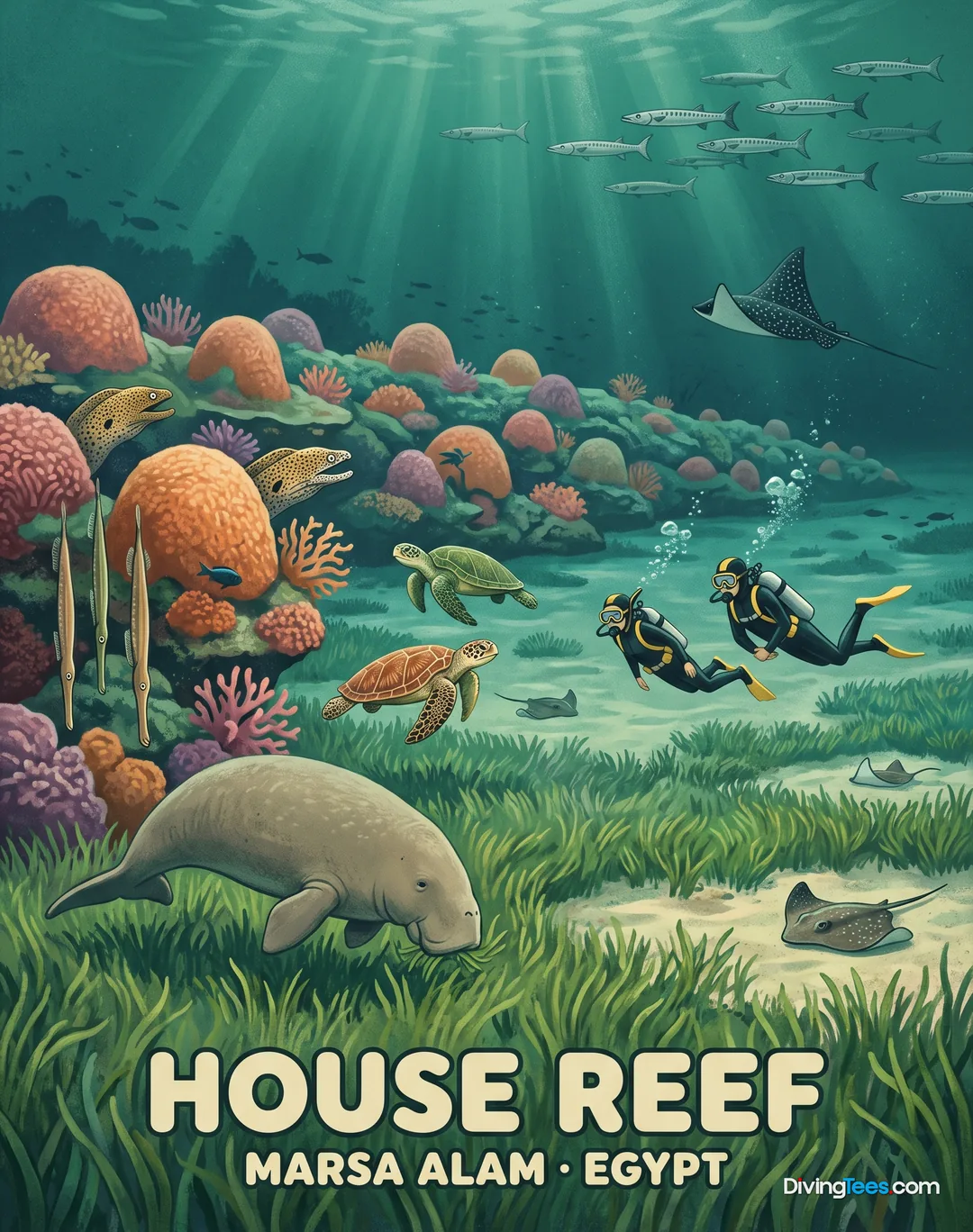
House Reef →
Max. depth · 40 m
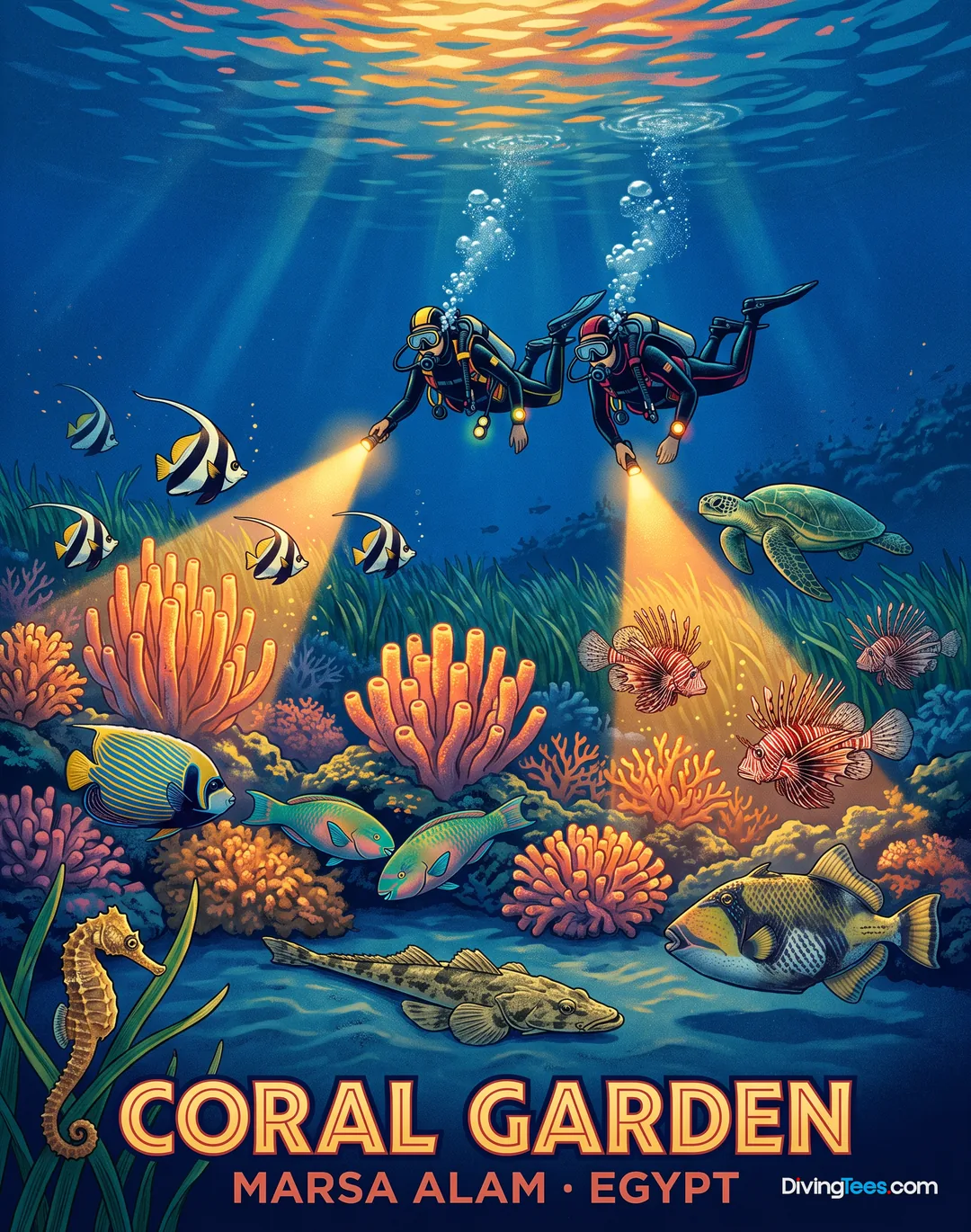
Coral Garden →
Max. depth · 20 m
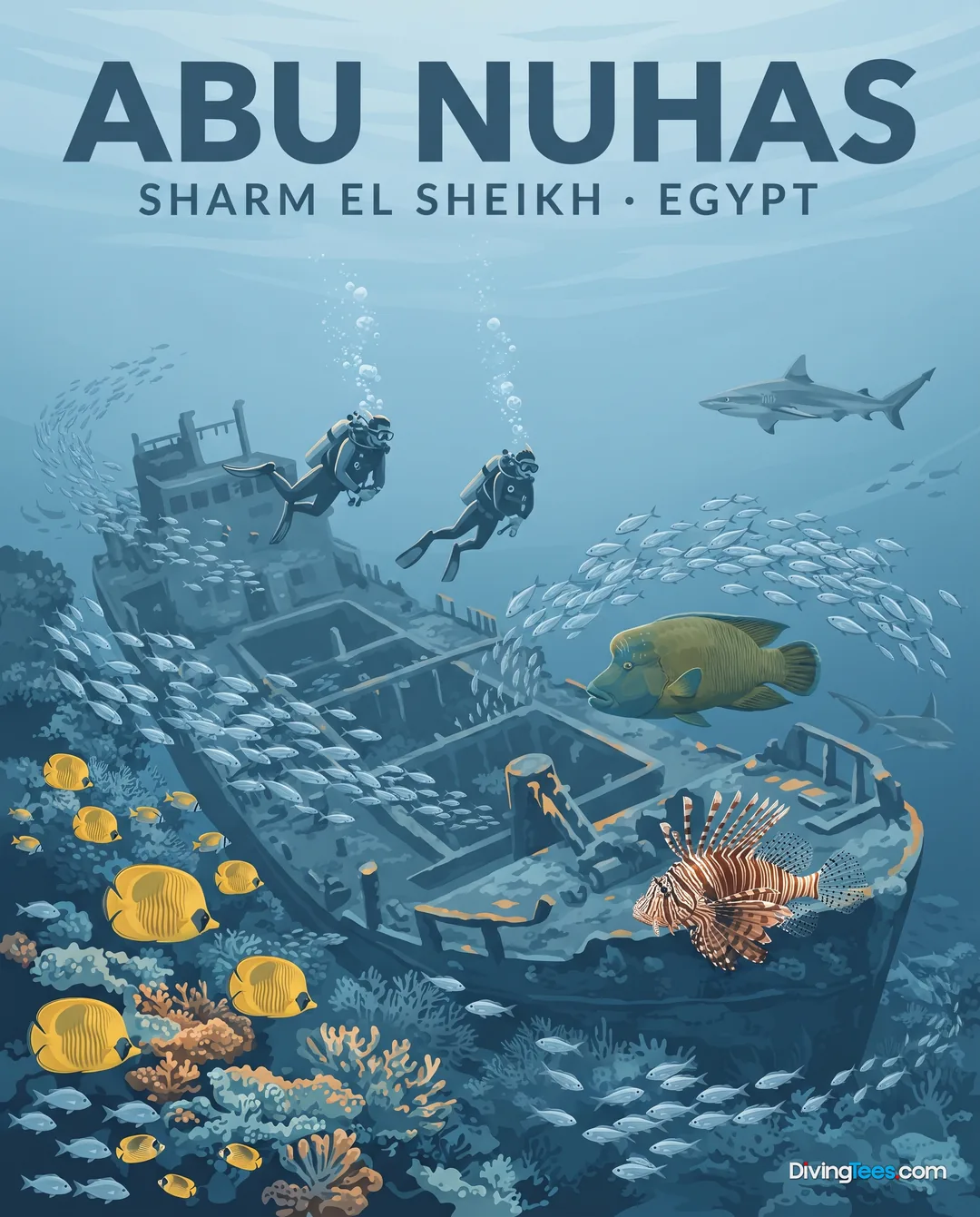
Abu Nuhas →
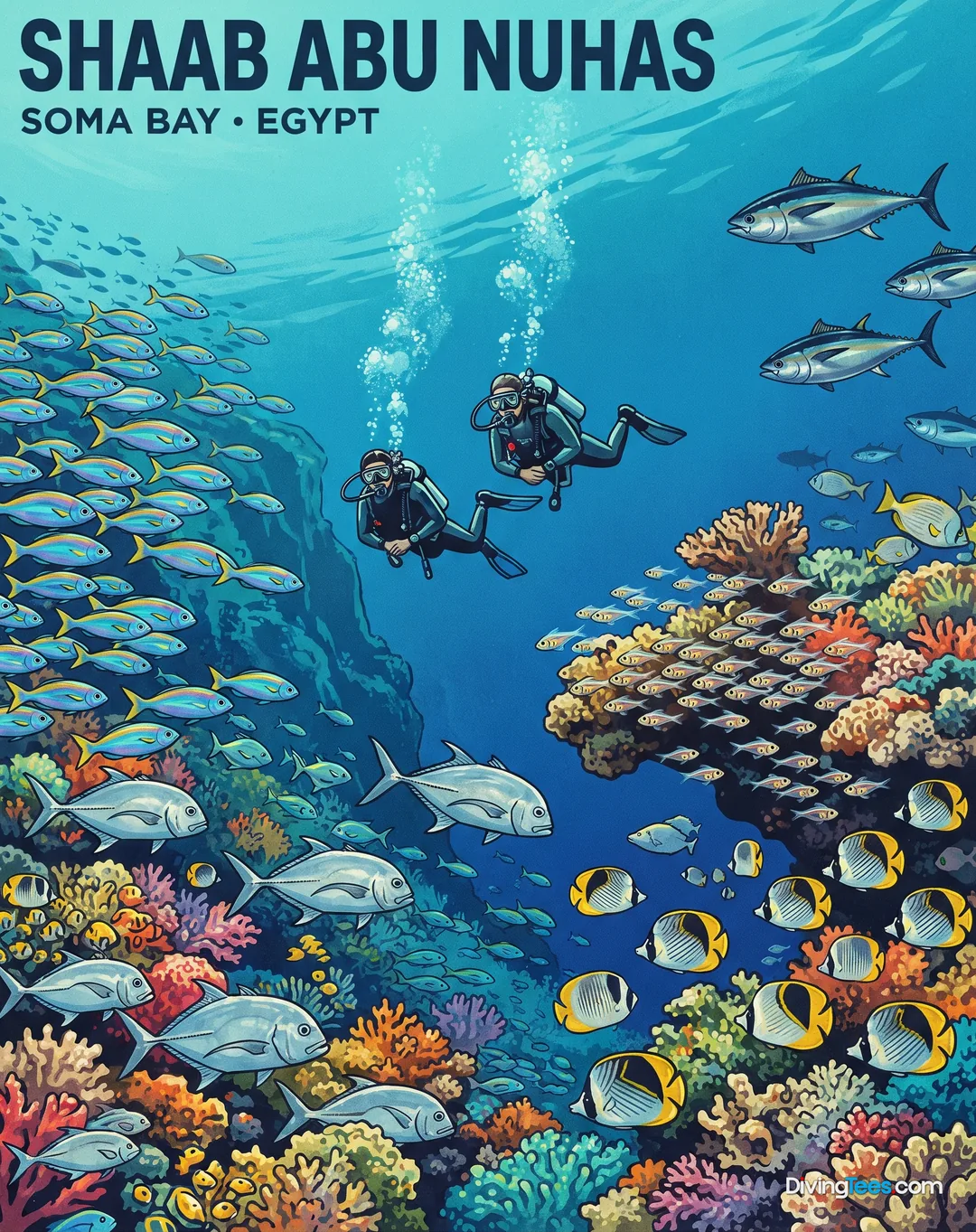
Shaab Abu Nuhas →
Max. depth · 30 m
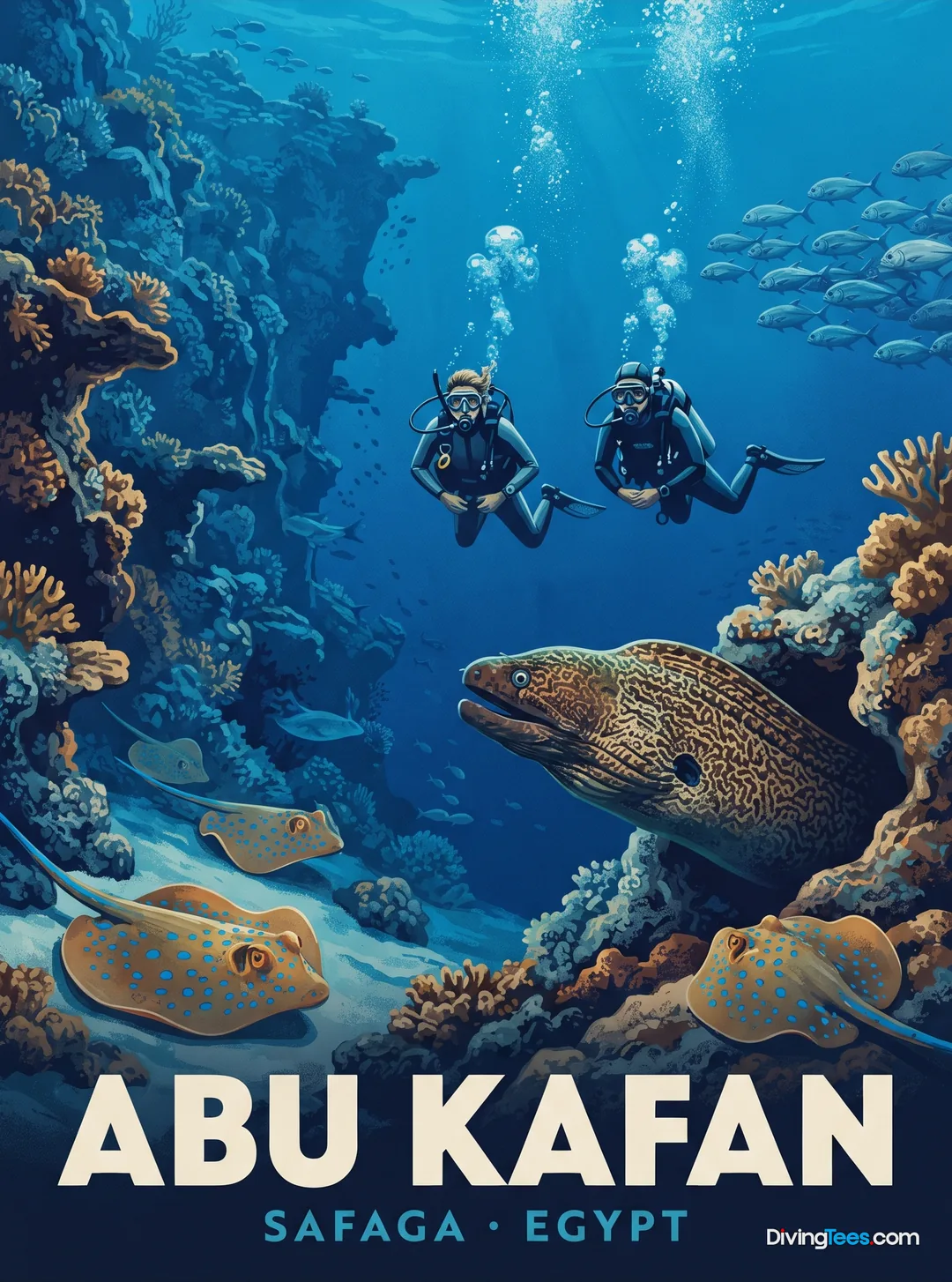
Abu Kafan →
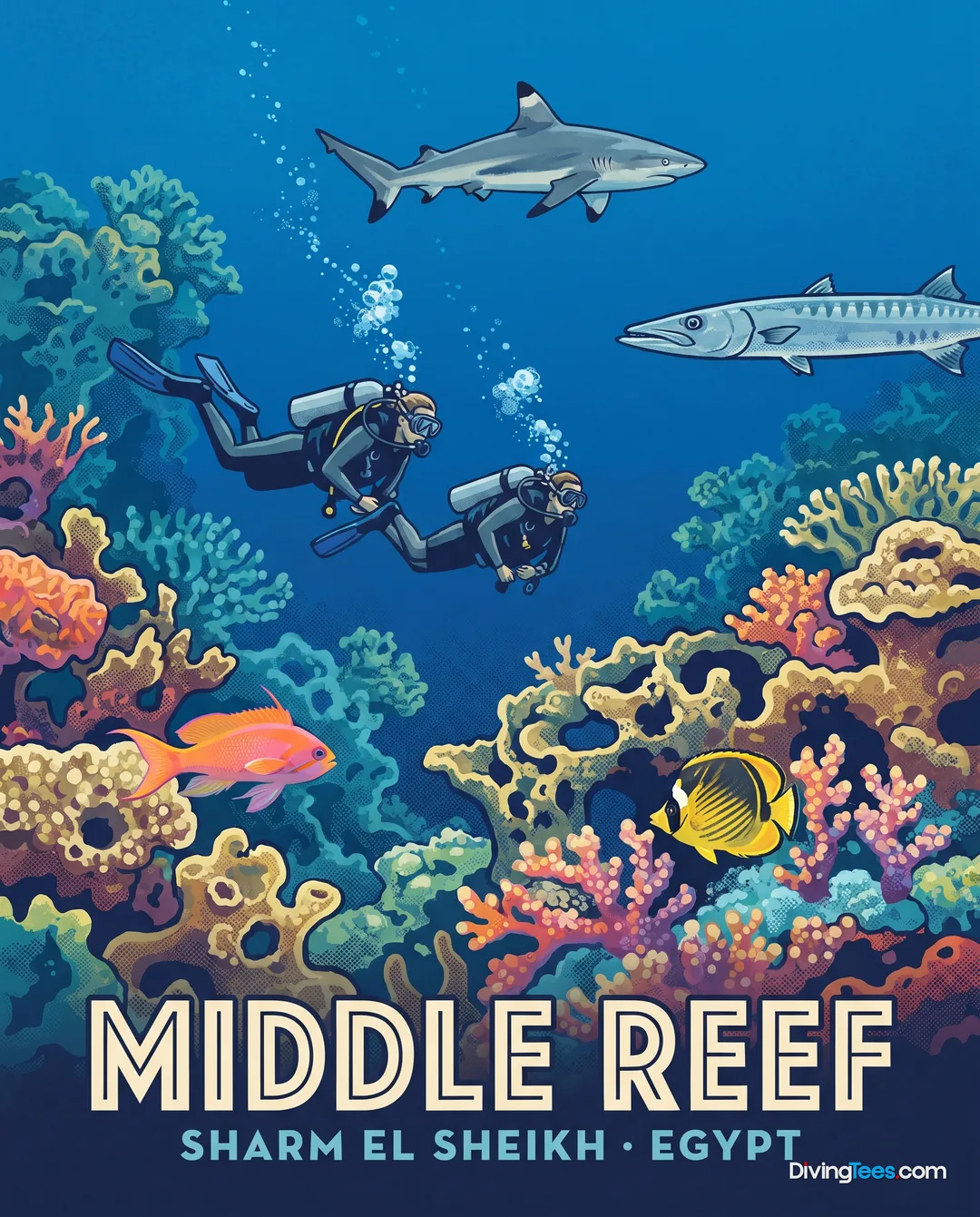
Middle Reef →
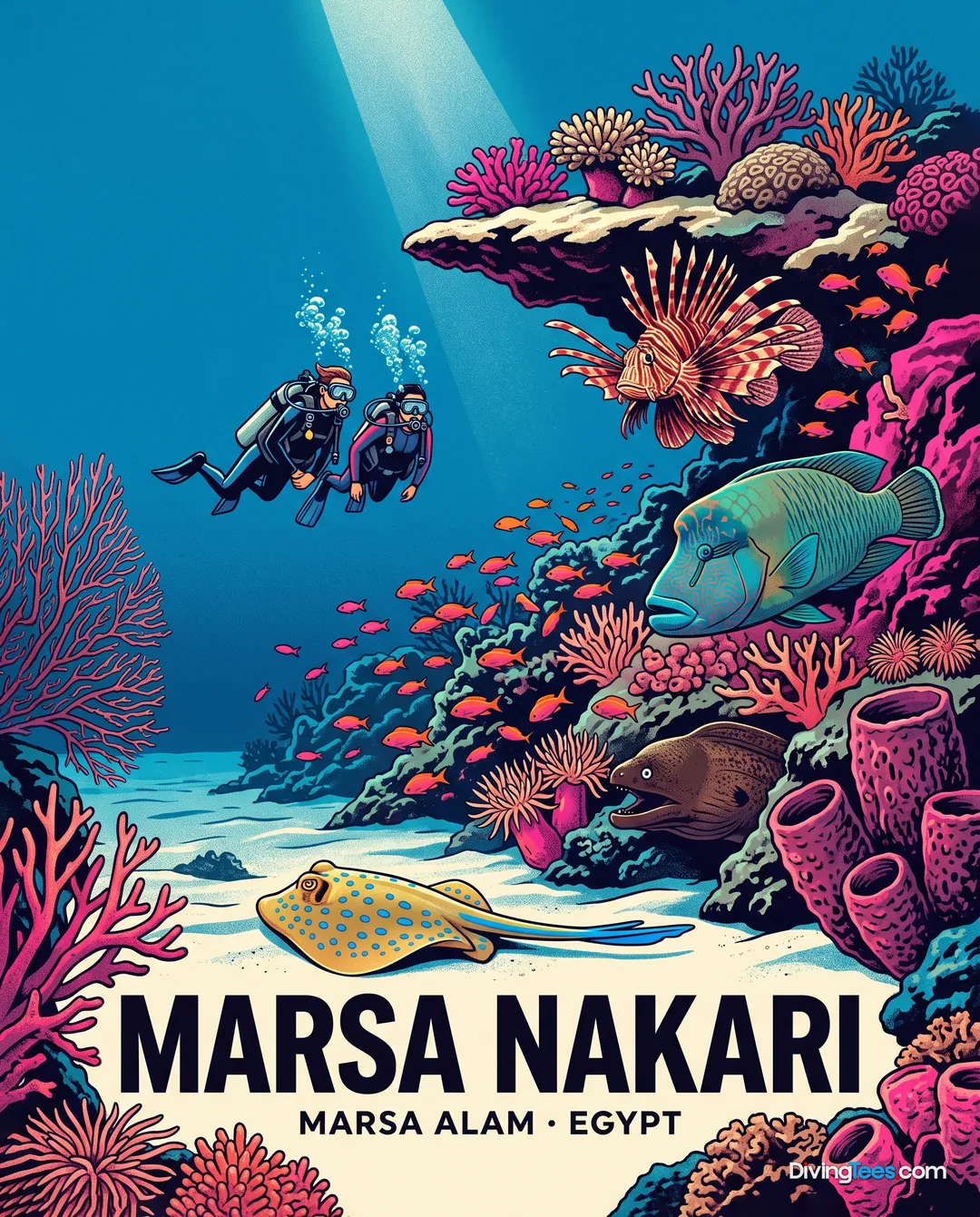
Marsa Nakari House Reef →
Max. depth · 30 m
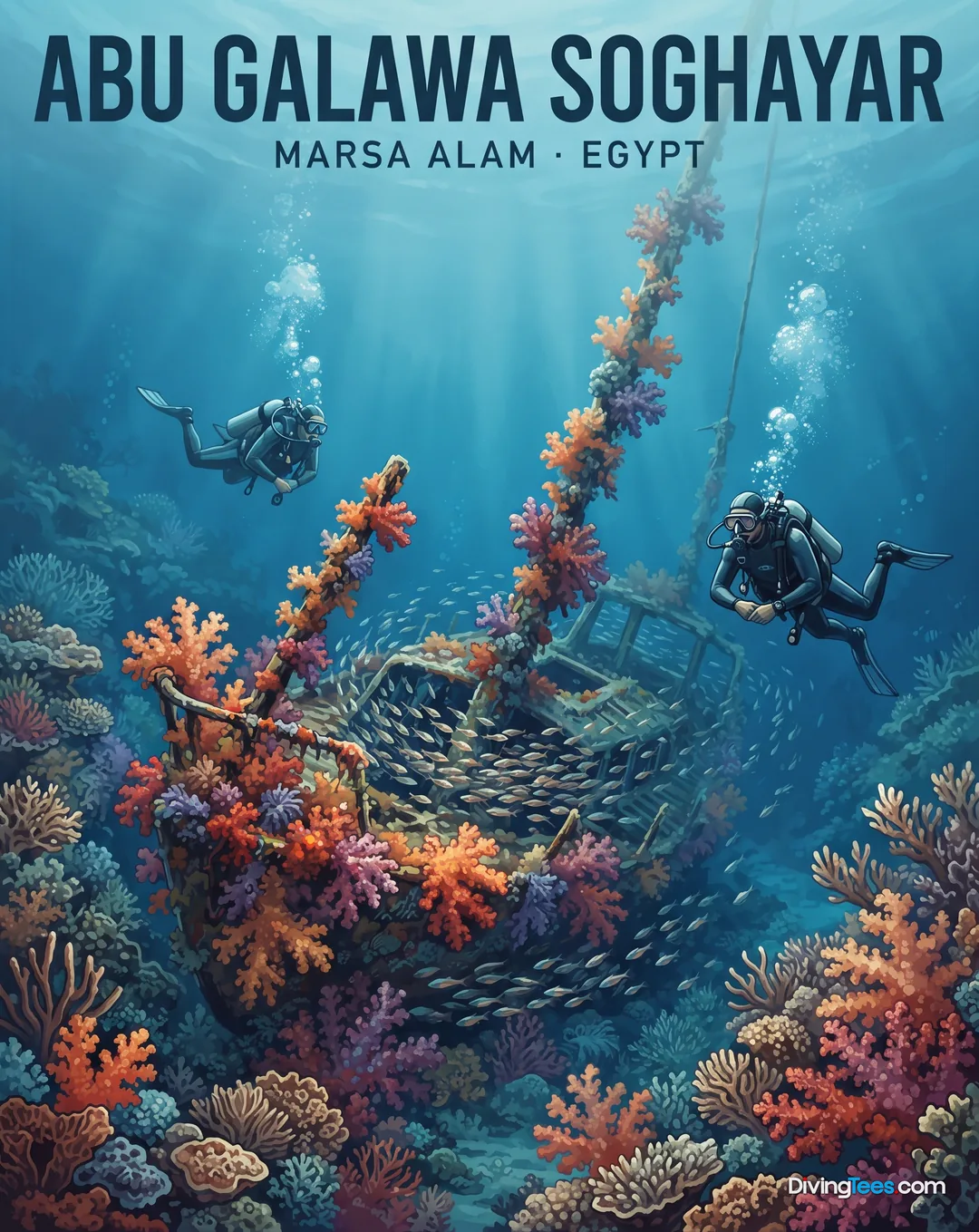
Abu Galawa Soghayar →
What you’ll meet underwater
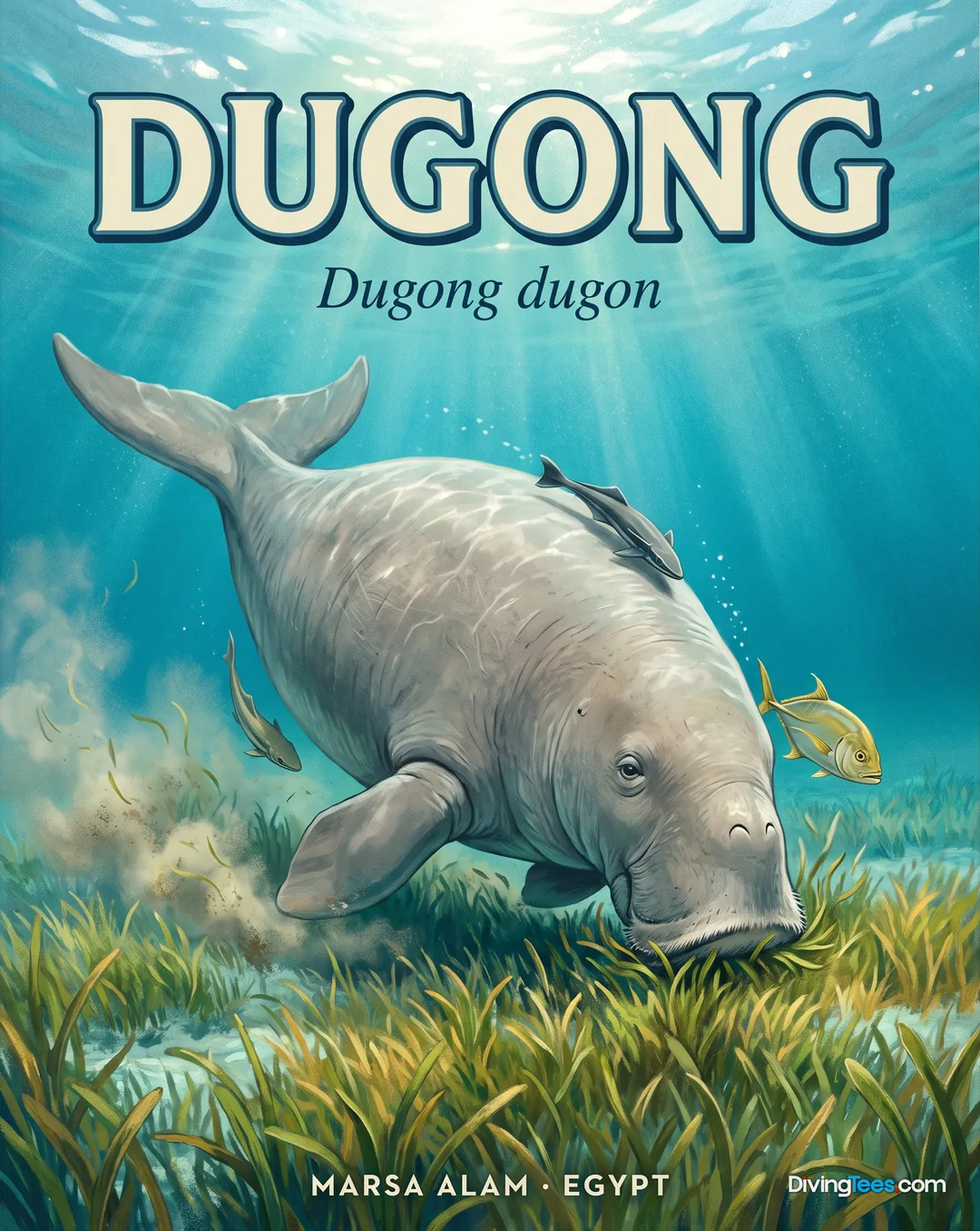
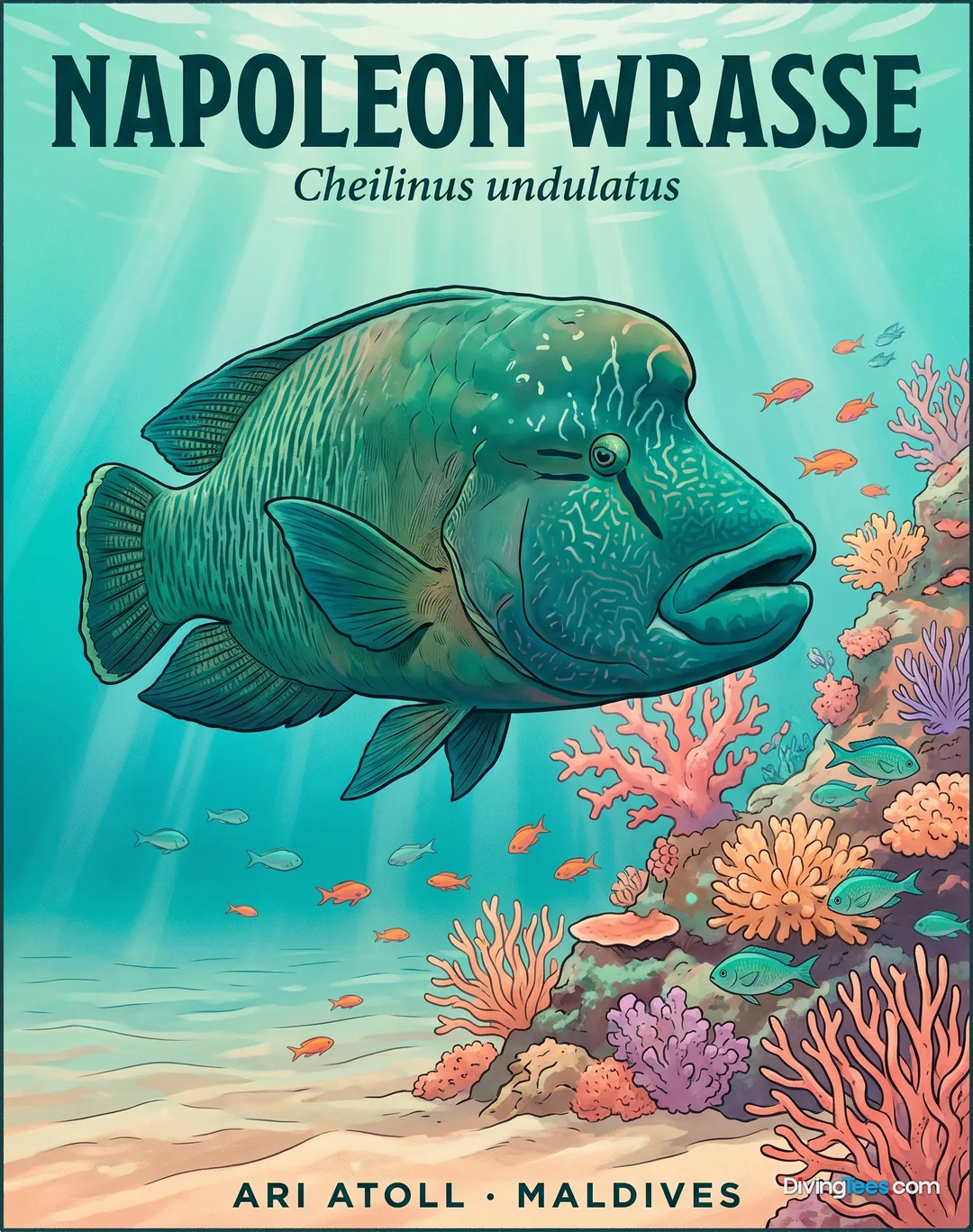
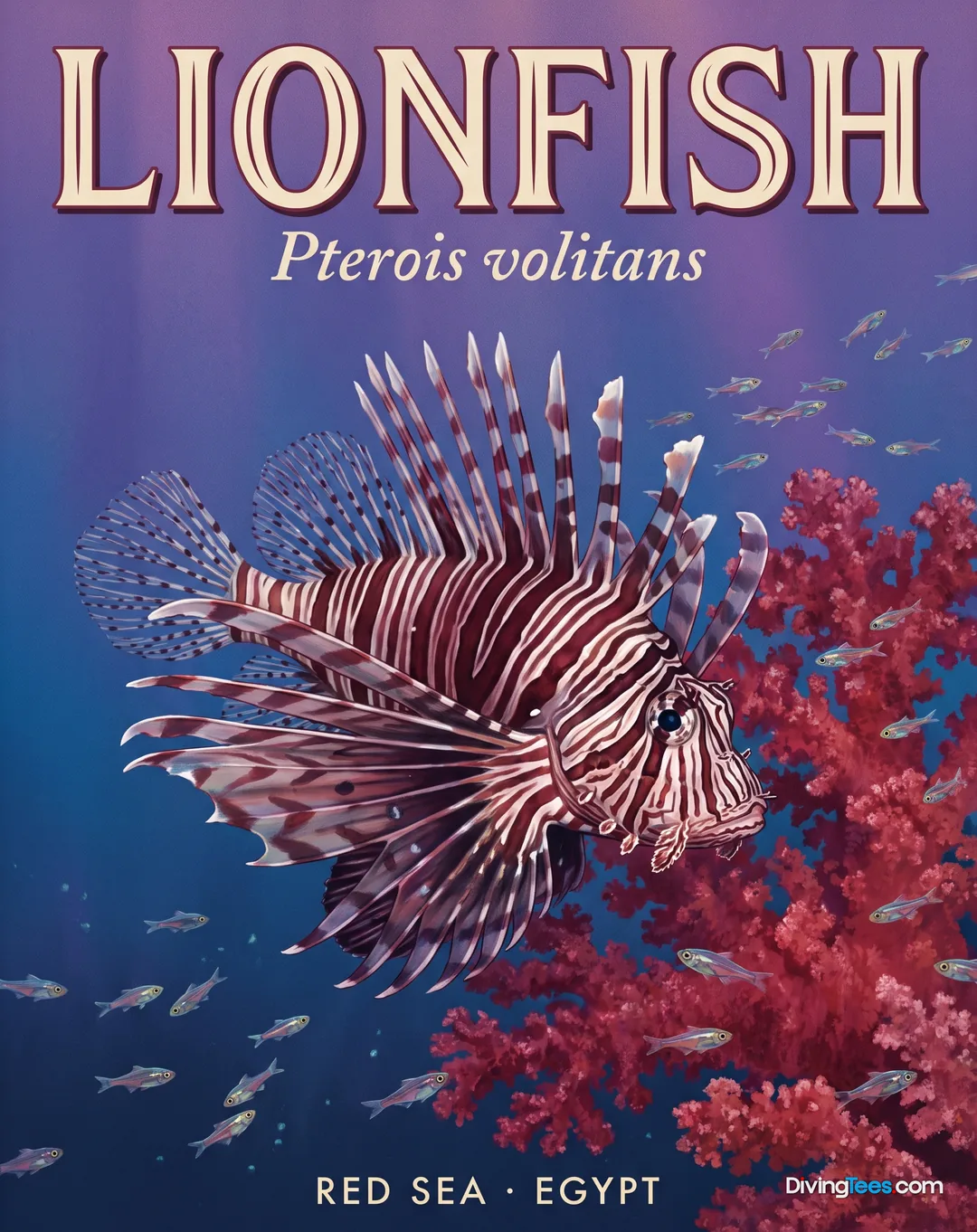
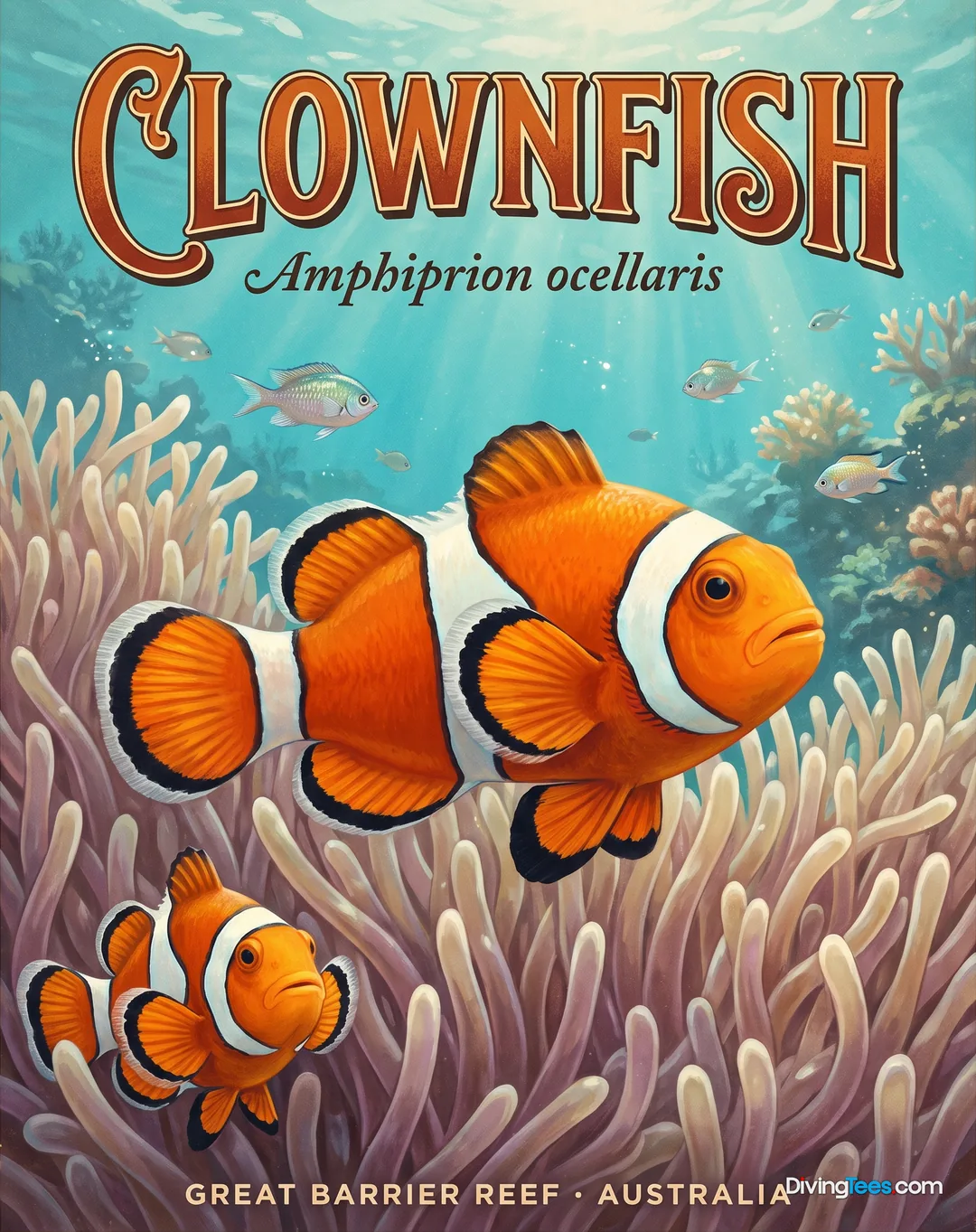
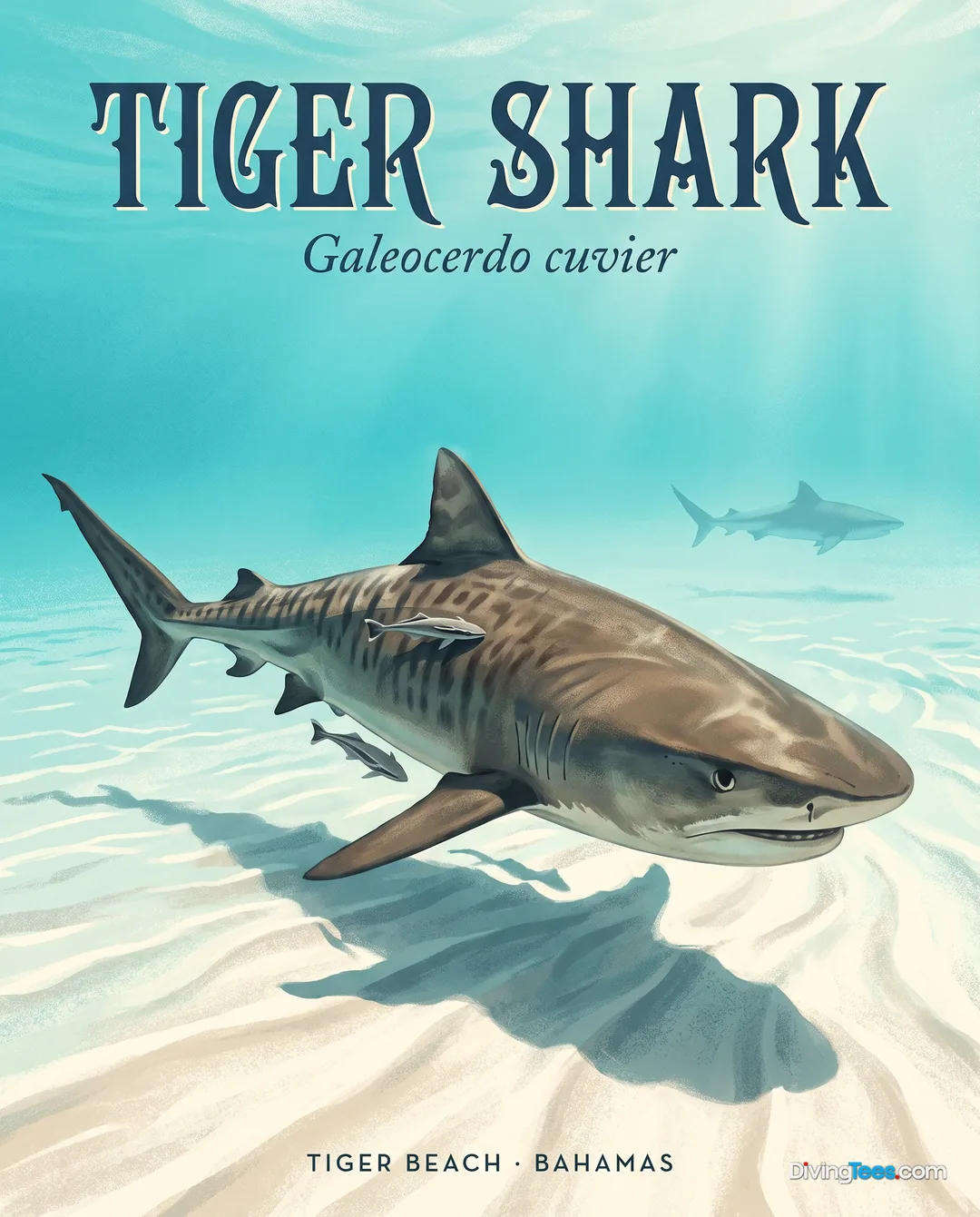
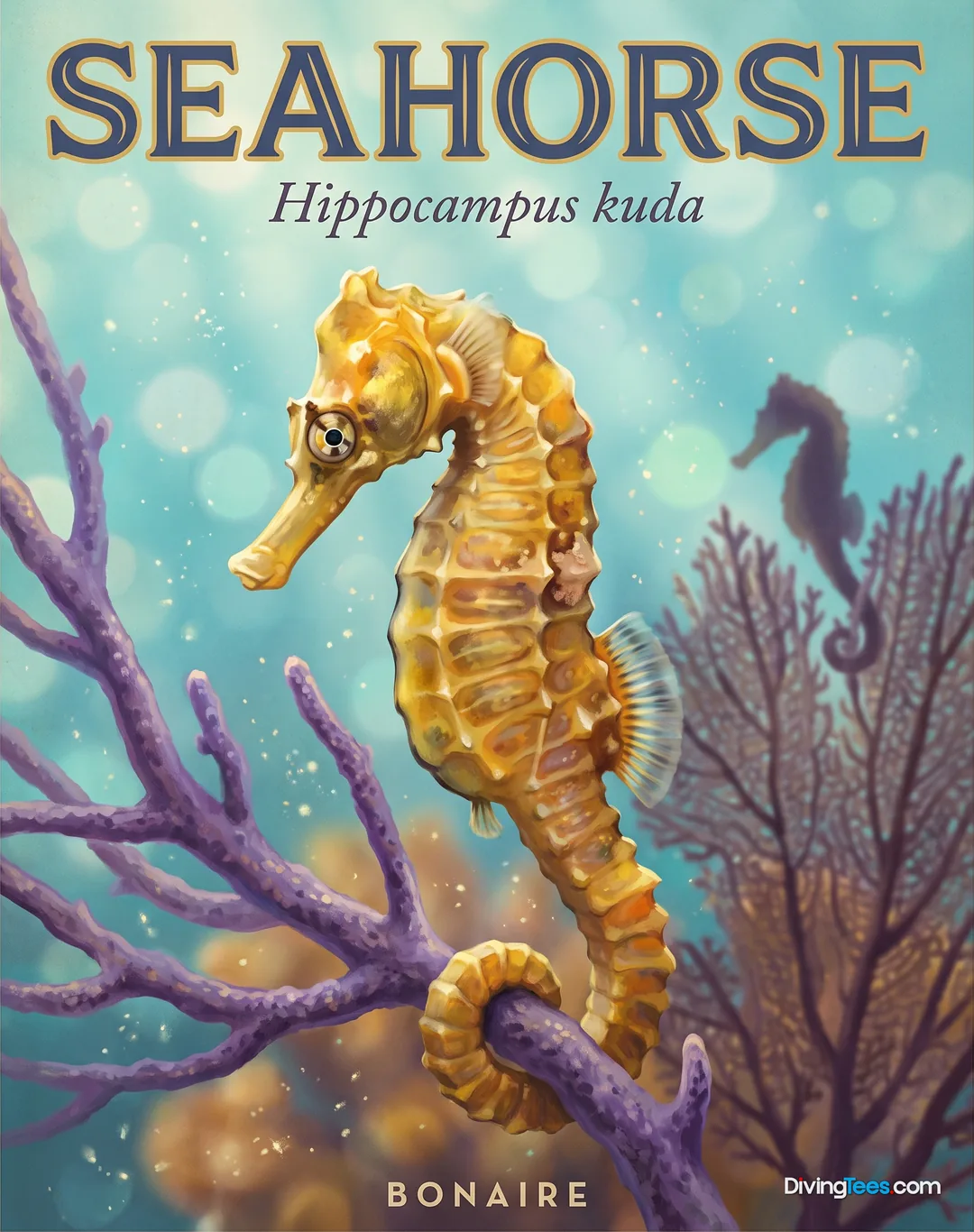
Across this route, reef sharks, barracudas, sea turtles and morays give the diving a reliable visual thread without making any single sighting a promise. Dolphins, Napoleon wrasse, tuna, reef groupers, grey reef sharks, oceanic whitetips, anthias, jacks, lionfish, scorpionfish and fusiliers also recur across several sites. Seagrass is the reason to slow down at Marsa Egla and Marsa Mubarak, where dugongs and green turtles may be encountered; Marsa Mubarak also holds bannerfish, parrotfish and clownfish among its coral gardens. Big-water sites change the scale. Elphinstone offers the possibility of oceanic whitetips, blacktip reef sharks, tiger sharks and gorgonians, while Brothers Islands is the place for white-tip reef sharks, anemones and hard coral amid isolated oceanic reefs. Thistlegorm adds batfish among the wartime cargo. House Reef is the only listed site associated with seahorses, and Marsa Nakari House Reef with stonefish. That difference between route-wide encounters and site-specific reasons to go is what keeps the week from becoming one long list of reef fish.
Who puts you in the water
A naturalist guide is part of the onboard setup, and the crew speaks English, French, Spanish, Turkish and Italian. The boat's diving covers standard recreational trips as well as tech diving, rebreather and sidemount configurations, with nitrox available as an optional extra. Diving certifications are available on board as optional extras, and a private dive guide can also be arranged. The safety equipment includes oxygen, first-aid kits, life jackets, lifeboats, fire alarms and extinguishers, radar, sonar, GPS and marine radio. The boat also carries an emergency position-indicating beacon and visual distress flares. No guide-to-diver ratio, minimum logged-dive requirement, instructor roster, defibrillator or recall system is stated, so those points should not be assumed. The useful picture is a multilingual crew supporting a broad range of diving, from recreational groups to divers bringing more specialised equipment, with the boat's core emergency equipment in place.
The dive deck and the gear
The dive deck is arranged for repeated diving, with a shaded working area, a platform at the stern and two tenders to take divers to and from the sites. DIN adaptors are available. Nitrox is available as an optional extra, and the boat supports tech diving, rebreathers and sidemount configurations; those options make the itinerary relevant to more than standard recreational setups. Separate rinse tanks protect camera equipment from the general gear flow, while charging stations and a dedicated photo area support photographers across a full week. General rinse tanks, outdoor showers and cabin and beach towels keep the return from the water straightforward. Rental equipment is available, as is snorkeling equipment, but tank material, tank volume, compressor type and filling method are not specified here. The same applies to SMB provision and hot-water facilities on the dive platform. What is clear is the working shape: divers prepare in shade, enter from a proper platform, and have a tender ready to meet them after the descent.
Between dives
Between dives, the boat gives people several ways to come out of their equipment without disappearing into a cabin. The shaded dive area is the natural meeting point after a return from the water, while the terrace, observation deck and sun deck offer open air when the boat is underway or the sea is calm. An air-conditioned indoor lounge provides the opposite choice. Snorkelers can use the available snorkeling equipment, and kayaks and paddleboards add something to the hours when a diver is sitting out. A naturalist guide gives non-divers a reason to stay involved with the places the boat visits rather than simply waiting for the next meal. Massage is available for anyone who wants recovery instead of another activity. The boat also has an audio and video entertainment lounge, free Wi-Fi and charging stations. None of this changes the purpose of the trip: it makes the surface interval more comfortable without turning the boat into a floating resort.
A day on board
A diving day begins with the first briefing, followed by the descent and a return to the boat or tender before the next meal and surface interval. The sequence repeats through the day as the boat moves between reefs, bays and wreck sites, with the shaded dive area giving divers a place to strip equipment and reset. Some itineraries include demanding early starts for exposed sites such as Brothers, Daedalus or Elphinstone; others make room for slower exploration in sheltered bays or on house reefs. Meals and snacks break up the diving, while the terrace, lounge and sun deck take over during the longer gaps. A night dive is included in the onboard diving package, adding a final change of light and behaviour rather than simply another daytime descent. The exact schedule depends on the route and conditions, but the shape is clear: briefing, dive, recovery, food, movement, then another dive until the day finishes with the sea outside and equipment ready for the next morning.
What you eat aboard
Food is one of Star Jet's clearest strengths. The galley serves a mix of local and Western cooking, with buffet meals, snacks through the day and a barbecue on the beach when the itinerary allows it. Vegetarian and vegan options are available, while non-alcoholic drinks, drinking water, tea and coffee are included. Full board covers the meals that sit around the diving rather than forcing guests to organise food ashore between sites. That matters on a liveaboard: a meal is the fixed point after a demanding descent, not decoration between excursions. The kitchen is described as gastronomic, but the useful detail is the range—local dishes for those who want the Red Sea on the plate, familiar Western food for mixed groups, and alternatives for vegetarian and vegan divers. A special dinner is also included. The table serves the whole boat, giving a mixed group one place to meet when the day's dives are done.
Nights at sea
The cabin choice is unusually broad for a boat aimed at divers travelling on a budget: lower-deck twin, main-deck double or twin, suite, and sun-deck twin cabins are available. Each cabin has air conditioning and a private bathroom, with hot water for the shower; cabins are non-smoking, and sea-view options include panoramic windows. That gives couples, friends sharing, and solo divers with a preferred layout a sensible way to choose their space instead of accepting one standard room. The point of the renovation is felt here in practical terms: a cabin that can be closed off, cooled and kept private after a long day in exposure protection. The sun deck is also the cabin level, so those rooms trade easier access to the outdoor deck for their position higher on the boat. The living space remains a cabin, not a resort suite. It is set up for sleeping, washing and starting again.
Lower Deck Twin Cabin
Main Deck Double Cabin
Main Deck Twin Cabin
Suite Cabin
Sun Deck Twin Cabin
What to know before boarding
Recorded departures and returns use Hurghada or Marsa Alam, depending on the itinerary; some routes return to their starting port, while others finish in the other port. Airport and hotel transfers are available as optional extras, with airport transfers arranged from the airport and hotel transfers from the hotel. The transfer details follow the selected departure and return port. Arriving the night before is the sensible choice, especially for a route departing from Hurghada or Marsa Alam.
- Year built
- 2004
- Year renovated
- 2025
- Length
- 35 m
- Beam
- 8.9 m
- Maximum number of passengers
- 28
- Number of cabins
- 14
- Number of bathrooms
- 17
- Engines
- 2 × Mercedes
- Cruising speed
- 15 knots
- Tenders
- 2x
- Website
- redsea-diving.com ↗
Hello, I'm Marina, DivingDeal.com's AI assistant. I answer in detail about hotels, dive centres and liveaboards.

Thinking about the whole trip and the flights? Talk it over with Edith →
Marina is an AI. Some links are affiliate links: DivingDeal may earn a commission, at no extra cost to you. Bookings are made with the partner.