
Blue Brothers Diving
Google 5/5 (293 reviews)
34 km away as the crow flies
El Gouna · Egypt · Red Sea
Max. depth · 30 mDescend along the vibrant wall of Gubal Island, letting the current guide you towards the mysterious Barge wreck resting on a shallow plateau.
For subtitles in English: start the video firstthen click the gearat the top right of the video, select “Subtitles/CC”, then “Auto-translate” and choose “English”.
Your dive at Bluff Point begins on the eastern side of Gubal Island, where you'll drop onto a steep wall. The initial phase is often a drift, with the Red Sea current dictating your pace. This requires careful buoyancy control and an awareness of your position relative to the reef. Early morning light frequently illuminates the gorgonian forests clinging to the wall, creating a vivid backdrop as you move with the flow, a common experience when diving these exposed points.
As you progress along the wall, the current typically transitions from a strong push to a more manageable flow, guiding you towards a protected, shallower plateau. This shift in conditions offers a varied dive profile, moving from the exhilaration of a wall drift to the tranquility of a reef exploration. Keep an eye out for green turtles (Chelonia mydas) or hawksbill turtles (Eretmochelys imbricata) that frequent this area, often seen gracefully gliding, as Gubal Islands are known nesting grounds.
The topography here is defined by this transition: a steep, current-swept wall gives way to a sprawling plateau. This creates diverse habitats, supporting a range of marine life. Beyond the wall's face, the plateau allows for a slower pace, giving you time to observe the smaller inhabitants of the reef. The structure here is alive with endemic Red Sea species, their activity a constant presence in such rich ecosystems.
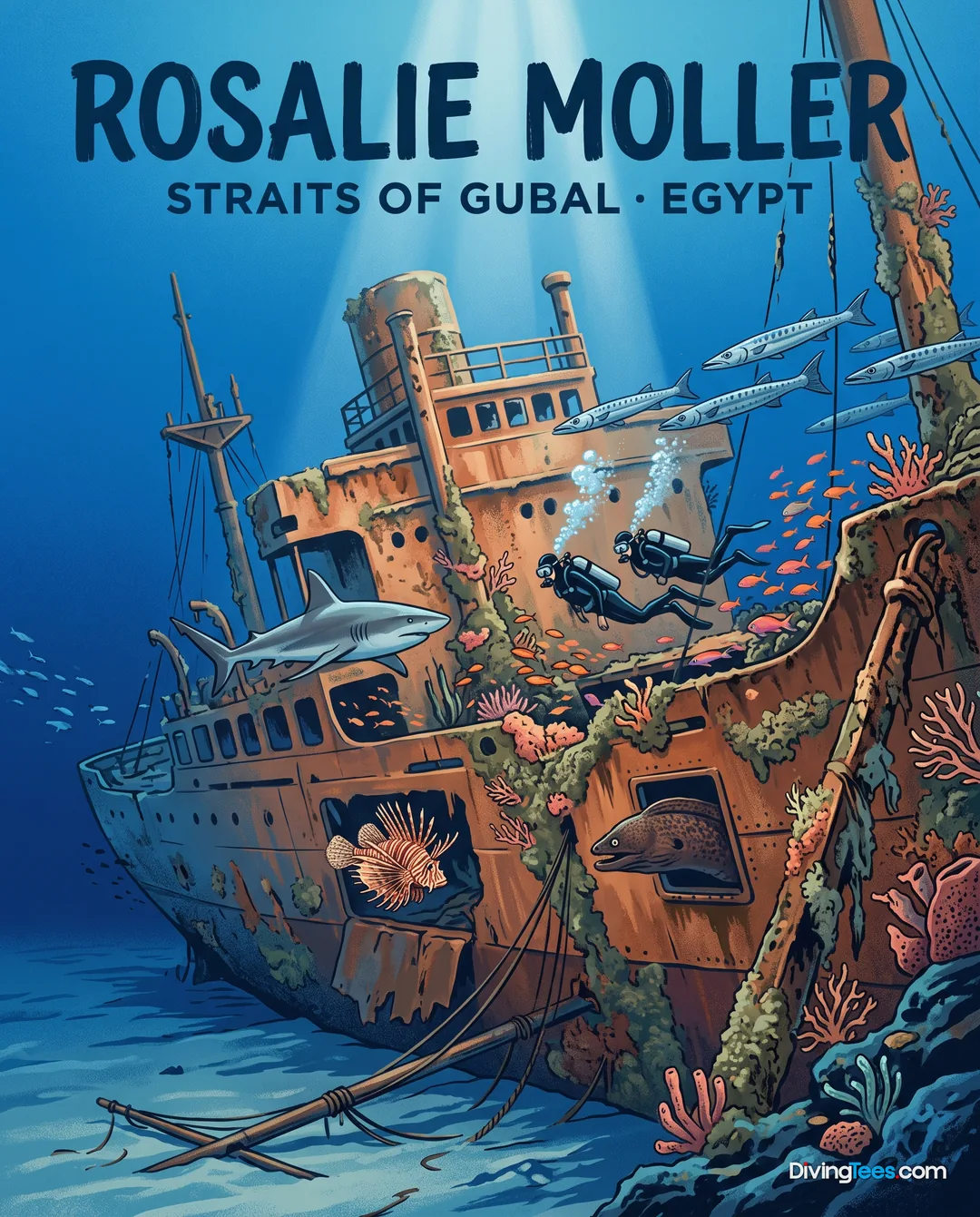
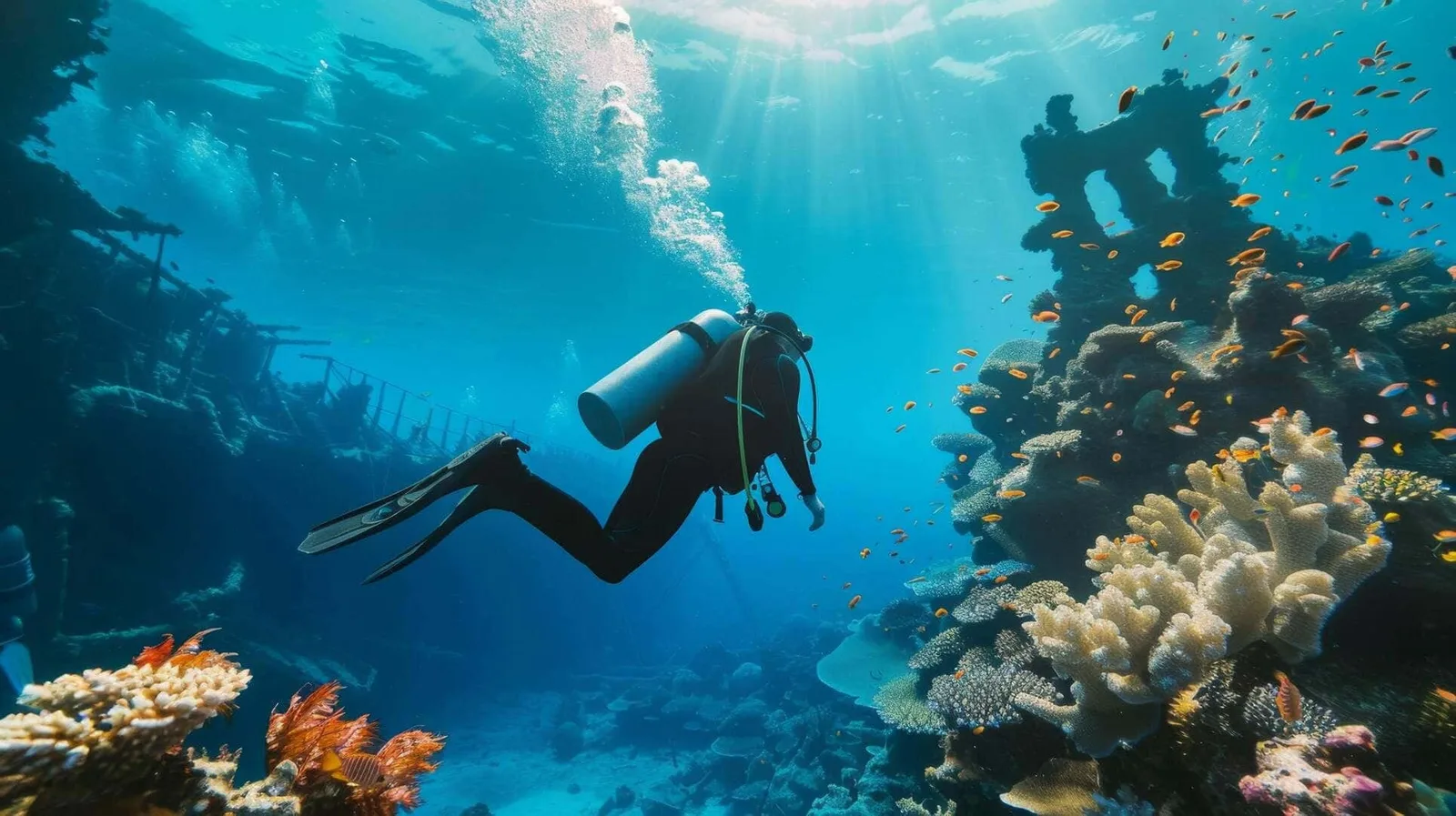
Central to the site is the 'Barge,' a shallow, fragmented wreck resting on the plateau. Its history is uncertain, with local rumors suggesting it could be a casualty of the 1973 Arab-Israeli War, a vessel lost in tow, or even the remnants of a forgotten dive charter boat. Regardless of its origin, the Barge adds an element of exploration and historical curiosity, inviting closer inspection of its remaining structure.
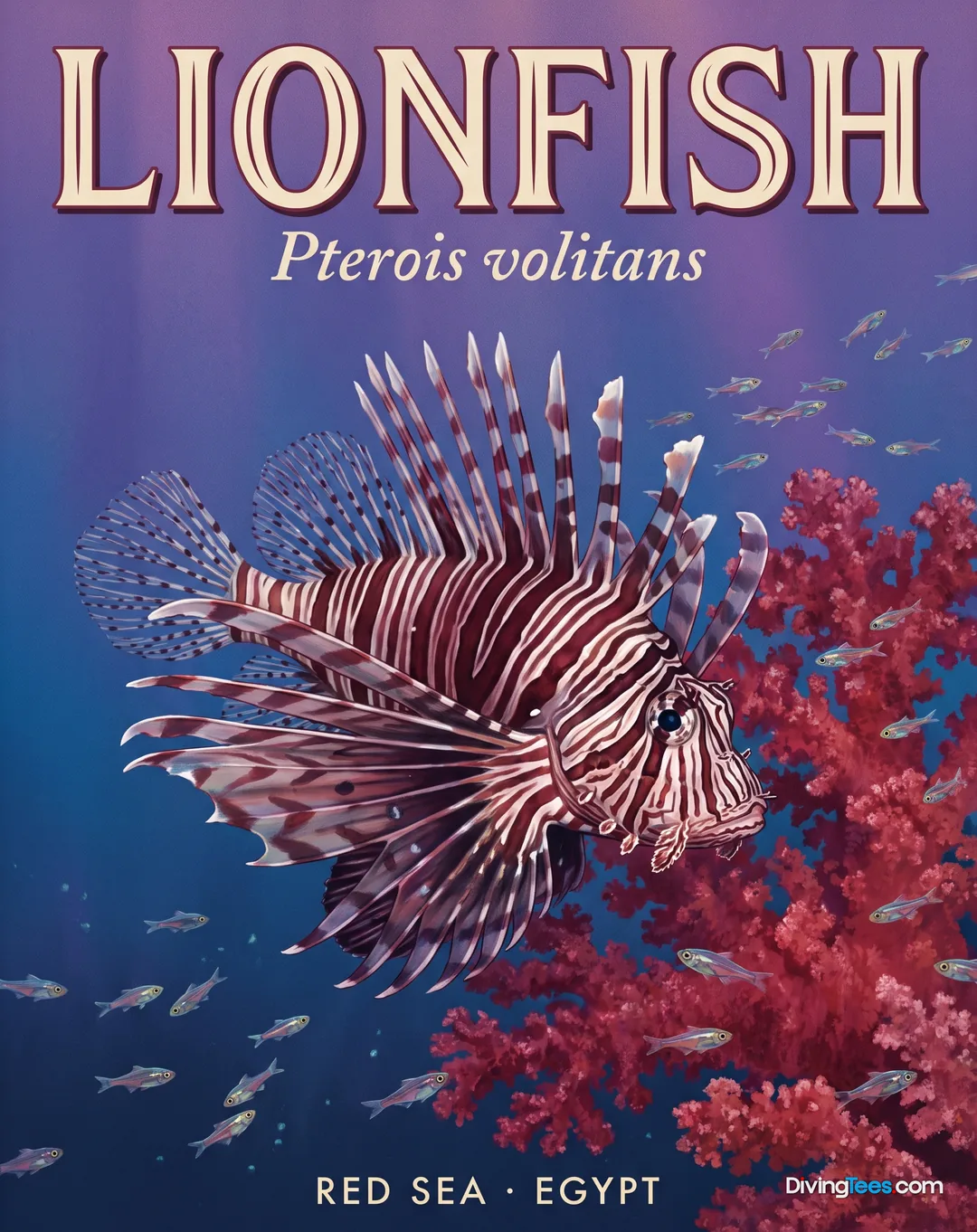
The Barge itself lies in the sandy bottom, close to the point's wall, and is a magnet for marine life. Moray eels find shelter within its crevices, while lionfish and scorpionfish often camouflage themselves among the debris. Crocodilefish are frequently spotted on the surrounding sand, and at night, the wreck becomes particularly active, drawing in octopus and even the occasional Spanish dancer.
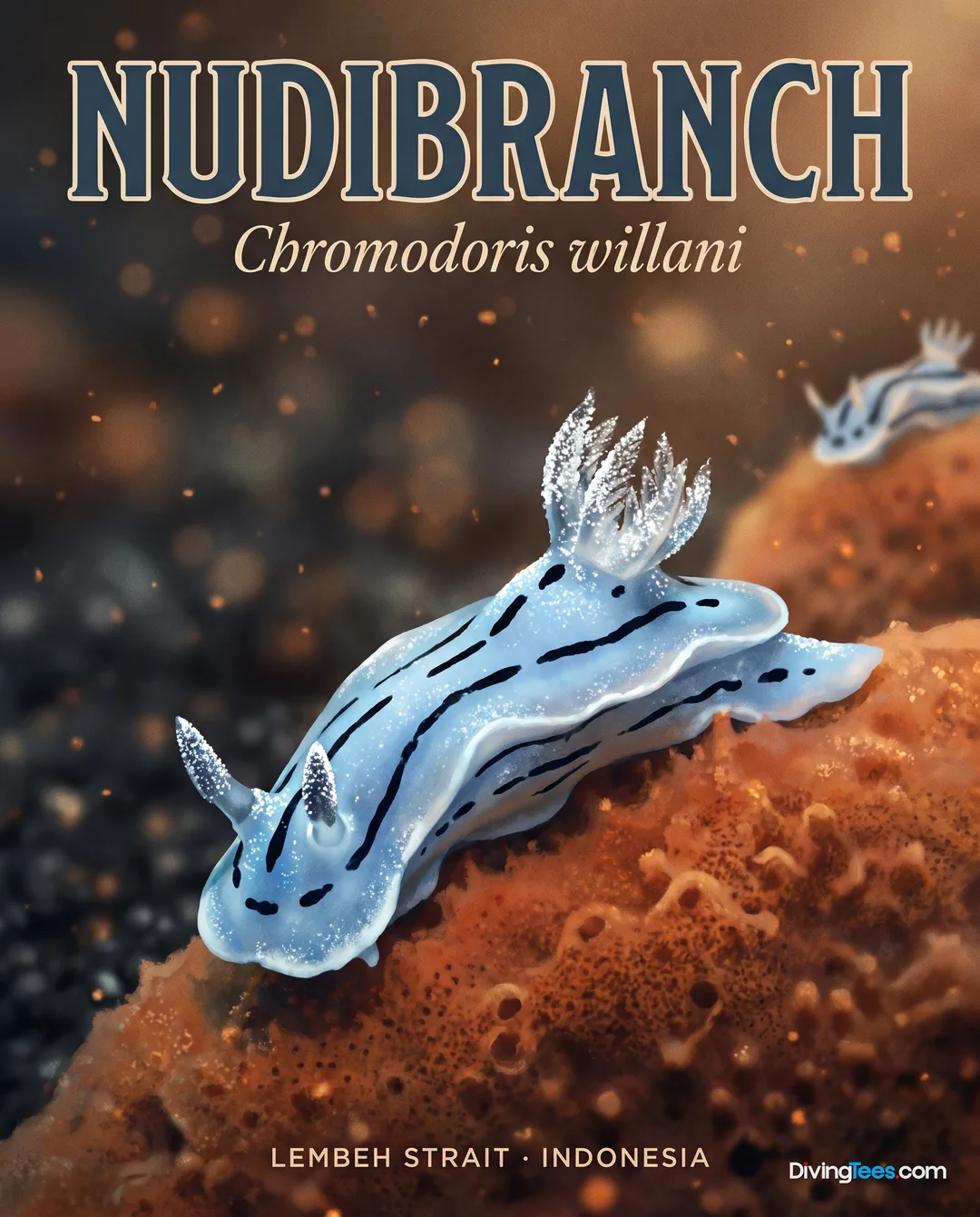
This site is compact, allowing for a focused dive. While the wreck is a highlight, the surrounding reef also holds interest. You'll find nudibranchs crawling on the corals and cuttlefish moving through the water column. Giant groupers patrol the deeper sections, and schools of glassfish often congregate around the reef structure, providing a dynamic visual experience.
Bluff Point is also a common mooring stop for boats waiting to cross the Straits of Gubal. This means conditions can vary, with currents sometimes running in either direction, though the site is generally considered a sheltered stop once you are on the plateau. The variability in current, particularly during the initial wall phase, is a defining characteristic of the dive.
The site's appeal extends beyond its daytime offerings; it is especially known for night dives. The fragmented structure of the Barge, combined with the surrounding reef, provides ample hiding spots and hunting grounds for nocturnal creatures. This makes it a different experience after sunset, with species like the Spanish dancer becoming more active, offering a unique perspective on the site's ecosystem.
Dive depth at Bluff Point Barge ranges from 13 metres to a maximum of 30 metres. This site is accessible for divers certified to DIVER LEVEL 2 or equivalent, but be prepared for potentially very strong currents, particularly during the initial phase of the drift dive along the wall. Visibility typically holds at 20 metres. The site is diveable all year, though winter months may require additional exposure protection due to cooler water temperatures.
You can dive Bluff Point | Barge throughout the year. During winter, you may need additional exposure protection because the water is cooler. The site is also known for night diving, when the fragmented Barge and surrounding reef become active with nocturnal creatures, including octopus and occasional Spanish dancers.
Bluff Point | Barge is accessible to divers certified to DIVER LEVEL 2 or equivalent. The dive ranges from thirteen metres to a maximum of thirty metres. You move between a steep wall, deeper sections, and a shallower plateau, creating a varied profile that combines wall diving with reef exploration.
At Bluff Point | Barge, you should be prepared for potentially very strong currents, especially at the beginning of the drift dive along the wall. The current can run in either direction and may later become more manageable as you reach the protected plateau, where careful buoyancy control remains important.
At Bluff Point | Barge, you can explore a fragmented wreck surrounded by reef life. Possible sightings include green and hawksbill turtles, gorgonian forests, moray eels, lionfish, scorpionfish, crocodilefish, nudibranchs, cuttlefish, giant groupers, glassfish, octopus, and Spanish dancers during night dives.