Safaga · Egypt · Red Sea View on the map
Max. depth · 40 mAbu Kefan Dive Site, Safaga: Deep Wall and Pelagic Encounters
A long, narrow reef exposed to the open sea, featuring steep vertical walls and frequent encounters with large schools of fish.
What makes this site special
- Vertical walls dropping beyond 100 metres
- Large schools of common bigeye
- Barracuda groups in the open water
- Extensive gorgonian sea fans and black coral
- Diverse topography with canyons and overhangs
- Consistent visibility between 20 and 30 metres
For subtitles in English: once the video has started, click the gearat the top right of the video, select “Subtitles/CC”, then “Auto-translate” and choose “English”.
Abu Kefan about the site
Abu Kefan, also known as Abu Kifan or The Deep One, is a narrow, elongated reef structure situated in the open sea. The site follows a north-south orientation and is characterized by its significant exposure to the surrounding water masses. Unlike more sheltered reefs, this site sits directly in the path of oceanic movement, which dictates much of the diving experience. The topography consists of two nearly vertical flanks that drop away into deep water, creating a distinct sense of scale for the diver. This exposure makes the site a primary location for observing species that prefer moving water and high visibility.
The geological structure of the reef is complex, featuring more than just simple vertical drops. As you descend along the walls, you will encounter a variety of underwater formations including deep fissures, overhangs, and canyons. These features provide essential shelter for various marine species and create micro-habitats within the larger reef system. Some sections of the reef are marked by large ergs, adding texture to the landscape. The reef is anchored by shallower coral plateaus at both the northern and southern ends, which serve as common entry or exit points for the dive profile.
Diving at Abu Kefan typically involves a drift dive along the vertical walls. Most recreational dives are conducted on the upper sections of the reef and the surrounding plateaus, where depths generally stay within the 5 to 40 metre range. However, the wall itself continues far beyond these depths, plunging well past 100 metres into the abyss. This verticality creates a sharp contrast between the brightly lit upper reef and the dark, deep water of the drop-off. Navigating this terrain requires precise buoyancy control to maintain position relative to the wall while managing the movement of the water.
The current at Abu Kefan is a defining characteristic of the site and can be quite demanding. Because the reef is fully exposed in the open sea, it frequently intercepts currents coming from the northwest. These currents can range from light and manageable to very strong, often shifting in intensity. The site's location makes it susceptible to significant water movement, which is a key reason why the reef supports such a high level of biodiversity. Divers should always be prepared for a drift experience, as the site is rarely a static environment.
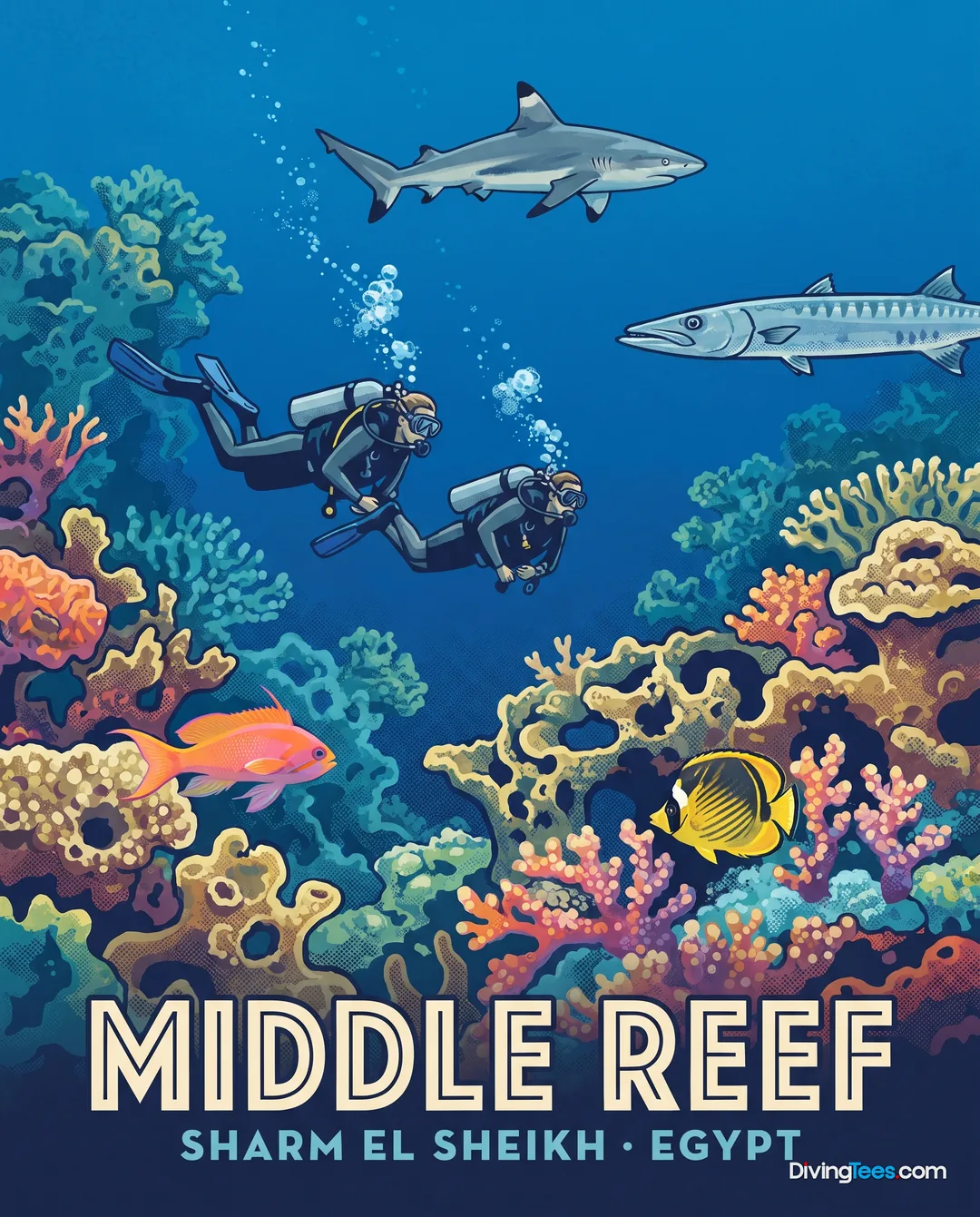
Marine life at Abu Kefan is heavily influenced by the site's pelagic nature. You will frequently encounter large schools of common bigeye hovering above the shallower plateaus. These fish are often seen in the water column where the current brings nutrients toward the reef. Large groups of barracuda are also a regular feature, often seen cruising in the open water adjacent to the walls. The presence of these larger, mobile species gives the site a more oceanic character compared to the calmer, more sheltered reefs found closer to the coast.
The reef walls themselves are home to a variety of resident fauna that thrive in the high-flow environment. Gorgonian sea fans and black coral are well-established across the vertical surfaces, anchored firmly to withstand the passing currents. These corals provide the structural complexity needed for smaller residents to hide. You can also find various species of butterflyfish and grouper patrolling the reef edges or resting near the overhangs. The combination of fixed coral structures and passing pelagic schools creates a dynamic environment that changes with the tide and current.
Visibility at the site is generally reliable, typically ranging between 20 and 30 metres. This clarity is essential for spotting movement in the blue water away from the reef structure. When the visibility is at its peak, the deep canyons and the sheer scale of the drop-off become much more apparent. The light penetration on the northern and southern plateaus allows for clear viewing of the coral formations before the descent moves into the deeper, more shadowed sections of the wall. The clarity of the water also aids in spotting incoming schools of fish from a distance.
Diving Abu Kefan: the marine life you’ll meet

Diving conditions
Depths range from 5 to 40 metres for recreational diving, though the wall drops beyond 100 metres. An Advanced certification and confirmed experience with strong currents, drift diving, and wall profiles are required; a high level of buoyancy control is essential. Currents generally come from the northwest and can be very strong due to the site's full exposure to the open sea. Expected visibility is between 20 and 30 metres.
Three dives not to miss


Map of hotels, dive sites and dive centres in Safaga
Dive centres in Safaga


Volkert Dive Center
Safaga
Google 4.9/5 (169 reviews)
19 km away as the crow flies
Nearest hotel: 420 m
Seven Seas Jolie Bay
Google 4.5/5 (2,828 reviews)

Hotels in Safaga
Palm Royale Resort
Safaga
Google 4.6/5 (4,494 reviews)
21 km away as the crow flies
Nearest dive centre: 460 m
Extra Fun Diving Club
Google 5/5 (76 reviews)


Board a liveaboard from Safaga
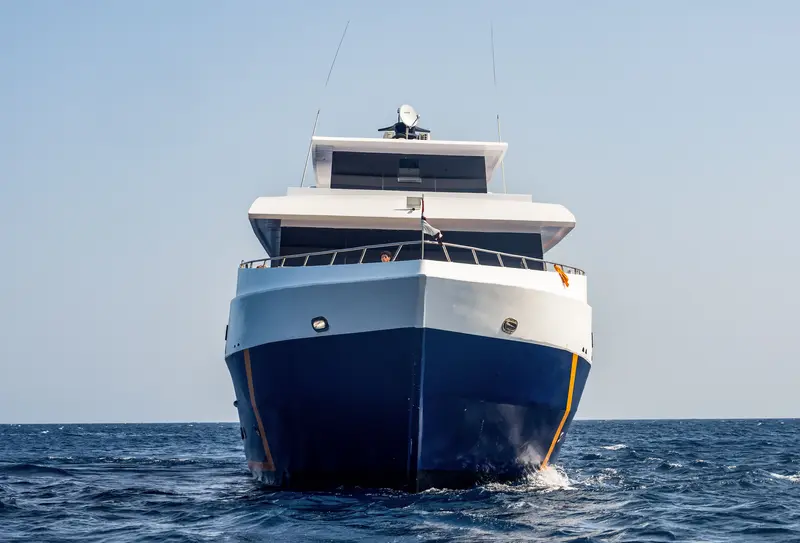
1 liveaboard departs from Safaga another way to explore the region, over several days at sea.
Frequently asked questions about Abu Kefan
What certification and experience do you need for Abu Kefan?
Abu Kefan requires Advanced certification and confirmed experience with strong currents, drift diving, and wall profiles. You also need a high level of buoyancy control to maintain your position beside the vertical wall while managing moving water. The site is exposed to the open sea and can involve demanding conditions.
How deep can you dive at Abu Kefan?
Recreational diving at Abu Kefan generally takes place between 5 and 40 metres, including the upper wall sections and surrounding coral plateaus. The reef wall continues beyond 100 metres into deep water, creating a sharp drop-off from the brightly lit upper reef to darker sections below.
What currents should you expect at Abu Kefan?
Abu Kefan is fully exposed to the open sea, so currents generally come from the northwest and can become very strong. Their intensity may shift during the dive, making drift diving a normal part of the experience. You should be prepared for significant water movement rather than a static reef environment.
What marine life and formations can you see at Abu Kefan?
At Abu Kefan, you can see large schools of common bigeye above the plateaus and groups of barracuda cruising beside the walls. The reef also features gorgonian sea fans, black coral, butterflyfish, grouper, canyons, fissures, overhangs, large ergs, and vertical walls, with visibility generally between 20 and 30 metres.