Baja Dive Experiences
Google 5/5 (338 reviews)
Mexico · Americas
Protected coral reef, the El Vencedor wreck, sea lions and seasonal bull sharks shape small-boat diving in Cabo Pulmo National Park
For subtitles in English: start the video firstthen click the gearat the top right of the video, select “Subtitles/CC”, then “Auto-translate” and choose “English”.
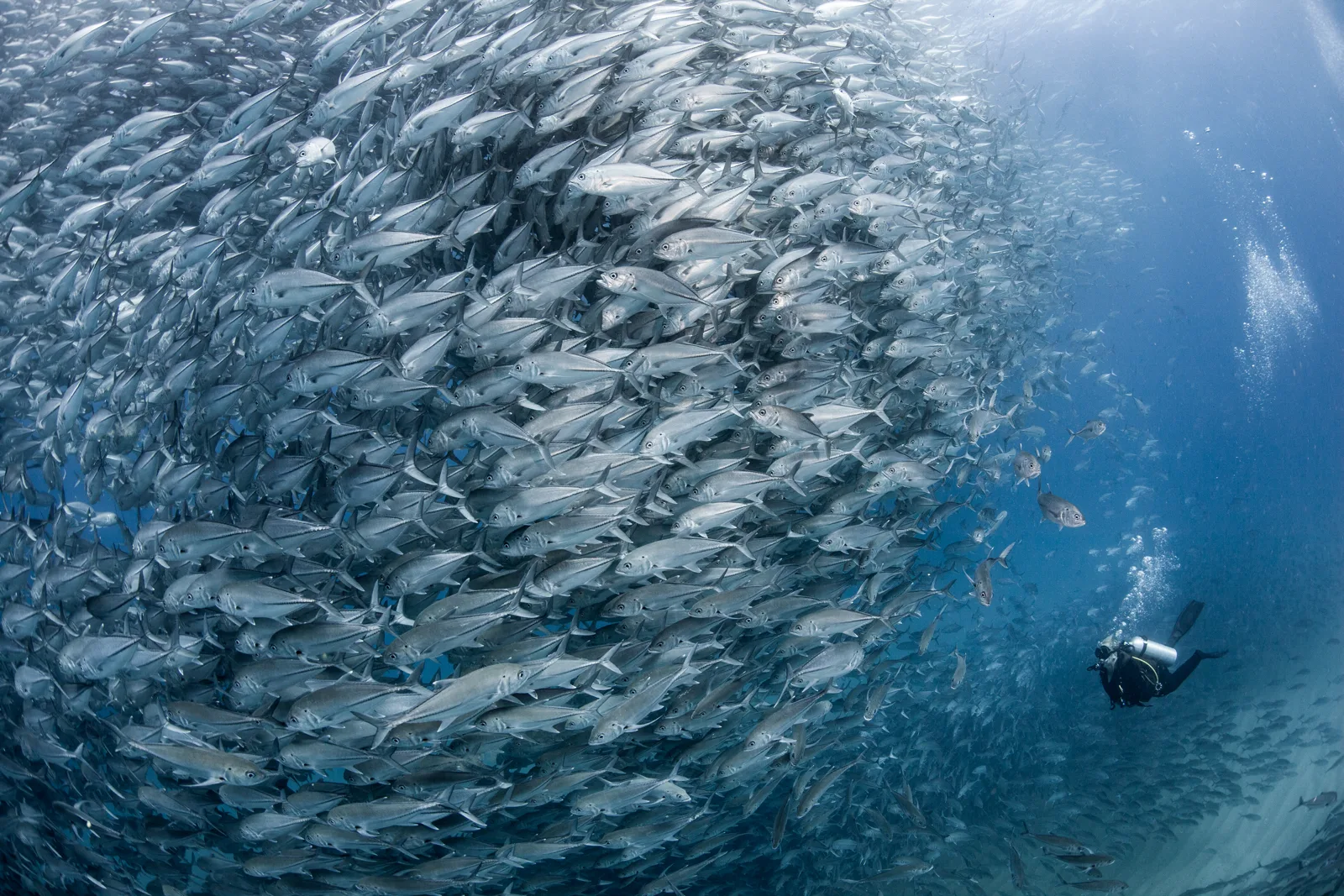
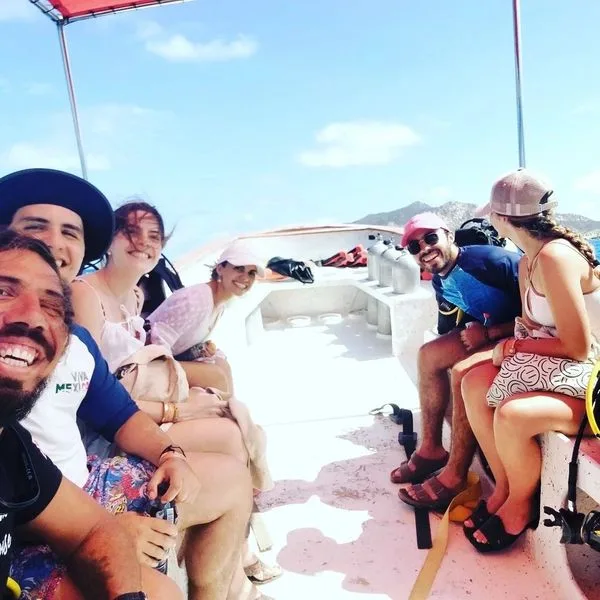
A coral reef, a wreck and large schools of fish are the substance of diving at Cabo Pulmo, a small village on the East Cape of Baja California Sur. From the beach, small pangas reach sites inside a strongly protected national park, where California sea lions share the water with snappers, bigeye jacks and occasional larger visitors. It is a land-based trip rather than a liveaboard, with rural surroundings, short boat rides and enough wildlife above water to make a non-diving day worthwhile.
The diving combines coral reef with deeper or more current-affected ground, rather than a single uniform style of site. Los Morros is associated with bigeye jacks and other pelagic schooling fish, but can bring stronger current and reduced visibility, so it should not be treated as an automatic easy dive. El Vencedor is the recognised wreck, with bull sharks sometimes reported in the surrounding water, though the animals are seasonal and never guaranteed. Most outings leave from the beach in small pangas, with short runs to the sites and groups managed within park rules. Conditions can change with wind, swell, current, runoff after rain and plankton, making the day’s plan flexible. Some shallow reefs suit straightforward recreational diving, while deeper or more exposed sections reward better control and experience.
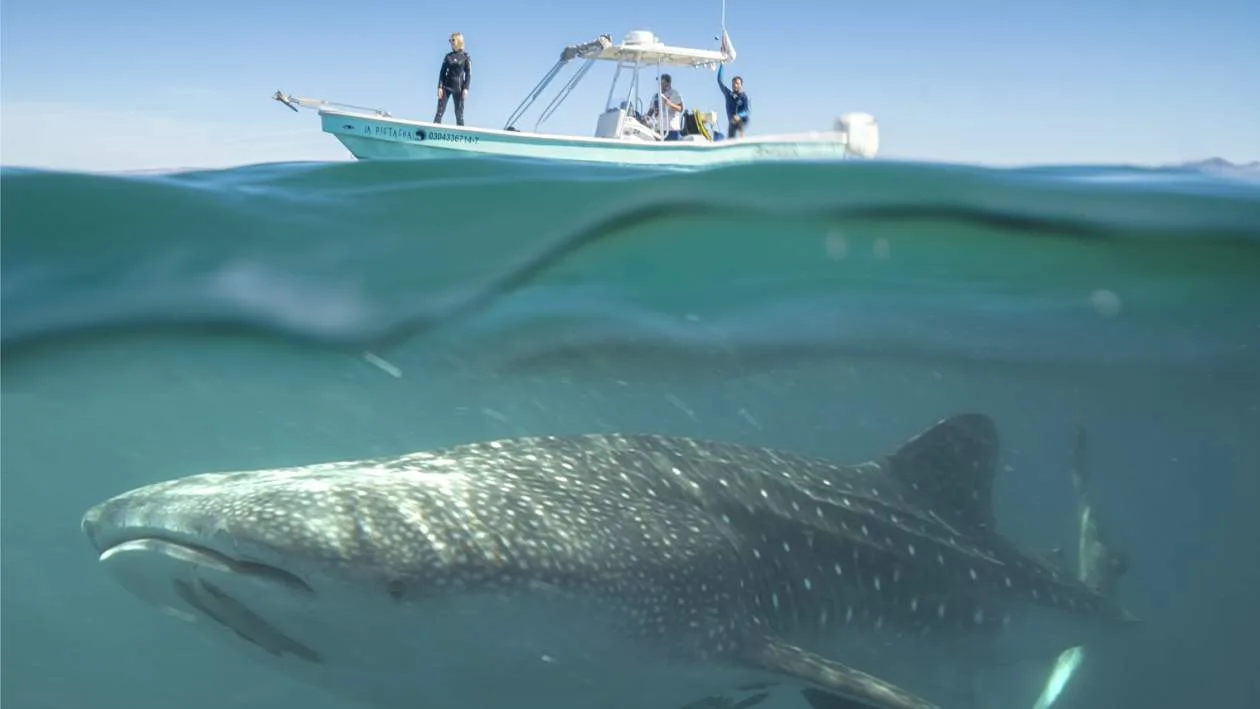
California sea lions can be encountered throughout the year, depending on the site and the day’s conditions. Late summer into December is a useful window for the large gatherings of bigeye jacks and other schooling pelagics, particularly around Los Morros. Bull sharks are an autumn-to-winter possibility, notably around El Vencedor, but a wreck dive is not a promise of sharks. Whale sharks are reported from October to April, while manta rays and pelagic rays appear irregularly, with sightings noted in several different parts of the year. Whales may pass between January and April. The reliable pleasure here is the sheer biomass of schooling fish, with larger animals adding seasonal interest rather than forming the entire basis of the trip.
September to December is generally the most attractive period, as the water is warmer and visibility often improves from late summer into autumn and early winter. It also overlaps with the strongest period for bigeye jack gatherings and the beginning of the seasonal bull shark window. That does not make the rest of the year a write-off. Wind, swell, current, runoff after rain and plankton can alter visibility and the programme in any month, while whales, whale sharks and rays follow their own less predictable patterns. Allowing several diving days gives the weather more room to settle the itinerary.
Cabo Pulmo suits Open Water divers on the more sheltered reefs, provided they are comfortable with small-boat diving and changing conditions. Los Morros and other deeper or more current-affected sections deserve more experience, solid buoyancy and sensible judgement. Advanced Open Water is useful for the deeper sites and stronger current, whether the diver comes through PADI, SSI or BSAC training. The destination is not difficult by definition, but its easy access from the beach should not be mistaken for uniformly easy diving.
From London Heathrow, London Gatwick or Manchester, the journey involves flying via a major hub such as Mexico City, the United States or another connecting city, then continuing overland because Cabo Pulmo has no commercial airport or ferry service. From the Los Cabos area, allow roughly one and a half to three hours by road, depending on the starting point and route. Most of the drive is paved, but the final stretch is an unsealed, sometimes slow and uneven track. A hire car or pre-arranged transfer is needed for the arrival and departure. Once in the compact village, some accommodation, the beach and dive facilities can be reached on foot, while outlying lodging may require a vehicle or local transfer.
Book the park diving ahead during busy periods, because authorised operators work within limits on group size, boats and site access. Keep spare days in the plan: wind, swell or current can move a departure, and the last dirt-road section can become slower or more difficult after heavy rain during the rainy season. Do not build the whole trip around bull sharks at El Vencedor, since sightings are seasonal and not guaranteed. Treat Los Morros as a site that may demand more experience, not simply another short boat ride. Ask for a programme that avoids sitting behind other boats at the sites, and take basic personal spares and sun protection because village supplies are limited. Keep the final day free of diving before the long journey out, rather than trying to connect a last immersion with the flight home.
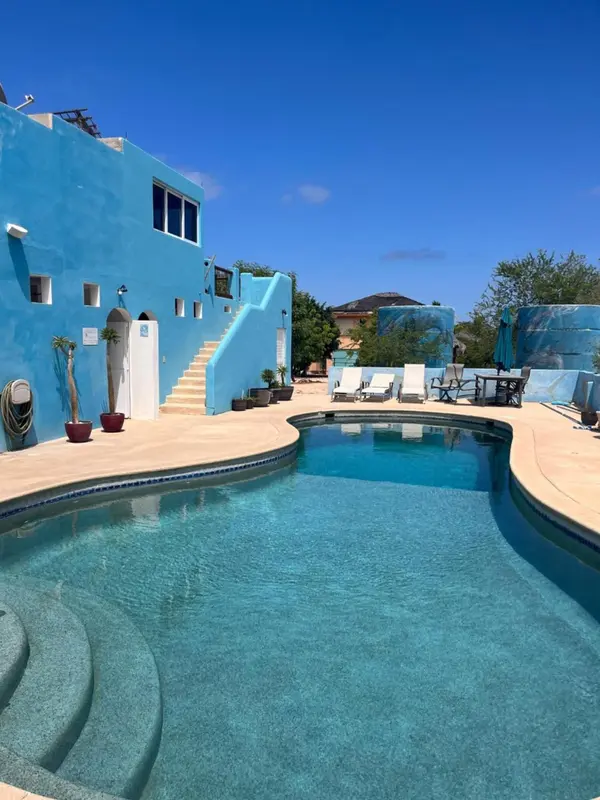
Cabo Pulmo works best as a four- to seven-day land-based stay, leaving several days for diving and a weather margin. The village is compact, so staying near the centre can make beach and dive departures walkable. Outside the water, expect beaches, kayaking, hiking, wildlife watching and guided snorkelling rather than a large resort scene. A non-diving day can be spent resting in the village or exploring the East Cape before the road journey back.
Hello, I'm Marina, DivingDeal.com's AI assistant. I guide you through destinations, areas and countries.
Thinking about the whole trip and the flights? Talk it over with Edith →
Marina is an AI. Some links are affiliate links: DivingDeal may earn a commission, at no extra cost to you. Bookings are made with the partner.
Choose September through December if you want warmer water, often improving visibility, bigeye jack gatherings and the beginning of the seasonal bull shark window. Other months remain possible, but wind, swell, current, rain runoff and plankton can alter conditions. Allow several diving days so weather has room to change the programme.
Cabo Pulmo suits Open Water divers on sheltered reefs who are comfortable with small boats and changing conditions. Deeper or more current-affected sites, including Los Morros, call for more experience, strong buoyancy and sound judgement. Advanced Open Water training is useful there, and easy beach access does not mean every dive is easy.
You can expect protected coral reef, the El Vencedor wreck, California sea lions and large schools of bigeye jacks, especially around Los Morros. Seasonal possibilities include bull sharks near the wreck, whale sharks, manta and pelagic rays, and passing whales. Schooling fish provide the dependable focus, while larger animals vary by season.
Plan Cabo Pulmo as a land-based stay with short panga trips launched from the beach. Book authorised park diving ahead in busy periods and keep spare days for weather changes. Arrange a hire car or transfer for the unsealed final road, stay near the compact village if convenient, and keep the departure day free of diving.