Liveaboards · Mexico
Rocio del Mar — a working dive boat with a crew-led character
What makes this boat unique
- Built in 2008 and renovated in 2025, Rocio del Mar carries up to 20 divers in 10 air-conditioned staterooms.
- Three itineraries run through the year, including 8-day/7-night Midriff Islands trips and 13-day/12-night Explore Baja expeditions.
- The dive operation includes nitrox, DIN adapters, a shaded dive area, separate camera rinsing and two Yamaha-powered tenders.
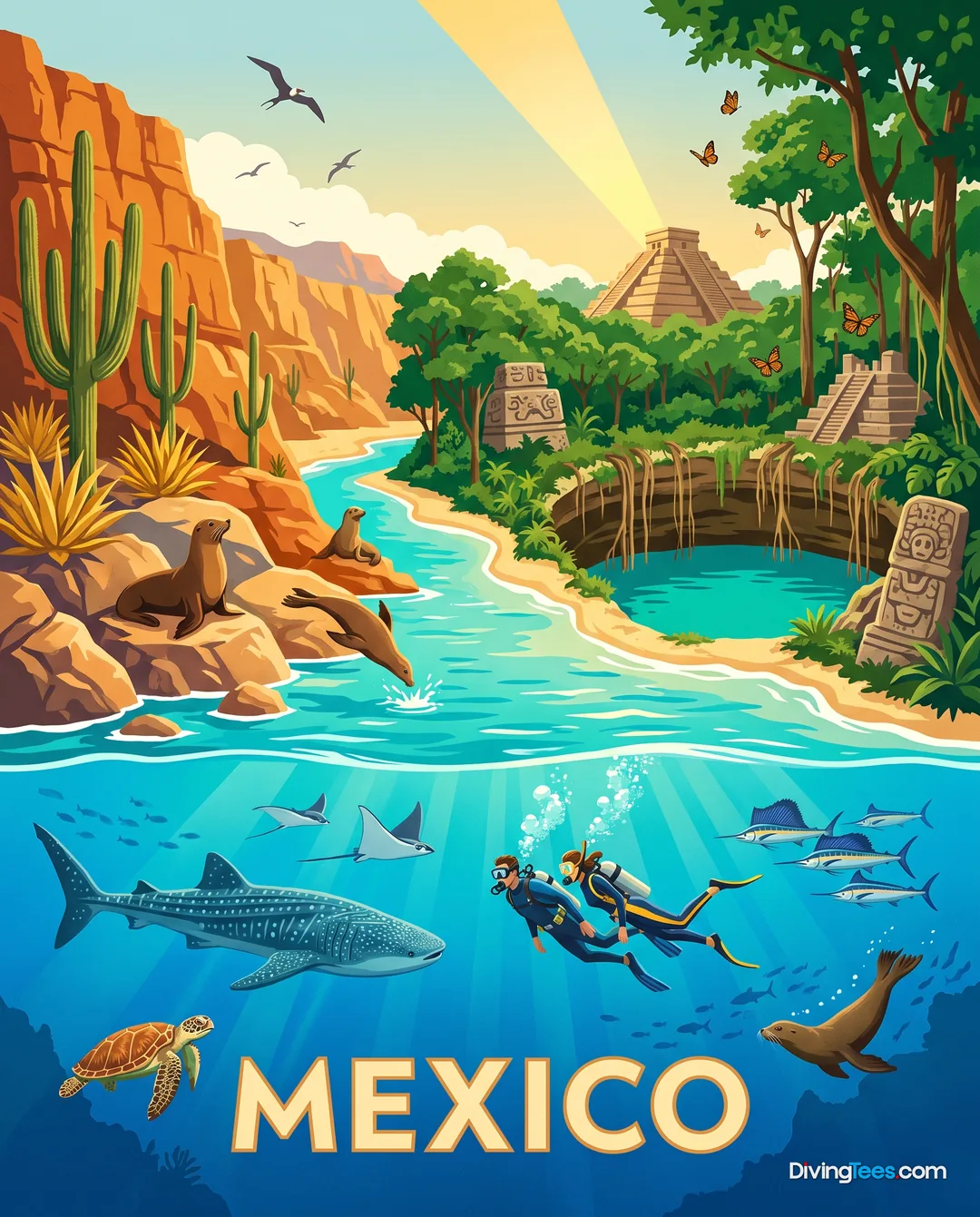
- California sea lions, turtles, groupers, rays, morays and octopuses are common subjects across the Sea of Cortez routes.
For subtitles in English: start the video firstthen click the gearat the top right of the video, select “Subtitles/CC”, then “Auto-translate” and choose “English”.
The invitation
Rocio del Mar suits divers who choose a liveaboard for the water first and value a crew with a long memory of these coasts. The boat combines a practical dive platform with a large salon, shaded outdoor space and enough room for 20 divers without turning the trip into a floating resort. Its strongest points are clear in the scores: diving, food and crew all rank higher than the hull itself. That is a fair description of an older working vessel brought up to date by a 2025 renovation, then carried by people who know how to make a dive trip run properly. Step aboard for California sea lions, remote Sea of Cortez sites and a crew that treats the return from each dive as part of the job.
Boarding
Rocio del Mar makes the impression of a boat built to work rather than pose. The wheelhouse and much of the visible woodwork were made by Julio, who joined while the vessel was being built and has since moved through panga driving, site finding and other deck roles to become a captain. That history gives the boat more character than a recently launched vessel with anonymous finishes. The 2025 renovation matters because it refreshes an established platform without erasing its working-boat identity. Inside, movement leads from the dive area to the air-conditioned salon and out toward the shaded sundeck. Two tenders handle the water work, keeping the main boat from becoming the only place to enter or leave the dive.
The atmosphere on board
The atmosphere is shaped less by décor than by people who have stayed with the boat for years. Julio was there while Rocio del Mar was being built; Nestor takes particular pleasure in welcoming divers back after a dive; and Axel, the divemaster known as the Man of the Sea, joined during the winter of 2013–2014 because he enjoys showing the underwater world to divers at every level. That continuity shows in the small moments: a loud welcome on the tender return, someone ready to help with the next cylinder, and crew who know the coast as more than a series of names on a route sheet. English and Spanish are spoken aboard. Evenings can stay quiet in the salon or move outside around the barbecue, with the day's sightings doing most of the talking.
The sites you’ll dive
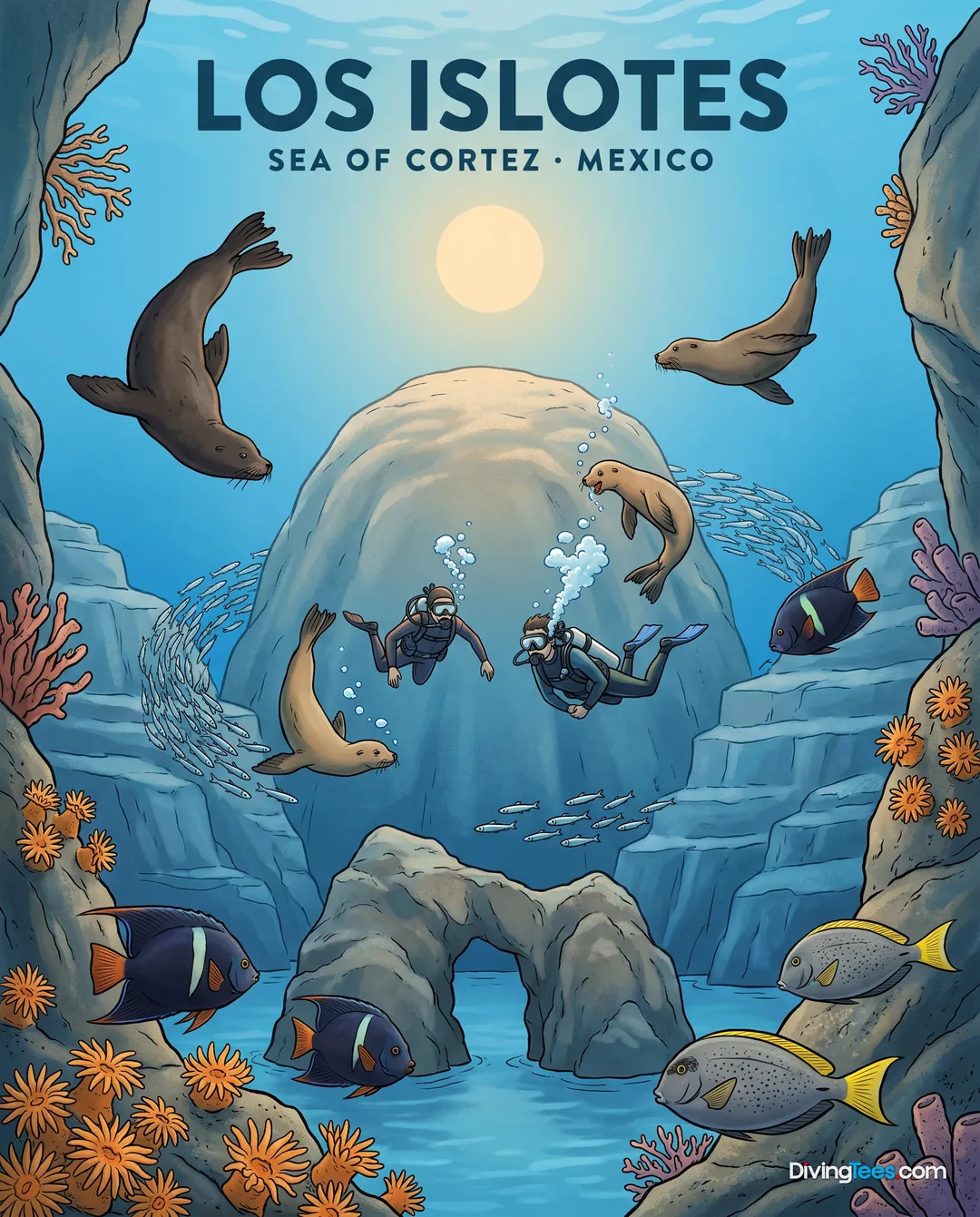
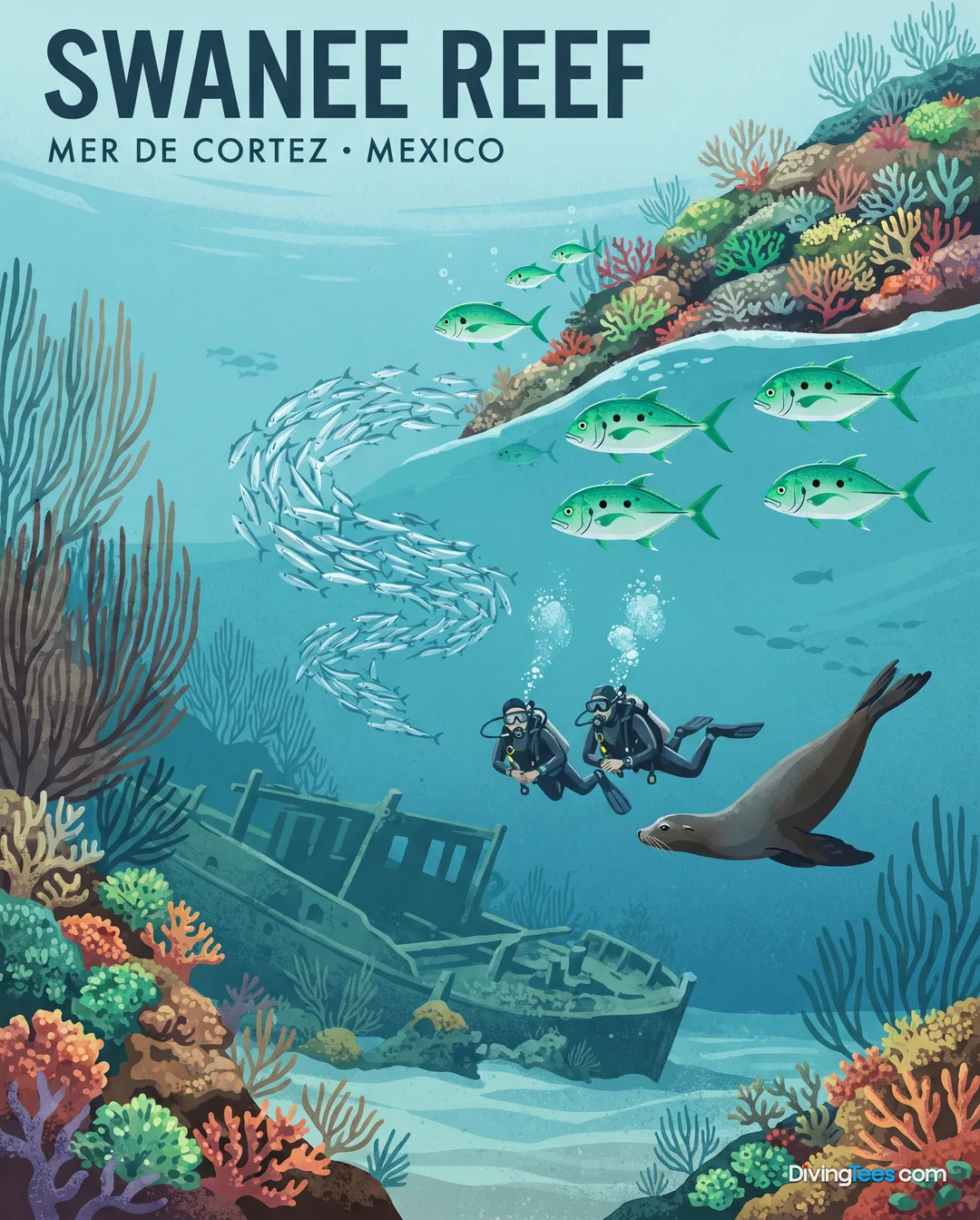
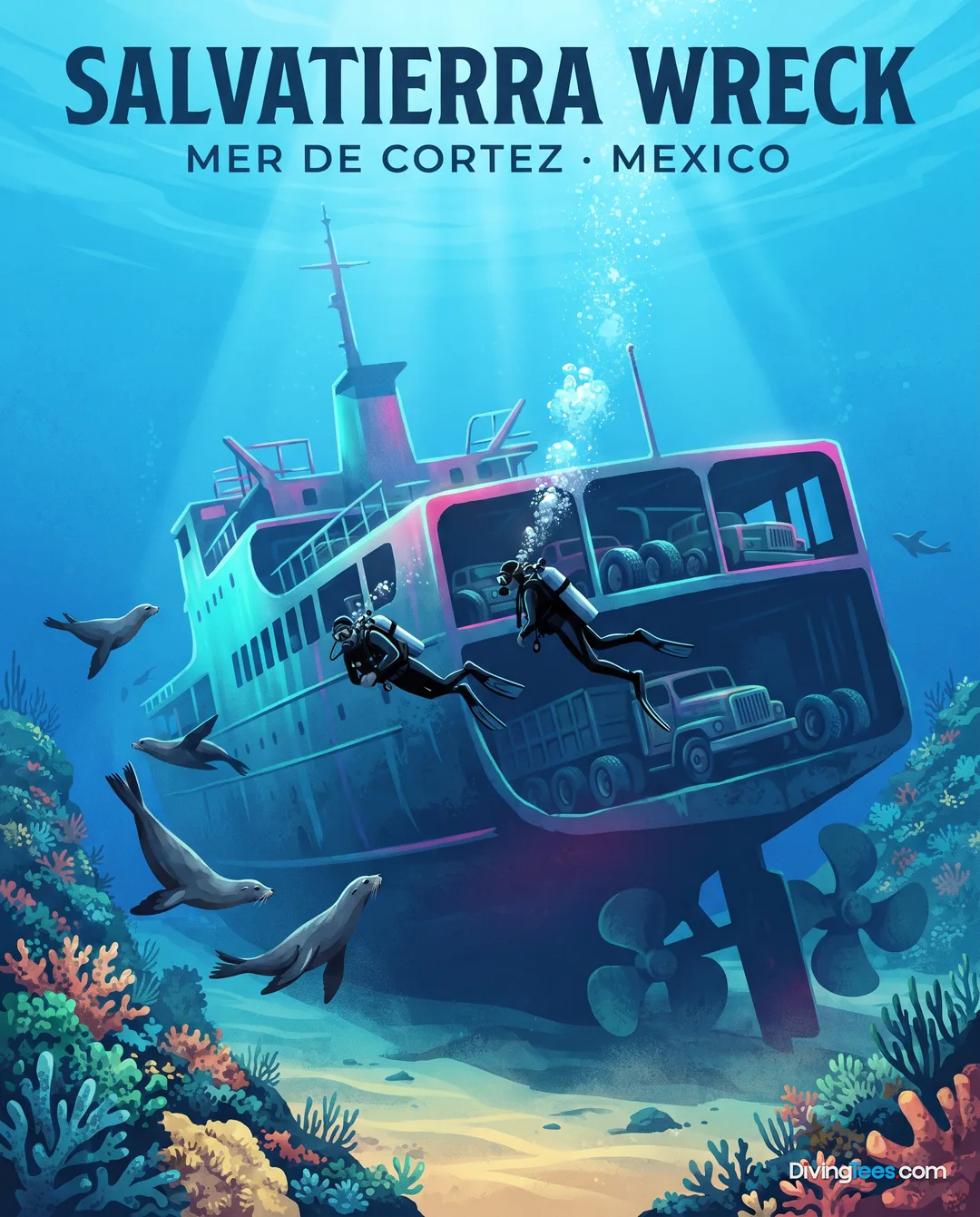
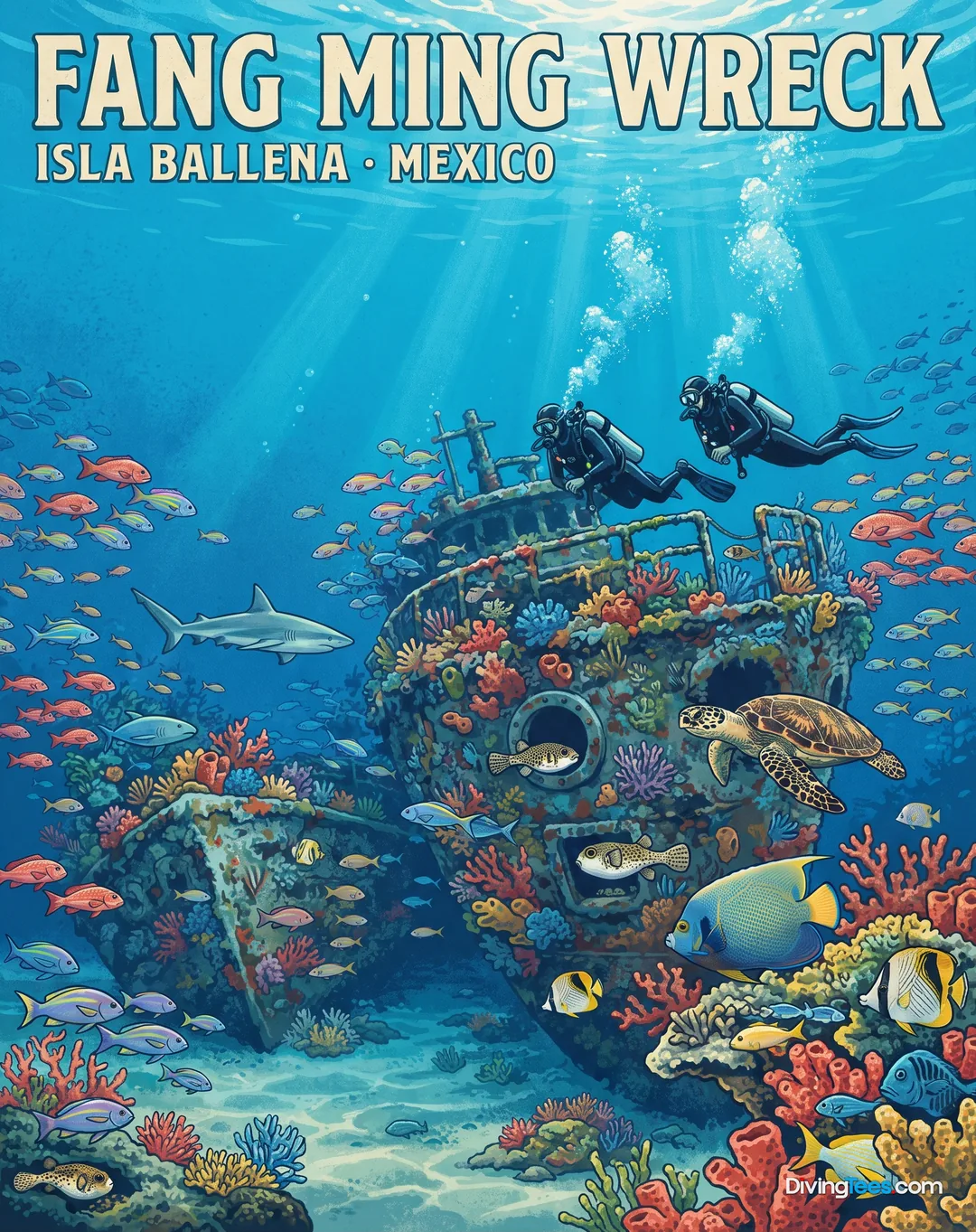
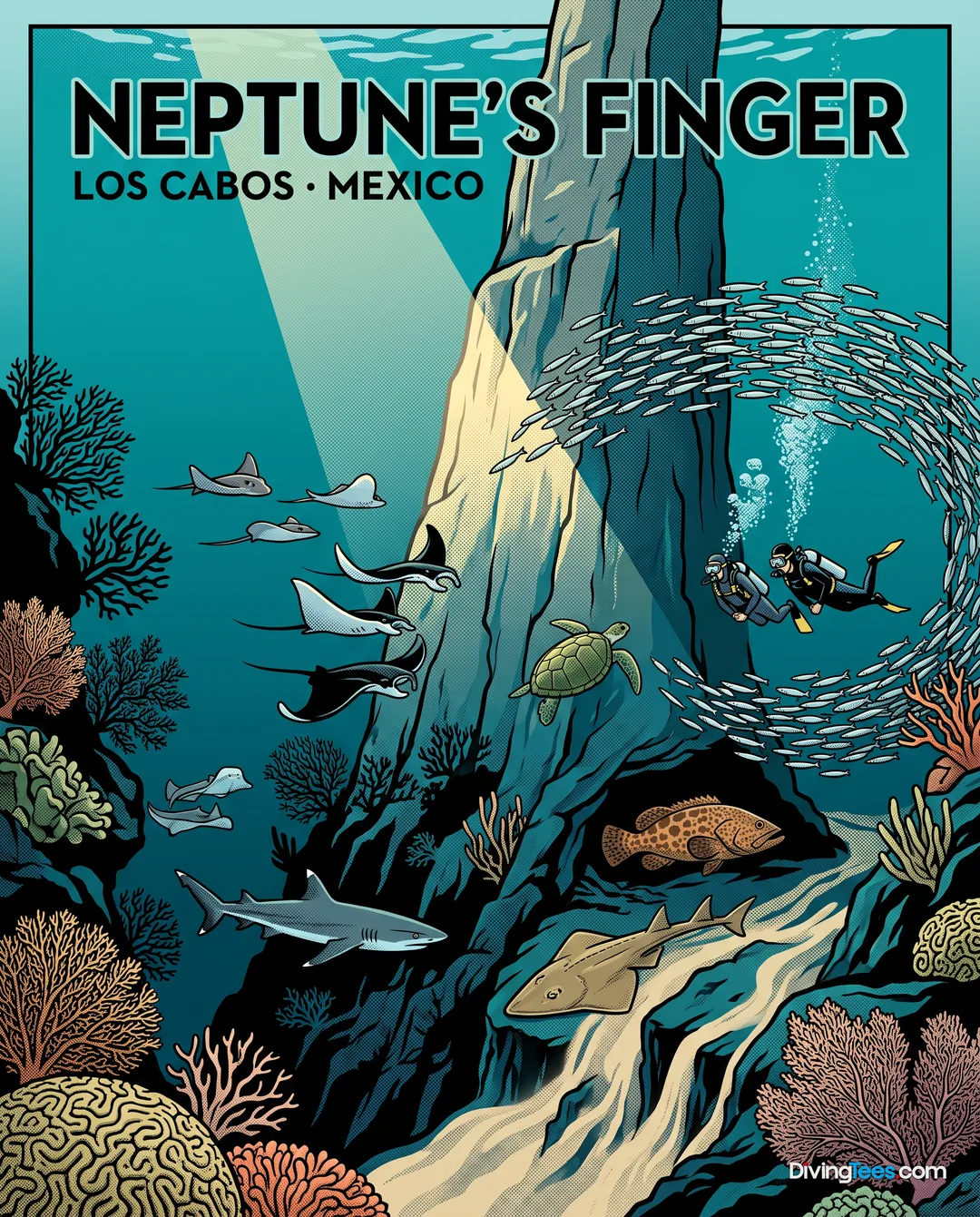
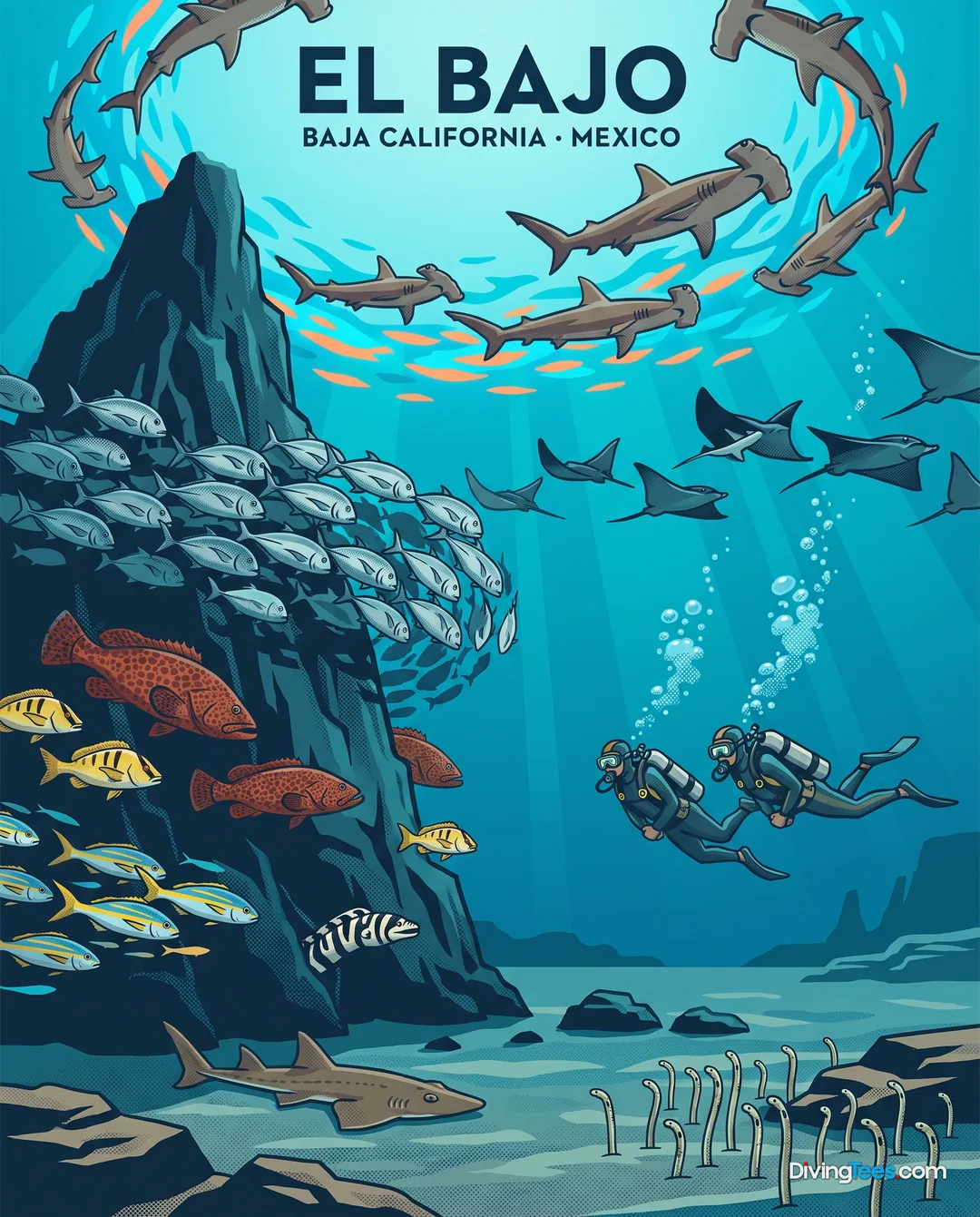
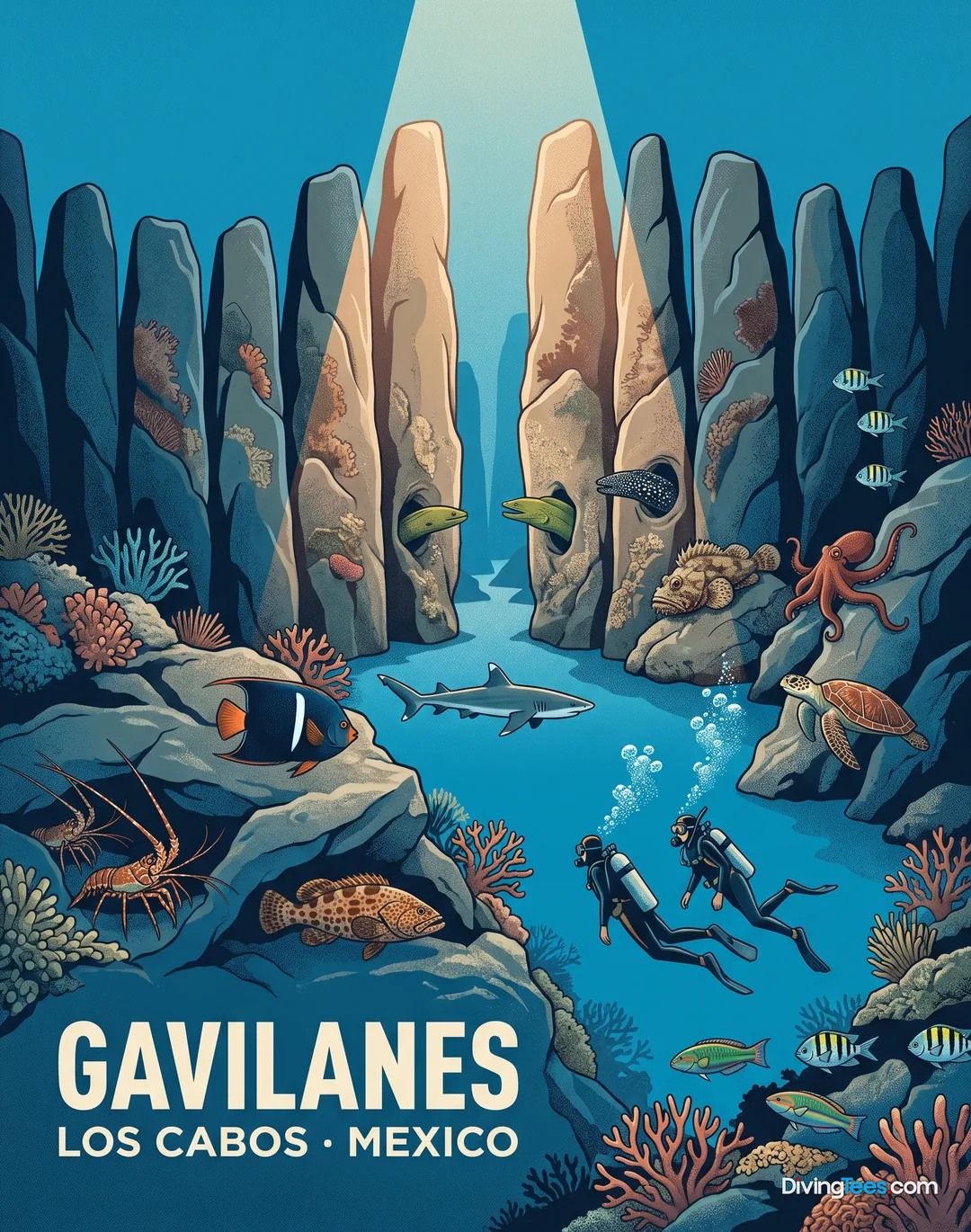
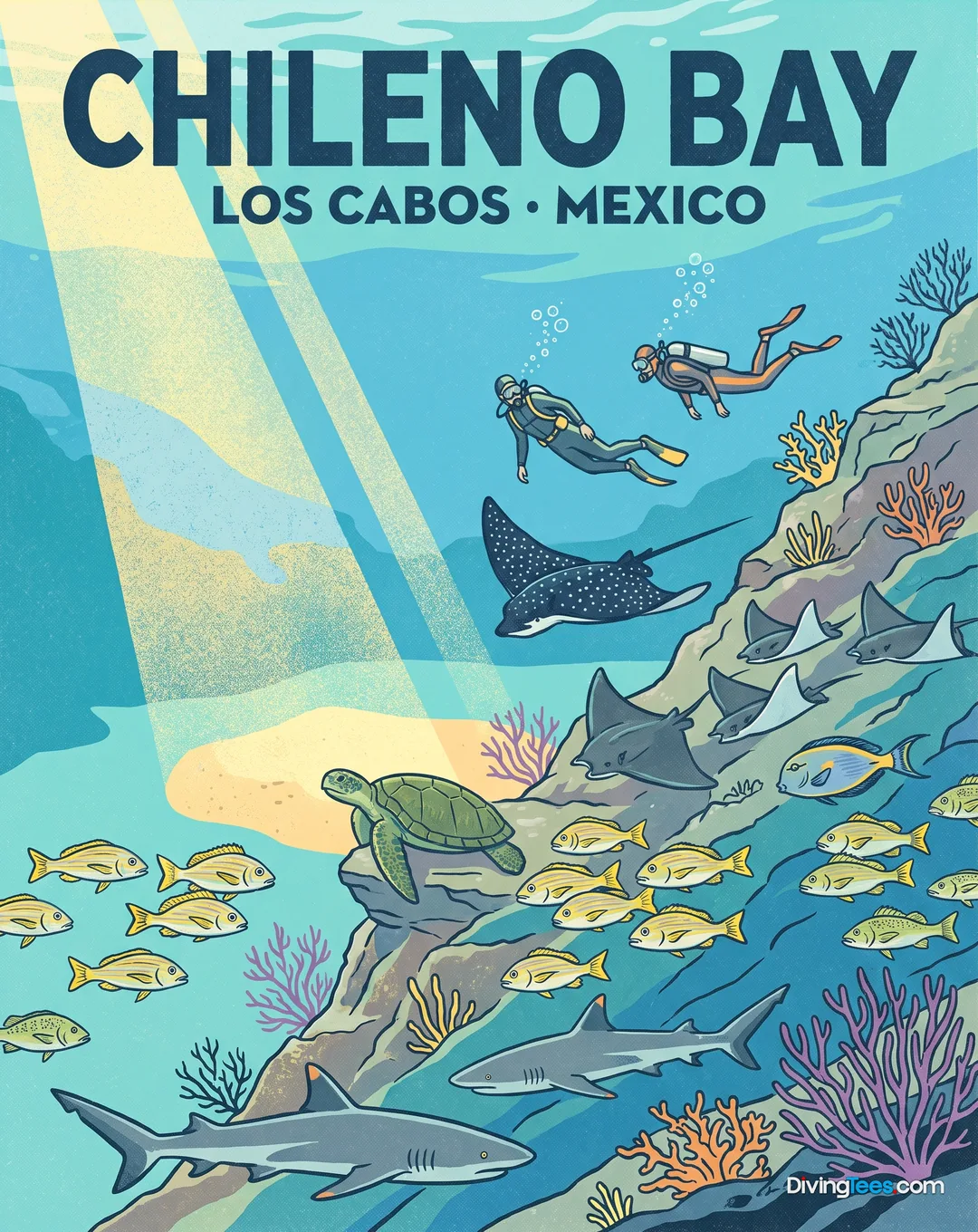
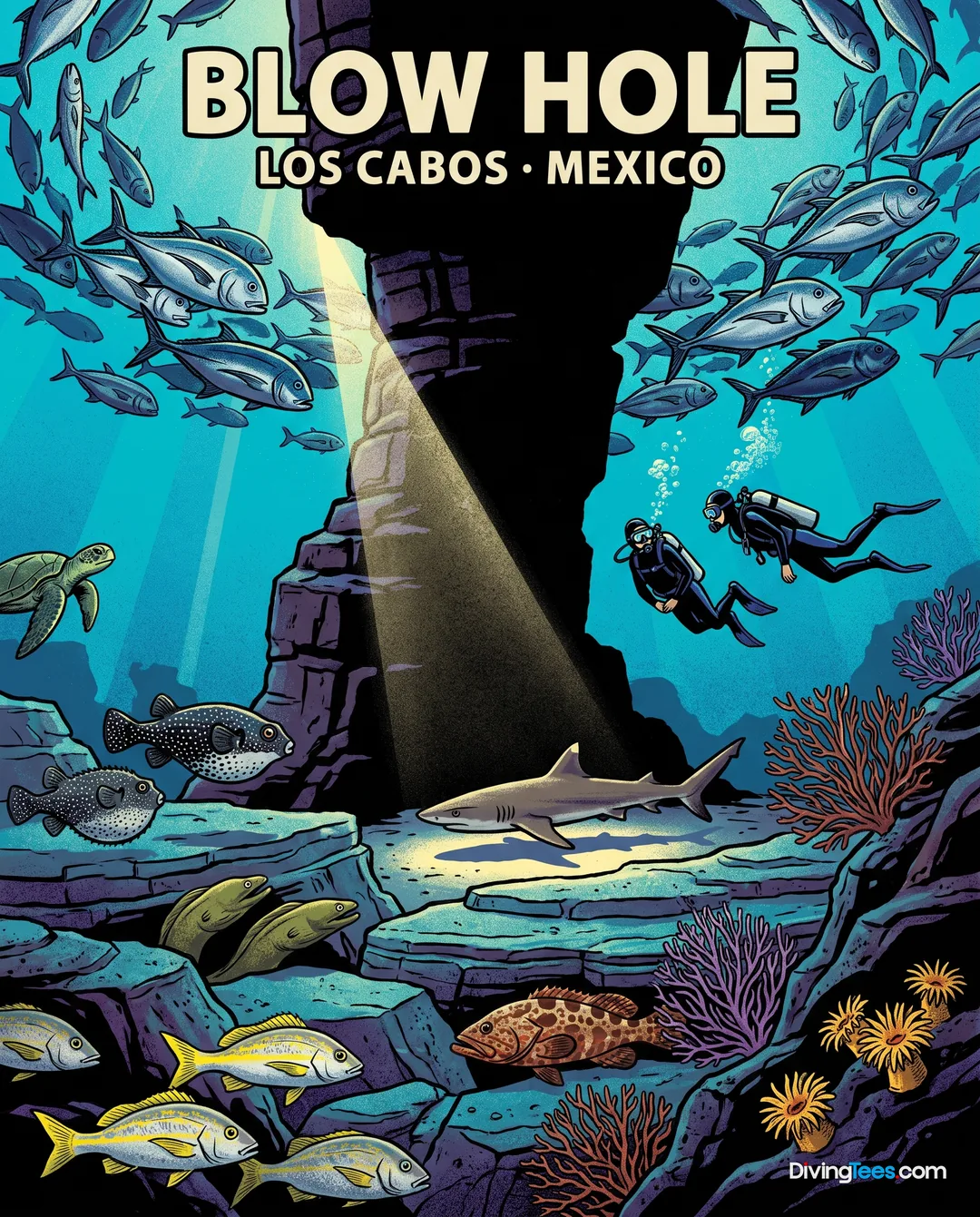
The Sea of Cortez routes range from 8 days and 7 nights around the Midriff Islands to 13 days and 12 nights on Explore Baja, which links Puerto Peñasco and San José del Cabo in either direction. The sites change character quickly. Los Islotes puts divers among California sea lions and schooling fish. Swanee Reef combines a shallow reef with the Salvatierra wreck and reaches 11 metres. The Salvatierra itself reaches 18 metres, with cargo trucks still resting on the seabed, their tyres inflated and surrounded by fish. Fang Ming Wreck reaches 21 metres and includes the deliberately scuttled Fang Ming and Lapas03. Isla Ballena reaches 18 metres and offers caves, a hidden air pocket and sandy garden-eel beds. Punta Lobos reaches 27 metres, moving from a gentle slope to a rocky wall where giant seahorses and octopuses may appear, with seasonal mobula rays passing by. La Reyna reaches 25 metres and brings the possibility of giant Pacific manta rays. Neptune's Finger is the deep end at 40 metres: a pinnacle and wall system with the region's largest sandfall. Shallower options include San Rafaelito at 30 metres, El Bajo at 18 metres, Gavilanes at 18 metres, Chileno Bay at 18 metres and Blow Hole at 35 metres.
What you’ll meet underwater
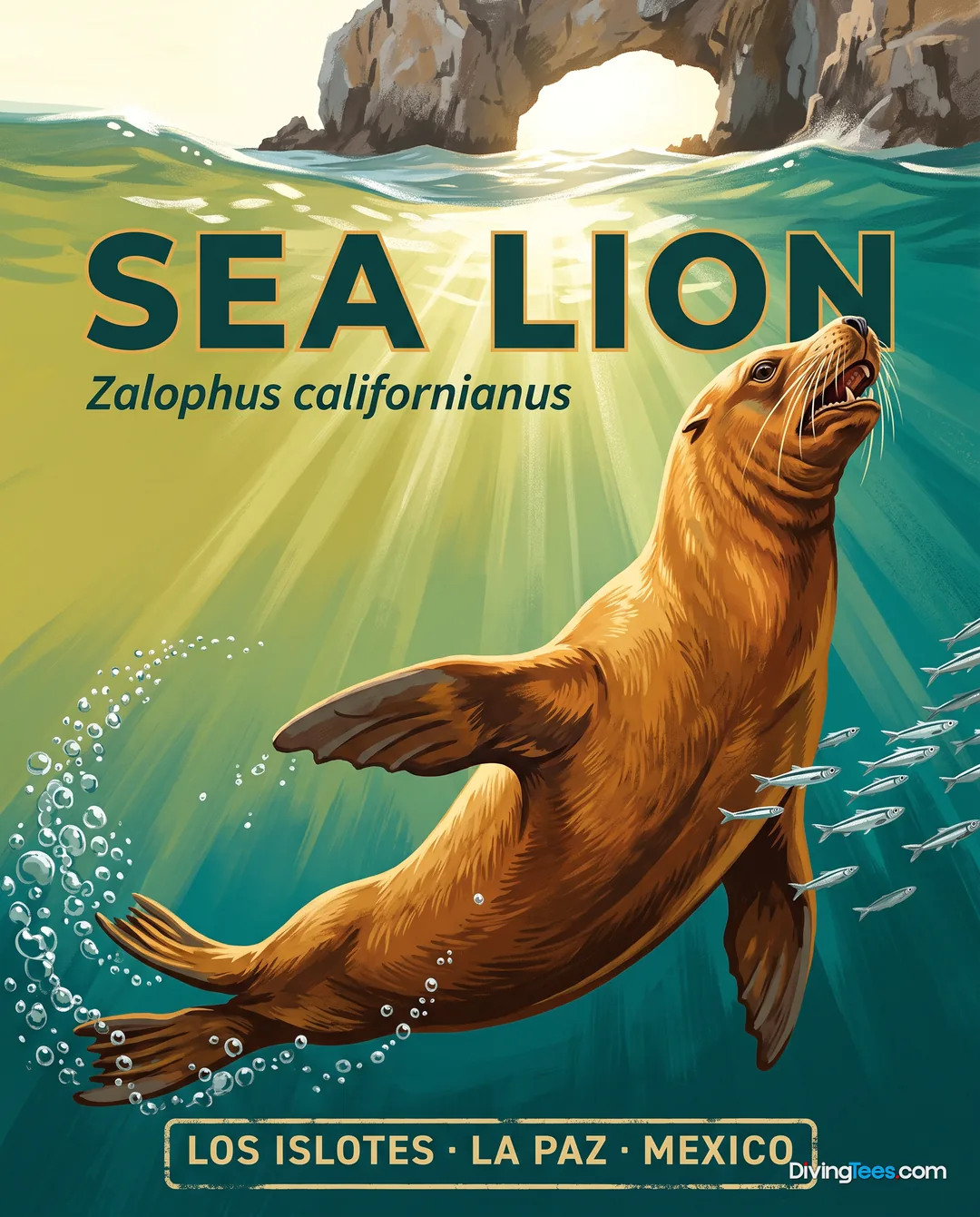
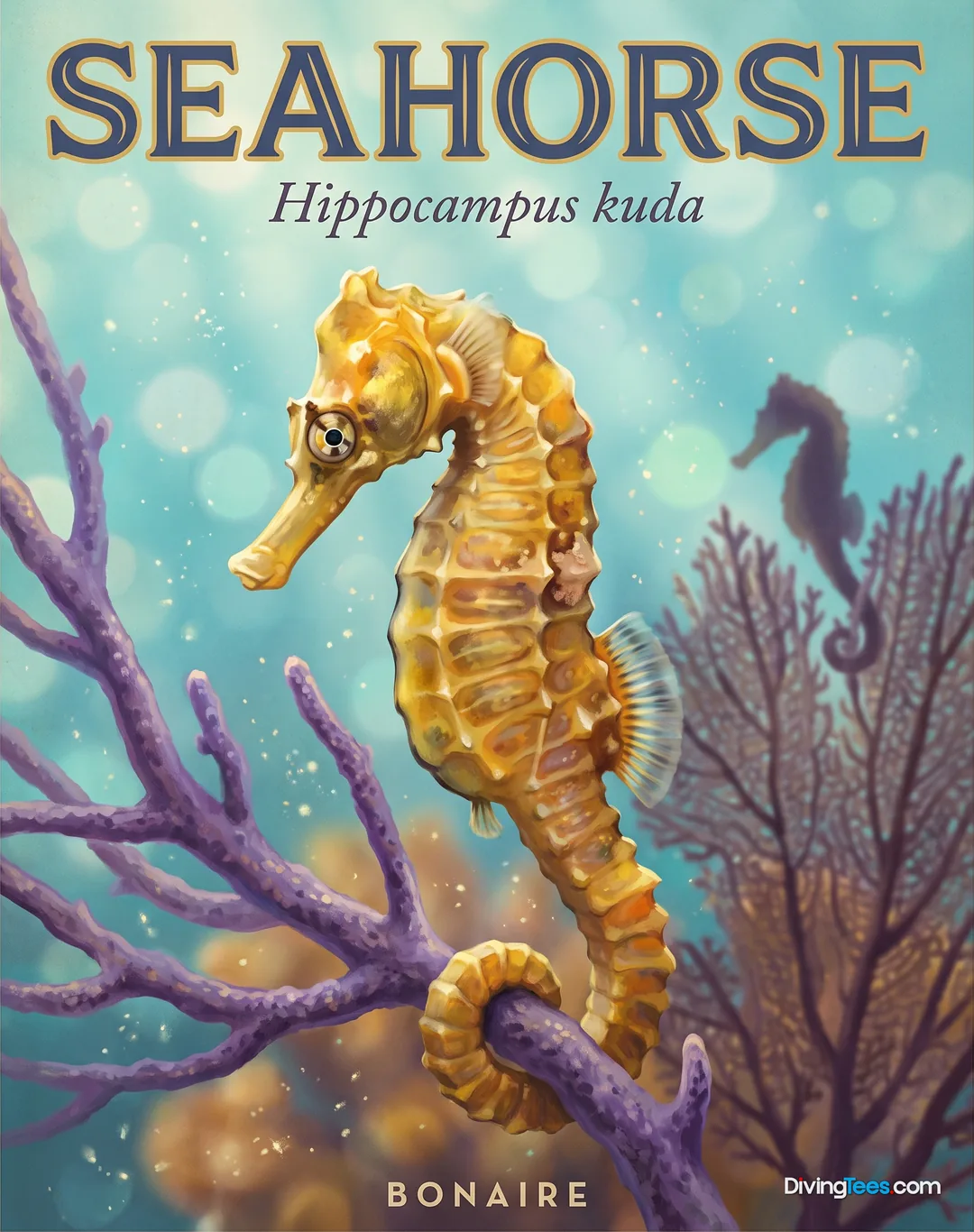
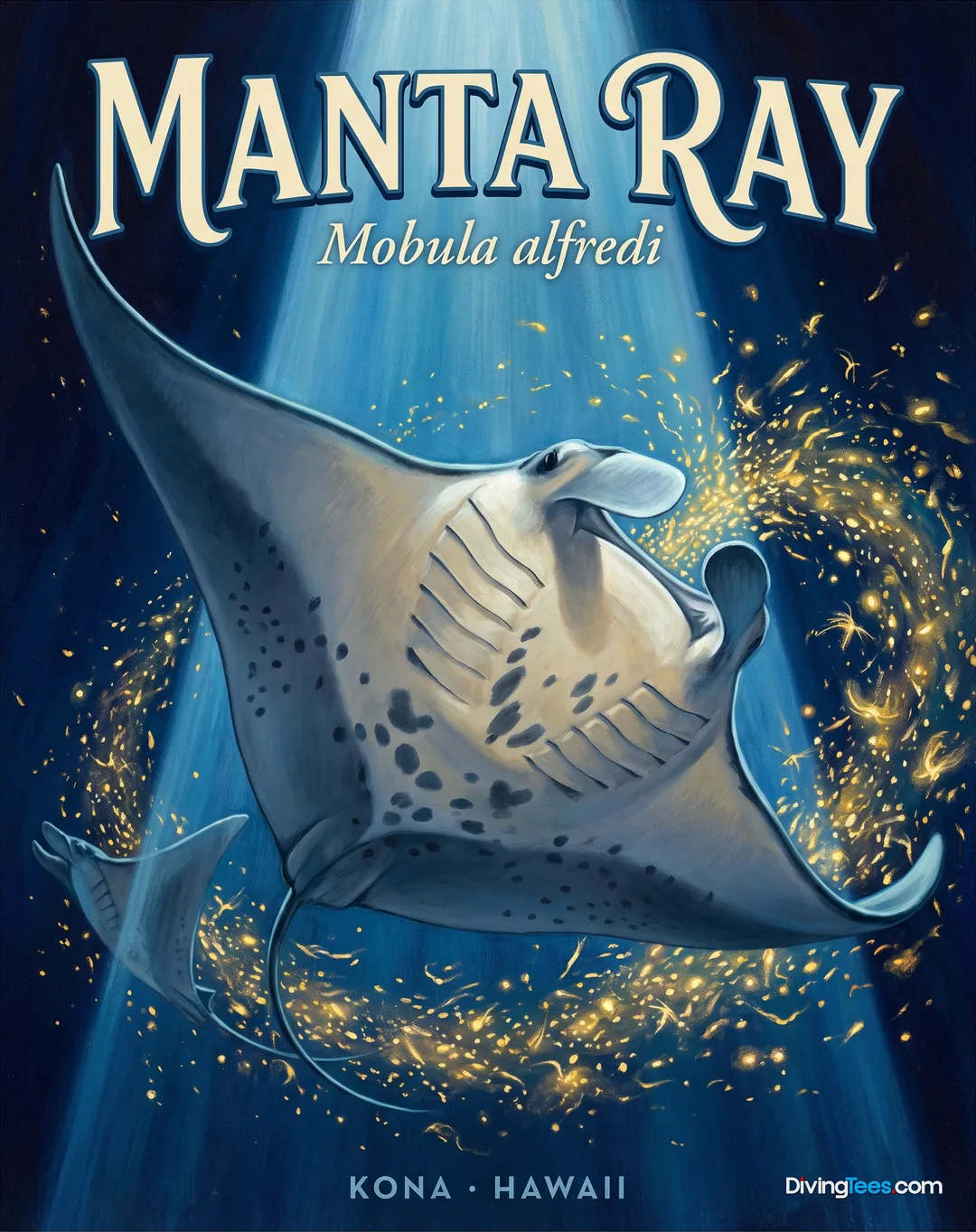
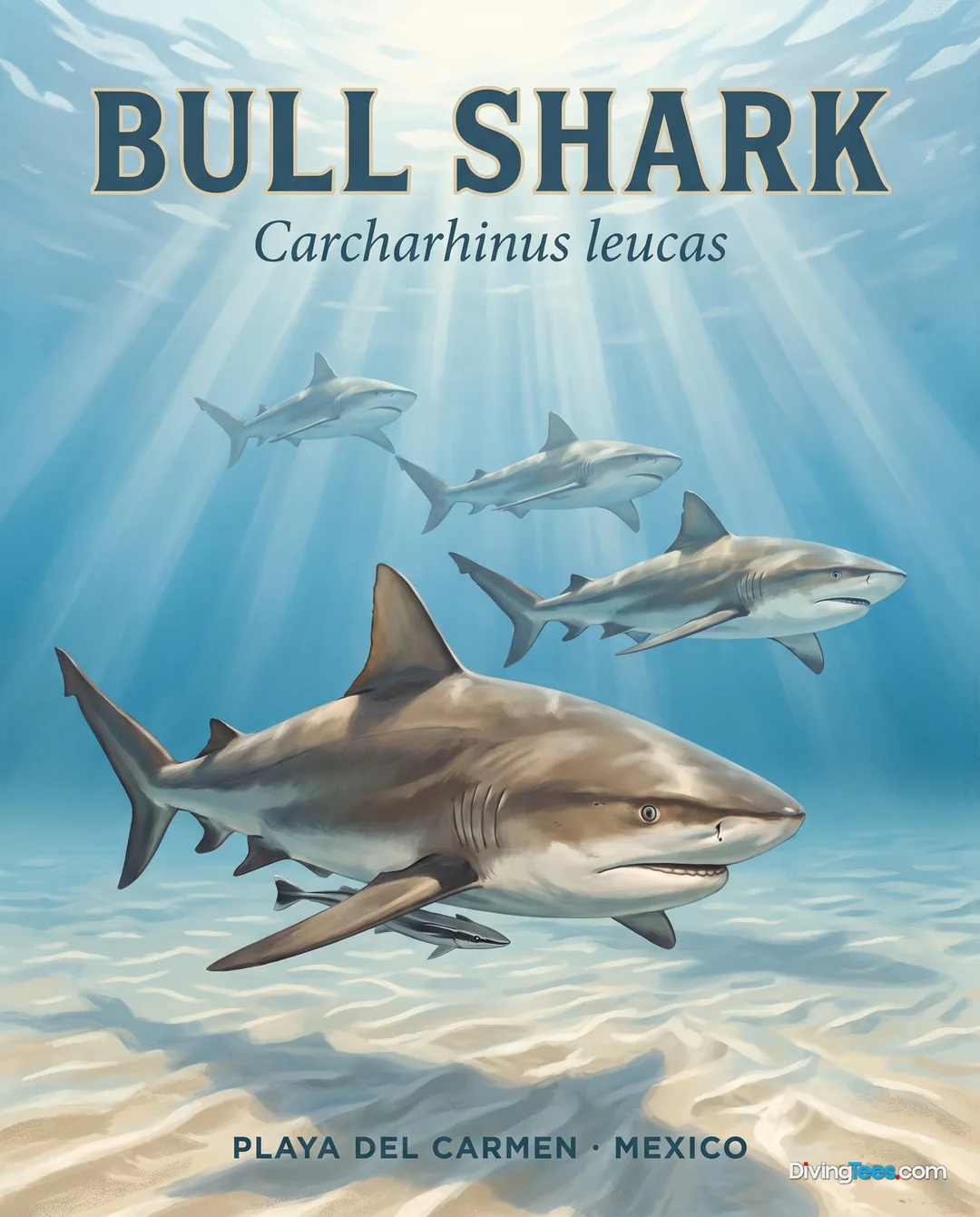
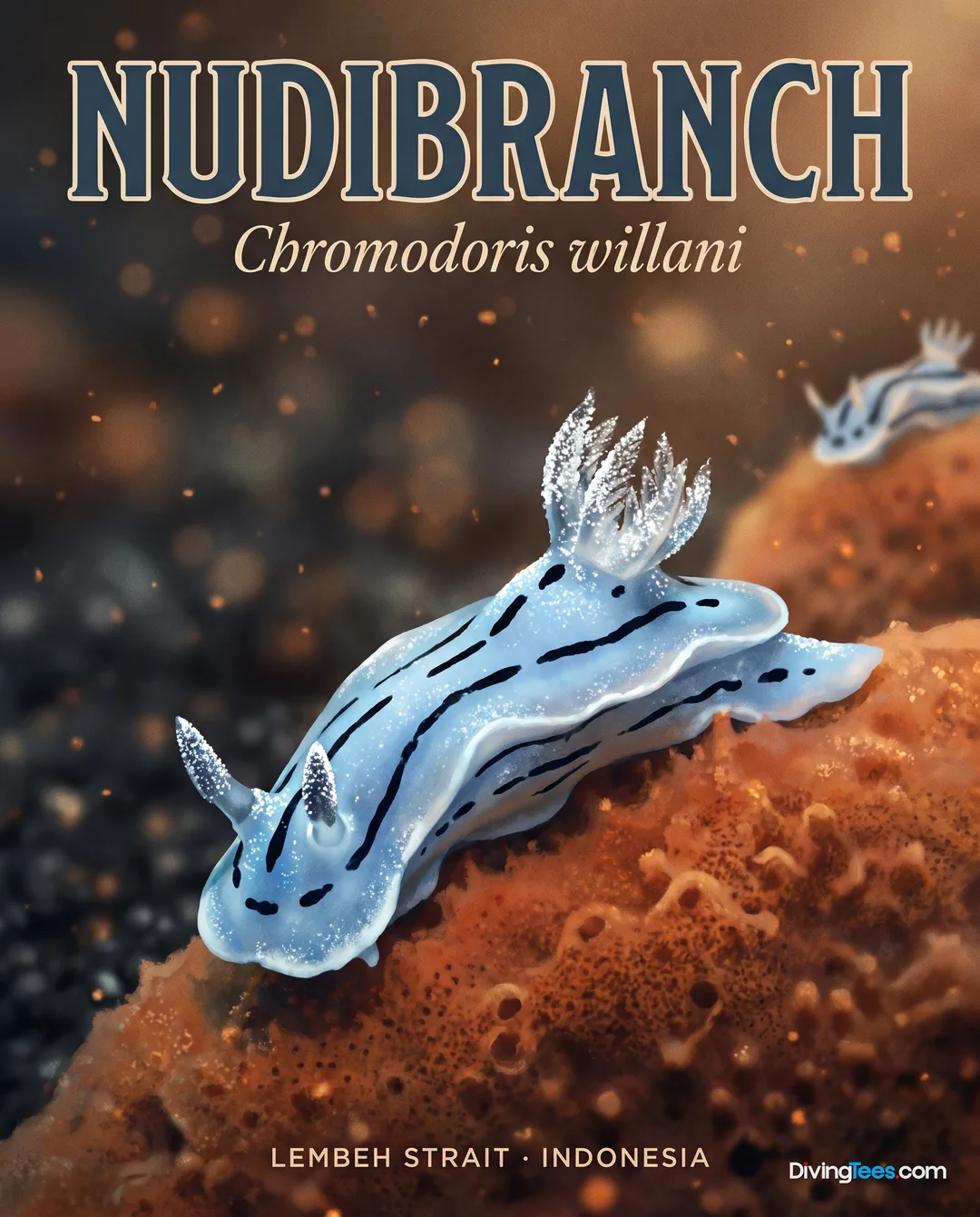
Across the Sea of Cortez routes, turtles, groupers, rays, morays, snappers and octopuses form the familiar cast, with white-tip reef sharks appearing at several sites. The reason to keep looking is how sharply the sightings change from one stop to the next. Los Islotes is about California sea lions moving around divers. Salvatierra Wreck can produce barracuda among the trucks, while Isla Ballena offers dolphins as a site-specific possibility. El Bajo is the place associated here with bull sharks and tuna, as well as schooling fish, turtles and rays. Swanee Reef is the stop for blennies and seahorses. Fang Ming Wreck concentrates both soft and hard corals, nudibranchs, reef sharks and butterflyfish. At La Reyna, giant Pacific manta rays are the encounter that justifies the rocky islet. Punta Lobos may add mobula rays in season, and Neptune's Finger can bring mobulas, cow rays, guitarfish, white-tip reef sharks and sardines along its wall. None of these animals is guaranteed; the sites give divers the right places to look.
Who puts you in the water
English- and Spanish-speaking crew members run the dive operation, with divemasters such as Axel guiding divers across different experience levels. The boat's captains and crew are closely involved in the return from each dive, rather than disappearing once the tenders leave the platform. Safety equipment includes oxygen, first-aid kits, trained first-aid crew, life rafts, life jackets, fire alarms and extinguishers, radar, sonar, GPS and marine radios. A personal guide is available as an optional extra. The operation's character is practical: briefings and group organisation are handled around the conditions and the site, while the tenders bring divers back to the boat after they surface. The available information does not establish a fixed guide ratio, minimum logged-dive count or onboard course programme.
The dive deck and the gear
The dive operation is arranged around a shaded dive area, a fixed platform and two tenders powered by Yamaha 75 hp outboards. Divers can use nitrox, and DIN adapters are available; sidemount diving is supported with a single cylinder. Tanks are handled on the dive deck, with rinse basins for equipment and a separate rinse for cameras. A dedicated photo area and charging stations make the boat workable for photographers, while outdoor showers are available after a dive. Rental equipment can be arranged as an optional extra, as can nitrox. The setup is strongest for divers who want a straightforward tender operation and room to manage cameras without mixing them into the general gear rinse.
Between dives
Between dives, the shaded sundeck is the natural place to sit with wet gear drying nearby and the Sea of Cortez opening around the boat. The air-conditioned salon offers the opposite: cool air, a library, audio and video entertainment, and space away from the glare. Photographers have a dedicated area, a separate camera rinse and charging stations, which keeps a camera-heavy trip from taking over every table. Kayaks are carried for time away from the tanks, and land excursions are included on the listed trips. When the boat is moving between sites, the gap is functional rather than staged: eat, rinse, review photographs, sleep, then get ready again.
A day on board
The day starts with food before the first dive: the continental breakfast is served at 6 am, then a full breakfast follows the opening dive. After that, the pattern is built around getting wet, climbing back aboard, eating and resetting equipment. A homemade soup and plated hot lunch support the middle of the day, while ceviche, fruit, chocolate-dipped strawberries or doughnuts cover the hungry gaps. Dinner arrives as three plated courses. When the boat is underway between sites, the salon, shaded deck and camera area give divers somewhere to sleep, edit photographs or simply get out of the sun. Night dives are included, so the final descent can come after dinner rather than ending the diving day at sunset. Then the process starts again.
What you eat aboard
Food is one of Rocio del Mar's strongest cards. The day begins with a continental breakfast at 6 am, followed by a full breakfast after the first dive. Homemade soup and a plated hot lunch come later, with substantial snacks such as ceviche, chocolate-dipped strawberries and homemade doughnuts filling the spaces between dives. Dinner is a plated three-course meal: salad, main course and dessert. The kitchen team brings experience from Mexican hotels and restaurants, with Italian dishes, desserts, Asian cooking, sushi, prime rib and grilled meats among its strengths. Local and Western cooking sit side by side, with vegetarian and vegan options. On a four-dive day, that matters more than decoration: divers return hungry, and the next meal is already part of the plan.
Nights at sea
The 10 staterooms are air-conditioned and ensuite, with standard windows and sea-view cabins available. They are practical rooms for sleeping between dives, not oversized hotel suites. A large salon gives the group an indoor place to cool down, while the shaded sundeck takes the heat off during the bright hours. The boat also has 12 bathrooms, hot-water showers and outdoor showers, so salt and gear do not have to follow divers everywhere. At night, the useful luxuries are simple: a private bathroom, a cooled cabin and somewhere quiet to put a camera or dry clothes before the next dive. Rocio del Mar is a boat for nights built around rest, not ceremony.
Staterooms
What to know before boarding
Midriff Islands trips depart from and return to Puerto Peñasco. Explore Baja trips run one way between Puerto Peñasco and San José del Cabo, with the direction changing by departure. Transfer arrangements depend on the trip and should be checked when booking. Arriving the night before is the sensible choice for either port.
Deck plan
- Year built
- 2008
- Year renovated
- 2025
- Length
- 34 m
- Beam
- 8 m
- Maximum number of passengers
- 20
- Number of cabins
- 10
- Number of bathrooms
- 12
- Engines
- 2 × Perkins
- Cruising speed
- 10 knots
- Tenders
- 2 × Yamaha 75 hp
- Website
- mexicoliveaboards.com ↗
Hello, I'm Marina, DivingDeal.com's AI assistant. I answer in detail about hotels, dive centres and liveaboards.

Thinking about the whole trip and the flights? Talk it over with Edith →
Marina is an AI. Some links are affiliate links: DivingDeal may earn a commission, at no extra cost to you. Bookings are made with the partner.