
Mares Dive Center
Google 5/5 (263 reviews)
Mexico · Americas
Kelp forests, sea lions, rocky walls and wrecks give Ensenada a cold-water Pacific edge, with Todos Santos reached by boat.
For subtitles in English: start the video firstthen click the gearat the top right of the video, select “Subtitles/CC”, then “Auto-translate” and choose “English”.
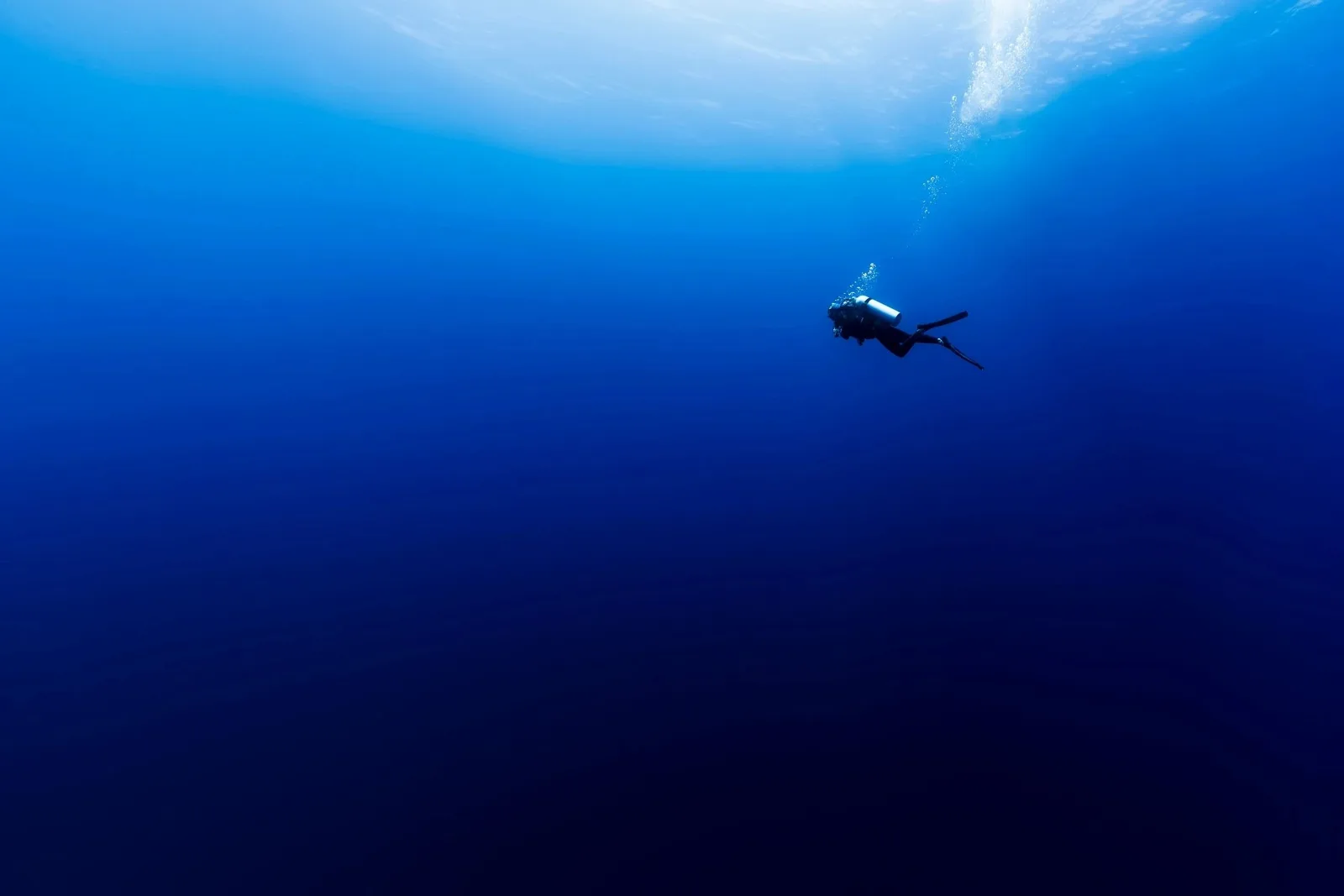
A sea lion slipping through kelp gives Ensenada its character straight away. This is northern Mexican Pacific diving, built around rocky reefs, walls, kelp forests and wrecks rather than warm-water coral. You can make shore dives around Ensenada, then use the town as a base for boat trips to Todos Santos, Punta Banda and La Bufadora. The result suits divers who want variety and wildlife, but are happy to allow the weather to decide which part of the coastline gets dived.
The diving ranges from shore entries and rocky reefs to walls, drift dives, kelp forests and wrecks. Punta Banda and La Bufadora are the places to look when kelp, rock and wildlife matter more than a straightforward town shore dive. Todos Santos is a proper boat outing, with wind, swell and current capable of changing quickly. A downcurrent or drift dive may be part of the plan, so a local briefing matters. Visibility is highly changeable, roughly six to 37 metres depending on the site, season, swell and cold-water upwelling. The islands are more exposed than the coastal sites, and should be treated accordingly. Ask whether the day is centred on a wreck, wall, drift dive or kelp, because each profile brings different demands and a different feel underwater.
Sea lions and seals are the headline encounters, with sightings possible throughout the year and particularly noted in spring. Kelp shelters garibaldi, rockfish and bass, while nudibranchs, lobsters, moray eels, anemones and starfish reward a slower look along the rocks. These are nutrient-rich habitats, so the water can feel busy with life even when visibility is modest. Mobula rays are an occasional possibility from mid-April to July and again from November to January, but they are not a reliable reason to book a particular week. The more dependable pattern is the resident mix of kelp, rocky reef fish and invertebrates, with larger movement around the islands and exposed coastline.
July through October is the sensible window, when the water is generally more manageable and visibility tends to improve. Summer and early autumn are also when boat plans around Todos Santos are least vulnerable to the colder, more exposed winter pattern. November to March brings colder water and more difficult conditions, although experienced divers may still find worthwhile days. Spring can be quieter and brings particularly noted sea lion and seal sightings, but it is not a substitute for the more settled summer period. Mobula rays have additional seasonal windows in late spring and early winter, though their appearance remains occasional.
Ensenada can work for beginners on suitable, guided coastal dives, especially where conditions are sheltered and the entry is straightforward. The islands, however, are a different proposition, with swell, changing currents and boat procedures demanding sound skills. Advanced Open Water is useful for deeper dives and wrecks, while any diver considering Vicente Guerrero or Uribe 121 should match certification and recent experience to the actual site. Comfortable cold-water diving, buoyancy in kelp and a calm response to a downcurrent are more relevant here than a particular agency label, whether BSAC, PADI or SSI.
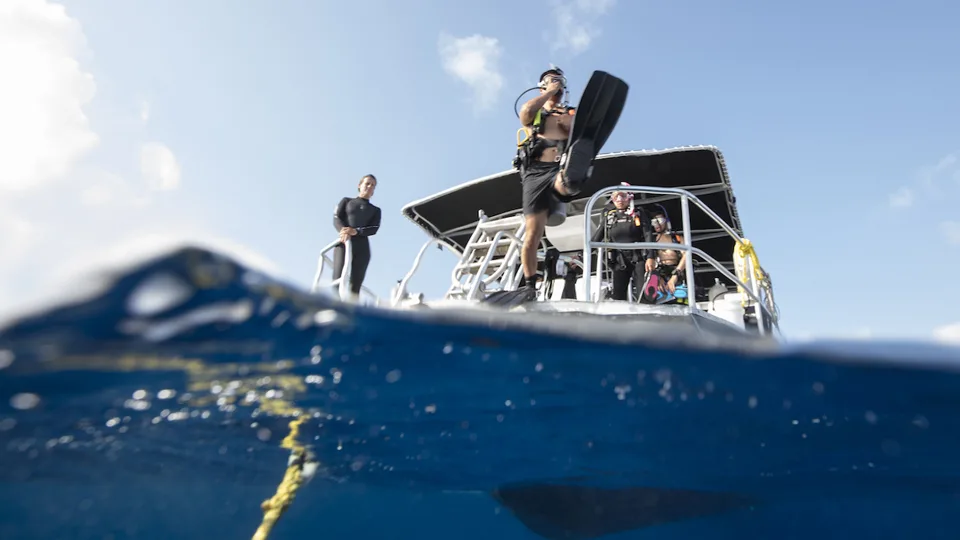
From London or Manchester, Ensenada is reached by arranging onward road travel rather than treating the destination as a walk-in dive resort. Land access is mainly by road from Tijuana or San Diego, then local operators organise shore departures and boat trips. Todos Santos is accessible only by boat, departing from Ensenada or La Bufadora, so the final connection depends on the planned site. Centres may arrange collection in Ensenada, Tijuana or Rosarito, but this must be agreed with the operator and accommodation. La Bufadora requires road transport to the launch point. Leave room between travel connections and boat days, since a change in sea conditions can move the departure.
Build in a spare day for the islands. Todos Santos is not a quick coastal hop, and making it your only planned diving day leaves the trip exposed to a weather or sea-state cancellation. The first boat departure is usually the practical choice when trying to avoid later surface deterioration, although it cannot guarantee a calm run. Compare whether the boat leaves from Ensenada or La Bufadora, as the two launch points create different road and sea logistics. Bring a cold-water suit selected with the local operator for the season, rather than assuming a tropical setup will do. Before booking a wreck day, ask specifically whether Vicente Guerrero or Uribe 121 is planned, and check its depth against your qualification and recent experience. Do not assume an Ensenada visibility report applies to La Bufadora or Todos Santos. Finally, confirm the local rules for the protected islands and treat the kelp and rocky habitat as no-touch, no-take country.
Stay ashore in Ensenada and use it as the base for local dives and day boats. Three to five days gives enough room for several outings, a weather buffer and time to reach La Bufadora or Punta Banda without turning every day into a transfer. Non-divers have the waterfront, the peninsula, coastal activities and the Valle de Guadalupe available, while a longer stay can add whale or marine-life watching when seasonal conditions allow. Keep the final day for town and coastline rather than tying a boat return to a flight connection.
Hello, I'm Marina, DivingDeal.com's AI assistant. I guide you through destinations, areas and countries.
Thinking about the whole trip and the flights? Talk it over with Edith →
Marina is an AI. Some links are affiliate links: DivingDeal may earn a commission, at no extra cost to you. Bookings are made with the partner.
Choose Ensenada from July through October, when water is generally more manageable and visibility tends to improve. Summer and early autumn also make boat plans around Todos Santos less vulnerable to the colder, exposed winter pattern. Spring can bring quieter diving and noted sea lion and seal sightings, while mobula rays remain occasional.
Ensenada can suit beginners on suitable, guided coastal dives where conditions are sheltered and entries are straightforward. Todos Santos and other exposed island sites demand stronger skills because swell, changing currents, boat procedures and downcurrents may feature. Comfortable cold-water diving, kelp buoyancy and calm responses matter, while deeper wrecks require appropriate certification and experience.
You can explore kelp forests, rocky reefs, walls, drift dives and wrecks around Ensenada, Punta Banda, La Bufadora and Todos Santos. Sea lions and seals are possible throughout the year, while kelp shelters garibaldi, rockfish and bass. Nudibranchs, lobsters, moray eels, anemones and starfish reward slow observation, with occasional mobula rays.
Stay in Ensenada as a base for coastal dives and boat trips, allowing time for weather changes and a spare island day. Confirm whether departures use Ensenada or La Bufadora, arrange road transfers, and leave space between travel connections and boats. Bring a locally suitable cold-water suit, check wreck requirements, and keep your final day flexible.