
La Ventana Dive Center
Google 5/5 (325 reviews)
Mexico · Americas
Rocky blocks, narrow swim-throughs, sea lions and seasonal mobula rays shape boat dives from La Ventana towards Cerralvo and La Reina.
For subtitles in English: start the video firstthen click the gearat the top right of the video, select “Subtitles/CC”, then “Auto-translate” and choose “English”.
Across the bay, La Ventana is a shore-based launch point for rocky dives around Cerralvo, La Reina and La Reinita. The appeal is not a continuous tropical reef, but the changing mix of hefty rock blocks, small passages and caves, with fish schools and passing pelagics giving each outing a different emphasis. You can also enter from the beach in shallow coastal sectors when boats are held back by wind. It is a practical base for divers who prefer several days on land to a liveaboard.
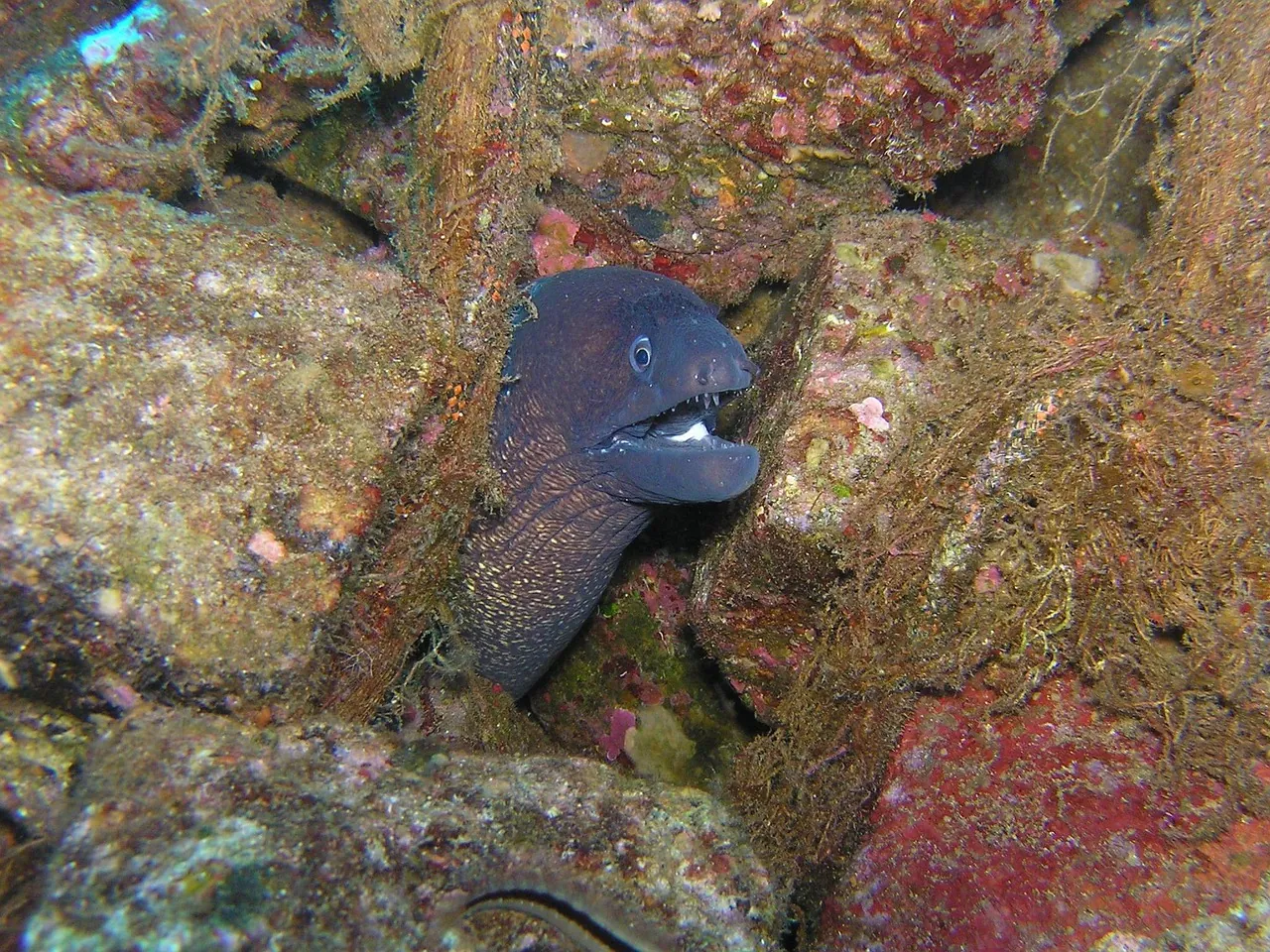
Underwater, expect rock rather than coral gardens: large blocks, broken outcrops, small swim-throughs and caves create the route. La Reina, La Reinita and the Cerralvo sites can shift from close inspection of the rocks and reef fish to open-water searching for larger animals. Currents are variable, so a calm-looking plan can become a more active dive, and the boat crew may adjust the site to suit the day. Visibility is commonly around ten to twenty metres, but plankton, wind and local conditions can change the picture. Most diving is by boat from La Ventana, with a relatively short run towards Cerralvo and nearby sites. Shore diving provides a shallower alternative in the bay, particularly when wind makes a boat departure unattractive. This is mixed diving, not a predictable tropical reef circuit.
Sea lions can be encountered throughout the year, subject to seasonal restrictions around breeding areas. Mobula rays are a major reason to plan a visit around the pelagic calendar, with aggregations especially associated with April to June and also reported between October and April. Giant oceanic manta rays are an occasional possibility from July to October. Eagle rays, stingrays, guitar rays and marine turtles may appear at different sites year-round, while dolphins depend on the individual outing. April to June can also bring the rare prospect of orcas, and blue whales are an occasional sight in April and May. Humpback and grey whales are associated mainly with December to March, although grey whales are more relevant to northern parts of the peninsula than to La Ventana itself.
April to October is generally the most dependable period for diving, as the sea is often more manageable and visibility tends to be favourable in spring and summer. It is also the useful window for mobula rays, with giant oceanic manta rays more associated with July to October. From November to March, northern winds can make boat plans less predictable, although calm days still occur and winter may bring humpback whales. The practical choice is therefore between steadier summer operations and a more weather-dependent winter visit with different wildlife possibilities. Whichever season you choose, leave room for the sea state to change the programme.
La Ventana suits beginners on suitable shallow sites as well as experienced divers who are comfortable with changing conditions and boat-based wildlife searches. A BSAC qualification, or PADI or SSI equivalent, is appropriate for the normal diving, with no specialist certification identified as essential. The important experience is practical rather than technical: good buoyancy around rock, confidence in variable current and the judgement to treat a pelagic outing differently from a routine reef dive. Ask what sort of conditions the planned site is likely to involve.
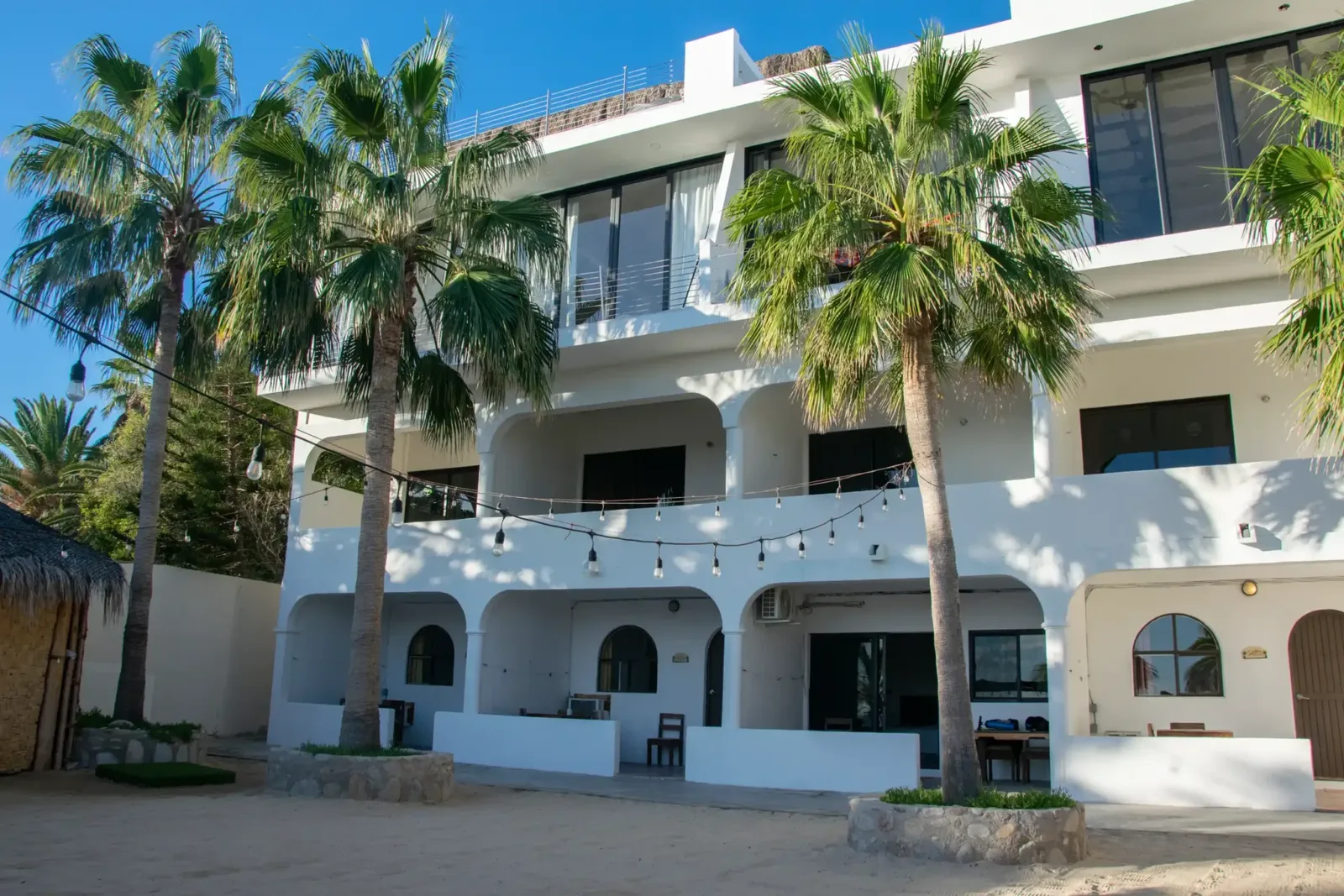
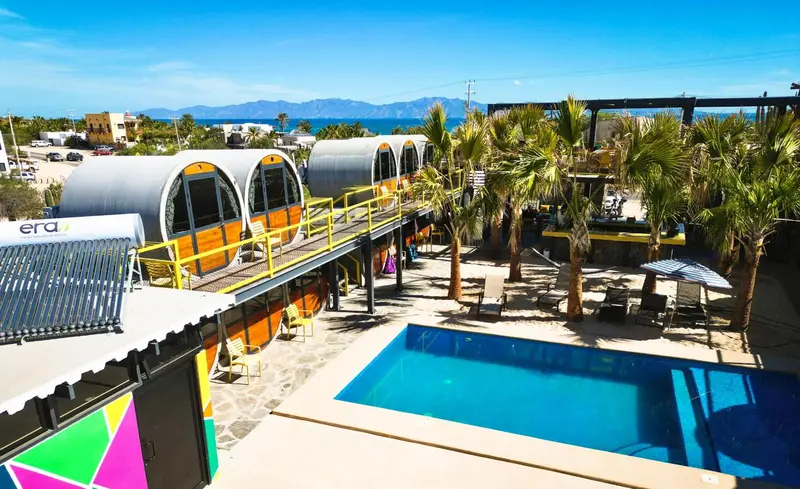
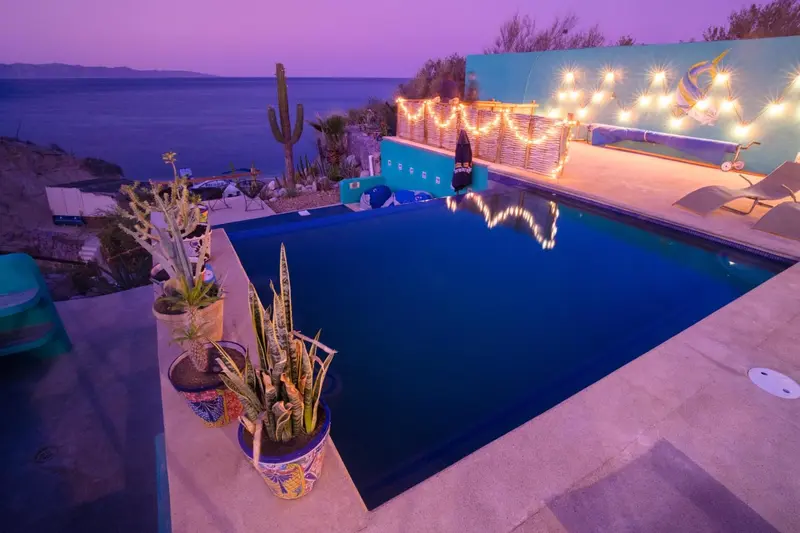
From London Heathrow, Gatwick or Manchester, the journey is by air towards the La Paz region, followed by a road transfer to La Ventana. There is no airport or ferry in the village, so the road leg is compulsory and should be allowed for when arranging connections or onward plans. La Paz is roughly an hour away by road, depending on conditions. Once in La Ventana, accommodation is spread along the coast and the road corridor rather than gathered around a single centre. Depending on where you stay, reaching the boats may mean a short walk or using a vehicle. Do not put another fixed appointment immediately after a boat trip, since wind can alter both the departure time and the chosen site.
Build flexibility into the diving rather than booking every day around a single pelagic sighting. Mobula rays, dolphins and other large animals are not guaranteed on one departure, so keeping a spare day for the sea is more useful than trying to force the schedule. Ask before leaving whether the plan is primarily rocky terrain, large fish schools or open-water wildlife, because Cerralvo, La Reina and La Reinita offer different experiences. Pack proper protection from sun and wind for the longer boat runs. If wind stops the boats, use the shallow shore sites around La Ventana instead of writing off the day. Check whether a sea-lion area is subject to a seasonal closure before planning that dive. Finally, remember that the village has limited last-minute shopping and services, and avoid tying a boat return to a flight or another fixed connection.
Plan on five to seven days on land, allowing several boat outings, a weather margin and a day without diving. The village works well for a non-diving companion interested in kitesurfing, beaches, boat trips or wildlife watching, although it is quieter and less service-rich than La Paz. Accommodation is spread along the coast, so choose your base with the walk or vehicle journey to the boats in mind. When conditions permit, add shore diving, snorkelling or coastal exploration to the programme.
Hello, I'm Marina, DivingDeal.com's AI assistant. I guide you through destinations, areas and countries.
Thinking about the whole trip and the flights? Talk it over with Edith →
Marina is an AI. Some links are affiliate links: DivingDeal may earn a commission, at no extra cost to you. Bookings are made with the partner.
La Ventana is generally most dependable from April to October, when sea conditions are often more manageable and visibility tends to be favourable. April to June suits mobula rays, while giant oceanic manta rays are associated with July to October. November to March can bring humpback whales, but northern winds make boat plans less predictable.
La Ventana can suit beginners on appropriate shallow sites in the bay, while experienced divers may appreciate variable currents and boat-based wildlife searches. Normal diving calls for a BSAC qualification or a PADI or SSI equivalent. Good buoyancy around rocks, comfort in changing current and sensible judgement for pelagic dives matter more than specialist certification.
At La Ventana, expect rocky blocks, broken outcrops, small swim-throughs and underwater caves rather than continuous coral gardens. Fish schools, sea lions and reef life share the sites with possible mobula rays, eagle rays, stingrays, guitar rays and turtles. Giant oceanic manta rays, dolphins, whales and occasional orcas depend on season and outing.
To plan La Ventana, fly toward the La Paz region and allow for the compulsory road transfer to the village. Stay several days on land, schedule multiple boat outings, keep a weather margin and leave one day without diving. Accommodation is spread along the coast, so check access to boats and keep plans flexible around wind.