
The Cortez Club
★ 4.4/5 (355 reviews)
20 km away as the crow flies
Sea of Cortez · Mexico · Americas
Max. depth · 18 mDescend to 18 metres onto the Salvatierra, where cargo trucks still rest with their tires inflated, creating a vibrant artificial reef.
For subtitles in English: start the video firstthen click the gearat the top right of the video, select “Subtitles/CC”, then “Auto-translate” and choose “English”.
Dropping down onto the Salvatierra, you arrive at the imposing silhouette of a cargo ferry that met its end in 1976 against Swanee Rock. This 97-meter vessel now rests upright on a sandy bottom, its structure still largely intact despite decades of exposure and the force of hurricanes. The wreck immediately presents as a substantial habitat, contrasting sharply with the open sand around it, drawing in an abundance of marine life seeking shelter and foraging opportunities in the San Lorenzo Channel.
As you explore, the details of its former life as a cargo ferry are striking. The massive propellers are clearly exposed, giving you a sense of the vessel's scale and propulsion. Perhaps most intriguing are the cargo trucks still stowed within, some with their tires remarkably still inflated, frozen in time from their last voyage. These structural elements, once objects of transport, now provide intricate surfaces for growth and hideaways for the smaller inhabitants of the reef, creating a dynamic visual narrative beneath the waves.
The Salvatierra has entirely transformed under the sea, evolving from a vessel of commerce into a thriving artificial ecosystem. Its various compartments and structural remains offer niches for a wide array of marine organisms, inviting close inspection from divers. You'll find yourself gliding past sections that are heavily encrusted with corals and sponges, demonstrating how quickly the ocean reclaims and repurposes man-made structures, turning them into living extensions of the seabed.
The wreck's open structure, with much of its upper housing torn off, creates an accessible artificial reef rather than enclosed interior spaces. This allows for easy exploration without the need for wreck penetration skills, making it suitable for divers focused on observing marine life. The hull itself provides varied relief along its length, offering numerous nooks and crannies for resident species to inhabit and for divers to discover.
While the wreck itself is the central attraction, the currents around it dictate the overall dive experience. The Salvatierra lies in the San Lorenzo Channel, where current can range from light to moderate, and occasionally strong, particularly during tide changes. An awareness of the flow is important, especially when navigating around the more exposed parts of the wreck or performing your ascent, as surge and flow along the hull may increase. The constant movement of water contributes to the health of the reef, bringing nutrients that support the diverse ecosystem that has flourished here.
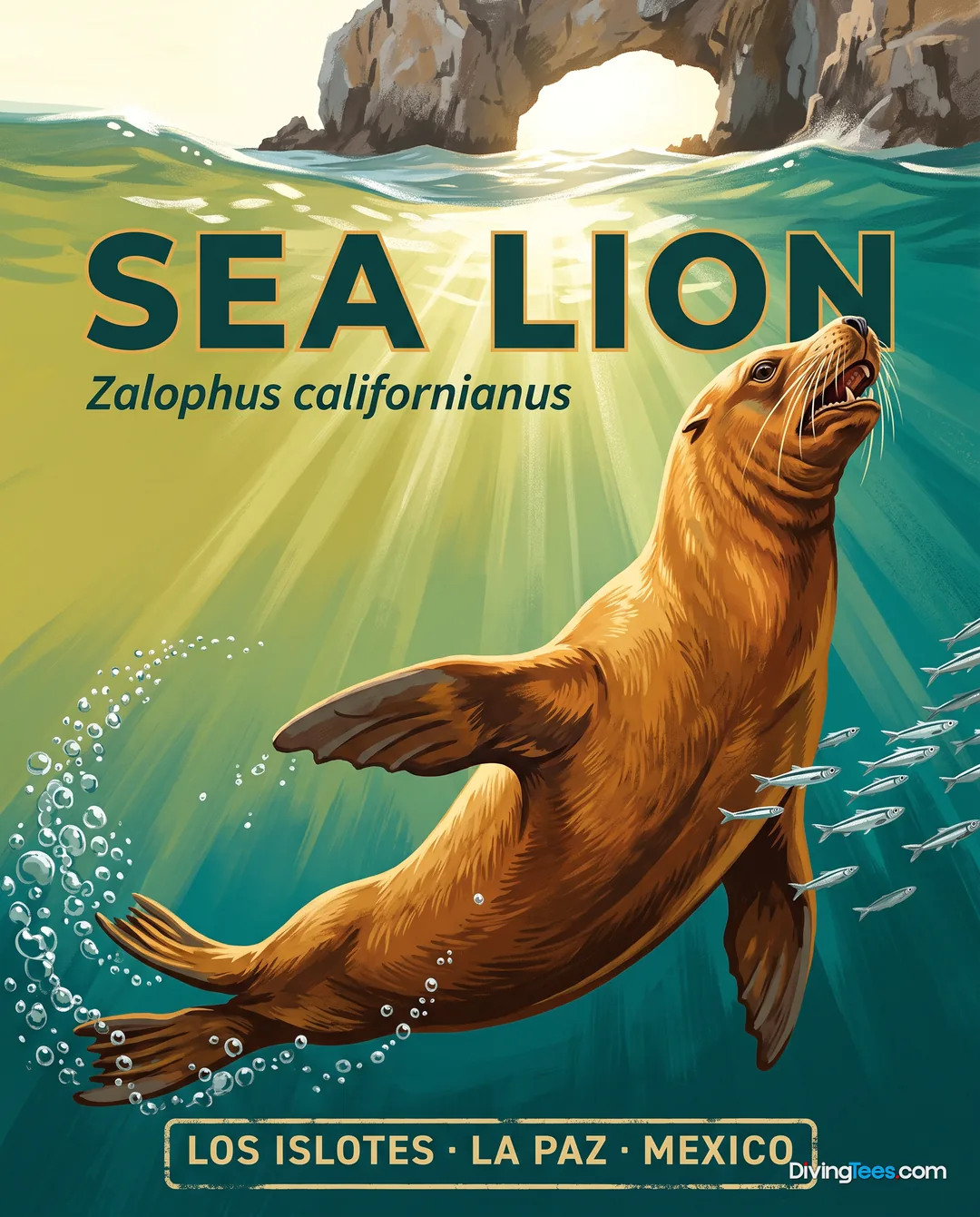
The marine life around the Salvatierra is diverse, with schooling jacks and snappers often congregating around the wreck's structure. You can also expect to encounter grunts, groupers, and various tropical reef fish making their home within the wreck's crevices. Keep an eye out for octopus and moray eels tucked into the hull, and barracuda patrolling the perimeter. Sea lions, sea turtles, and rays are also frequent visitors to this rich artificial reef environment.
Visibility at the Salvatierra can range from 12 to 30 metres, offering clear views of the wreck and its inhabitants on most days. The best diving conditions are typically reported from August to November, when water temperatures are warmer, around 25–29°C, and visibility tends to be at its best. This period allows for optimal exploration of the wreck and its surrounding marine ecosystem.
The Salvatierra wreck is accessible to beginner divers with good buoyancy control and basic wreck awareness, typically dived as an easy recreational wreck without penetration. The maximum depth reached is 18 metres, with the shallowest sections at 14 metres. Currents in the San Lorenzo Channel can vary from light to moderate, occasionally becoming strong, so conditions should be checked on the day. Visibility generally ranges from 12 to 30 metres. The best diving conditions are usually found from August to November, offering warmer water and optimal visibility.
8 liveaboards run trips to Sea of Cortez.

Departing from Cabo San Lucas Marina
★ 9.3/10 (194 reviews)
from 267 €/day
Discover this boat →

Departing from La Paz Marina
★ 9.1/10 (122 reviews)
from 373 €/day
Discover this boat →
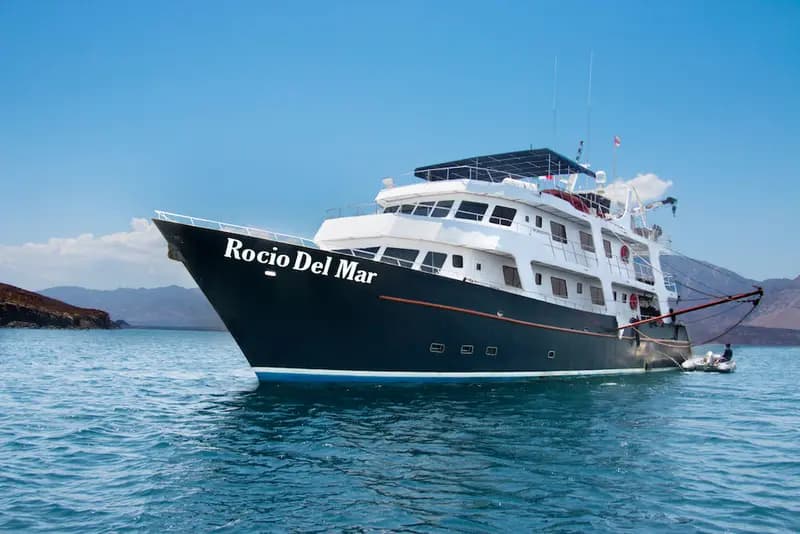
Departing from Puerto Penasco
★ 9.1/10 (49 reviews)
from 326 €/day
Discover this boat →

Departing from Cabo San Lucas Marina
★ 9/10 (62 reviews)
from 254 €/day
Discover this boat →