Liveaboards · Mexico
Nautilus Belle Amie — a spacious expedition boat built around diving
What makes this boat unique
- Nautilus Belle Amie carries up to thirty-two guests in seventeen en-suite, air-conditioned cabins and suites.
- Three large high-speed inflatable dive skiffs take divers from the main platform to the sites.
- The boat offers nitrox, DIN adapters, rebreather support, sidemount diving and a separate camera rinse area.
- Recorded itineraries include seven-night Sea of Cortez routes from Cabo San Lucas or La Paz, plus a six-night Mexico Sardine Run.
For subtitles in English: start the video firstthen click the gearat the top right of the video, select “Subtitles/CC”, then “Auto-translate” and choose “English”.
The invitation
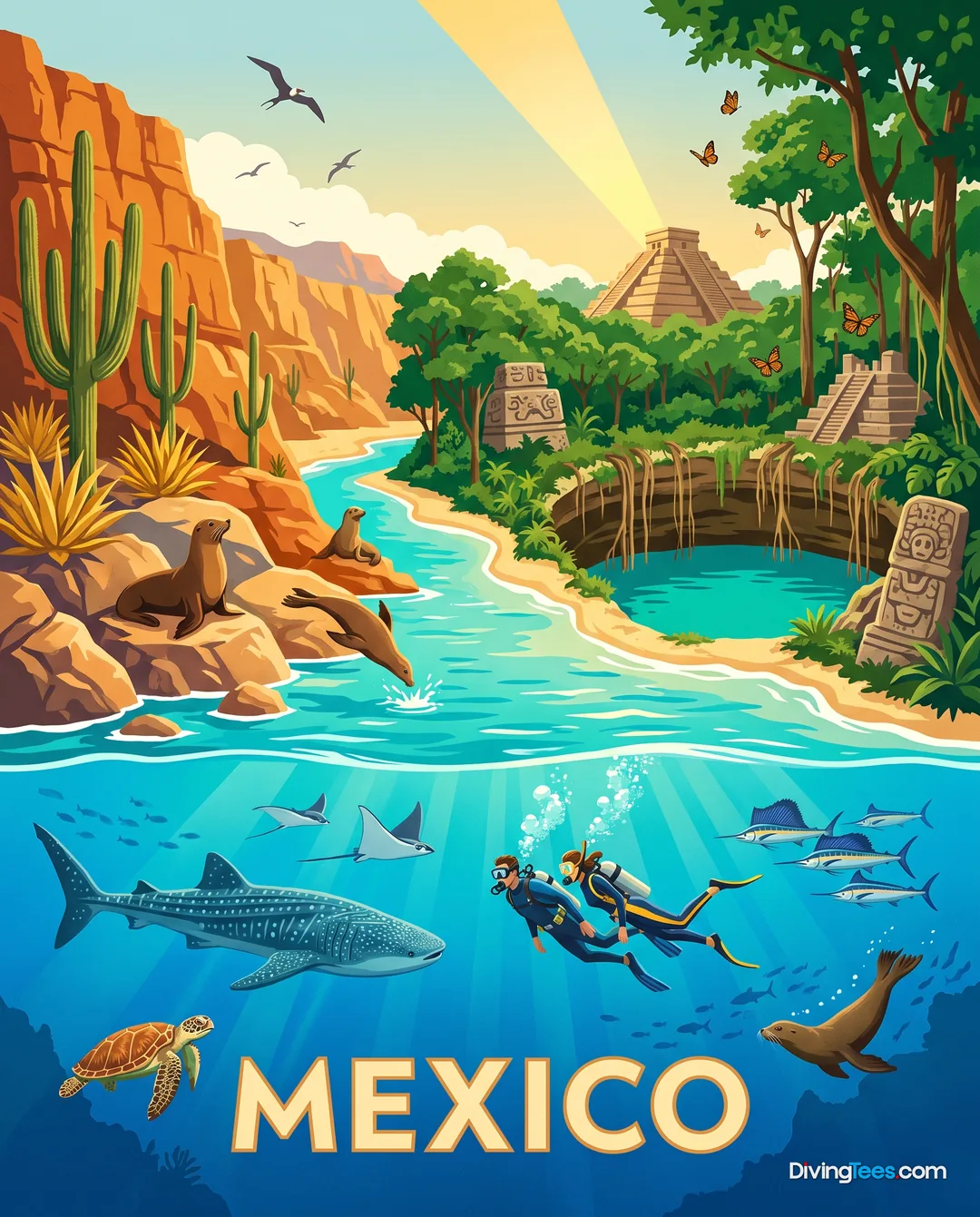
Nautilus Belle Amie suits divers who want the range of a large expedition boat without giving up the small details that make a week at sea easy. The route can move from California sea lions and wrecks in the Sea of Cortez to pinnacles patrolled by pelagics, with kayaks, paddleboards and a naturalist guide available when the surface deserves attention. The boat was designed for diving, but its accommodation is closer to a boutique hotel than a basic safari vessel. That matters after several days of repeated entries, wet gear and long crossings. A free pre-trip photography workshop gives camera divers a useful head start before boarding. The choice is less about finding the smallest or most exclusive boat than about having a broad operating range, three fast skiffs and enough space to make a demanding animal-focused itinerary comfortable.
Boarding
From the dock, Belle Amie presents as a substantial steel expedition vessel rather than a yacht dressed up for diving. Her length gives the boat a purposeful, ocean-going presence, while the broad beam suggests the stability needed for long crossings and repeated work on the dive platform. She was built in 2005 and renovated in 2018, so the impression is of an established boat kept current rather than a new launch with no history behind it. Boarding leads quickly to the practical heart of the vessel: the dive platform, skiffs and equipment areas, with the salon and dining spaces close enough to use between dives without wandering through a maze. The boat is large enough for guests to spread out, yet the crew’s work remains visible. Tanks, skiffs and wet divers are part of the scene, not hidden behind a polished hotel façade.
The atmosphere on board
The atmosphere is workmanlike in the best sense: divers are looked after by a crew used to long days, while the boat still leaves room for people to disappear with a camera or a book. Crew members speak English and Spanish, and their role reaches well beyond serving meals. They keep cabins clean, help with equipment, explain changes in the plan and stay close to the practical problems that can wear down a week at sea. The food, service and diving score strongly, and that balance shows in the way guests describe the boat: rooms are cleaned while they are away, meals arrive with attention to dietary needs, and guides give confident divers room to explore while remaining available. By evening, the saloon becomes the place to compare sightings, review images and work out which animal will dominate the next conversation.
The sites you’ll dive
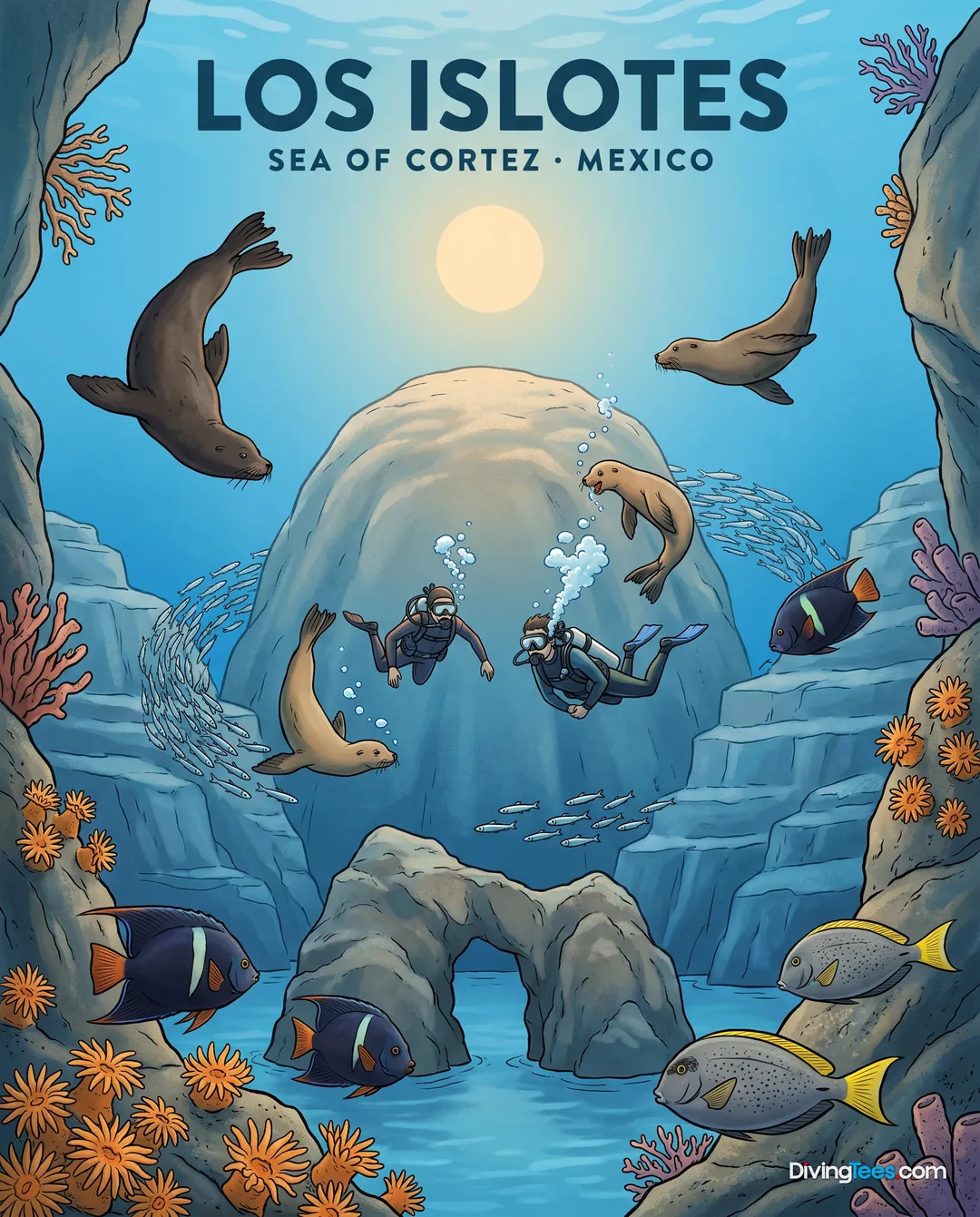
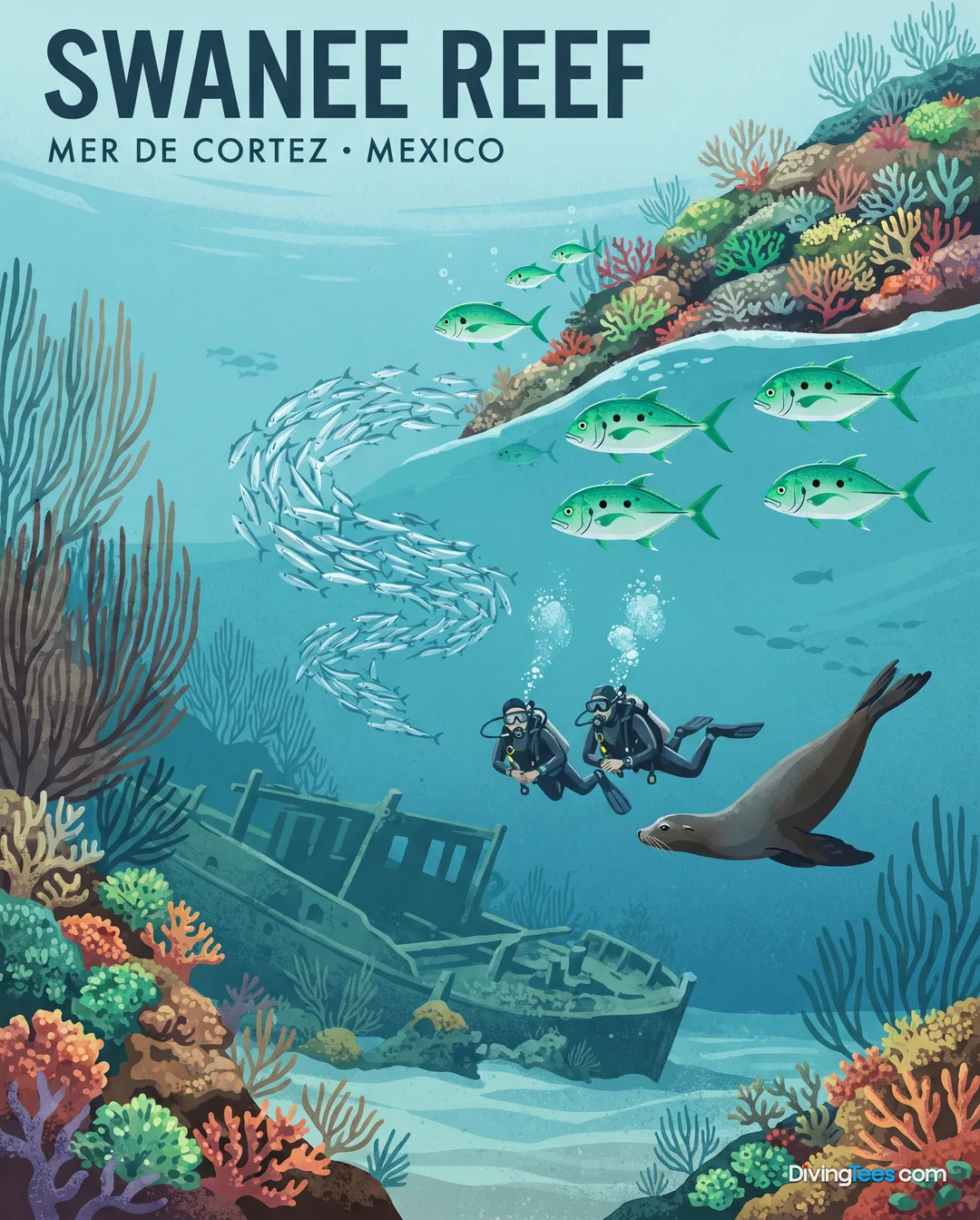
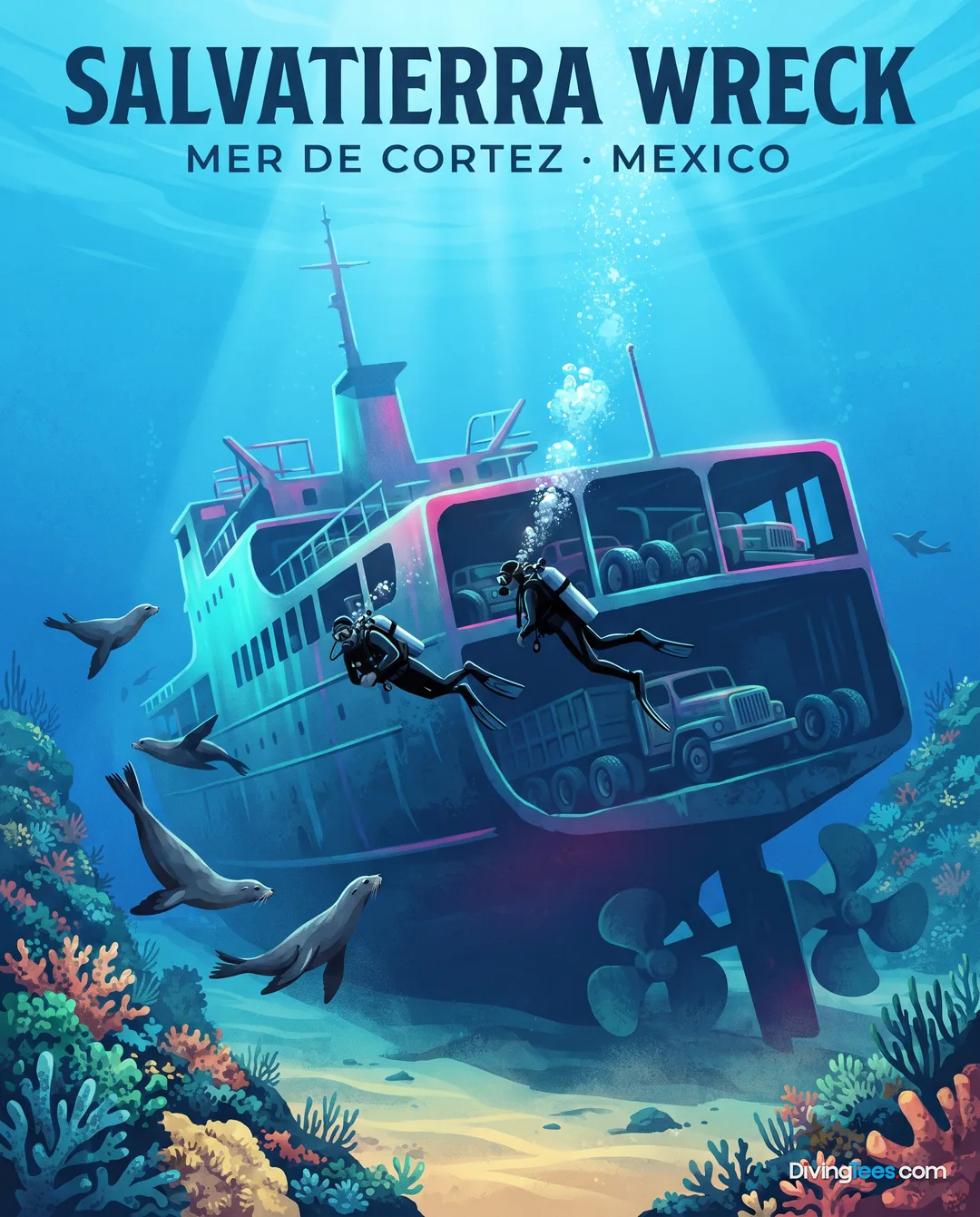
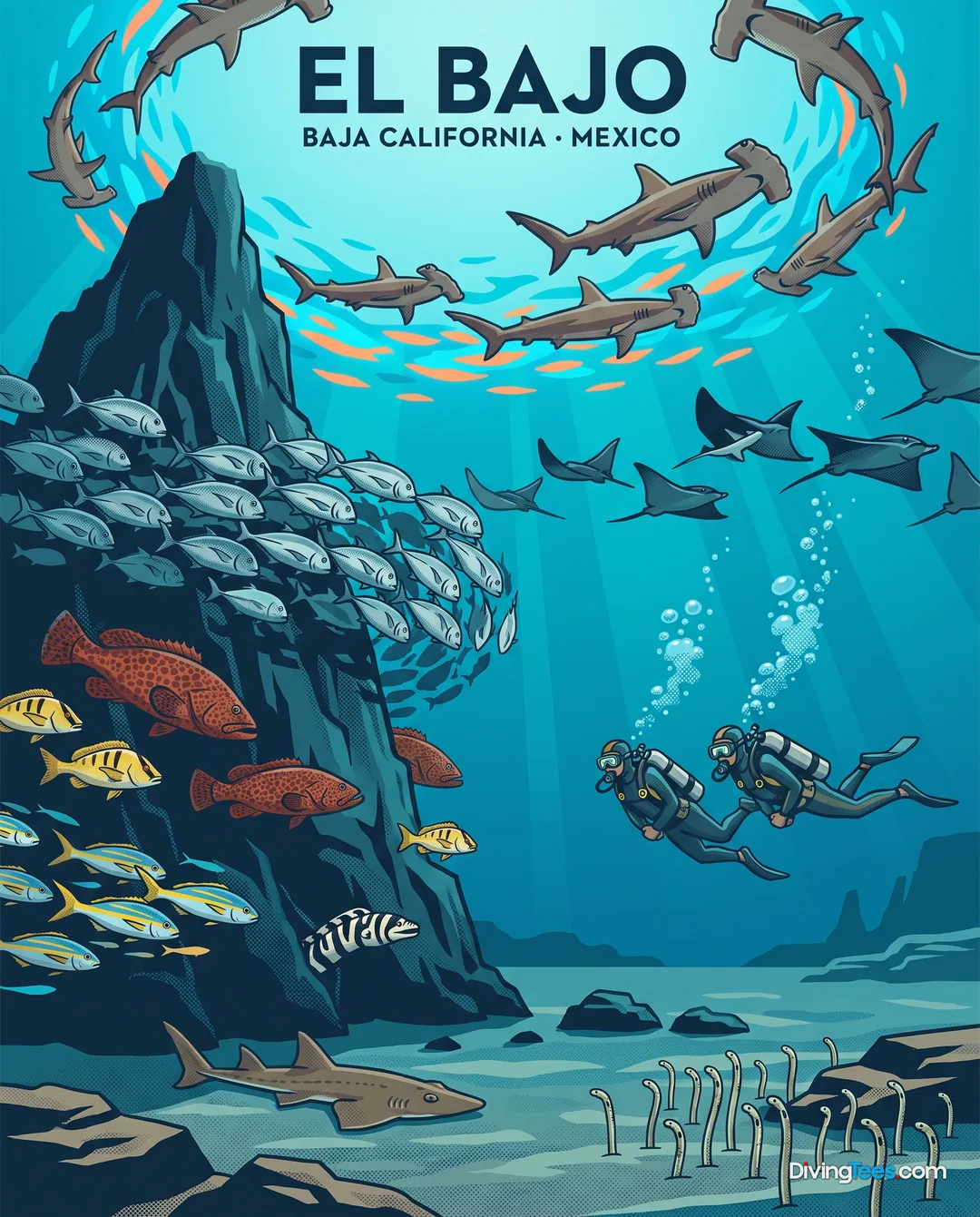
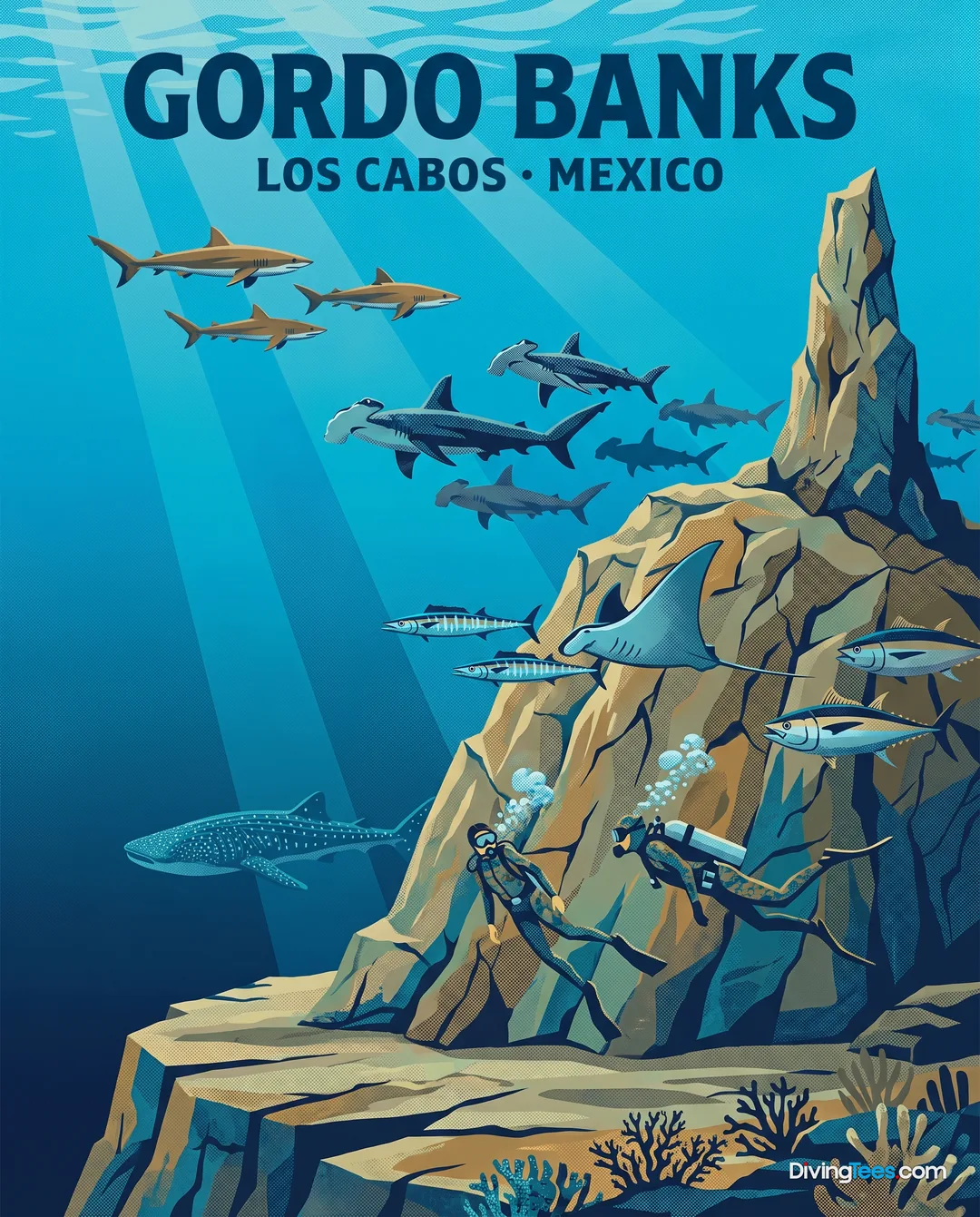
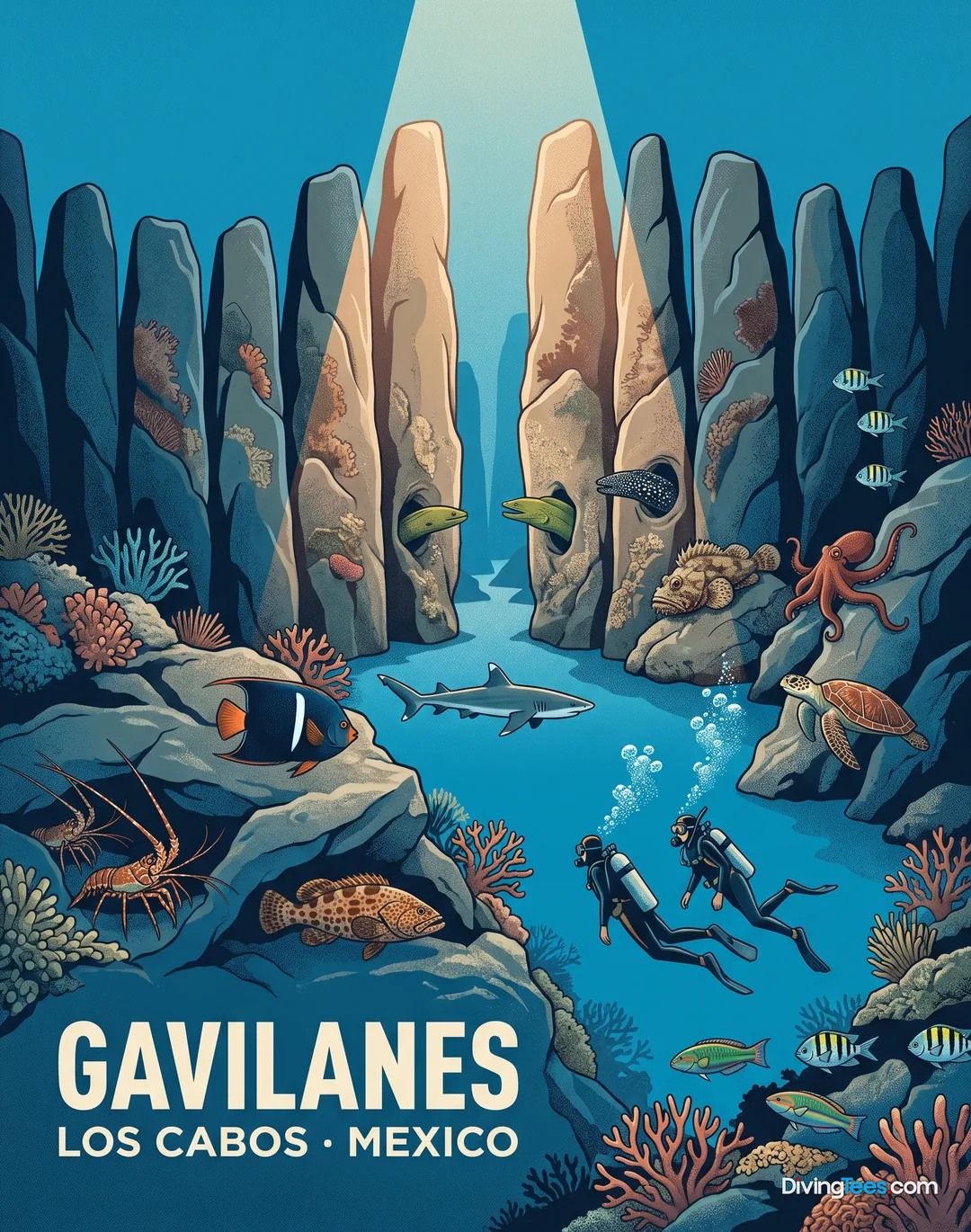
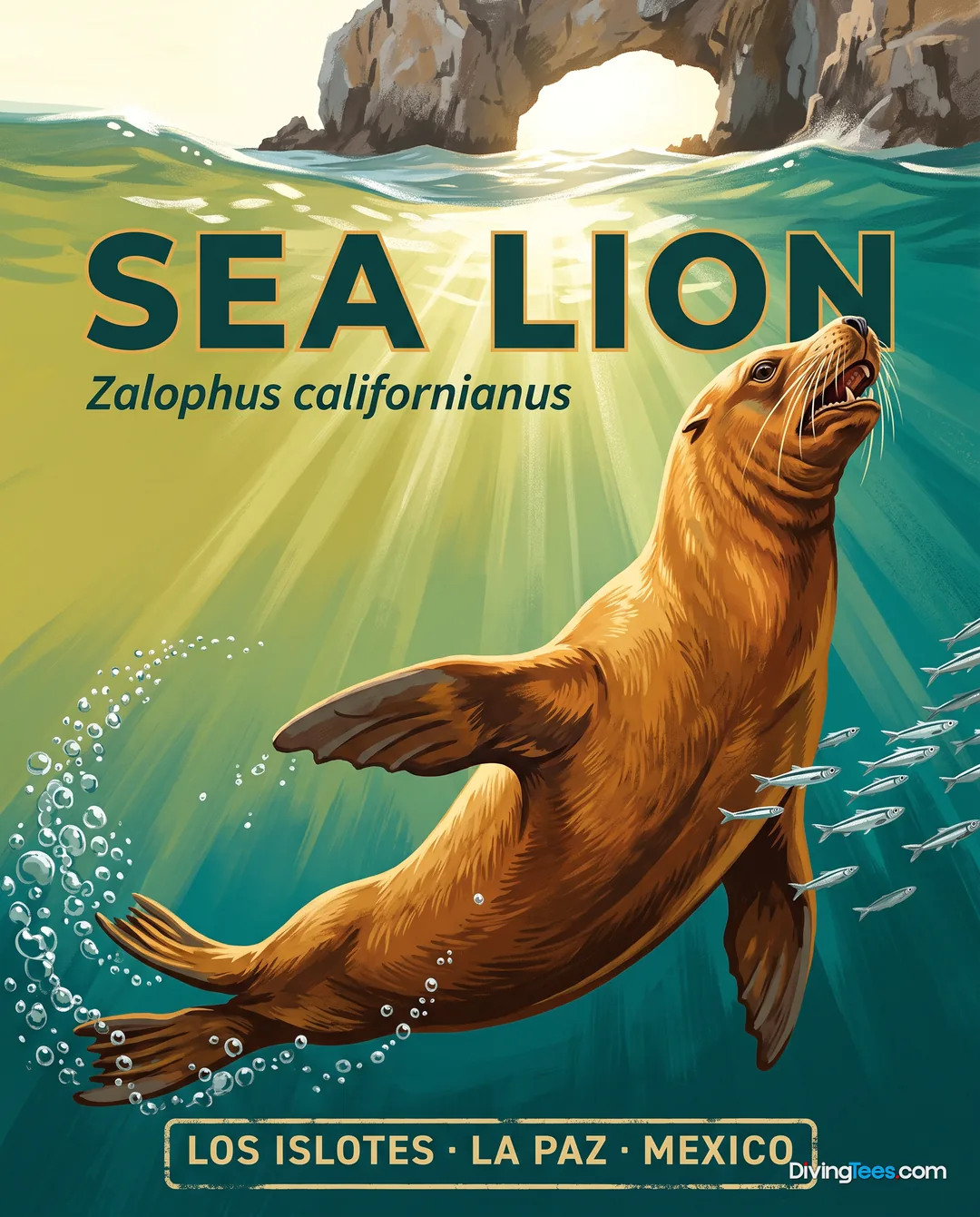
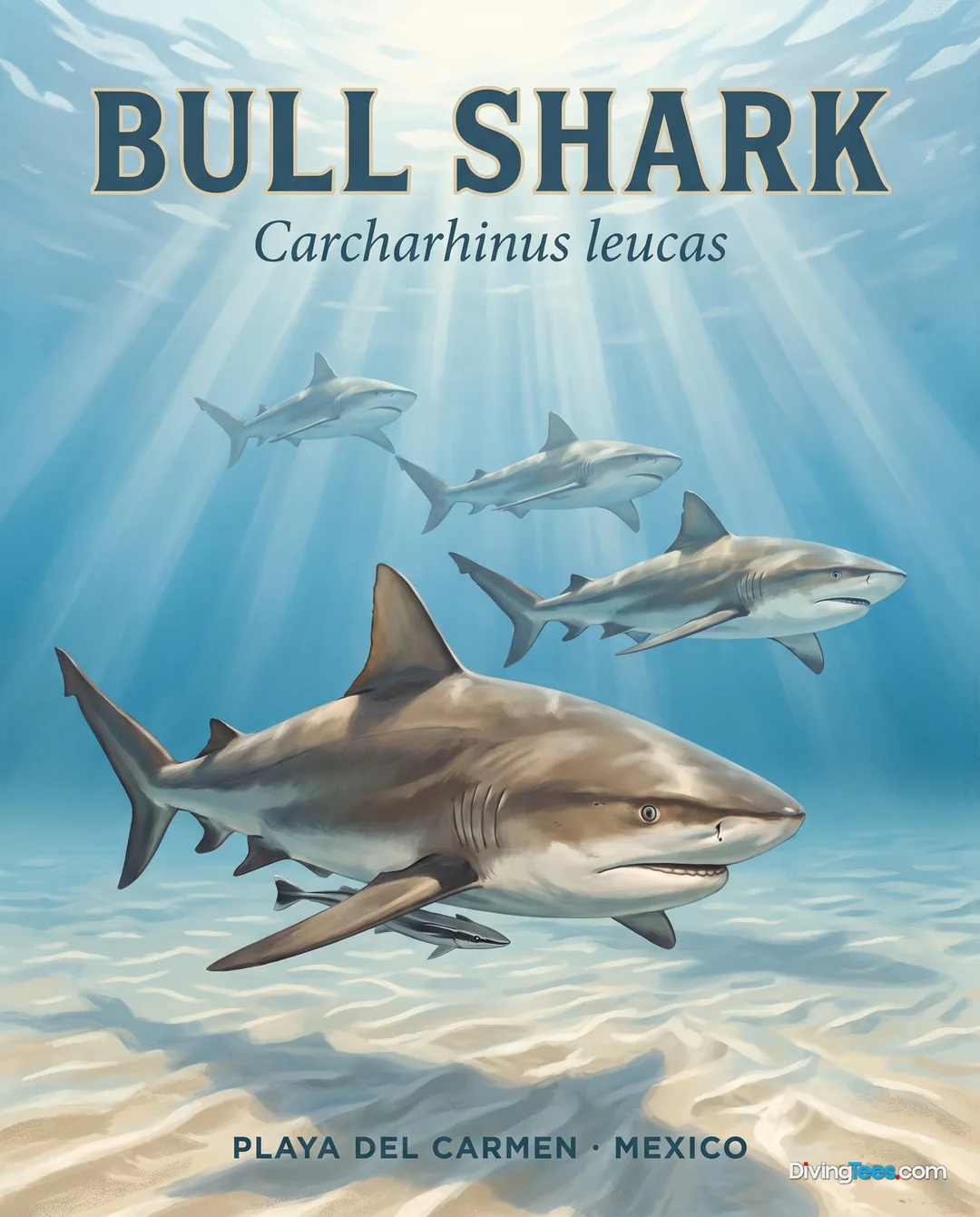
The recorded routes range from eight days and seven nights on Sea of Cortez itineraries to seven days and six nights for the Mexico Sardine Run. A route may include Los Islotes, where California sea lions move through reef and sardine-filled water; Swanee Reef, a shallow site reaching max -11m with schooling fish, sea lions and the Salvatierra wreck; and La Reynita, a rocky pinnacle reaching max -30m where current brings schooling fish and groupers along the west side of Isla Cerralvo. The Salvatierra reaches max -18m, with cargo trucks still resting on the wreck, while Fang Ming reaches max -21m and includes two scuttled vessels covered in reef life. San Rafaelito and Isla Ballena both reach max -30m and max -18m respectively, with caves, coral heads, rays and garden eels. Punta Lobos reaches max -27m; La Reyna max -25m; El Bajo max -18m; and Gordo Banks and Neptune’s Finger both reach max -40m, where deep pinnacles, walls and pelagic encounters define the dive. Gavilanes, max -18m, adds canyons, coral ridges and white-tip reef sharks. A separate recorded route visits bull sharks off Playa del Carmen to max -24m.
What you’ll meet underwater
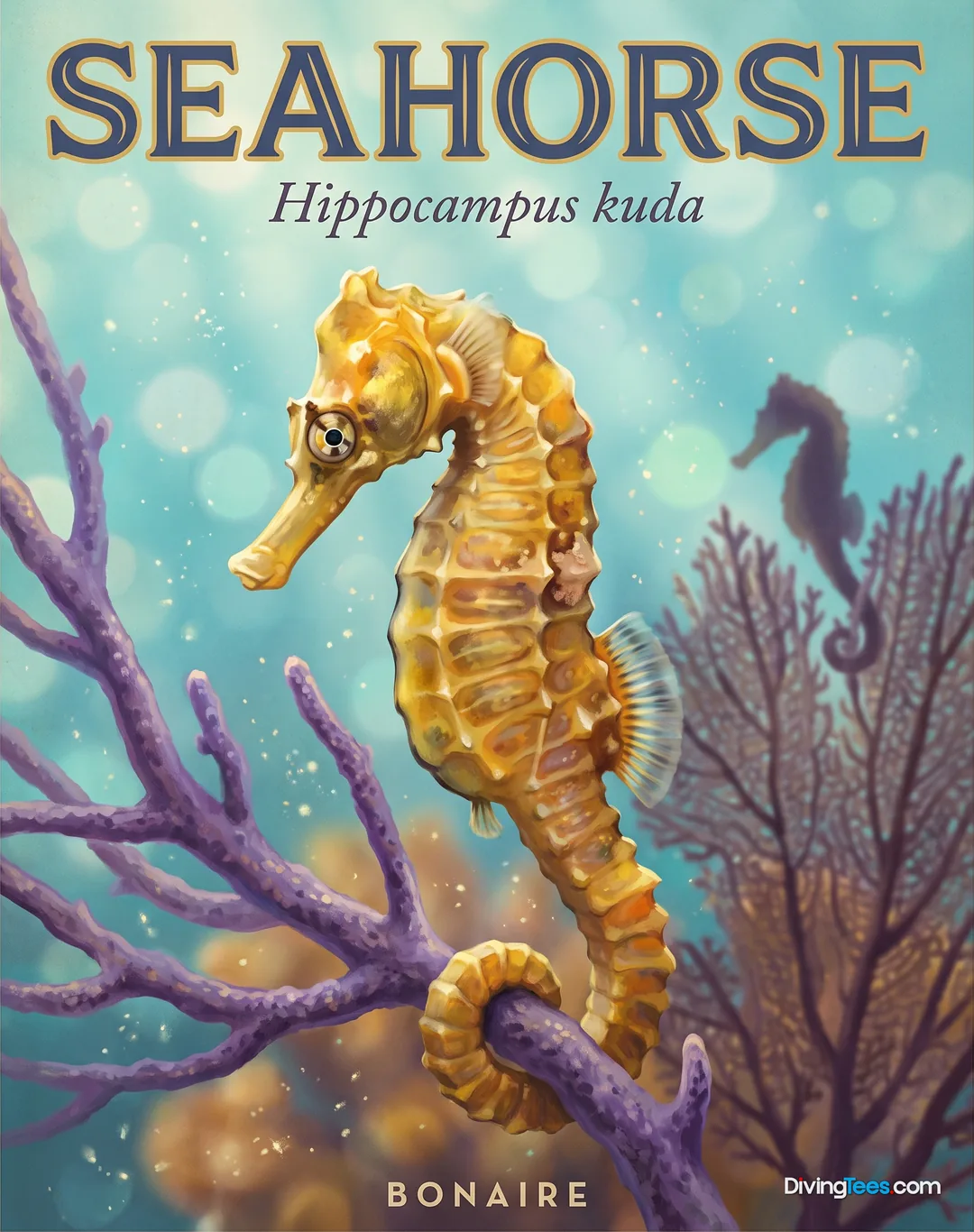
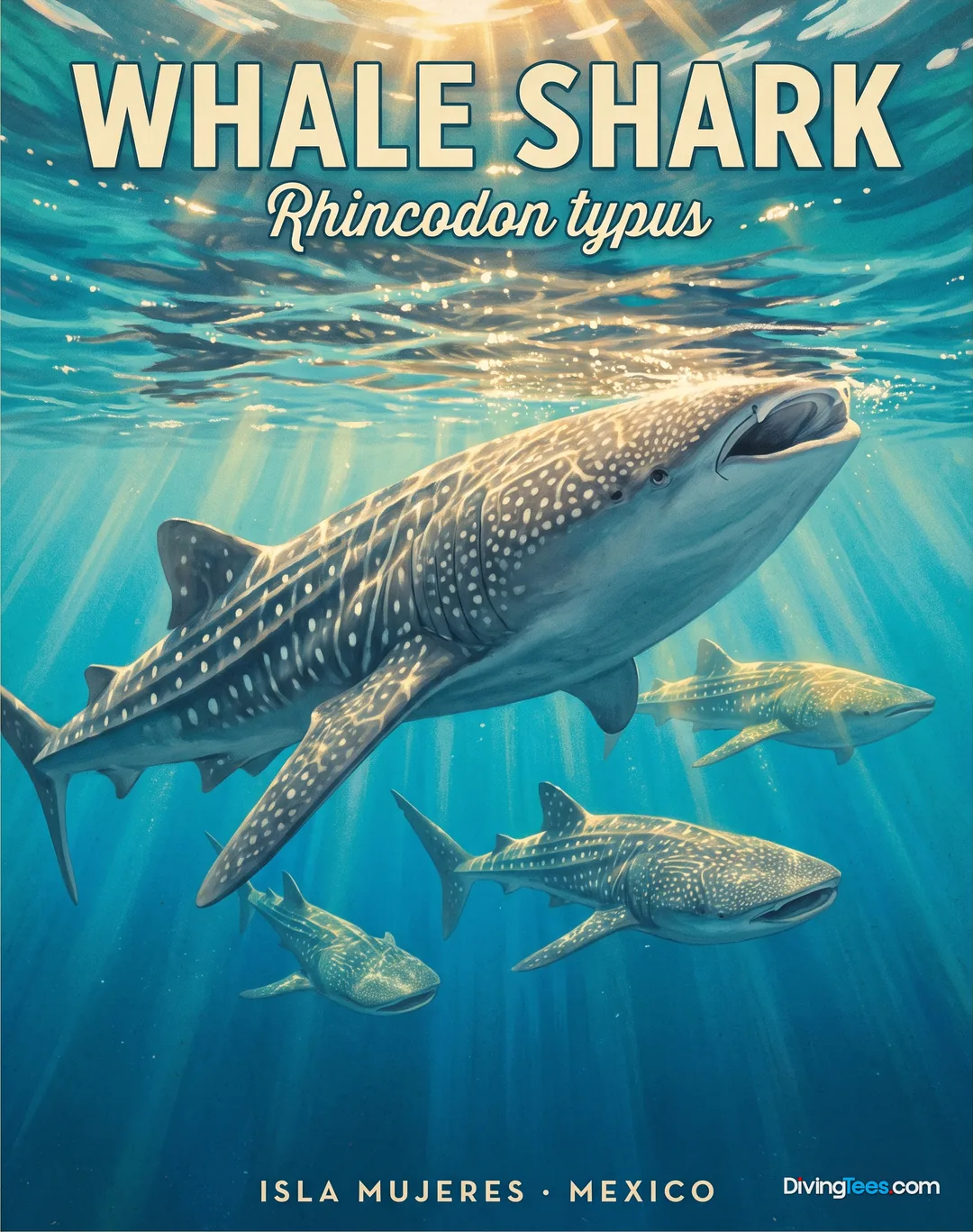
Sea turtles, groupers, morays, octopuses, rays and snappers recur across the route, so the diving keeps offering both large movement and close subjects. The special encounters belong to particular sites. At Los Islotes, California sea lions are the reason to enter the water; at La Reynita, current on the pinnacle can gather schooling fish and groupers. Swanee Reef is the recorded site for green turtles, blennies and seahorses, while Salvatierra Wreck is where barracuda appear in the site records. Fang Ming Wreck stands out for both soft and hard corals. Gordo Banks is the place associated with giant Pacific manta rays, whale sharks, hammerheads, striped bonito and large schools of jacks, all around deep pinnacles where current and open water bring pelagic life close. Giant mantas are most likely from July through August. La Reyna adds the possibility of giant Pacific mantas in a rocky-islet setting, while Punta Lobos is known for giant seahorses, octopuses and seasonal mobula rays.

Who puts you in the water
Dive guides put divers into the water from the skiffs and remain available according to the group’s needs. The boat works with both divers who prefer guided support and experienced divers who are comfortable managing their own dive within the agreed plan. Briefings cover the site, conditions and the plan before each entry, with the crew adjusting the approach when weather, current or other boats change the situation. English and Spanish are spoken on board. A naturalist guide adds context on the animals and habitats, which is useful on a route where sea lions, wrecks, reef fish and pelagics all demand different attention. Oxygen, first-aid kits, fire alarms, extinguishers, VHF, DSC and satellite communications form part of the safety equipment. A private dive guide can be arranged as an optional extra.
The dive deck and the gear
The dive operation is built around a main platform and three large high-speed inflatable skiffs. Divers gear up on the boat, transfer to the skiffs and return to the platform after the dive, where the layout keeps the movement between water, ladder and equipment straightforward. Aluminium 80 tanks and air fills are part of the standard diving setup; nitrox is available as an optional extra rather than included by default. DIN adapters are available, and the system supports rebreathers and sidemount configurations. Separate rinse tanks protect cameras from the general gear flow, and the boat includes a dedicated photography area. Rental equipment, nitrox and a nitrox certification are optional extras. Oxygen, first-aid kits, radios and satellite communication support the operation, while the skiffs provide the speed needed to collect divers from their surfacing points and return them to the main boat.
Between dives
Between dives, Belle Amie gives guests several ways to come down from the water without leaving the boat behind. The full-length sun deck offers space for a towel, a book or a quiet look at the coastline, while the air-conditioned salon is the better refuge when Baja’s heat becomes tiring. The hot tub is useful after a cooler dive or a long day on the skiffs, and the bar, library and audio-visual lounge give the afternoon somewhere to go when the sea is moving between sites. Kayaks and stand-up paddleboards add a reason to get back in the water without carrying a tank. A naturalist guide can also make the surface time more than a pause between dives, particularly on itineraries that include islands, wildlife and shore activity.
A day on board
A day begins with the first dive briefing, followed by the first skiff run and the return to breakfast or the next surface interval. The dive operation aims for repeated dives across the day, with meals and snacks appearing between entries rather than forcing divers into a long formal pause. The order matters more than a clock: briefing, gear up, skiff, dive, recovery, food, rinse and repeat. An afternoon may be spent moving to another island, watching the surface or using a kayak or paddleboard, while the crew resets the deck for the next entry. On routes and conditions that allow it, a night dive extends the day below the surface. Dinner comes after the final activity, followed by the saloon, a camera review or the quiet of the cabin. Then the boat starts the cycle again.
What you eat aboard
Meals are served as full board, with buffet service, Western and local cooking, snacks through the day and non-alcoholic drinks, tea and coffee. The kitchen works from scratch, and the food is one of the boat’s strongest points: varied, carefully prepared and able to support a day built around repeated dives rather than a single excursion. Vegetarian and vegan choices are available. The table does practical work on a liveaboard. Breakfast follows the first activity, lunch arrives when divers are back on board and ready to eat, and dinner closes the main work of the day without making the evening formal. A special dinner, outdoor dining and a selection of wine, beer and cocktails add range, but the real advantage is consistency: food appears when divers need it, with enough variety to keep a week of meals from feeling like the same plate repeated.
Nights at sea
The cabin deck is below, and the standard cabins have windows, private bathrooms, air conditioning and hot showers. Stateroom, single, triple, Superior Suite and Premium Suite categories cover different ways of travelling, but the important distinction is space and position rather than a change in the basic liveaboard routine. Superior and Premium Suites provide the more hotel-like feel, while the lower-deck cabins keep the practical advantage of being close to the accommodation area and away from the social traffic above. A window gives the cabin a connection to the outside even when the boat is under way or the day is too hot for the deck. At night, the room is a retreat from the saloon and dive deck: close the door, control the air conditioning, rinse the salt from the day and sleep in a proper private cabin before the next run of dives.
Stateroom Suite
Superior Suite
Premium Suite
Single Stateroom
Triple Stateroom
What to know before boarding
Recorded departures use Cabo San Lucas or La Paz, with some routes returning to the same port and others ending in a different one. Airport and hotel transfers are optional rather than included, and the relevant transfer arrangements are communicated with the trip information. Arriving the night before is the sensible choice, especially for a departure from Cabo San Lucas or La Paz, so a delayed flight does not put the boarding day at risk.
Deck plan
- Year built
- 2005
- Year renovated
- 2018
- Length
- 44.8 m
- Beam
- 10.1 m
- Maximum number of passengers
- 32
- Number of cabins
- 17
- Tenders
- dive skiffs: 3 × large high-speed inflatables
- Website
- nautilusliveaboards.com ↗
Hello, I'm Marina, DivingDeal.com's AI assistant. I answer in detail about hotels, dive centres and liveaboards.

Thinking about the whole trip and the flights? Talk it over with Edith →
Marina is an AI. Some links are affiliate links: DivingDeal may earn a commission, at no extra cost to you. Bookings are made with the partner.