Liveaboards · Mexico
Nautilus Under Sea — a working expedition ship with a diver’s layout
What makes this boat unique
- A former research and submarine-tender vessel, rebuilt for liveaboard diving and carrying up to 19 guests in nine en-suite cabins.
- The large dive deck opens onto a water-level platform and works with a 22-foot heavy-duty fiberglass dive boat and a 17-foot rigid inflatable.
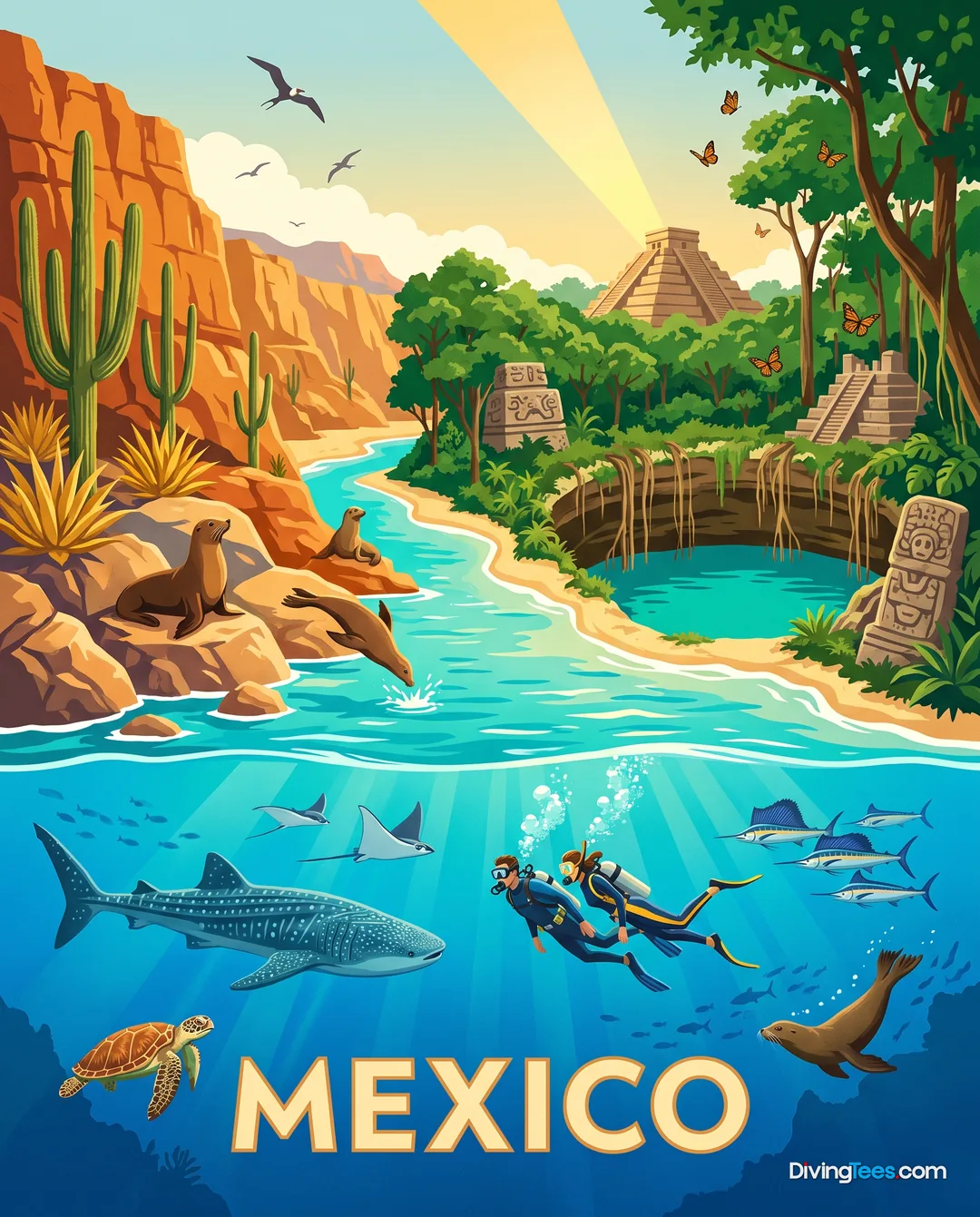
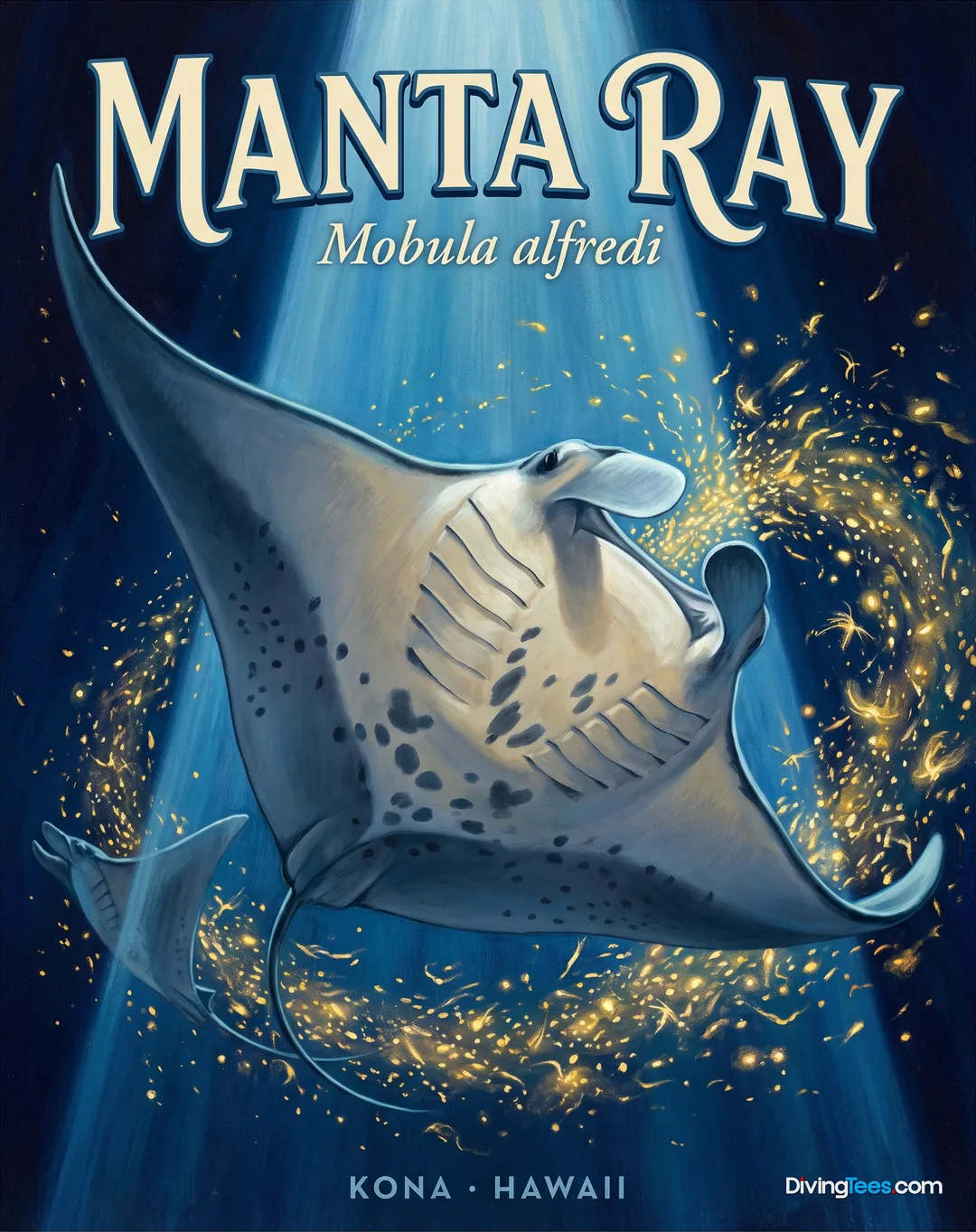
- Sea of Cortez routes focus on sea lions, wrecks, schooling fish, hammerheads, whale sharks and giant Pacific manta rays.
- Crew and diving score strongly with travellers, at 9.1 and 9.3 respectively, while the older hull scores 8.3.
For subtitles in English: start the video firstthen click the gearat the top right of the video, select “Subtitles/CC”, then “Auto-translate” and choose “English”.
The invitation
The Nautilus Under Sea is for divers who would rather follow a vessel with a past than sleep aboard a polished yacht with no story. She began life as a research and submarine tender, later became part of serious Pacific diving history, and now carries that working-ship character into the Sea of Cortez. The reason to choose her is not newness. It is the combination of a sturdy ocean-going hull, a large dive operation, only 19 guests and a crew that has learned these waters over decades. The boat suits people coming for animals and remote sites, not people choosing a floating hotel first. Expect sea lions close enough to make the dive briefings feel unnecessary, wrecks carrying their own cargo of fish, and a chance at hammerheads, whale sharks or giant mantas when the conditions and season line up. The hull has aged; the people and the diving are where this boat earns its place.
Boarding
From the dock, the Under Sea looks like what she is: a substantial steel expedition ship rather than a pleasure craft dressed as one. The hull and superstructure were rebuilt in 2016, with a new superstructure, extended sun deck, bulbous bow and stability system preserving the feel of a vessel made for ocean passages. Once aboard, the route is practical. Cabins and the main lounge share the main accommodation level with the dining room, while the dive deck leads directly to the water-level platform. The upper sun deck is where the boat opens out, with loungers, a bar and the hot tub. There is no need to cross a resort-sized maze between bed, briefing and water. The twin Caterpillar engines give the ship a steady working sound underway, and the heavy construction matters on long crossings. This is an older boat that has been rebuilt around diving, not a new boat that happens to carry divers.
The atmosphere on board
The atmosphere is shaped by a small guest group and a crew that stays close to the work. English and Spanish are spoken aboard. Guides know the sites well and can give confident divers room to dive independently when the plan allows, while remaining available to those who want more support. That balance is important on a boat where not every guest arrives with the same pace or experience. Daily cabin cleaning removes one chore from a four-dive routine, and the crew’s attention is felt in practical moments: rooms are ready after breakfast, meals are adjusted when needed, and the captain remains visible rather than hidden behind the wheelhouse. The scores tell the same story without pretending the hull is new: boat 8.3, crew 9.1, food 9.5 and diving 9.3. The Under Sea’s character comes from people making an older ship work exceptionally well.
The sites you’ll dive
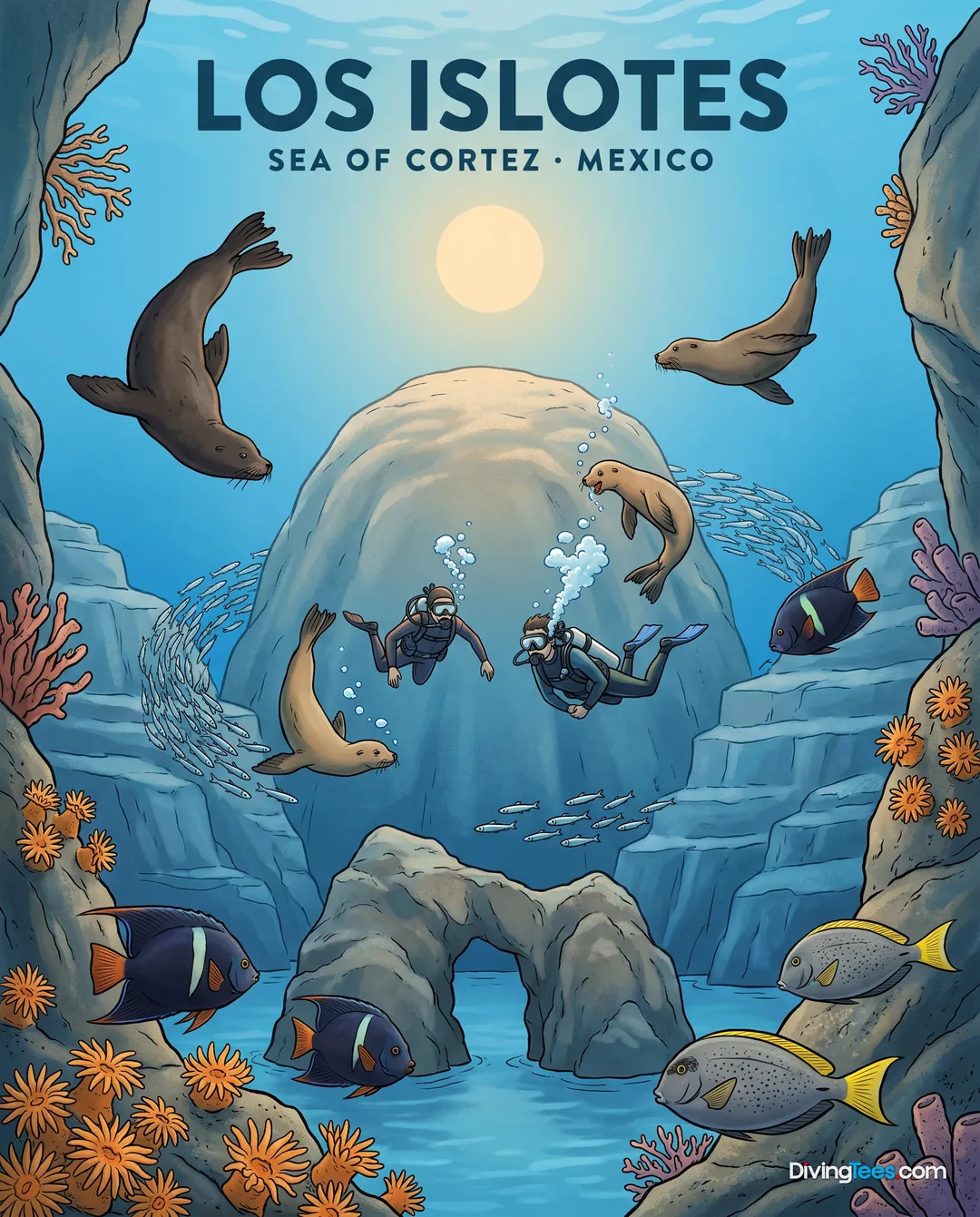
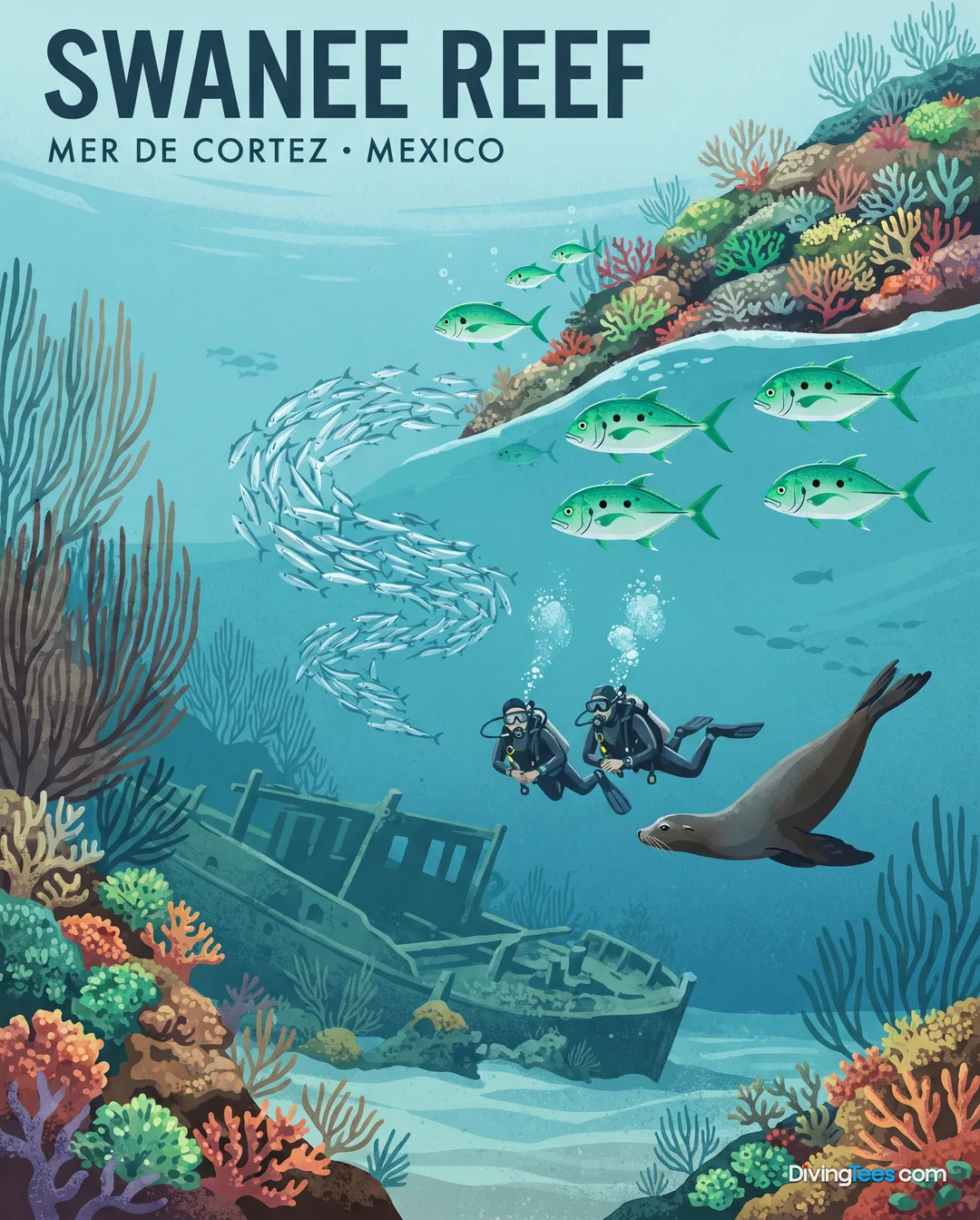
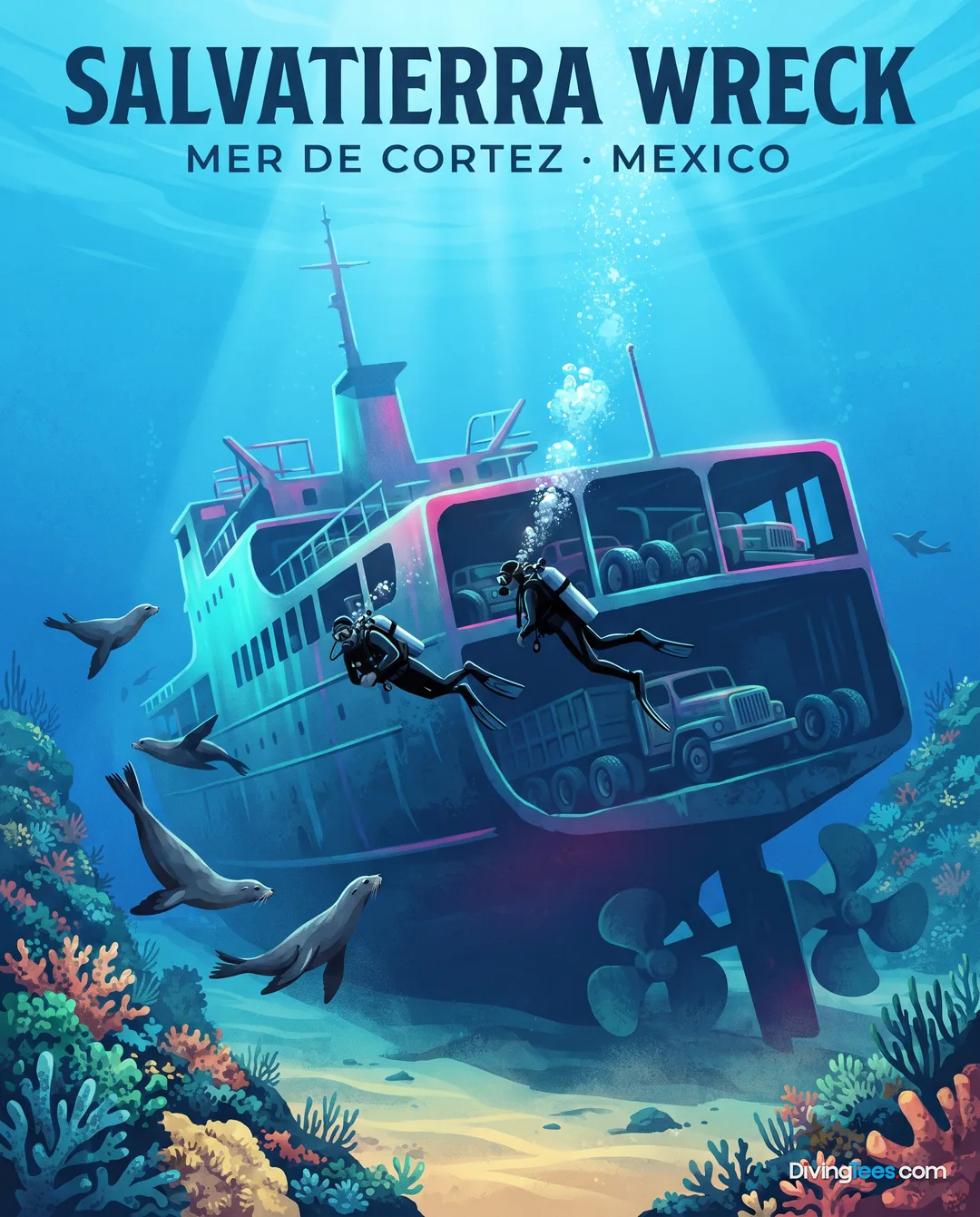
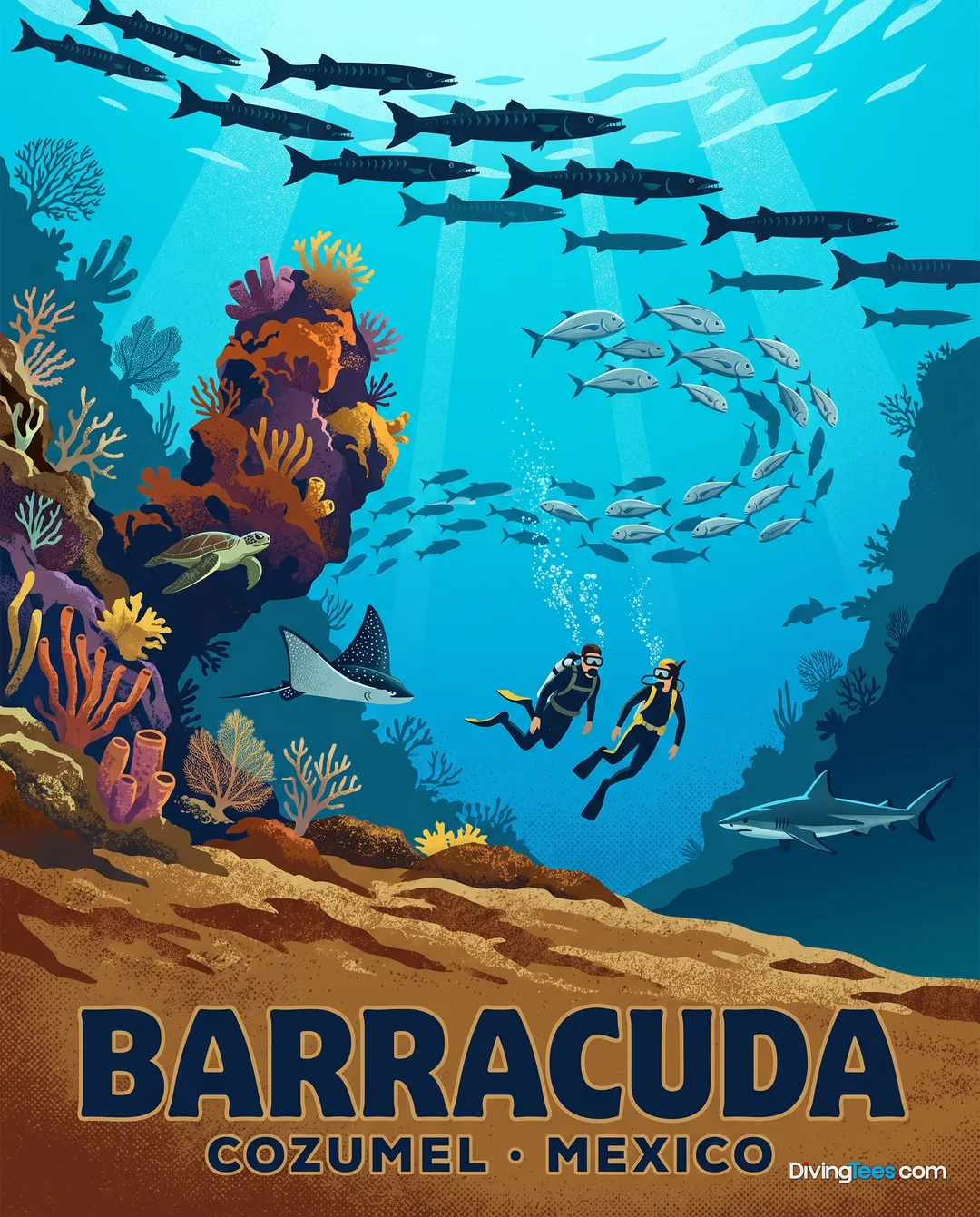
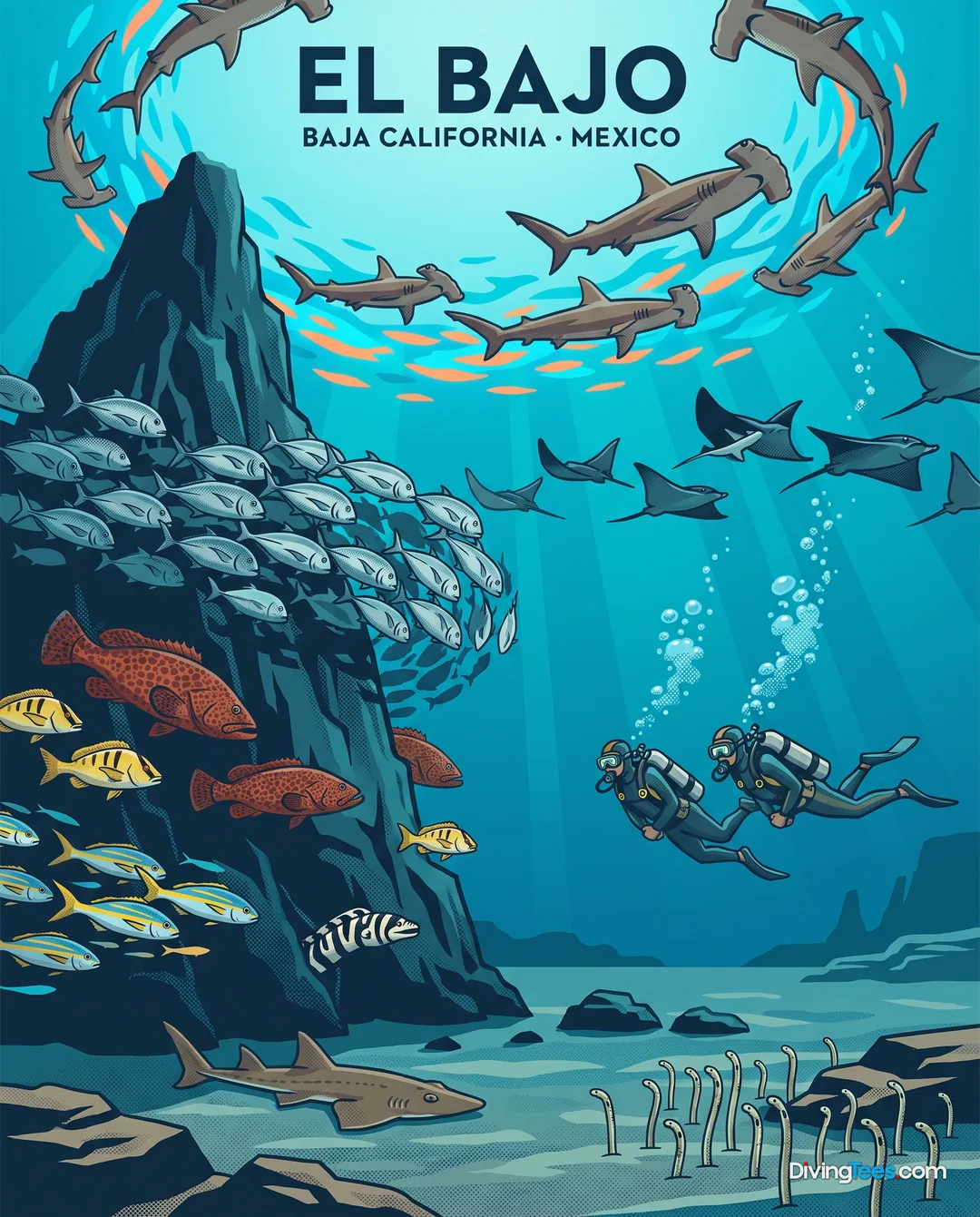
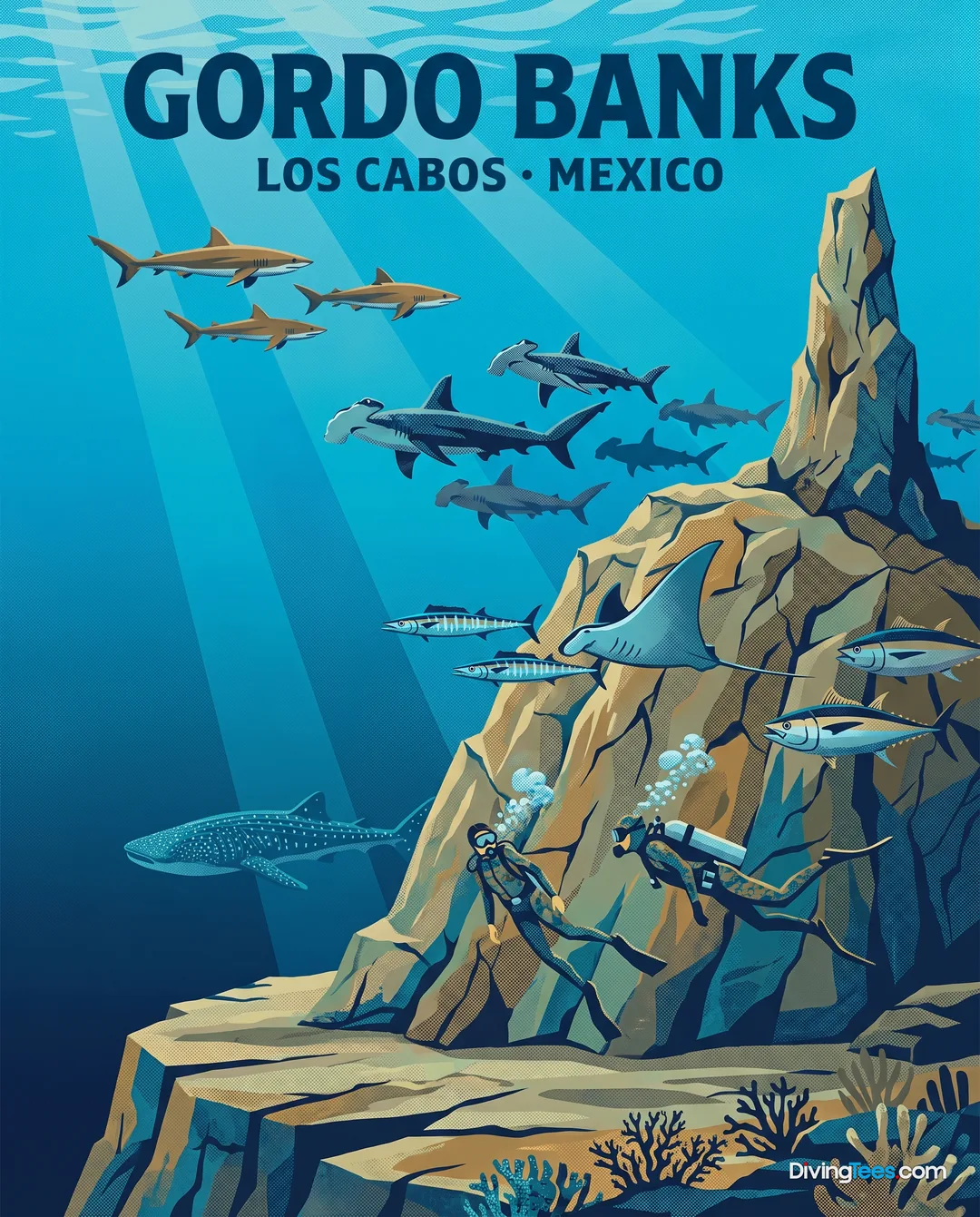
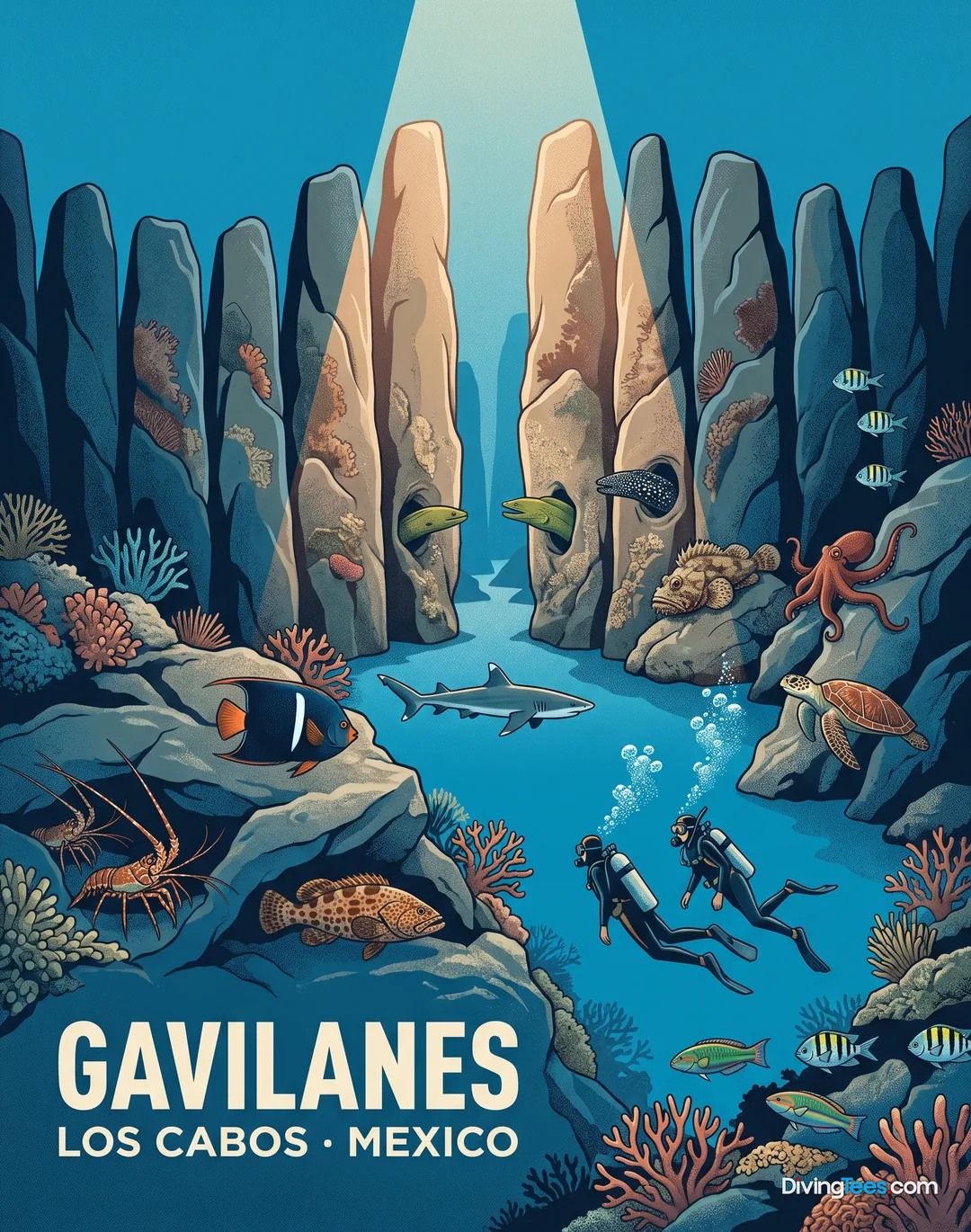
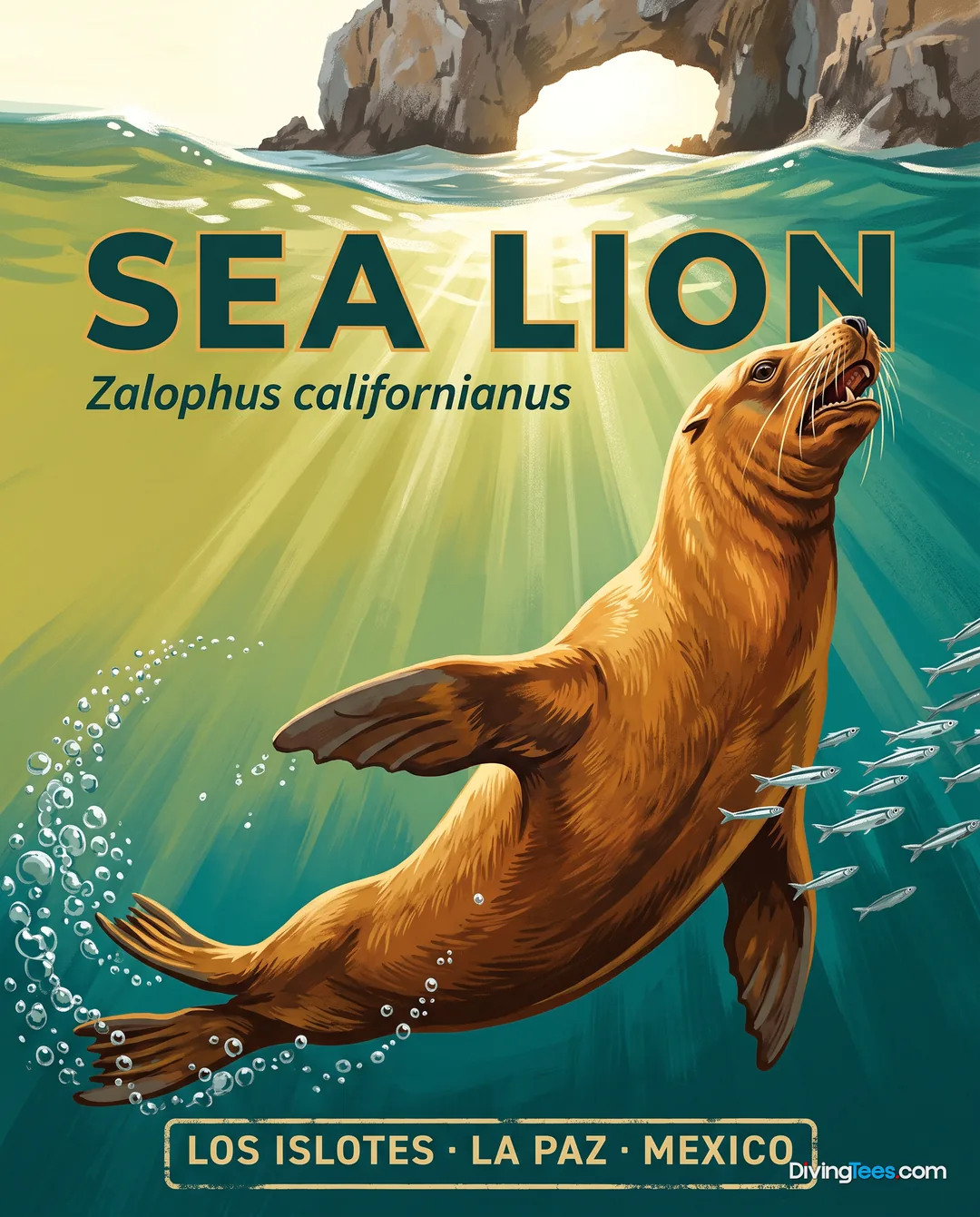
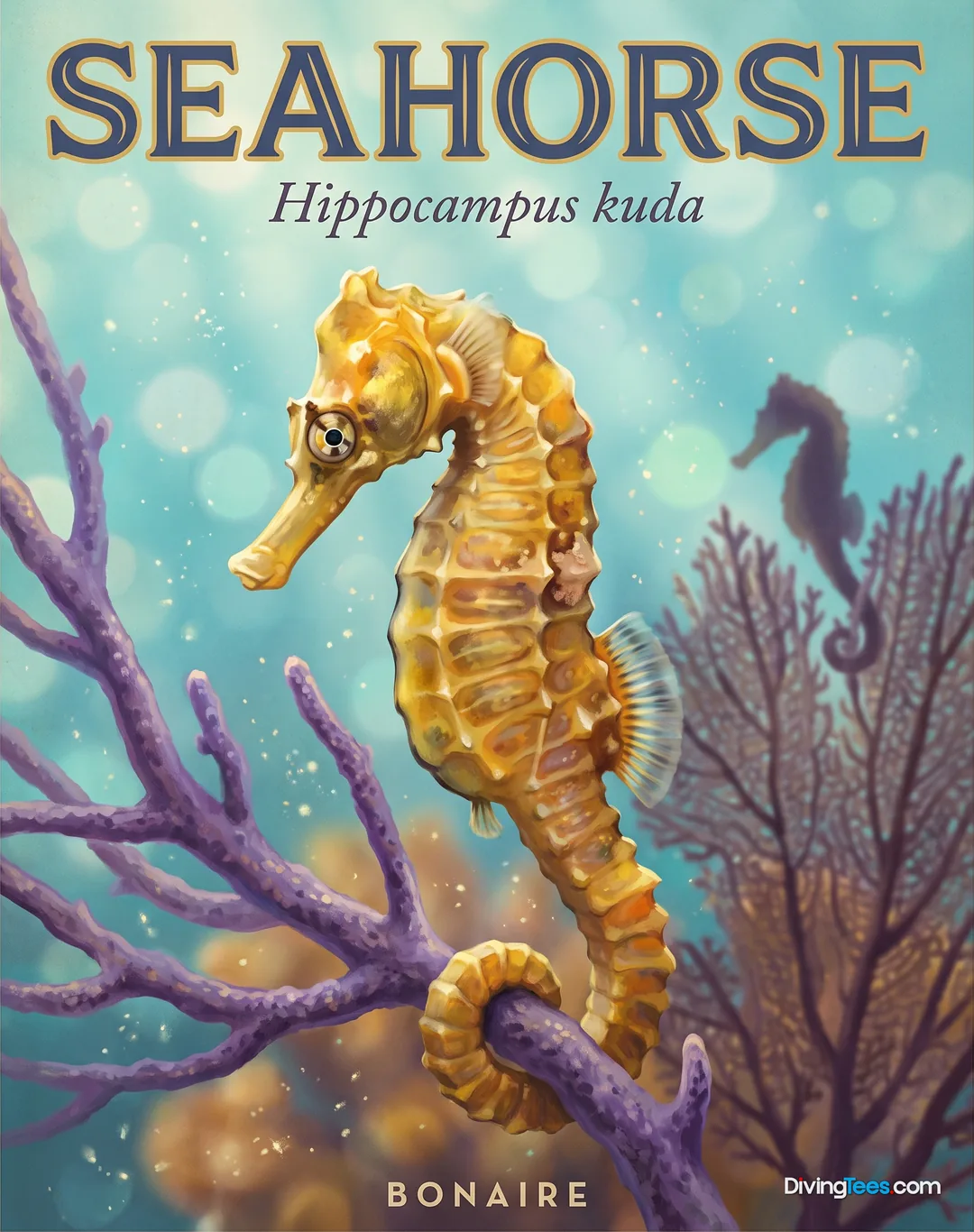
The routes are selected from a broad Sea of Cortez circuit rather than one fixed site list. Los Islotes is the sea-lion dive: California sea lions move around reef life, sardines and reef fish. Swanee Reef combines shallow reef with the Salvatierra wreck, reaching a maximum of -11m; schools of fish, garden eels, seahorses and sea lions fill the scene. The Salvatierra itself reaches -18m, where cargo trucks still rest with their tyres inflated beneath the reef fish, rays, turtles and barracuda. Fang Ming and Lapas03 are deliberately scuttled wrecks at -21m, now carrying hard and soft corals, nudibranchs, turtles and reef sharks. La Reynita is a current-swept rocky pinnacle to -30m, with schooling fish and groupers; San Rafaelito also reaches -30m, mixing coral heads and small caves with parrotfish, rays and occasional sea lions. Isla Ballena reaches -18m and offers caves, a hidden air pocket and sandy garden-eel beds. Punta Lobos reaches -27m, with a slope, rocky wall, giant seahorses, octopus and seasonal mobulas. La Reyna reaches -25m and is the site for giant Pacific manta rays. El Bajo reaches -18m; Gordo Banks and Neptune’s Finger both reach -40m and are the deeper pelagic choices, with hammerheads, rays, turtles and passing whales. Gavilanes reaches -18m among canyons and coral ridges, with lobsters and white-tip reef sharks. Recorded departures run from six to eleven days, with five to ten nights, including Cabo-to-Cabo, Cabo San Lucas–La Paz, La Paz–Loreto and the Mexico Sardine Run from Cabo.
What you’ll meet underwater
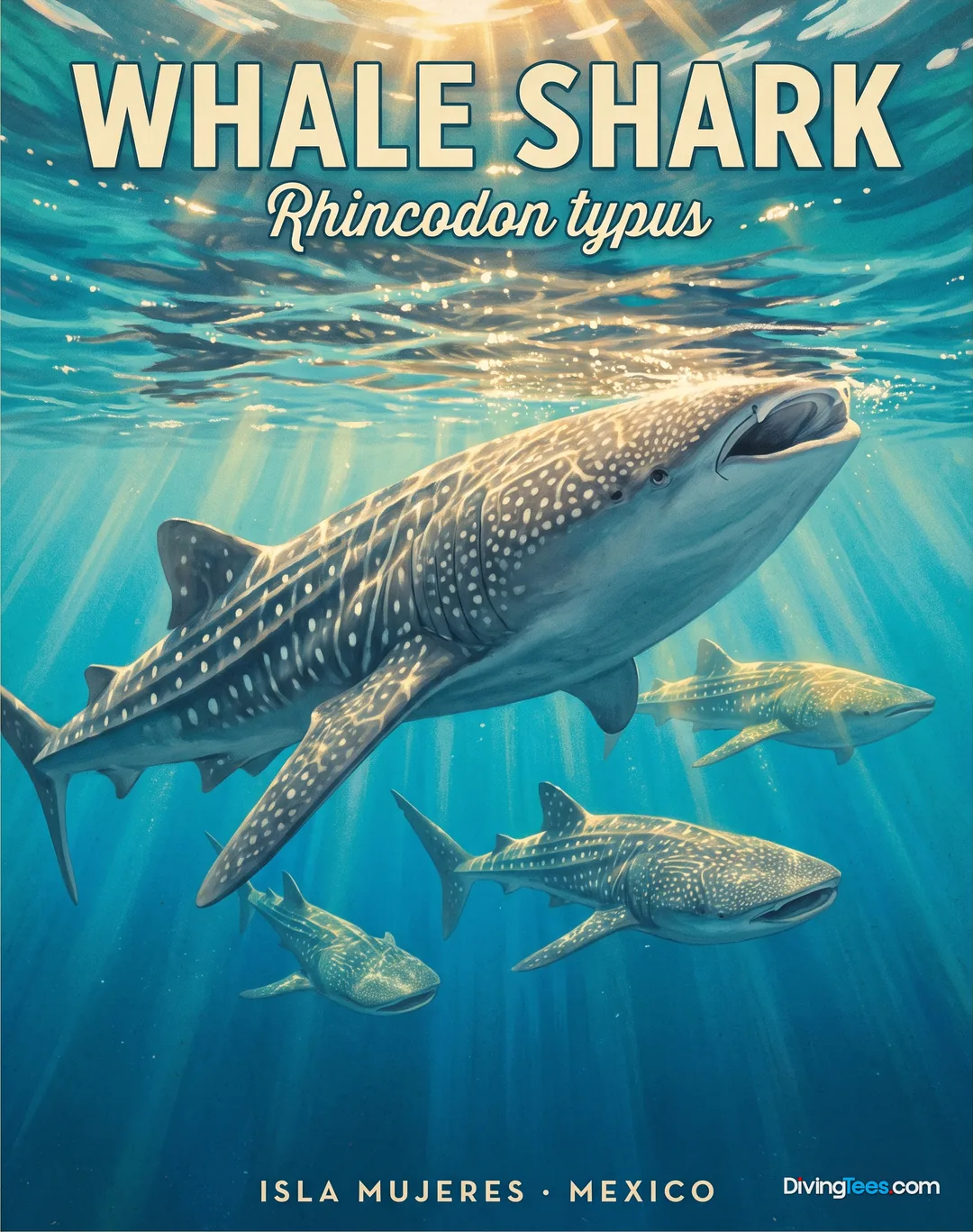
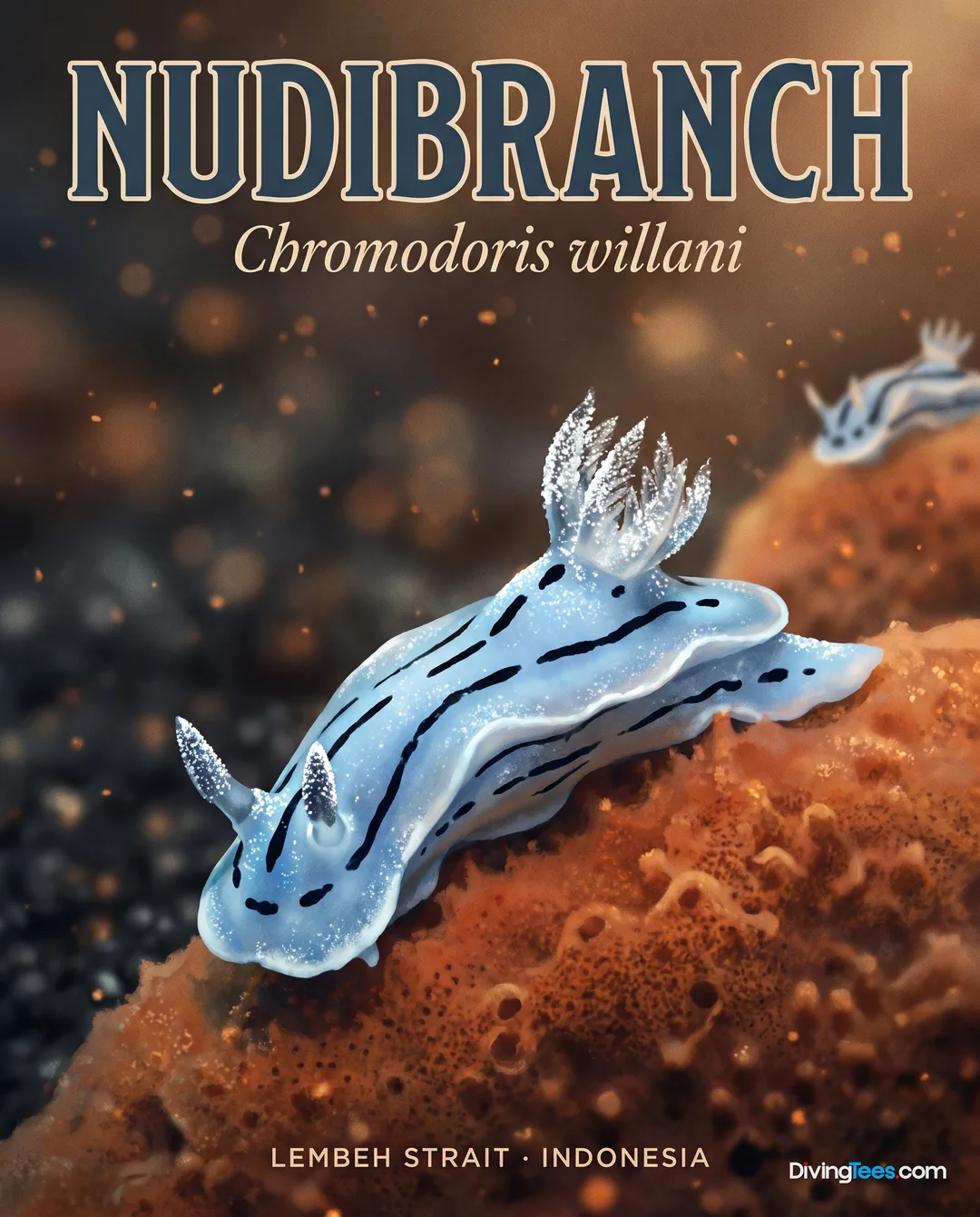
Across this route, sea turtles, groupers, morays, octopus and rays are the recurring cast, with snappers appearing at several sites. The setting changes the scale: a moray in a volcanic crack, an octopus under wreckage, or a turtle moving above a reef can occupy a whole dive. The one-site reasons to go are more precise. Swanee Reef holds the green turtle, hippocampus and blennies; Salvatierra Wreck is where barracuda is recorded; Fang Ming Wreck carries the route’s hard and soft corals. La Reyna is the named site for the green moray and giant Pacific manta rays. Gordo Banks is the major pelagic gamble, with giant manta rays, whale sharks, schooling hammerheads, striped bonito and large jacks recorded there; deep pinnacles and open water are what bring the bigger animals through. Punta Lobos can produce mobula rays in season, while Neptune’s Finger adds a submerged pinnacle, wall and large sandfall where rays, sardines, turtles and white-tip reef sharks may pass. Dolphins and humpback whales may also appear above or around the sites, but no animal is promised.
Who puts you in the water
The crew speaks English and Spanish, and an in-water dive guide is part of the diving package. Briefings cover the site and dive plan before guests gear up, after which groups can be organised around the level of support each diver wants. Confident divers may be allowed to explore independently when the plan and conditions permit; others can stay with a guide from gearing up through the return to the platform. The route is not presented as beginner-only diving. Some Sea of Cortez sites involve current, open water, deep pinnacles or demanding entries, so honest self-assessment matters more than chasing a formal number of logged dives that is not stated here. Oxygen, first-aid kits, life jackets, rescue boats, fire alarms and extinguishers, satellite and marine communications, and a crew trained in first aid are aboard. A defibrillator and a specific recall system are not listed.
The dive deck and the gear
The dive deck is the centre of the boat, with shade, a platform at water level, rinse tanks, DIN adaptors, charging stations and large camera tables for assembling housings before the next descent. Aluminium 80 tanks, weights and weight belts are included. Nitrox is available as an optional extra, as are rental equipment and nitrox certification; rebreathers and sidemount diving are supported. The boat works with two tenders rather than asking every diver to enter directly from the ship: a 22-foot heavy-duty fiberglass dive boat and a 17-foot rigid inflatable carry divers to the site and collect them after the dive. The water-level platform simplifies getting back aboard, especially with a camera or tired legs. The setup is built around repeated diving, not a token swim platform. What is not stated is best left that way: tank material beyond the included aluminium 80s, compressor model and filling rate are not part of the boat’s published detail.
Between dives
Between dives, the Under Sea gives people several ways to come down from the water without disappearing into their cabins. The shaded dive area keeps the practical work out of the sun, while the sun deck offers loungers, open air and a higher view over the route. The hot tub is the obvious place to warm up after a cool or tiring dive, and the bar is close enough for a drink without turning the recovery period into an event. Kayaks and stand-up paddleboards let guests get off the boat when the anchorage allows it. The main lounge is air-conditioned for the hours when Baja heat has done enough. On crossings between sites, the space is less about entertainment than reset: charge cameras, dry kit, read, talk through the last dive, then watch the sea until the next call to gear up.
A day on board
A diving day starts with the first briefing, then the deck shifts into its working pattern: cylinders checked, cameras laid out, groups called, and the tender moving divers to the site. After the dive, the platform brings everyone back to the ship, where gear is rinsed, cameras go onto the tables and food appears before the next descent. The Sea of Cortez programme is built around multiple dives on diving days, with night dives available on suitable itineraries. The gaps are used for the hot tub, the sun deck, kayaks, paddleboards, meals or simply watching the water from the lounge. Wrecks, reefs, pinnacles and sea-lion sites change the shape of the day, so the boat does not force every dive into the same mould. On longer crossings, the engines replace the compressor as the background sound and the sea becomes the activity. Then the next briefing starts the cycle again.
What you eat aboard
Food is one of the strongest parts of the operation, with meals made from scratch and served as a mixture of local and Western cooking. Breakfast, lunch, dinner and dessert are included, with buffet service alongside à la carte dinners and a special dinner during the trip. Vegetarian and vegan options are available, and the galley pays attention to intolerances when they are given in advance. Snacks are available throughout the day, which matters when diving repeatedly rather than sightseeing between meals. Non-alcoholic drinks, tea, coffee and drinking water are included; beer, wine and cocktails come from the bar. The dining room is not just where calories are replaced. It is where divers compare the shape of a manta, argue over whether that distant animal was a hammerhead, and return to the next briefing without needing to leave the ship.
Nights at sea
The cabins are on the main and lower levels, with a porthole view rather than broad hotel windows. Each has a private shower and individually controlled air conditioning, so the useful comforts are close at hand after a long dive day. The Premium Suite is on the sun deck, with multiple windows, storage, a flat-screen television and easy access to the hot tub. The Triple Stateroom is on the main deck and uses bunk beds, with one bunk available for storage; space is tight. The other staterooms are on the lower deck, with upper and lower beds and configurations that vary by cabin. At night, the difference between the levels is felt more than advertised: lower cabins are nearer the machinery and hull, while the main-deck cabins sit closer to the lounge and dive activity. The boat is air-conditioned, but it remains a working ship. Choose the cabin for its location as much as for its category.
Premium Suite
Stateroom
Triple Stateroom
What to know before boarding
Recorded departures and returns use Cabo San Lucas, Cabo, La Paz and Loreto, depending on the chosen itinerary; the Sardine Run is listed as Cabo to Cabo. Airport and hotel transfers can be arranged as optional services rather than being part of the standard trip. Boarding information and transfer arrangements are provided before departure. Arriving in the gateway city the night before is sensible, especially for routes leaving from Cabo San Lucas or La Paz.
- Year built
- 1968
- Year renovated
- 2016
- Length
- 32 m
- Beam
- 7.3 m
- Maximum number of passengers
- 19
- Number of cabins
- 9
- Number of bathrooms
- 9
- Engines
- Twin Caterpillar 240 hp (total 480 hp)
- Cruising speed
- 9 knots
- Tenders
- One 6.7 m heavy-duty fiberglass dive boat; one 5.2 m rigid-bottom inflatable
- Website
- nautilusliveaboards.com ↗
Hello, I'm Marina, DivingDeal.com's AI assistant. I answer in detail about hotels, dive centres and liveaboards.

Thinking about the whole trip and the flights? Talk it over with Edith →
Marina is an AI. Some links are affiliate links: DivingDeal may earn a commission, at no extra cost to you. Bookings are made with the partner.