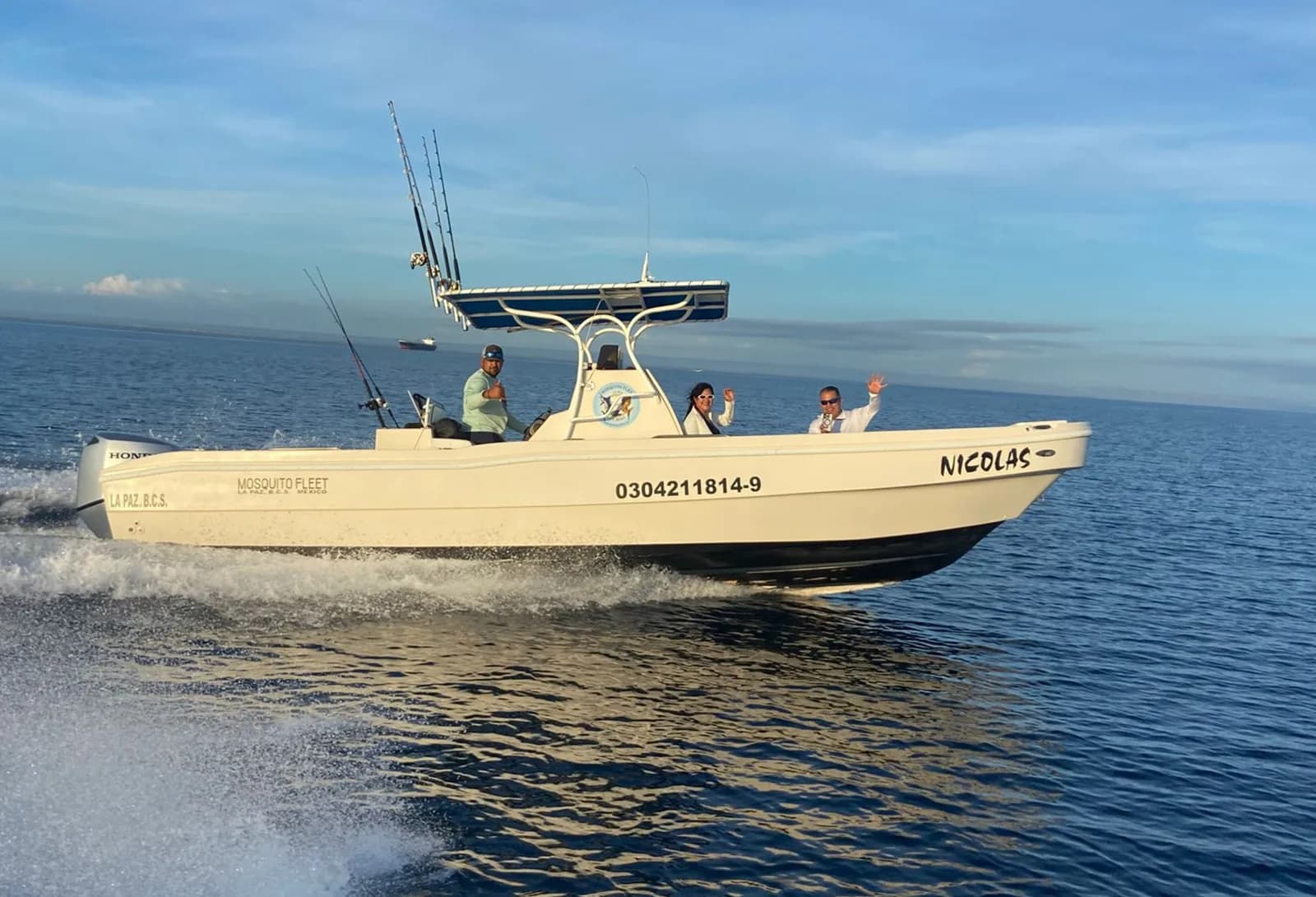

The Cortez Club
★ 4.4/5 (355 reviews)
21 km away as the crow flies
Sea of Cortez · Mexico · Americas
Max. depth · 11 mSwanee Reef offers a dual dive experience, combining a vibrant shallow reef with the historic 'Salvatierra' wreck, both teeming with schooling fish and diverse marine life.
For subtitles in English: start the video firstthen click the gearat the top right of the video, select “Subtitles/CC”, then “Auto-translate” and choose “English”.
Dropping onto Swanee Reef, you immediately encounter a compact rocky formation rising from a sandy seabed. The reef's crest begins remarkably shallow, at just 2 metres, creating a vibrant, active ecosystem directly beneath the surface. This upper section is rich with healthy corals, providing shelter and feeding grounds for smaller reef species, and serves as an ideal location for a safety stop or extended shallow exploration at the end of your dive. A channel marker is present, aiding in navigation around the site's distinct features.
As you descend, the reef unfolds into a tapestry of hard corals and gorgonians, forming low walls and intricate structures. These coral formations create a dynamic underwater landscape, swaying gently with the water movement and providing a home for countless species. The topography allows for easy circumnavigation of the entire reef within a single dive, offering continuous visual interest as you explore its contours.
Beyond the natural reef, Swanee Reef is also home to the 'Salvatierra' wreck, which has rested on the seabed for over 35 years. This vessel has transformed into an artificial reef, complementing the surrounding natural formations and adding a layer of historical intrigue to the dive. Exploring its structure reveals how marine life has adapted to and embraced human-made objects, creating new habitats and feeding opportunities.
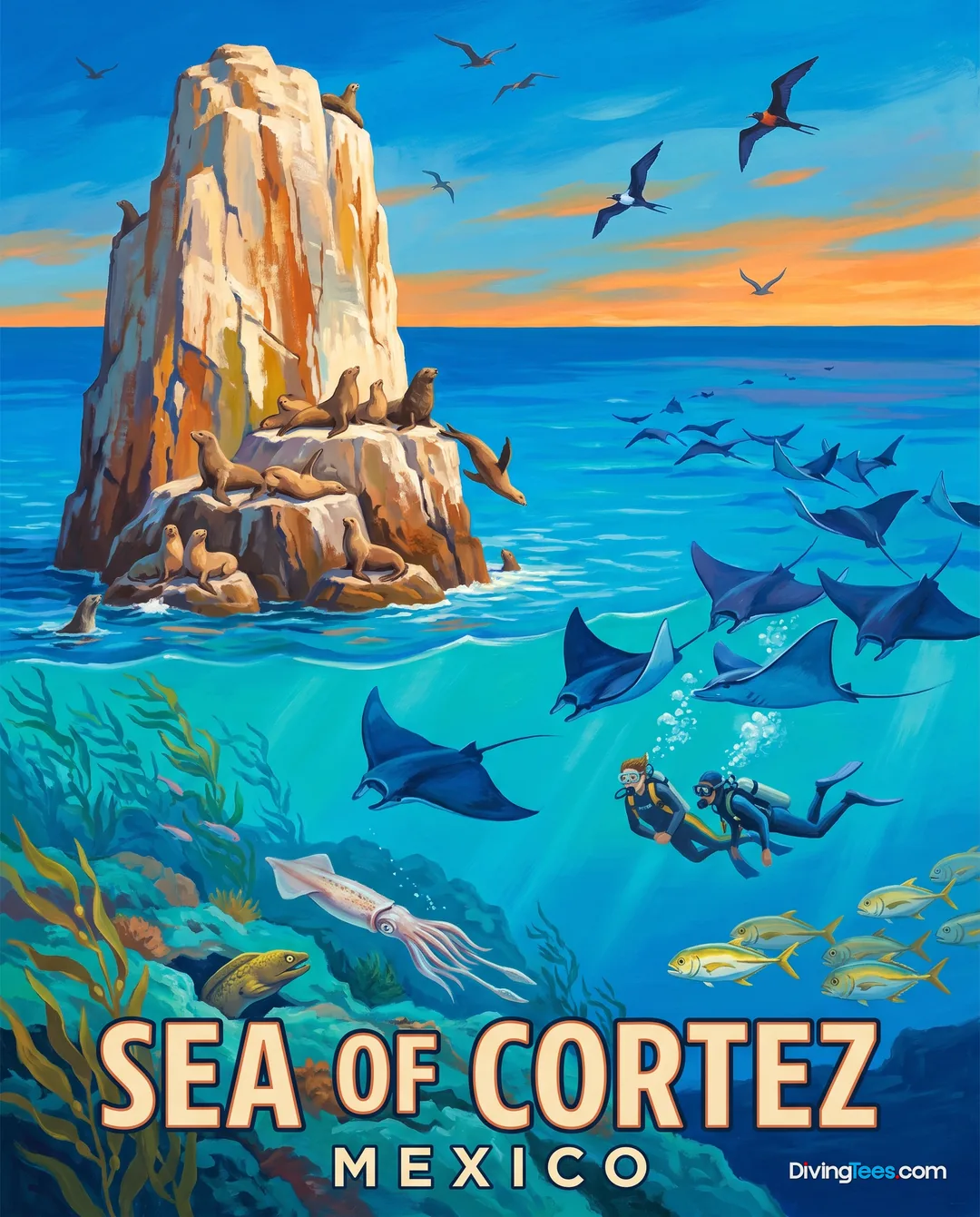
Throughout your dive, you will find yourself amidst hundreds of schooling fish. These shimmering masses move in unison, creating mesmerising displays of aquatic choreography. It is common to be surrounded by these vast schools, experiencing the sheer density of marine life that characterises the richness of the Sea of Cortez. This constant movement and abundance define the visual experience of the site.
Keep an eye out for larger inhabitants; vast schools of green jacks (Caranx caballus) are frequent visitors, their silvery bodies flashing as they patrol the reef. Their presence adds a dynamic element to the dive, reminding you of the active food chain at play. Their movements are often swift and captivating, darting through the water column and interacting with the smaller reef fish.
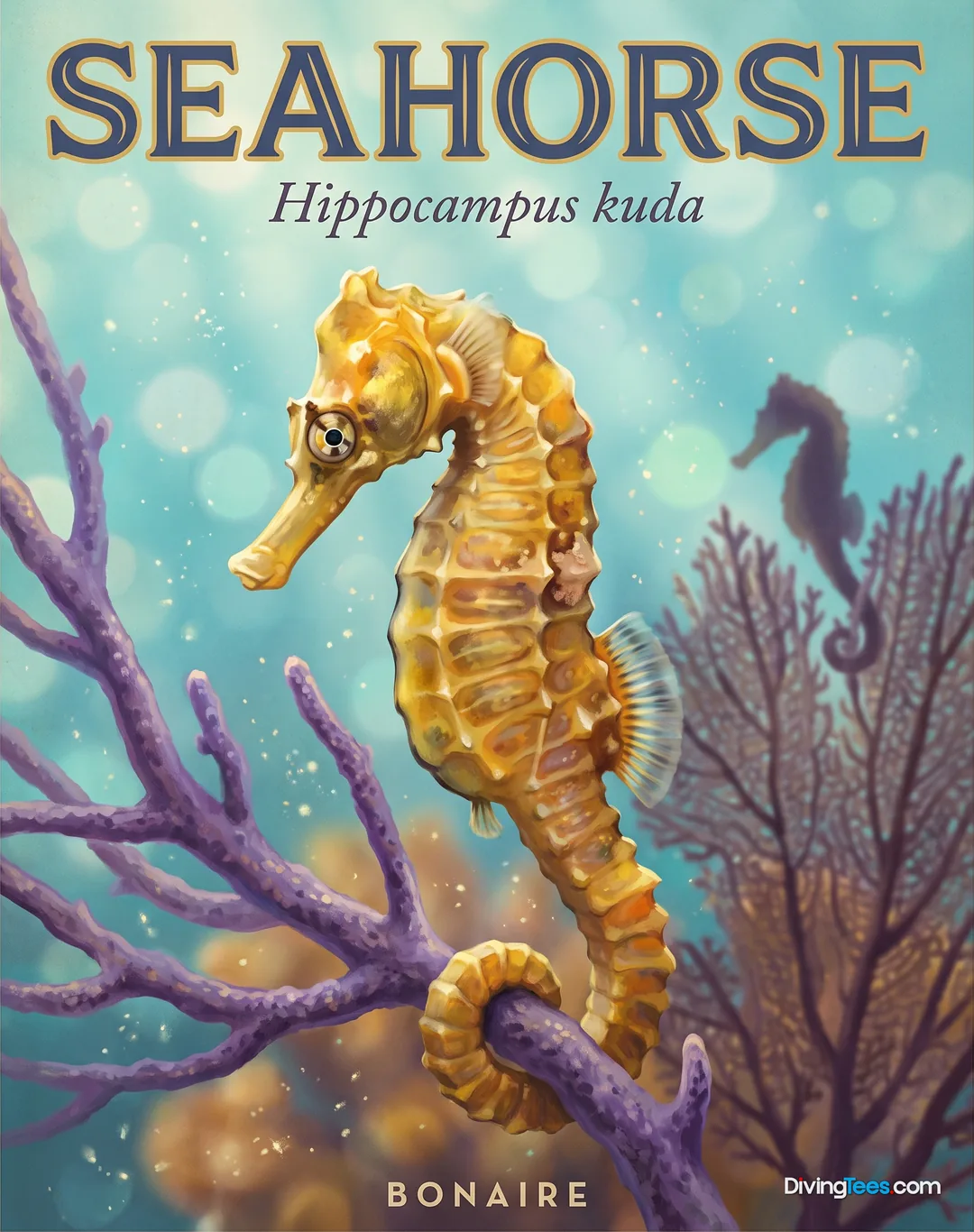
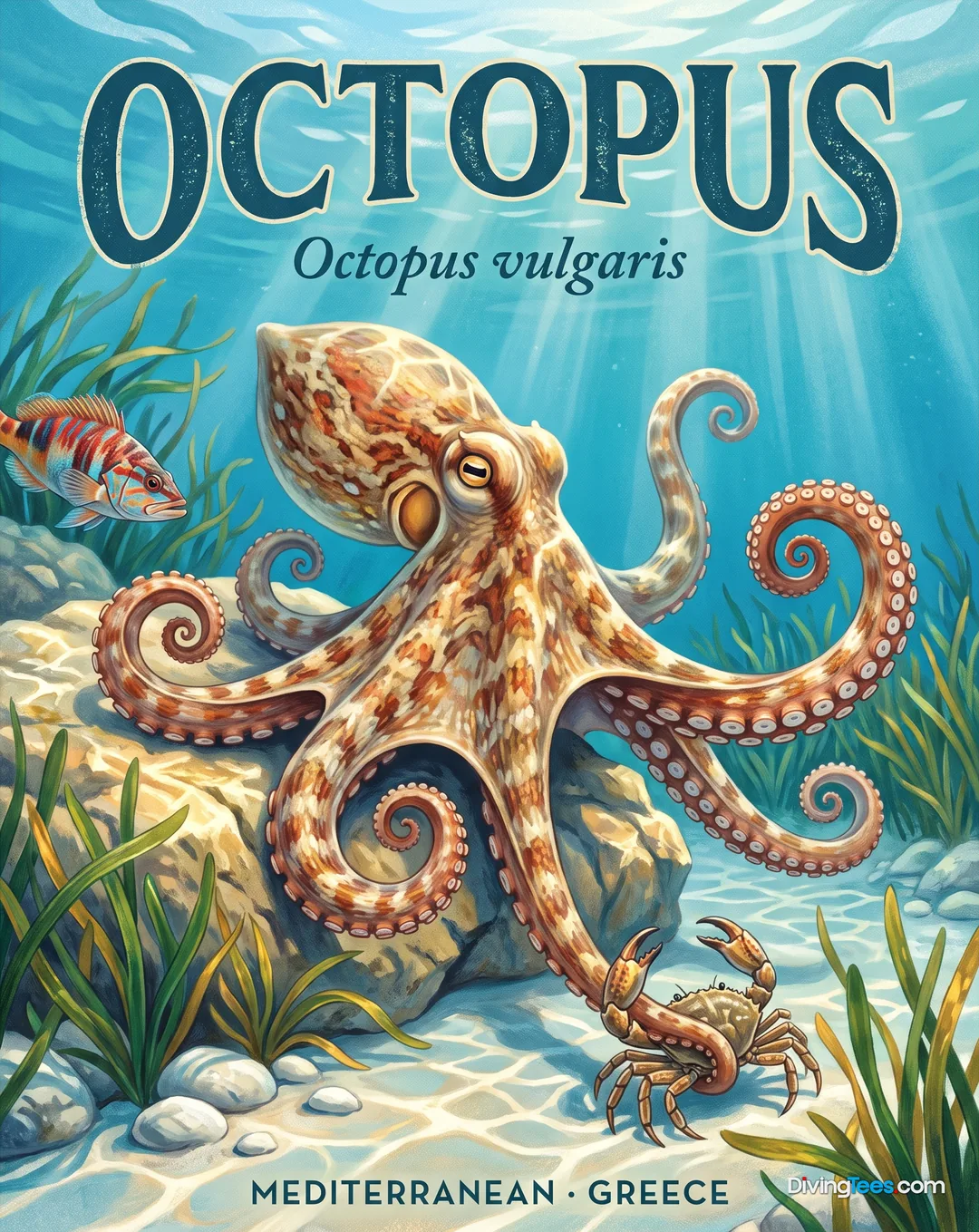
The site also offers opportunities to spot a variety of smaller, more elusive creatures. Garden eels can be found in the sandy areas surrounding the reef, while seahorses and octopus are often tucked away within the coral formations. You might also encounter yellowline arrow crabs and various blennies, requiring a keen eye to spot them in their natural camouflage. Green sea turtles are also occasional visitors, gliding gracefully over the reef.
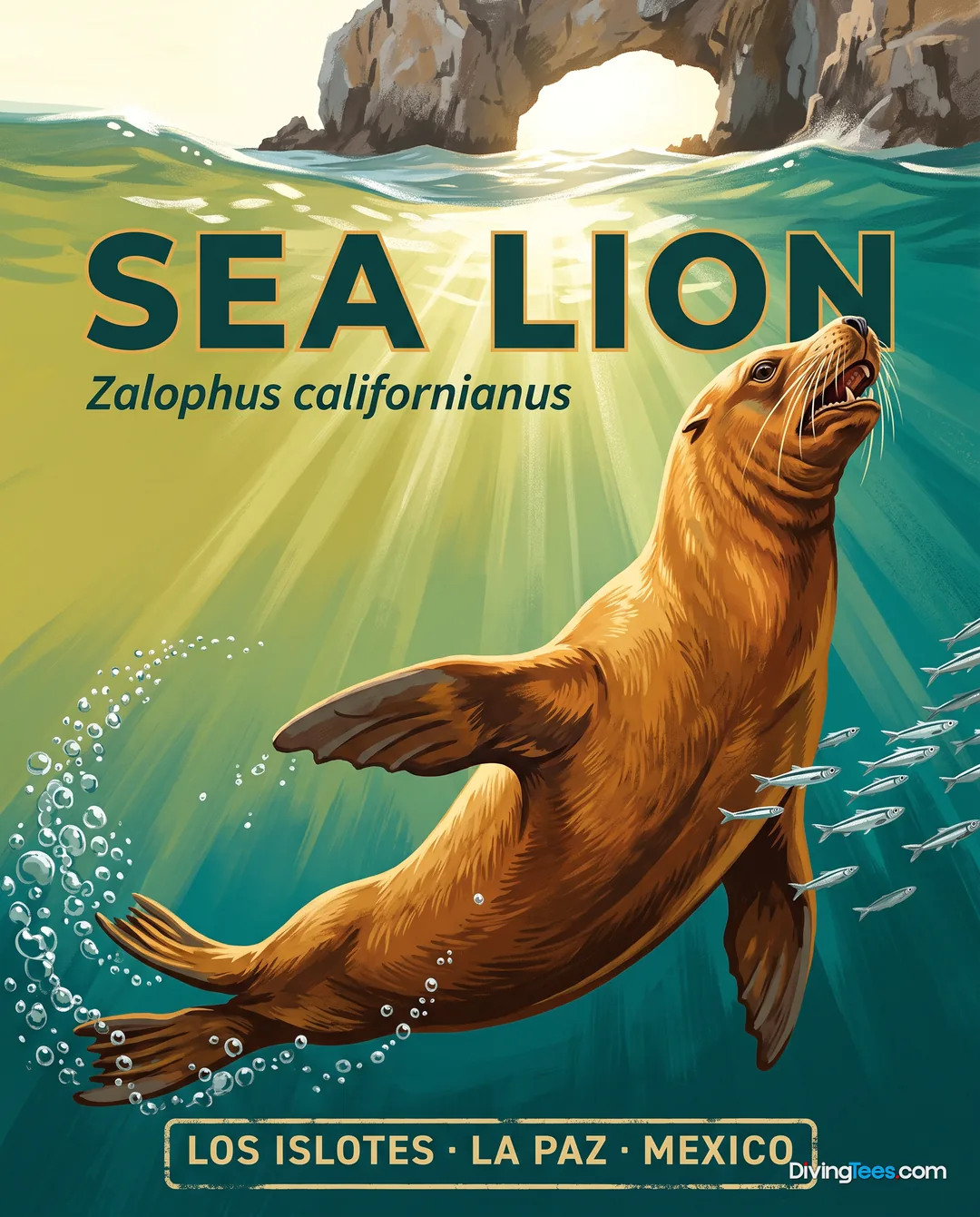
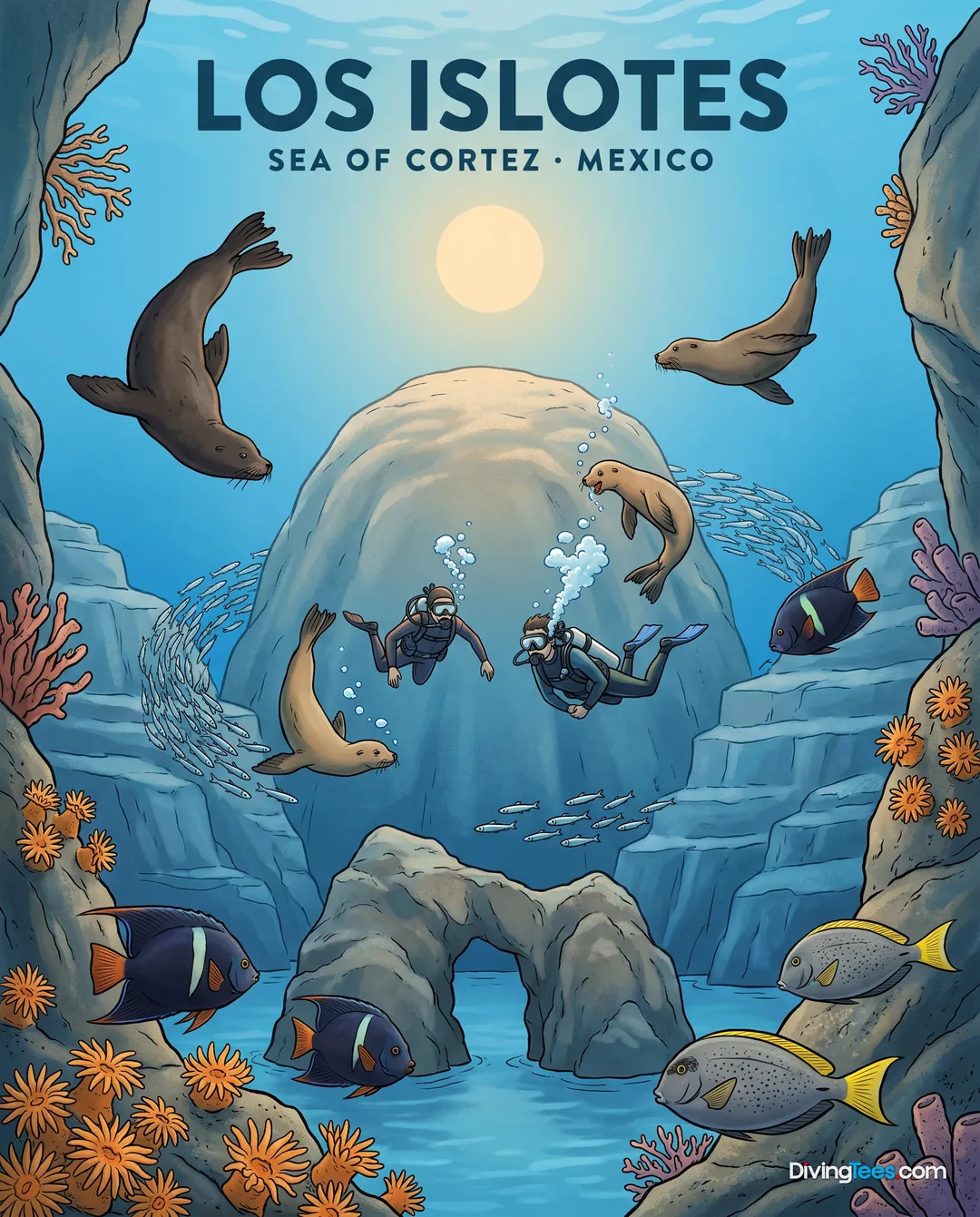
California sea lions (Zalophus californianus) are sometimes seen around Swanee Reef, adding an element of charismatic megafauna to the dive. Their playful curiosity can make for memorable encounters, especially in the shallower sections of the reef. The combination of abundant reef fish, larger pelagics, and occasional marine mammals makes Swanee Reef a diverse and engaging dive site.
Swanee Reef is accessible to novice divers, with depths ranging from a minimum of 2 metres to a maximum of 14 metres. Visibility is generally excellent, typically between 15 and 30 metres, providing clear views of both the reef and the 'Salvatierra' wreck. While the site is generally manageable for beginners, currents can be variable, influenced by tides and wind. Divers should be prepared for potential shifts in current, though conditions are usually suitable for training dives and underwater photography.
8 liveaboards run trips to Sea of Cortez.
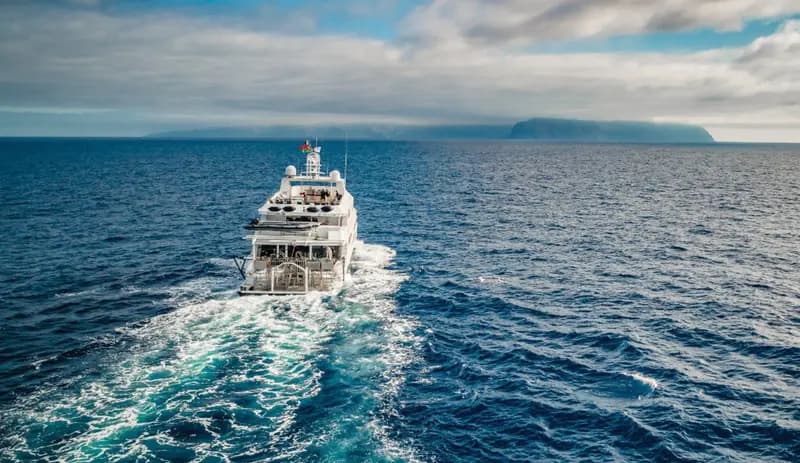
Departing from Cabo San Lucas Marina
★ 9.3/10 (194 reviews)
from 267 €/day
Discover this boat →
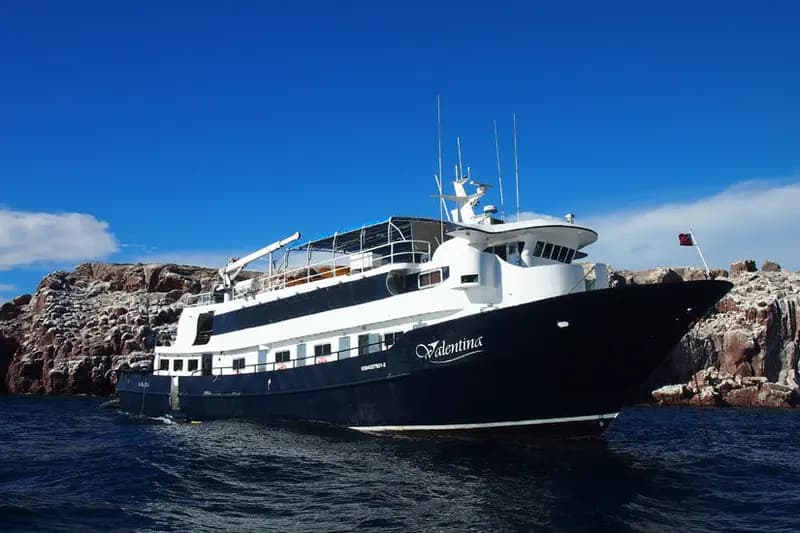
Departing from La Paz Marina
★ 9.1/10 (122 reviews)
from 373 €/day
Discover this boat →
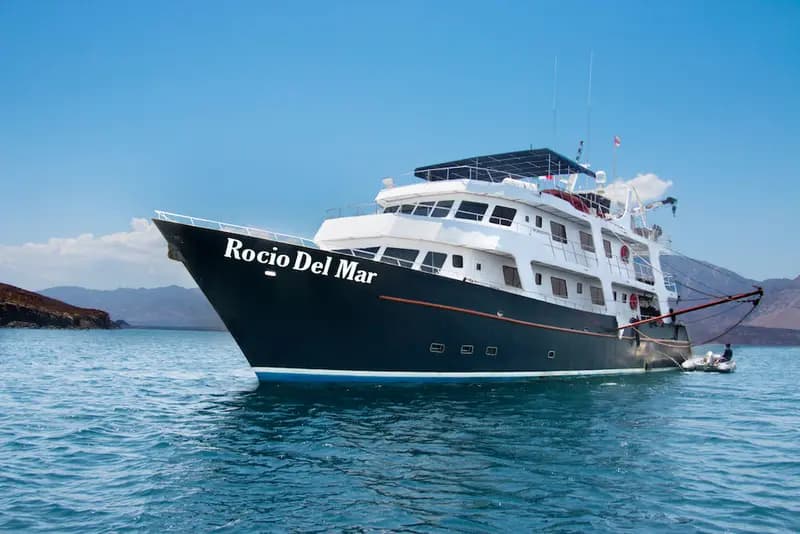
Departing from Puerto Penasco
★ 9.1/10 (49 reviews)
from 326 €/day
Discover this boat →

Departing from Cabo San Lucas Marina
★ 9/10 (62 reviews)
from 254 €/day
Discover this boat →