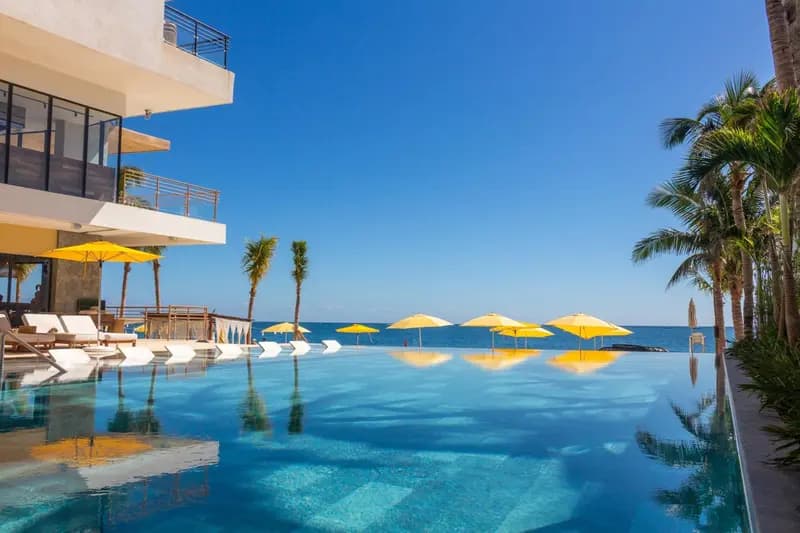
The Fives Oceanfront
★★★★★
★ 8/10 (230 reviews)
1.2 km away as the crow flies
Dive centre · Puerto Morelos · Mexico
5.06 Google reviewsExplore the vast coral systems of the Riviera Maya and the crystalline underworld of the local cenotes with SSI training.
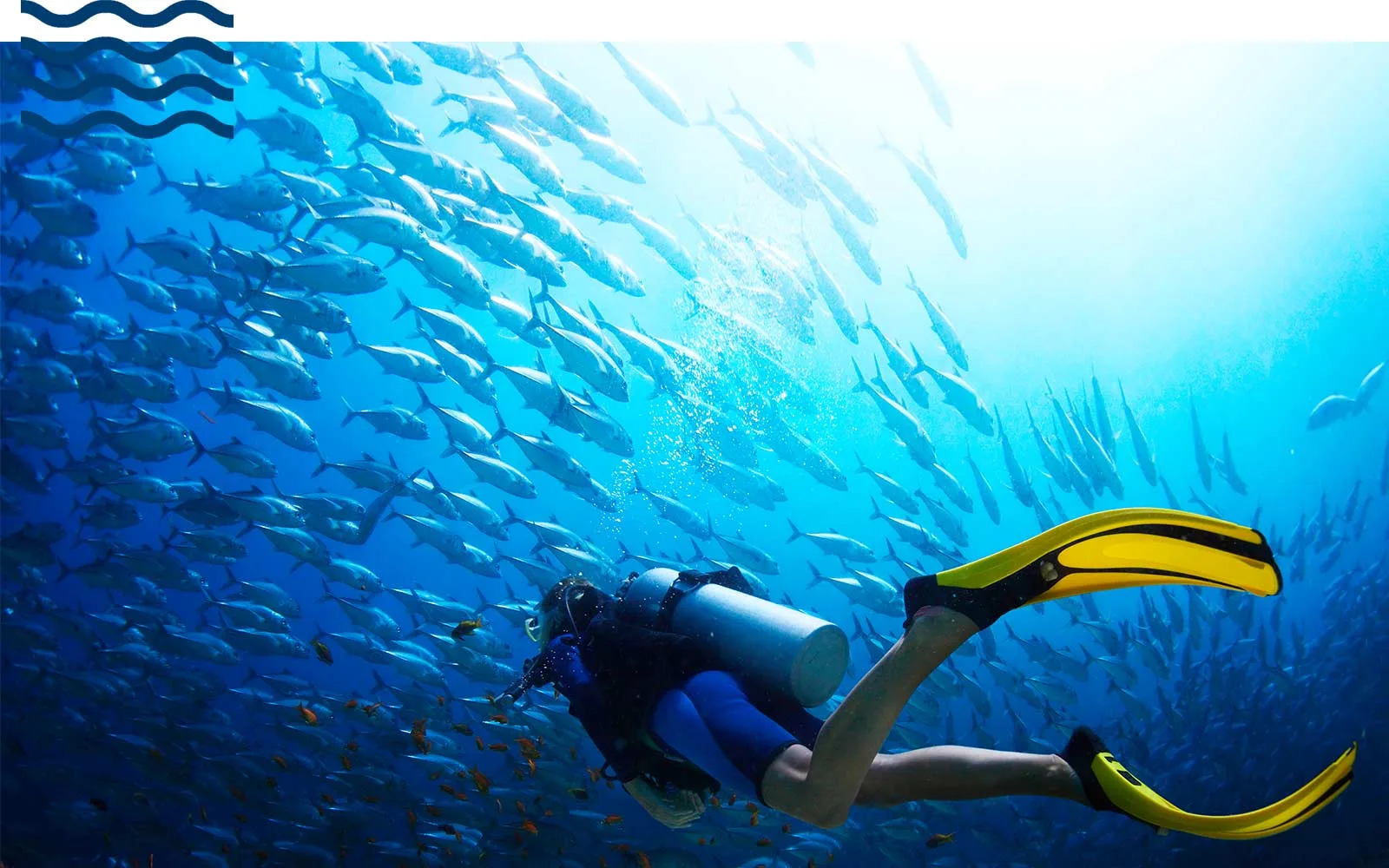
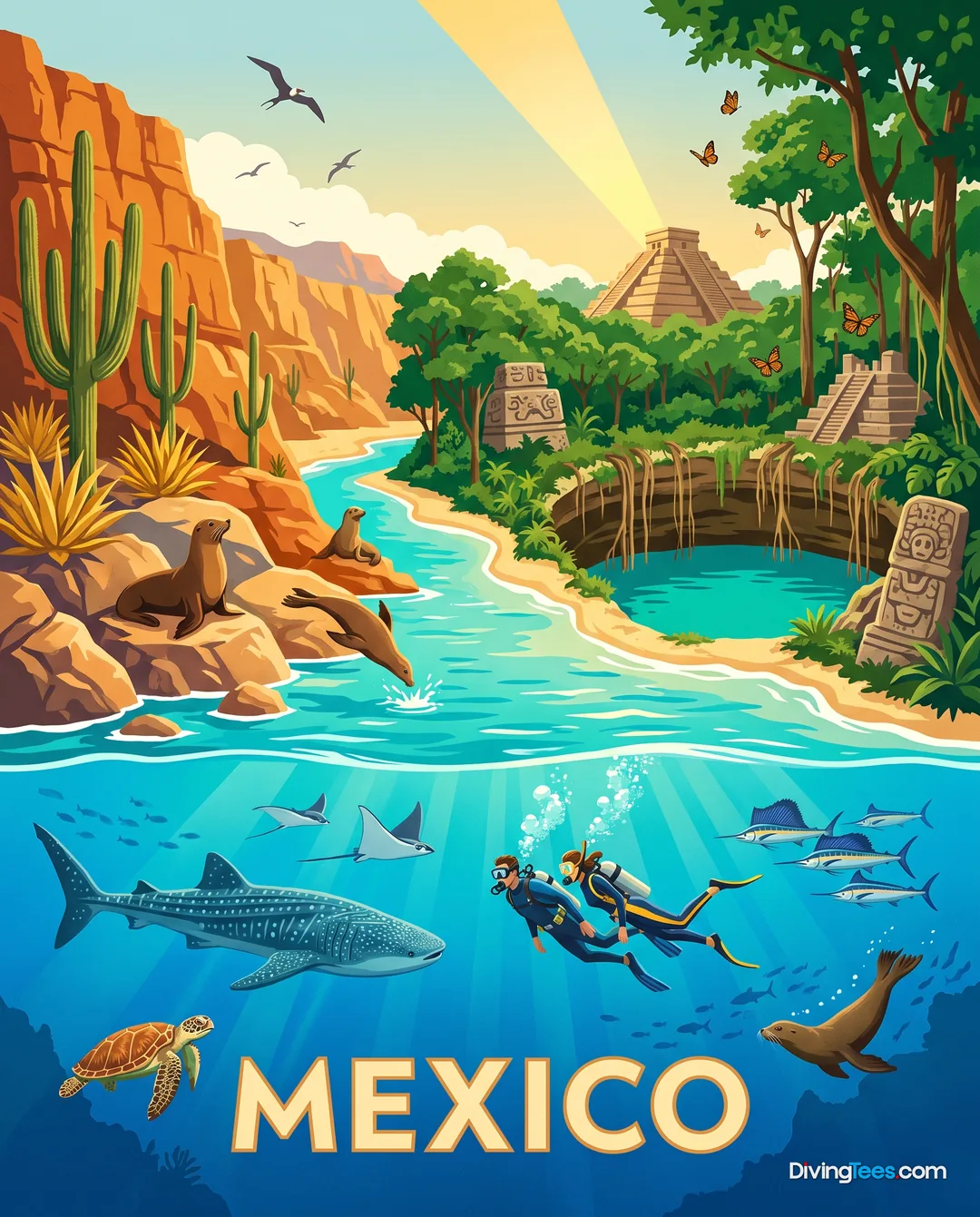
The Fives Dive Center is situated in the heart of the Riviera Maya, a region defined by the immense Mesoamerican Barrier Reef and a unique network of freshwater cave systems. Based out of The Fives hotels—including The Fives Beach, The Fives Downtown, and The Fives Oceanfront—the centre serves as a gateway to some of the most diverse marine environments in Mexico.
Whether you are looking to explore shallow reef flats or descend into the limestone formations of the cenotes, the centre provides the logistical support needed to access these distinct habitats. The proximity to both the open ocean and the inland river systems allows for a highly varied diving itinerary.
As an SSI affiliated centre, the team focuses on structured training and safety. They facilitate the full spectrum of SSI certifications, using a combination of digital learning materials, in-water training in the hotel pools, and open-water sessions.
Instruction is available for all ages, with a minimum age of 8 for introductory programmes and 10 for full certification courses. The centre emphasises responsible diving practices and the protection of the local marine ecosystems.
The course catalogue is extensive, covering everything from the initial Open Water Diver certification to advanced levels. For those looking to expand their skills, the centre offers the Advanced Adventure, Deep Diver, and Wreck specialties.
Divers can also specialise in Nitrox to extend their bottom times or pursue more technical paths. For those already certified, Refresh courses are available to brush up on skills before heading back into the water.
The centre provides various options for those needing to kit up, with rental equipment available for those not travelling with their own regulator, BCD, or wetsuit. For those looking for a more comprehensive setup, full kit hire is also an option.
Training is supported by on-site facilities, including the use of hotel swimming pools for confined water sessions during certification courses.
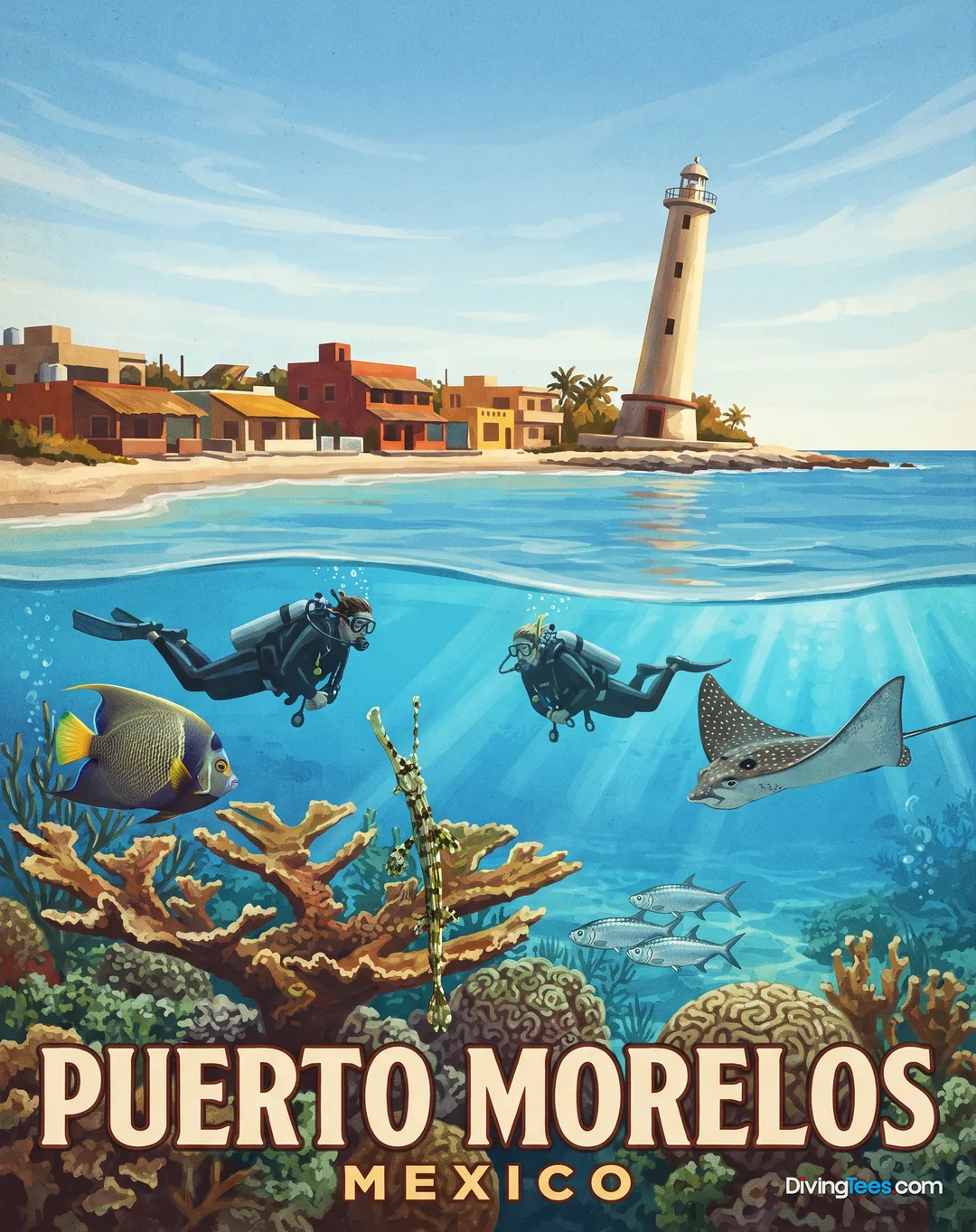
Arrecifes de Puerto Morelos offers a diverse reef environment just five minutes from the coast. You can explore both shallow and deep reef sections that are teeming with marine life.
Cenotes provide a completely different experience, featuring crystal-clear freshwater and intricate karst formations like stalactites and stalagmites. These cave and river systems offer a unique sense of weightlessness amidst spectacular light beams.
C-56 Cadete Juan Escutia is a wreck located in Puerto Morelos at a depth of between 24 and 30 metres. This site was intentionally sunk to create a new artificial reef for the local ecosystem.
Cozyumel reefs offer advanced diving with deep walls and significant currents. The area is famous for its high biodiversity and the presence of the endemic splendid toadfish.
And some of the dive sites the centre runs.
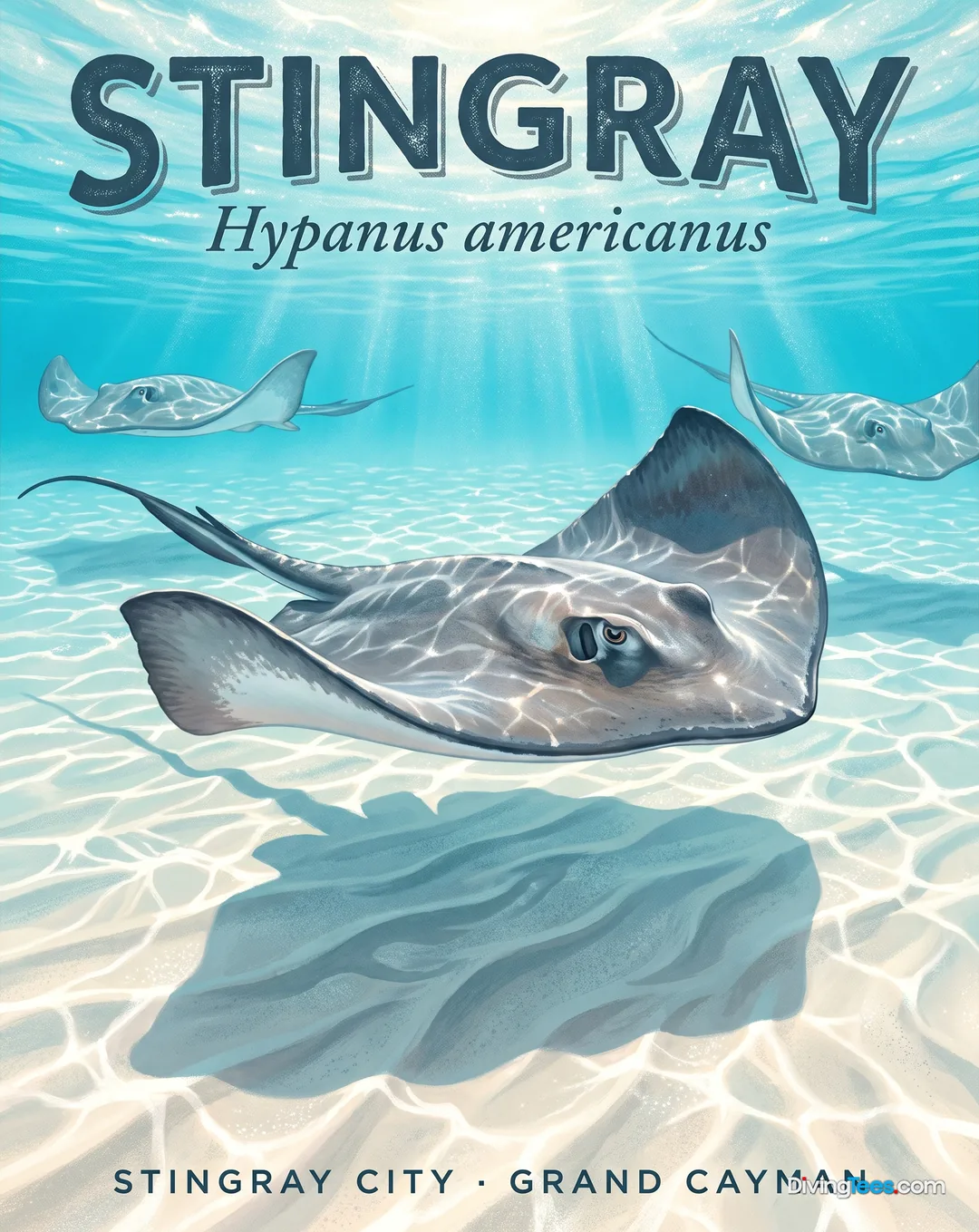
The reefs are home to a wide array of larger species. You can regularly encounter sea turtles, stingrays, and various species of moray eels. Schools of fish and groupers (Epinephelus) are common sights along the coral structures.
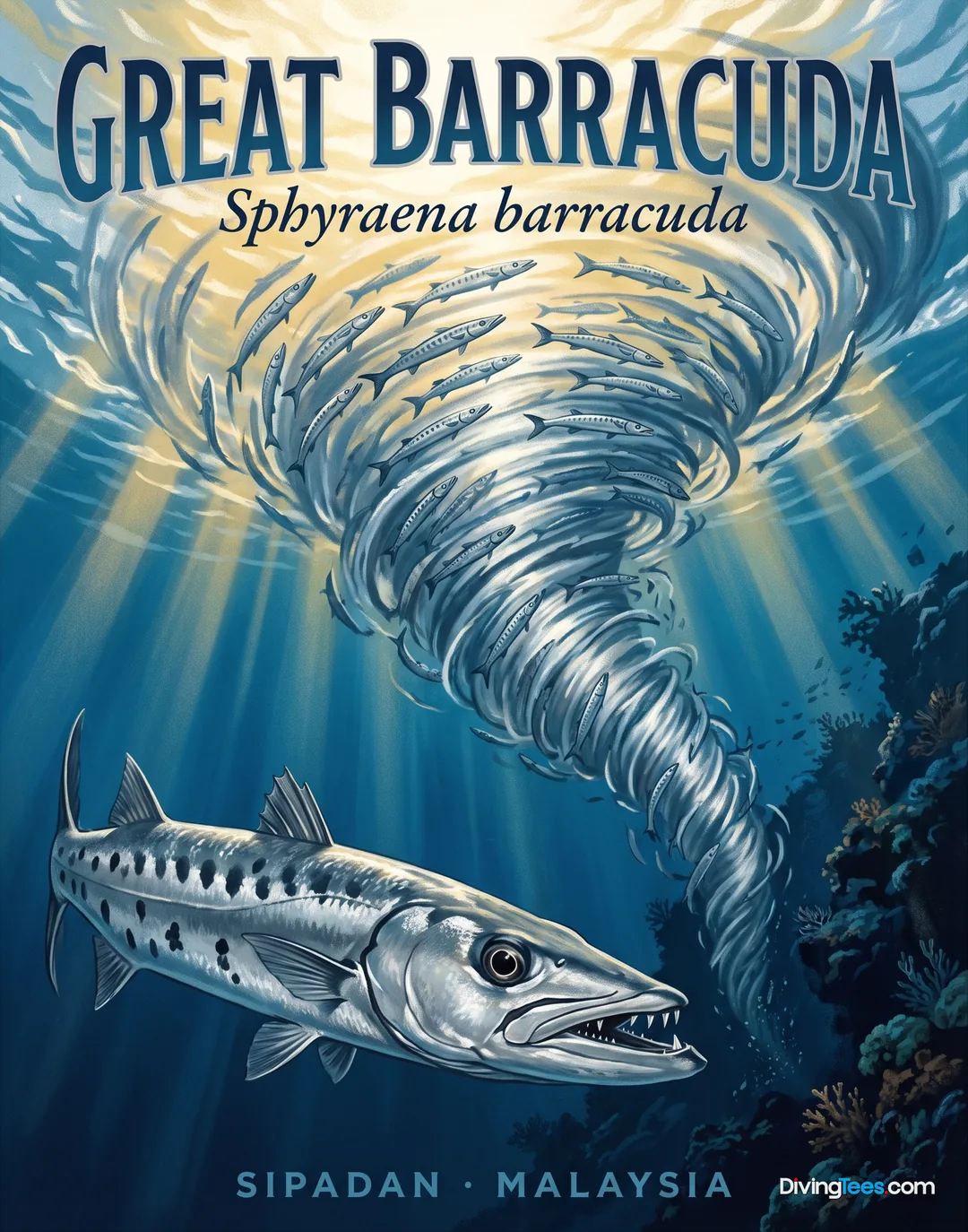
During the months from November to March, you may have the chance to see Eagle ray (Aetobatus) passing through the area. Large predators like Great barracuda (Sphyraena barracuda) and nurse sharks are also part of the regular marine landscape.
For those interested in more specialised encounters, the Bull Shark Senses site offers the opportunity to dive with bull sharks. The reef flats also host various corals and sea fans (Gorgoniidae) that provide the essential structure for the ecosystem.
The Cozumel reefs are particularly noted for their high concentration of species, including the endemic splendid toadfish.
Diving in Cozumel typically involves moderate to strong currents, which is a key consideration for advanced divers planning wall or drift dives. In Puerto Morelos, the sites are often more accessible, with some reefs located just minutes from the shore.
Seasonal changes affect the presence of certain pelagics, such as the Eagle ray (Aetobatus) which is most frequently sighted between November and March.
Hello, I'm Marina, DivingDeal.com's AI assistant. I answer in detail about hotels, dive centres and liveaboards.

Thinking about the whole trip and the flights? Talk it over with Edith →
Marina is an AI. Some links are affiliate links: DivingDeal may earn a commission, at no extra cost to you. Bookings are made with the partner.