
Diving Puerto Morelos OMDelfin
Google 5/5 (852 reviews)
16 km away as the crow flies
Puerto Morelos · Mexico · Americas
Max. depth · 26 mDescend into the heart of an intentionally scuttled military vessel transformed into a vibrant artificial reef, teeming with marine life just off Puerto Morelos.
Diving the C-56 Juan Escutia is an immersion into a purpose-built marine ecosystem. This former military ship, intentionally scuttled by the Mexican Navy in 2000, now lies off the coast of Puerto Morelos, serving as one of the region's most prominent artificial reefs. As you descend, the shape of the vessel begins to resolve from the blue, revealing its structure now encrusted with nascent corals and gorgonian forests, a testament to the sea's resilient ability to reclaim and repurpose.
The wreck itself offers a distinct profile that guides your dive. You'll navigate around its stern and bow sections, exploring the main deck and superstructure. Even though it's an artificial reef, the C-56 holds the palpable history of its military past, now softened by the vibrant colours of new life. Photographers find ample opportunities, particularly in showcasing the interplay between the ship's steel skeleton and the diverse marine organisms that have made it their permanent home. The sheer scale allows for comprehensive exploration, making it a compelling site for multiple dives.
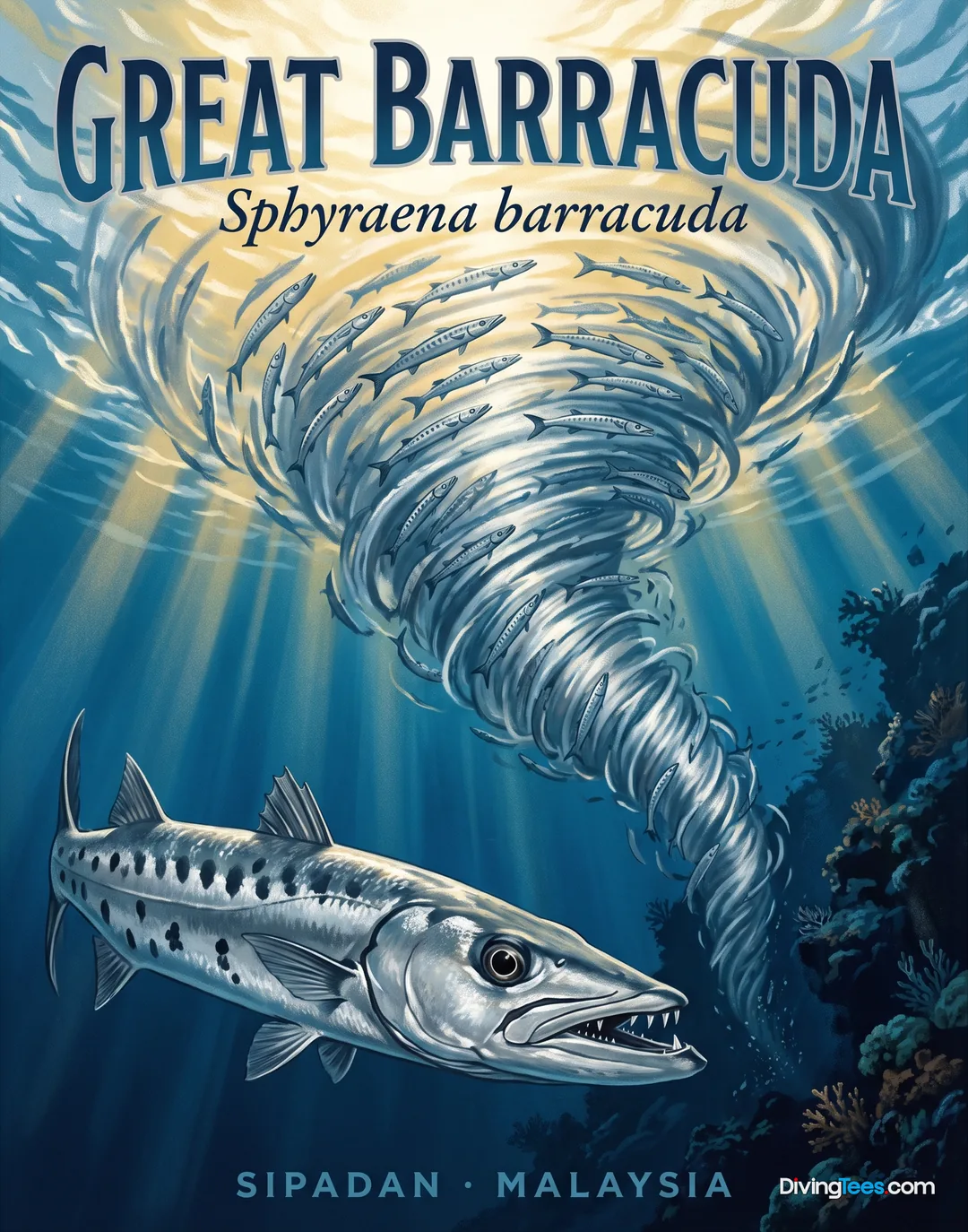
The C-56 is a magnet for pelagic and reef fish alike. Schools of barracudas often patrol the upper reaches of the wreck, their silver bodies glinting in the light filtering down from the surface. Beneath them, you'll encounter bustling groups of jacks (Caranx), swirling around the wreck's contours, their synchronised movements a captivating display. Keep an eye on the open water surrounding the wreck, as these areas frequently host larger visitors. The artificial reef structure provides crucial shelter and hunting grounds, establishing a dynamic food chain.
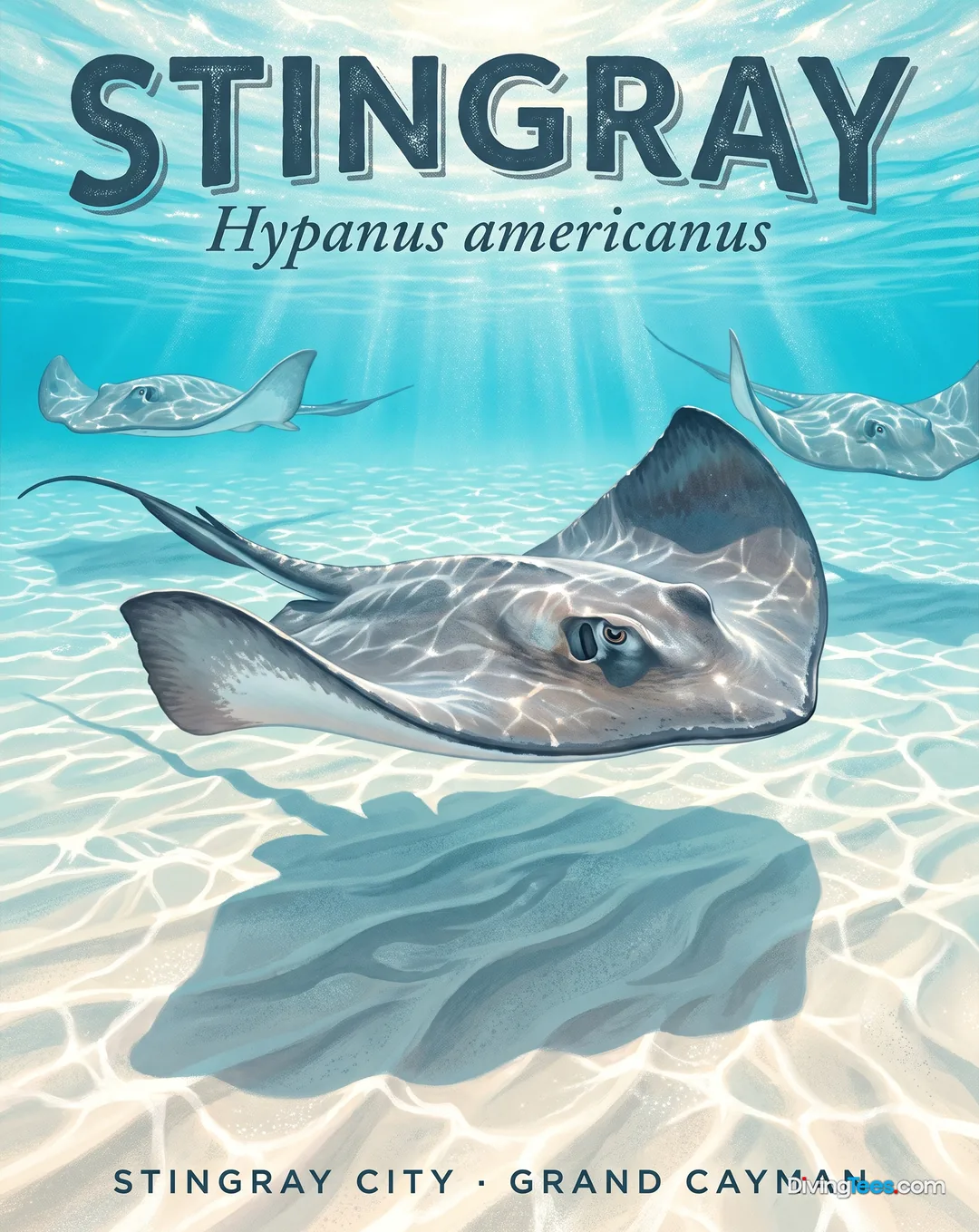
Beyond the schooling fish, the C-56 supports a rich benthic community that thrives on its surfaces. Various corals and gorgonians are steadily establishing themselves, adding intricate textures and colours to the ship's hull and internal compartments. These formations provide excellent hiding places for resident grouper (Serranidae), often found lurking in shadowy crevices. While exploring, you'll inevitably encounter southern stingrays (Dasyatis americana) resting on the sand adjacent to the wreck or foraging for buried prey.
One of the most anticipated encounters here involves the elegant eagle rays (Aetobatus narinari). These magnificent creatures are frequent visitors, often seen gracefully gliding over the wreck with their distinctive pointed snouts and broad wings. Their presence adds a thrilling element to the dive, as they move with an almost ethereal quality. Spotting them as they pass through the blue, or even just above the wreck, underscores the site's importance as a genuine gathering point for significant marine life.
The successful transformation of the C-56 Juan Escutia from a military vessel to a thriving artificial reef highlights a crucial conservation effort. It's not just a dive site; it's a living example of how conscious intervention can enhance marine biodiversity. The growth of new reef structures combined with the consistent presence of keystone species like groupers and jacks demonstrates the ecological value of such projects. Each dive offers a chance to observe the ongoing evolution of this underwater haven, making it a uniquely rewarding experience in the Puerto Morelos region.
To dive the C-56 Juan Escutia, an Advanced Open Water Diver (AOWD) certification or equivalent experience is required due to its depth. The wreck rests at a maximum depth of 26 meters (85 feet). It is highly recommended to plan for two dives on the wreck to fully appreciate its scale and the diversity of marine life, or to combine a wreck dive with an exploration of a shallower nearby reef. The currents here are generally manageable, but always be prepared for changing conditions typical of open water sites.
You need Advanced Open Water Diver certification or equivalent experience because C-56 Juan Escutia reaches a maximum depth of 26 metres. The wreck rests at 26 metres, where you can explore its stern, bow, main deck and superstructure while observing coral, gorgonians and marine life developing across the vessel.
Currents at C-56 Juan Escutia are generally manageable, but you should remain prepared for changing conditions typical of open-water sites. Plan your dive with those possible changes in mind while exploring the wreck and the surrounding water, where marine life uses the artificial reef for shelter and hunting.
At C-56 Juan Escutia, you can encounter large schools of barracudas and jacks around the wreck, along with resident groupers and southern stingrays near its sandy surroundings. Eagle rays frequently glide over the vessel, while corals and gorgonians continue establishing themselves on its hull and internal compartments.
You should plan two dives at C-56 Juan Escutia to appreciate the vessel's scale and marine life, or combine a wreck dive with a shallower nearby reef. The site supports exploration around the stern, bow, main deck and superstructure, giving you several areas to examine across your dives.