
Dive Zihua
Google 5/5 (82 reviews)
Mexico · Americas
Rocky canyons, colonised wrecks, deep walls and humpback whales give Ixtapa-Zihuatanejo its character, with sheltered bays for easier dives.
For subtitles in English: start the video firstthen click the gearat the top right of the video, select “Subtitles/CC”, then “Auto-translate” and choose “English”.
Ixtapa-Zihuatanejo is a shore-based Mexican diving holiday built around short boat runs from Zihuatanejo and Ixtapa. Behind Las Gatas and in the sheltered bays, the water gives beginners and returning divers straightforward rocky reefs and shallow scenery. Further out, the character changes: canyons, walls, swim-throughs, wrecks and the granite formations of the Morros de Potosí bring deeper profiles, variable current and a chance of larger animals. It works particularly well for a week that mixes relaxed bay dives with more committed outings.
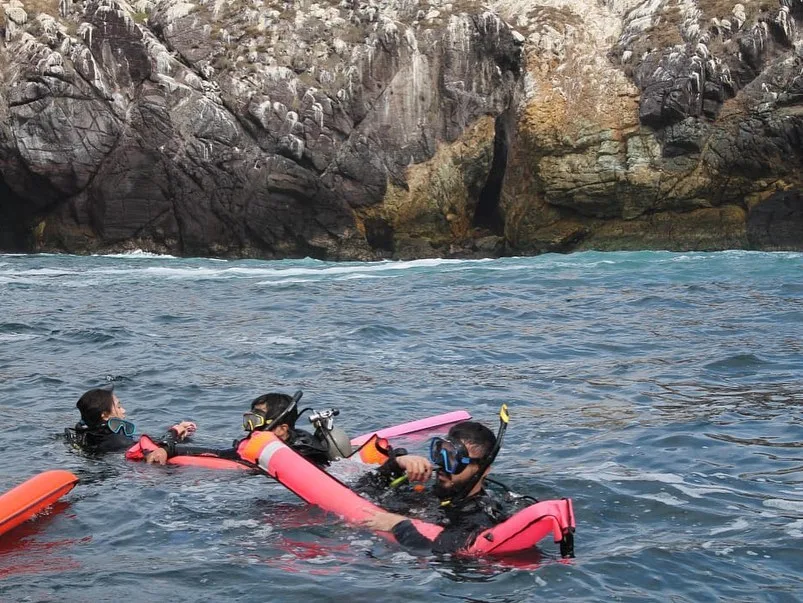
Most diving starts from a small boat, with only two established beach sites in Zihuatanejo Bay. Underwater, expect rock rather than a single continuous reef: pinnacles, walls, gullies, caverns and passages lead into deeper water, while wrecks add a different kind of structure. The protected parts of the bay are the sensible introduction, but the outer formations and the Morros de Potosí offer more demanding profiles, with some dives reaching about 39 metres. Current is variable rather than a constant feature, so a planned descent can become a drift dive or a downcurrent problem if the site and conditions are mismatched. Visibility is equally changeable, from 10 metres or less to around 30 metres. That makes a safety stop and good separation from the boat particularly important, and is why one disappointing bay dive should not define the whole area.
The larger animals are part of the appeal, but they are encounters rather than a guaranteed programme. Humpback whales are associated with the cool season, when boat trips may also produce dolphins and the occasional manta ray. Whale sharks are reported only rarely, so they should not be the reason for booking a particular week. Below the surface, the more dependable interest lies in the setting itself: fish around rocky reefs, life on wrecks, and the changing light in canyons, walls and passages. The Morros de Potosí are where the landscape matters most, with exposed rock, deeper sections and schools moving around the formations. Sheltered bay dives provide a calmer way to see the local reef life, while outside trips offer the better chance of open-water encounters.
October to March is the most convincing all-round window, particularly from November through March, because the cooler season is linked with humpback whales and occasional dolphins or manta rays. It is not a promise of clear water every day: local conditions can move visibility from 10 metres or less to around 30 metres, and different parts of the coast may behave differently. Some local advice favours summer for visibility, so there is no sensible month to rule out outright. Choose the cooler season for the best balance between marine-life interest and a broad choice of diving, then ask about the day’s clearest sector.
Beginners can start in the protected bays around Las Gatas, Bahía de Chon and Ixtapa Island, where shallow rocky sites provide a manageable first outing. PADI, SSI and BSAC divers should be comfortable here, provided their recent experience matches the conditions. Advanced training is useful for deeper walls, caves and the more exposed parts of the Morros de Potosí, where current and depths approaching 39 metres change the demands of the dive. If you have been out of the water for a while, allow for a refresher before committing to those sites.
From London Heathrow, Gatwick or Manchester, plan the journey to Ixtapa-Zihuatanejo around connections rather than assuming a simple direct hop. Allow practical margin between flights, especially if the final leg and the onward transfer are booked separately. Once in the resort area, the important local distinction is between Zihuatanejo and Ixtapa: dive boats leave from ports in both, and the most convenient departure depends on where you stay. Reaching the harbour may mean walking, taking a taxi or arranging a transfer, so confirm the meeting point before the morning of the dive. The boats then make short coastal runs to the bay sites, Ixtapa Island and, when conditions and plans allow, Barra de Potosí and the Morros.
Do not book every dive around the sheltered water if walls, caverns and pelagics are the reason for coming. Keep a day for the Morros de Potosí, then check whether the planned route is shallow and protected or aimed at deep sections, caves and exposed rock. Those are very different dives. Ask the centre which sector currently has the clearest water, rather than choosing solely by the site name, and consider an outer site when boat traffic and bay turbidity are working against visibility. A refresher may be required before deeper or more exposed dives if your last immersion was some time ago. Do not judge the destination from one murky bay dive, but do not mistake a good report of 30-metre visibility for a regional guarantee either. Finally, treat humpback whales, dolphins, manta rays and whale sharks as seasonal or occasional encounters, not as wildlife booked to order.
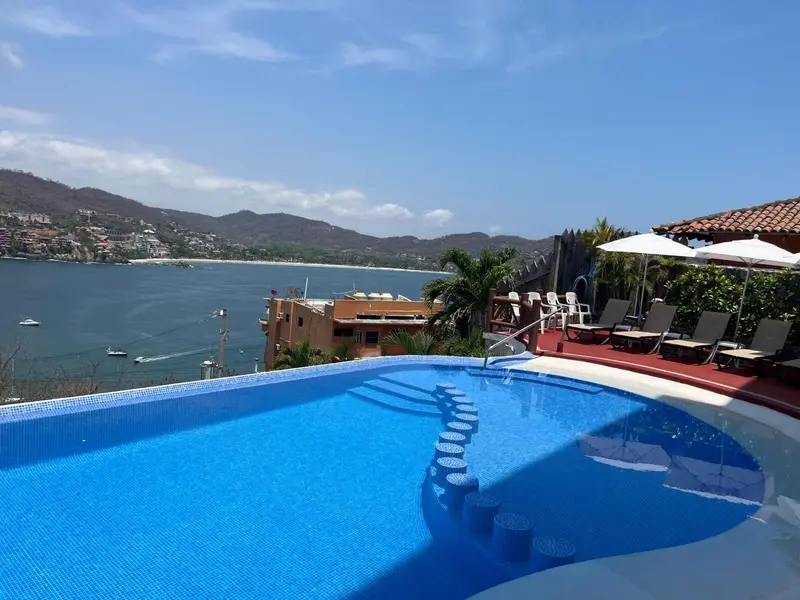
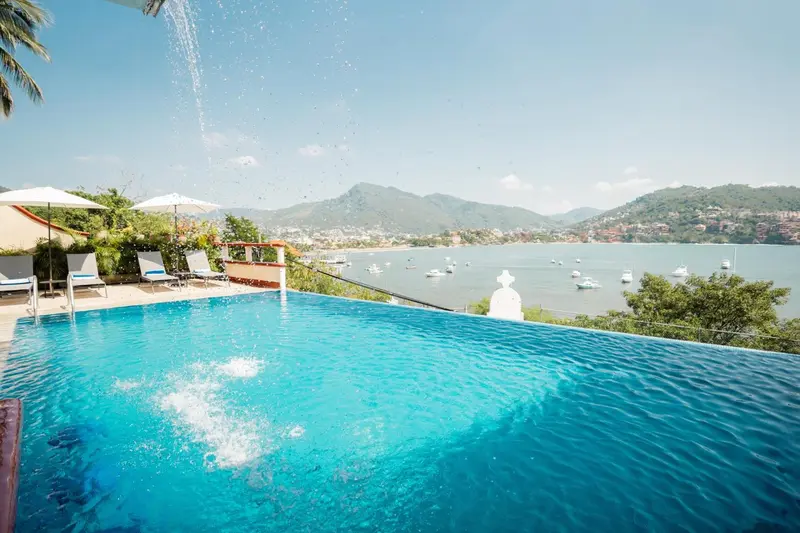
This is a land-based stay, with diving organised from Zihuatanejo or Ixtapa rather than from a liveaboard. Choose accommodation with the departure harbour in mind, since the two resort areas are not interchangeable for every morning boat. A week gives room to combine bay dives, Ixtapa Island, rocky sites and wrecks with an outing to the Morros de Potosí. Non-divers have beaches, swimming, snorkelling, whale and dolphin trips, coastal excursions to Barra de Potosí, and Zihuatanejo’s markets and craft shops.
Hello, I'm Marina, DivingDeal.com's AI assistant. I guide you through destinations, areas and countries.
Thinking about the whole trip and the flights? Talk it over with Edith →
Marina is an AI. Some links are affiliate links: DivingDeal may earn a commission, at no extra cost to you. Bookings are made with the partner.
Choose the cooler season from October to March, particularly from November through March, if humpback whales and occasional dolphins or manta rays matter to you. Visibility can vary considerably, and some local advice favours summer for clearer water. Ask which coastal sector currently has the clearest conditions before choosing your dives.
You can begin in the protected bays around Las Gatas, Bahía de Chon and Ixtapa Island, where shallow rocky sites offer manageable diving. Deeper walls, caves and exposed Morros de Potosí sites require more experience and benefit from advanced training. If you have been inactive, complete a refresher before committing to demanding dives.
You can explore rocky reefs, pinnacles, walls, gullies, caverns, passages and colonised wrecks, with the granite formations of the Morros de Potosí adding deeper scenery and schools of fish. Humpback whales visit during the cool season, while dolphins and manta rays are occasional encounters. Whale sharks are reported only rarely.
Plan a land-based stay in either Zihuatanejo or Ixtapa, checking which harbour serves your accommodation and confirming the boat meeting point. Leave room to combine sheltered bay dives, Ixtapa Island, wrecks and rocky sites with a Morros de Potosí outing. A week also allows flexibility when visibility or conditions change.