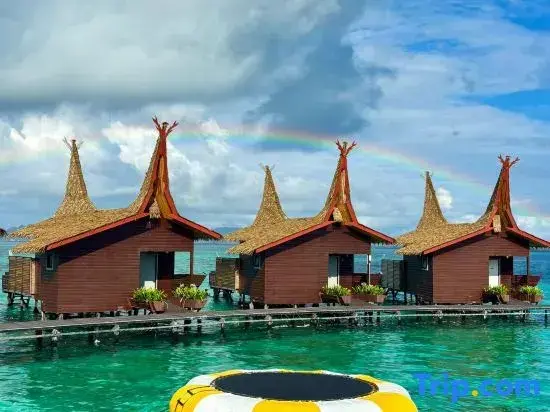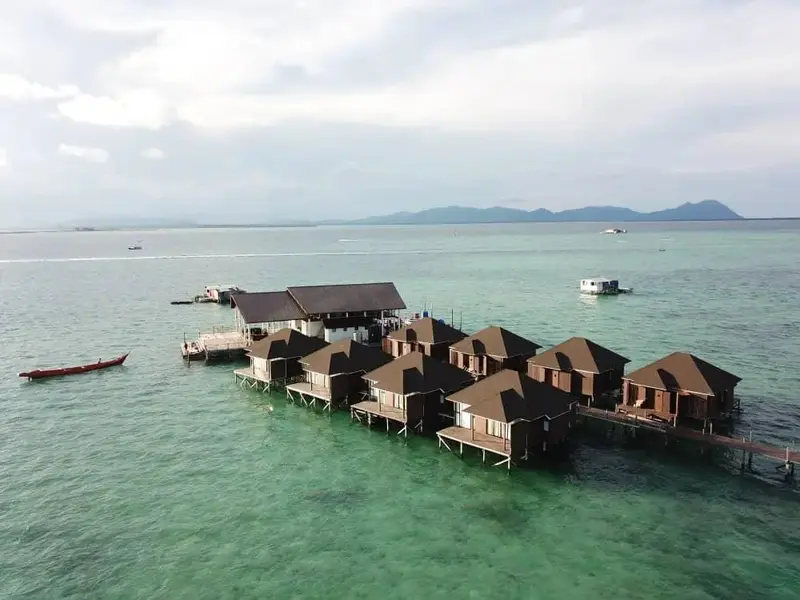

The Buwan Dive Resort
Google 4.8/5 (522 reviews)
23 km away as the crow flies
Sipadan · Malaysia · Asia
Mabul offers a different experience from its famous neighbour, focusing on an exceptional array of macro life, from flamboyant cuttlefish to blue-ringed octopuses, often just off your resort jetty.
For subtitles in English: start the video firstthen click the gearat the top right of the video, select “Subtitles/CC”, then “Auto-translate” and choose “English”.
Mabul is an island located roughly 15 kilometres from Sipadan, offering a distinct dive experience. While Sipadan is known for pelagic action, Mabul is a destination prized for its abundant macro life and 'muck diving' potential. The island itself is largely flat and oval-shaped, spanning about 20 hectares, with sandy beaches that transition directly into dive sites, many accessible from the jetties, such as the Awas site just off the Scuba Junkie jetty.
The diving here is focused on observation, moving slowly over sandy or silty bottoms and artificial reefs. These artificial structures, along with the natural reef and sandy flats, create diverse habitats for small, cryptic creatures. Depths are generally shallow, allowing for extended bottom times to meticulously explore these environments, which is ideal for photographers seeking out rare species. You'll find yourself adjusting your buoyancy to hover just above the substrate, scrutinising every cranny.
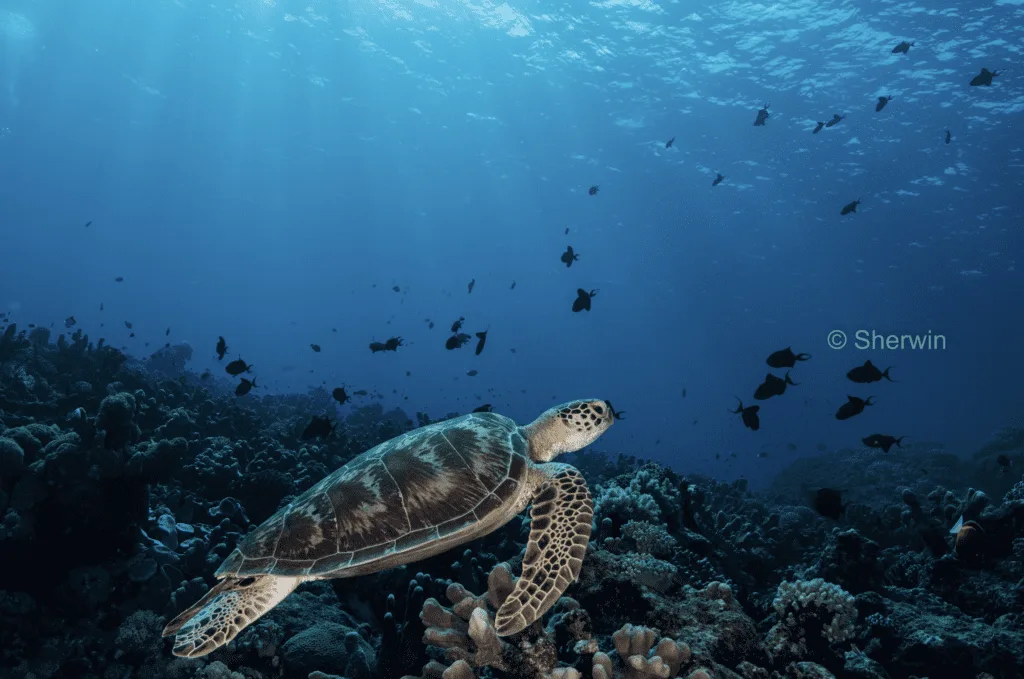
Mabul's reputation is built on its exceptional collection of marine invertebrates and tiny fish. Green sea turtles (Chelonia mydas) are a regular sight, often found resting or feeding on the reef. Beyond the larger species, the real draw lies in observing creatures like broadclub cuttlefish (Sepia latimanus), various frogfish, and ghost pipefish subtly blending into their surroundings. These often require a keen eye and patience to spot, rewarding careful observation.
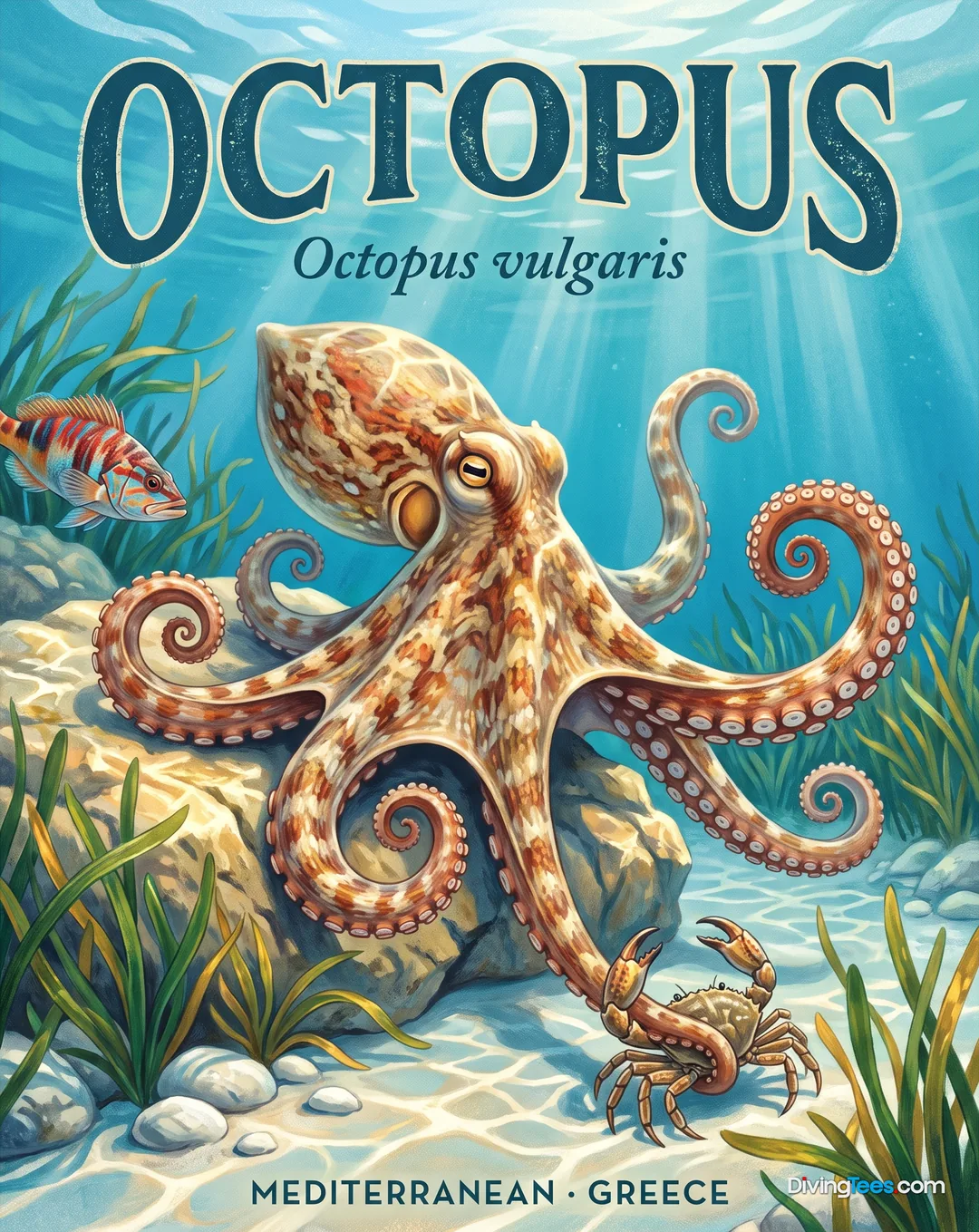
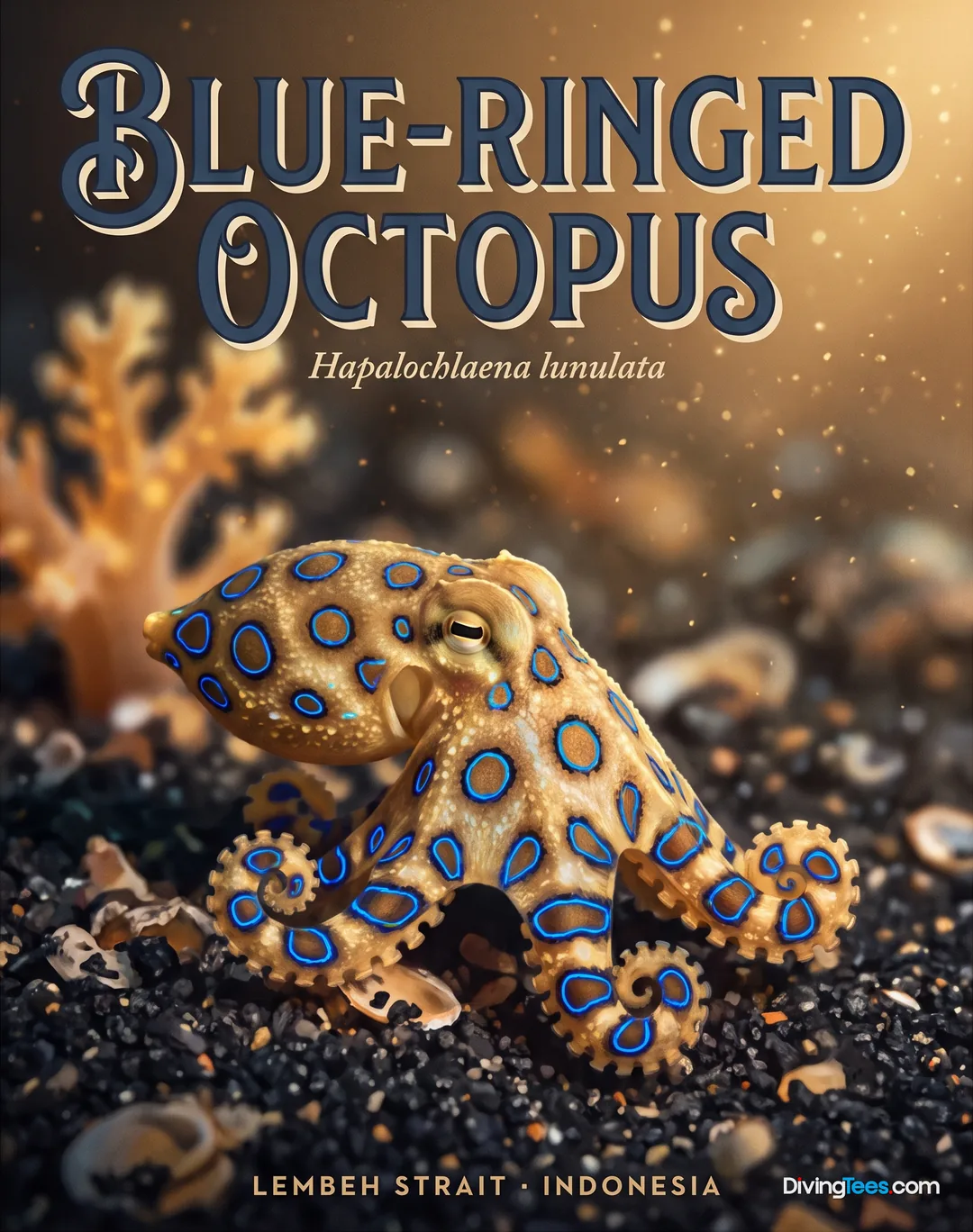
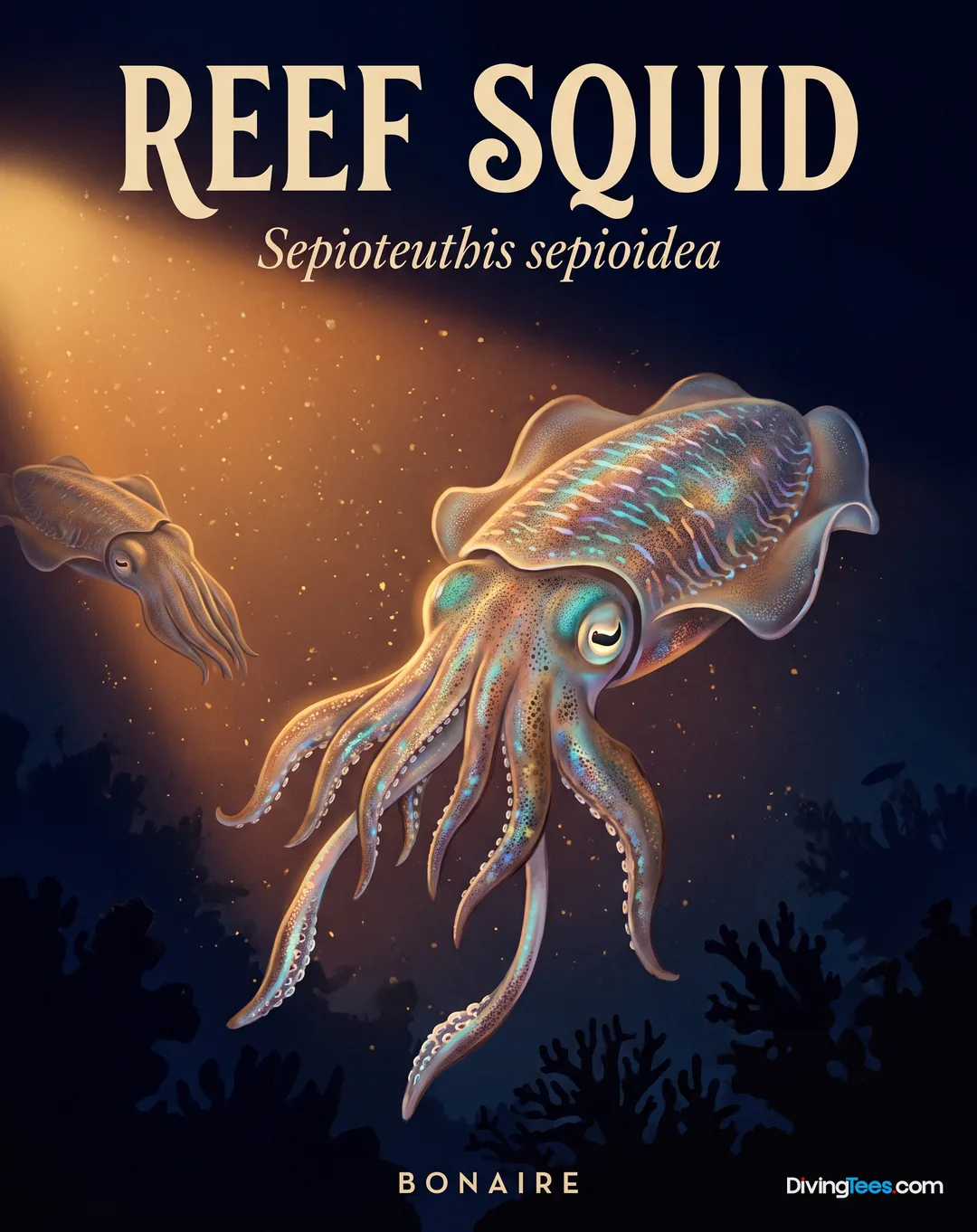
The site hosts a notable variety of cephalopods; you can encounter flamboyant cuttlefish (Metasepia pfefferi) displaying their pulsating colours, mimic octopuses, and bobtail squids (Sepiolidae) partially buried in the sand. Blue-ringed octopuses (Hapalochlaena) are also present, adding to the allure for macro enthusiasts, but always remember to observe these with respectful distance due to their potent venom.
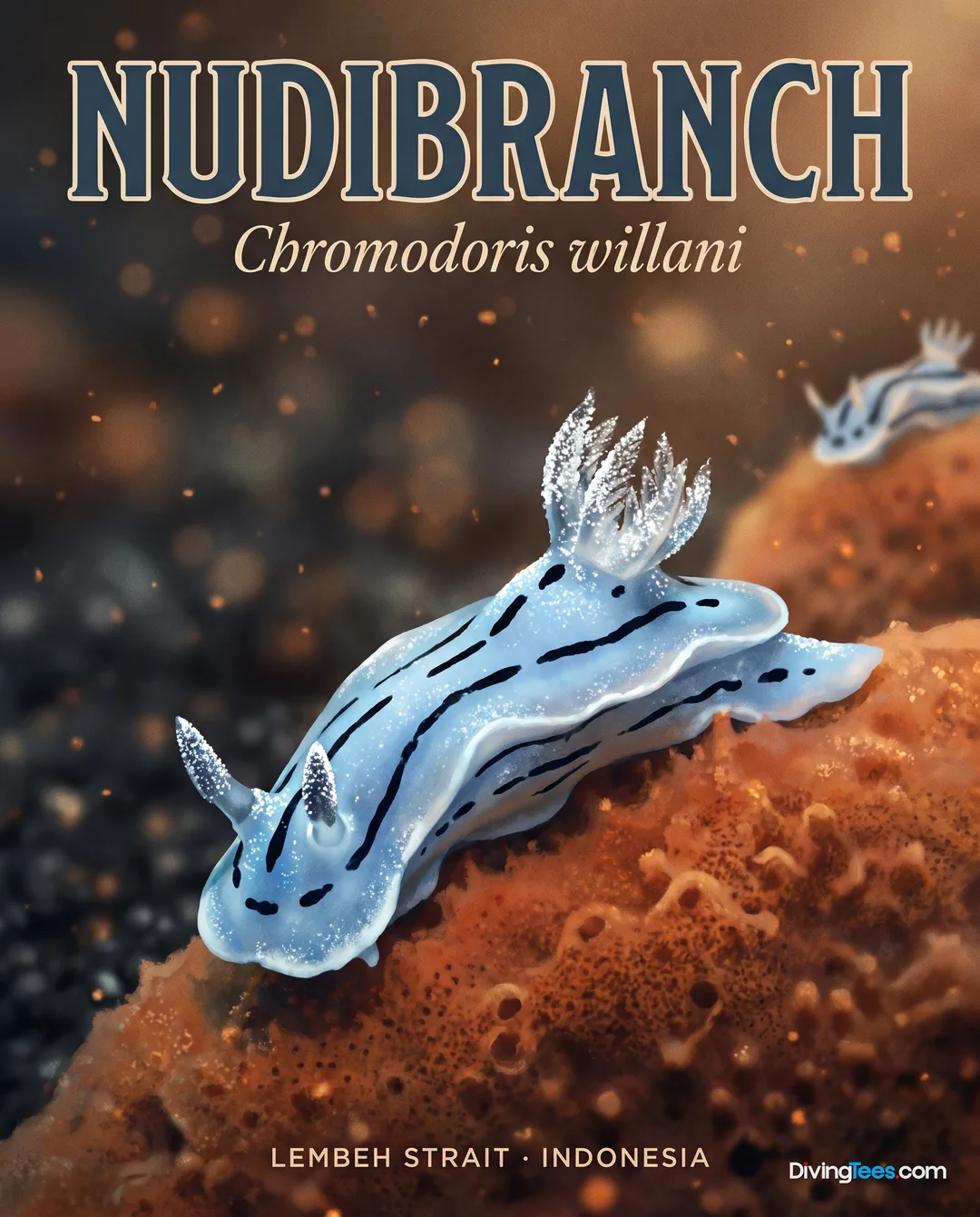
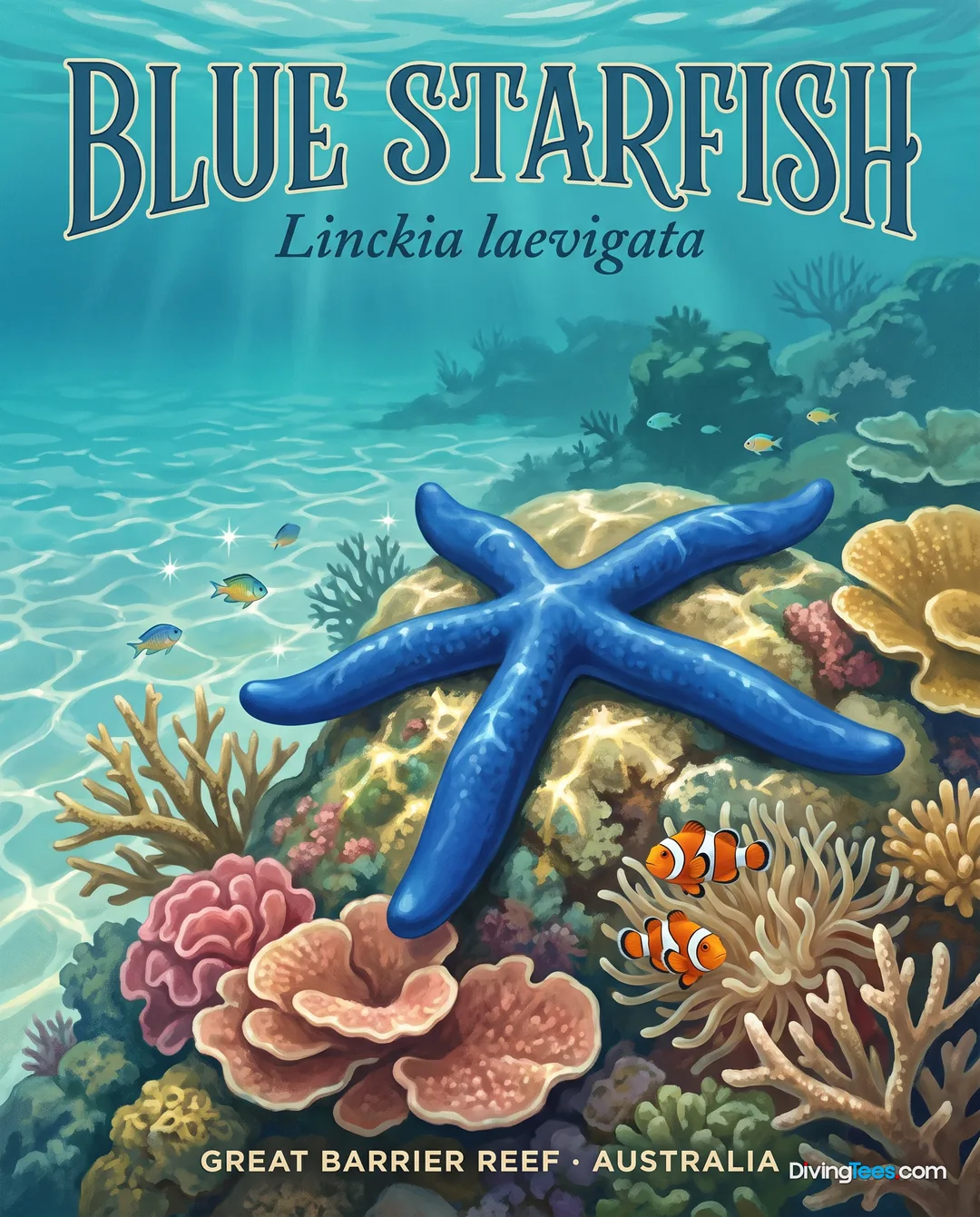
Other frequent discoveries include various nudibranchs, ranging in shapes and colours, along with mantis shrimp (Odontodactylus scyllarus) guarding their burrows. Keep an eye out for pipefish, snake eels, and exotic starfish. The sand and rubble areas around the jetties often yield additional rare finds, showcasing the diversity present in what might initially appear as barren ground.
Conditions at Mabul are generally calm, contrasting sharply with the potentially strong currents of nearby Sipadan. This low-current environment is ideal for focusing on minute details and allows for relaxed, unhurried dives, which is crucial for macro photography and patiently waiting for subjects to reveal themselves. While the reef itself may not be as vibrant as some offshore sites, the sheer variety and density of small marine life more than compensate for it.
Mabul is generally suitable for all levels of certified divers. Currents are typically weak to non-existent, providing a relaxed diving environment. The best time to dive for macro enthusiasts is around November, though good conditions persist year-round. Given the nature of 'muck diving' and the focus on small, often camouflaged species, good buoyancy control is always beneficial for protecting the delicate ecosystem and improving your observation opportunities.
You can dive Mabul year-round, with conditions persisting throughout the year. Around November is especially suitable for macro enthusiasts. The site’s muck-diving focus rewards slow exploration over sandy or silty bottoms, where patience and careful observation help you find small, camouflaged creatures among artificial reefs, natural reef, and rubble.
Mabul is generally suitable for all levels of certified divers because its conditions are calm and relaxed. Good buoyancy control is beneficial for hovering above sandy or silty bottoms, protecting the delicate ecosystem, and improving your chances of observing small, often camouflaged species without disturbing their habitats.
Mabul’s dive sites are generally shallow, allowing extended bottom times for careful exploration. You move slowly above sandy or silty bottoms, artificial reefs, natural reef, and sandy flats while looking into small spaces for cryptic marine life. These shallow environments suit patient observation and underwater photography focused on rare macro subjects.
You can look for green sea turtles, flamboyant cuttlefish, blue-ringed octopuses, frogfish, ghost pipefish, mimic octopuses, bobtail squids, nudibranchs, mantis shrimp, pipefish, snake eels, and exotic starfish. Mabul is particularly focused on macro life, so careful observation around reefs, sand, rubble, and jetties helps reveal these camouflaged animals.