
Reef Haven Scuba Diving School
★ 5/5 (316 reviews)
1.5 km away as the crow flies
Puerto Galera · Philippines · Asia
Max. depth · 18 mGiant Clams in Puerto Galera offers extensive opportunities to explore diverse macro life on a sandy bottom interspersed with coral, all within beginner-friendly depths.
For subtitles in English: start the video firstthen click the gearat the top right of the video, select “Subtitles/CC”, then “Auto-translate” and choose “English”.
Diving Giant Clams in Puerto Galera offers a unique exploration of both reef and sandy environments, starting as shallow as 6 meters. Descending into the site, you immediately encounter the impressive Tridacna gigas, the largest bivalve mollusk on the planet, some growing up to 1.2 meters across and weighing close to 200 kilograms. These ancient clams, some estimated to be 60 years old, are nestled among vibrant coral formations, providing sheltered spaces for smaller inhabitants.
The dive profile here typically moves from these shallow coral gardens, rich with giant clams, down to a sandy substrate marked by scattered coral patches. This transition from hard to soft bottom is what categorises Giant Clams as an excellent muck dive destination. The gentle slope allows for a relaxed descent, providing ample time to adjust buoyancy and focus on the intricate details of the marine environment.
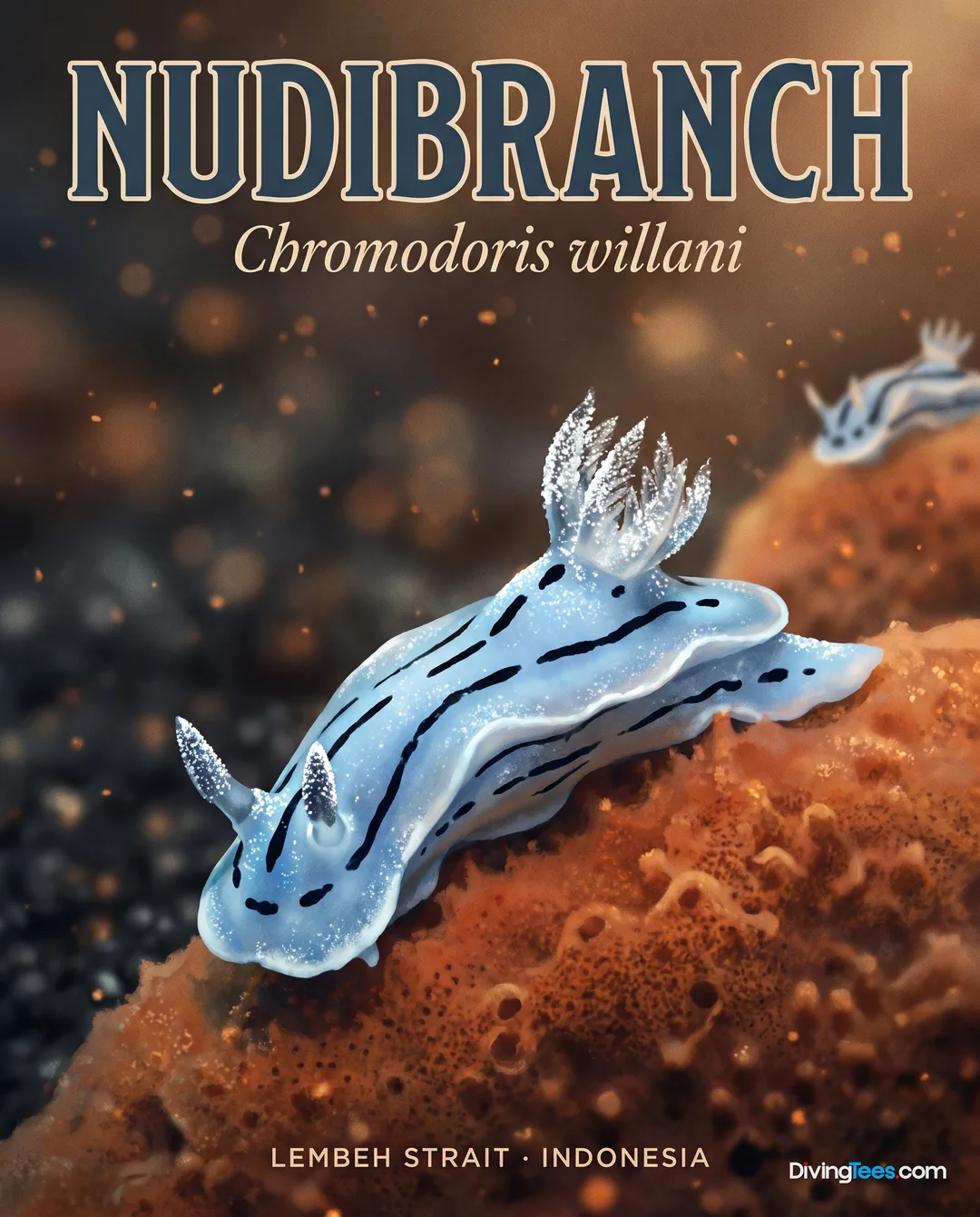
As you explore the sandy bottom and the interspersed coral, the focus shifts to macro life. Here, you'll find ornate ghost pipefish (Solenostomus paradoxus) camouflaged among feather stars, and dragon sea moths (Eurypegasus draconis) slowly navigating the substrate. Keep a keen eye out for the incredibly elusive blue-ring octopus (Hapalochlaena spp.) and the flamboyant cuttlefish (Metasepia pfefferi), known for its dynamic colour displays.
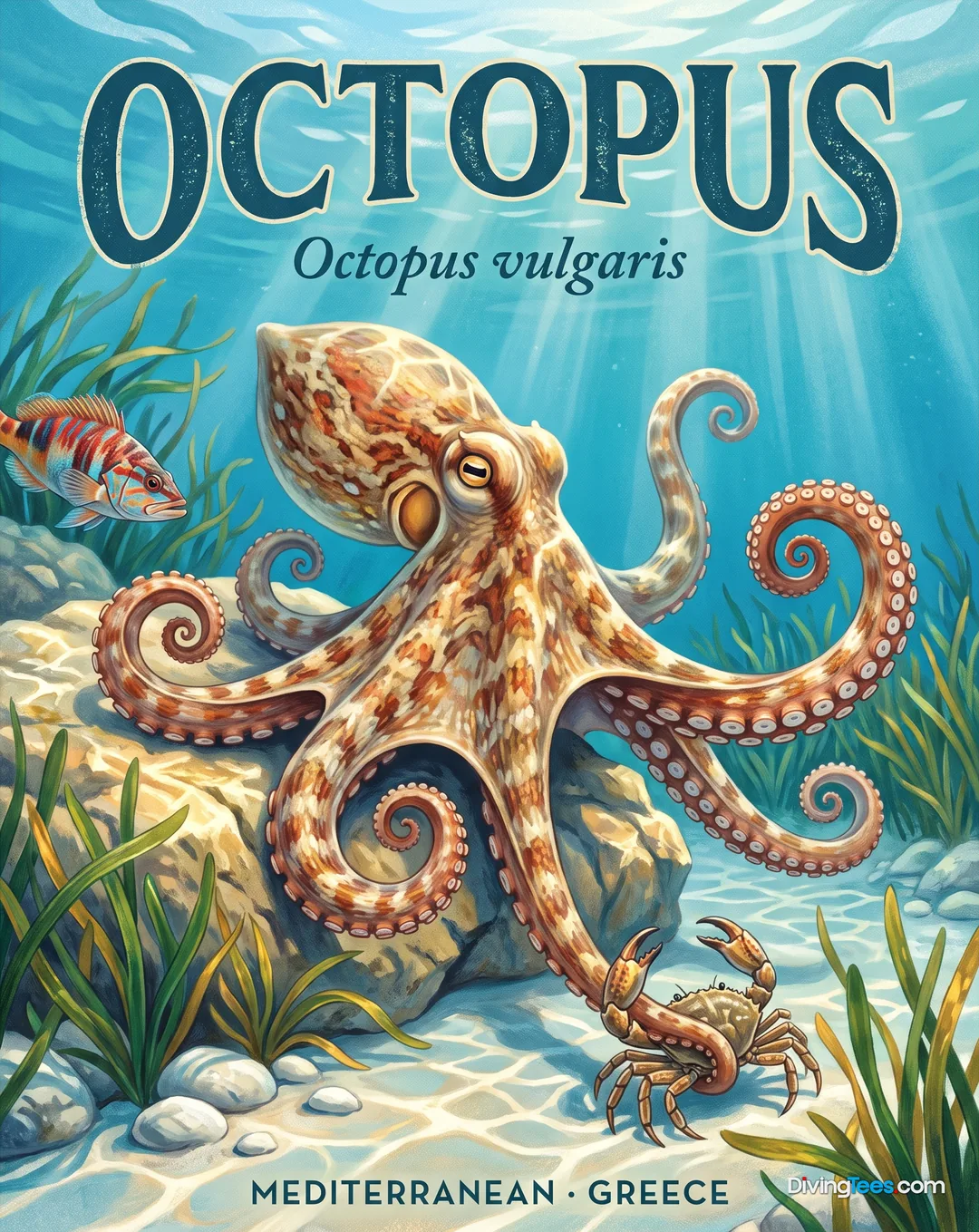
The site is particularly celebrated for cephalopods, with mimic octopuses (Thaumoctopus mimicus) often observed, skilled in impersonating other marine organisms to deter predators. Alongside these, the intriguing wunderpus (Wunderpus photogenicus) can occasionally be spotted, adding another layer of wonder to the hunt for unique creatures. This rich diversity of bottom-dwelling subjects makes the site a photographer's destination.
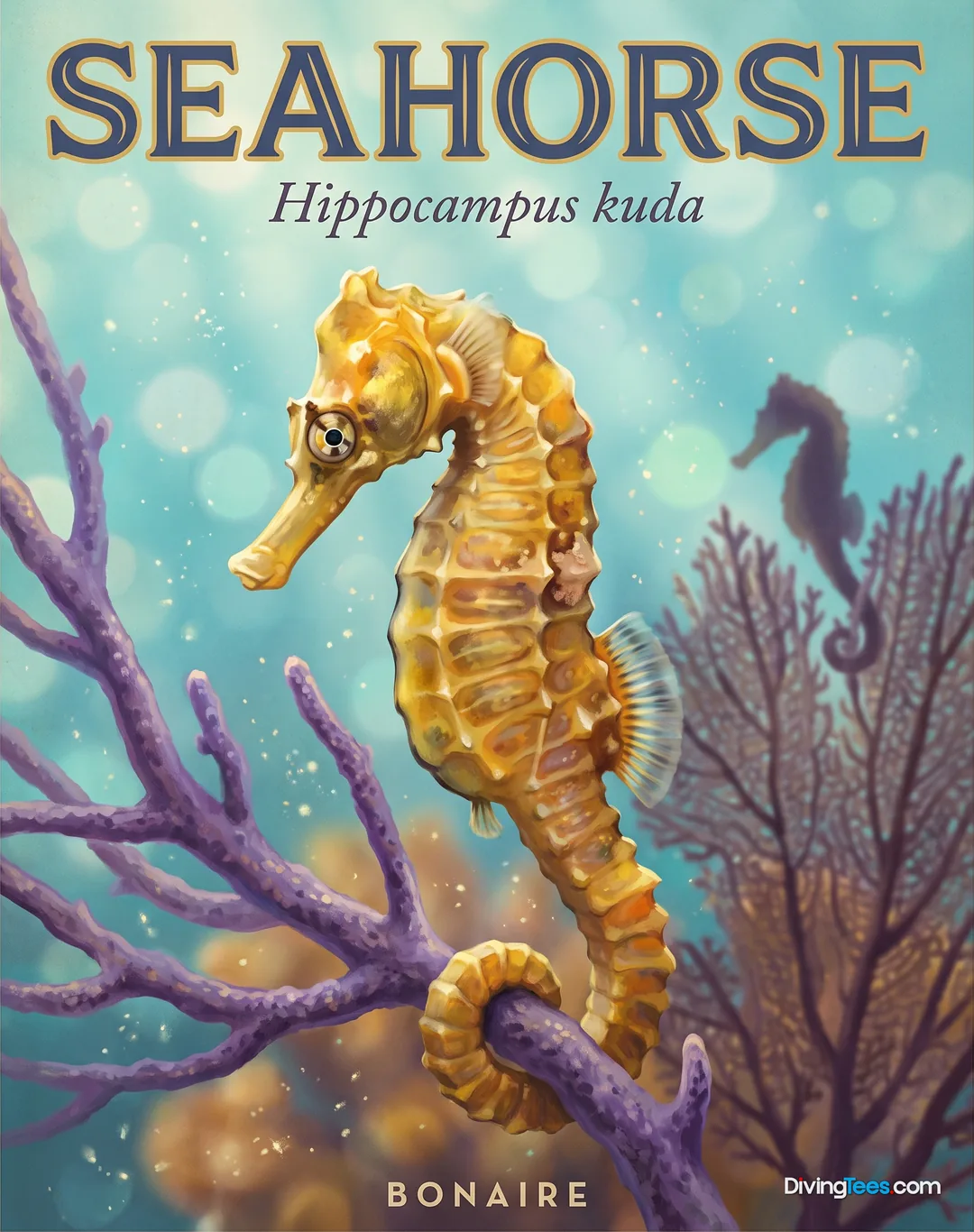
Hairy frogfish (Antennarius striatus), masters of disguise, are a frequent find, blending seamlessly with sponges or coral. Thorny seahorses (Hippocampus histrix) cling to subtle holdfasts, demanding a patient approach to spot their delicate forms. This blend of prominent giant clams and hidden macro-fauna ensures that every dive offers new discoveries for observant divers.
Visibility at Giant Clams can extend up to 20 meters under good conditions, allowing for clear views of both the larger clams and the minute, cryptic inhabitants. While primarily a daytime exploration, the site also transforms at night, revealing a different array of nocturnal creatures and behaviours. Reef octopuses, for example, venture out from their hiding spots under rocks, offering a new perspective on their world.
Giant Clams is accessible for all levels, from beginner to experienced divers, with depths ranging from 6 to 18 meters. The current is generally gentle, although it can strengthen during the most significant tidal changes. Visibility can reach up to 20 meters in optimal conditions. The shallow nature of the site also makes it a popular spot for snorkelling and freediving.
★★★★
★ 9.1/10 (126 reviews)
1.5 km away as the crow flies
★★
★ 8.8/10 (60 reviews)
1.6 km away as the crow flies
★★
★ 9.1/10 (42 reviews)
1.6 km away as the crow flies
★★★
★ 9.2/10 (16 reviews)
1.5 km away as the crow flies