
Reef Haven Scuba Diving School
Google 5/5 (331 reviews)
3.5 km away as the crow flies
Puerto Galera · Philippines · Asia
Max. depth · 22 mAt Sabang Wrecks, descend to a maximum depth of 22 metres onto a sandy bottom where four distinct vessels have formed an artificial reef system.
For subtitles in English: start the video firstthen click the gearat the top right of the video, select “Subtitles/CC”, then “Auto-translate” and choose “English”.
Diving Sabang Wrecks places you over a series of artificial reefs in Sabang Bay, where four vessels lie on a sandy bottom. The site is characterized by two wooden hulls, a steel yacht, and a fibreglass boat, creating distinct structures for marine life to colonize. These wrecks are spread out on a gently sloping sandy bed, offering varied profiles for exploration at depths ranging from 6 to 22 metres.
The dive typically begins by descending onto the wrecks, where you'll find conditions that vary with depth. The shallower sections, particularly the sandy patches and seagrass beds between 3 and 6 metres, often host green sea turtles (Chelonia mydas) grazing. As you move deeper towards the main wreck structures, the marine life becomes more concentrated, with a clear distinction between ambient reef dwellers and those seeking shelter within the wrecks themselves.
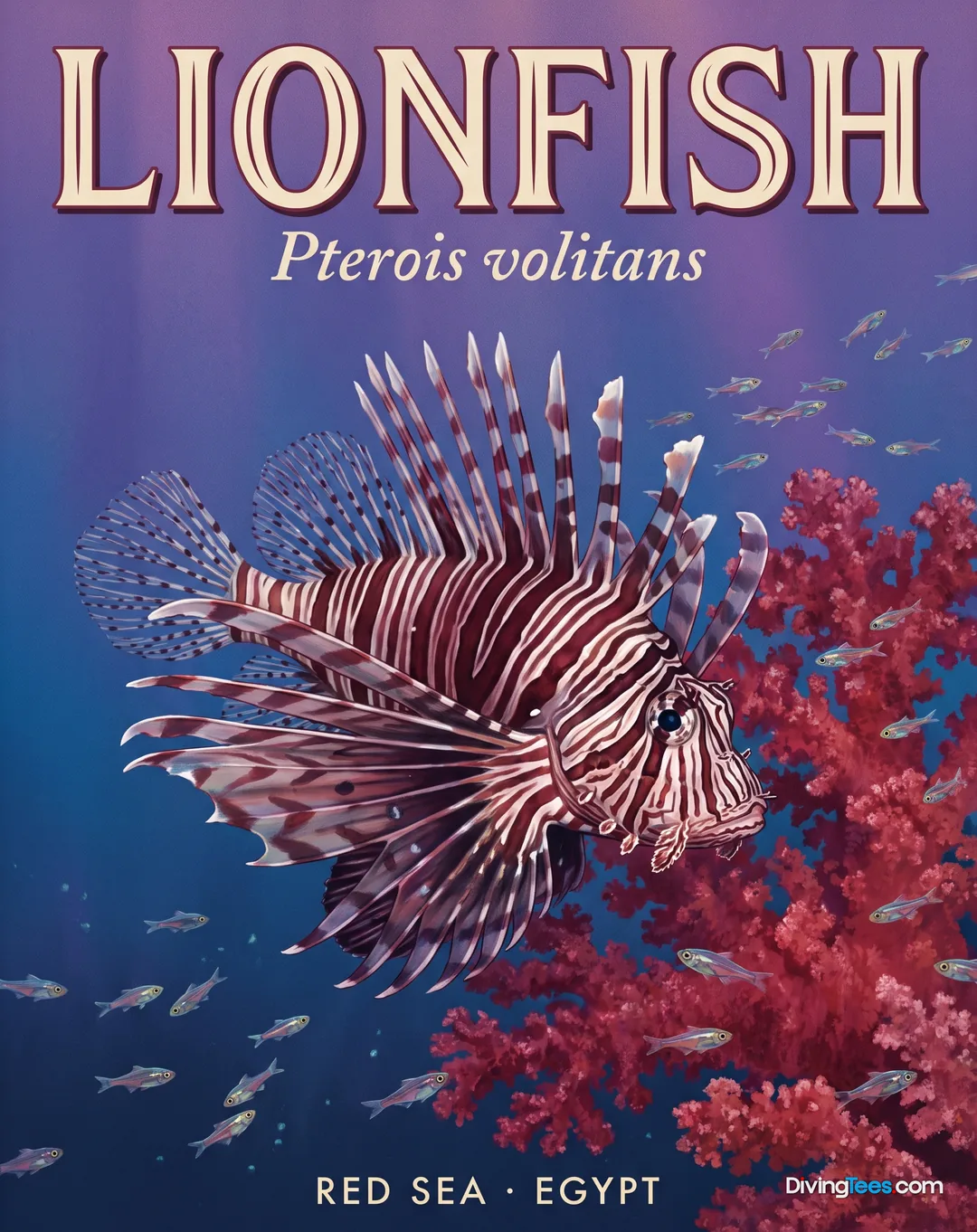
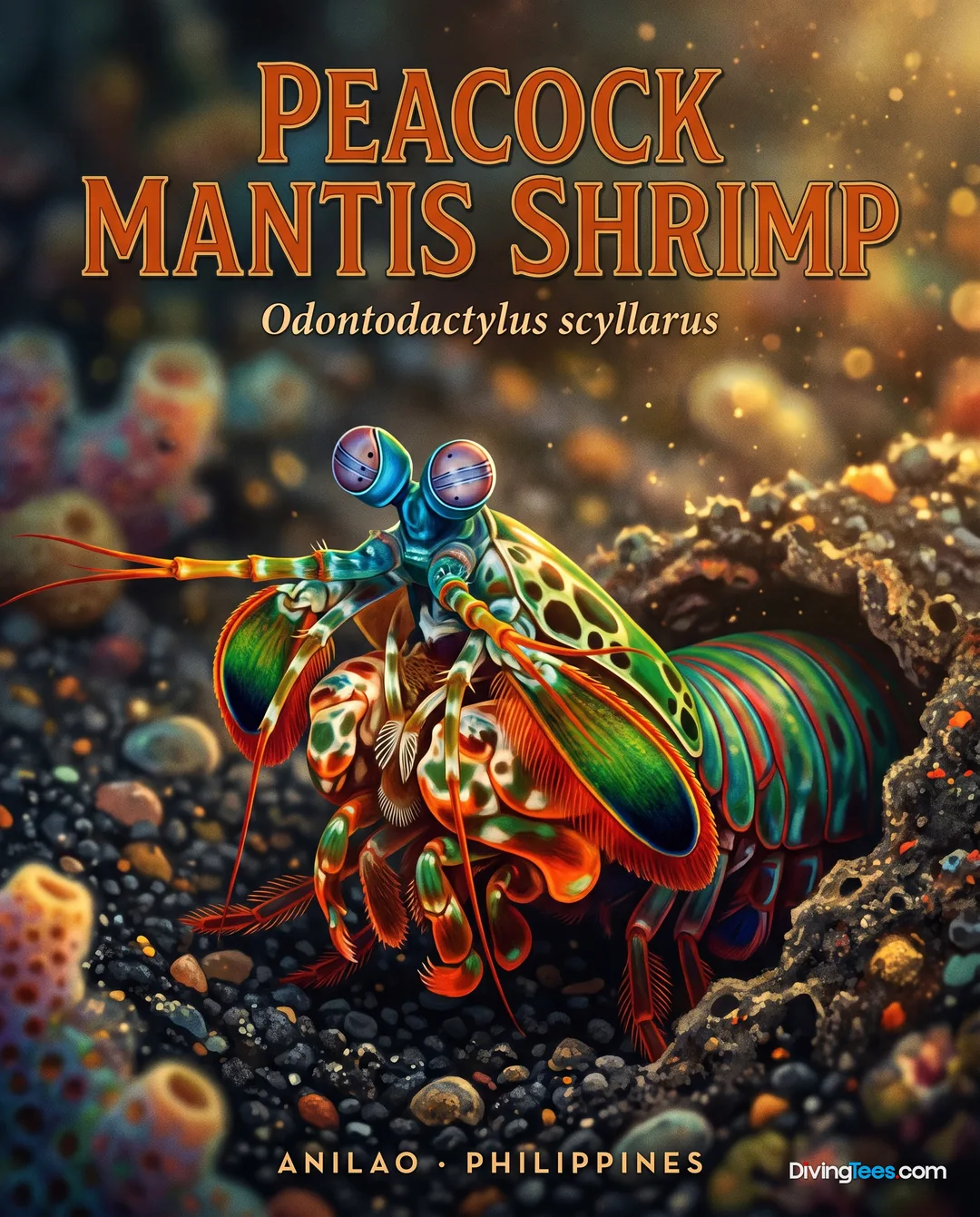
Among the structures, you'll encounter a wealth of species. Batfish (Platax species), surgeonfish, and moray eels (Muraenidae family) are regular inhabitants, often seen around the more intact sections of the wrecks. Lionfish (Pterois volitans) are also common, using the wrecks for hunting and shelter. Keep an eye out for smaller crustaceans like various shrimp species, including cleaner shrimps and mantis shrimps, tucked into crevices.
Macro enthusiasts will find plenty of subjects. Frogfish (Antennariidae family) are frequently spotted, often blending into the wreck structure or surrounding corals. You might also locate ghost pipefish (Solenostomidae family), robust pipefish, and leaf fish (Taenianotus triacanthus) camouflaged against the varied textures. The sandy areas also hold stargazers (Uranoscopidae family) and demon stingers (Inimicus didactylus) partially buried.
The wrecks are largely intact, providing ample opportunities for exploring the exteriors where corals and sponges have grown. You can observe the interaction between the structure and the ecosystem it supports, from damselfish (Pomacentridae family) schooling around the masts to cardinalfish (Apogonidae family) hiding within the darker sections of the holds. The site is a living testament to how quickly artificial structures can become integral parts of a marine habitat.
Night dives at Sabang Wrecks offer a different perspective. Many of the resident species become more active, and you might spot nocturnal hunters like various crabs and octopuses (Octopus vulgaris) venturing out. The shift in light and activity reveals a new cast of characters, making it a compelling site for repeated dives at different times of day.
Visibility at Sabang Wrecks can range significantly, from 5 metres to 25 metres, and currents are generally mild, making it a forgiving site for many. However, like any site, conditions can vary. It’s a space where you can focus on details, spend time observing a single creature, or simply cruise between the wrecks taking in the overall scene. The diversity of life here is extensive for a wreck site, ensuring there's always something new to observe.
The topography is fairly straightforward, making navigation between the wrecks manageable without demanding complex dive planning. While mostly known for its macro life and resident fish populations, the sheer volume of species here means that each dive can reveal something you might have missed before. It’s a site that rewards careful observation and a slower pace, rather than a focus on covering a large area quickly.
Dive depth at Sabang Wrecks ranges from 6 metres to a maximum of 22 metres, making it accessible from Open Water Diver certification. Current is typically mild, though as with any coastal site, local conditions can influence movement. Visibility can range from 5 metres to 25 metres; checking local reports before your dive is always advisable.
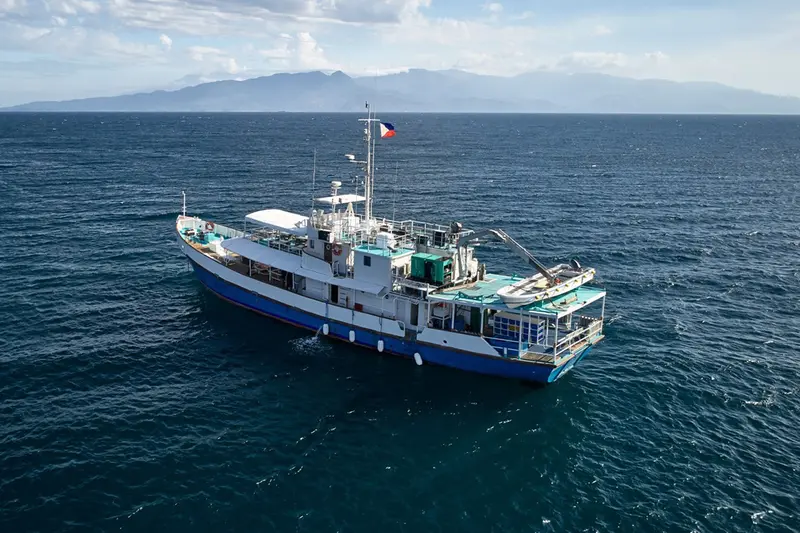
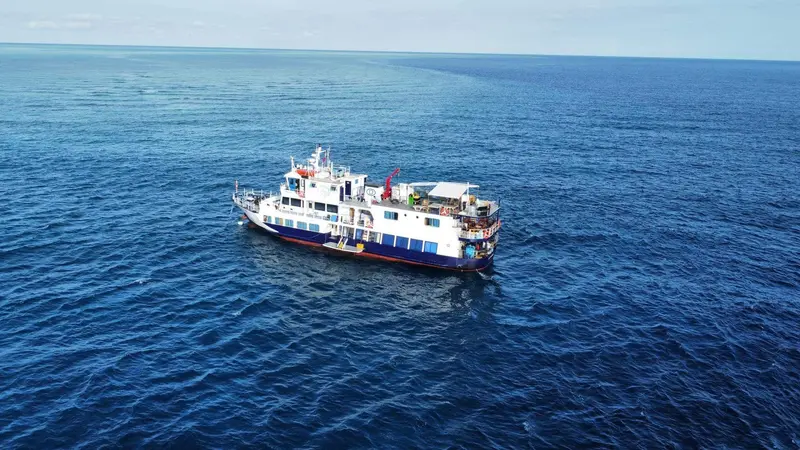
2 liveaboards run trips to Puerto Galera.
You can dive Sabang Wrecks during the day or at night. Daylight lets you explore the four wrecks, sandy areas, and seagrass beds, where green sea turtles may graze. Night diving reveals more activity from resident species, including crabs and octopuses, while changing light exposes different marine life.
Sabang Wrecks is accessible to Open Water Divers, with depths ranging from 6 to 22 metres. The four vessels rest on a gently sloping sandy bottom, offering shallower areas and deeper wreck structures to explore. Navigation between the largely intact wrecks is straightforward without complex dive planning.
Currents at Sabang Wrecks are typically mild, making it easier for you to focus on exploring the wrecks and observing marine life. Local conditions can influence water movement, so checking current conditions before diving is advisable. Visibility varies from 5 to 25 metres and may affect how clearly you see the structures.
At Sabang Wrecks, you can explore two wooden hulls, a steel yacht, and a fibreglass boat inhabited by batfish, surgeonfish, lionfish, and moray eels. Look for frogfish, ghost pipefish, shrimp, leaf fish, and turtles in seagrass. Night dives may reveal crabs and octopuses.