AL FARO Cosmio Hotel Palawan
★★★★
★ 9.5/10 (303 reviews)
23 km away as the crow flies
Dive centre · Coron · Philippines
4.3104 Google reviewsExplore the historic WWII wrecks of Coron and the remote reefs of Apo Reef with over 25 years of local experience.
For subtitles in English: start the video firstthen click the gearat the top right of the video, select “Subtitles/CC”, then “Auto-translate” and choose “English”.
Located in Brgy. 5 Upper Bancuang, MDI Divers has been a fixture of the Coron diving scene for over 25 years. The centre is managed through a joint Swiss and Philippine partnership, bringing a long-standing expertise to the waters of Palawan.
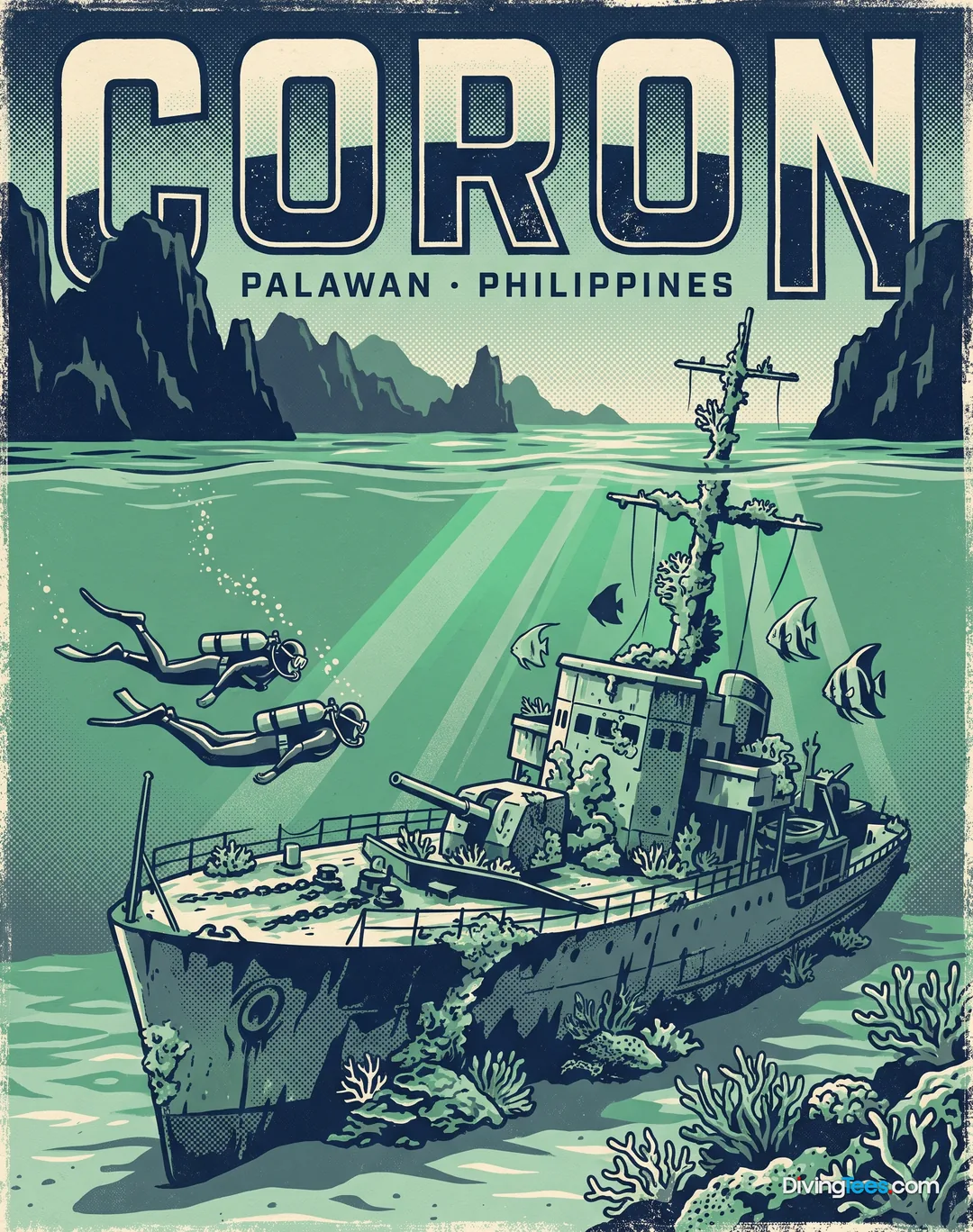
Coron is world-renowned for its collection of Japanese WWII wrecks, and this centre is positioned to make those sites accessible to a wide range of divers. Whether you are looking to explore shallow wrecks or technical deep-water sites, the operation is built around the specific requirements of wreck exploration and reef diving.
The centre operates with a focus on professional standards and environmental stewardship, aiming to protect the unique marine ecosystems of Palawan. Their approach combines local knowledge with international training standards to ensure a safe and educational experience.
With affiliations to PADI, SDI, and TDI, the team is equipped to handle everything from recreational Discover Scuba Diving to professional Divemaster and Instructor training. Their curriculum covers a vast spectrum of expertise, ensuring that both novice divers and aspiring professionals are well-supported.
MDI Divers offers an extensive catalogue of courses through PADI, SDI, and TDI. Beginners can start with Discover Scuba Diving or work through the Open Water Diver and Advanced Open Water Diver programmes.
For those looking to specialise, the centre provides PADI Deep Diver Specialty, Wreck Diver Specialty, and Solo Diver Specialty courses. Technical training is also a core part of the offering, with TDI courses including Nitrox Diver, Advanced Nitrox Diver, Decompression Procedure Diver, and Extended Range Diver.
Professional development is available for those pursuing a career in diving, including Dive Master, Assistant Instructor, and Open Water Instructor Courses (IDC + IE).
The centre provides a full range of rental kit for divers who do not wish to bring their own equipment. This includes all the essentials required for both reef and wreck diving.
Nitrox is available for use, and the centre maintains oxygen safety protocols on site. For those looking to extend their range, 6L stage tanks are available for filling.
Irako is a massive Japanese refrigeration ship resting at 40 metres. It is an advanced site where certified wreck divers can penetrate the wheelhouse, the holds, and the engine room.
Okikawa Maru is the largest wreck in Coron Bay, a 160-metre civil tanker. The main deck sits at a shallow 12 metres, making it accessible for many, though the currents can become strong.
Akitsushima is an advanced wreck site featuring a 118-metre Japanese seaplane tender. The ship lies on its port side, and the intact crane used for lifting seaplanes remains a highlight for divers.
Barracuda Lake offers a unique freshwater experience with a distinct thermocline and halocline. Divers will notice the temperature rising significantly as they descend past the 14-metre mark among impressive limestone formations.
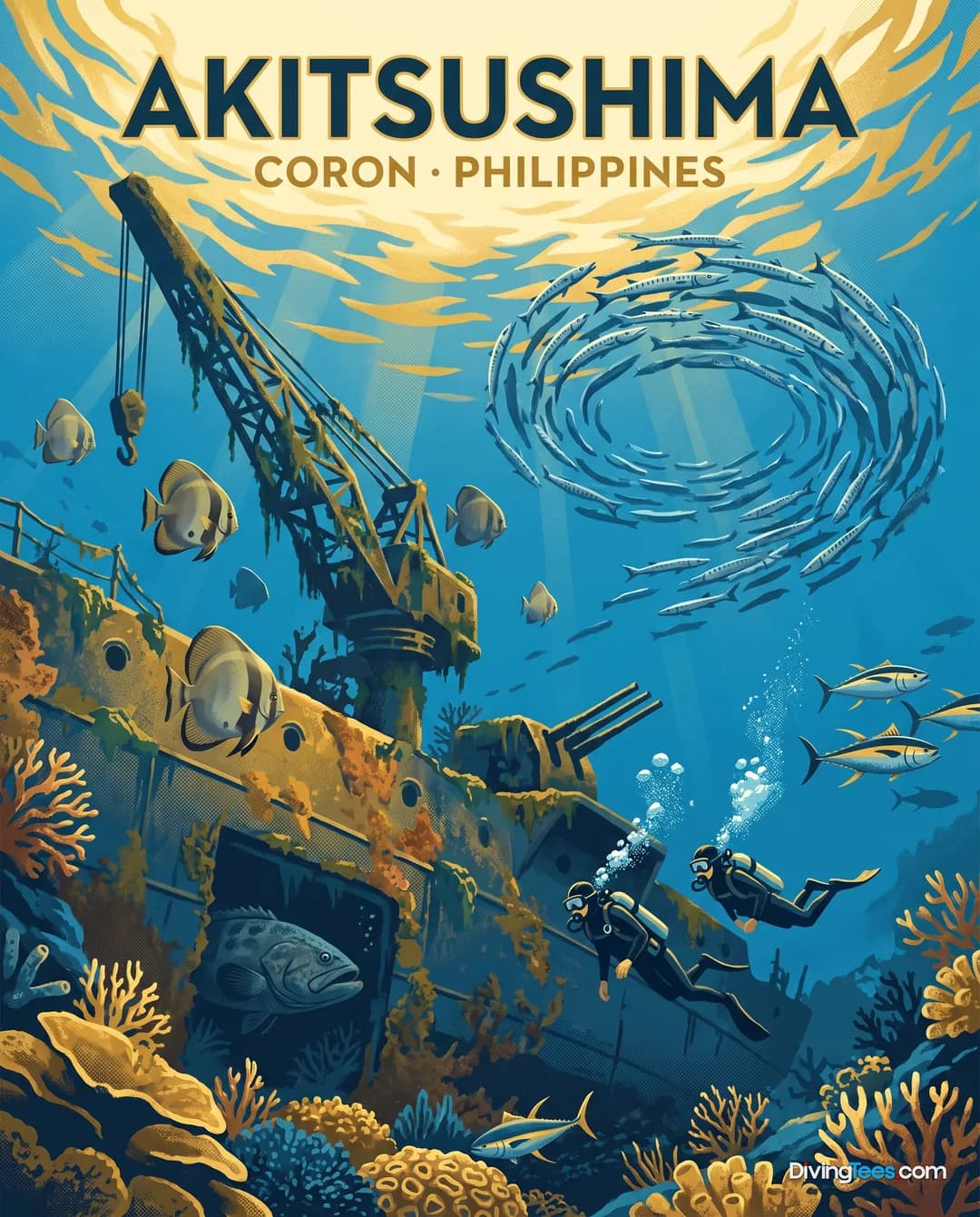
down to 38 m
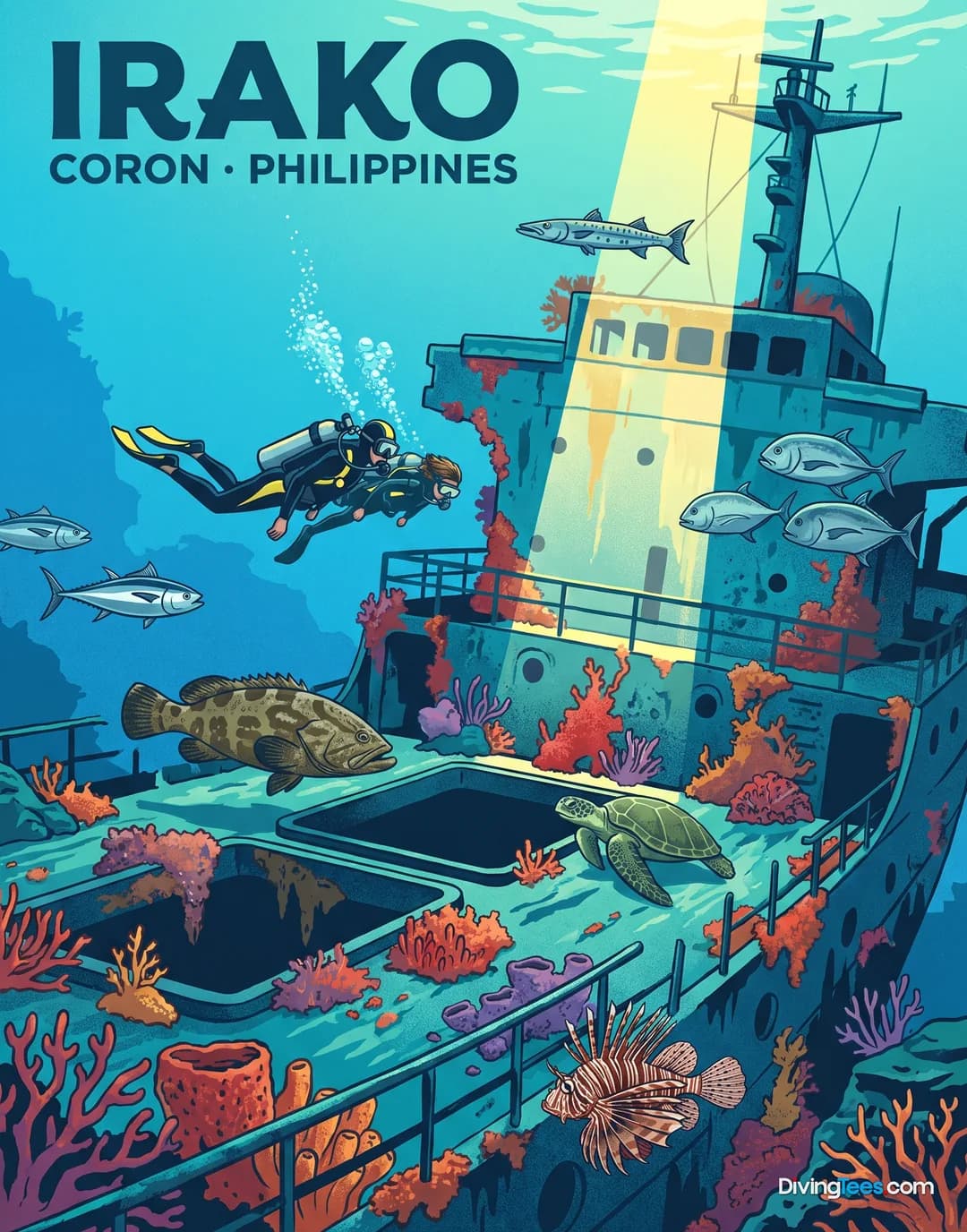
down to 45 m
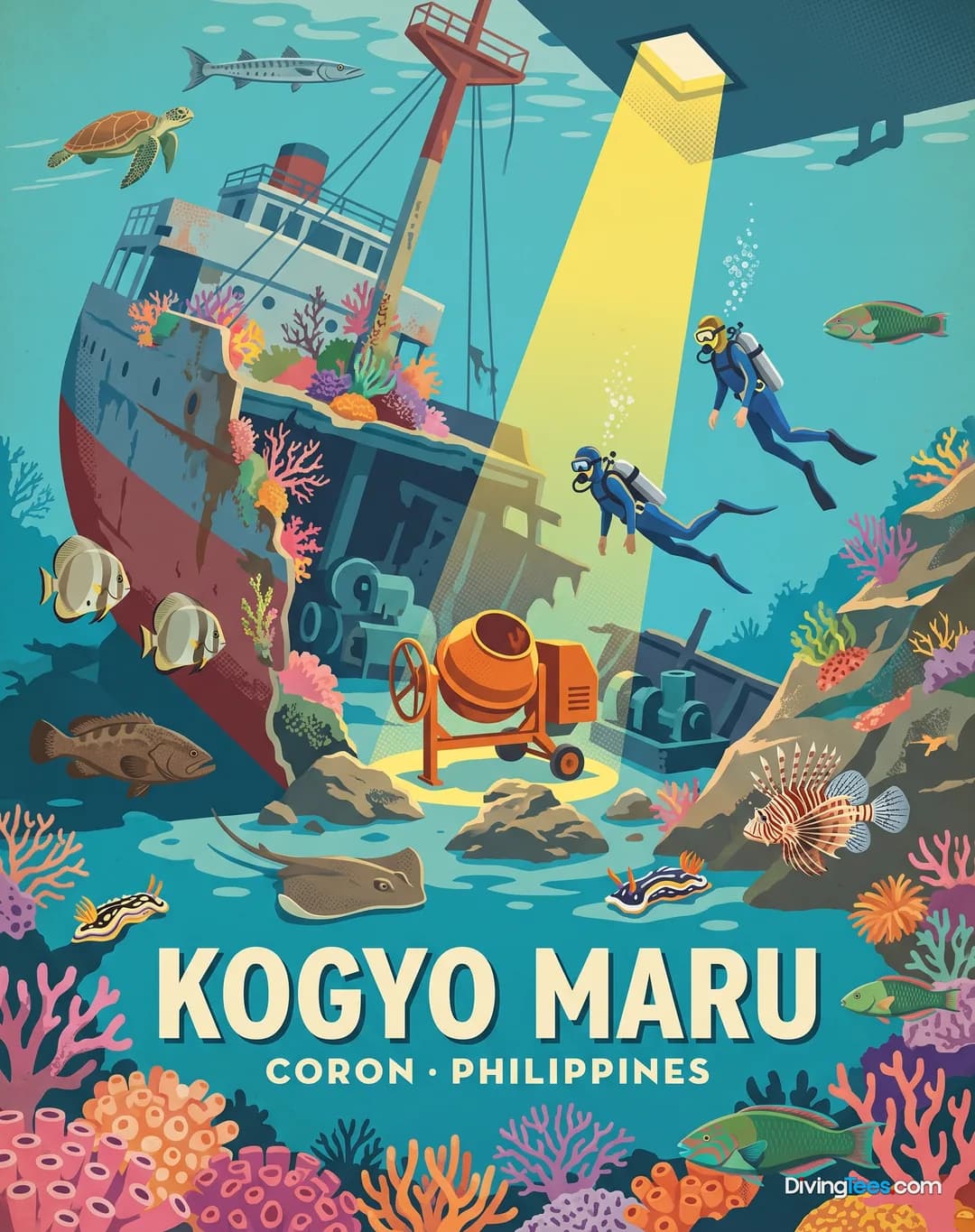
down to 36 m
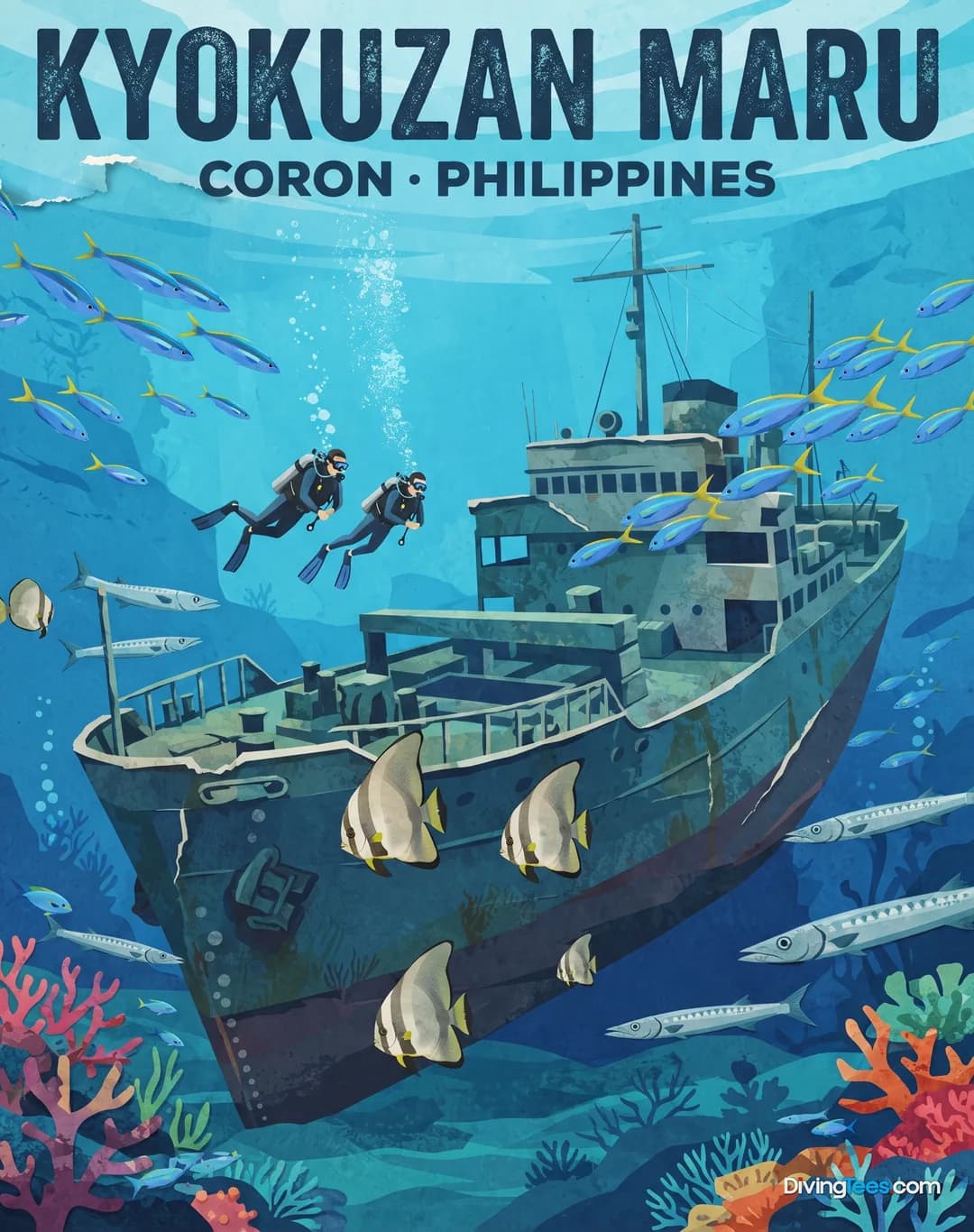
down to 42 m
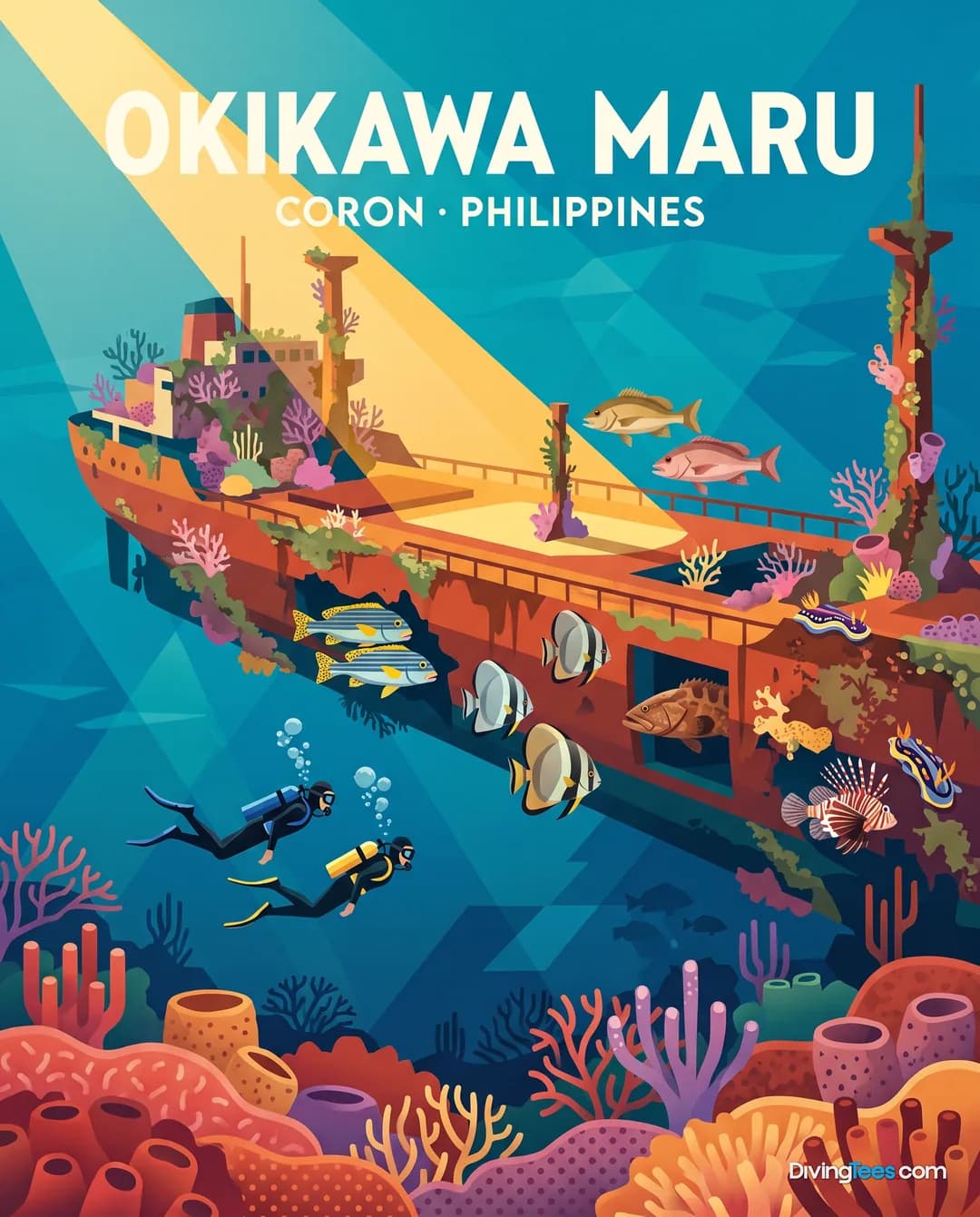
down to 26 m
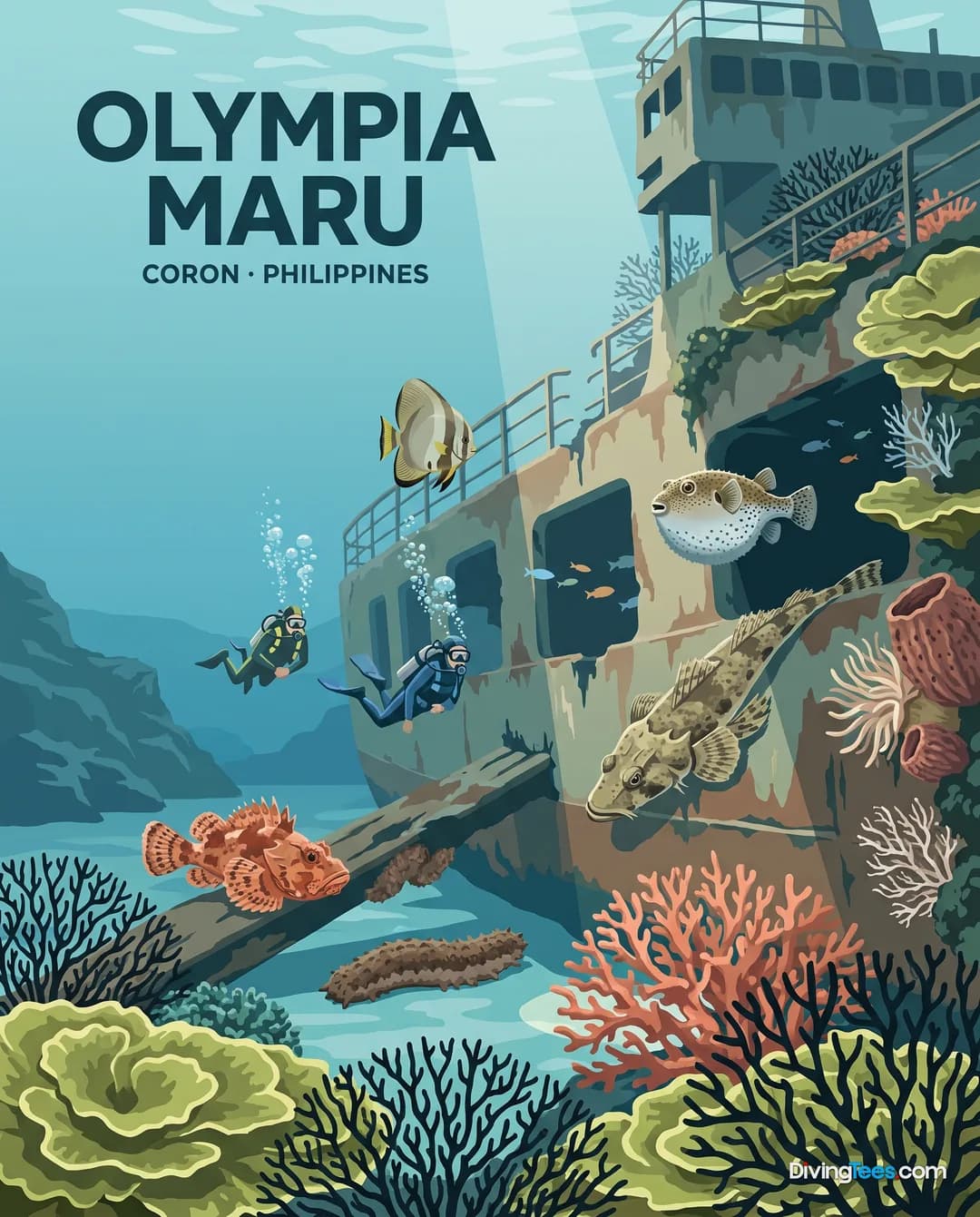
down to 30 m
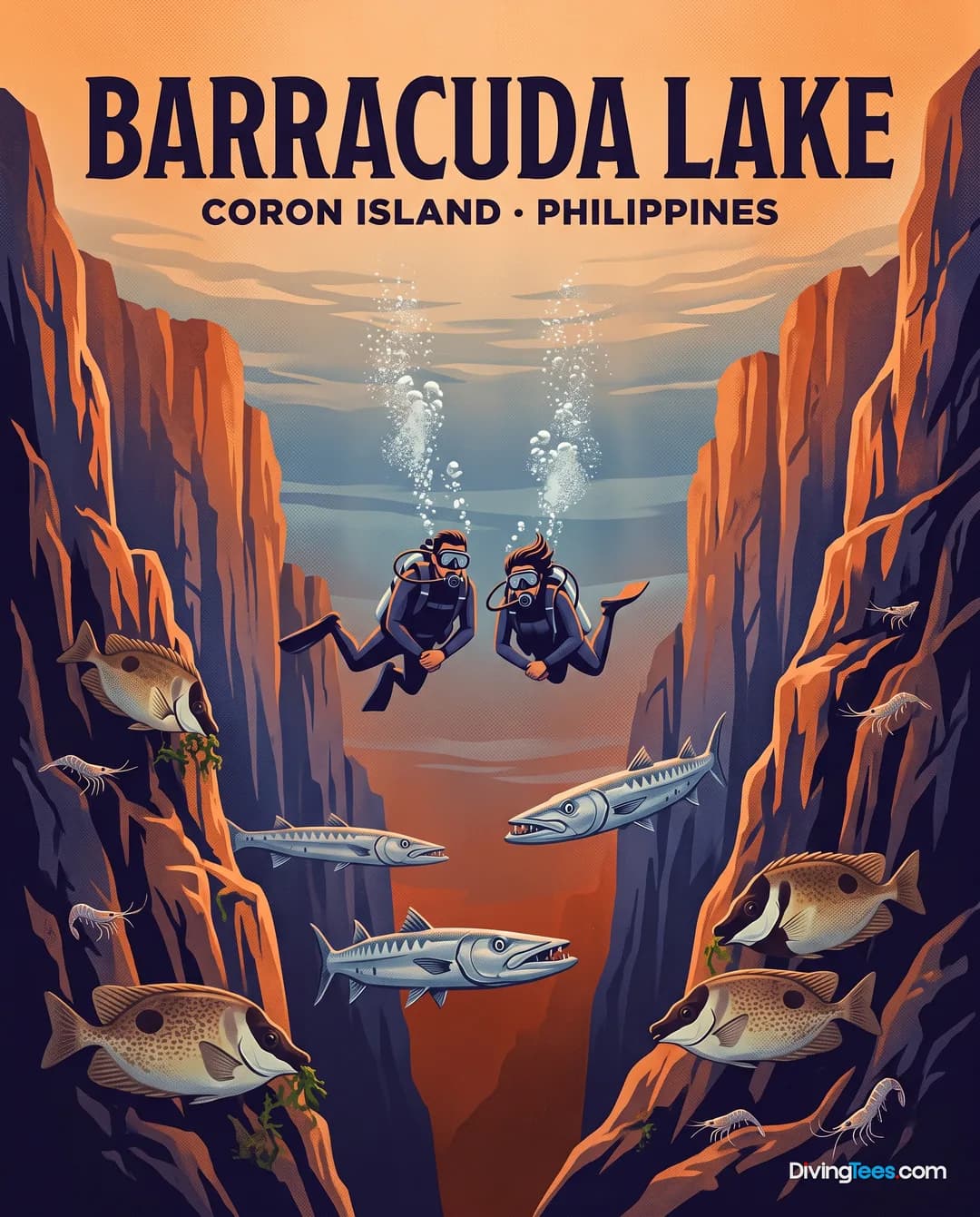
down to 40 m
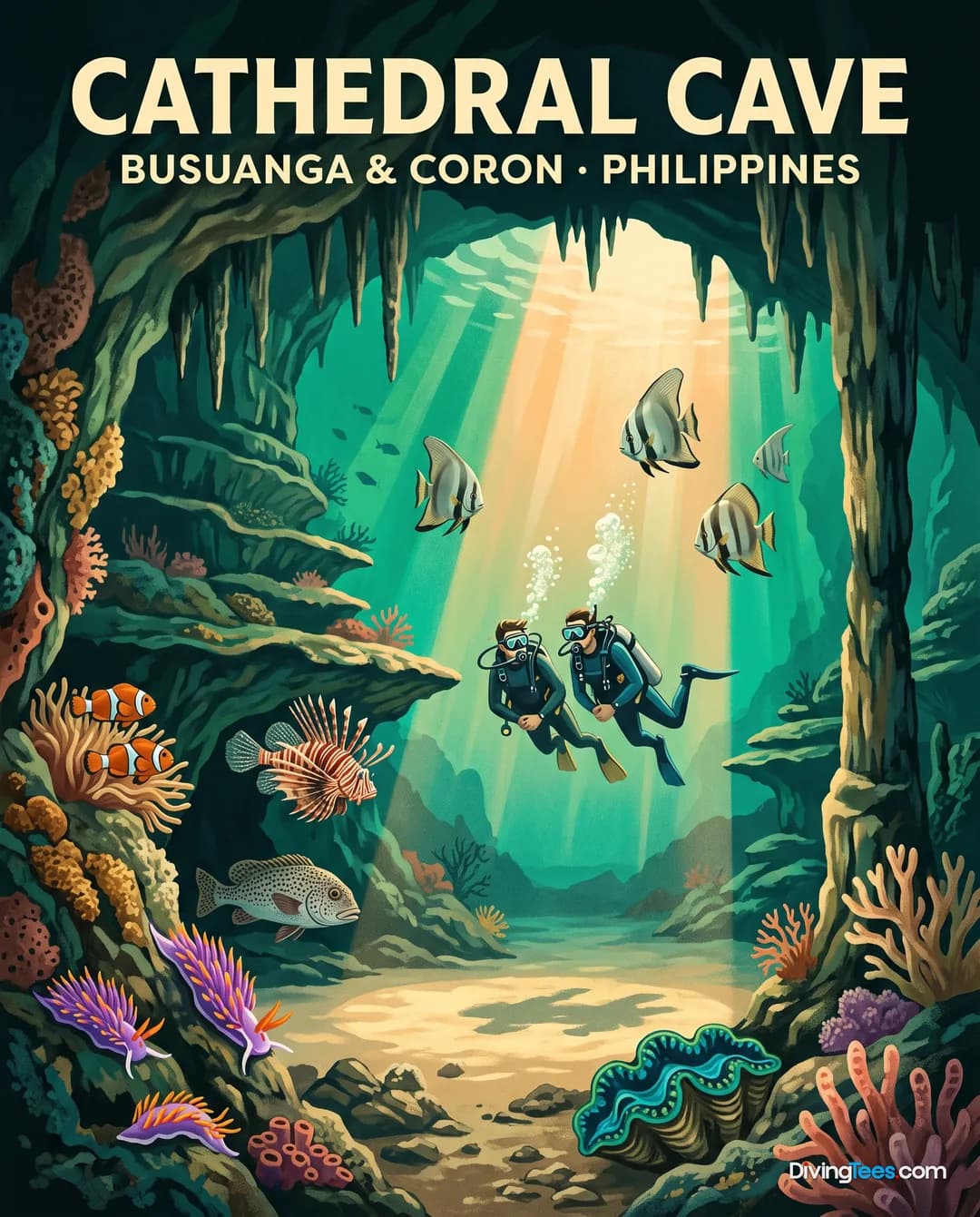
down to 30 m
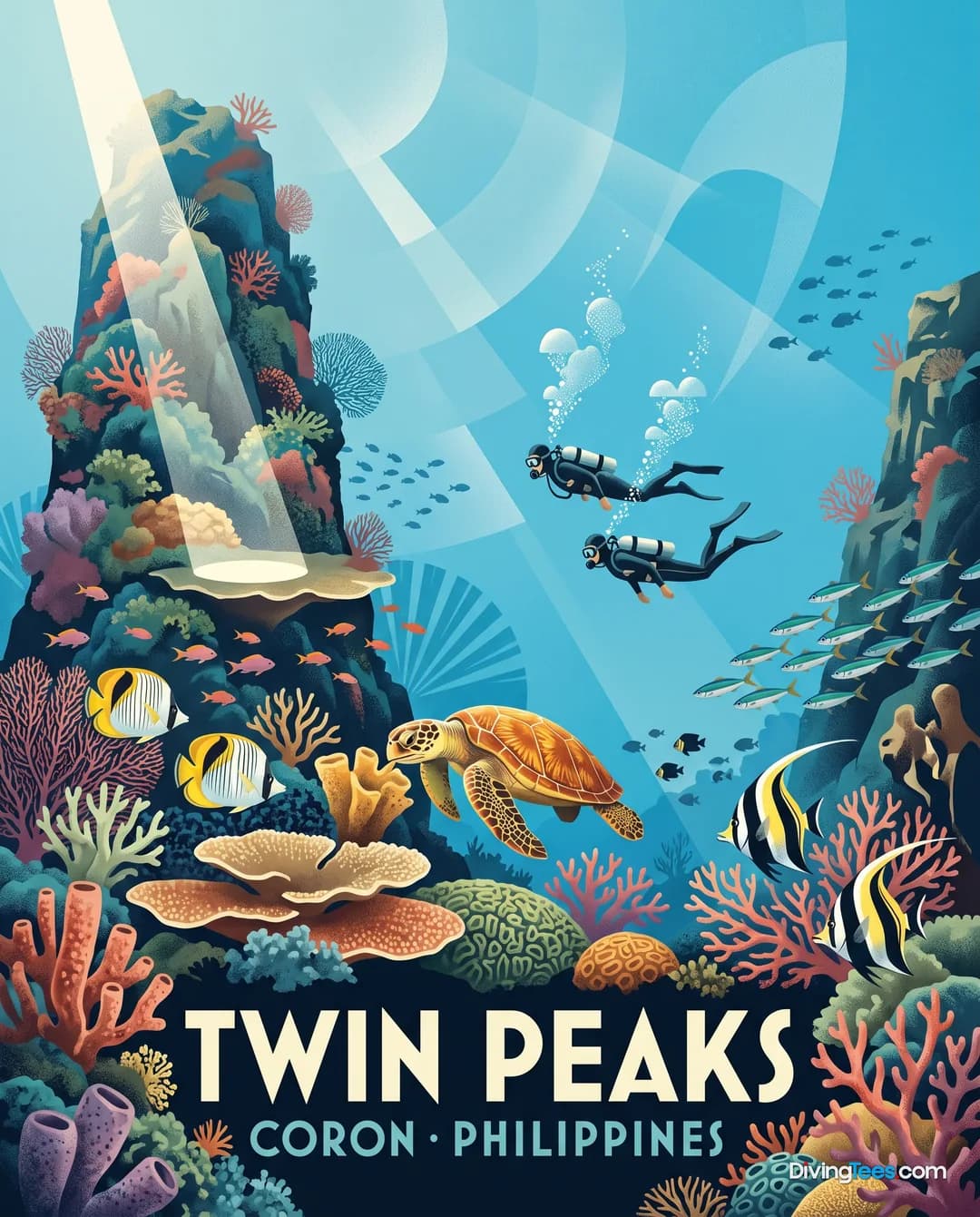
down to 25 m
And some of the dive sites the centre runs.
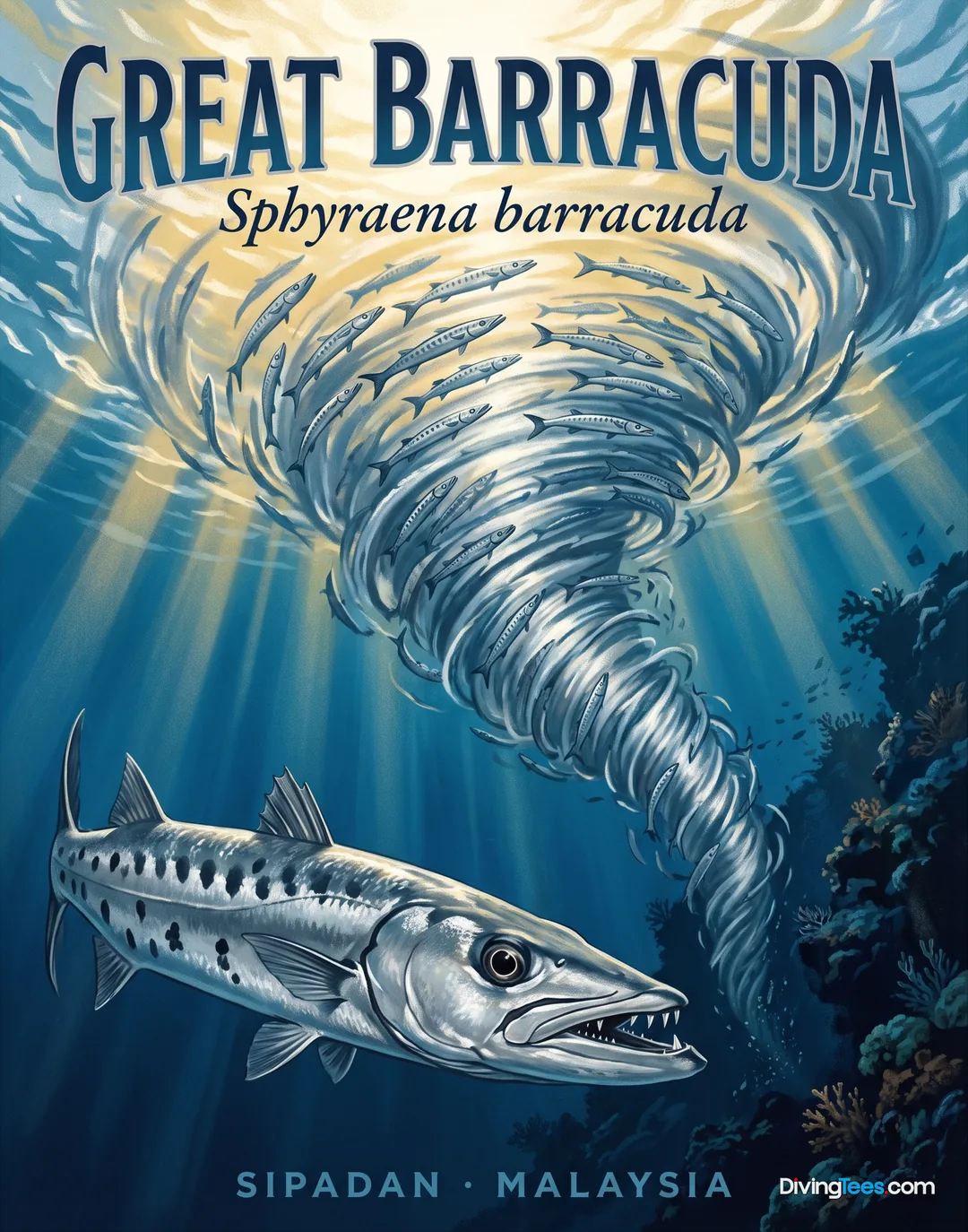
The wrecks and reefs of Coron are home to a diverse array of marine life. You will regularly encounter groupers, snapper, and various species of reef fish, including angelfish (Pomacanthidae), butterflyfish (Chaetodon), and wrasse. Large schools of jack and barracuda are common, alongside yellowfin tuna and various types of rays.
Pelagic life is a significant draw, with blacktip reef sharks, whitetip reef sharks, and hammerhead sharks occasionally visiting the area. Manta rays are also sighted, particularly around the Apo Reef sites.
Macro life and smaller inhabitants include nudibranchs, trumpetfish, and various species of shrimp (Caridea). The seabed and wrecks are covered in a rich tapestry of hard corals, soft corals, sea fans, sponges, and sea anemones.
During June and July, you may also encounter venomous sea snakes at Hunter’s Rock.
Diving conditions in Coron vary significantly depending on the site. While many lagoon and reef sites offer calm waters, several wreck sites and the Apo Reef locations can experience moderate to strong currents.
Sites such as the East Tangat Gunboat, Kogyo Maru, and the northern side of the Binangaan Drop-off are known for having stronger currents that require confident buoyancy and trim.
Hello, I'm Marina, DivingDeal.com's AI assistant. I answer in detail about hotels, dive centres and liveaboards.

Thinking about the whole trip and the flights? Talk it over with Edith →
Marina is an AI. Some links are affiliate links: DivingDeal may earn a commission, at no extra cost to you. Bookings are made with the partner.
★★★★
★ 9.5/10 (303 reviews)
23 km away as the crow flies
★★★
★ 9.5/10 (254 reviews)
23 km away as the crow flies
★★★★
★ 9/10 (912 reviews)
less than 1 km away as the crow flies
★★★
★ 9.3/10 (277 reviews)
14 km away as the crow flies
Your last day stays dry: no diving in the 18-24 hours before a flight the perfect window to see the destination from another angle.
 Culture
⏱ 7 h · ★ 5.0 (1 reviews)
from €106
see on Viator ↗
 Culture
⏱ 4 h · ★ 4.5 (2 reviews)
from €63
see on Viator ↗
Ratings and reviews collected by Viator and Tripadvisor.