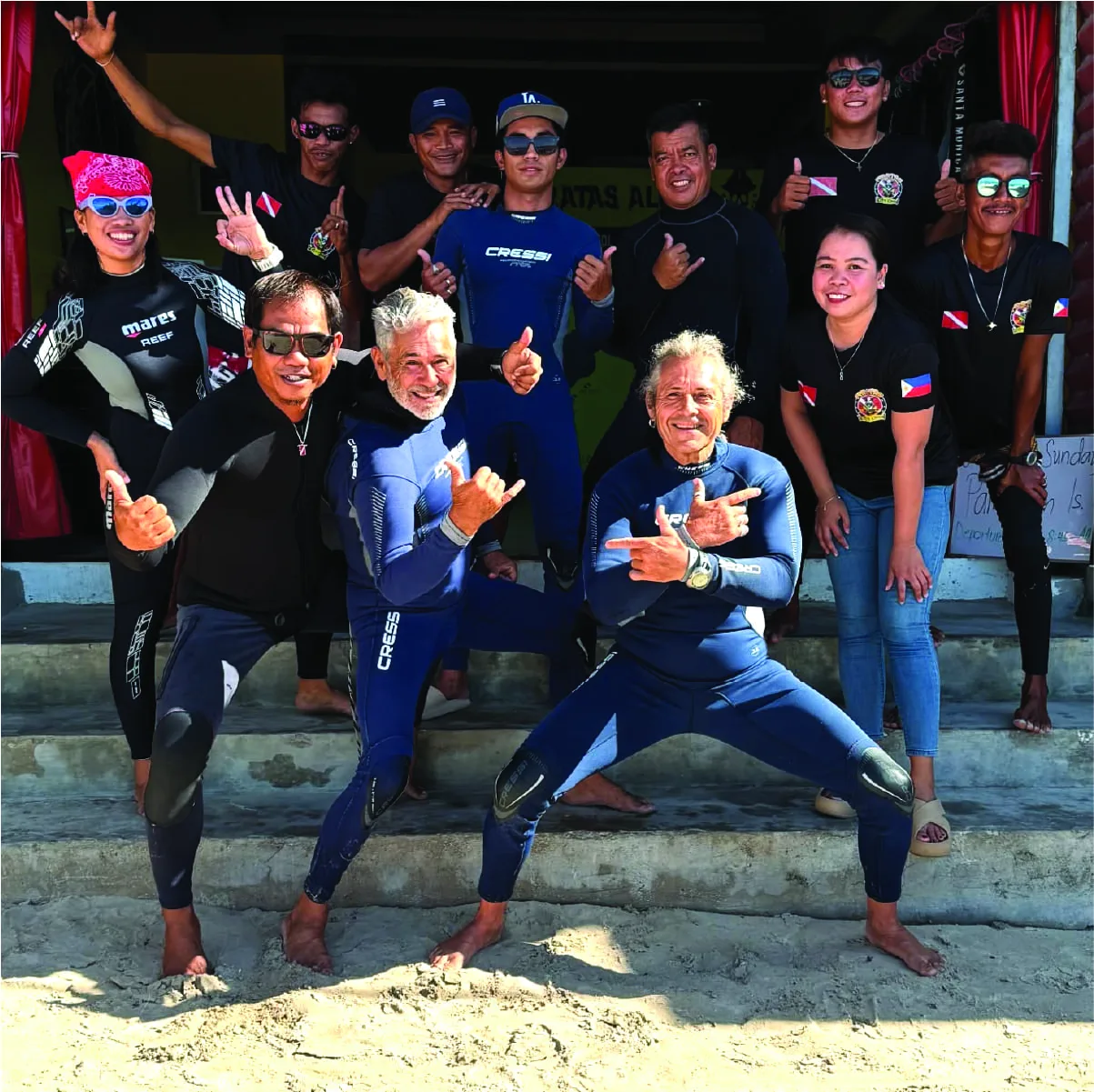

Haka Dive Center
Google 5/5 (928 reviews)
1.5 km away as the crow flies
Panglao · Philippines · Asia
Max. depth · 25 mKalipayan offers a sandy slope reaching 25 metres with scattered coral patches, ideal for encountering reef fish and occasional turtles.
For subtitles in English: start the video firstthen click the gearat the top right of the video, select “Subtitles/CC”, then “Auto-translate” and choose “English”.
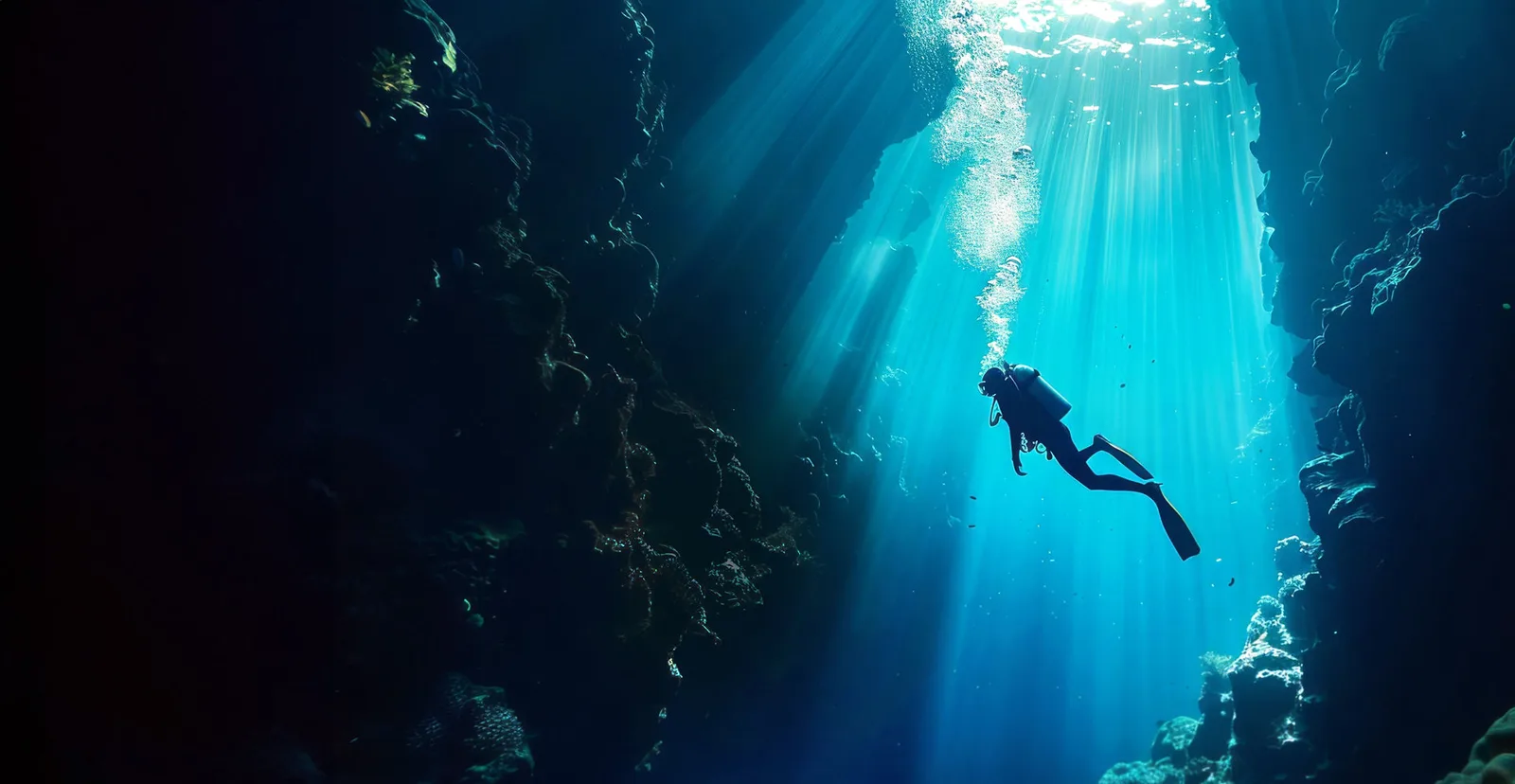
Dropping into Kalipayan, you'll find yourself over a distinct sandy slope that begins shallow and gradually descends to around 25 metres. This isn't a dramatic wall, but rather a gradual transition with areas of mixed coral and isolated reef blocks providing structure. The topography allows for an unhurried descent, letting you adjust your buoyancy and focus on the immediate surroundings without the pressure of a sheer drop-off.
The slope itself isn't barren sand; instead, you'll navigate between scattered coral patches that provide shelter and hunting grounds. These coral heads, while not forming an extensive garden, are vibrant enough to attract a variety of smaller reef fish. It’s an environment where you can take your time, peering into crevices or observing the interplay of light and shadow on the seabed.
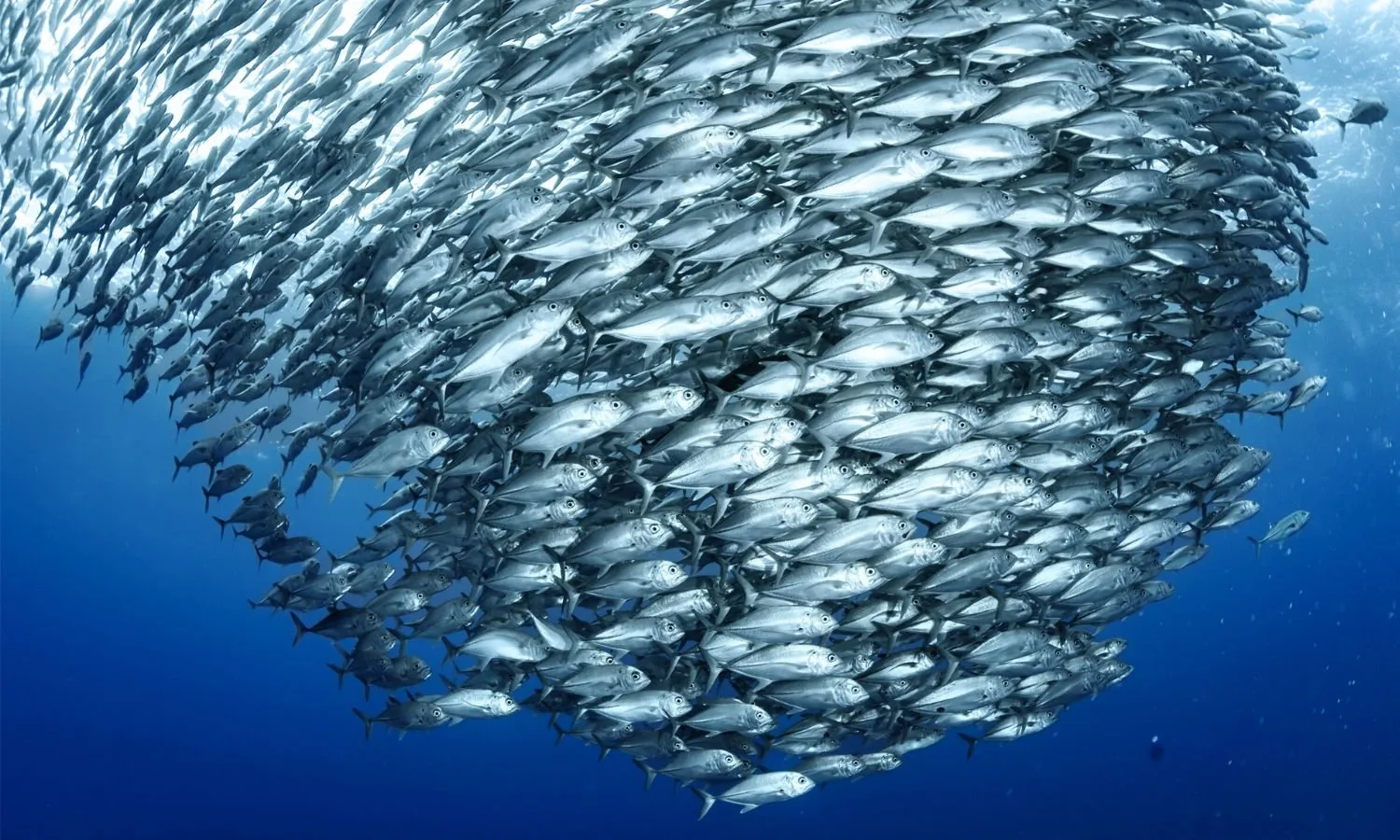
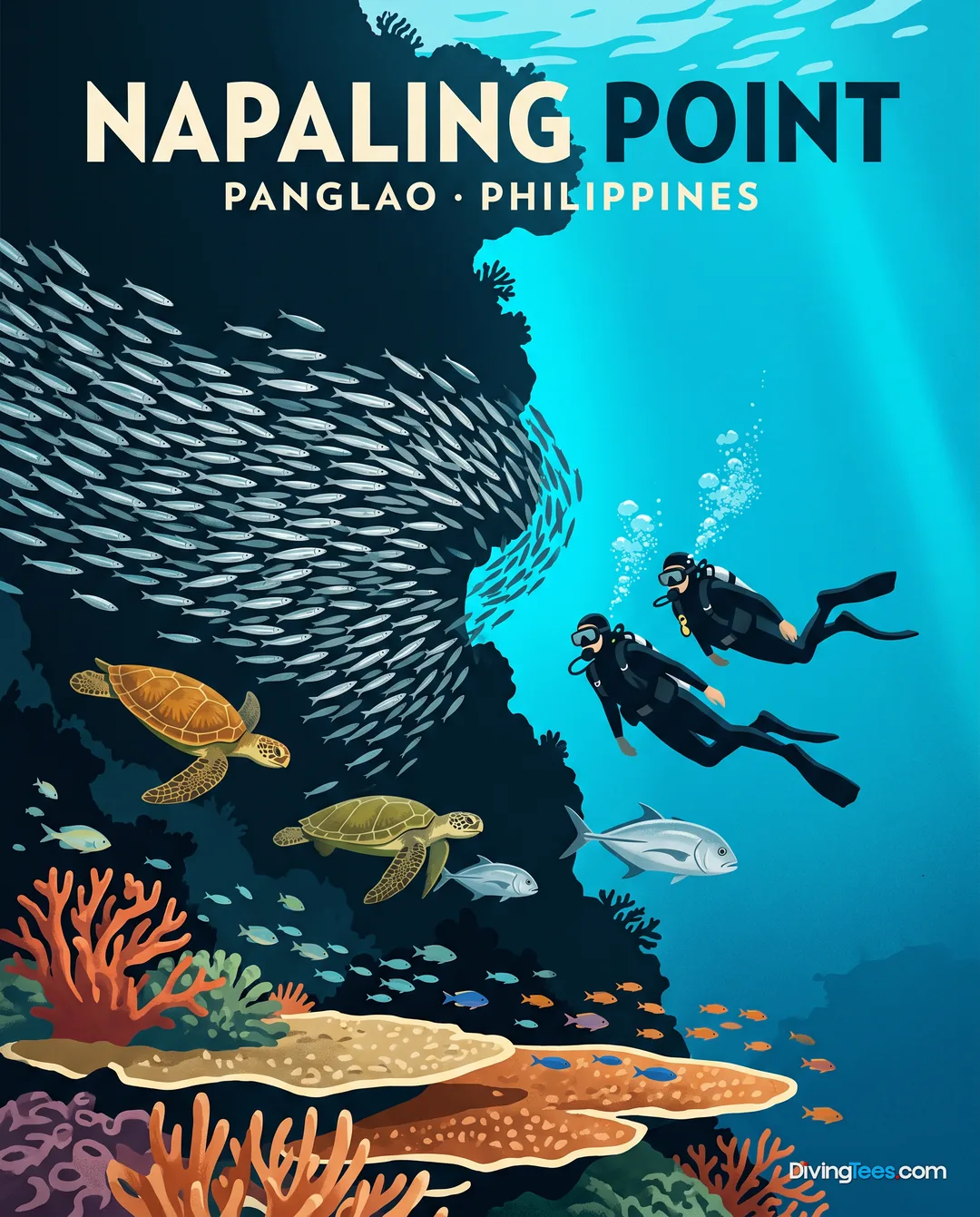
Amongst the coral and sand, you'll encounter numerous resident reef fish. Shoals of sardines (Sardinella spp.) are commonly seen, creating shimmering clouds of silver as they move. Keep an eye out for how these larger groups draw in other predators, even if rarely seen. The occasional sea turtle, leisurely grazing or resting on the bottom, adds to the encounter.
Kalipayan's profile, with its accessible depths and sandy stretches, creates excellent conditions for spotting various smaller marine life. While the focus isn't on large pelagics here, the abundance of food sources supports a healthy ecosystem of inshore species. The light penetration on the slope ensures a well-lit environment for observation, enhancing the colours of the coral and fish you encounter.
This site is primarily a shallow dive, with depths ranging from 5 metres down to 25 metres. It is accessible from Open Water Diver level. No significant currents are typically reported at Kalipayan, making it suitable for unhurried exploration. Visibility generally ranges between 20 to 30 metres, which is consistent with the regional conditions.
You can dive Kalipayan from Open Water Diver level, and the site is suitable for all certification levels. Its gradual sandy slope and accessible profile let you adjust your buoyancy as you descend, without the pressure of a sheer drop-off. You can take your time exploring the coral patches and reef blocks.
Kalipayan is primarily a shallow dive, with depths ranging from 5 to 25 metres. The site follows a sandy slope that begins in shallow water and gradually descends to around 25 metres. Scattered coral patches and isolated reef blocks add structure along the slope, creating areas to explore at different depths.
You can generally expect no significant currents at Kalipayan, making it suitable for unhurried exploration. Visibility generally ranges between 20 and 30 metres, consistent with regional conditions. The slope is well lit by penetrating light, helping you observe the coral and fish while moving between sandy areas and reef blocks.
At Kalipayan, you can see scattered coral patches, isolated reef blocks, resident reef fish, and regular schools of sardines forming shimmering silver clouds. Sea turtles are encountered occasionally, sometimes grazing or resting on the bottom. The sandy slope and coral structure also support smaller marine life and inshore species to observe closely.