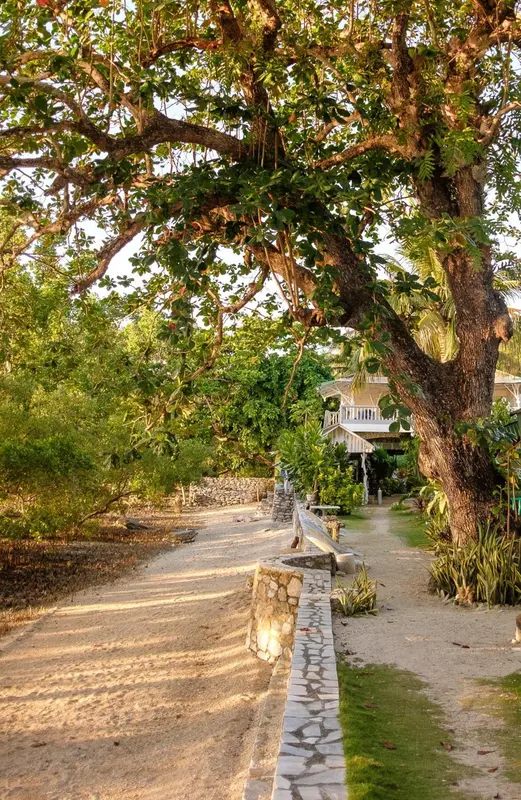
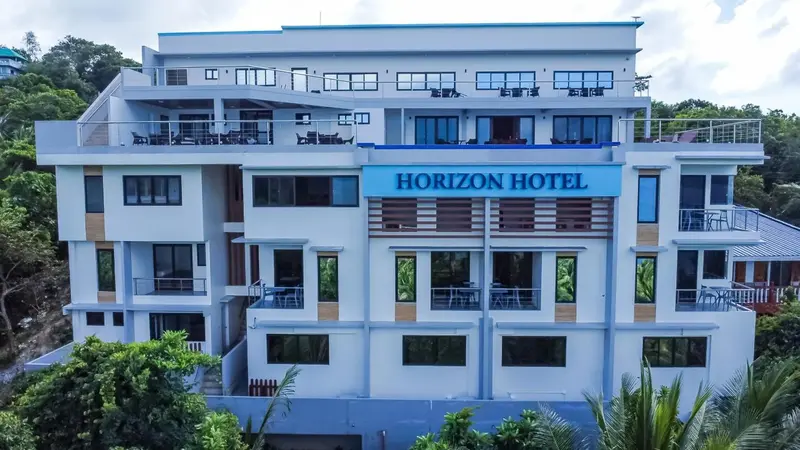
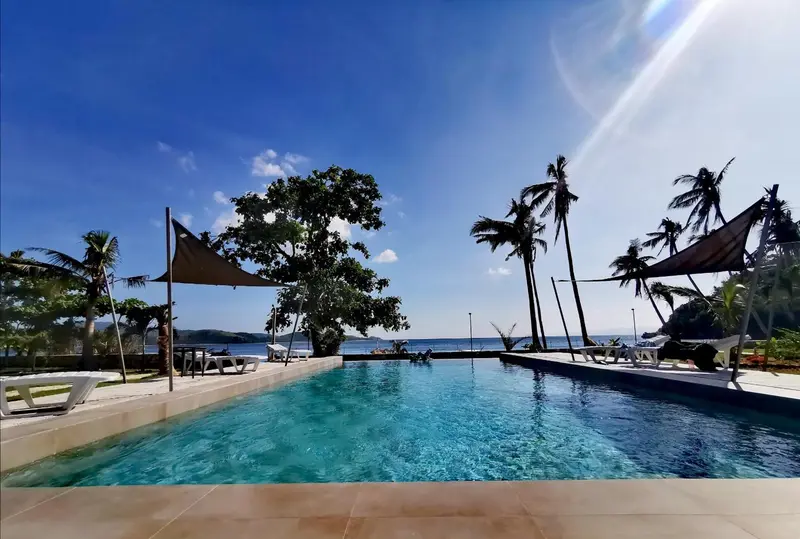
 Dive centre in the hotel
Sunset Cove Beach & Dive Resort
★★★★
Google 4.9/5 (93 reviews)
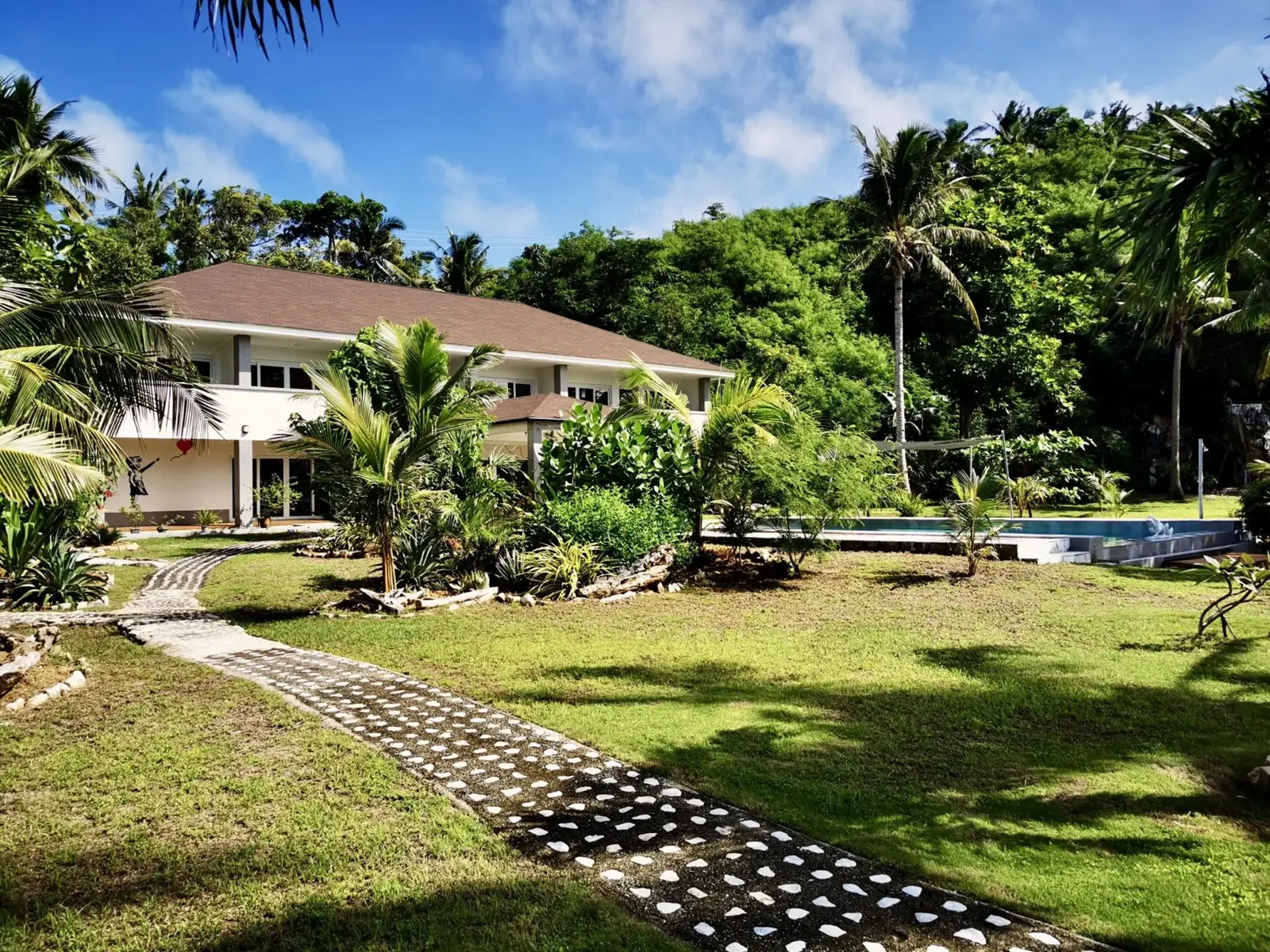
The dive centre
Sunset Cove Beach & Dive Resort
SDI · TDI
Google 4.9/5 (93 reviews)
Dives: Blue Hole, Lighthouse Cavern, North Rock Wall
Philippines · Asia
Sand bottoms hold nudibranchs and pygmy seahorses, while Blue Hole, reef drop-offs and marine sanctuaries add darker water, structure and current.
For subtitles in English: start the video firstthen click the gearat the top right of the video, select “Subtitles/CC”, then “Auto-translate” and choose “English”.
On Romblon's sandy bottoms, a slow fin-kick can turn up a nudibranch, a pygmy seahorse or a skeleton shrimp before the boat has even left the coastal reef. That is the point of coming here: patient macro diving, supported by sanctuaries, drop-offs, cavities and a few more exposed sites. Romblon suits a land-based week for divers who would rather search a patch of sand properly than chase a calendar of large animals. The ferry is part of the bargain.
Most dives centre on sandy muck bottoms and coastal reefs, where the water is often quiet enough to work slowly with a camera. These sites can be less clear than the reefier locations, while visibility across Romblon commonly falls somewhere between ten and thirty metres, depending on rain, runoff, swell and current. Drop-offs, marine sanctuaries and cavities add relief to the otherwise close-up business of searching the bottom. Blue Hole is the serious exception: current can develop inside the cavity and produce an unexpected vertical ascent, so it deserves a proper assessment rather than a casual macro dive. Channels can also turn into genuine drift-dive territory when the tide runs. Outings are boat-based from the island, with a land-based schedule that can mix sandy search dives, reef work and deeper or more exposed sites.
Romblon earns its reputation by making small things worth the wait. Nudibranchs and sea slugs are regular finds, as are pygmy seahorses, shrimps, crabs and skeleton shrimps tucked into the background. Ghost pipefish and frogfish appear occasionally, rewarding a careful scan rather than a fast circuit of the reef. A blue-ringed octopus is also possible, although it belongs in the category of fortunate encounters, not a promise. Giant clams are a feature of the marine sanctuaries, including Lonos Marine Sanctuary, while sharks and rays depend on the site and the day. These animals can be encountered throughout the year, with the clearest working conditions for macro observation generally falling in the drier season.
November to May is the sensible window for Romblon, when the sea is generally calmer and visibility is more dependable. That matters here because finding a tiny animal on sand is much easier when rain, runoff and swell are not working against the guide and photographer. July to September sits in the rainy season and monsoon period, when typhoons can disrupt boat trips and make conditions less regular. Diving is still possible outside the preferred months, but an itinerary built around several days of small-subject searching needs more flexibility then.
The sandy macro sites and coastal reefs suit all levels, provided divers are comfortable moving slowly and holding position without disturbing the bottom. Advanced Open Water is useful for deeper drop-offs and Blue Hole, where depth, vertical movement and current change the nature of the dive. A drift-dive speciality helps in tidal channels. Nitrox is useful for repeated diving during a concentrated land-based week, but it does not replace judgement at exposed sites.
From London Heathrow, Gatwick or Manchester, the journey runs through Manila, then by road to Batangas for the ferry to Romblon. Romblon Island has no airport, so the sea crossing is not an optional extra. The direct Batangas ferry is usually overnight and takes roughly seven to eight hours, although the departure and arrival port can vary with the service. An alternative route goes through Tablas and adds another local sea or land connection. Leave generous space between the international arrival, the road transfer and the ferry, and keep a buffer before any flight home. In Romblon Town, some accommodation and diving facilities can be reached on foot; elsewhere, arrange a tricycle transfer locally.
Bring the macro kit you actually want to use, especially a suitable lens and focusing aids, because specialised photographic rental should not be assumed. A dive torch is equally worthwhile for looking under overhangs and into crevices where cryptic animals sit. Allow several diving days rather than expecting to find the important subject on the first descent. Ask about alternative sandy sites when the familiar locations are busy, particularly during local holidays. Treat Blue Hole and the channels as separate propositions: check the current before entering, and do not let a calm muck dive set the expectation for the whole island. Keep a spare day around the ferry at both ends, rather than risking a missed international connection. Romblon is a poor choice for anyone primarily pursuing large pelagics. Leave nudibranchs, seahorses and fixed life exactly where they are, and take particular care with waste and anchoring near coastal communities and sanctuaries.
Plan Romblon as a stay based on land, with boat trips arranged from the island rather than as a liveaboard itinerary. Seven to ten days gives room for repeated macro searches, sanctuary and reef dives, a deeper or more exposed outing, and a weather buffer. Romblon Town provides a practical base, while tricycles cover the gaps between more distant accommodation and the waterfront. Non-diving days can include marble workshops and quarries, beaches, viewpoints, cultural sites and the mangroves around Logbon.
Hello, I'm Marina, DivingDeal.com's AI assistant. I guide you through destinations, areas and countries.
Thinking about the whole trip and the flights? Talk it over with Edith →
Marina is an AI. Some links are affiliate links: DivingDeal may earn a commission, at no extra cost to you. Bookings are made with the partner.
In each one, the dive centre is inside the hotel: step out of your room and go diving.
Dive centre in the hotel★★★★
Google 4.9/5 (93 reviews)
The dive centre
Sunset Cove Beach & Dive Resort
SDI · TDI
Google 4.9/5 (93 reviews)
Dives: Blue Hole, Lighthouse Cavern, North Rock Wall
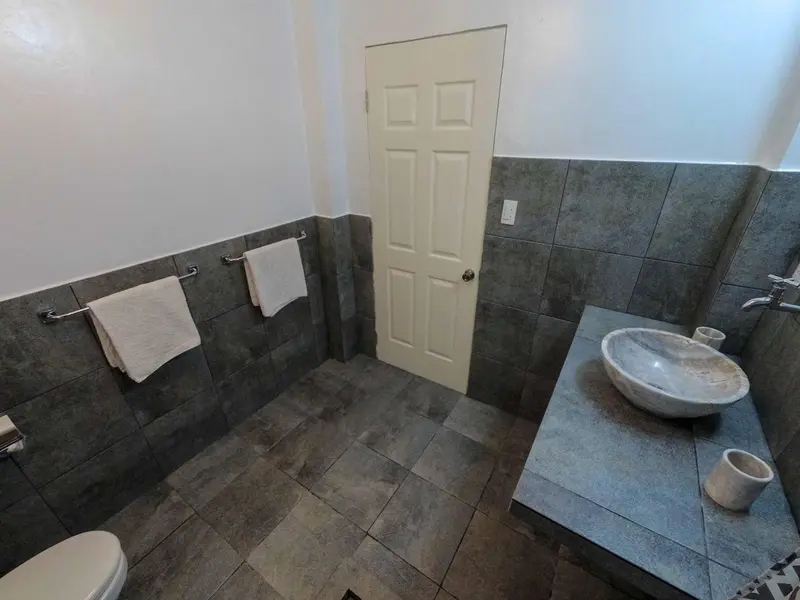 Dive centre in the hotel
Google 4.6/5 (120 reviews)
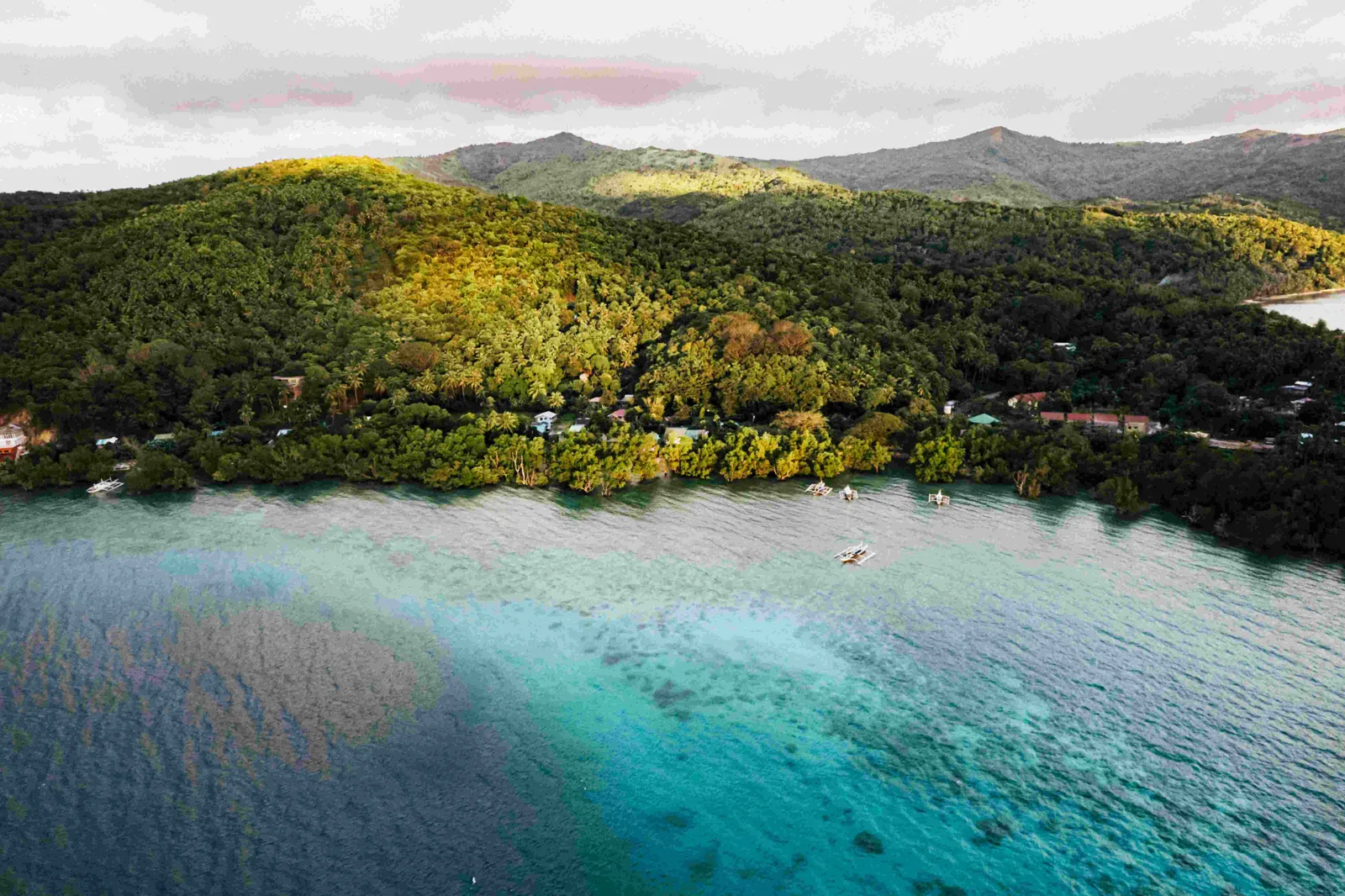
The dive centre
The Three P Beach & Dive Resort
SDI
Google 4.6/5 (120 reviews)
Dives: Romblon Pass
November to May is the sensible window, with generally calmer seas and more dependable visibility for macro searches. July to September brings rain and monsoon conditions, and typhoons can disrupt boat trips. Diving remains possible outside the preferred period, but plan for greater flexibility when conditions are less regular.
Romblon’s sandy macro sites and coastal reefs suit all levels if you can move slowly and hold position without disturbing the bottom. Advanced Open Water is useful for deeper drop-offs and Blue Hole, where depth, vertical movement and current matter. Drift-diving experience helps in tidal channels, and Nitrox supports repeated diving.
Romblon is known for nudibranchs, pygmy seahorses, shrimps, crabs and skeleton shrimps on sandy bottoms. Ghost pipefish and frogfish may appear among cryptic reef life, while blue-ringed octopus sightings are possible. Marine sanctuaries feature giant clams, and Blue Hole, drop-offs, cavities, mangroves and coastal habitats add structure beyond macro subjects.
Plan a land-based stay with boat trips arranged from the island rather than a liveaboard itinerary. Seven to ten days allows repeated macro searches, sanctuary and reef dives, a deeper or exposed outing, and a weather buffer. Travel through Manila and Batangas for the ferry, leaving generous transfer time and a spare day around the crossing.