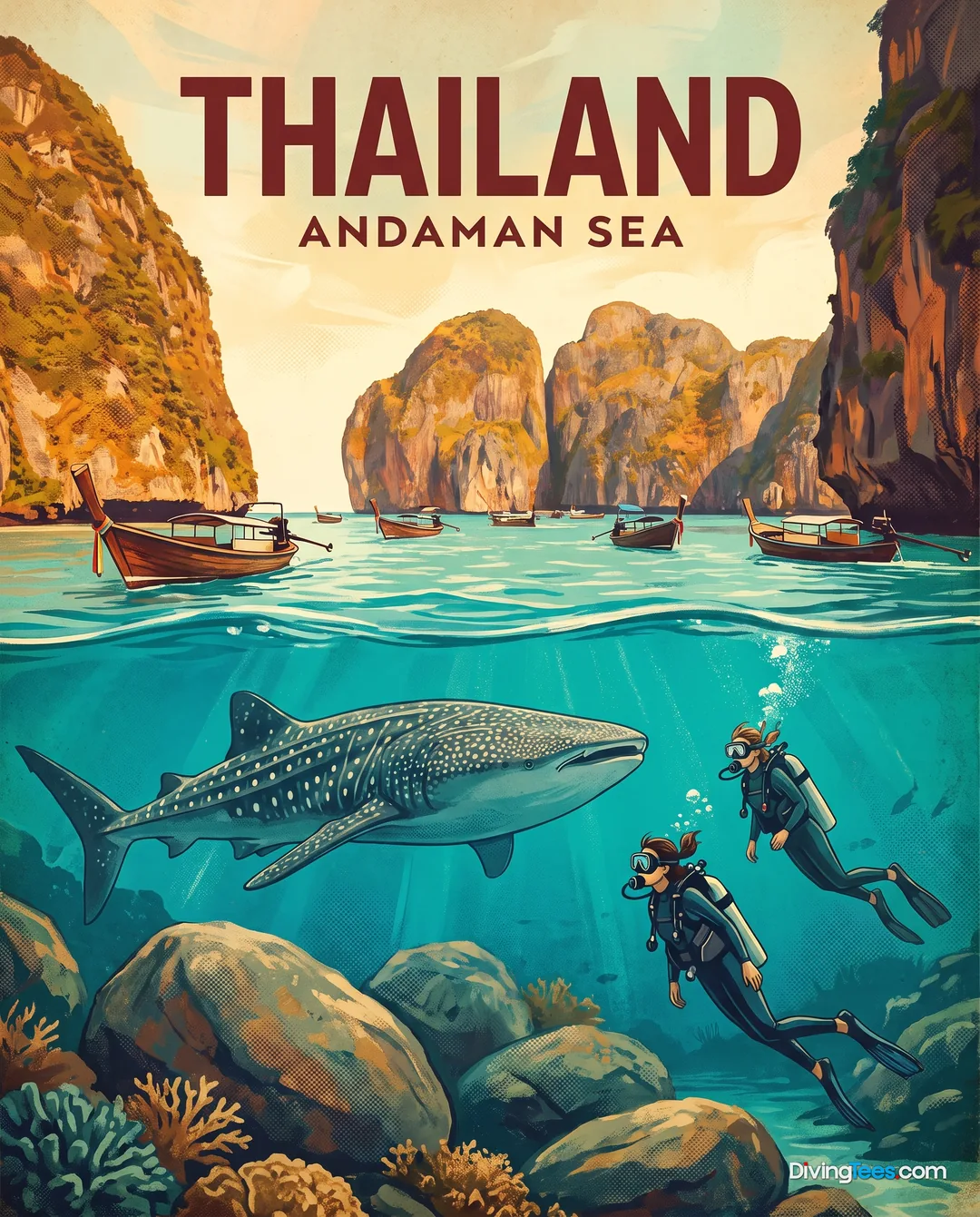
Liveaboards · Thailand
Blue Dolphin — a purpose-built Similan liveaboard where the diving comes first
What makes this boat unique
- Blue Dolphin carries up to 16 divers on four-day, four-night Similan–Richelieu itineraries with 14 dives.
- The shaded dive deck has DIN adapters, separate camera rinse tanks, and space for CCR and sidemount setups.
- Dive groups are limited to four divers per guide, with English-speaking instructors and courses taught aboard.
- Cabins range from an upper-deck master cabin to lower-deck deluxe, standard, and quad cabins.
For subtitles in English: start the video firstthen click the gearat the top right of the video, select “Subtitles/CC”, then “Auto-translate” and choose “English”.
The invitation
Blue Dolphin is for divers who want the North Andaman sites without turning the trip into a hotel stay with occasional diving. The route links the Similan Islands, Koh Bon, Koh Tachai, Surin Islands and Richelieu Rock, with 14 dives packed into four days and four nights. That means time on the sites that justify the journey: granite boulders, current-swept pinnacles, a wreck thick with fish, and the cleaning station where manta rays may arrive. The boat is a sensible choice for mixed groups too. Beginners, photographers, experienced divers, CCR users and sidemount divers can be placed in suitable groups, with no more than four divers per guide. It is not the boat for someone choosing a floating resort first and a dive plan second. It is built around getting divers back into the water efficiently, then feeding and settling them properly between dives.
Boarding
From the dock, Blue Dolphin makes a practical first impression rather than a polished-yacht one. Built in 2017 and renovated in 2022, it has the working layout of a boat that spends its days moving divers through the Andaman Sea: dive equipment below, shaded working space, tenders ready alongside, and open areas where wet gear can be handled without blocking the whole boat. The Hino diesel gives the vessel a purposeful mechanical presence once it gets under way. Inside, the air-conditioned lounge is the retreat when the sun is hard, while the outdoor dining and relaxation areas keep the sea close. The boat feels large enough to avoid crowding during a 16-passenger trip, but small enough that the same crew handles the practical details all day. That matters more than a glossy finish after the fourth dive.
The atmosphere on board
Blue Dolphin’s strongest feature is the people running it. Passenger feedback places the crew and food above the boat itself, which is a useful distinction: the vessel is a working mid-range liveaboard, while the crew is what makes its age and practical character easy to live with. Staff wash gear, fill tanks and help divers into the tenders, so the routine carries less lifting and less searching than on a boat where everyone looks after every task alone. English is spoken on board. The small groups make it easier for guides to notice who wants a slow macro dive, who needs more space, and who is ready for stronger current. By evening, the group has usually shared enough water, meals and surface intervals to talk like a dive team rather than a passenger list. The atmosphere is capable and unforced.
The sites you’ll dive
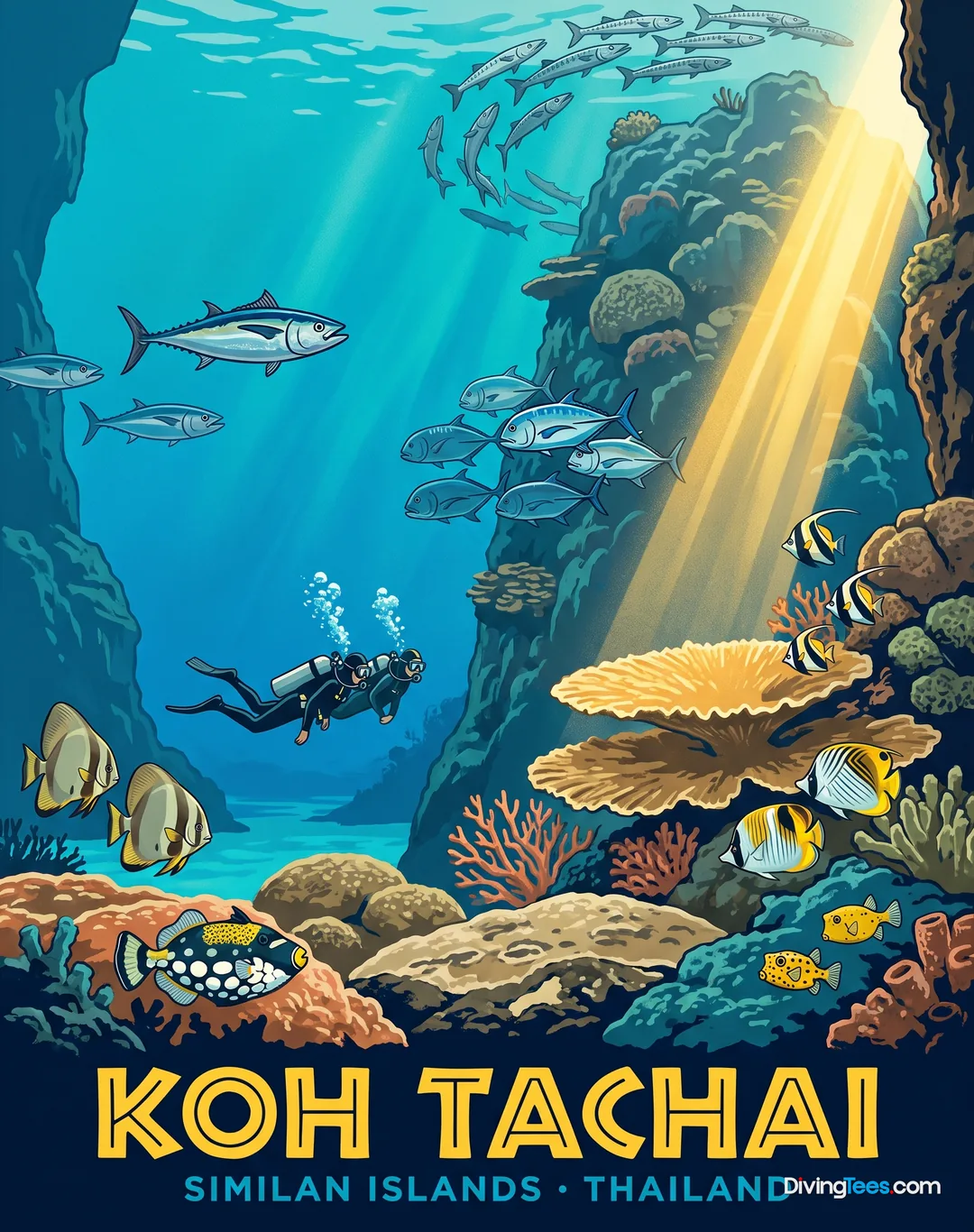
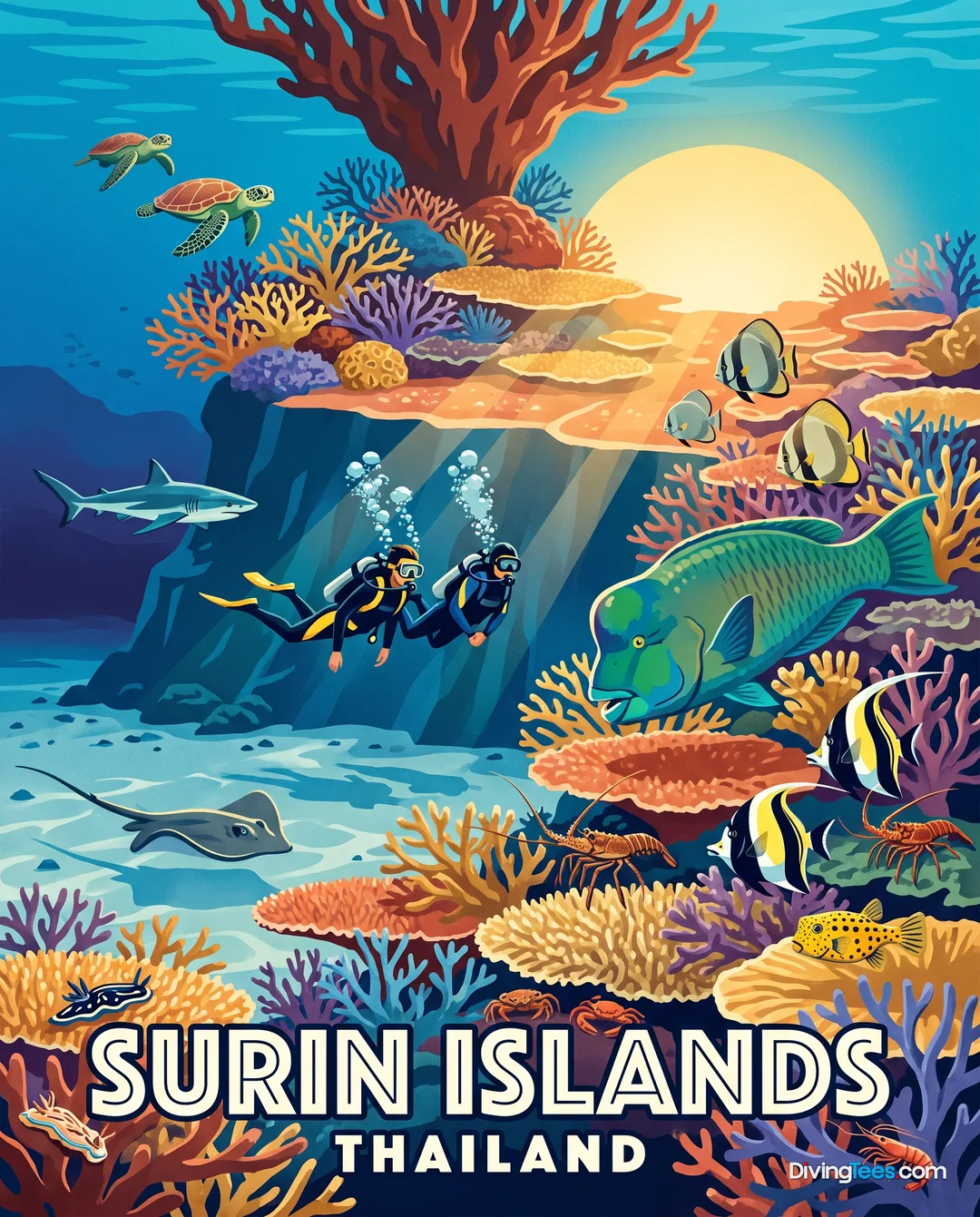
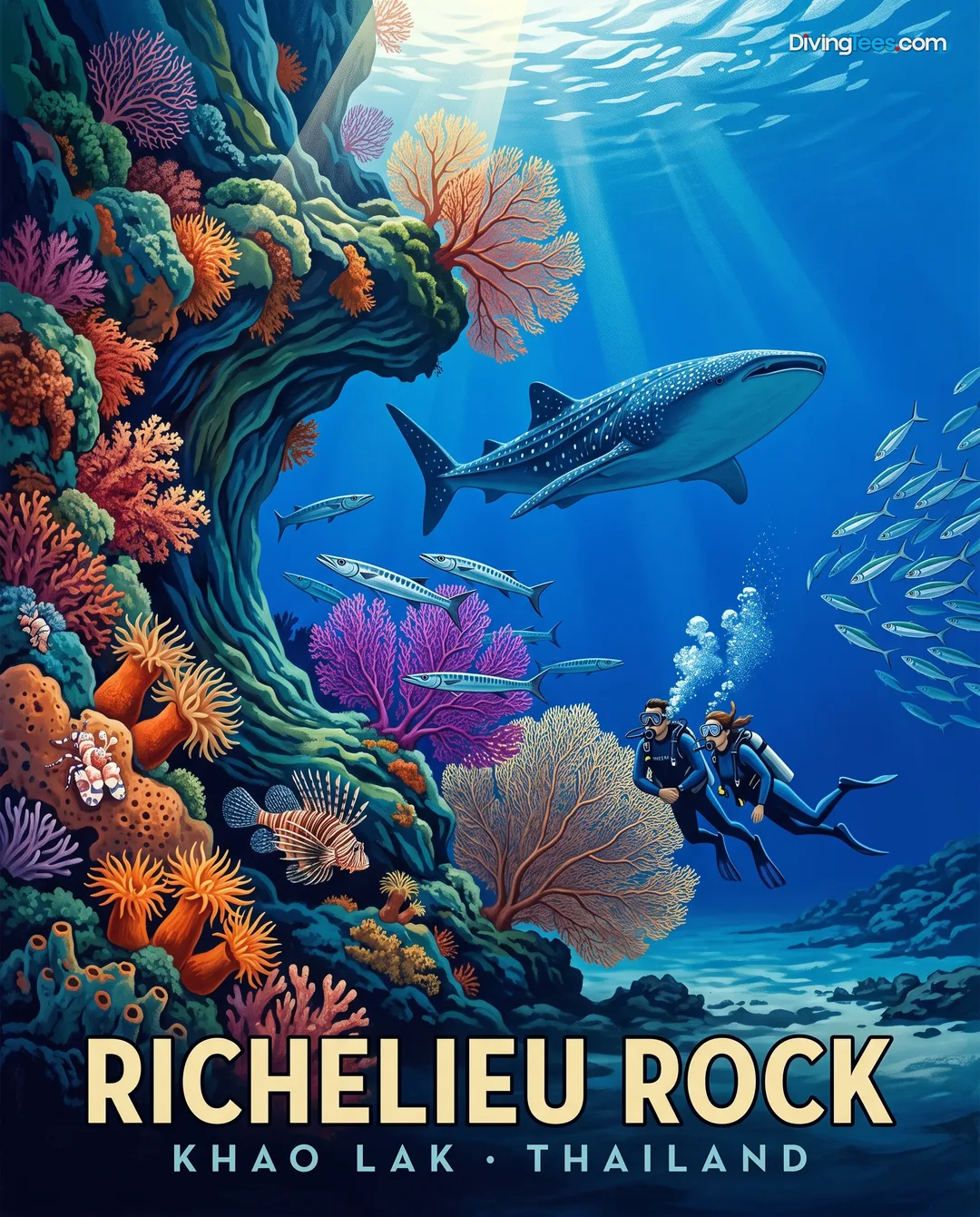
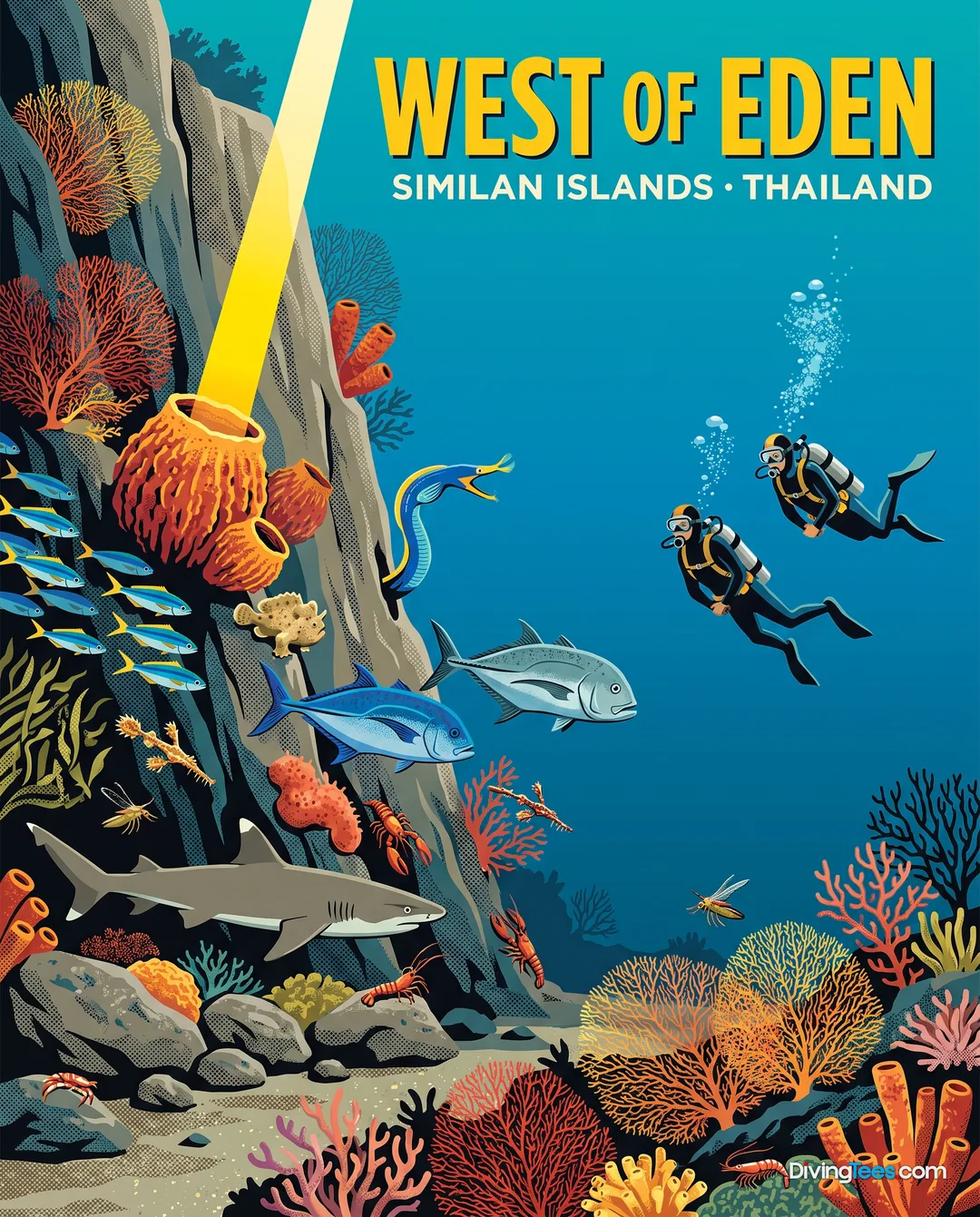
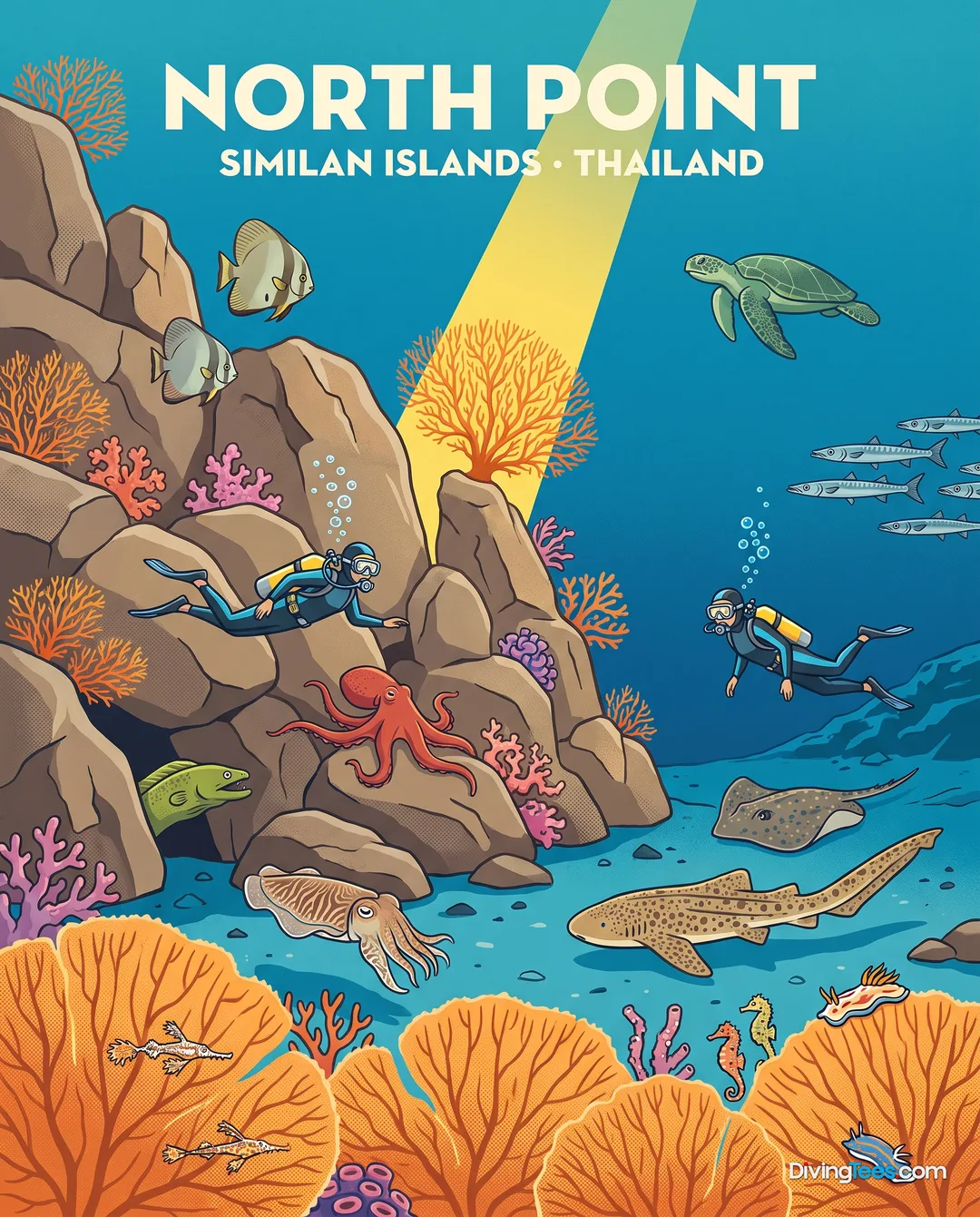
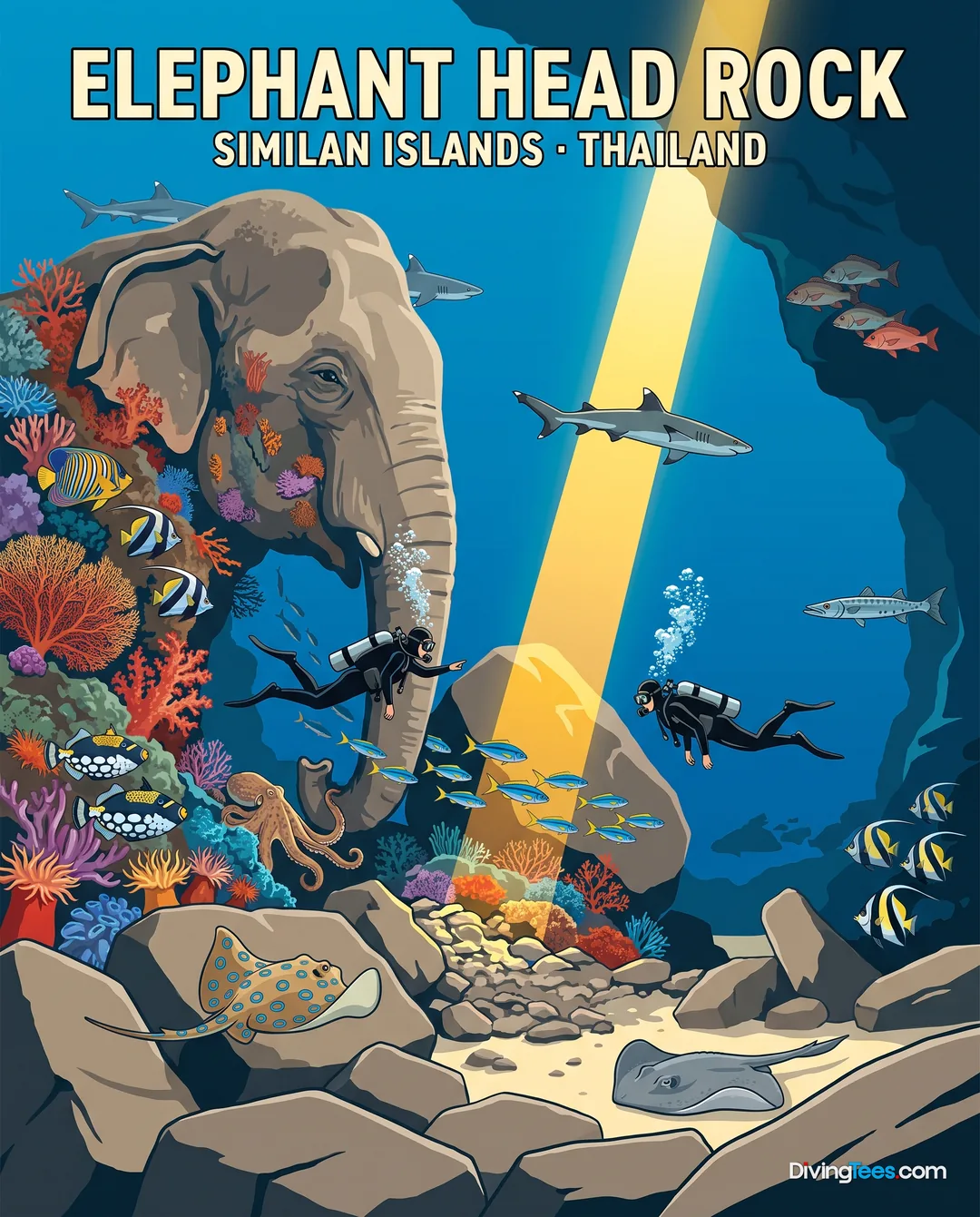
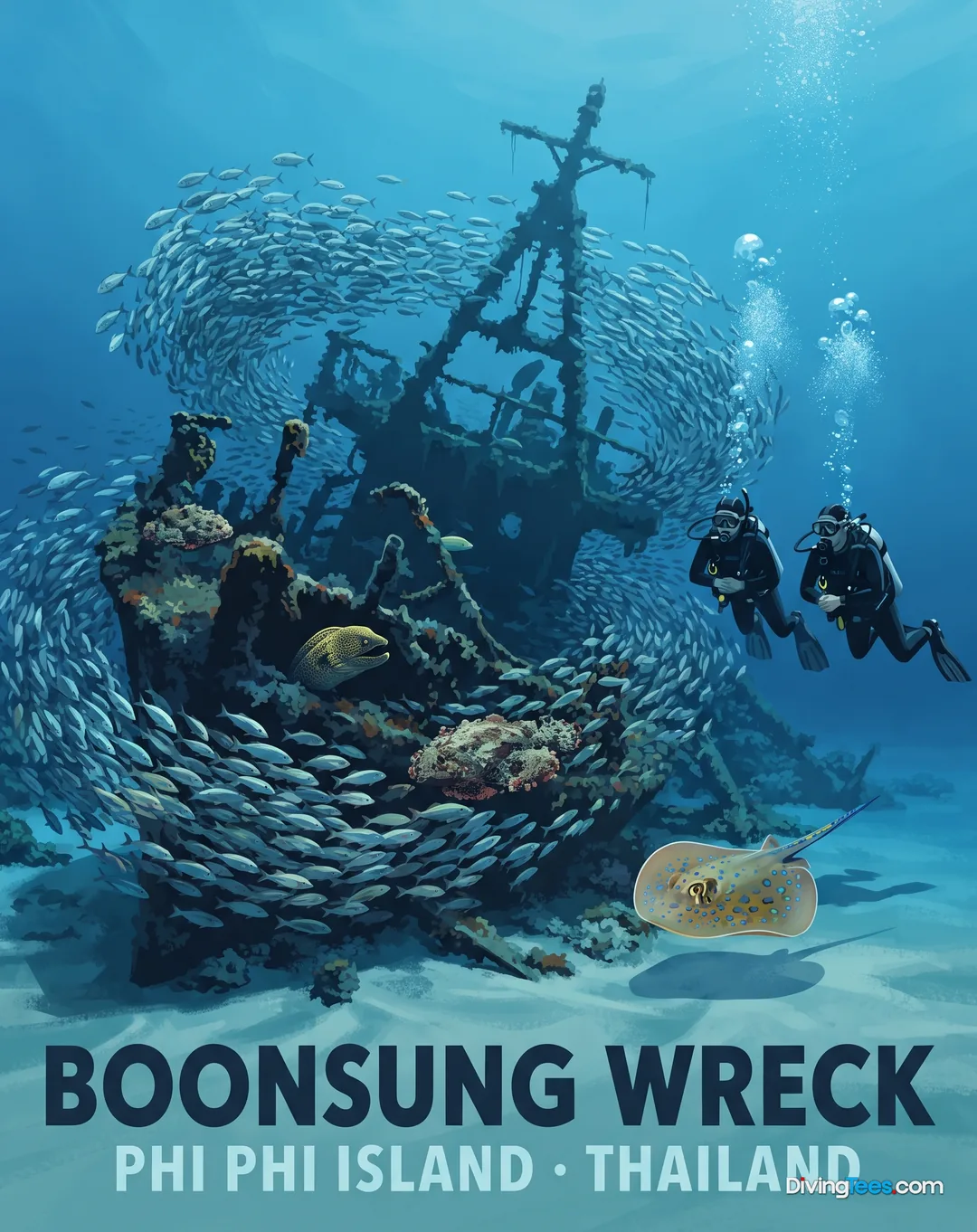
The route runs from Thap Lamu Pier through the Similan Islands and north to Koh Bon, Koh Tachai, Surin Islands and Richelieu Rock, then returns to Thap Lamu after four nights and 14 dives. The Similans are built around granite boulders and coral slopes: West of Eden cuts through granite canyons at max -40m, while North Point combines deep channels, coral-covered pinnacles and sandy sections at max -35m. Elephant Head Rock is the more serious topographic dive, with arches, tunnels and caverns descending to max -60m. Koh Bon brings divers to a wall and manta cleaning station; Koh Tachai’s submerged pinnacles reach max -40m and collect pelagic life. Surin offers hard-coral gardens and granite outcrops at max -25m. Boonsung Wreck is an old tin dredger turned artificial reef, with dense fish life to max -18m. Anita’s Reef slopes to sand at max -35m. Richelieu Rock adds limestone pinnacles from 0 - 30m, with macro life, schooling pelagics and the possibility of a whale shark. Weather and sea conditions can change the plan.
What you’ll meet underwater
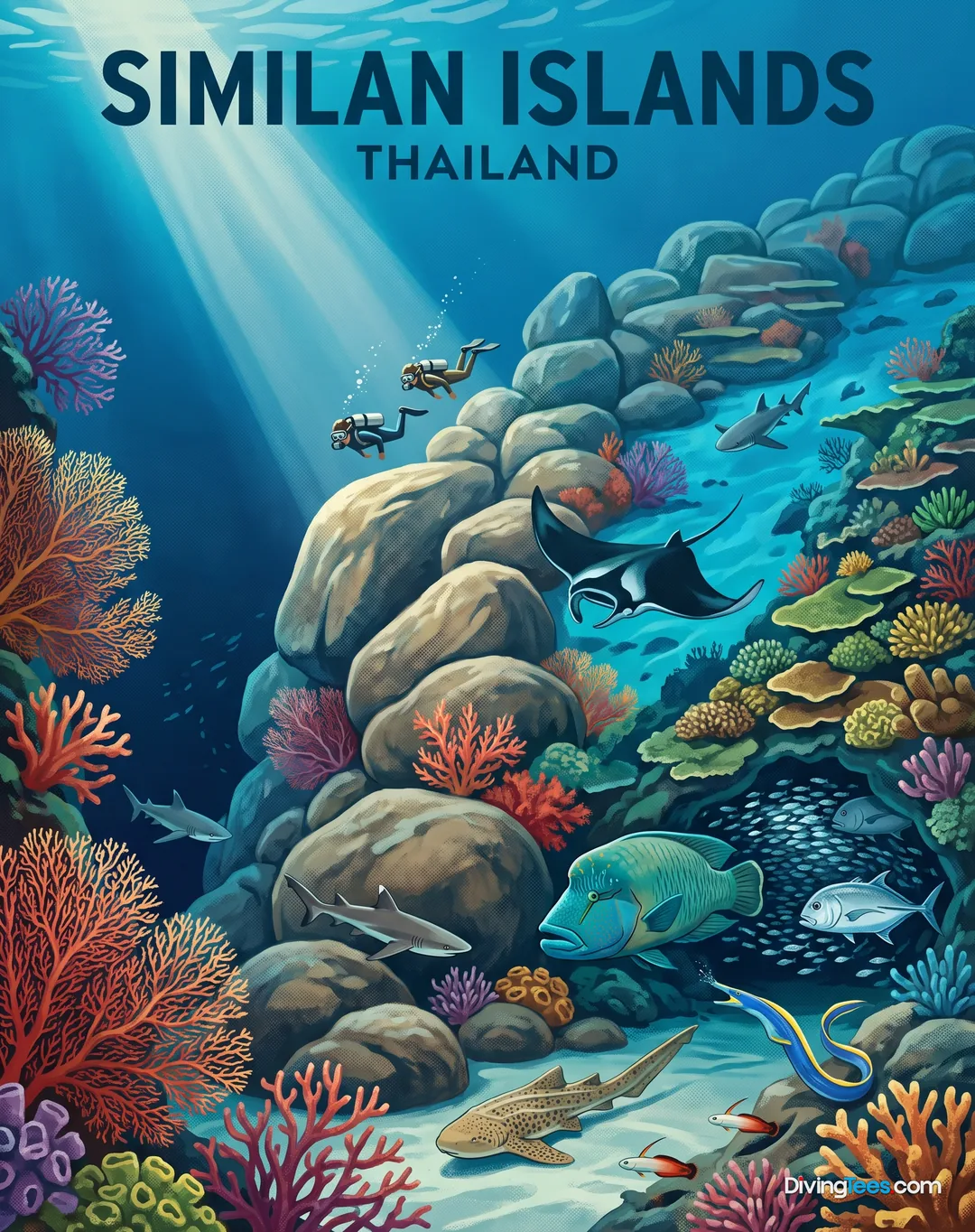
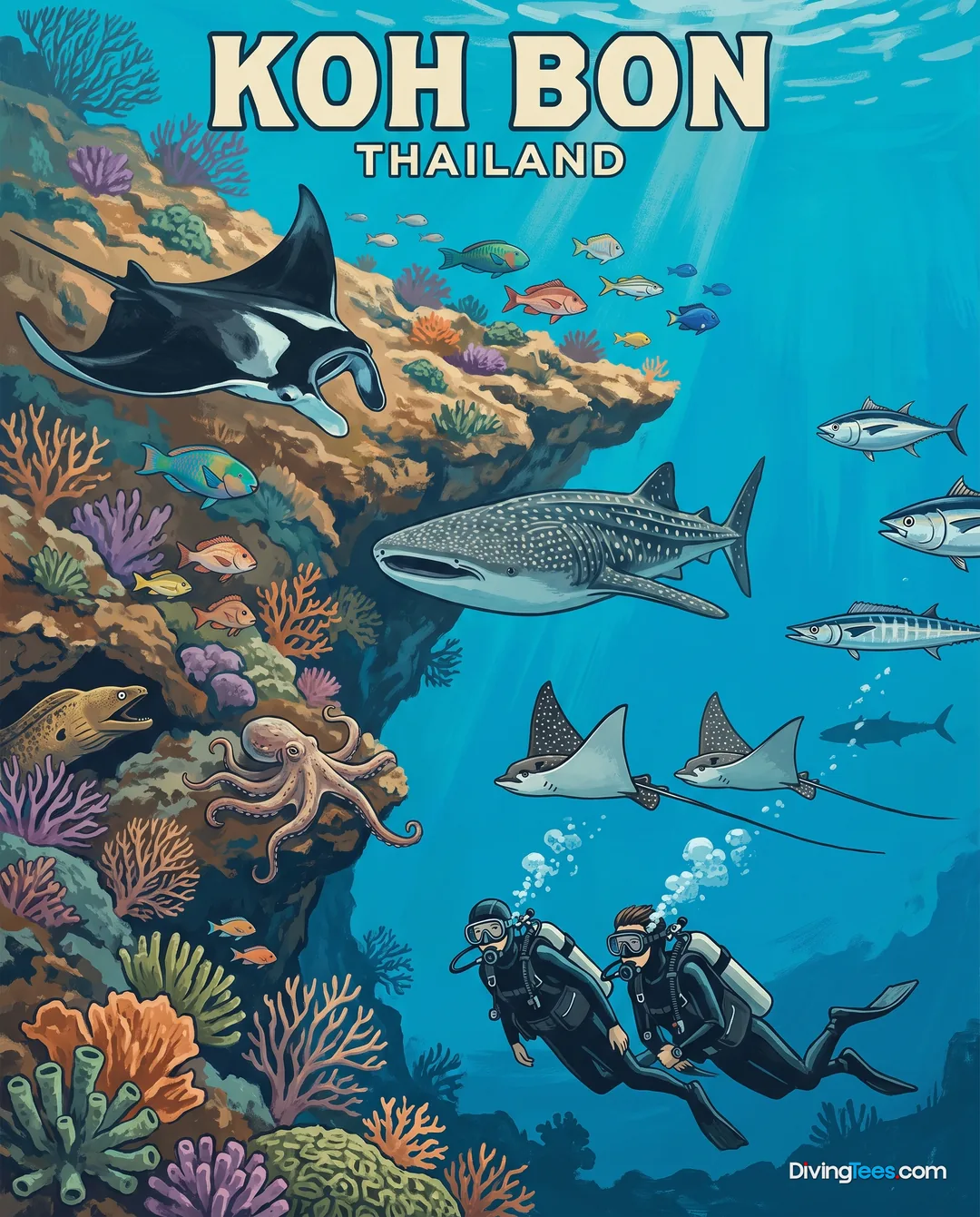
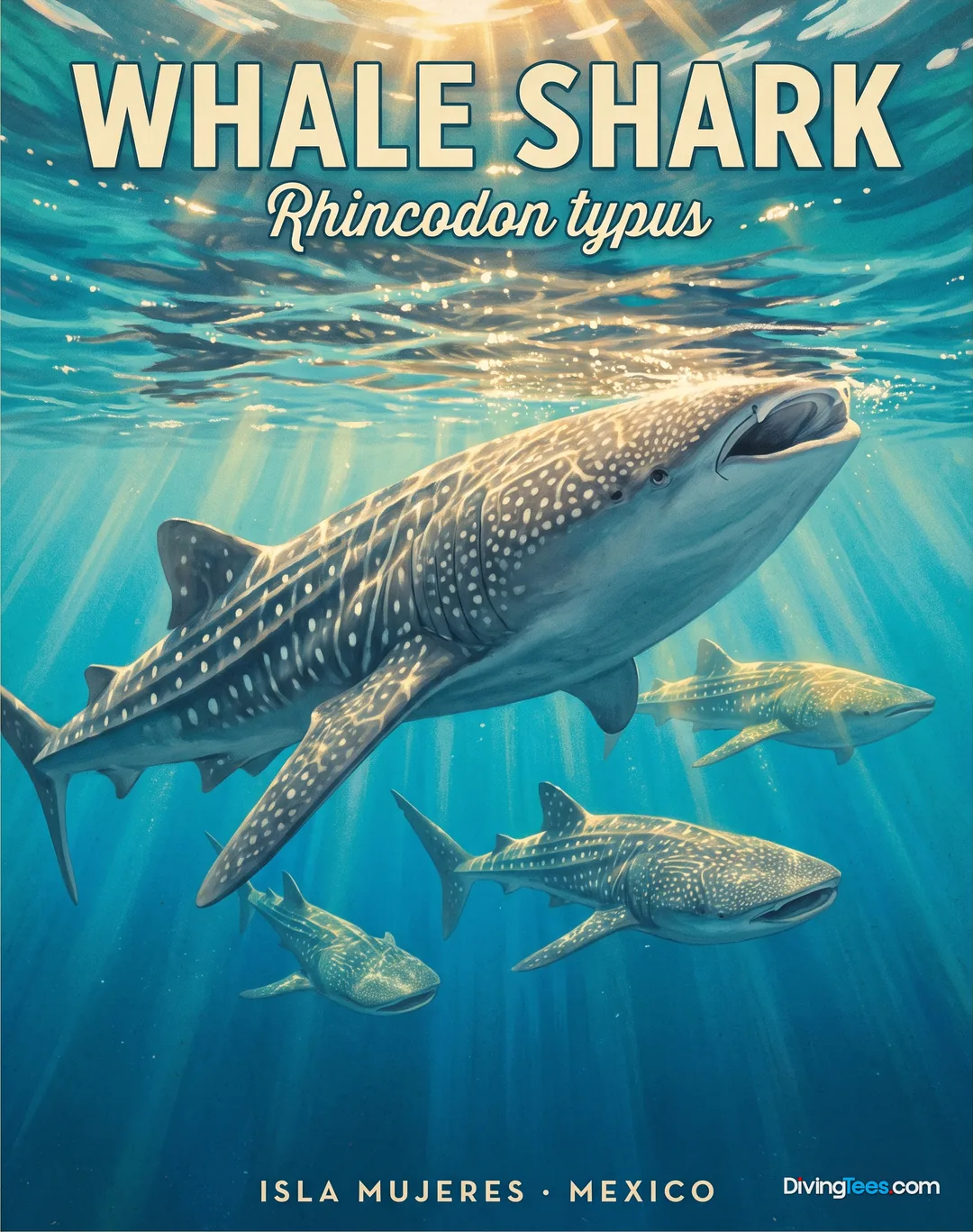
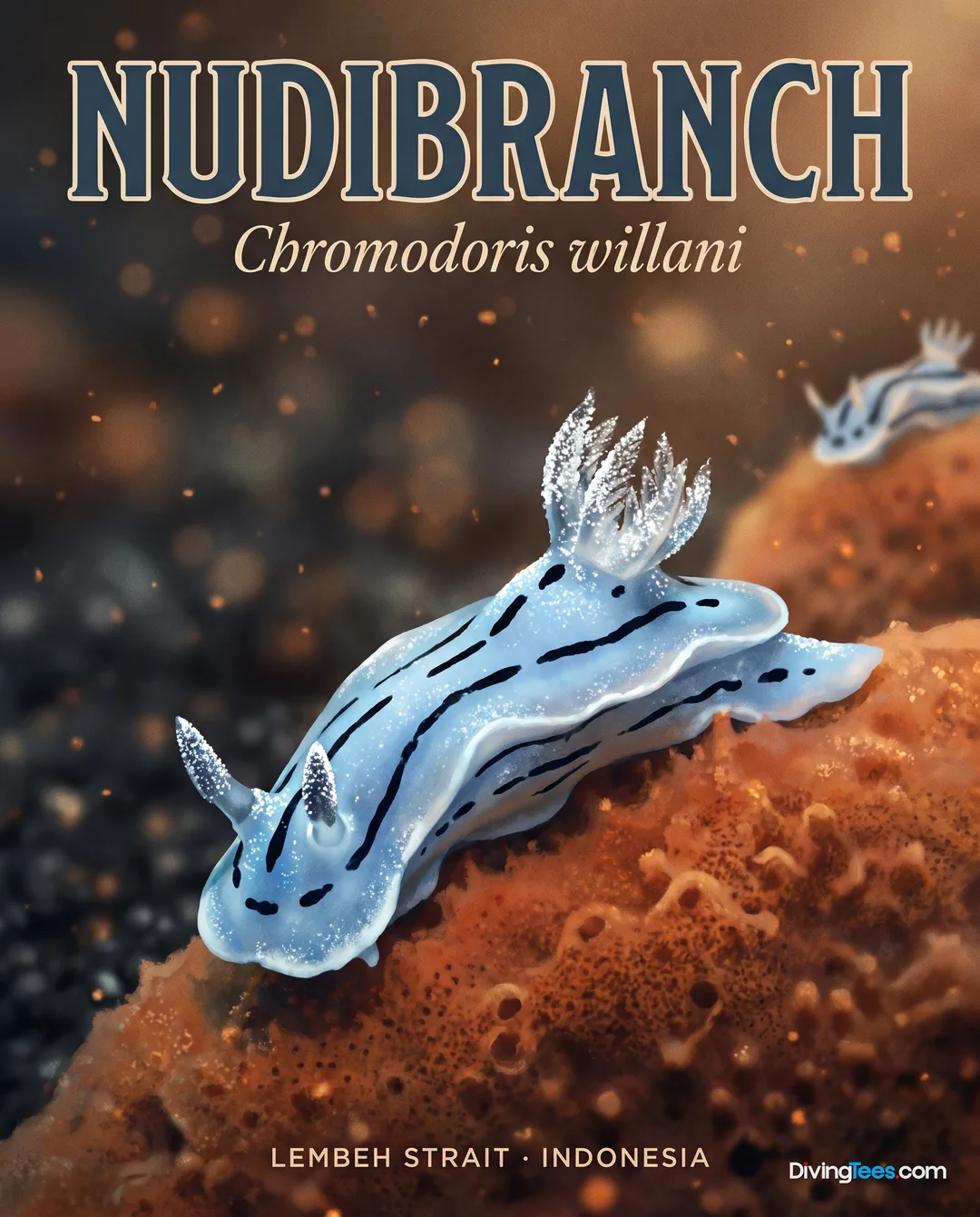
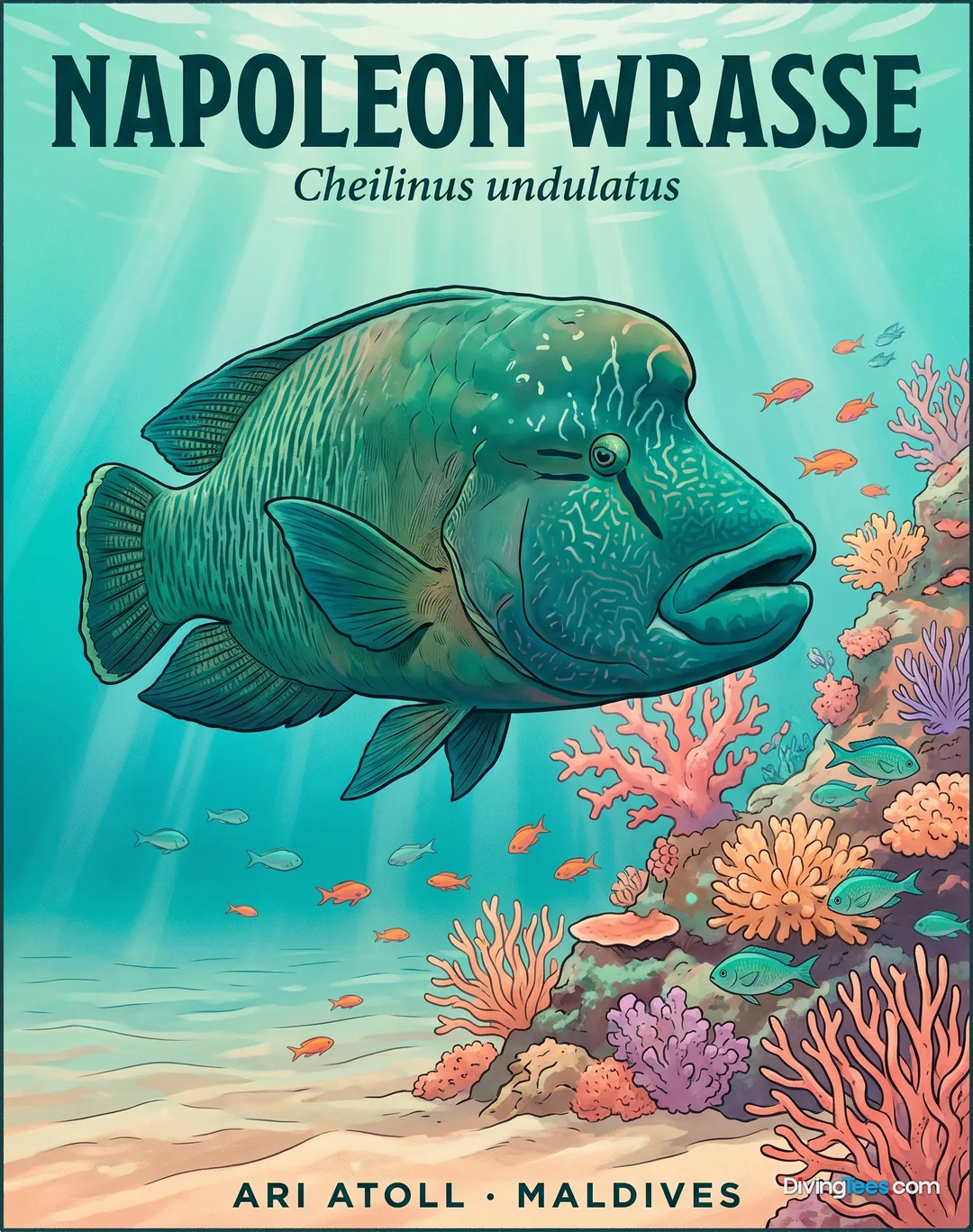
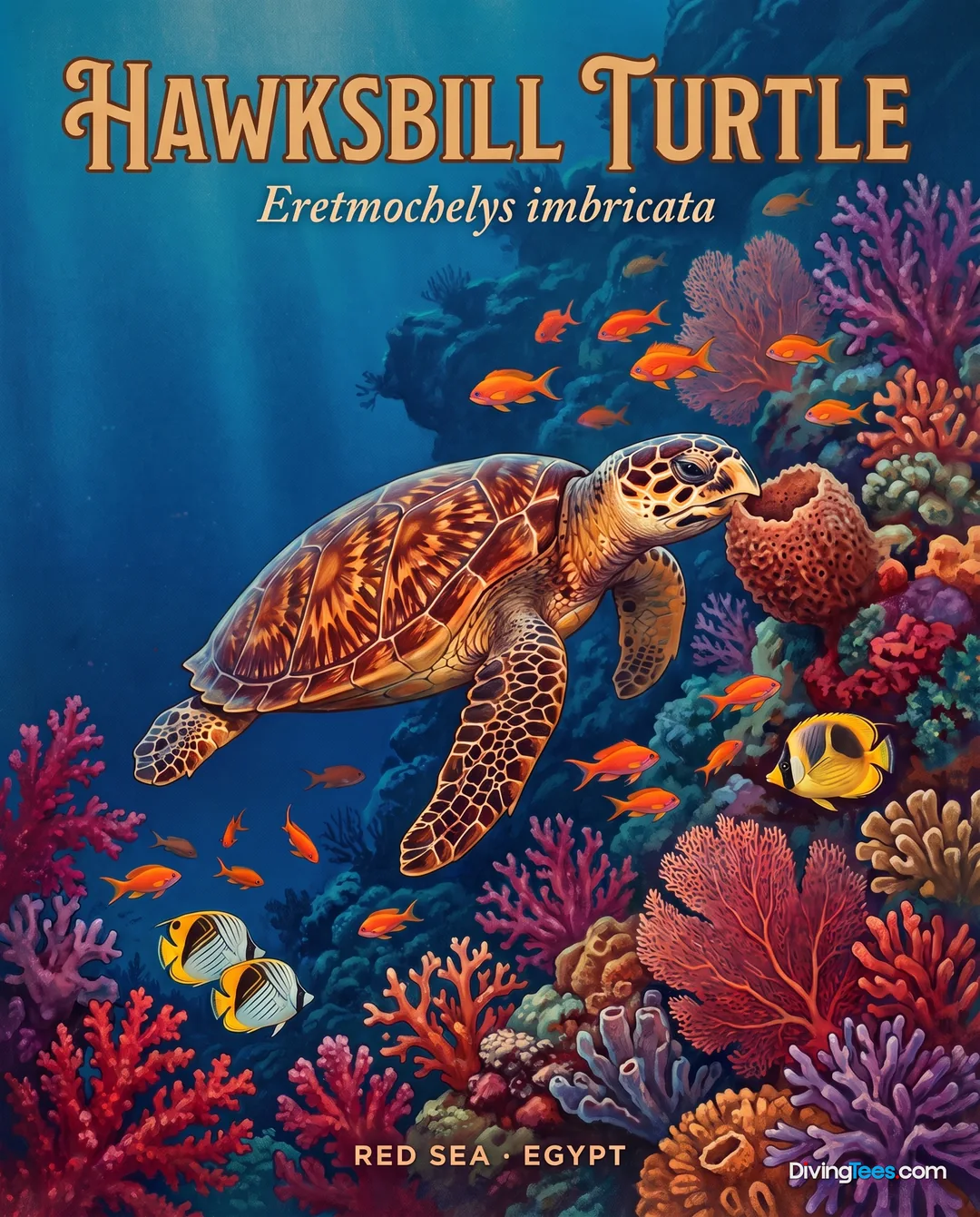
The route is strong on animals that reward both wide-angle and slow searching. Barracuda, reef sharks, whitetip reef sharks, whale sharks, turtles, mantas, leopard sharks, tuna, nudibranchs, morays, trevally and fusiliers appear across several of the listed sites, while Napoleon wrasse and groupers add size to the reef scenes. Koh Bon is the place to settle at the cleaning station and watch for manta rays moving in for maintenance, sometimes with pelagic hunters nearby. Current around the pinnacles can bring the larger fish closer, especially at Koh Tachai and Richelieu Rock. The unusual sightings give each site its own reason to enter the water: a balist at Elephant Head Rock, gorgonians and hawksbill turtles at Koh Tachai, a porcupinefish and stonefish at Boonsung Wreck, and humphead parrotfish at Surin Islands. None of these encounters is guaranteed. That is why the route works: repeated dives give divers time to look.

Who puts you in the water
English-speaking instructors and dive guides organise groups around experience, air use and the wishes of divers who want to stay together. Each guide takes a maximum of four divers, and groups can be reorganised after the check dive if the first descent shows that abilities or gas consumption do not match. That is the right moment to sort the team, before current and depth make differences expensive. Briefings cover the site and the boat’s recovery procedure; after the dive, divers signal the tender for pickup and return without a surface swim. Courses are taught aboard, including Advanced Adventurer, Nitrox and other SSI speciality training. The operator’s staff includes instructors, divemasters and a technical divemaster, but no fixed logged-dive minimum is given. Oxygen, first-aid kits, radios, GPS, radar, sonar and emergency equipment are on board. A defibrillator and a dedicated recall system are not listed.
The dive deck and the gear
The dive deck is shaded and arranged for repeated use, with a fixed platform, gear racks, rinse tanks and separate camera-rinse facilities. DIN adapters are available. The boat supports recreational diving as well as technical, CCR and sidemount setups, with space to prepare those systems and guides available for them. Two tenders take divers to and from the sites, and the tender crews collect divers where they surface; the operation is designed to avoid surface swims back to the boat. Nitrox is available as an optional extra, including for the 14-dive itinerary, but the blending system is not described here. Rental equipment is available, with Scubapro equipment serviced by in-house certified technicians. The setup is useful for photographers and technical divers, though tank material and tank volumes are not stated. Oxygen, first-aid kits, fire equipment and a platform are carried for the basic safety and recovery work around each dive.
Between dives
The gaps between dives are spent in shade, in the air-conditioned lounge, or outside with a book and a view of the islands. The sun deck gives the people who want heat somewhere to spread out, while the shaded areas and indoor lounge protect cameras, skin and tired divers from having to choose between glare and confinement. The spacious outdoor dining area becomes a natural meeting point after meals. A beach visit is part of the trip, and the tender runs the short practical connection between the boat and the water rather than asking divers to swim back to the hull. The photo area and separate camera rinse tank give photographers a job during surface intervals; everyone else can make coffee, talk through the last dive, or sleep until the next call.
A day on board
Boarding takes place at Thap Lamu Pier after hotel or airport pickup, with dinner and the full boat briefing before departure. The first wake-up call comes at 06:30, followed by coffee, a safety briefing and the first dive around 07:00. Breakfast lands after divers return and the crew fills the tanks. A second dive comes late in the morning, lunch follows, then the third dive in the early afternoon and another snack before the fourth. On the first day, that fourth descent is late in the day; later in the route, the schedule moves north toward Koh Bon, Koh Tachai and Richelieu Rock. Day three is the long Richelieu sequence, including a sunset dive when the light drops and hunting activity can build. The boat slowly works south afterwards, leaving Koh Bon for the final morning dives. The last lunch comes before arrival back at Thap Lamu Pier.
What you eat aboard
Meals arrive as buffets built around Thai and Western cooking, with the menu changing from meal to meal. Breakfast follows the first dive, lunch follows the second, and snacks fill the shorter gaps before another descent. Thai dishes bring the local side of the route to the table, while vegetarian and vegan options keep the food workable for different groups. Non-alcoholic drinks, water, tea and coffee are available, with beer and wine available separately. The two cooks, Anne and Rat, are part of what passengers remember: the food is treated as a proper part of the operation, not as fuel left beside the compressor. That rhythm suits a four-dive day. Divers come back hungry, eat, refill tanks while they are at the table, then have just enough time to adjust a camera or lie down before the next briefing.
Nights at sea
The cabin choice decides how much privacy the nights have. The Upper Deck Master has a king-size bed, en-suite hot shower, sea views, a small desk, fridge, storage and a safe. The Deluxe cabins have en-suite hot showers and beds that can be arranged as a double or twin bunks; Standard and Quad cabins use shared bathrooms. On a four-night trip, the difference is felt after the last dive, when a private shower and a place to close the door become worth more than another decorative detail. All cabins are air-conditioned, and the boat also has eight bathrooms overall. The upper-deck position gives the Master cabin the clearest view, while the lower-deck options keep the budget focused on diving. Cabin towels are supplied, as are hot showers and daily cleaning.
Upper Deck Master Cabin
Deluxe Lower Deck
Standard Lower Deck
Lower Deck Quad Cabin
What to know before boarding
Blue Dolphin departs from and returns to Thap Lamu Pier near Khao Lak. Airport and hotel transfers are included before and after the trip, with pickup from Khao Lak hotels or the airport and onward transport to the pier. Staying in Khao Lak the night before keeps the transfer short and avoids starting the trip with a long taxi journey. The boat boards in the evening, so the pickup details should be arranged with the operator before arrival.
What the boat does for the ocean
On designated Turtle Conservation trips, Blue Dolphin works with Andaman Turtle Watch on hands-on turtle research and photo-identification. Divers join educational sessions and collect observations for citizen-science research at selected turtle habitats and photo-identification sites. Turtle sightings are not guaranteed, but the research activity takes place alongside the normal 14-dive Similan–Surin–Richelieu itinerary.
- Year built
- 2017
- Year renovated
- 2022
- Length
- 27.5 m
- Beam
- 6.5 m
- Maximum number of passengers
- 16
- Number of cabins
- 7
- Number of bathrooms
- 8
- Engines
- Hino diesel
- Cruising speed
- 7.5 knots
- Tenders
- 2
- Website
- bigbluedivingkhaolak.com ↗
Hello, I'm Marina, DivingDeal.com's AI assistant. I answer in detail about hotels, dive centres and liveaboards.

Thinking about the whole trip and the flights? Talk it over with Edith →
Marina is an AI. Some links are affiliate links: DivingDeal may earn a commission, at no extra cost to you. Bookings are made with the partner.