


Pirate Divers Khao Lak
Google 5/5 (319 reviews)
82 km away as the crow flies
Khao Lak · Thailand · Asia
Max. depth · 35 mA solitary limestone horseshoe rising from the Andaman Sea floor to host both dense macro life and wandering whale sharks.
For subtitles in English: start the video firstthen click the gearat the top right of the video, select “Subtitles/CC”, then “Auto-translate” and choose “English”.
Richelieu Rock is a solitary limestone pinnacle that emerges from the surrounding seabed at depths of approximately 30 to 35 metres. The structure is broadly horseshoe-shaped, rising from the dark sand and rubble plain to reach just below the surface, occasionally breaking the waterline during low tide. This isolated position in open water allows for a massive influx of nutrients, which fuels the growth of dense soft corals, gorgonian fans, and various sponges across its surfaces. Divers typically approach the site via a mooring or shot line, descending along the steep, vertical walls of the formation.
The topography of the rock is complex, offering several distinct zones for exploration. The upper sections consist of shallow terraces and reef areas situated between 5 and 10 metres, where the light is most abundant. As you move further along the flanks, the terrain transitions into outer slopes ranging from 20 to 28 metres. These slopes eventually terminate where the rock meets the seabed at 30 to 35 metres. The limestone structure is heavily textured, characterized by undercut ledges, deep crevices, and small overhangs that provide numerous hiding spots for resident marine life.
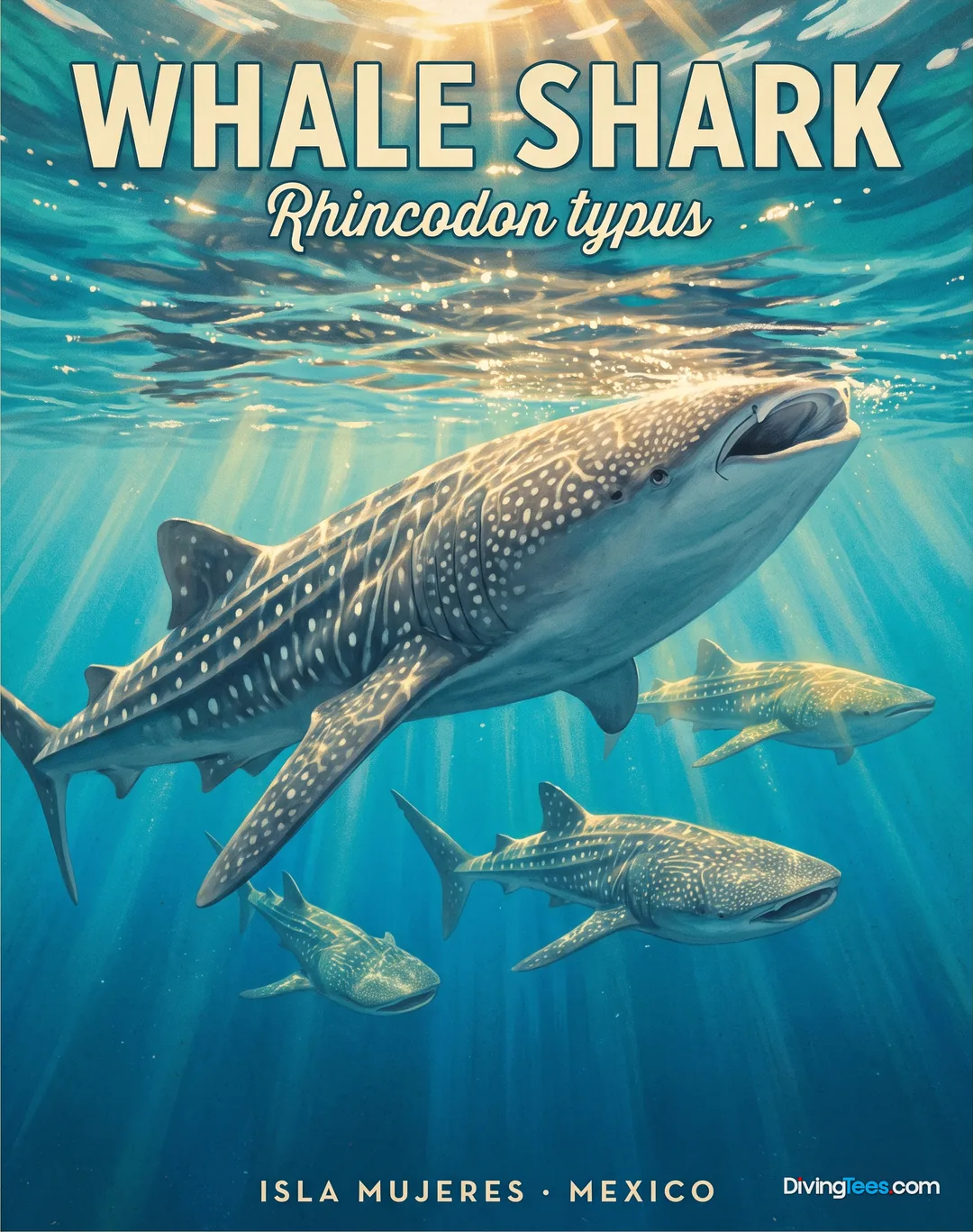
The water column surrounding the pinnacle is often laden with plankton, which is the primary driver for the site's high biological productivity. While this can occasionally reduce visibility, it is the specific reason why large pelagics are so frequently encountered here. Between February and April, the likelihood of seeing a whale shark increases significantly as these giants move through the area to feed. You may also encounter manta rays passing through the site, attracted by the nutrient-rich currents that sweep across the pinnacle's exposed faces.
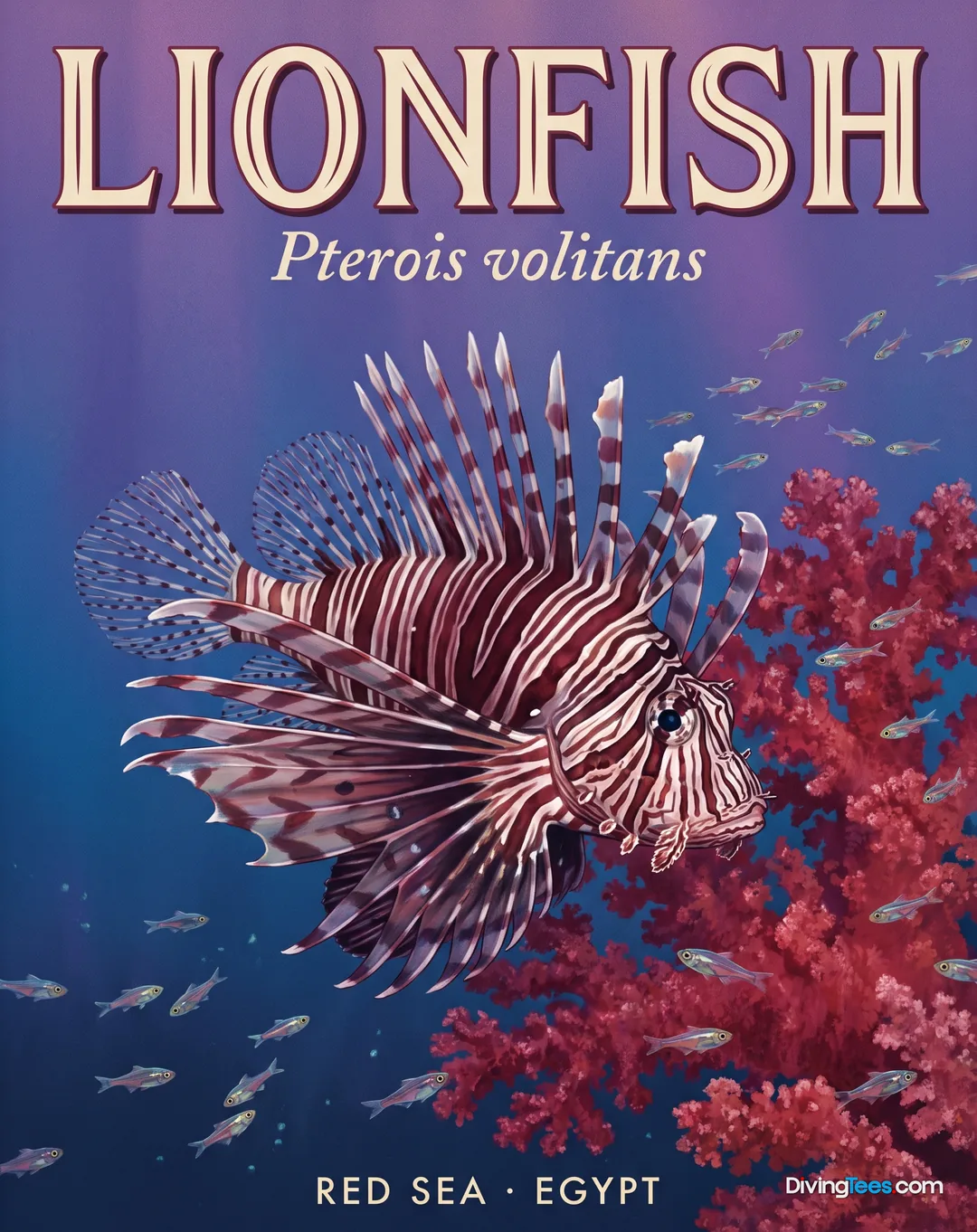
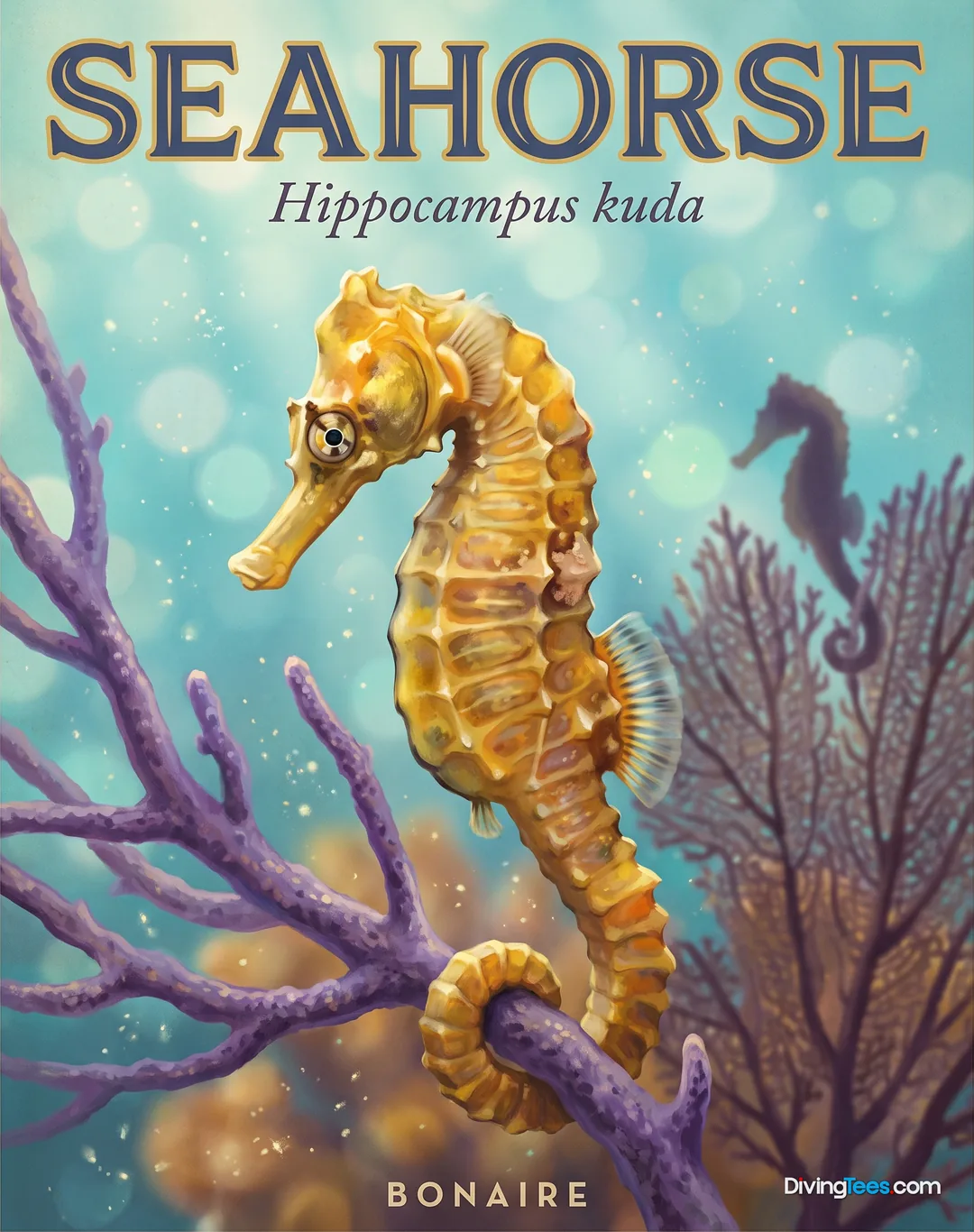
For those interested in macro photography, the intricate nooks of the reef provide a consistent habitat for smaller species. You can find frogfish and pipefish blending into the coral, alongside harlequin shrimp tucked into crevices. The site is also home to seahorses and various octopus species that utilize the sponge and anemone colonies for cover. Smaller, more delicate life like anemonefish and various nudibranchs inhabit the shallower, more protected areas of the horseshoe, making the rock a dual-purpose destination for both big-picture and detail-oriented divers.
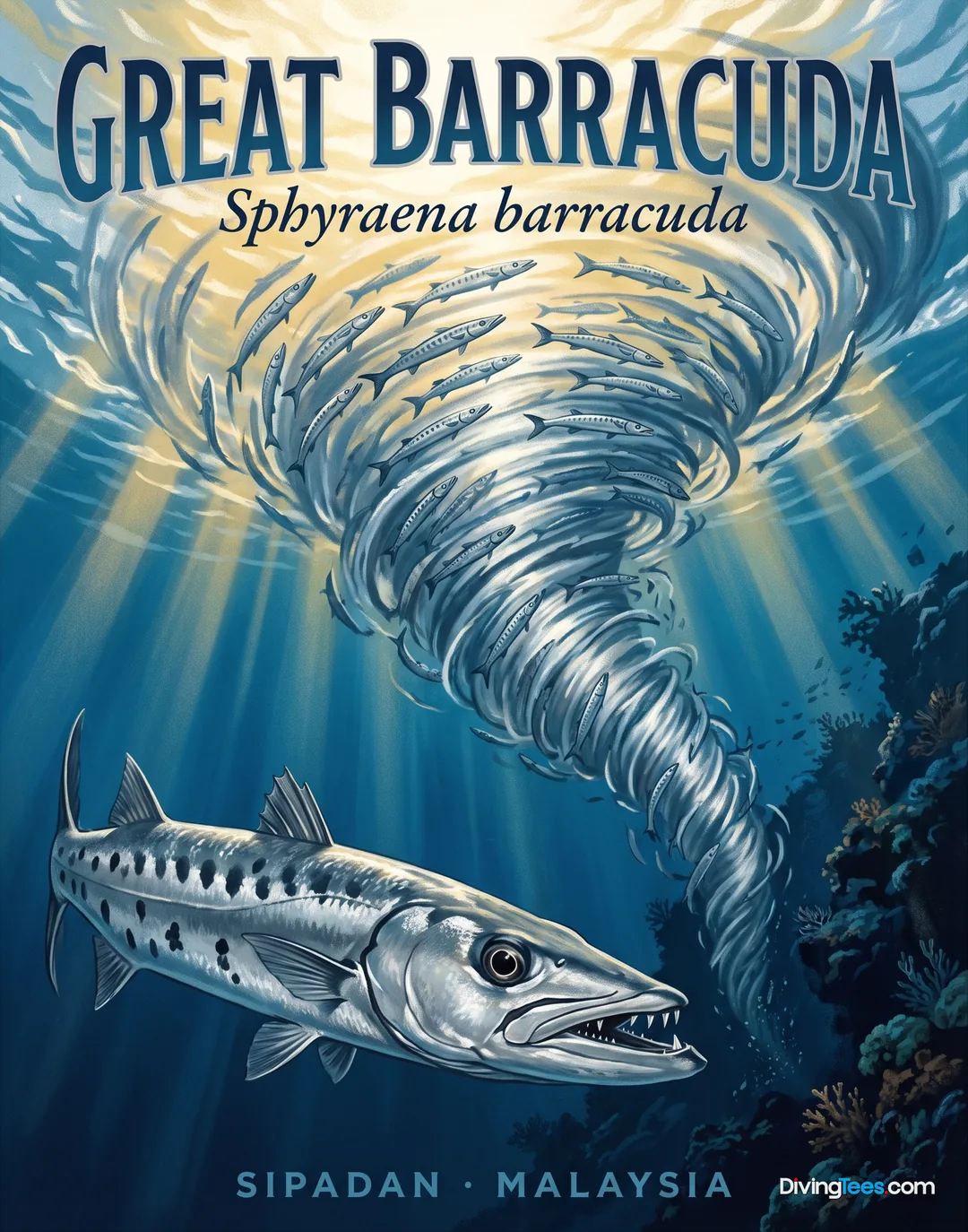
The mid-water column is constantly active with schooling fish that define the site's energy. Large groups of barracuda and trevally often hover in the current, while fusiliers and snappers form dense clouds around the coral heads. As you navigate the deeper slopes, you are likely to see larger grouper patrolling the edges of the rock. These schooling fish are a constant presence, providing a sense of scale and movement against the backdrop of the stationary, coral-encrusted limestone walls.
Current is a defining characteristic of Richelieu Rock due to its exposed location in open water. The site can receive flow from any direction, and conditions often change during the course of a single dive. Most days feature mild to moderate flow, but the north and west walls frequently experience much stronger currents. Many dives here are conducted as drift dives, where the movement of the water carries you along the contours of the pinnacle. It is common to see the current shift significantly during tidal exchanges, requiring constant attention to your position.
Because of the potential for strong, unpredictable currents on the outer edges, experienced guides will tailor the descent and exit based on the day's specific conditions. They typically utilize the more sheltered side of the horseshoe to manage the entry and exit. The combination of depth, variable flow, and the open-ocean setting means that maintaining precise buoyancy is essential to avoid contact with the delicate soft coral and gorgonians that cover the rock. Success at this site depends on your ability to read the water and manage your gas consumption during drift segments.
The seasonal window for diving Richelieu Rock runs from mid-October to mid-May. The most productive period, particularly for sightings of whale sharks and manta rays, is centered between February and April. During these months, the convergence of currents and plankton levels creates the optimal environment for the site's most famous inhabitants. While the visibility can vary between 10 and 30 metres depending on the plankton density, the biological activity during the peak season remains a primary draw for the Andaman Sea region.
Depth ranges from 5 to 35 metres. Advanced level required; experienced divers with strong buoyancy and drift skills are recommended due to the open-ocean setting and variable currents. Currents can be mild to moderate but often become strong on the north and west walls or during tidal changes. Visibility typically ranges from 10 to 30 metres. Best conditions and highest chance of whale shark sightings occur from February to April.
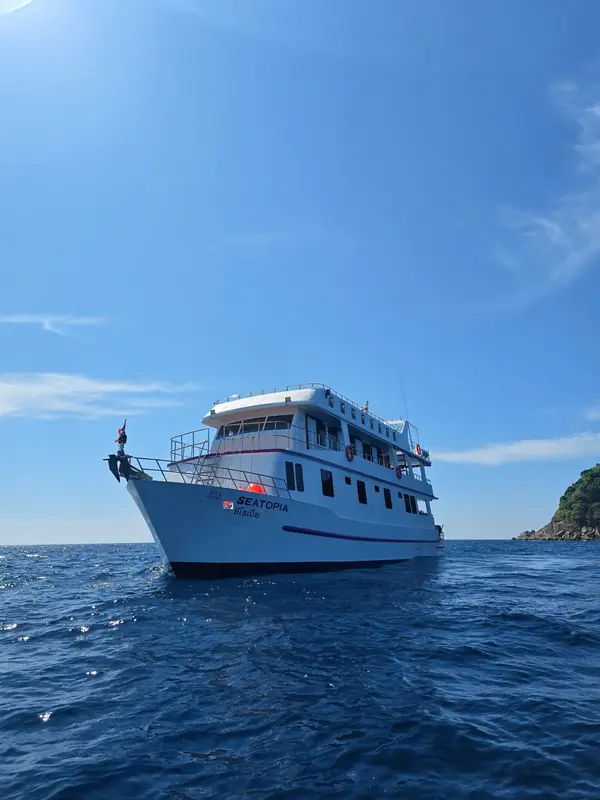
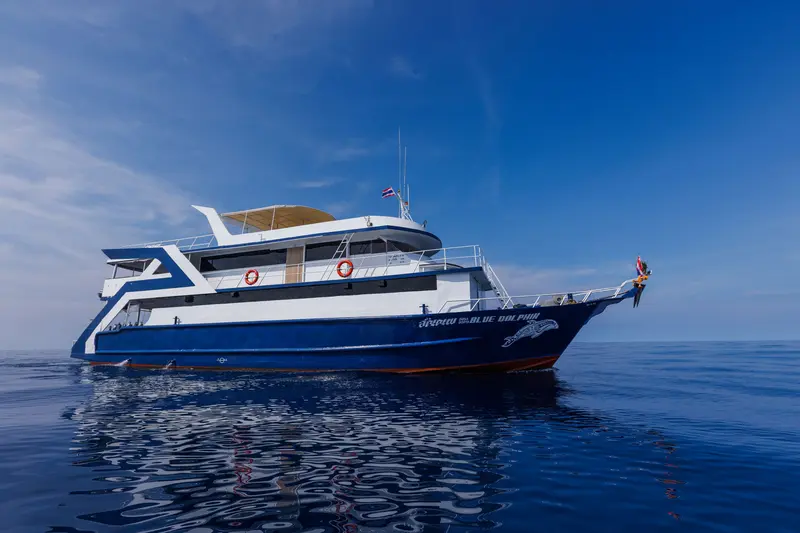
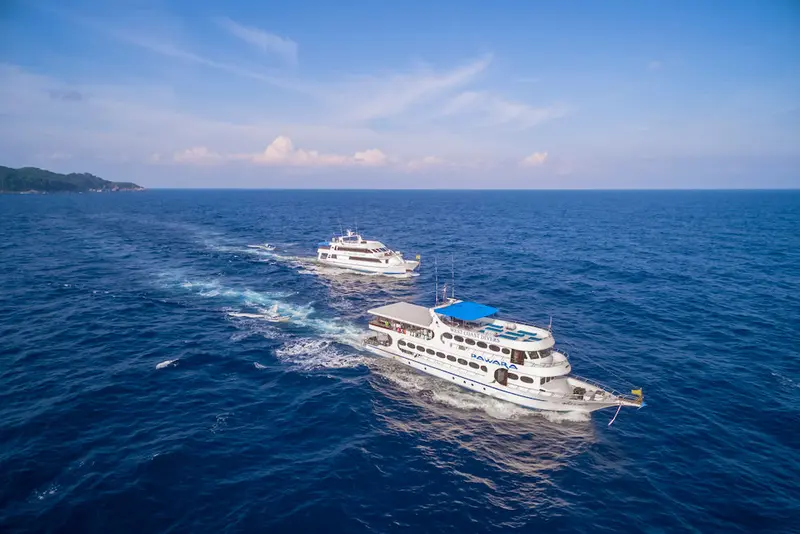
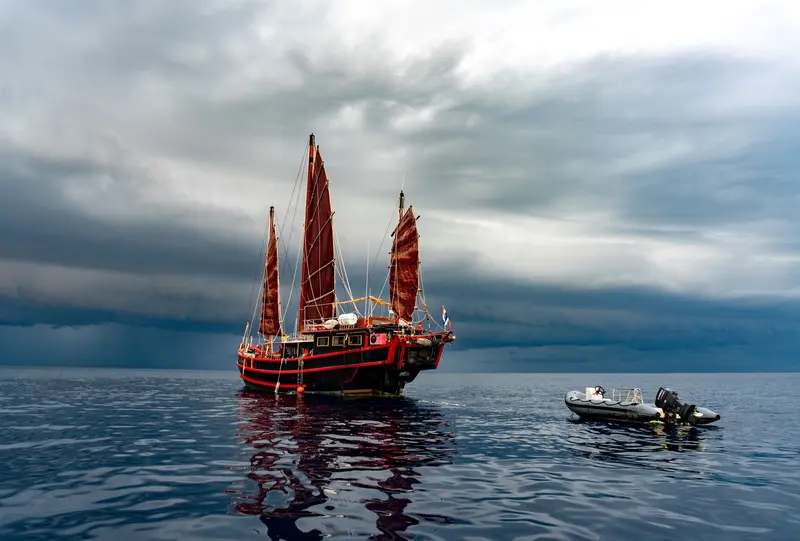
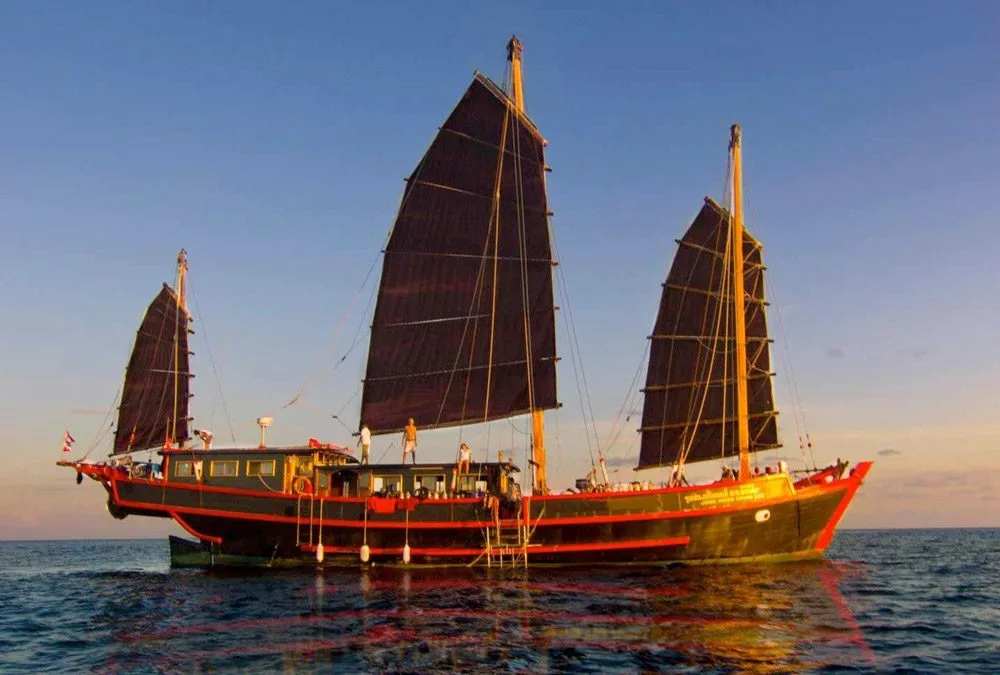
23 liveaboards depart from Khao Lak another way to explore the region, over several days at sea.
You can dive Richelieu Rock from mid-October to mid-May. Conditions and whale shark sightings are especially favorable from February to April, when currents and plankton levels create productive conditions. Visibility varies with plankton density, typically ranging from 10 to 30 metres, so underwater clarity can change between dives.
Richelieu Rock requires an advanced level. You should be an experienced diver with strong buoyancy and drift skills, because the open-ocean setting brings changing flow. Currents are often mild to moderate, but can become strong on the north and west walls or during tidal changes, with movement from any direction.
Richelieu Rock offers varied depth zones from 5 to 35 metres. Shallow terraces and reef areas lie between 5 and 10 metres, outer slopes extend from 20 to 28 metres, and the pinnacle meets the seabed at 30 to 35 metres. This horseshoe-shaped structure supports different routes and exploration areas.
At Richelieu Rock, you can see dense soft corals, gorgonian fans, sponges and schooling barracuda and trevally. Macro life includes frogfish, pipefish, harlequin shrimp, seahorses, octopus and nudibranchs. You may also encounter manta rays and whale sharks, particularly from February to April, along with fusiliers, snappers and grouper.