Liveaboards · Thailand
Manta Queen 2 — a crew-led North Andaman dive boat
What makes this boat unique
- Manta Queen 2 runs North Andaman trips of 4 days and 3 nights from Khao Lak.
- The boat carries up to 20 guests in air-conditioned Quad, Twin and Double cabins.
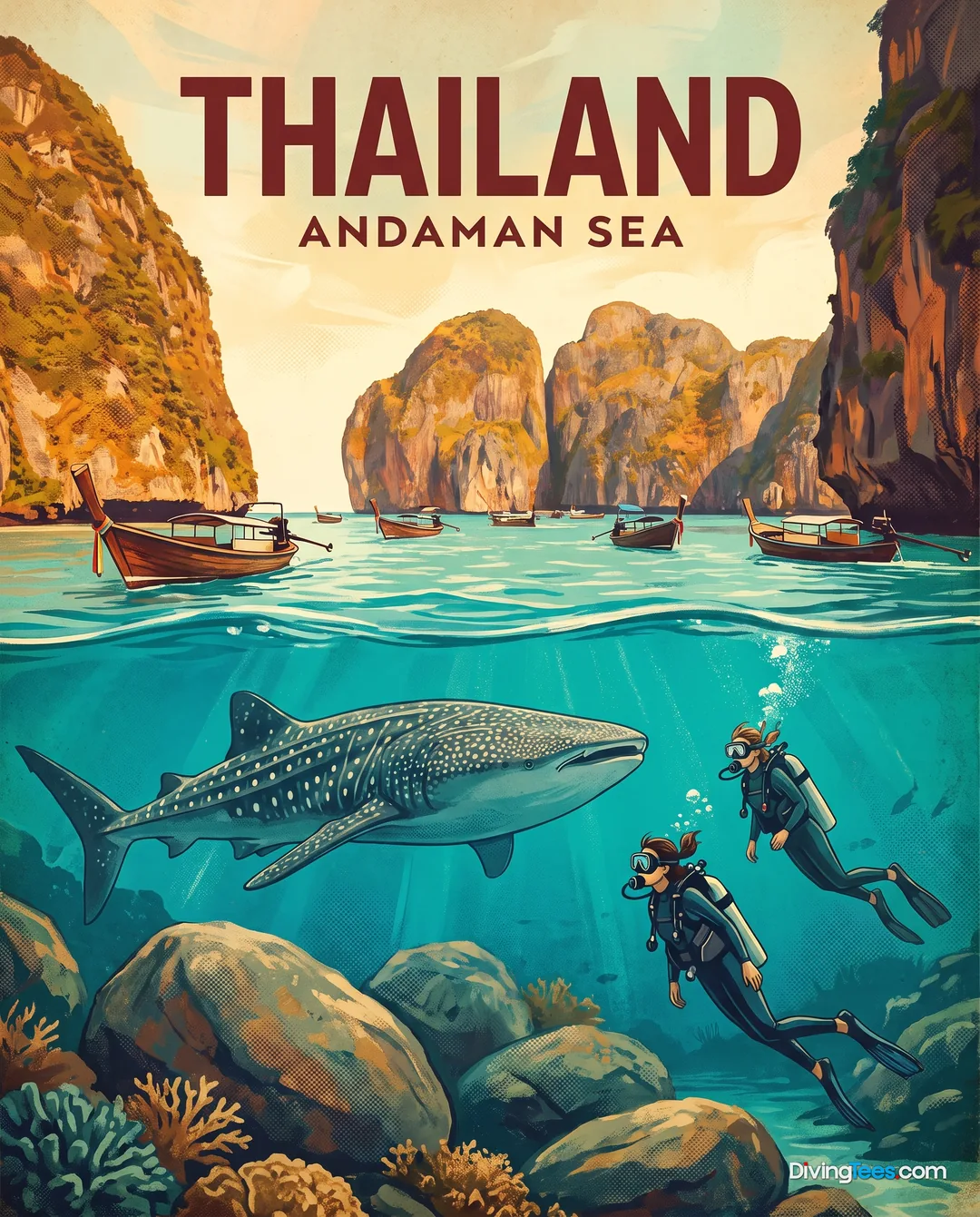
- Diving is built around Koh Bon, Koh Tachai, Richelieu Rock and Boonsung Wreck, with manta rays and whale sharks among the possible encounters.
- Nitrox, DIN adapters, shaded dive space and separate camera rinsing are available; rental equipment and Nitrox are optional extras.
For subtitles in English: start the video firstthen click the gearat the top right of the video, select “Subtitles/CC”, then “Auto-translate” and choose “English”.
The invitation
Manta Queen 2 makes sense for divers who put the crew, guides and food ahead of a polished hull. It is a 20-guest dive boat for reaching the North Andaman sites without turning the trip into a resort stay. The attraction is the route: Koh Bon for manta rays, Koh Tachai's pinnacles, Richelieu Rock and Boonsung Wreck, with the Similan and Surin marine parks forming the wider diving area. The boat suits groups and families as well as individual divers, since Quad, Twin and Double cabins cover different ways of travelling. Come aboard for repeated dives, simple practical living and guides who keep the focus below the surface.
Boarding
From the dock, Manta Queen 2 presents itself as a working dive boat rather than a yacht built for display. Its wooden hull and 2016 renovation point to a vessel kept in service and adapted to the job. Once aboard, the layout is straightforward: cabins on the main deck, a shaded diving area, an outdoor dining space and higher decks where guests can get clear air between dives. The scale keeps the group present in daily life; after a short while, there is little anonymity. The boat's lower score for the hull than for its crew, food and diving says the useful thing plainly: this is not the choice for someone demanding a brand-new vessel, but the crew is where the boat earns its reputation.
The atmosphere on board
Manta Queen 2's atmosphere is shaped by the people doing the work. Passengers rate the crew, guides, food and diving well above the hull, and that difference is the boat's character: the service is carried by the daily operation, not by luxury fittings. A group of up to 20 divers shares meals, briefings and surface intervals, with Quad cabins making the boat workable for families or friends travelling together. English, Dutch, German, Spanish and Italian are spoken among the crew. In the evening, the saloon's audio-video entertainment gives the group somewhere to gather, but most conversation will still return to the day's mantas, wrecks and missed sightings.
The sites you’ll dive
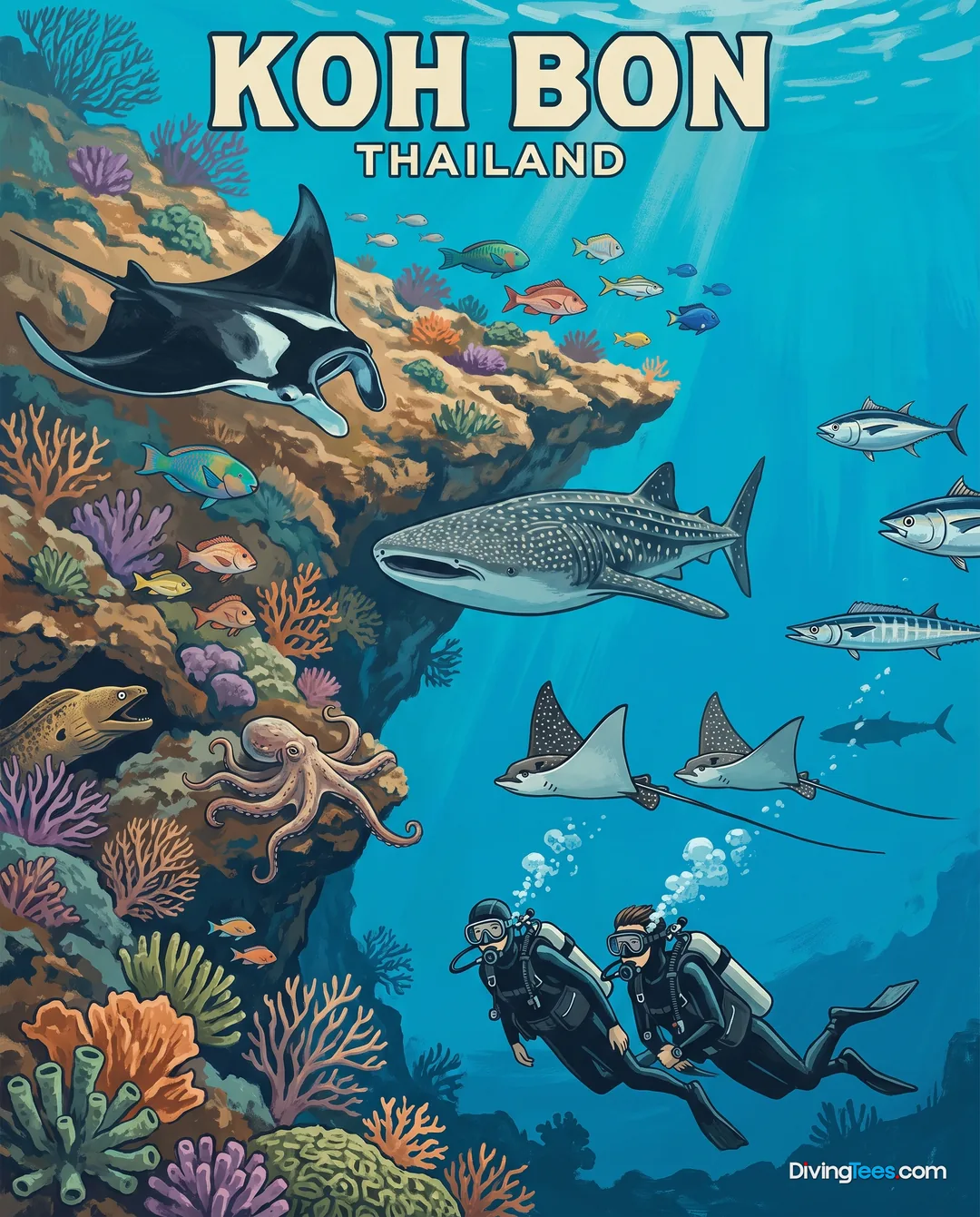
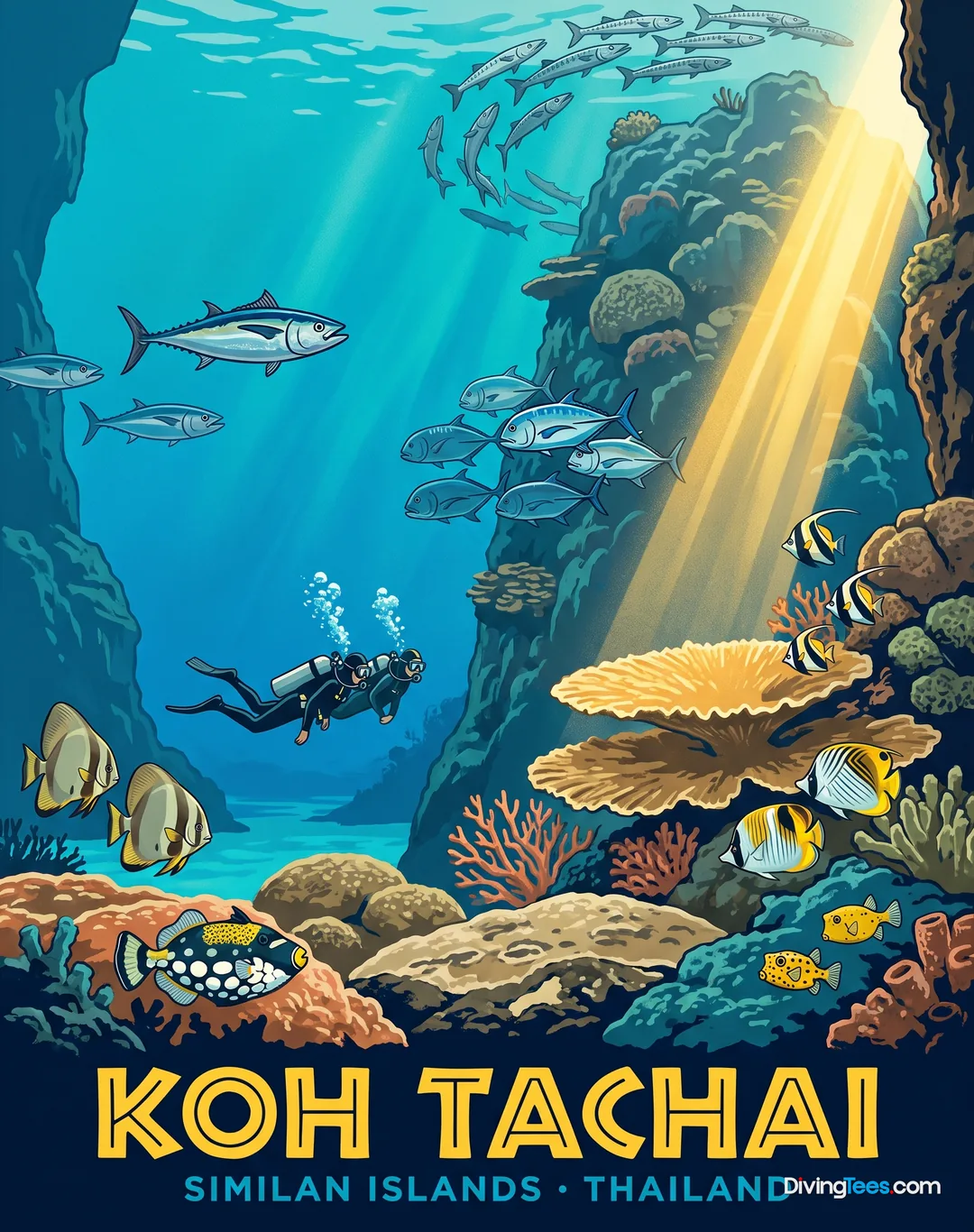
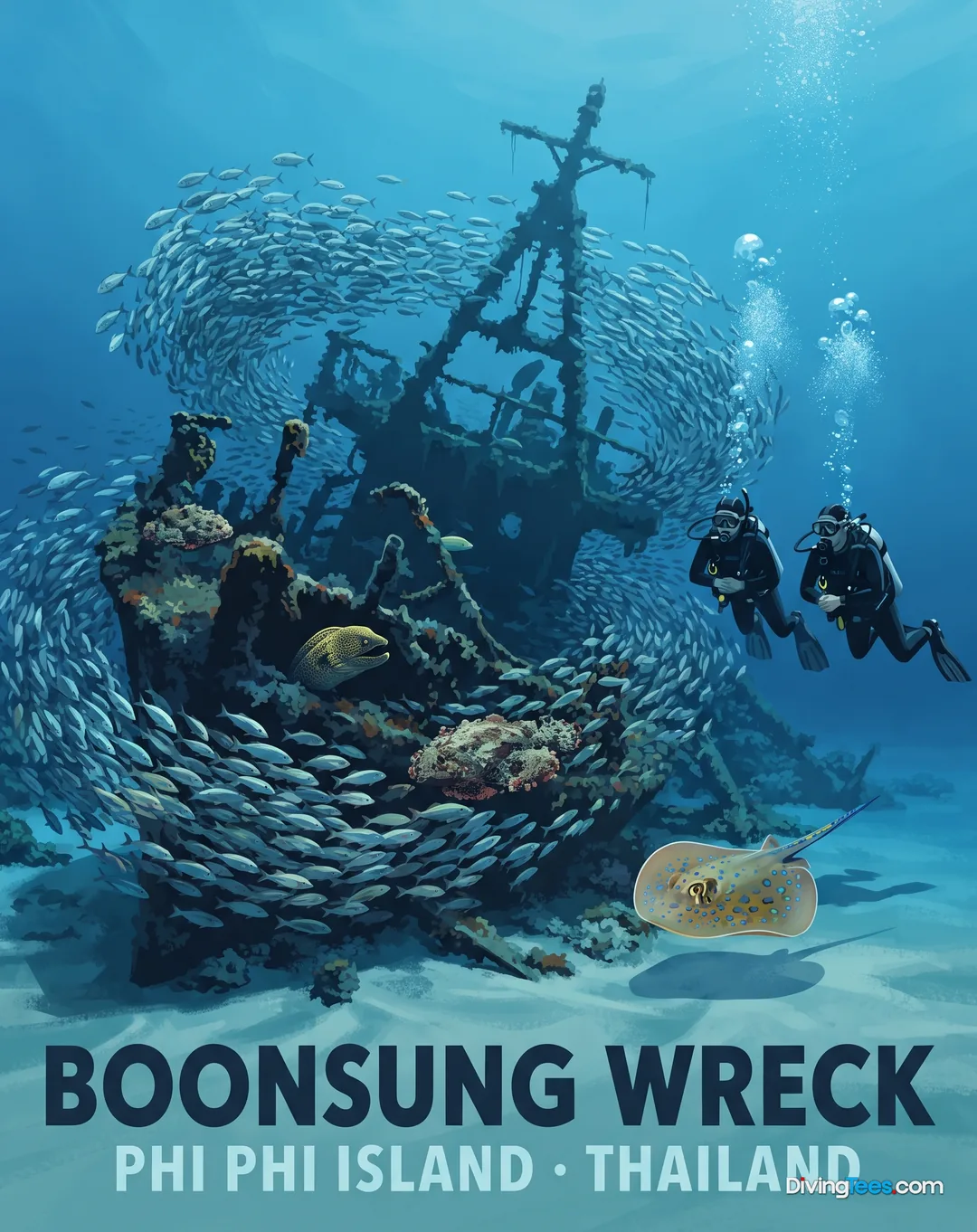
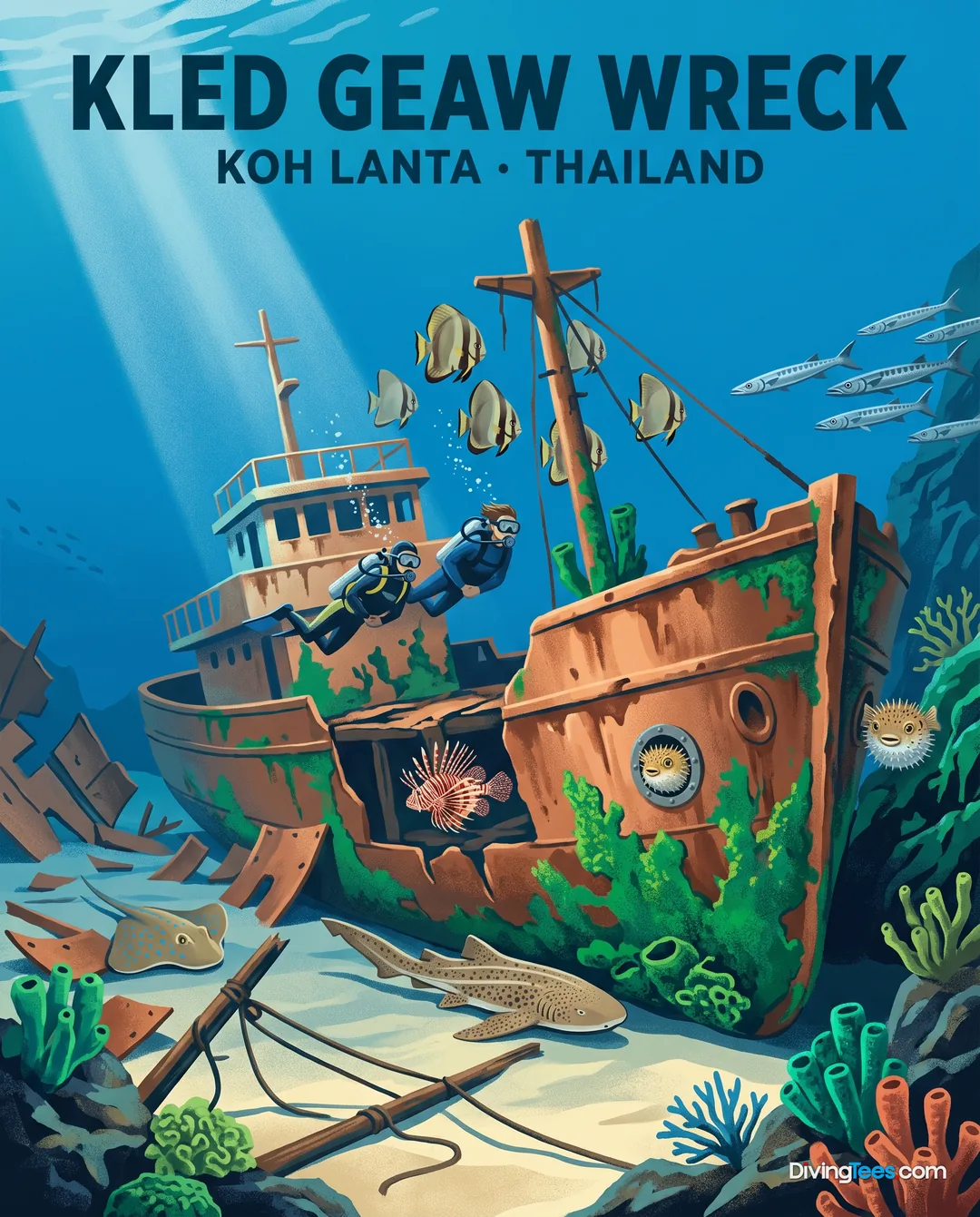
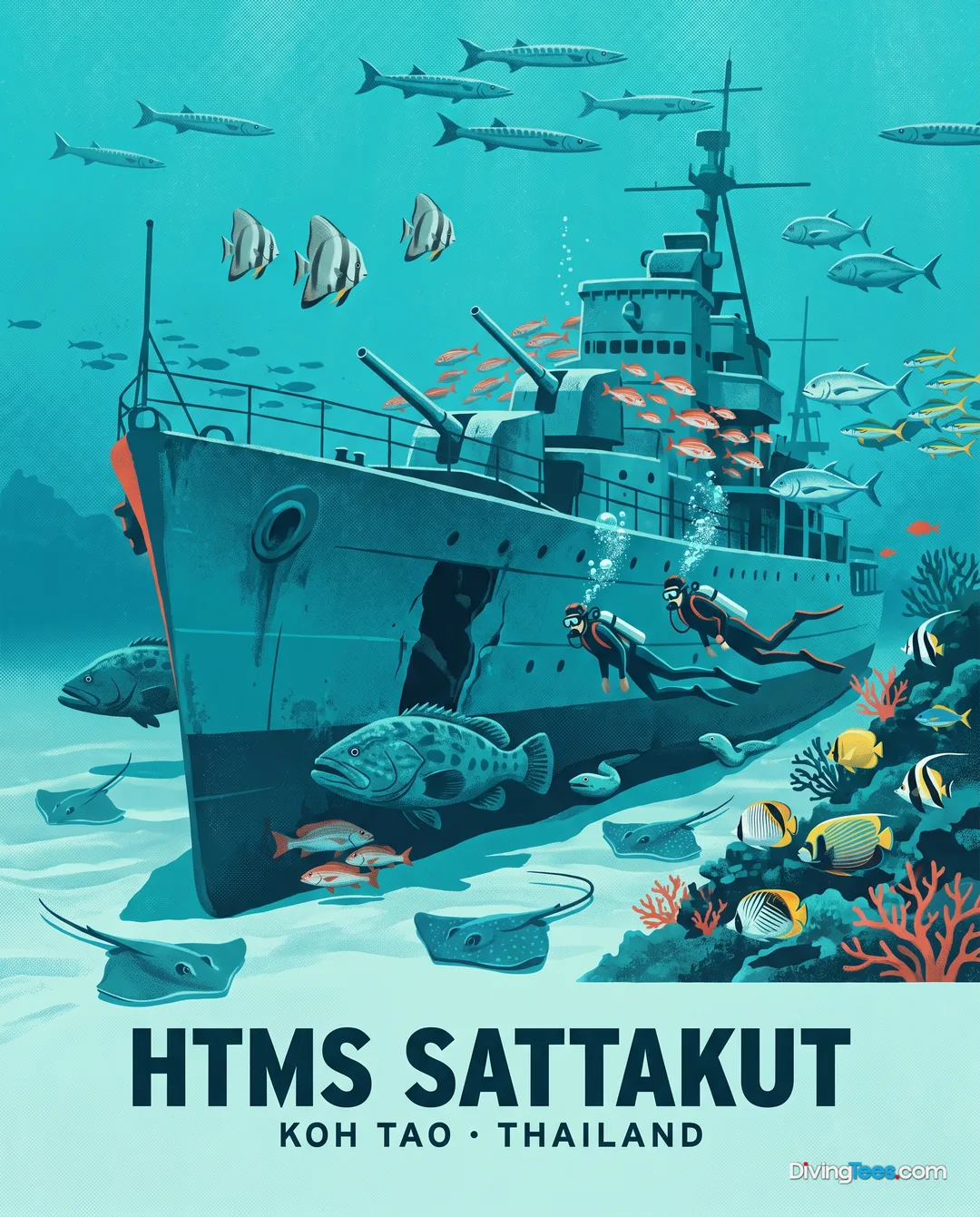
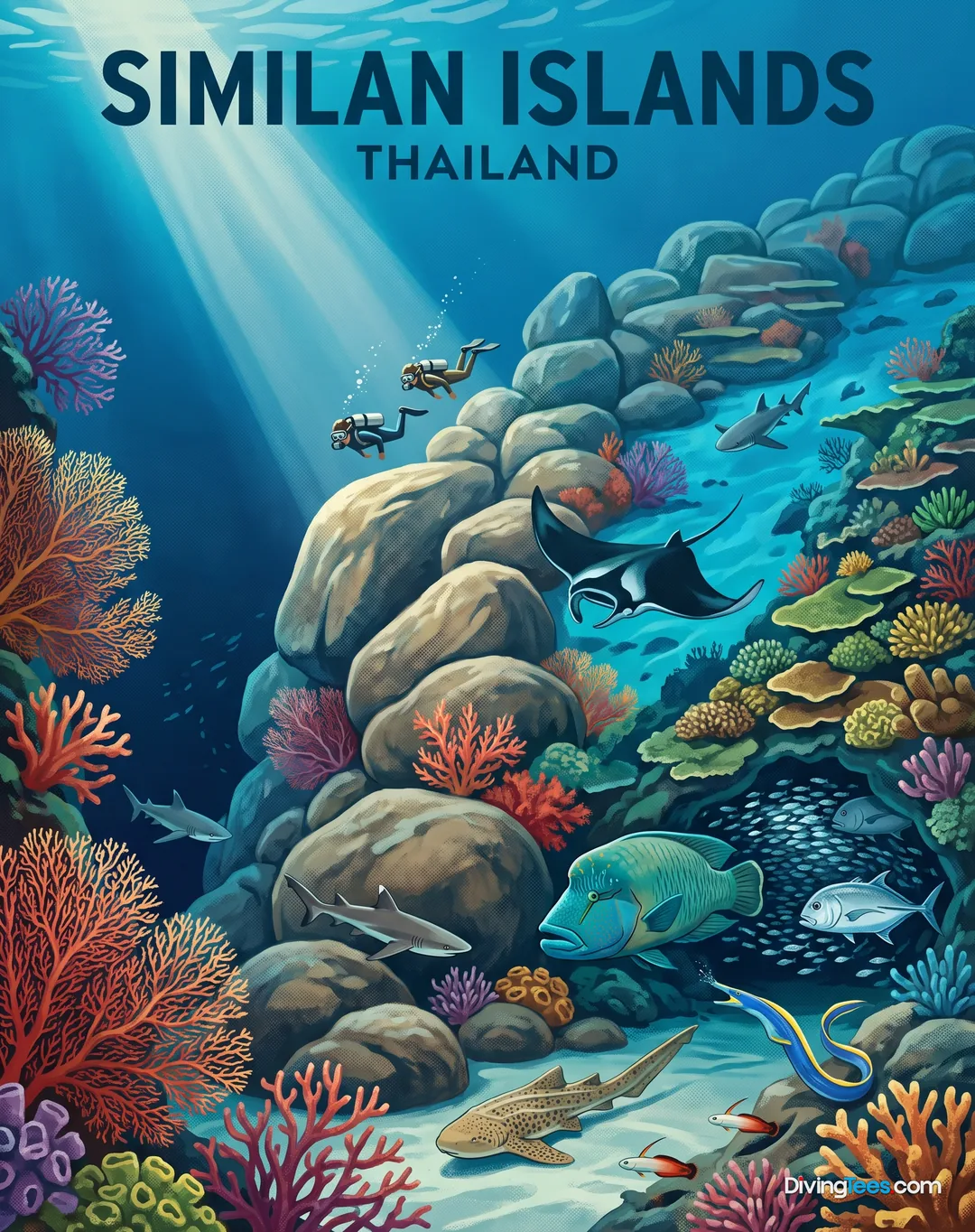
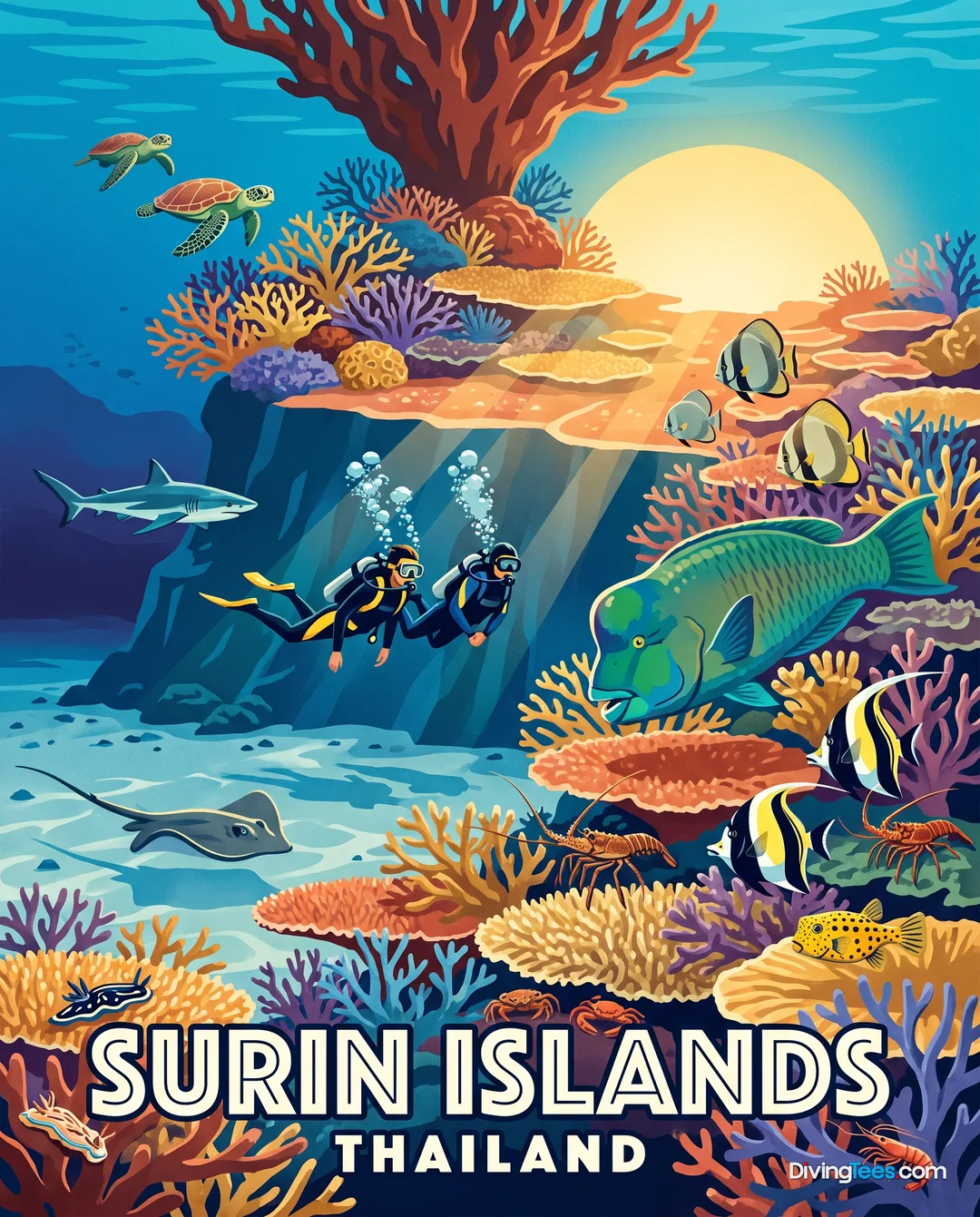
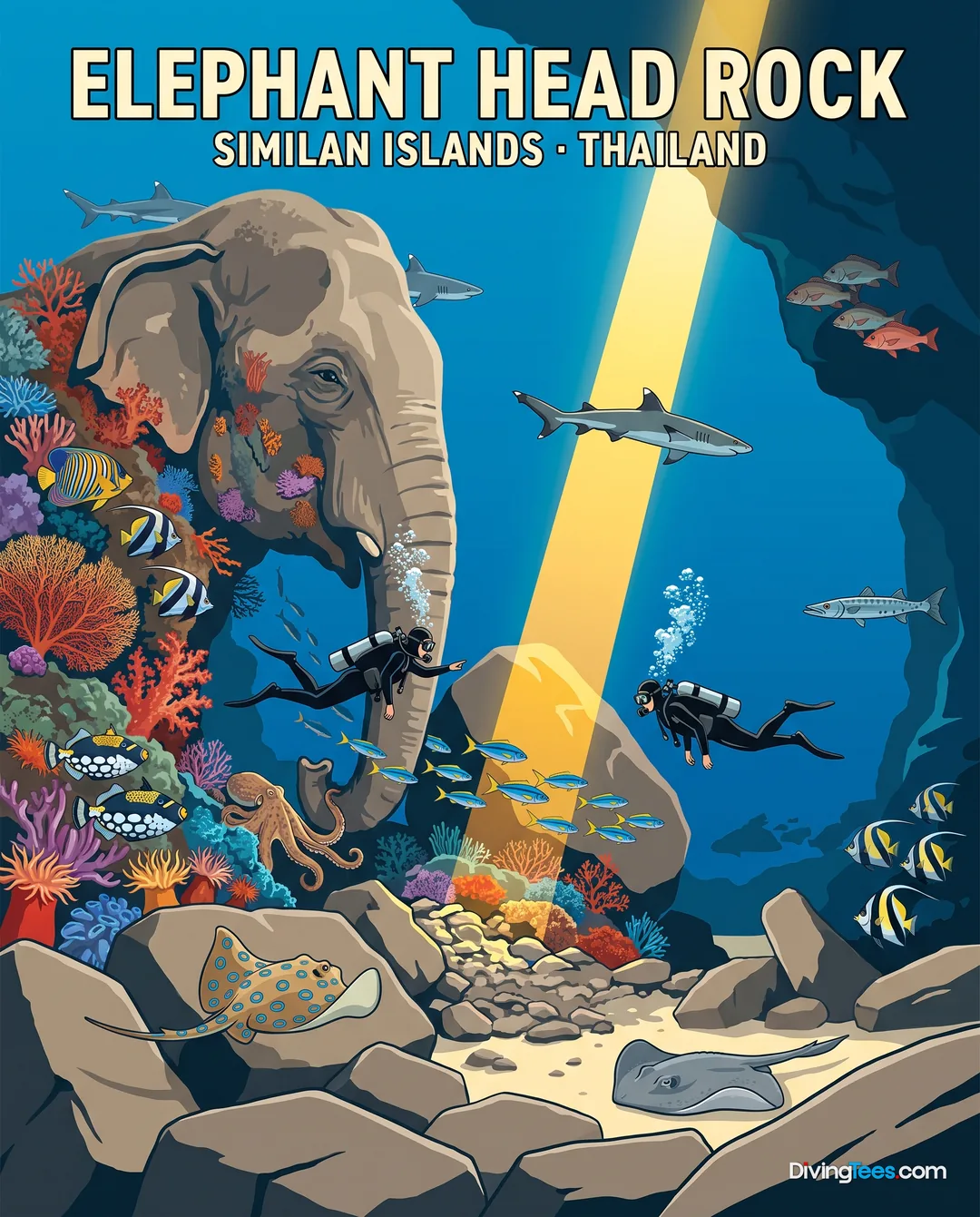
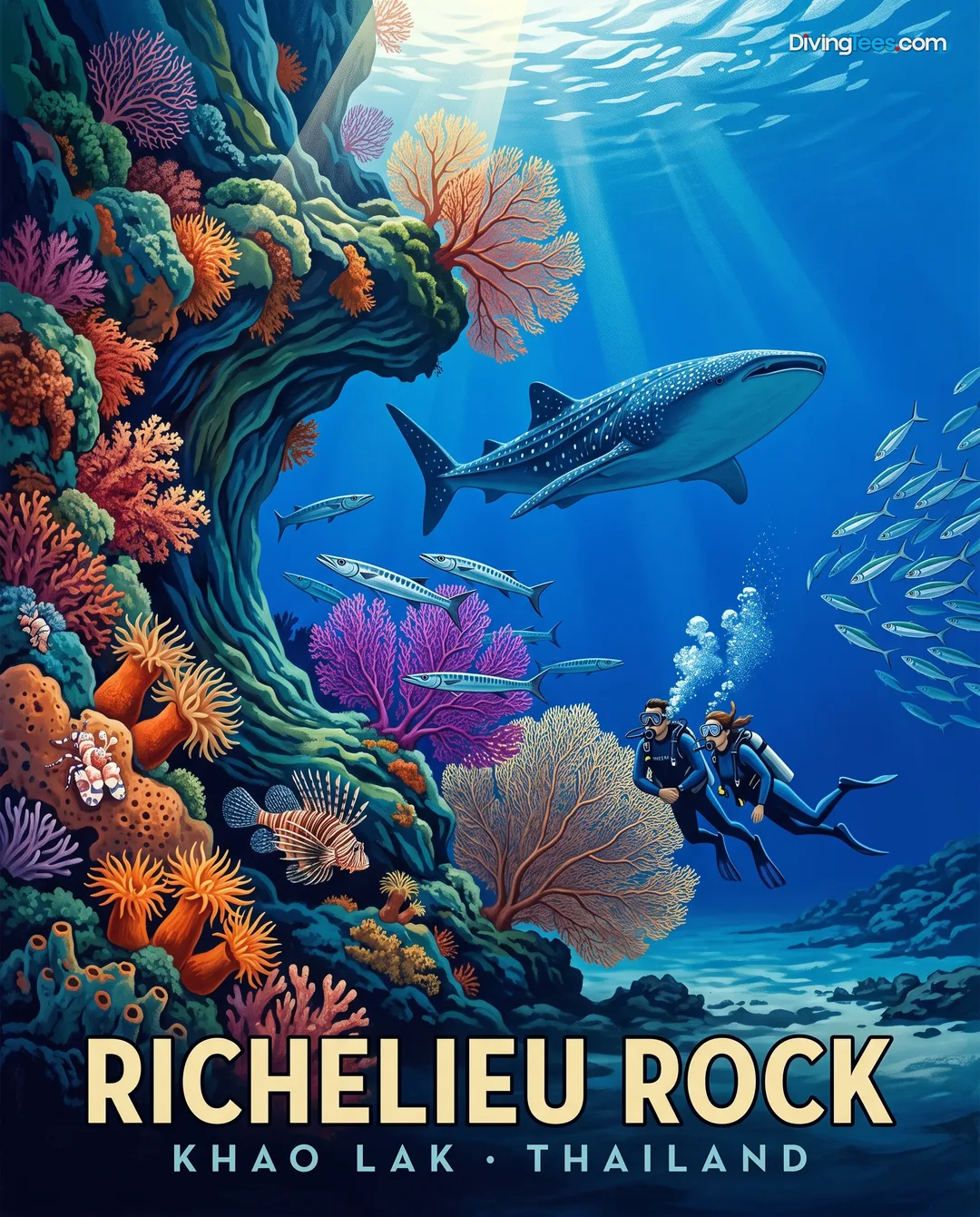
Koh Bon is the route's manta station: walls lead divers to a cleaning station where large mantas may glide in for maintenance, sometimes with pelagic hunters nearby. Koh Tachai brings submerged pinnacles and coral gardens, with barracudas, trevally and other open-water life around the structure; its listed maximum depth is -40m. Boonsung Wreck is shallower, reaching -18m, but the old tin dredger has become an artificial reef so dense with fish that the surface can disappear from view. The Kled Geaw Wreck near Koh Lanta reaches -27m and is now surrounded by schooling fish, while the HTMS Sattakut rests upright on sand to -30m, with intact gun turrets and superstructure. The wider route list also includes Similan Islands to -40m, Surin Islands to -25m and Elephant Head Rock to -60m, a granite maze of arches and caverns. Recorded North Andaman departures run 4 days and 3 nights from Khao Lak to Khao Lak, visiting Koh Bon, Koh Tachai, Richelieu Rock and Boonsung Wreck.
What you’ll meet underwater
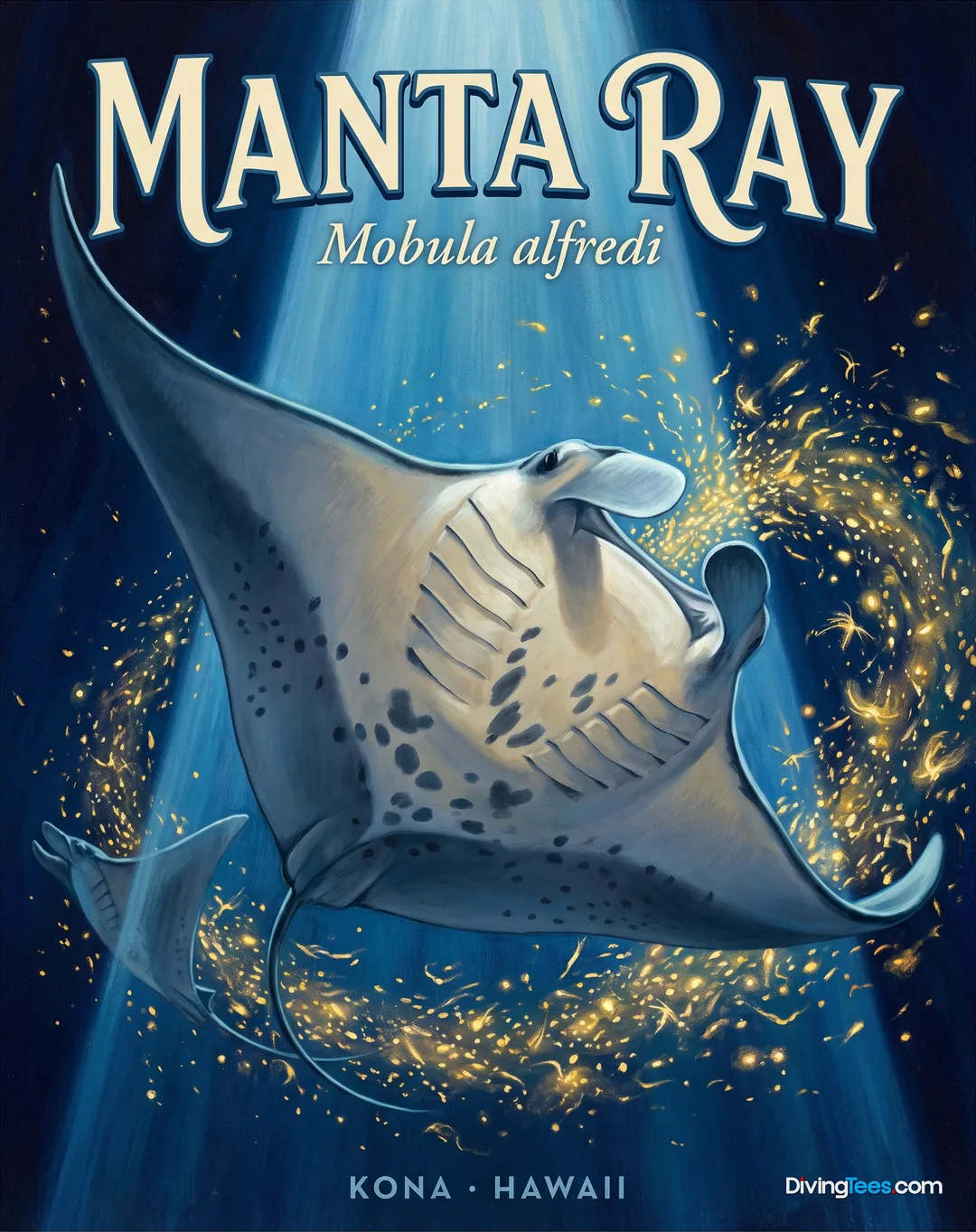
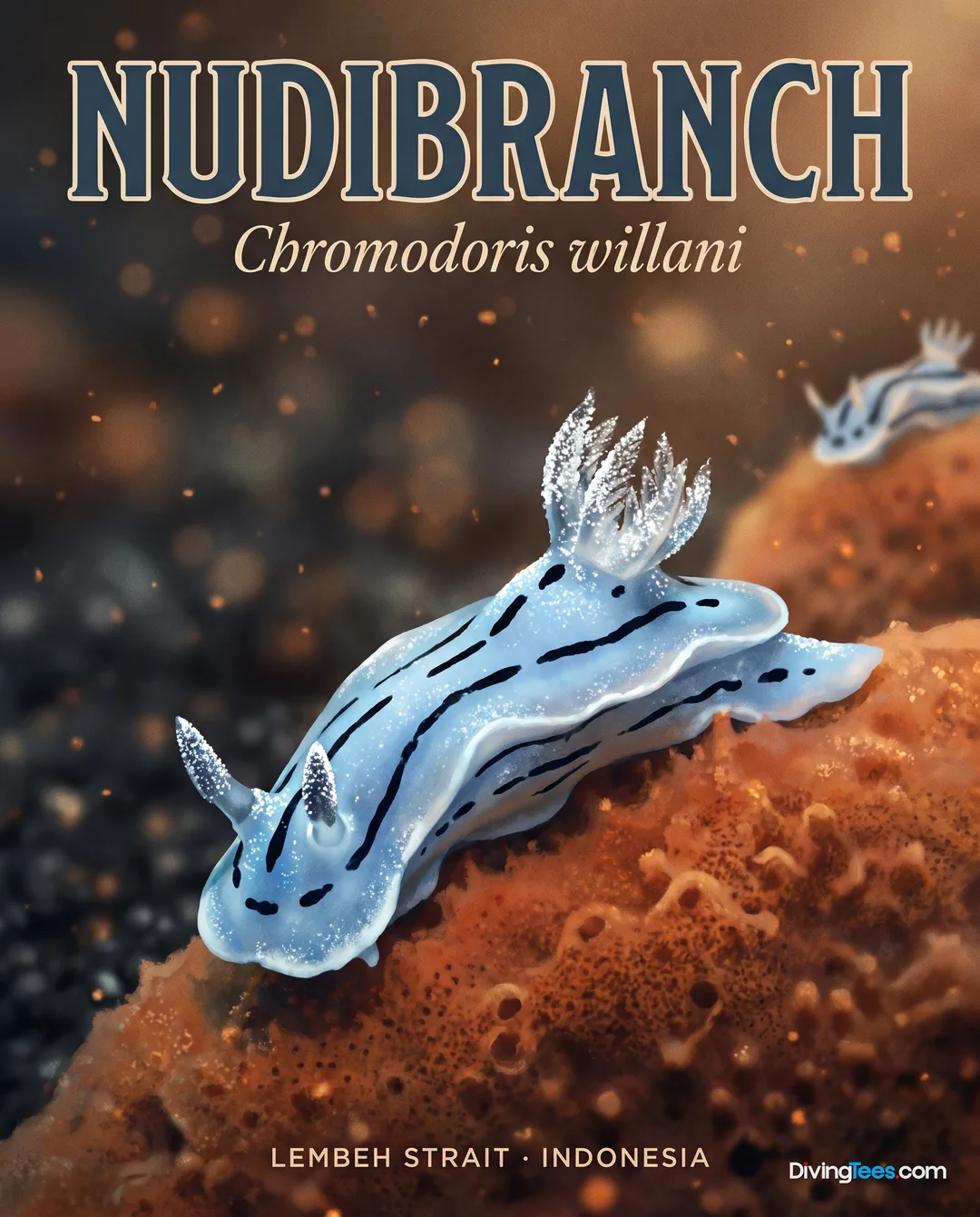
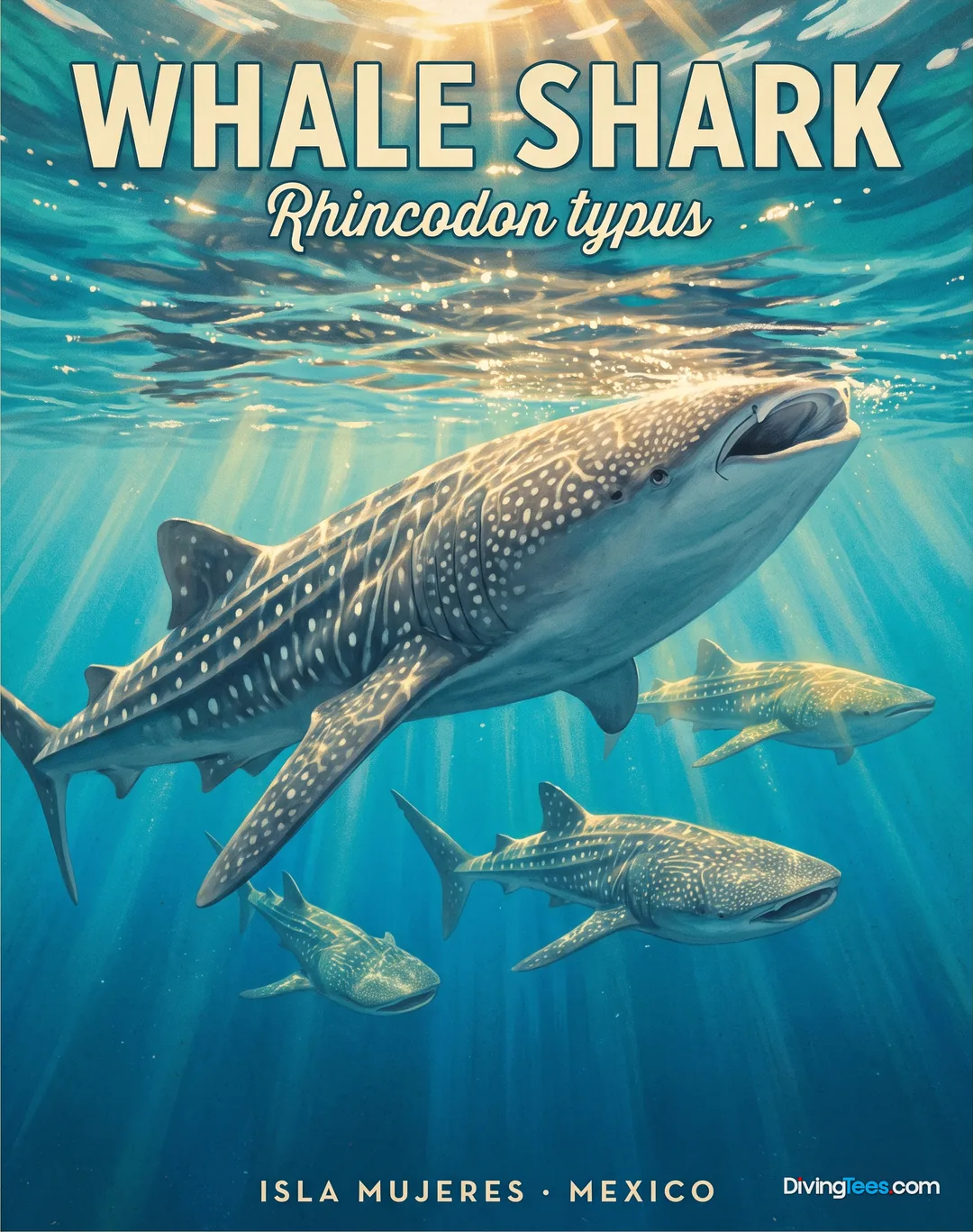
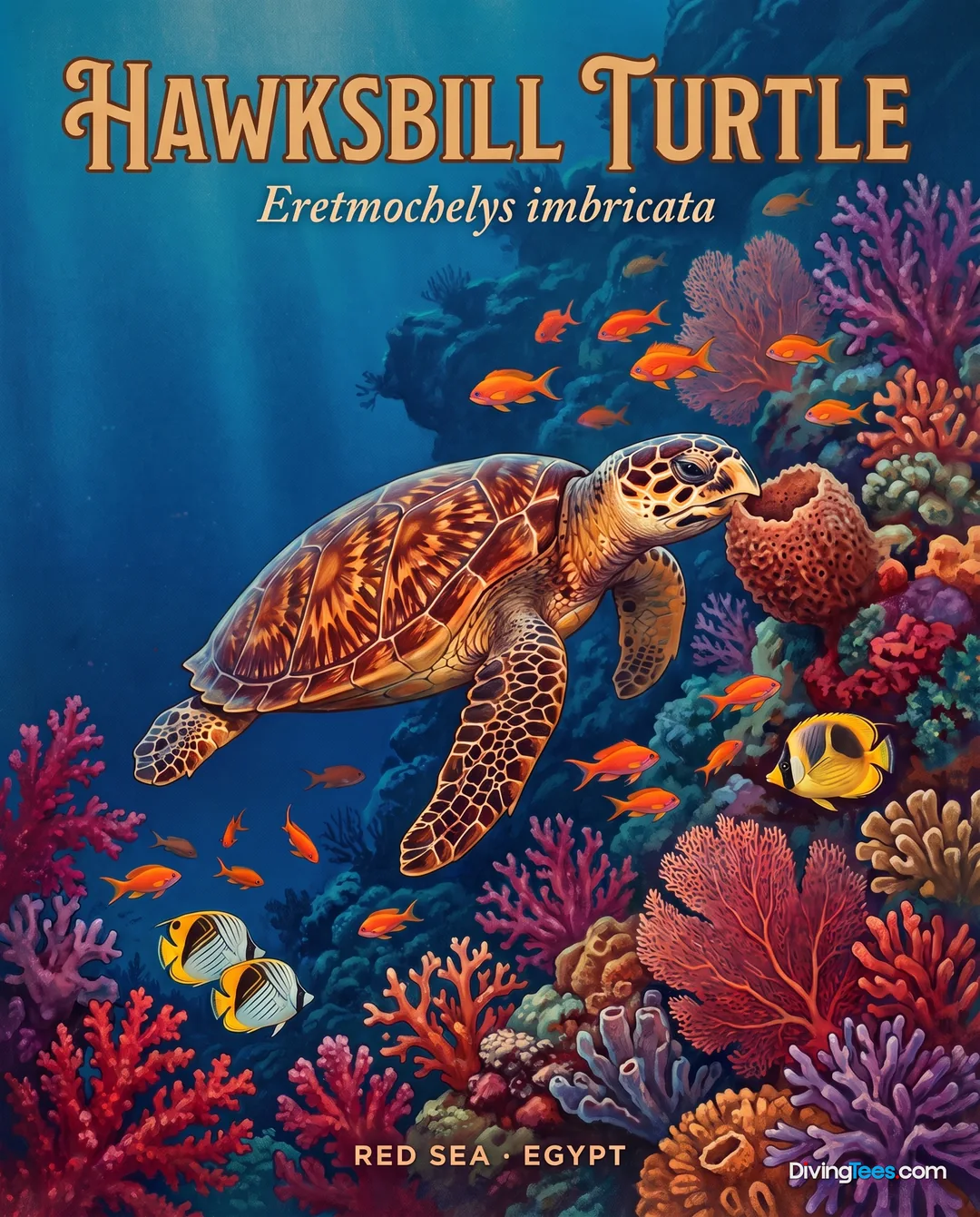
Barracudas, nudibranchs, groupers, reef sharks, whale sharks, turtles, manta rays, tuna, trevally, fusiliers and moray eels recur across this route's site records. That gives the diving a useful mix: large animals when the water brings them in, and small reef life when the blue stays empty. Koh Bon is the obvious place to wait at a cleaning station for mantas, while Similan and Surin sites can produce whale sharks, reef sharks and pelagic schools. The unusual sightings have their own addresses. A giant grouper is recorded only at HTMS Khram Wreck; a humphead parrotfish only at Surin Islands; a stonefish only at Boonsung Wreck; and an angler's reason to slow down at Koh Tachai is the recorded possibility of a hawksbill turtle or flatworm. At Elephant Head Rock, look into the boulder maze for triggerfish and reef sharks. None of these animals is guaranteed.
Who puts you in the water
The diving is led by PADI-certified guides and instructors, with English, Dutch, German, Spanish and Italian available. The operator runs PADI training from Open Water and Advanced Open Water through Rescue, Deep, Wreck, Digital Photography and Enriched Air Nitrox specialties, including liveaboard courses. Divers should expect a briefing before entering the water and to be organised into guide-led groups rather than released as one large crowd. Oxygen, first-aid kits, fire equipment, life rafts, radios, GPS and emergency communications are carried aboard. The published information does not give a logged-dive minimum, a fixed guide ratio for Manta Queen 2, or a defibrillator, so experience requirements and group size should be checked for the chosen departure.
The dive deck and the gear
The dive station is laid out for repeated entries: a shaded working area, tank stations, rinse tanks, a dedicated platform and separate camera rinsing. Standard tanks are 12-litre aluminium cylinders with DIN and INT valves; 15-litre tanks and double sets can be arranged as paid extras. DIN adapters are available, and Nitrox is offered as an optional extra for 12- and 15-litre tanks. Rental equipment is also optional, using Scubapro BCDs and regulators, short 3 mm wetsuits and closed-heel fins. Charging stations and a photo area support camera users. The boat lists hot-water showers and outdoor showers for the return from the water, but no details are given about compressor type, tender arrangements, SMB provision or a camera table, so those are not reasons to choose it on the page.
Between dives
Between dives, the best places are the shaded dive area, the terrace and the observation deck. The open dining space gives meals a view of the sea, while the audio-video setup offers an indoor fallback when the heat or weather drives people inside. Photographers have a dedicated space and a separate camera rinse, so cameras need not share the same routine as masks and fins. There is also room simply to sit and watch the water. The boat does not need to invent activities: the gaps are used for eating, drying gear, talking through the last dive and waiting for the next site.
A day on board
A day follows the logic of a dive boat rather than a holiday timetable. The first briefing and gear checks come before the first entry, then the boat feeds divers, gives them time to eat and rest, and prepares the next site. Breakfast, buffet meals, fruit and snacks divide the surface intervals, while tanks are changed and cameras are rinsed and recharged. The group moves on between sites, and the shaded deck or terrace becomes the place to dry off and compare notes. When the itinerary calls for a night dive, the dive deck changes character again: torches, buddy checks and a different set of small creatures replace the daytime routine. Then comes dinner, a final look at the day's images and sleep before the next briefing.
What you eat aboard
Meals are served buffet-style, with both Western and local Thai dishes on the table. Vegetarian and vegan options are available, and snacks, fruit, tea, coffee, drinking water and soft drinks cover the spaces between dives. That arrangement fits the boat's diving schedule: nobody has to wait for a plated meal while tanks are being prepared, and nobody needs to abandon a surface interval to find food. The galley matters here because food is one of the areas passengers rate most highly. After a demanding dive, a hot buffet and something ready to eat between entries do more for the week than elaborate presentation.
Nights at sea
The cabins sit on the main deck, so the night is lived close to the working parts of the boat rather than isolated above them. Each cabin is air-conditioned and has a standard window; Quad, Twin and Double layouts let groups choose how closely they want to share the space. There are three bathrooms for the boat, with hot-water showers available. Cabin doors and bunks matter more after several dives than decorative detail, and here the practical promise is clear: a cool place to lie down, a window for daylight and a shower before sleep. Guests who need silence should remember that this is a working liveaboard, not a shoreside hotel.
Quad Cabin
Twin Cabin
Double Cabin
What to know before boarding
Trips depart from and return to Khao Lak. Airport and hotel transfers are included, while the published departure information places the route from Khao Lak back to Khao Lak. Arriving in the area the night before is the sensible choice, leaving room for delays before boarding.
- Year built
- 2003
- Year renovated
- 2016
- Length
- 25 m
- Beam
- 5 m
- Maximum number of passengers
- 20
- Number of cabins
- 9
- Number of bathrooms
- 3
- Engines
- 2 × Hino 350 hp
- Cruising speed
- 8-9 knots
- Website
- mantaqueen.com ↗
Hello, I'm Marina, DivingDeal.com's AI assistant. I answer in detail about hotels, dive centres and liveaboards.

Thinking about the whole trip and the flights? Talk it over with Edith →
Marina is an AI. Some links are affiliate links: DivingDeal may earn a commission, at no extra cost to you. Bookings are made with the partner.