
Khao Lak Scuba Adventures
Google 4.9/5 (1,486 reviews)
67 km away as the crow flies
Khao Lak · Thailand · Asia
Max. depth · 35 mDescend into Anita's Reef, where vibrant coral gardens slope gently to a sandy floor, fostering a rich ecosystem.
For subtitles in English: start the video firstthen click the gearat the top right of the video, select “Subtitles/CC”, then “Auto-translate” and choose “English”.
Anita's Reef, sometimes known as Barracuda Point, is located between Similan Islands #5 and #6. The site begins below the surface, where a scattering of rocks gives way to a sprawling reef system. This area is characterized by immense porous corals and staghorn corals in the shallower sections, forming extensive gardens that transition into a sandy bottom.
The topography changes as you move deeper, with scattered coral formations giving way to larger granite boulders. On the eastern side, a prominent coral bommie stands out, providing structure and shelter for a variety of marine life. The reef system itself slopes gently, inviting exploration from its shallower reaches down to around 30 metres.
Below 30 metres, particularly to the south of the island, you encounter significant granite rock formations, providing a change in scenery and habitat. This deeper zone offers a different aspect of the site's geology, contrasting with the coral gardens found higher on the reef. The depth here allows for extended bottom time within recreational limits if managed properly.
Further exploring the western side of the island at Anita's Reef, a small fishing boat wreck rests between 28 and 40 metres. This addition provides an artificial habitat that attracts its own distinct array of species, offering a different type of exploration compared to the natural reef structures. The wreck adds another layer to the site's appeal, especially for divers looking for something beyond coral formations.
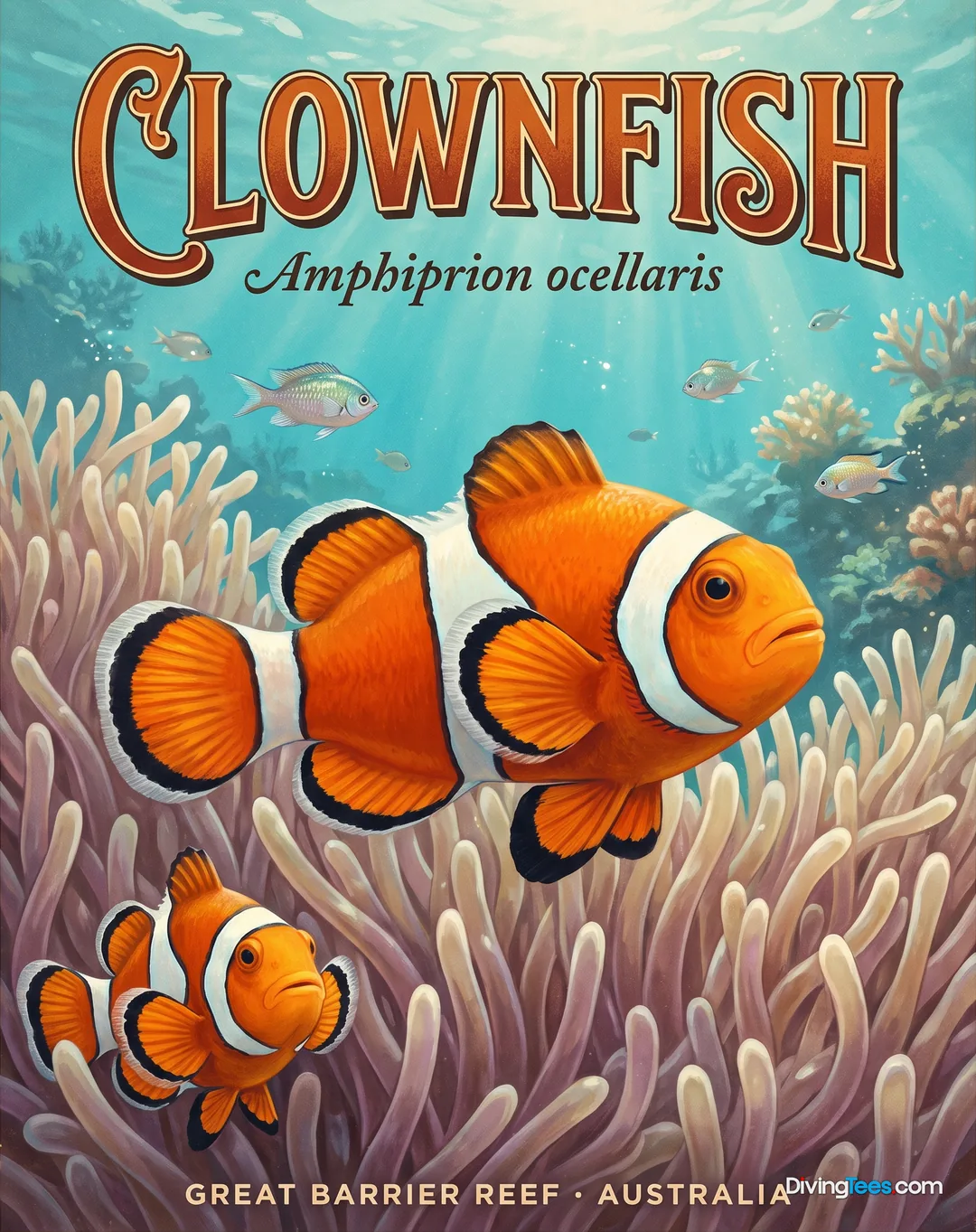
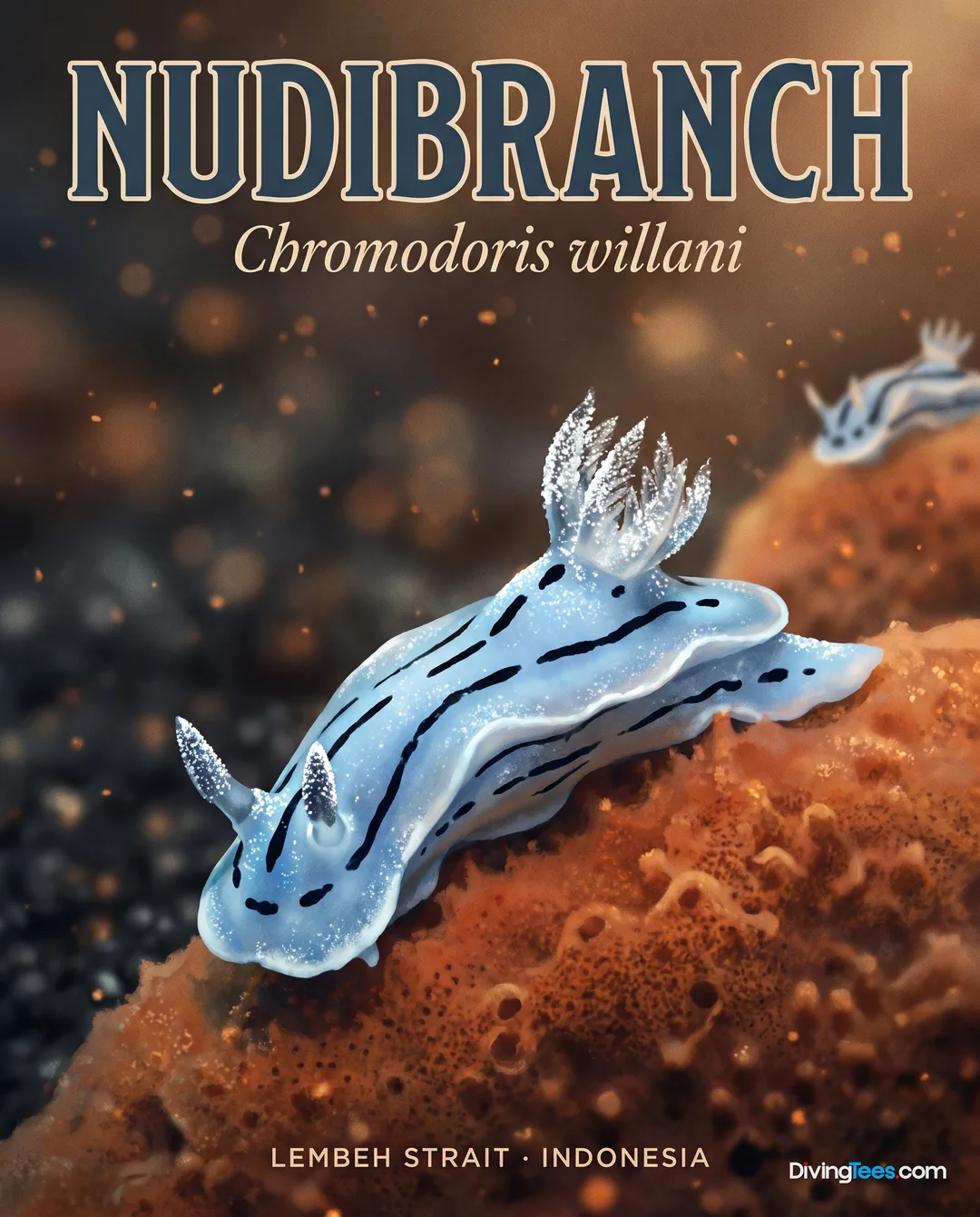
The reef is home to diverse macro and small reef inhabitants. You can frequently spot black-ray gobies (Stonogobiops nematodes) and razorfish (Aeoliscus strigatus) amongst the corals and sand. Clownfish (Amphiprioninae) are common, often found tending to their anemone hosts. Keep an eye out for nudibranchs and ghost pipefish (Solenostomidae) in quieter areas.
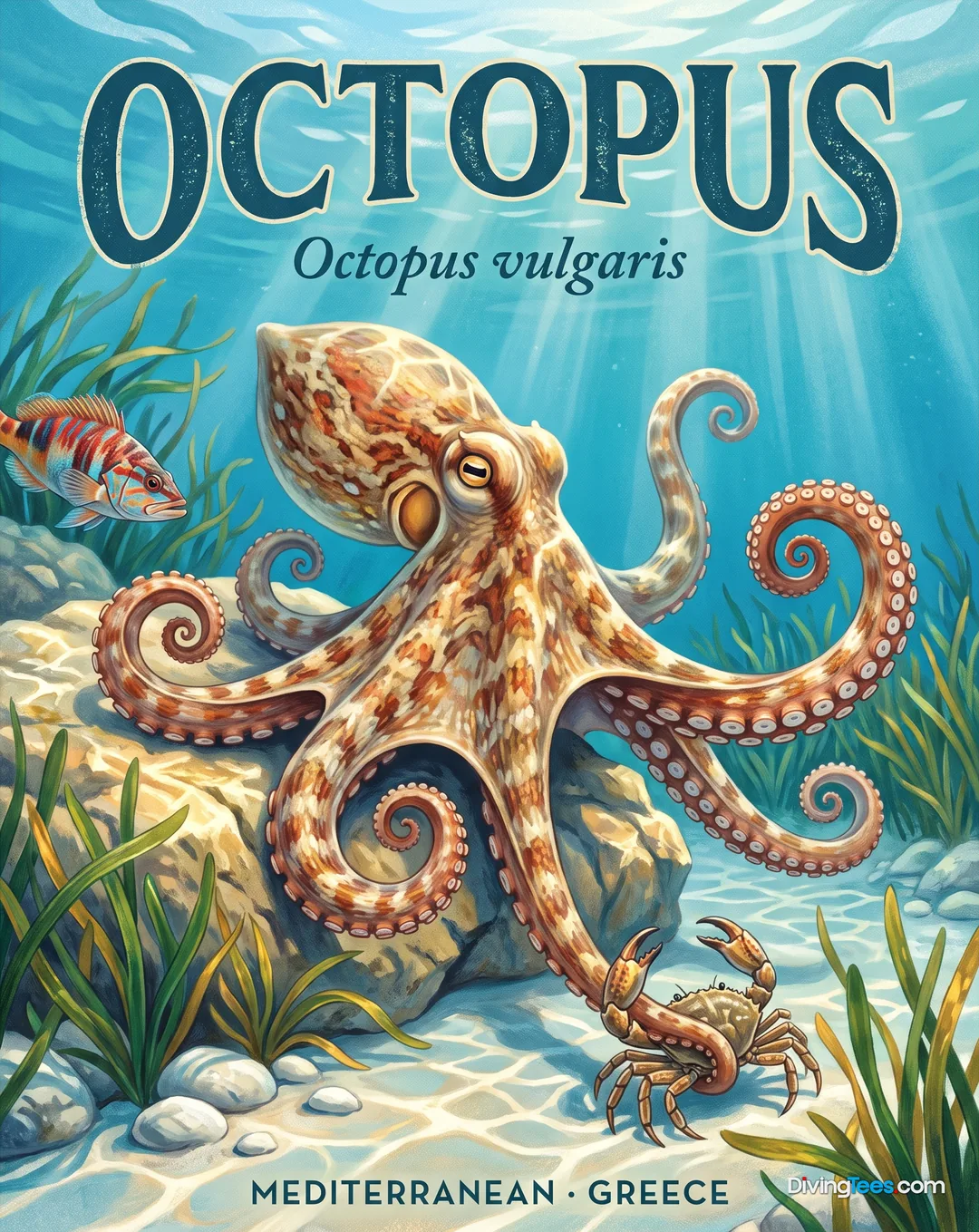
Larger invertebrates also call Anita's Reef home; look for octopuses (Octopoda) camouflaged within the reef structure or moving across the sandy patches. Clown triggerfish (Balistoides conspicillum) patrol the reef, and sea snakes (Hydrophiinae) can be seen gracefully navigating the water column. The presence of these species indicates a healthy and active reef ecosystem.
Anita's Reef offers a dive depth ranging from 5 to 35 metres, extending to 40 metres at the wreck site. It is accessible from Open Water Diver level for the shallower sections, though the deeper areas and the wreck require Advanced Open Water certification or equivalent experience. The current is typically moderate. Visibility at the site usually falls between 20 and 30 metres. The best period to dive this site is from October to May, with January through March generally offering the most favourable conditions.
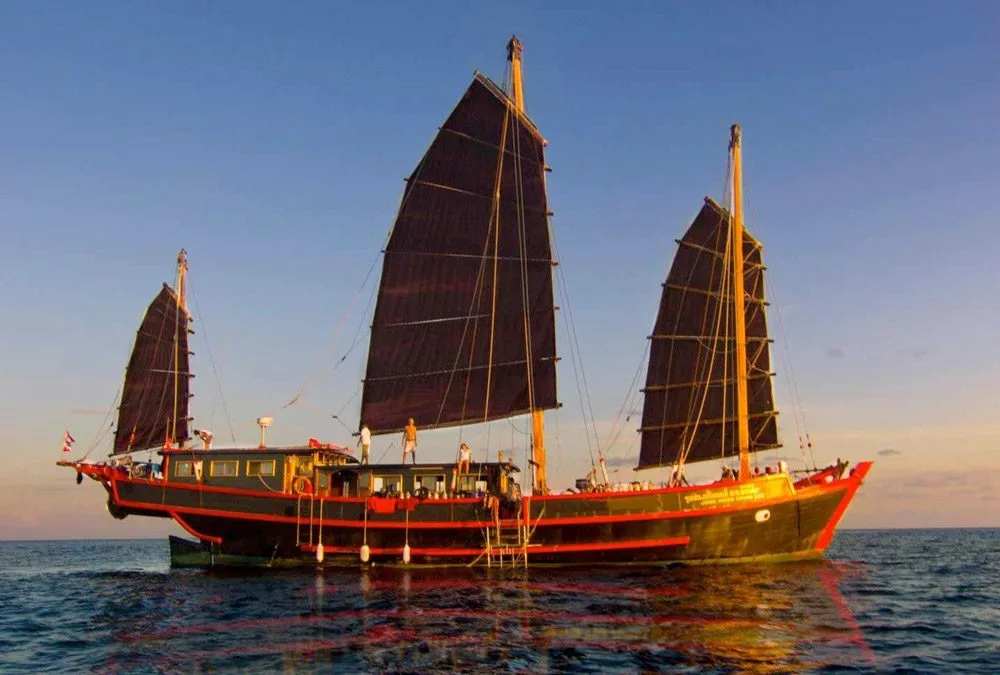
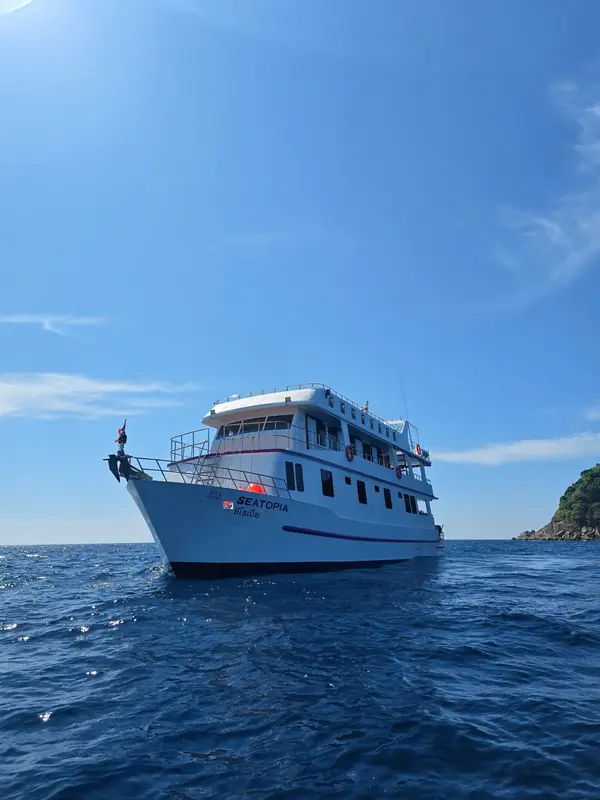
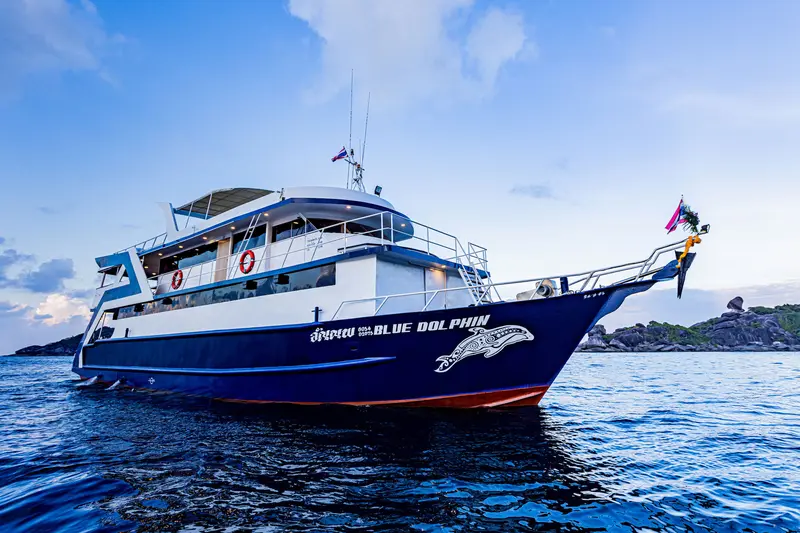
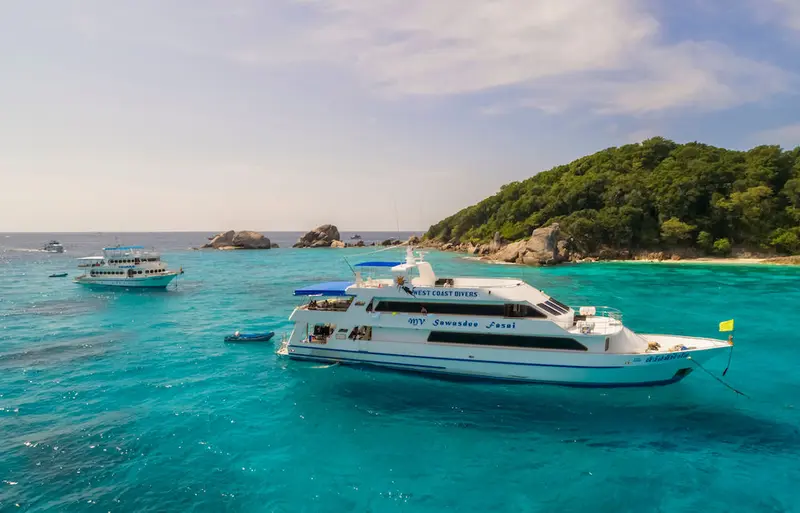
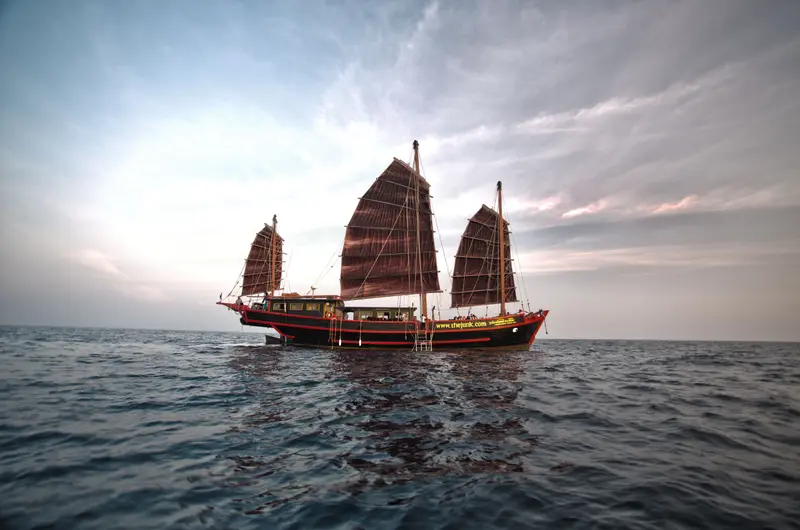
23 liveaboards depart from Khao Lak another way to explore the region, over several days at sea.
You can dive Anita's Reef from October to May. Conditions are generally most favourable from January through March. Anita's Reef lies between Similan Islands #5 and #6, and its sloping reef offers coral gardens, granite formations, and a small fishing boat wreck for different types of exploration.
You can explore the shallower sections of Anita's Reef with Open Water Diver certification. The main reef ranges from 5 to 35 metres, while the fishing boat wreck lies between 28 and 40 metres. The deeper reef and wreck require Advanced Open Water certification or equivalent experience.
You can expect moderate currents at Anita's Reef, with visibility usually between 20 and 30 metres. These conditions let you explore the sloping reef, coral gardens, granite boulders, and sandy areas while watching for reef inhabitants among the coral formations and quieter sections.
At Anita's Reef, you can see diverse coral gardens, large coral bommies, granite rock formations, and a small fishing boat wreck. Marine life includes black-ray gobies, razorfish, clownfish, nudibranchs, ghost pipefish, octopuses, clown triggerfish, and sea snakes among the reef and sandy patches.