

Centro Buceo Lanzarote
Google 5/5 (1,567 reviews)
3.4 km away as the crow flies
Lanzarote · Canary Islands · Atlantic
Max. depth · 15 mDescend into Europe's inaugural underwater sculpture museum, where art and marine life converge at a shallow 10 to 15 meters below the surface.
For subtitles in English: start the video firstthen click the gearat the top right of the video, select “Subtitles/CC”, then “Auto-translate” and choose “English”.
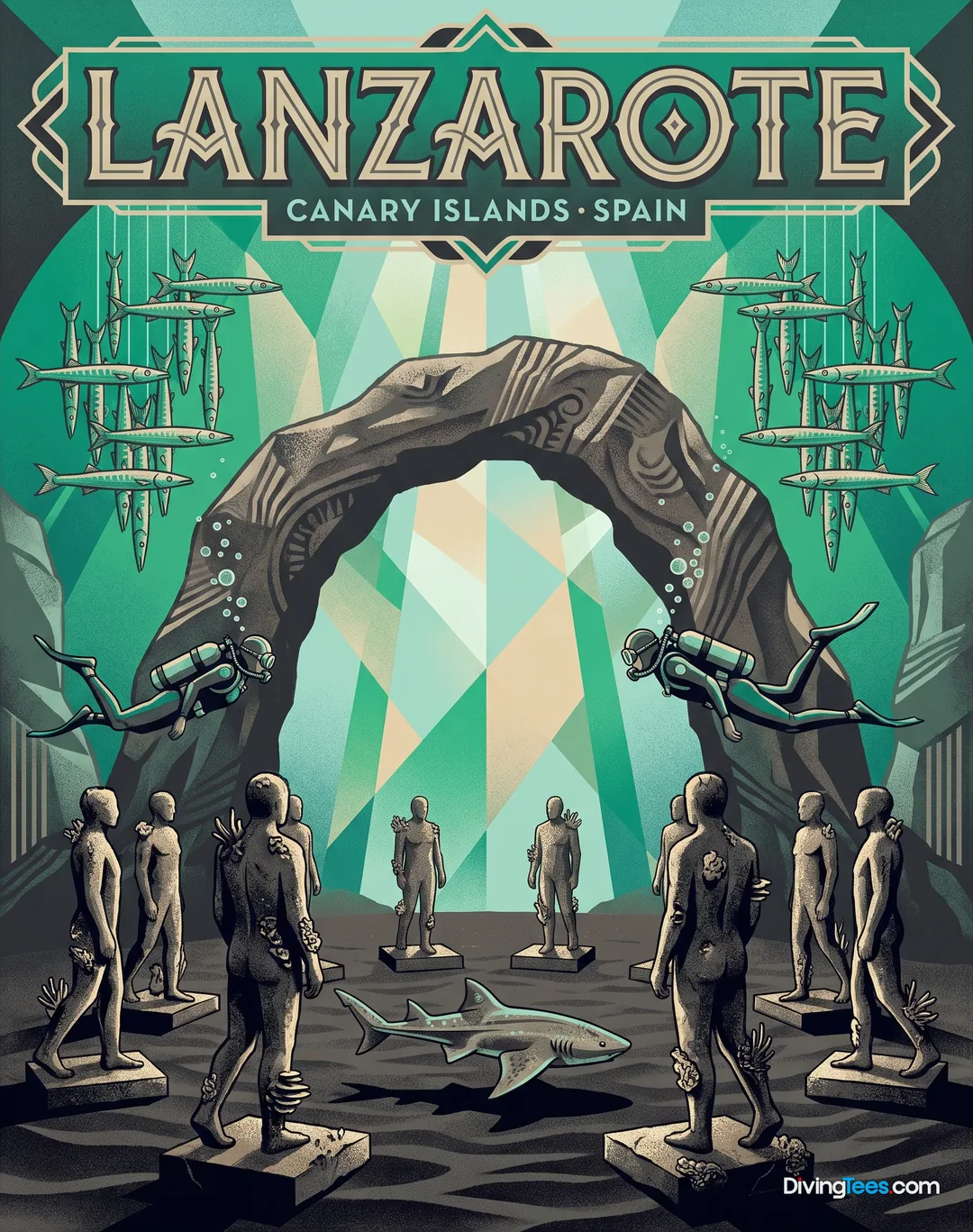
The Museo Atlántico presents a dive unlike most, set around a permanent art installation created by Jason deCaires Taylor. This isn't a natural reef or a classic wreck; it's a meticulously placed collection of over 300 concrete sculptures, designed to serve as both an artistic statement and an artificial habitat for marine life. Located off the coast of Playa Blanca, the exhibit rests on the seabed, accessible from a minimum depth of 10 metres, allowing ample bottom time to explore the various installations.
As you descend onto the site, you'll encounter different themed zones. The sculptures depict human figures in various scenarios, from those reflecting on environmental issues to a group crossing a 'gate' or engaging in everyday activities. These installations are spaced out, allowing you to navigate between them and observe the intricate details of the artwork. The ambient light at these depths, between 10 and 15 metres, changes the perception of the sculptures, giving them a different character depending on the time of day and surface conditions.
The primary focus of the Museo Atlántico, beyond its artistic merit, is its function as a large-scale artificial reef. The design intentionally promotes marine colonization, and since its installation in 2016, there has been a notable increase in the diversity of marine species present. The rough texture of the sculptures provides anchorage for algae and invertebrates, forming the base of a new ecosystem. This deliberate interaction between human creation and natural colonization offers a dynamic environment to observe.
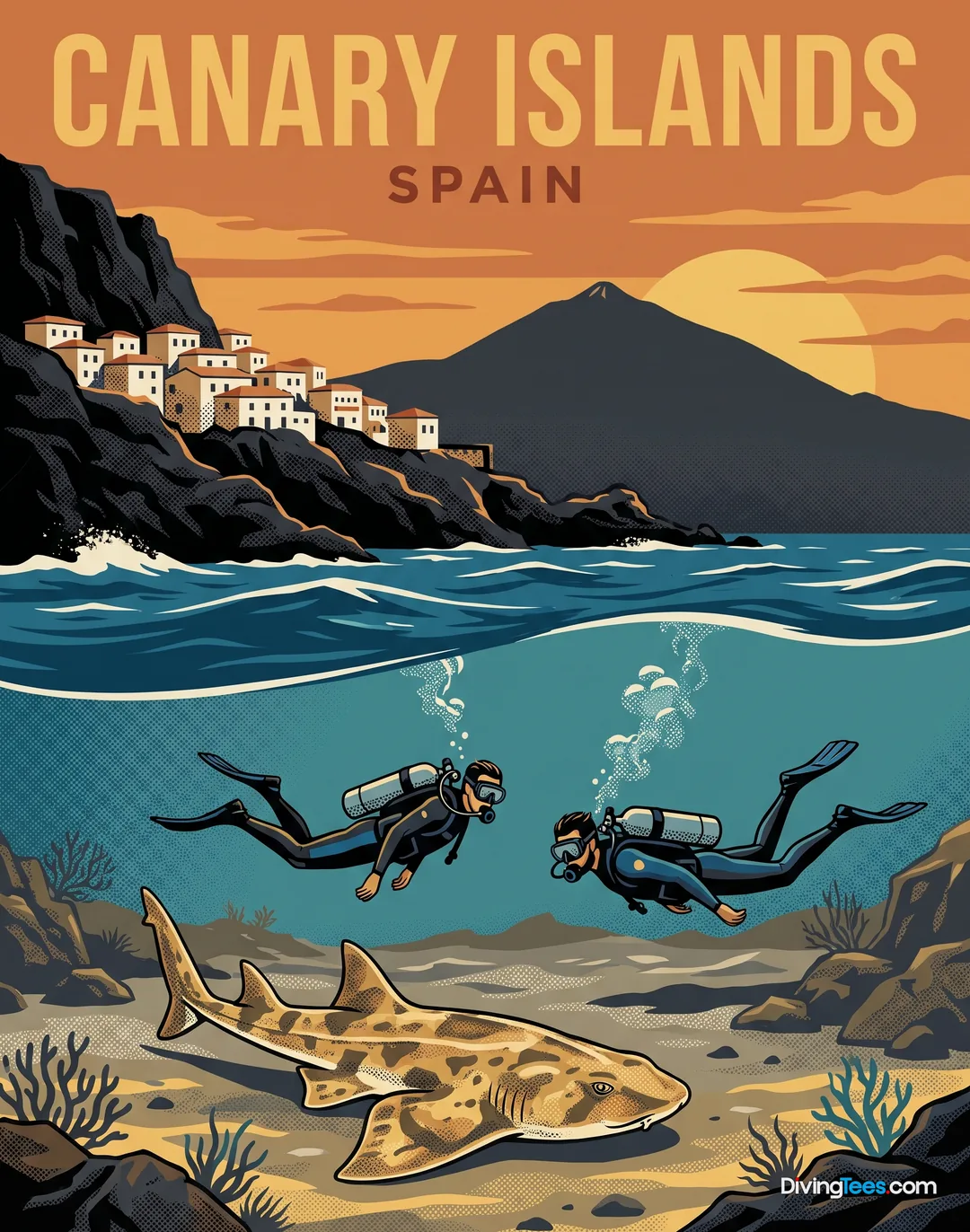
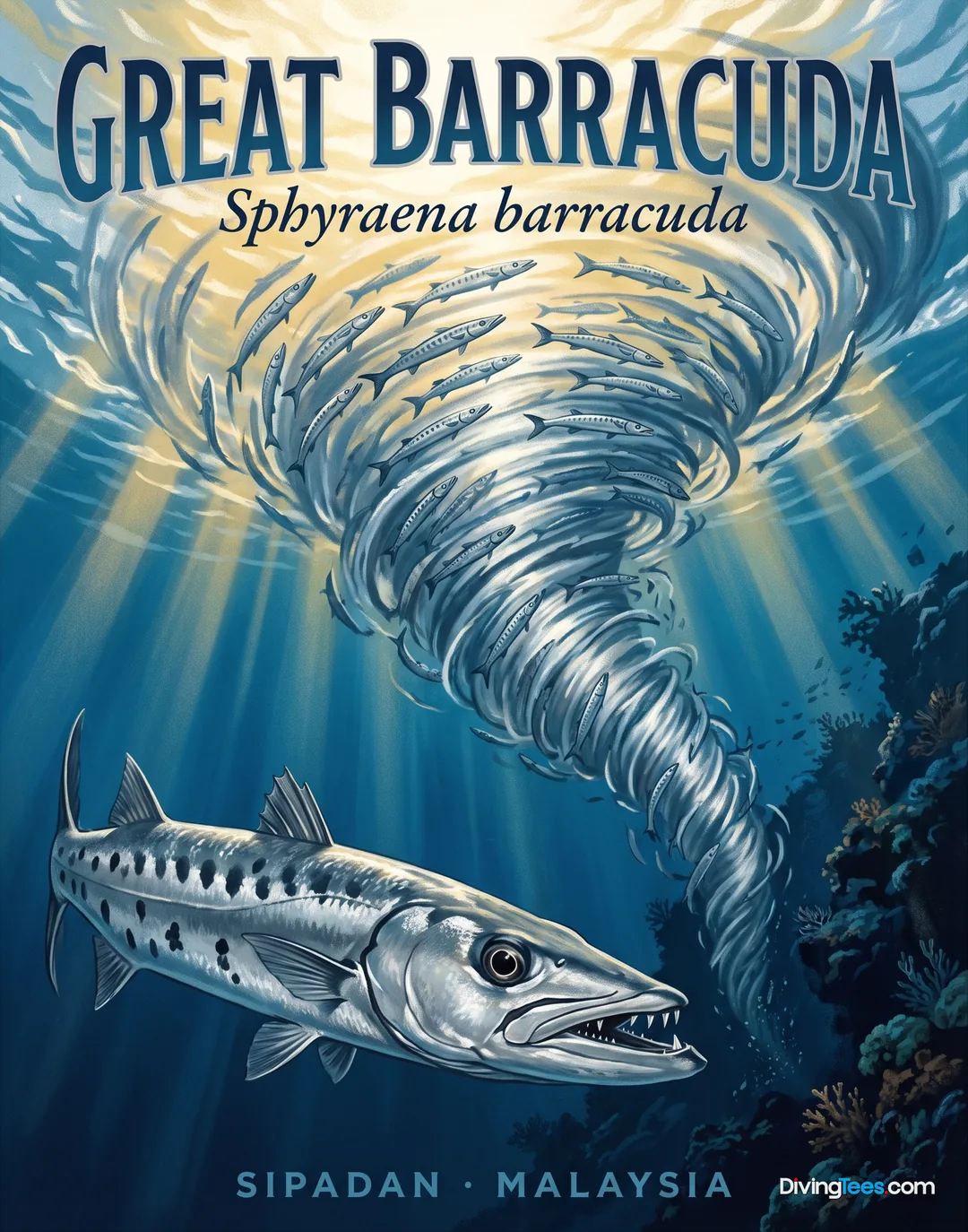
Within the sculptural arrangements, marine life has found shelter and new hunting grounds. You can expect to encounter large schools of barracudas (Sphyraena barracuda) and sardines (Sardina pilchardus) that frequent the open spaces between the figures. Axillary seabreams (Pagellus acarne) are also a common sight, moving through the structures. Keep an eye out for angel sharks (Squatina squatina), especially during their season from November to April, lying camouflaged on the sandy bottom near the sculptures.
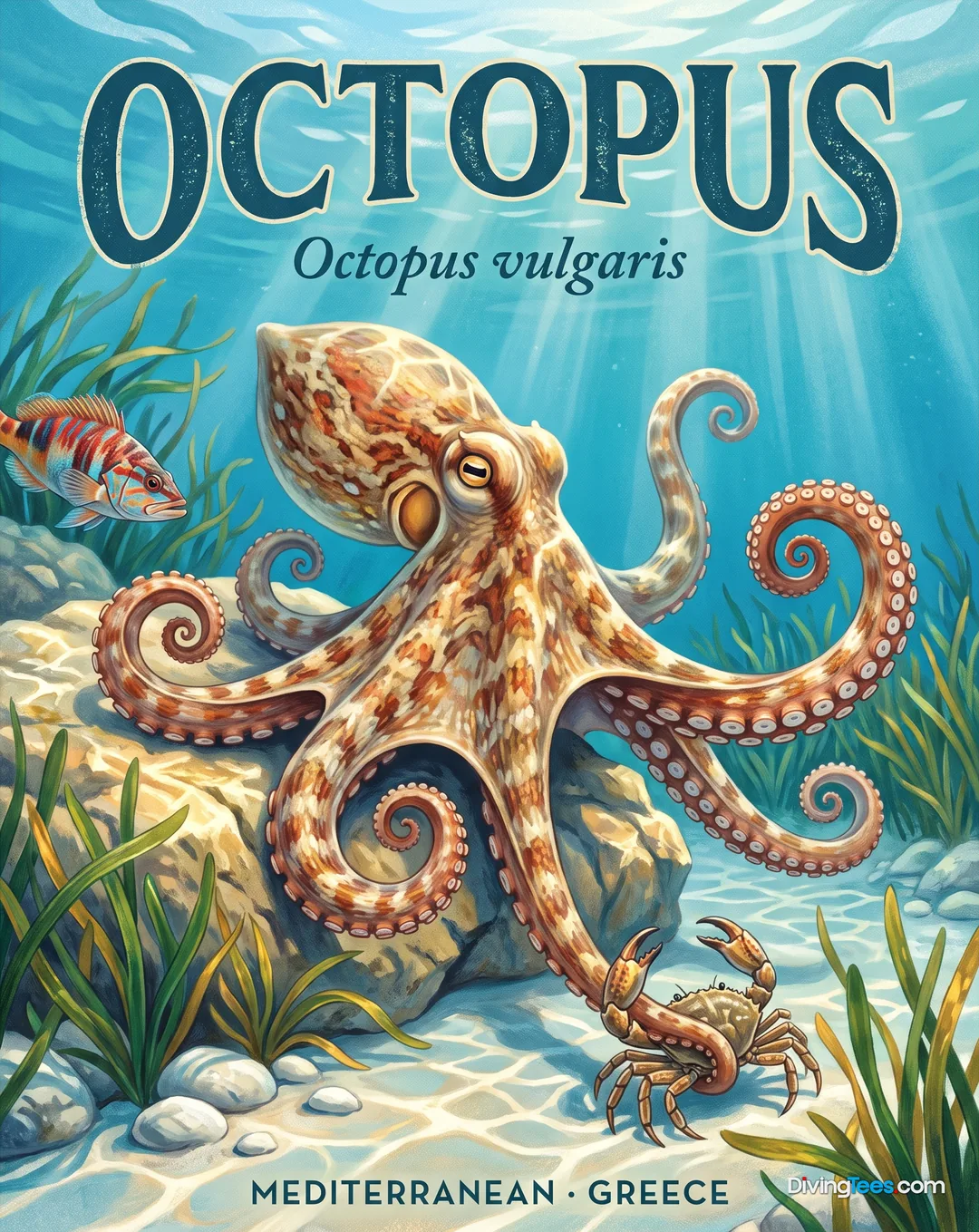
Beyond the schooling fish, the nooks and crannies of the sculptures have become home to a variety of benthic creatures. Rays (Myliobatiformes) can be observed gliding over the sand, while triggerfish (Balistidae) often patrol the area. Octopus (Octopus vulgaris) and moray eels (Muraenidae), known for their territorial behaviour, have established themselves within the sculptures themselves, using them as their primary shelters. This interaction between the inanimate art and the living ocean is a central theme of the dive.
The themes explored by the artist, such as marine conservation and human interaction with nature, are evident in the somber yet thought-provoking figures. Some depict refugees, while others show people taking selfies, creating a visual dialogue underwater. This unique blend of art and ecology gives the site a contemplative atmosphere, encouraging divers to consider the impact of human presence on the marine environment while observing the very real process of reef creation around them.
While exploring the various sections, such as the 'Rubicon' or the 'Jellyfish Garden', you're moving through a living gallery. The concrete used in the sculptures is pH neutral, ensuring no harmful impact on the surrounding waters. This careful planning contributes to the project's success as a sustainable artificial habitat. The museum's proximity to Playa Blanca, typically a short 10-minute boat ride, makes it readily accessible for a structured and engaging dive experience.
The Museo Atlántico is a shallow dive, with depths ranging from 10 to 15 metres. It is accessible for divers of all levels, including those holding an Open Water Diver certification or even participating in introductory programs. The site generally experiences calm conditions, as it is located on the protected south coast of Playa Blanca, meaning dangerous currents are not typically a concern. Visibility is consistently good, often exceeding 20 metres. The best period for diving here is commonly from April to October, aligning with the warmer months.
You will generally find the best diving conditions at Museo Atlántico from April to October, during the warmer months. The site lies off Playa Blanca on Lanzarote’s protected south coast, where calm conditions and consistently good visibility often exceeding 20 metres support comfortable exploration of the underwater sculptures.
You can visit Museo Atlántico with any level of diving experience. Its shallow profile makes it accessible to divers holding an Open Water Diver certification and to people participating in introductory programs. The protected location and calm conditions also provide a straightforward setting for exploring the artificial reef and sculptures.
You will dive Museo Atlántico at depths ranging from 10 to 15 metres. The museum is positioned in protected waters off Playa Blanca, so conditions are generally calm and dangerous currents are not typically a concern. The shallow seabed also gives you ample bottom time to move between the installations.
You can explore over 300 pH-neutral sculptures by Jason deCaires Taylor, arranged as themed underwater scenes and forming an artificial reef. Schools of barracudas and sardines move between the figures, while angel sharks appear in season. Octopus and moray eels shelter within the sculptures, with rays and triggerfish nearby.