
Manta Diving Lanzarote
Google 5/5 (909 reviews)
less than 1 km away as the crow flies
Lanzarote · Canary Islands · Atlantic
Max. depth · 35 mNavigate through a submerged volcanic tunnel that connects a shallow sand plateau to a deep oceanic drop-off.
For subtitles in English: start the video firstthen click the gearat the top right of the video, select “Subtitles/CC”, then “Auto-translate” and choose “English”.
The Blue Hole is defined by its unique volcanic topography, acting as a geological bridge between two very different marine environments. The dive begins on a shallow, sandy plateau that sits relatively close to the shore near Playa Chica. This flat area provides a calm entry point where you can observe the transition from the coastline to the more structured reef systems. The geography here is shaped by ancient lava flows that have created a distinct, sheltered environment before the terrain drops away into the Atlantic.
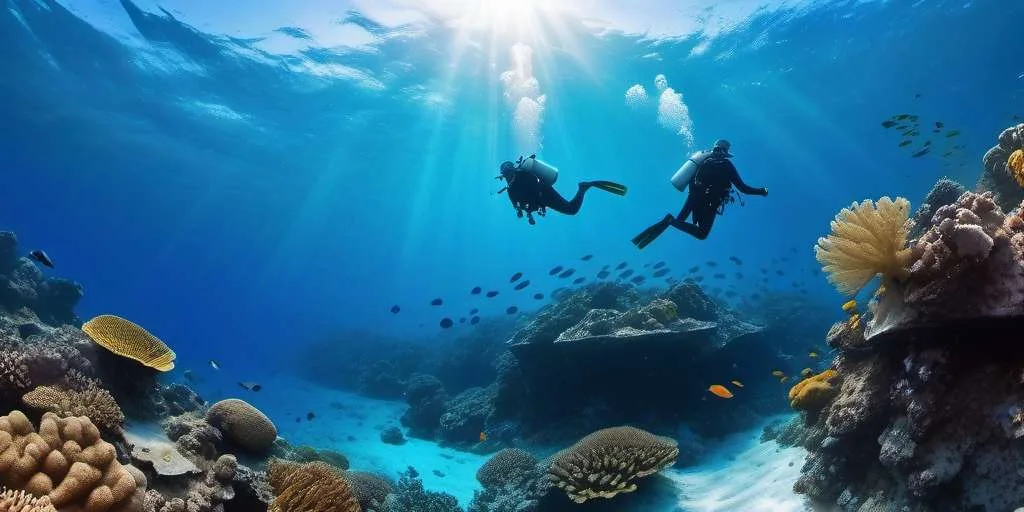
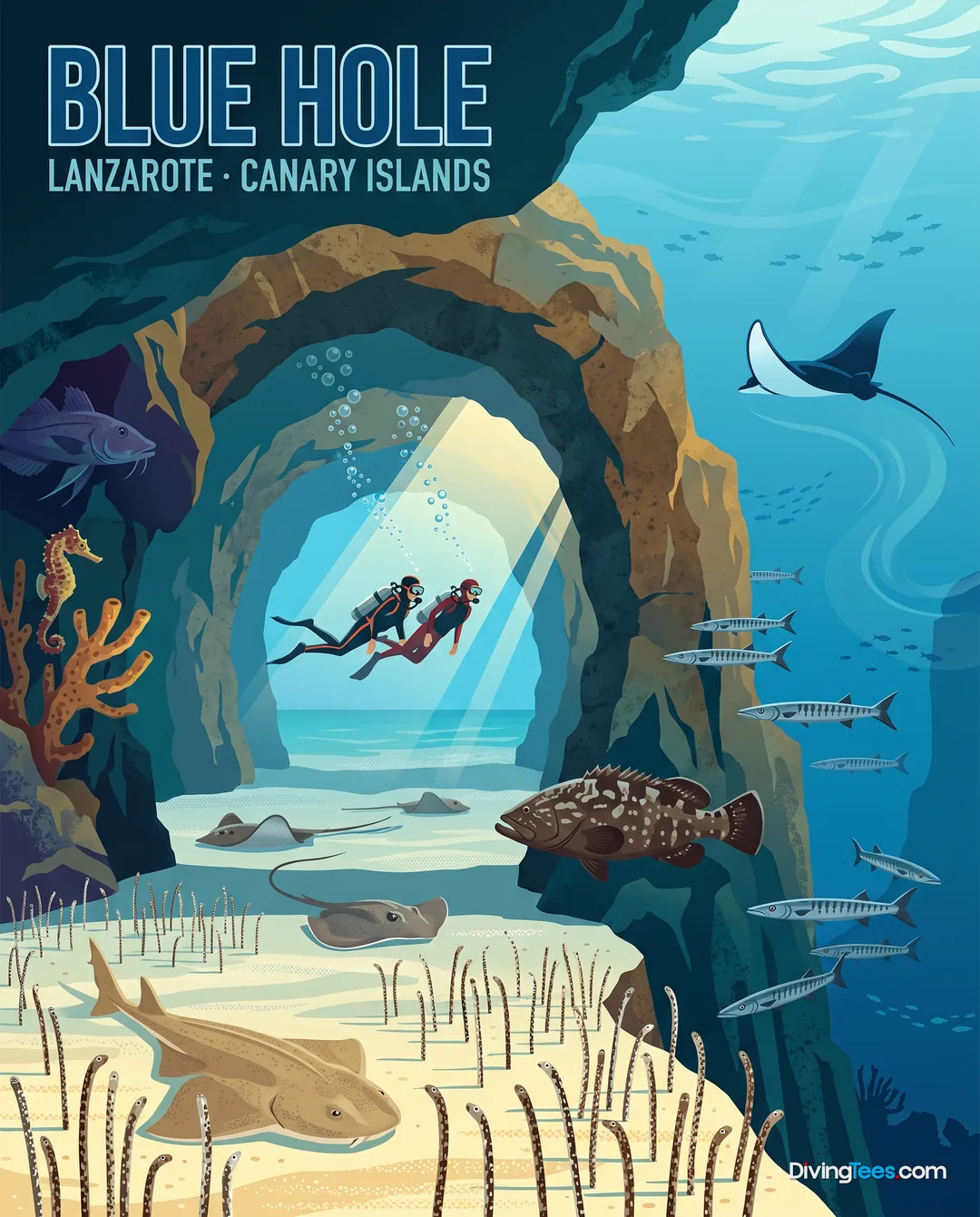
The core experience of this site is the swim-through located within a volcanic lava-tube. As you move away from the shallow sand, you will enter this tunnel at a depth of approximately 18 to 20 metres. The passage is formed directly into the volcanic rock, offering a sense of enclosure and exploration that differs from standard open-water reef dives. This tunnel serves as a natural conduit, guiding you from the protected plateau toward the more exposed edge of the reef structure.
Once you exit the lava-tube, the environment shifts abruptly from the confined space of the tunnel to the vastness of the reef edge. The topography drops significantly here, forming a steep wall that descends into the open ocean. This transition from the sheltered volcanic structure to the deep blue water creates a dramatic change in light and pressure. The wall provides access to much deeper water, reaching a maximum depth of 35 metres, which attracts different species than those found on the shallow plateau.
On the sandy sections of the plateau, you will often encounter gardens of sand eels moving through the water column. This area serves as a quiet zone where the marine life is more closely tied to the seabed and the shallow shelf. It is a good place to practice buoyancy before moving into the more technical swim-through. The presence of these eels is a consistent feature of the shallower approach to the hole, marking the boundary between the beach and the reef.
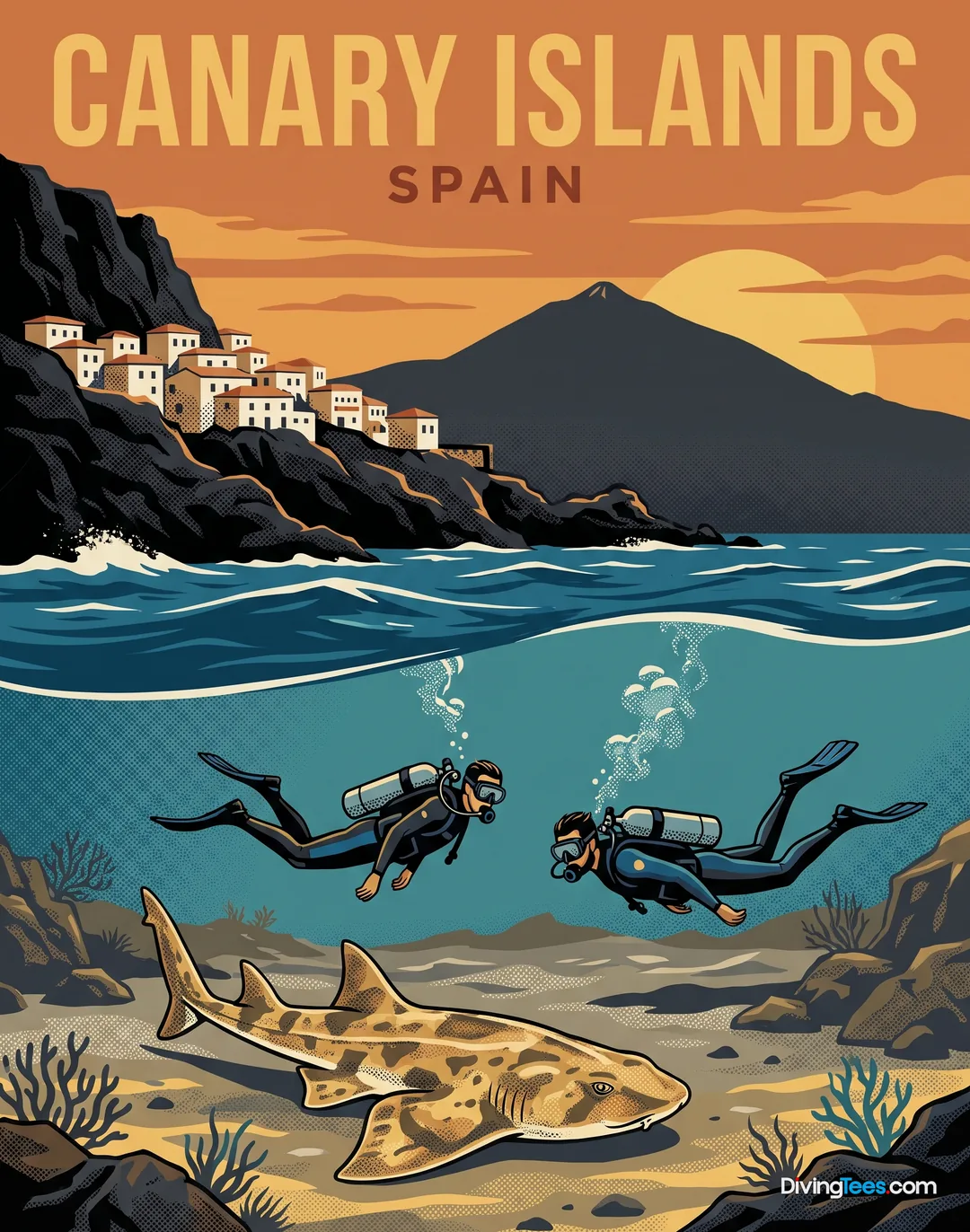
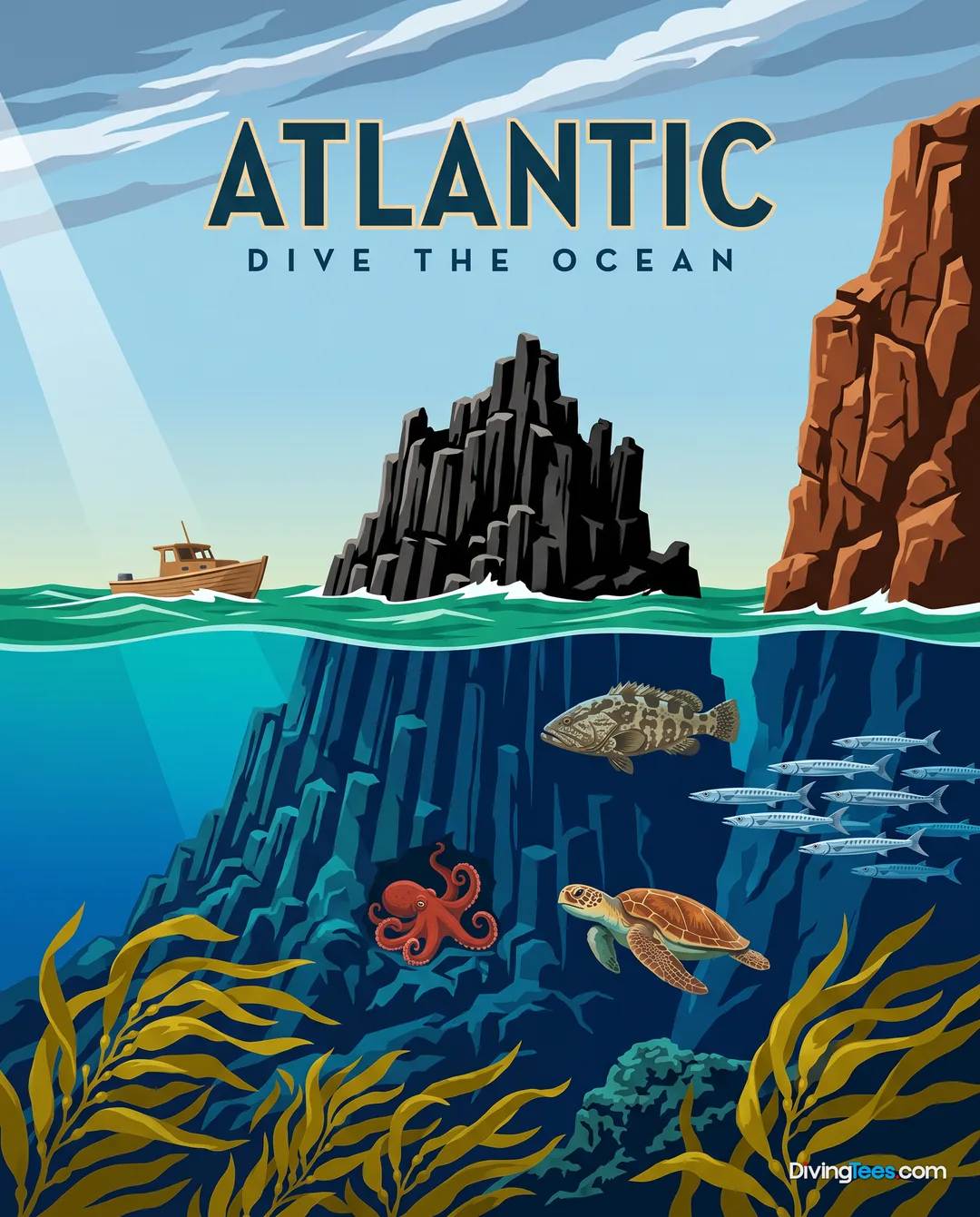
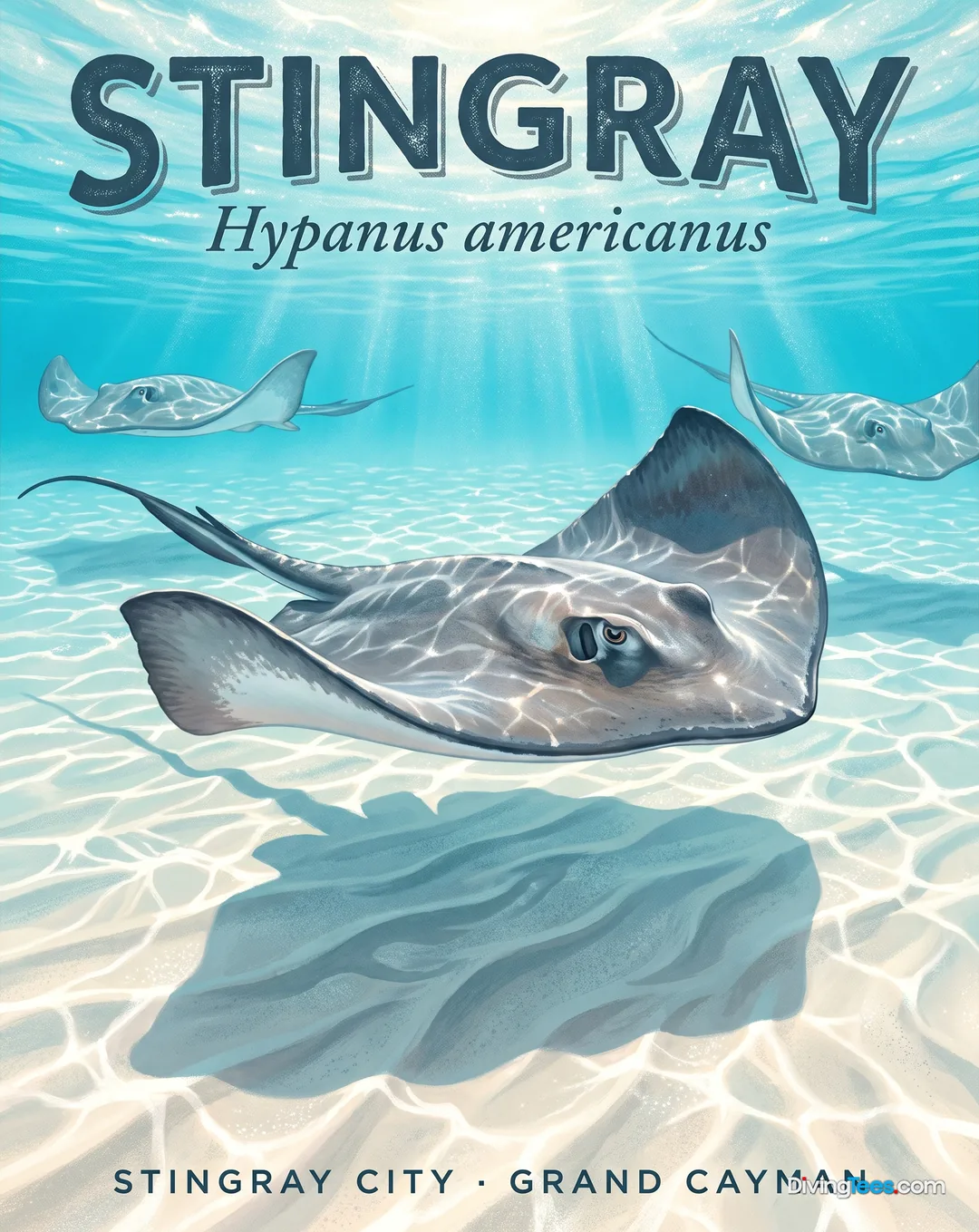
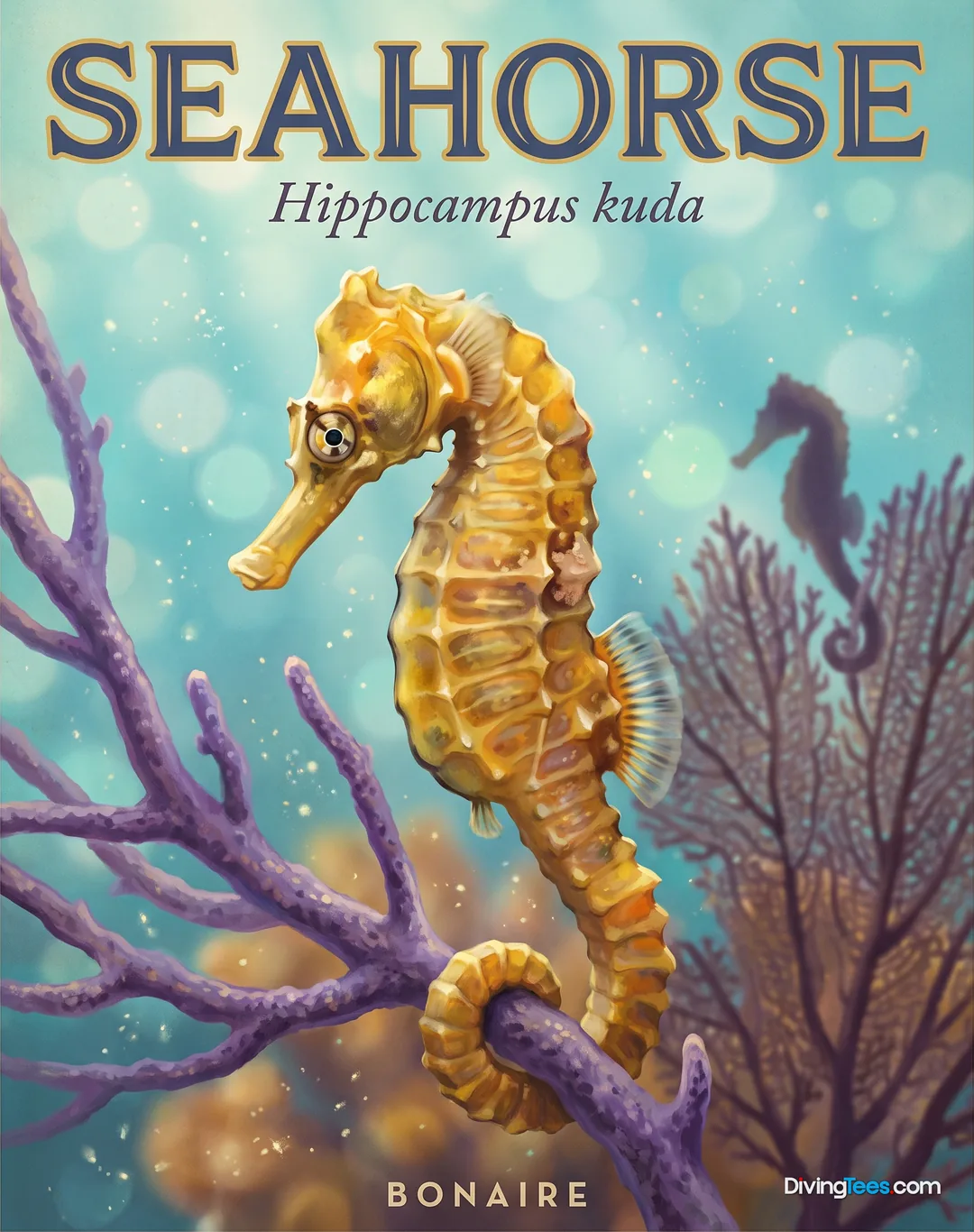
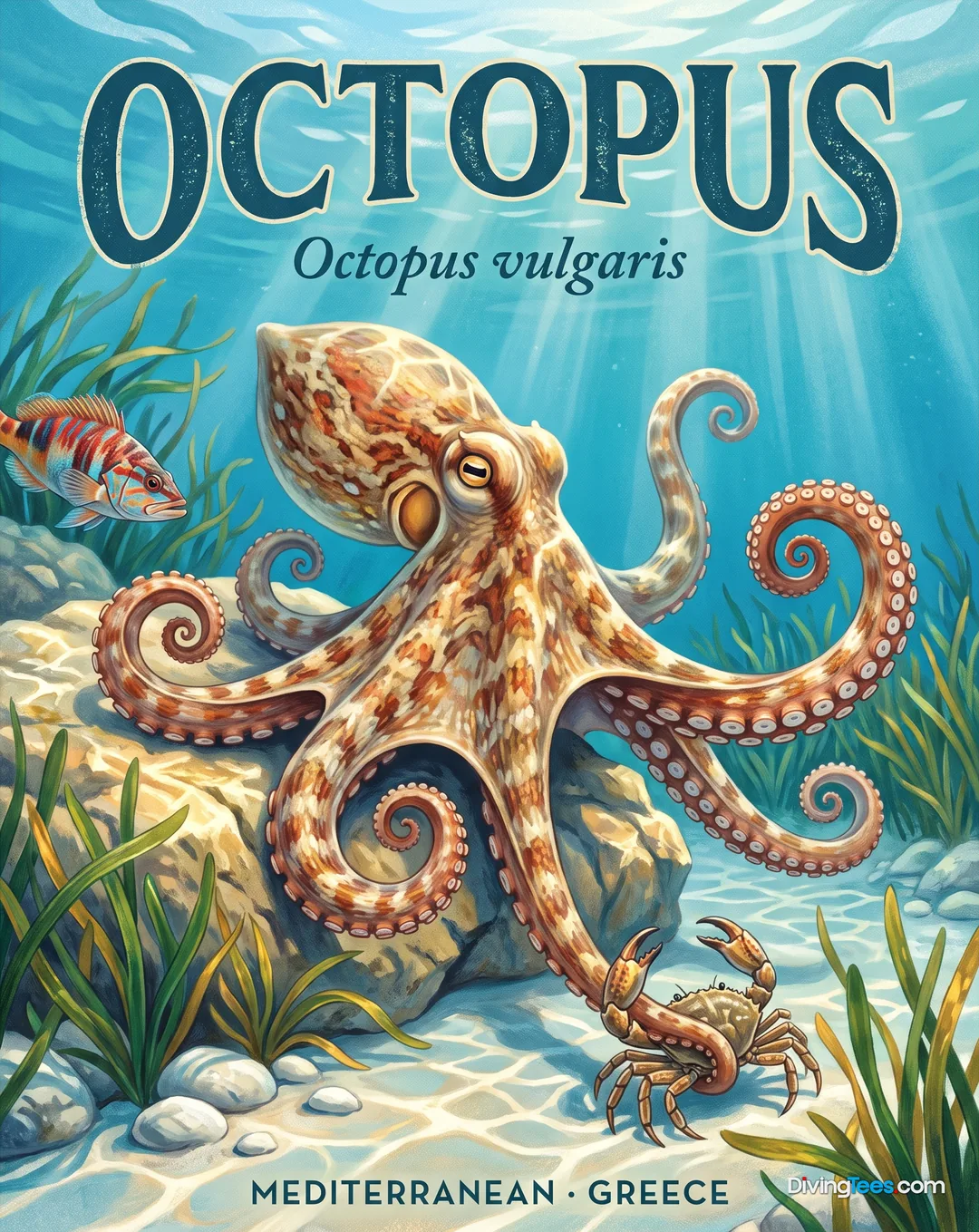
As you move toward the reef edge and the vertical sections of the wall, the resident fauna becomes more varied. You might spot a dusky grouper holding position near the rocky outcrops or an octopus blending into the volcanic substrate. The complex structure of the reef provides numerous crevices for smaller inhabitants like seahorses to hide. It is common to see stingrays or even an angel shark resting on the bottom in the more sheltered pockets of the site.
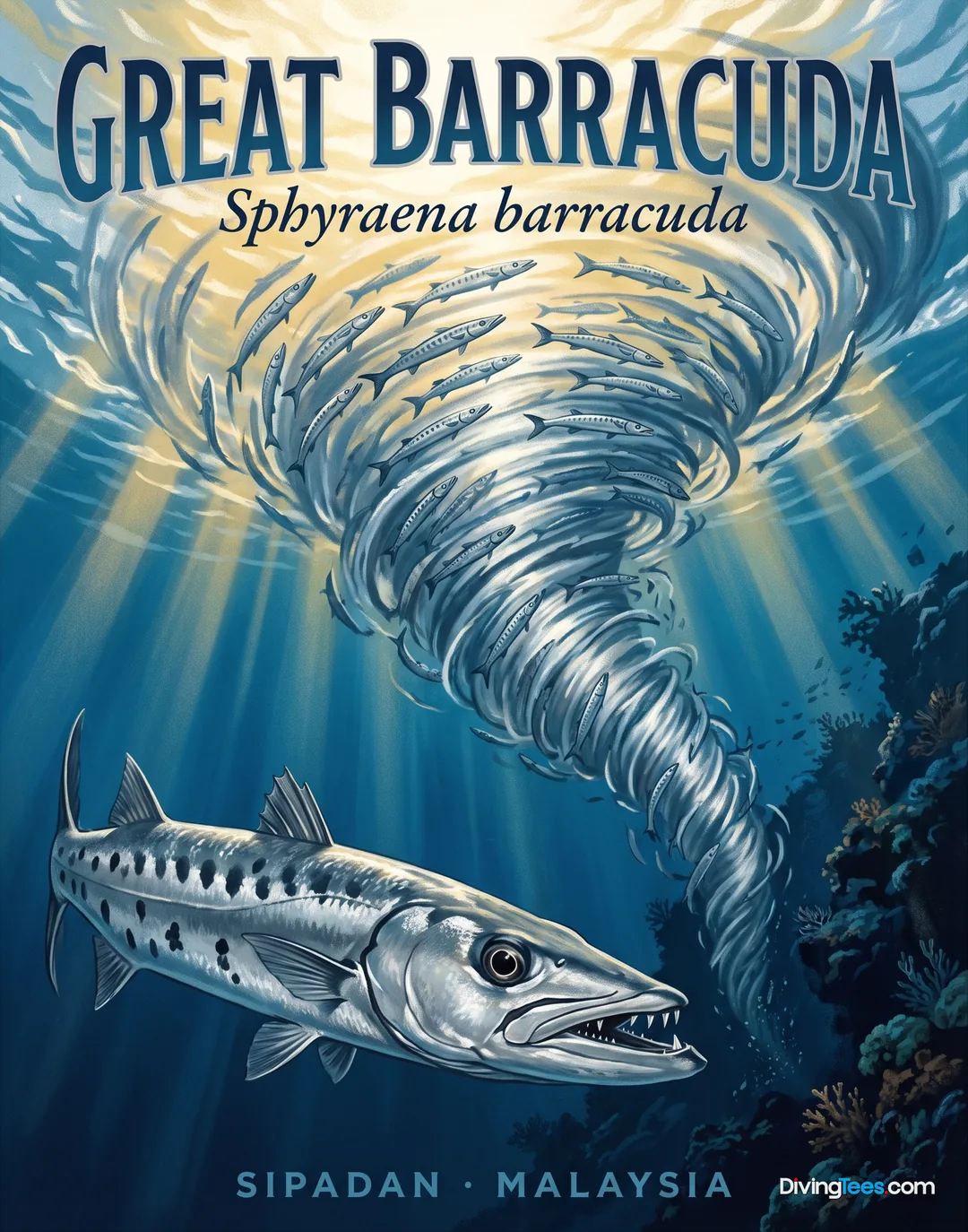
The deeper sections of the wall and the open water just beyond the reef edge offer opportunities to see larger pelagic species. Barracuda often cruise through the water column, frequently appearing as you approach the drop-off. These sightings are most common when the visibility is high, allowing you to see them patrolling the boundary between the reef and the open ocean. The combination of the reef's structure and the influx of nutrients from the open sea makes this a high-activity zone for predatory fish.
Conditions at the Blue Hole are influenced by its location on the exposed coast of Lanzarote. While the site is partially sheltered by the local reef and bay structure, it is not immune to the Atlantic's influence. The visibility is typically excellent, ranging between 15 and 30 metres, which is essential for navigating the tunnel and spotting life on the deep wall. This clarity allows you to clearly see the transition from the dark volcanic rock of the tube to the bright blue of the surrounding ocean.
The site has a depth range of 5 to 35 metres. It requires an Advanced level of certification and a high level of comfort with swim-throughs and deeper environments. While currents are generally light due to the reef's shelter, they can increase significantly with swell or wind-driven conditions on the coast. Expected visibility is between 15 and 30 metres. The best time to dive here is between April and October.
You can plan a dive at The Blue Hole between April and October. During this period, expected visibility ranges from 15 to 30 metres, helping you navigate the volcanic lava-tube and view the reef wall. The site is reached easily from shore at Playa Chica.
The Blue Hole requires an Advanced level of certification. You should also be highly comfortable with swim-throughs and deeper environments, because the route includes a volcanic lava-tube at 18 to 20 metres and continues toward a steep reef wall descending into deeper water.
The Blue Hole ranges from 5 to 35 metres deep, with the volcanic lava-tube at approximately 18 to 20 metres and the reef wall reaching 35 metres. Currents are generally light because the reef provides shelter, but they can increase significantly with swell or wind-driven coastal conditions.
At The Blue Hole, you may see sand eels over the shallow sandy plateau, then dusky grouper, octopus and seahorses around volcanic rock and reef crevices. Sheltered pockets can hold stingrays or an angel shark, while barracuda often cruise near the deeper reef edge and open water.