
Manta Diving Lanzarote
Google 5/5 (909 reviews)
less than 1 km away as the crow flies
Lanzarote · Canary Islands · Atlantic
Max. depth · 40 mExplore a unique lava tunnel linking a shallow sandy garden to an Atlantic wall plunging to 40 metres.
For subtitles in English: start the video firstthen click the gearat the top right of the video, select “Subtitles/CC”, then “Auto-translate” and choose “English”.
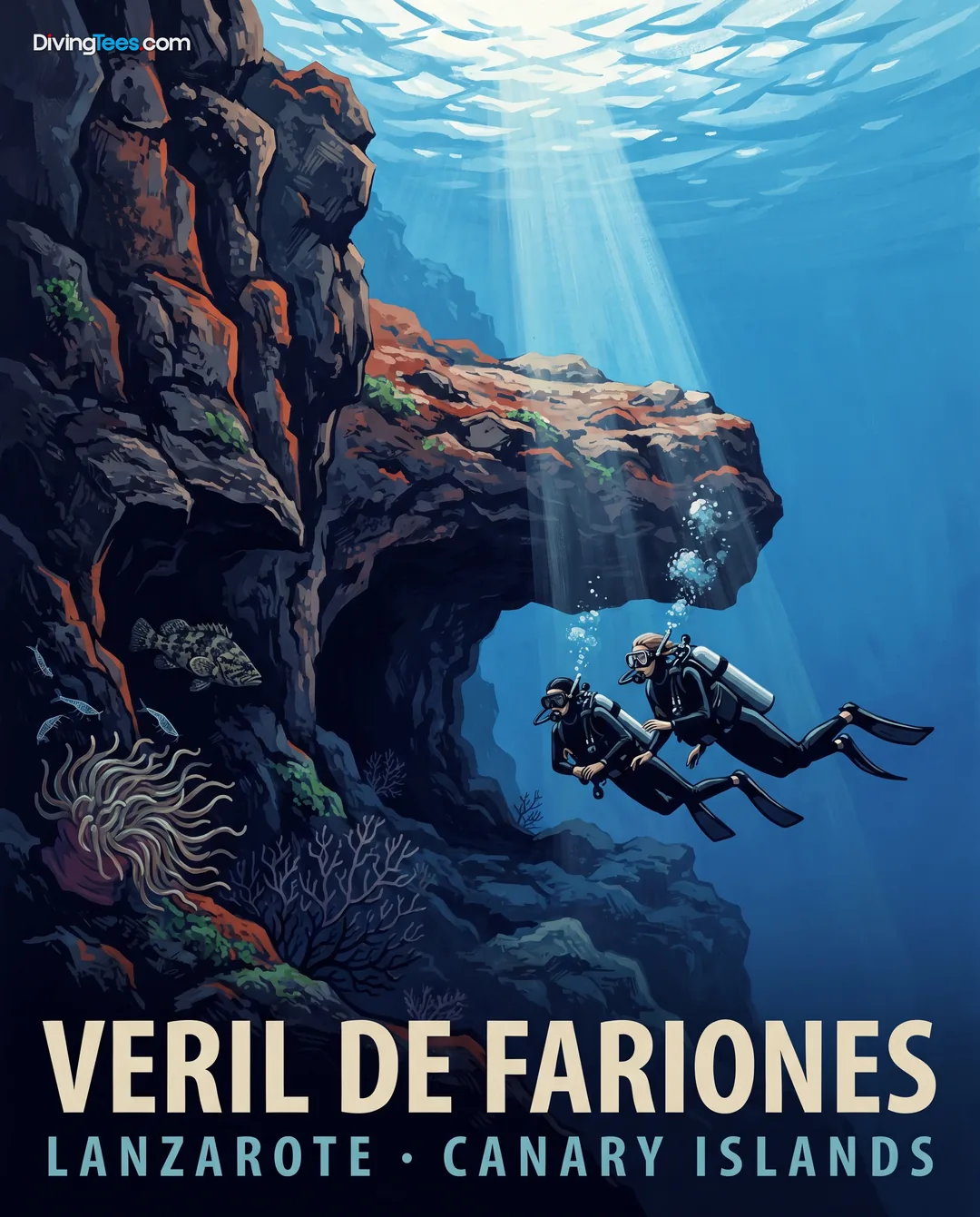
The Blue Hole provides a unique dive profile, starting over a sandy expanse before entering a natural lava tunnel. This tunnel connects the calmer, shallower water to the open Atlantic, leading towards the deeper, more exposed side of the reef. The experience is defined by this geological transition from a sheltered to an open water environment.
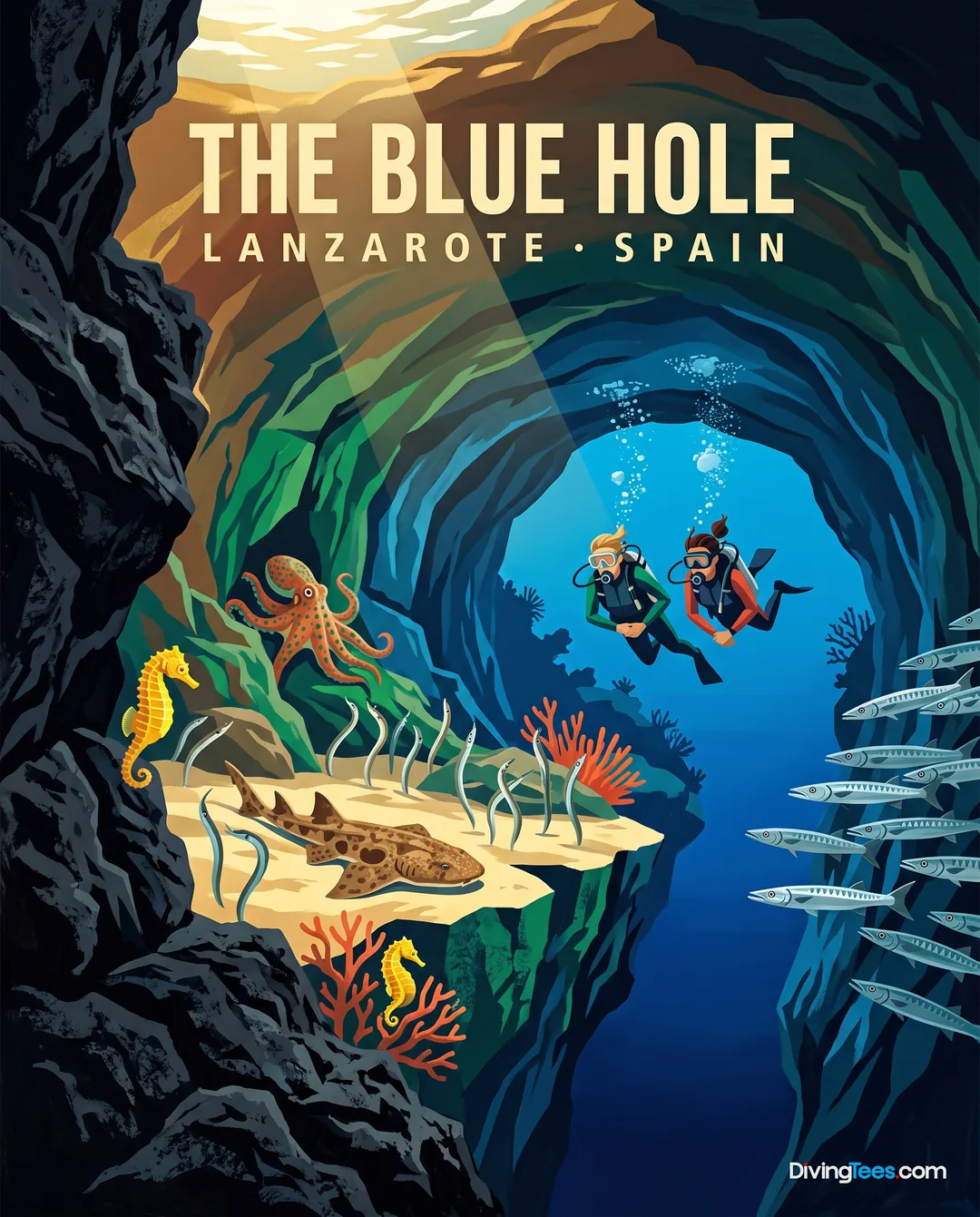
Near the entrance, you will find an eel garden where Garden Eels sway with the gentle surge. The tunnel entrance, a natural window sculpted by ancient lava flows, offers a sense of adventure, guiding you from the shallow environment to the edge of a significant drop-off. Maintain precise buoyancy and trim while traversing this passage, preparing for deeper waters.
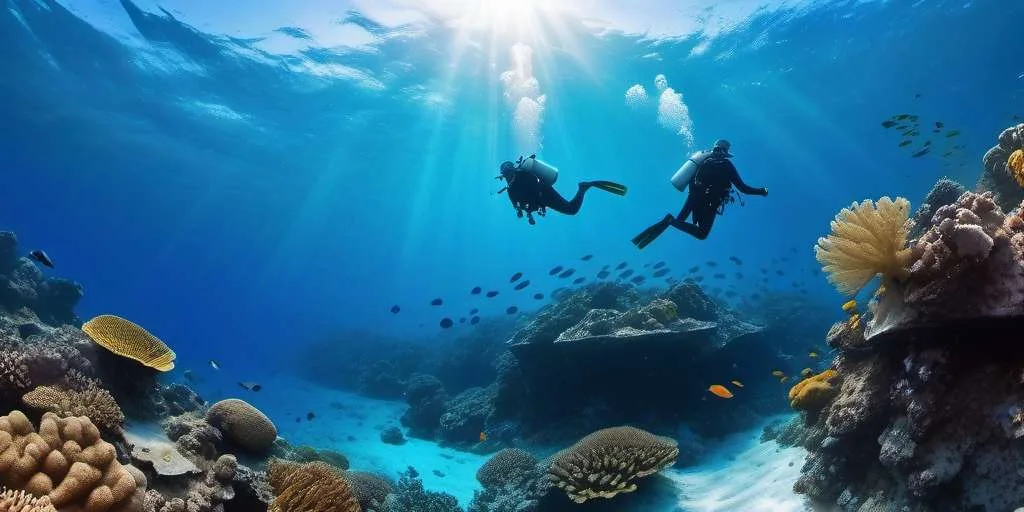
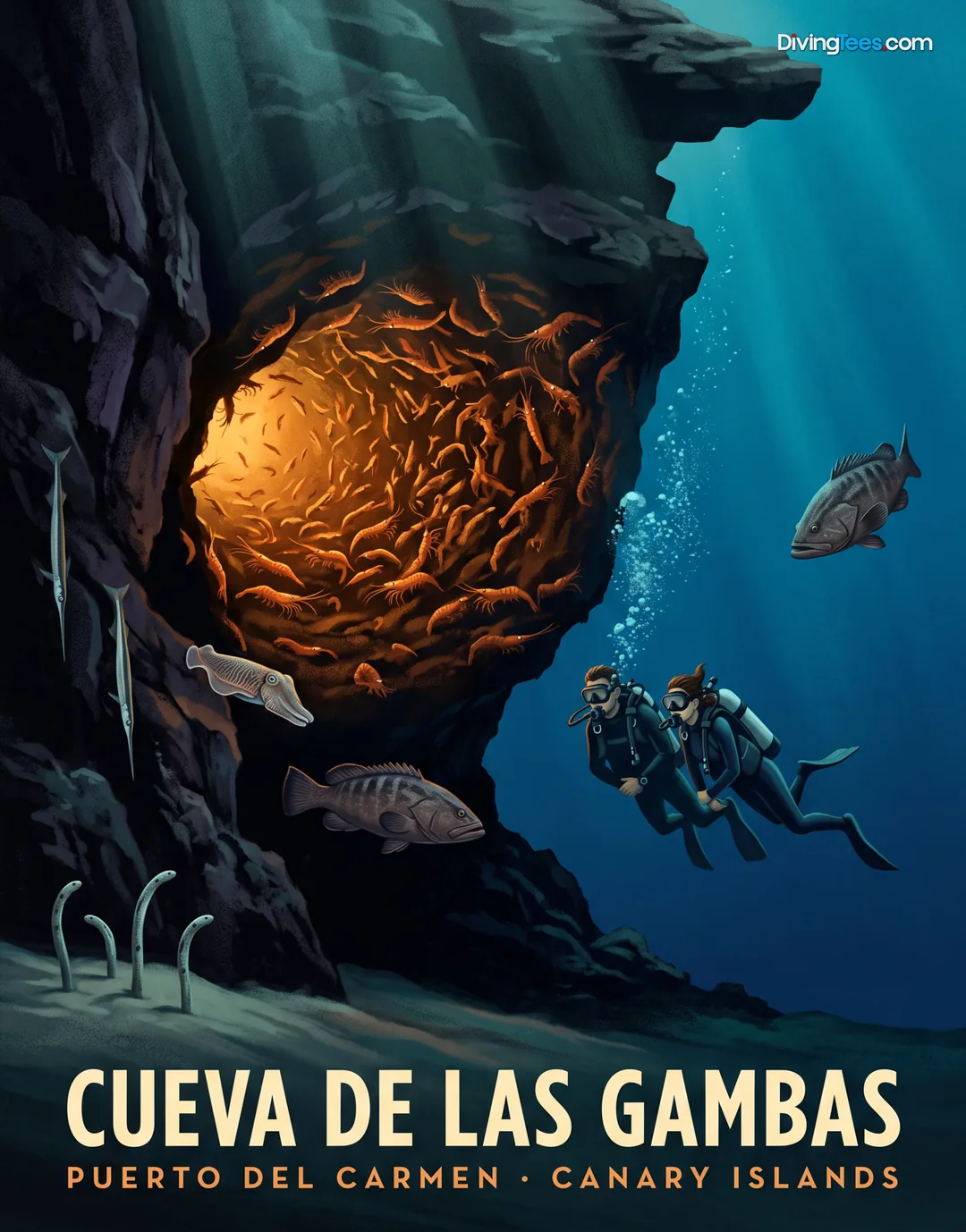
Beyond the tunnel, you emerge onto a vertical wall, part of a larger reef, descending to a maximum depth of 40 metres. This wall features smaller caves and overhangs providing shelter for marine life. A dive light is essential for exploring these darker recesses and observing species such as Groupers.
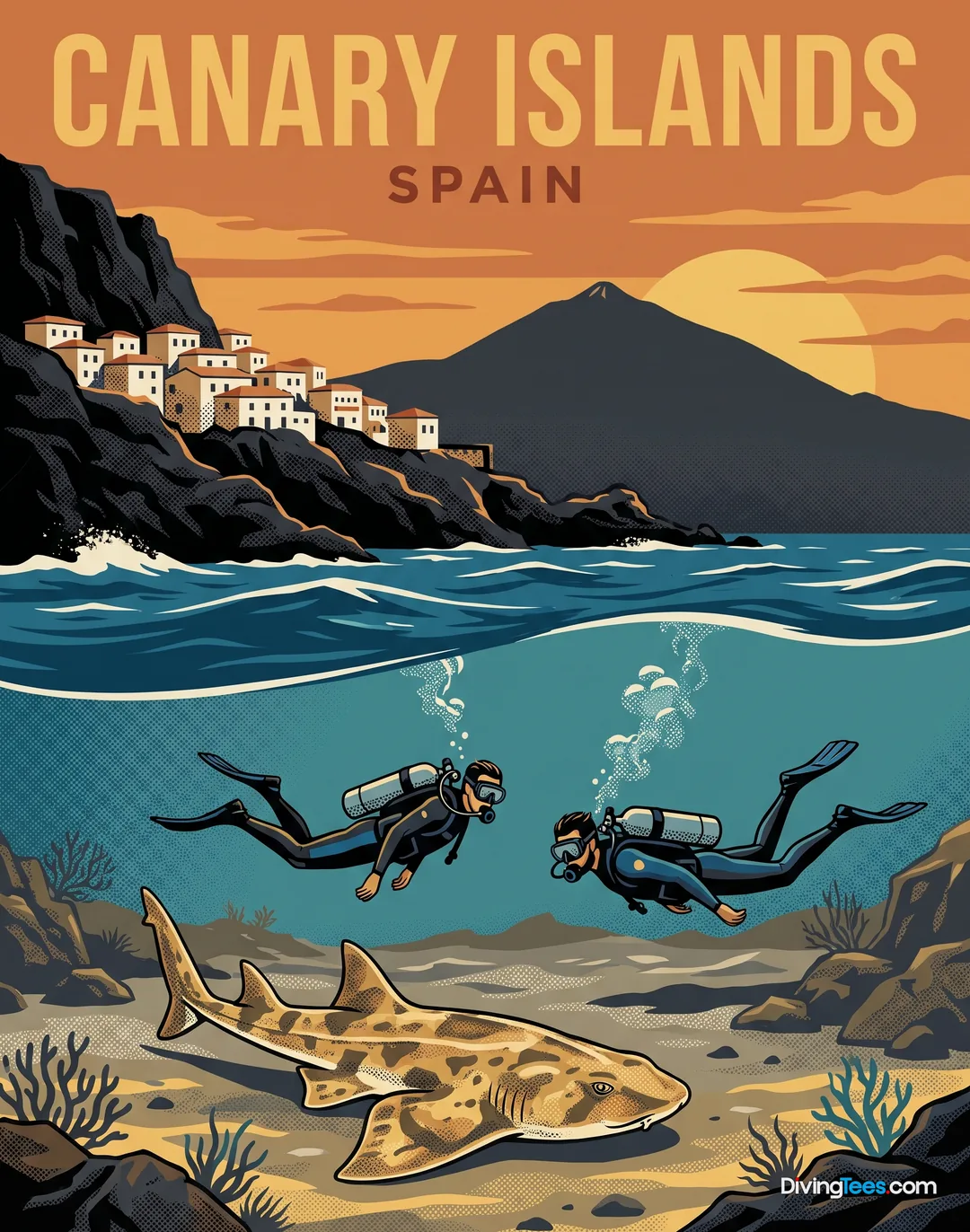
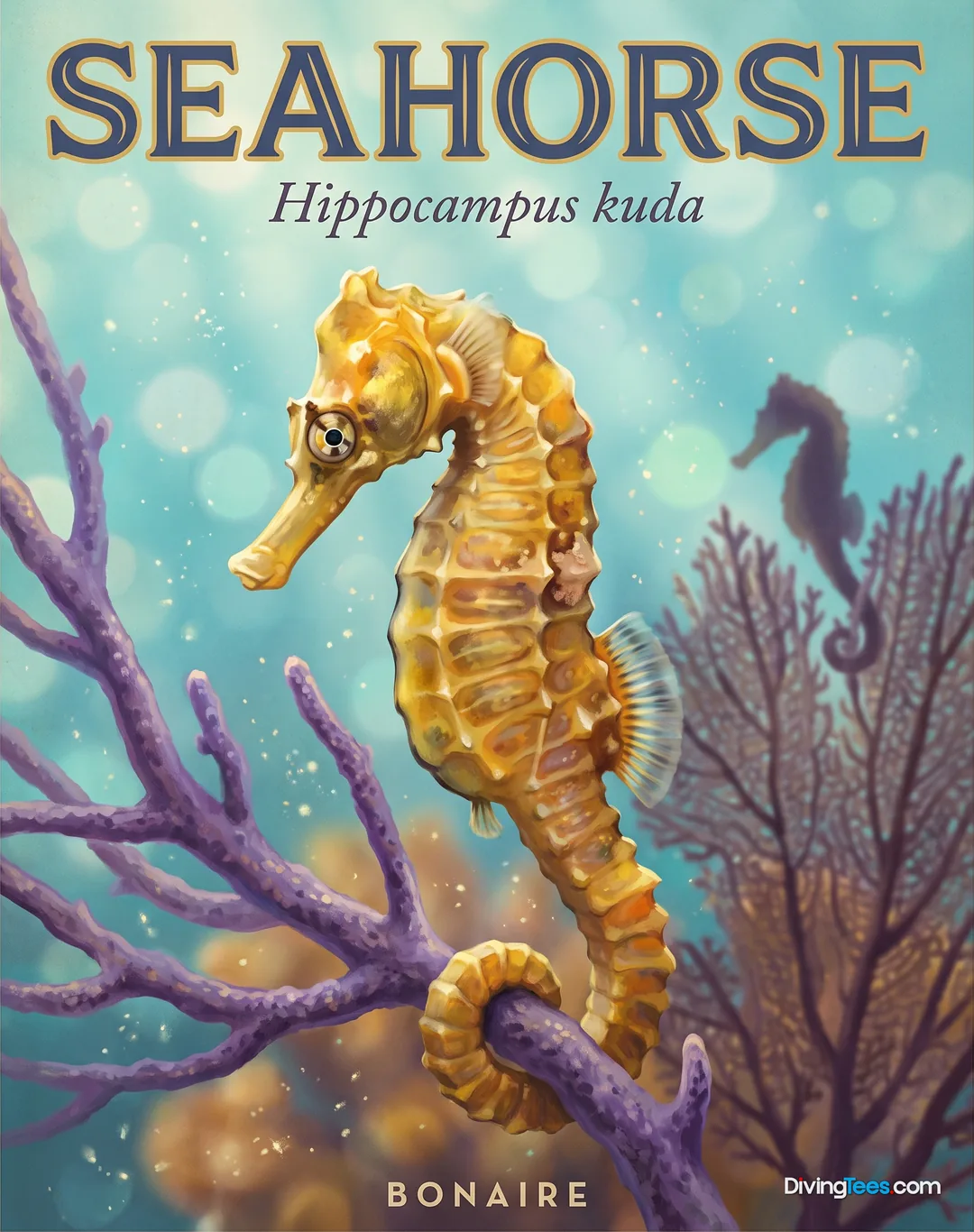
The varied topography supports diverse marine life. In the sandy areas near the entrance, Seahorses may be spotted camouflaged among the detritus. Within the darker recesses of the overhangs, you have the chance to find large Groupers. The elusive Atlantic Angelshark sometimes blends into the sand or near the lava structures.
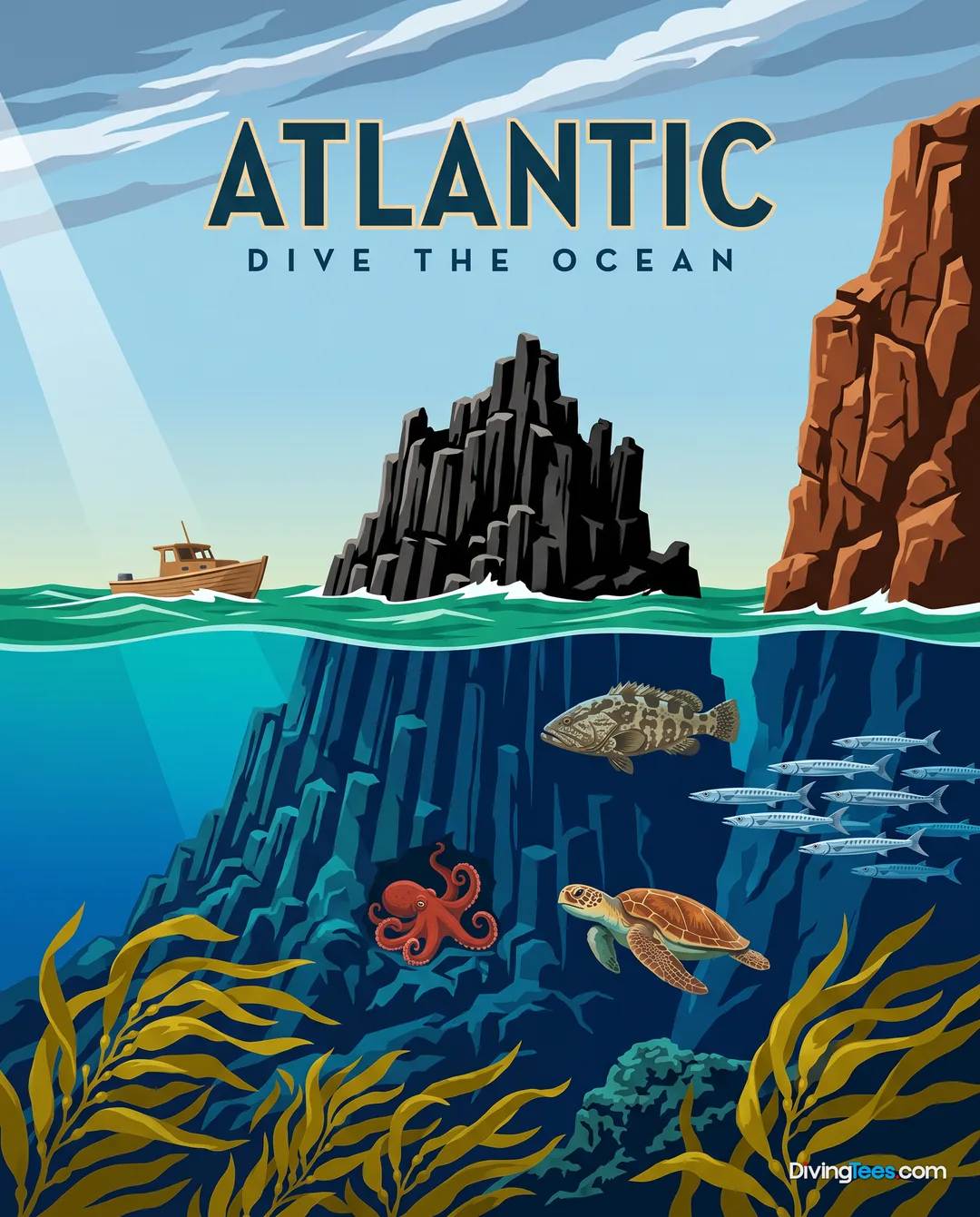
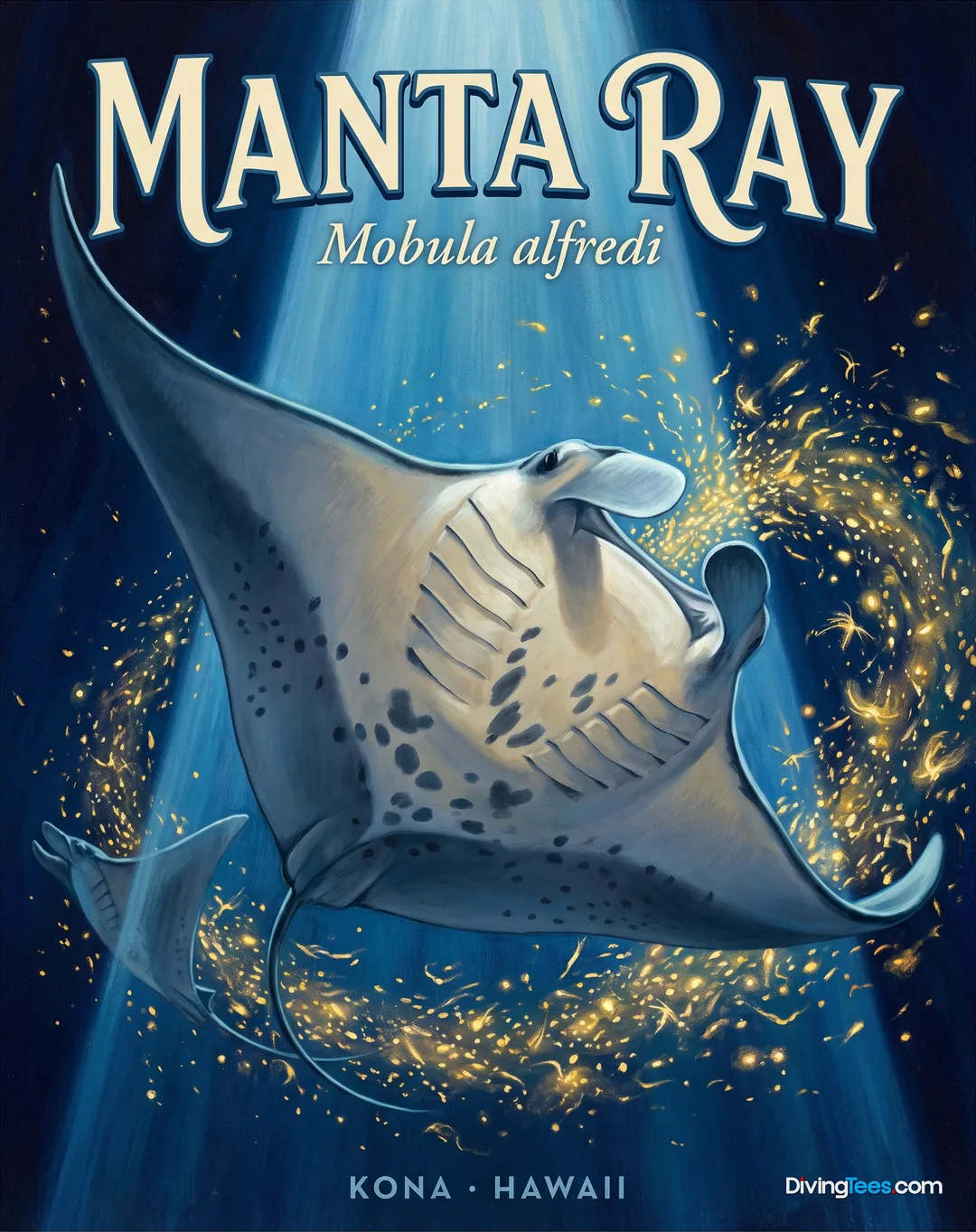
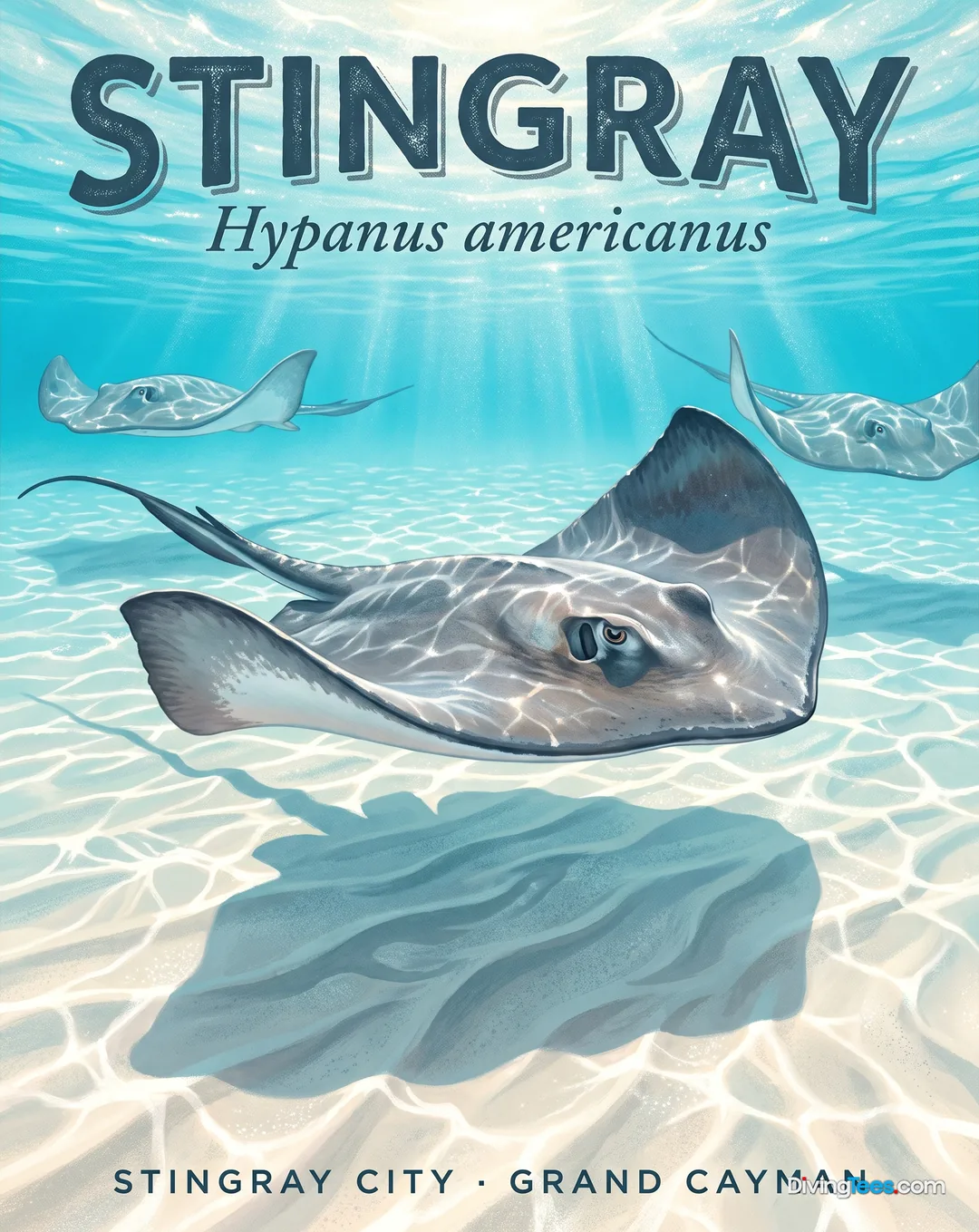
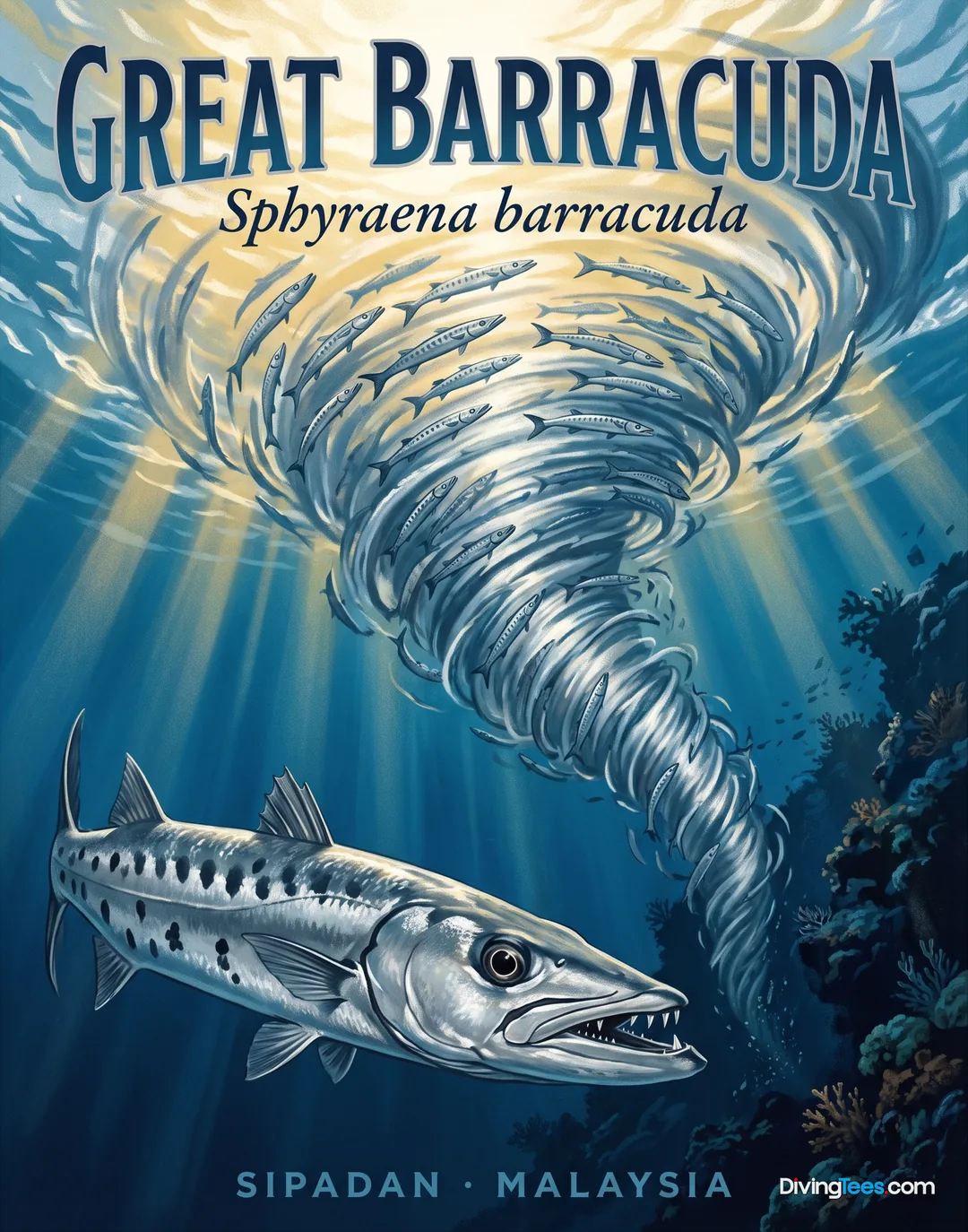
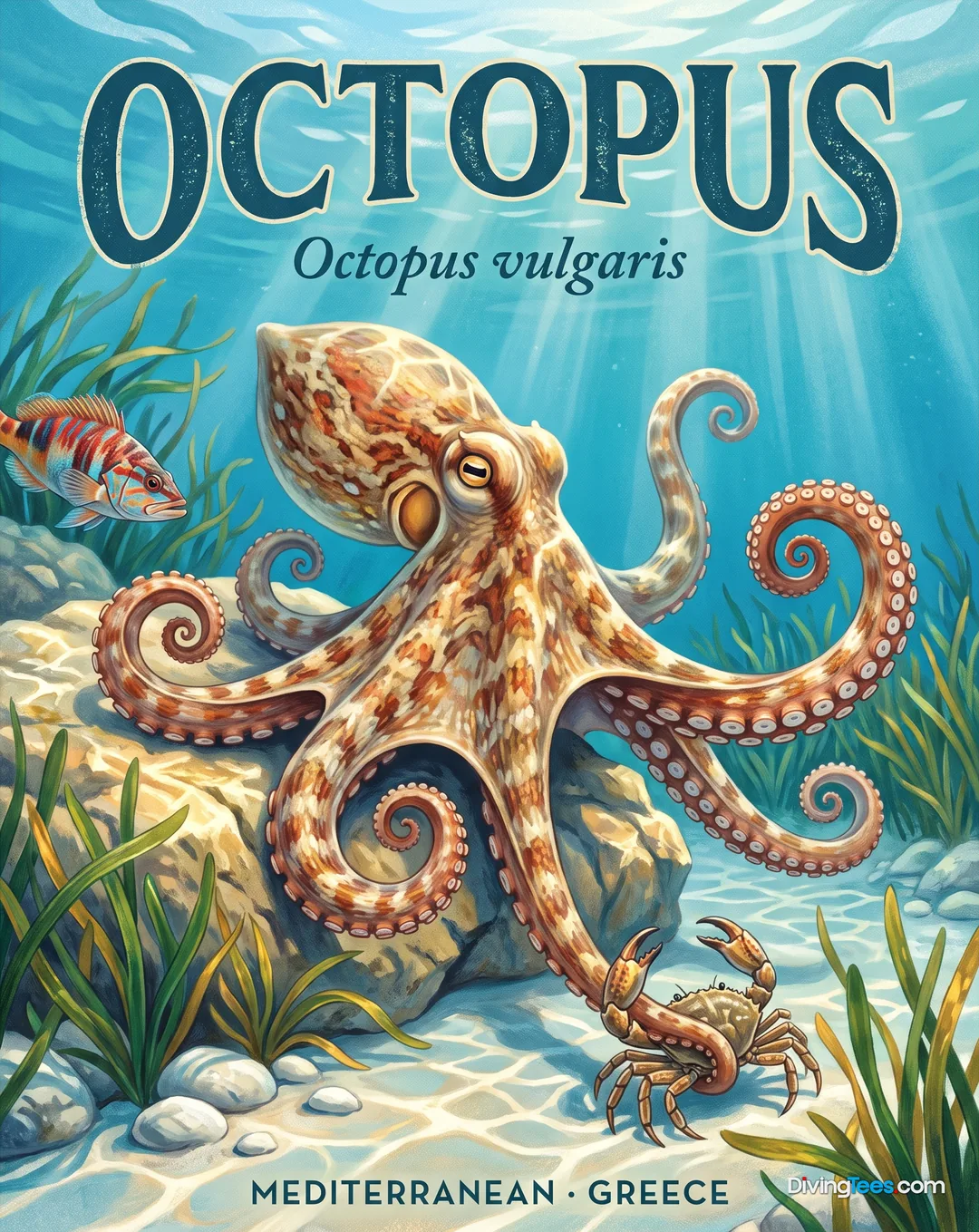
The site also offers opportunities to see species moving past the deeper wall section. Barracudas are regular visitors, often patrolling the drop-off. Less commonly, you might encounter Stingrays or, on rare occasions, a Manta Ray, especially when currents pull in transient marine life. Look into crevices for Trumpetfish and explore under ledges for Octopus.
The interaction between the lava rock and Atlantic currents has created a dynamic environment, offering different sights depending on your focus. The geological features, formed by volcanic activity, create a rugged landscape distinct from coral reefs. This dive requires effective gas and bottom time management, particularly when exploring deeper sections.
The transition from the shallow tunnel to the deeper ocean drop-off involves varied light conditions and potential current changes. Maintain strong situational awareness, especially when navigating the tunnel structure and emerging onto the open wall. The contrast between the confined passage and the expansive deep is a core element of the Blue Hole experience.
This site is accessible to divers certified at Open Water Diver level for the shallower areas. Exploring the full extent of the wall to its maximal depth of 40 metres requires Advanced Open Water certification. Currents are generally mild but can vary, so caution is advised. Visibility usually remains good, enhancing observation of geological features and marine life.
You can dive the shallower areas of Blue Hole with Open Water Diver certification. Exploring the full wall down to 40 metres requires Advanced Open Water certification. The site also calls for precise buoyancy and trim through the lava tunnel, plus effective gas and bottom-time management when you explore deeper sections.
Blue Hole ranges from 16 to 40 metres. The dive begins over sandy flats, enters a natural lava tunnel, and continues toward the open Atlantic. Beyond the tunnel, you reach a vertical reef wall with smaller caves and overhangs, descending to a maximum depth of 40 metres.
Currents at Blue Hole are generally mild but can vary, so you should use caution. The passage from the shallower tunnel to the exposed wall can bring changing current conditions and light levels. Visibility usually remains good, helping you observe the volcanic formations, reef structure, and marine life.
At Blue Hole, you may see Garden Eels near the entrance, Seahorses among sandy detritus, Groupers in darker overhangs, and Barracudas around the drop-off. Look for Atlantic Angelsharks near sand or lava structures, plus Trumpetfish, Octopus, Stingrays, and occasional Manta Rays. The lava tunnel and volcanic wall add geological interest.