

Mojo Dive - Tu centro de buceo en Lanzarote
Google 5/5 (1,728 reviews)
2 km away as the crow flies
Lanzarote · Canary Islands · Atlantic
Max. depth · 30 mFollow the ancient lava flows of Richie's Place into deep canyons and along walls simulating the pipes of a giant organ, encountering orange corals and communities of narwhal shrimp.
For subtitles in English: start the video firstthen click the gearat the top right of the video, select “Subtitles/CC”, then “Auto-translate” and choose “English”.
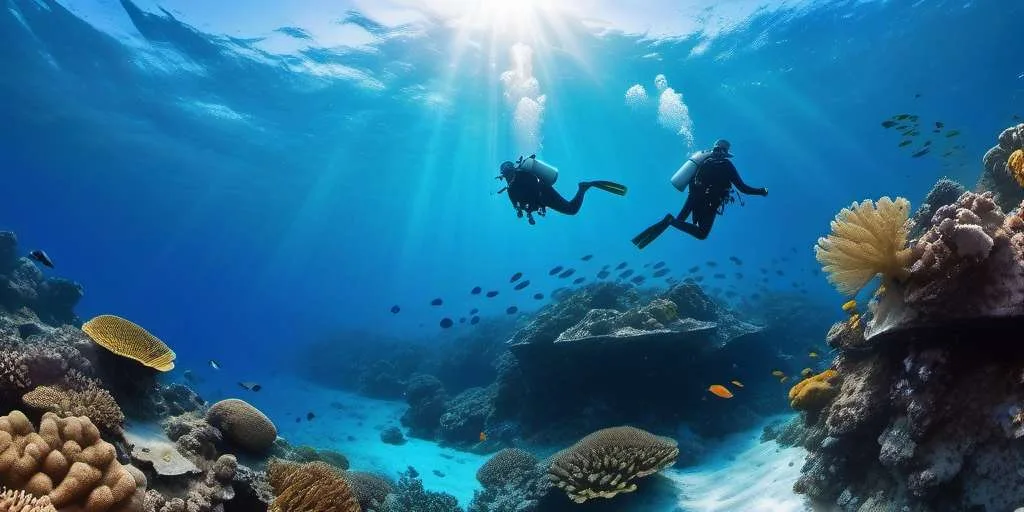
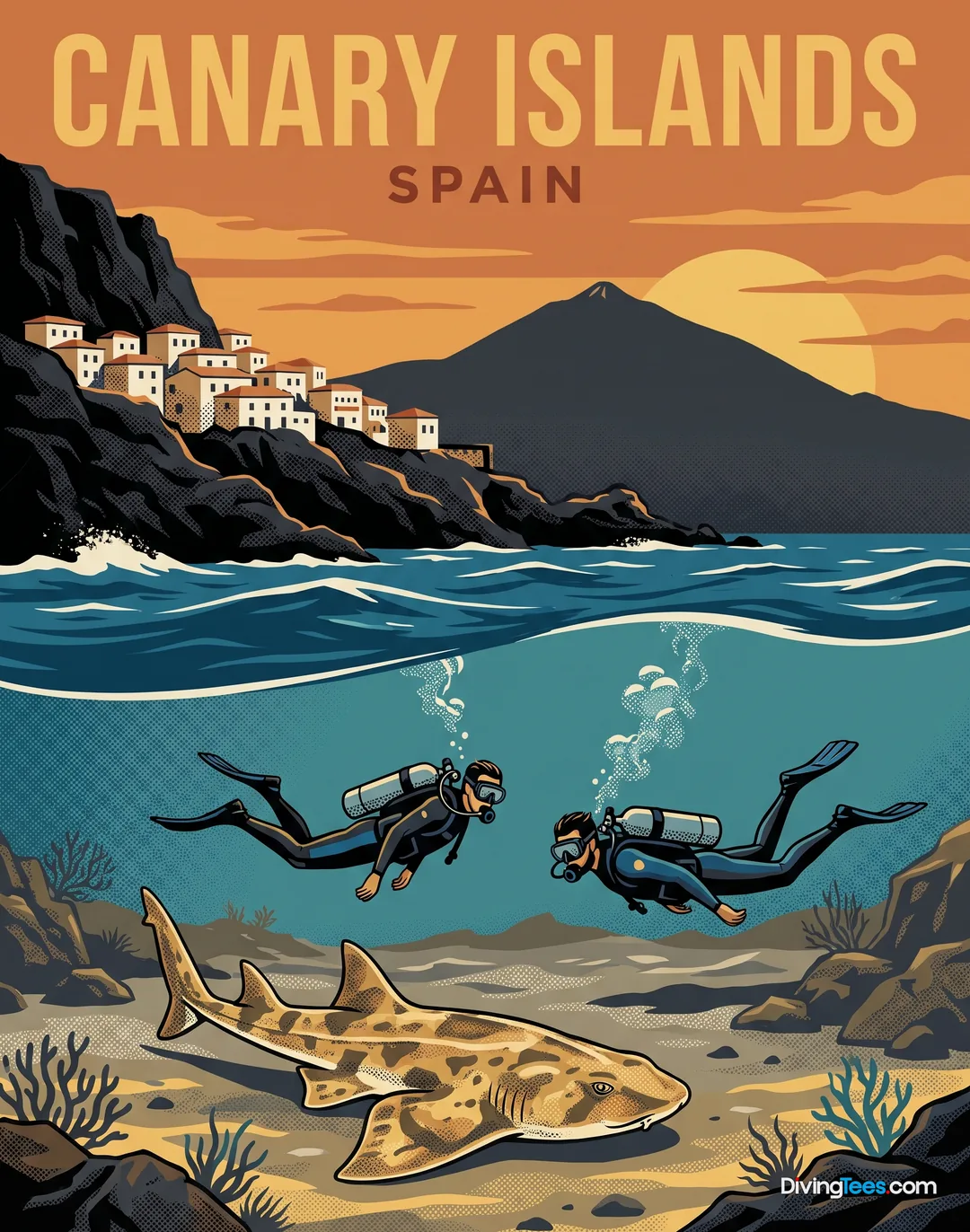
Richie's Place is a dive carved into the volcanic substrata of Playa Grande, accessible solely by boat. From the moment you descend, you’re greeted by a topography shaped by ancient lava flows, creating a truly distinct canvas. The site transitions from expansive sandy slopes to dramatic geological formations, with rock structures that mimic giant mushrooms and sheer walls reminiscent of organ pipes, offering a constant shift in visual perspective as you move through the water column.
The dive profile at Richie's Place guides you through an elaborate network of underwater features. You’ll navigate around sharp rocky formations, explore small caverns, and trace the contours of impressive drop-offs. These natural shelters are not just geological marvels; they provide habitat for the resident marine life. The interplay of light and shadow within these structures truly brings out the unique character of this site.
Central to the experience at Richie's Place are the deep canyons and walls that define its lower sections. These colossal structures plunge towards greater depths, creating a sense of scale. Within the crevices and niches of these formations, you'll discover specific ecosystems. Notably, two distinct orange corals thrive here, adding a burst of colour against the volcanic rock.
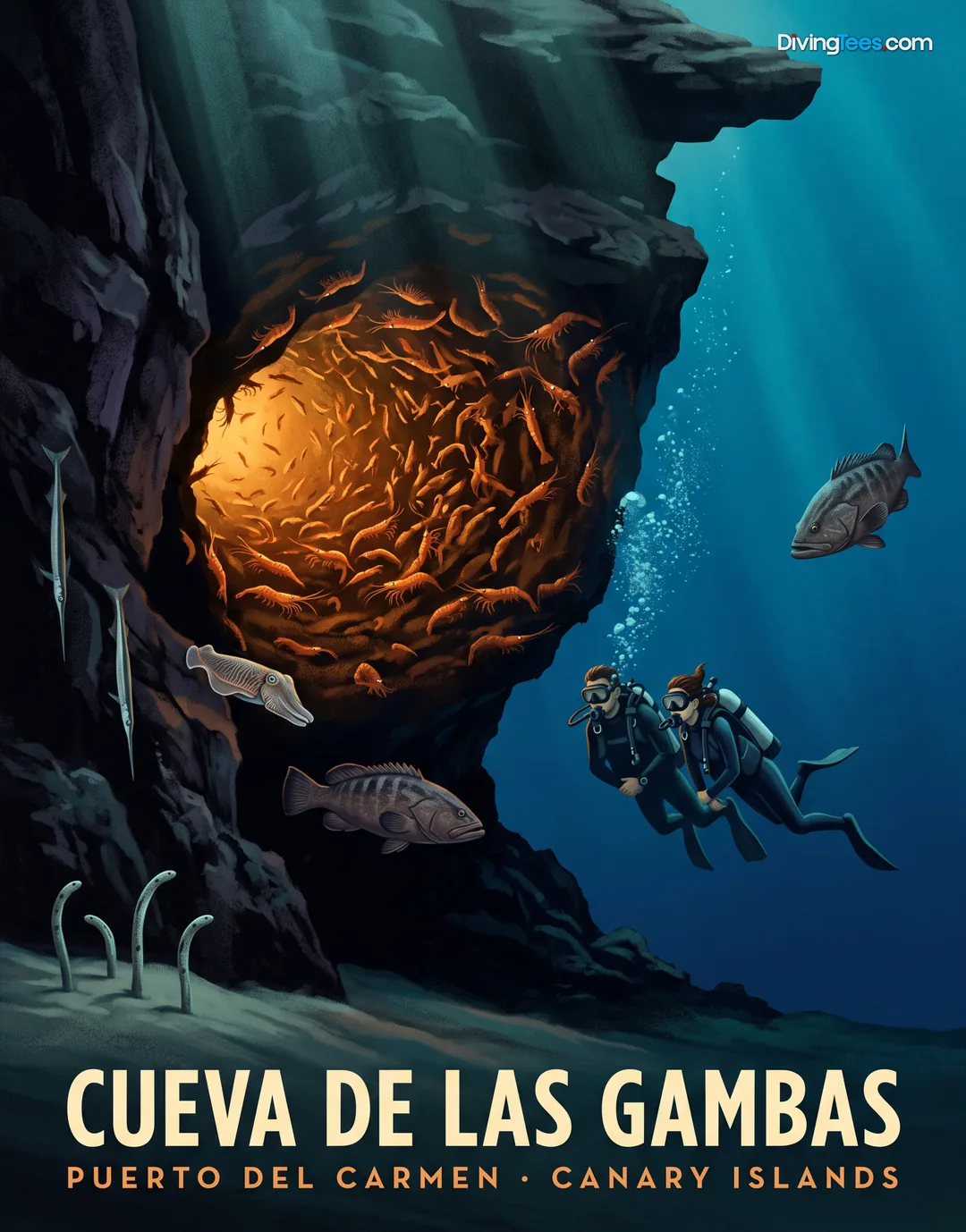
Further within the rocky embrace of Richie's Place, a small grotto serves as a refuge for an abundance of narwhal shrimp (Plesionika narval). Observing these shrimp in their natural environment, clustered within the shelter of the grotto, offers a quiet moment during the dive. This particular micro-habitat highlights the site's rich biodiversity, making it more than just a landscape dive.
While not typically a current-dominated site, the drift potential along the sandy slopes adds another dimension to the dive. This allows for a relaxed and expansive exploration of the main features, letting you cover more ground and absorb the varied topography. The deeper sections, with their intricate rock formations and wall features, remain the primary draws, offering a continuous visual feast for the diver.
Richie's Place is accessible from Open Water Diver level, with a minimum depth of 18 meters and a maximum of 30 meters. The deeper sections, especially those beyond 20 meters, are best suited for Advanced Open Water divers or those with equivalent experience, due to the depth and the nature of the rock formations. While currents are generally mild, the potential for drift alongside the sandy slopes should be factored into your dive plan, particularly when traversing the longer sections for an unhurried exploration.
Richie's Place is accessible to Open Water Diver level. If you plan to reach the deeper sections beyond 20 meters, you should be an Advanced Open Water diver or have equivalent experience, because the depth and the nature of the rock formations make those areas more demanding.
At Richie's Place, the dive ranges from 18 to 30 meters. The site begins at a minimum depth of 18 meters, while the lower sections descend to 30 meters. Areas beyond 20 meters include deep canyons, walls, and intricate volcanic formations, so your experience should match the planned profile.
Currents at Richie's Place are generally mild, but you should include drift potential along the sandy slopes in your plan. This matters particularly when you cross longer sections during an unhurried exploration. The possibility of drifting adds another element to navigation, even though the site is not typically current-dominated.
At Richie's Place, you can explore volcanic formations shaped like giant mushrooms and organ pipes, deep canyons, vertical drop-offs, sharp rocks, caverns, and small grottoes. The grotto shelters communities of narwhal shrimp, while distinct orange corals add colour among the volcanic rock and its crevices.