
Deep Divers Center
Google 5/5 (405 reviews)
2.5 km away as the crow flies
Tenerife · Canary Islands · Atlantic
Max. depth · 20 mDescend along Tenerife's volcanic basalt columns at El Faro, where archways teem with life and open water promises surprising encounters.
For subtitles in English: start the video firstthen click the gearat the top right of the video, select “Subtitles/CC”, then “Auto-translate” and choose “English”.
El Faro is positioned directly in front of the Punta Rasca lighthouse in Tenerife, with access from the shore near the Fuencaliente salt pans to a rocky bay. The initial entry is straightforward, leading you into a sheltered area. As you progress, the volcanic landscape becomes apparent, characterized by dramatic basalt columns forming walls and arches that define much of the site's topography. This unique geological structure sets the stage for the marine life found here, utilizing every crevice and overhang.
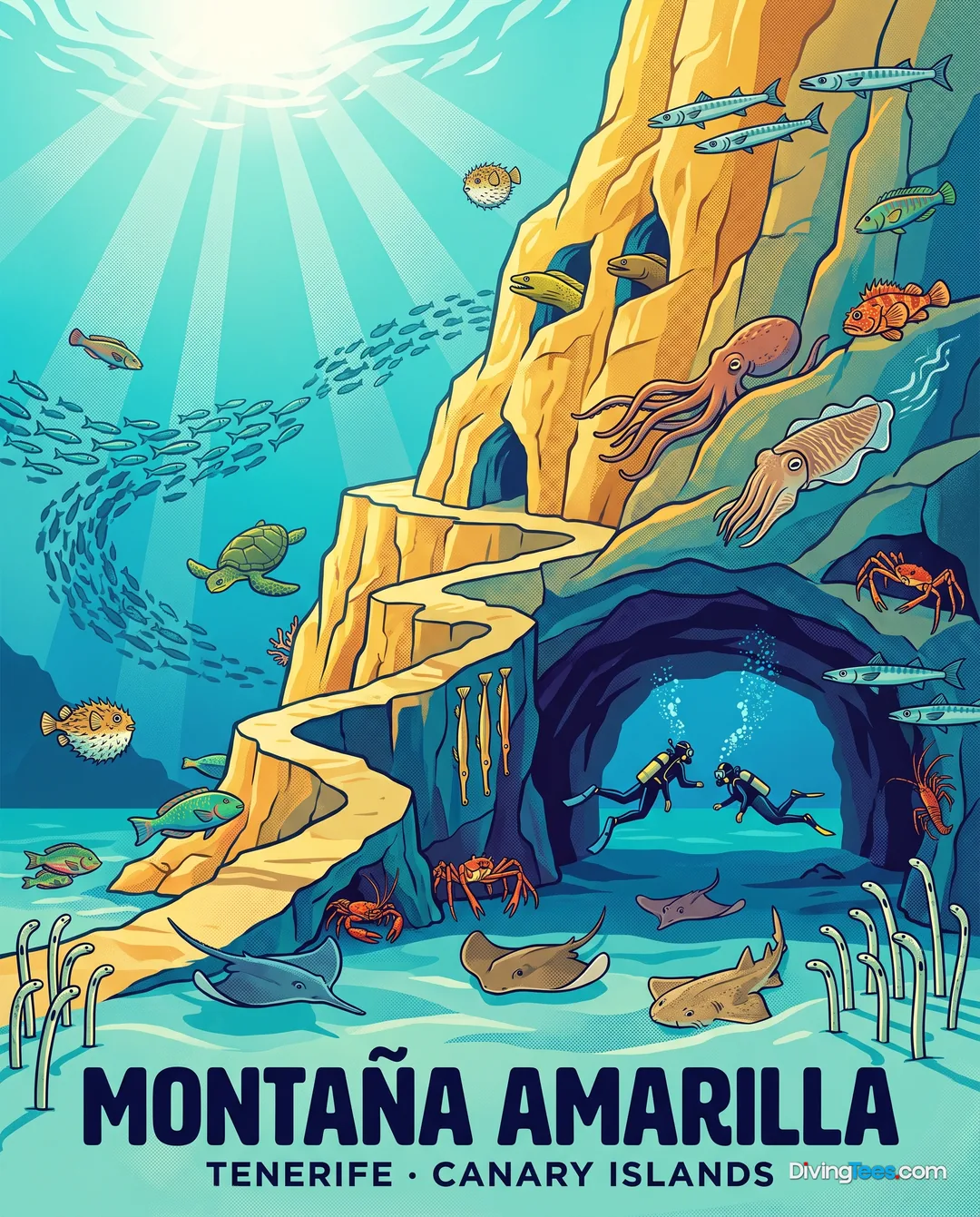
The dive typically begins with an anchor on a platform situated at 6 metres, allowing a gradual descent. From this platform, a prominent wall drops to a maximum depth of 20 metres. Along this wall, you'll find natural archways and tubular rock formations, creating a complex environment. These features are not just visually striking; they are critical habitats, often filled with smaller schooling fish like Catalufas (Heteropriacanthus cruentatus) and Sargos (Diplodus sargus), alongside larger Roncadores (Pomadasys incisus) and barracudas.
Exploring the wall further reveals numerous hiding spots for resident species. Keep an eye out for Moray eels (Muraena helena) and Morions (Gymnomuraena zebra) tucked into the basalt formations. Anemones also dot the rock faces, and if you look closely, you might spot Canary slipper lobsters (Scyllarides latus) and various crabs (Brachyura) and cleaner shrimps (Stenopus hispidus) among the crevices, demonstrating the site's rich macrofauna.
Beyond the immediate wall, the site transitions to a sandy seafloor, particularly in the deeper sections. This environment hosts distinct species adapted to the open sand. You can often find Chuchos (Taeniura grabata), a type of ray, and Obispos resting on the bottom. These sand-dwelling species offer a contrast to the wall's inhabitants and add another layer to the site's biodiversity, allowing for different exploratory paths during a single dive.
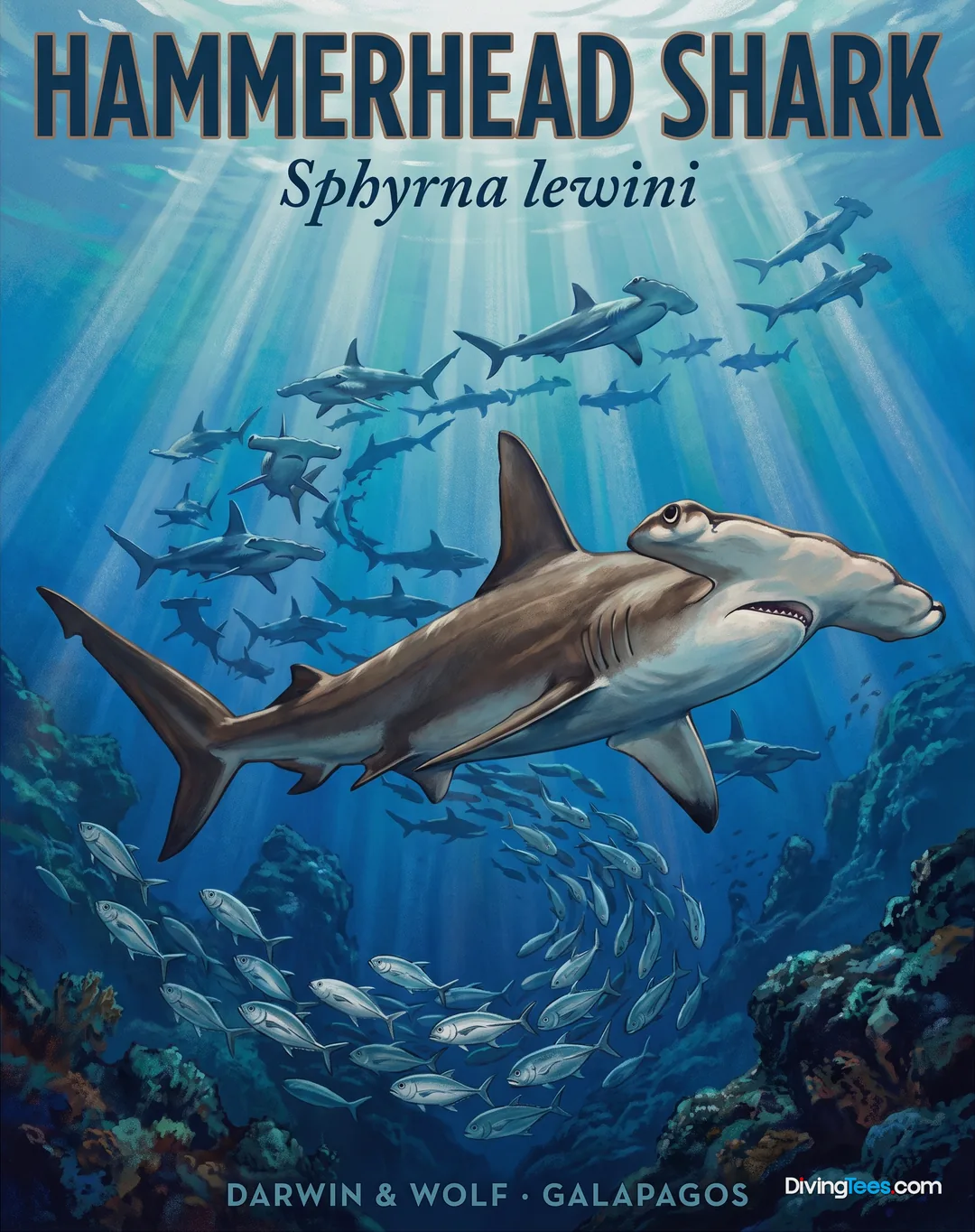
While much of the activity is focused on the wall and sandy bottom, El Faro, particularly in its southern area near the island's southern tip, can experience pelagic encounters. The winter months are noted for potential sightings of hammerhead sharks (Sphyrna lewini). These encounters typically occur in deeper, more exposed sections away from the main wall, requiring an awareness of the surrounding blue water and a readiness to look beyond the immediate reef.
Currents at El Faro are generally moderate, but they can occasionally strengthen, especially in the more exposed areas towards the southern tip. This variability means divers should be prepared for potential changes in water movement, particularly if venturing away from the sheltered bay. Maintaining good buoyancy control and situational awareness is key to navigating these conditions and fully appreciating the site's diverse offerings.
El Faro is accessible for intermediate divers, though beginners can enjoy the shallower, more sheltered bay areas. The maximum operational depth is 20 metres. Currents are typically moderate but can occasionally be strong, particularly in exposed sections. Visibility is generally good, supporting exploration of both the volcanic structures and the sandy bottom.
El Faro can be a winter choice if you want potential hammerhead shark sightings in the deeper, exposed sections. Visibility is generally good, supporting exploration of the volcanic structures and sandy bottom. The site also includes sheltered bay areas for a gradual start.
El Faro is accessible to intermediate divers, while beginners can enjoy the shallower, more sheltered bay areas. The straightforward shore entry leads into a protected section, and the dive begins from a platform at six metres, allowing you to descend gradually before exploring the wall.
El Faro ranges from six to twenty metres. The dive typically begins at an anchor on a platform at six metres, followed by a wall that descends to the maximum operational depth of twenty metres. Deeper sections transition toward a sandy seafloor with Chuchos and Obispos.
Currents at El Faro are generally moderate but can occasionally become strong, especially in exposed southern areas. You can explore basalt walls and arches with schooling Catalufas and Sargos, moray eels, Morions and Canary slipper lobsters, then look over the sandy bottom for Chuchos and Obispos.