
Scubafriends
Google 5/5 (580 reviews)
1.1 km away as the crow flies
Tenerife · Canary Islands · Atlantic
Max. depth · 22 mTwo intentionally sunk vessels sit close together on a sandy floor at 20 metres.
For subtitles in English: start the video firstthen click the gearat the top right of the video, select “Subtitles/CC”, then “Auto-translate” and choose “English”.
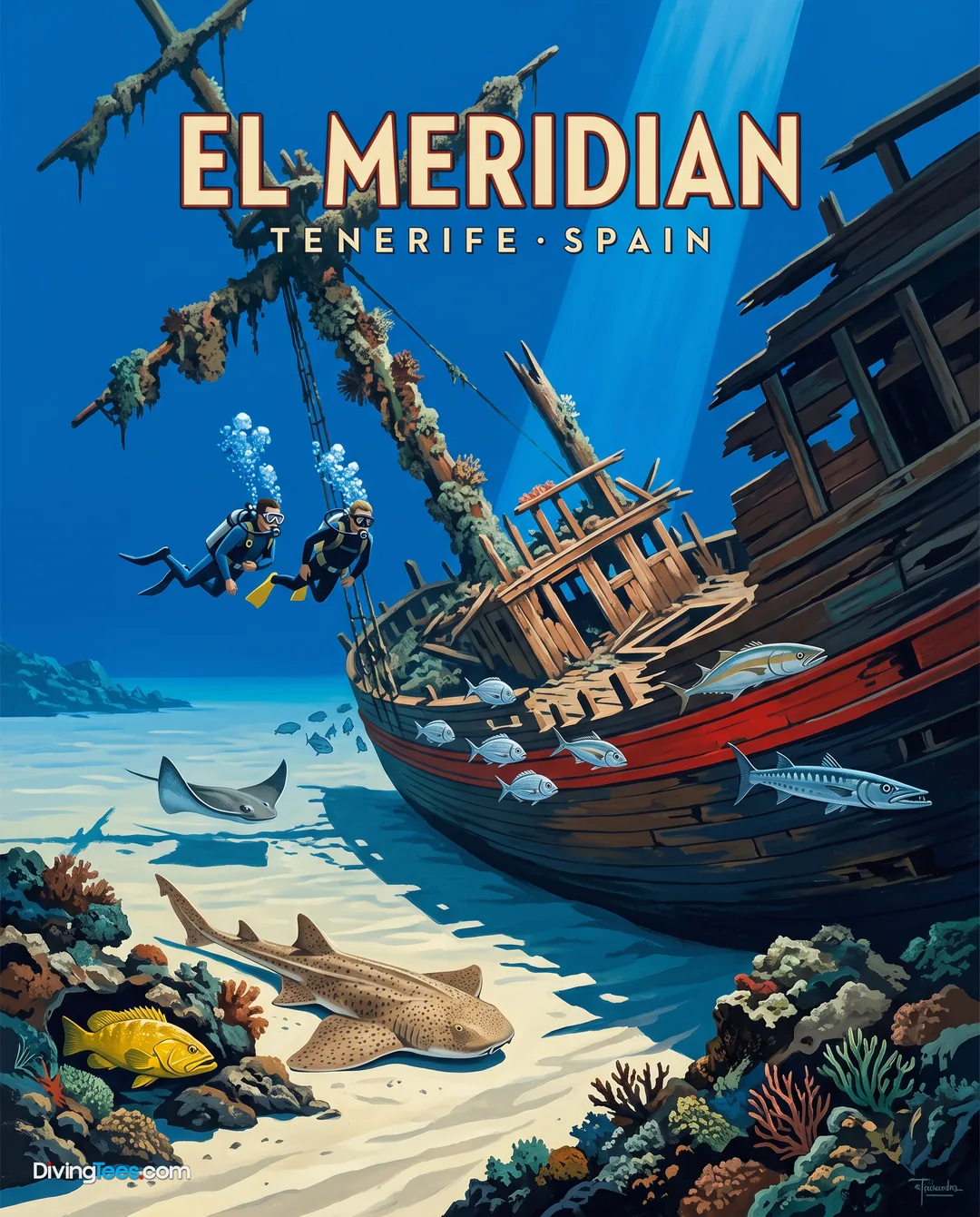
The Twin Wrecks consist of two small boats positioned only a few metres apart on a relatively flat, sandy seabed. Unlike larger shipwrecks that rise high into the water column, these hulls sit low to the bottom, creating a specific type of landscape where the vessels are the primary points of interest. The topography around the wrecks provides very little natural relief, meaning the hulls themselves serve as the main structural habitat for local marine life. One of the two wrecks has experienced more significant collapse over time, while the other remains in relatively better condition for exploration.
Approaching the site by boat from the Puerto Colón or Costa Adeje area, you will find a location that is notably sheltered. The descent is straightforward, as the wrecks lie at a consistent depth between 18 and 22 metres. Because the seabed is primarily sand, your buoyancy control is essential to avoid silting up the area around the hulls, especially when navigating close to the structures. The layout allows for easy navigation between the two vessels, offering a repetitive but engaging dive profile that focuses on the details of the wreckage.
The site functions as a concentrated hub for macro life, as the presence of the hulls provides shelter and surfaces for various invertebrates. You will often find crabs and lobsters tucked into the crevices of the more collapsed wreck, taking advantage of the small overhangs. Shrimps are also common throughout the site, often found hovering near the structures or moving across the sandy patches between the boats. For those with an eye for smaller details, the proximity of the wrecks makes it a productive spot for close-up photography.
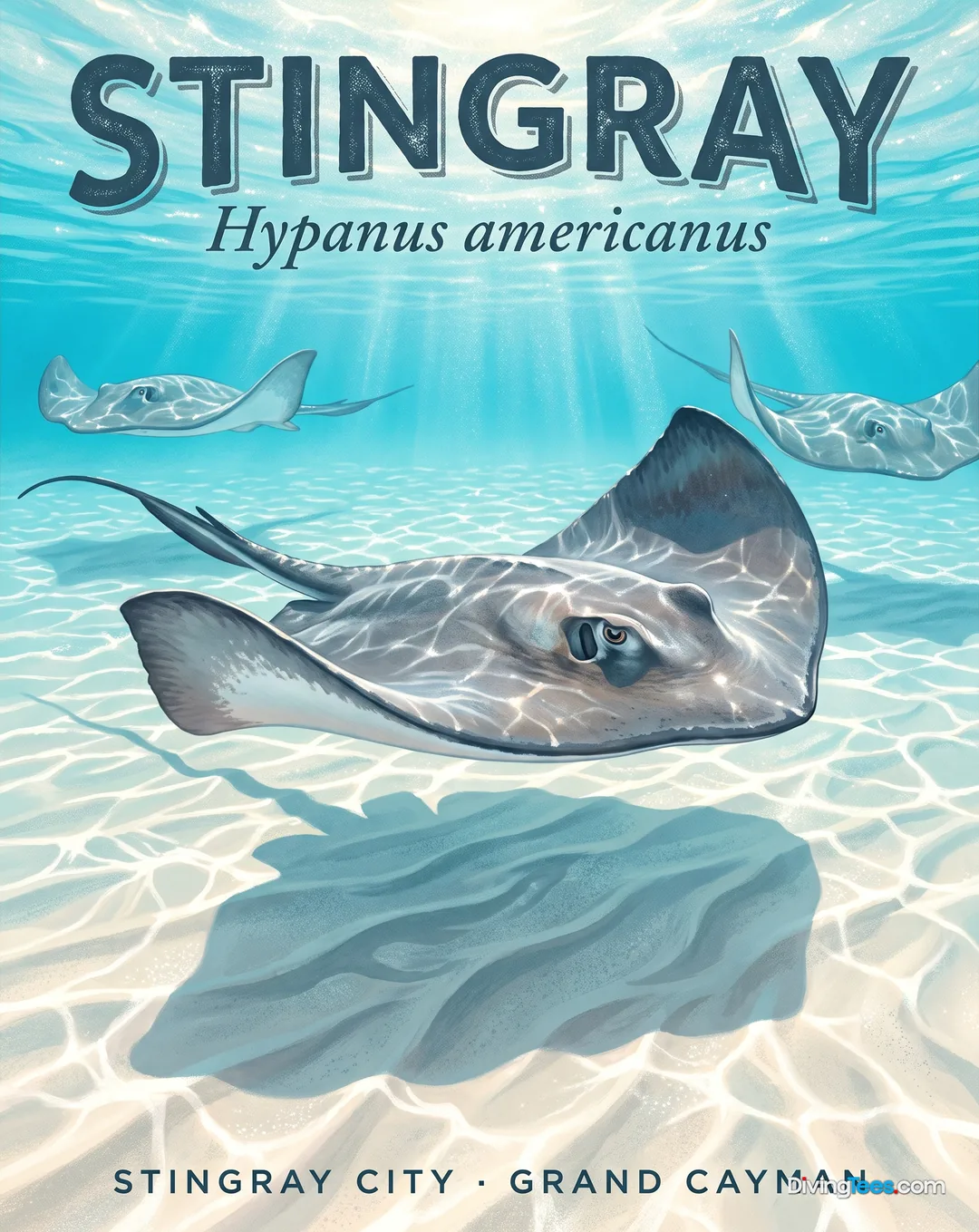
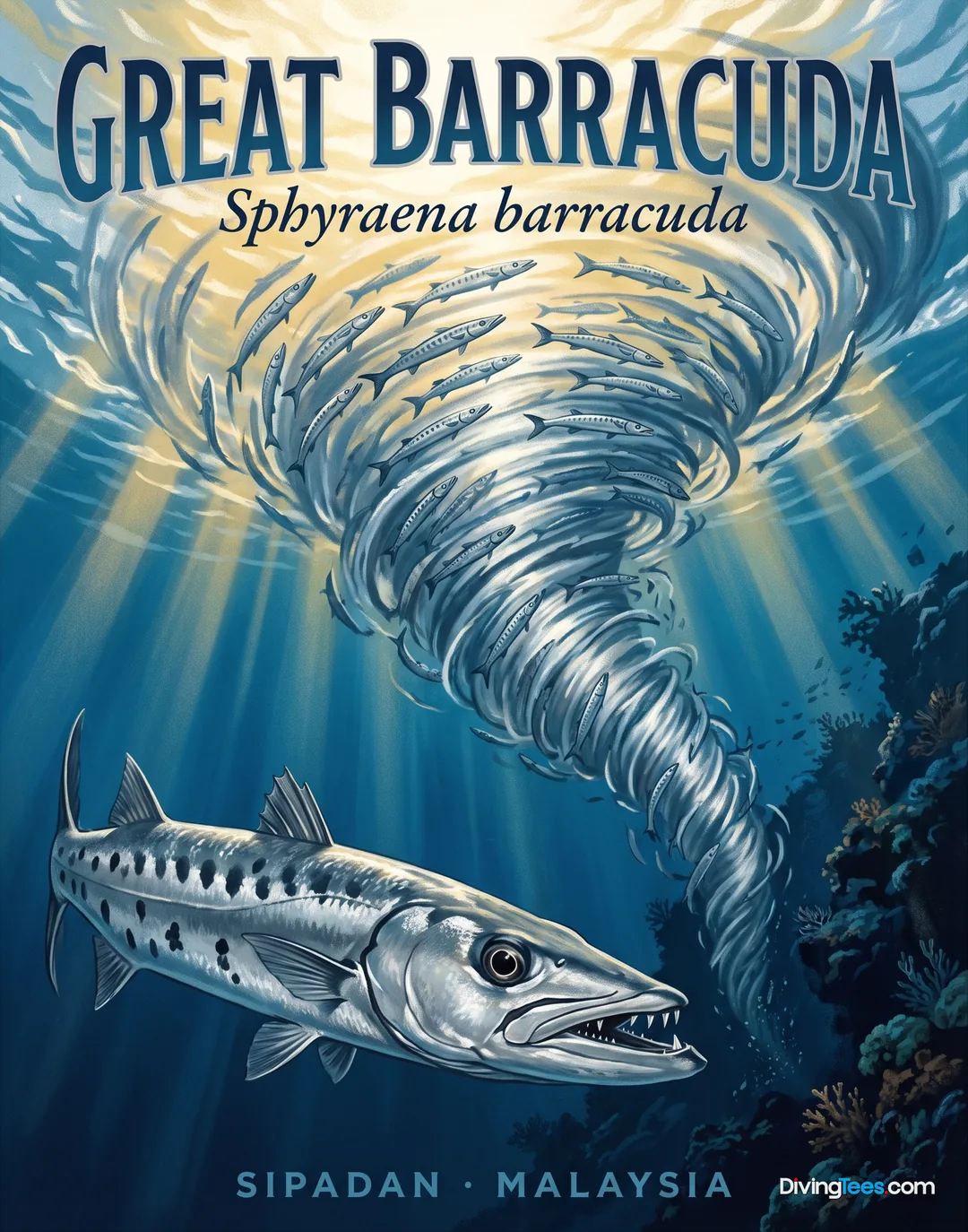
Beyond the small creatures living within the hulls, larger residents are frequently encountered in the surrounding water. Stingrays are known to patrol the sandy bottom, often partially buried or gliding quietly near the edges of the wrecks. You may also see barracuda and amberjack cruising the perimeter of the site, taking advantage of the structure to hunt. These larger fish add a sense of movement to the dive, patrolling the open water just above the sandy floor.
The environment at Twin Wrecks is characterized by its calm and predictable nature. The site is situated in a way that provides protection from heavy swell, which contributes to the consistently high visibility reported by divers. This makes it an excellent location for those looking to practice precise buoyancy or for photographers who need a stable platform to capture the fine details of the marine life. The lack of significant current ensures that you can spend your bottom time exploring the hulls without fighting against the movement of the water.
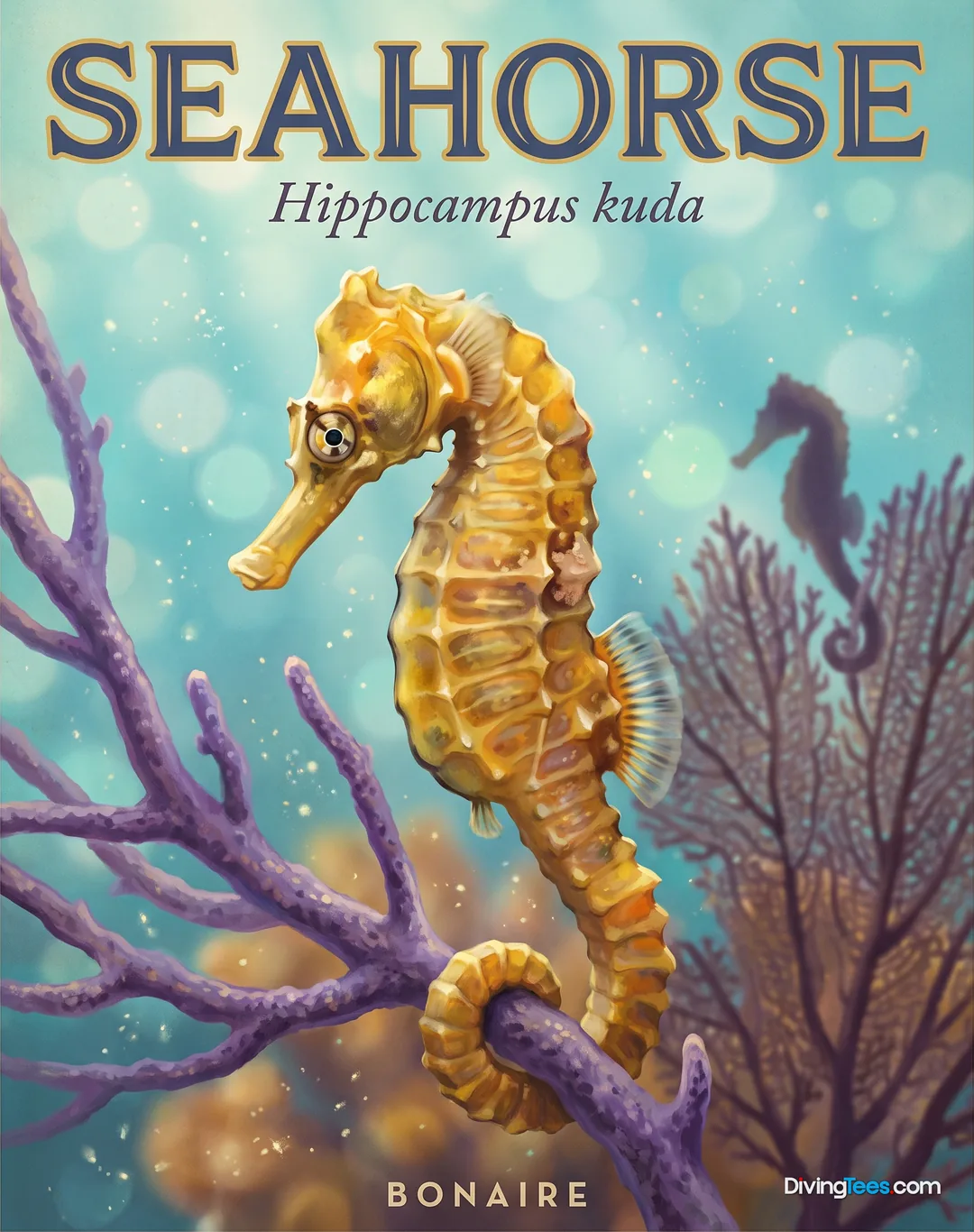
While the site is easy to dive, the density of life around the hulls requires a methodical approach. Moving too quickly or creating large bubbles near the wrecks can easily spook the more sensitive residents like seahorses. Taking the time to hover steadily allows you to observe how the fauna interacts with the man-made environment. The combination of the twin hulls and the sandy expanse creates a unique micro-habitat that differs significantly from the deeper, more vertical profiles found elsewhere in Tenerife.
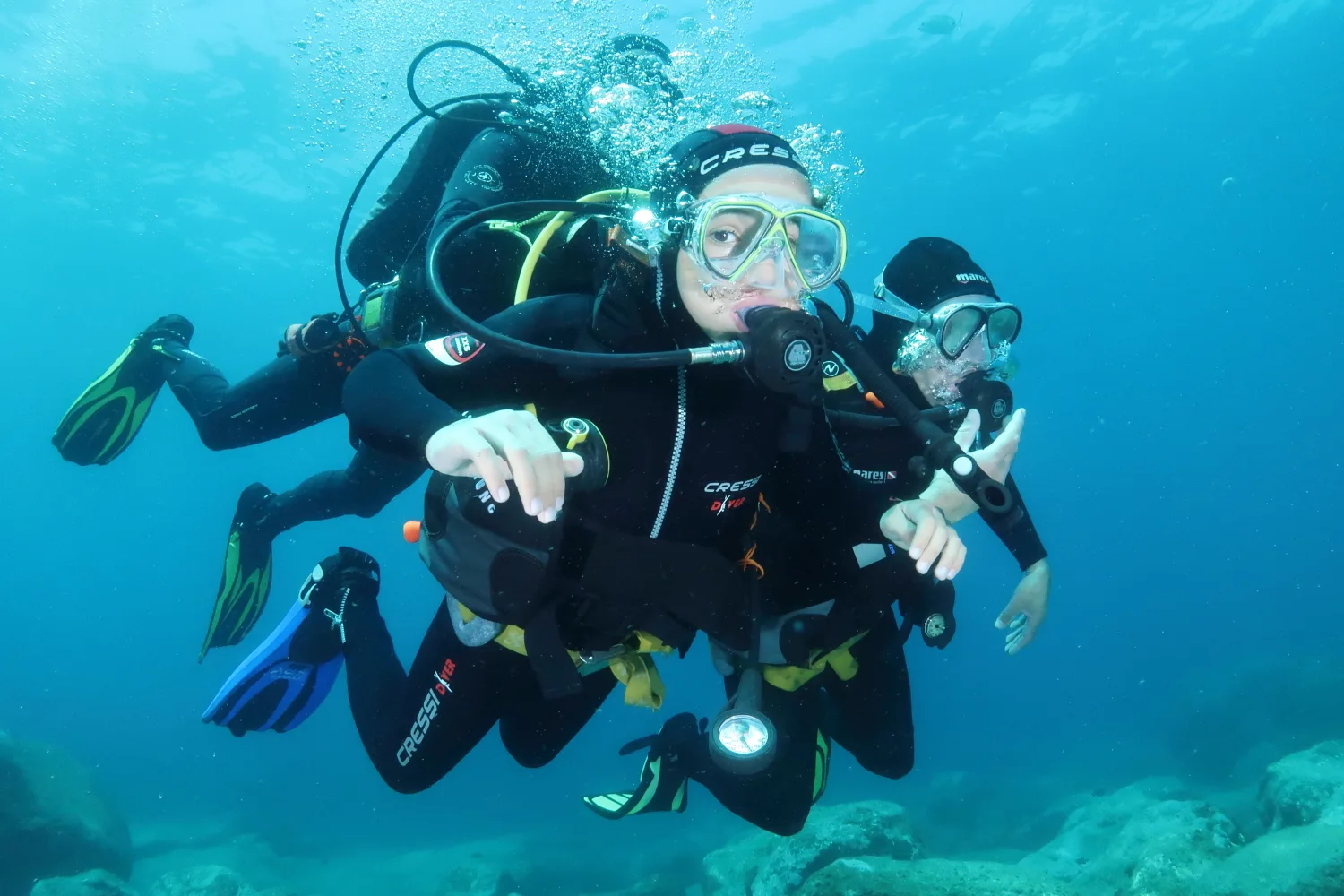
The dive depth ranges from 18 to 22 metres. The site is accessible from an Open Water Diver level and is characterized by calm water with no significant current. Visibility is typically between 15 and 25 metres, and the site can be dived year-round.
You can dive Twin Wrecks year-round. The sheltered setting helps keep conditions calm and predictable, while protection from heavy swell contributes to consistently good visibility. A short boat ride from Puerto Colón or the Costa Adeje area brings you to the two wrecks on their sandy seabed.
Twin Wrecks is accessible from Open Water Diver level, with a consistent depth between eighteen and twenty-two metres. The straightforward descent and closely positioned hulls make navigation between the wrecks simple, although careful buoyancy control is important over the sandy seabed to avoid disturbing the area.
Twin Wrecks has calm water with no significant current, so you can explore the hulls without fighting water movement. Visibility is typically between fifteen and twenty-five metres. The sheltered location and protection from heavy swell also provide a stable setting for close observation and photography.
At Twin Wrecks, you can explore two small boats lying a few metres apart on sand, with one more collapsed than the other. Crabs, lobsters, shrimps and seahorses inhabit the hulls, while stingrays patrol the bottom and barracuda and amberjack cruise nearby.