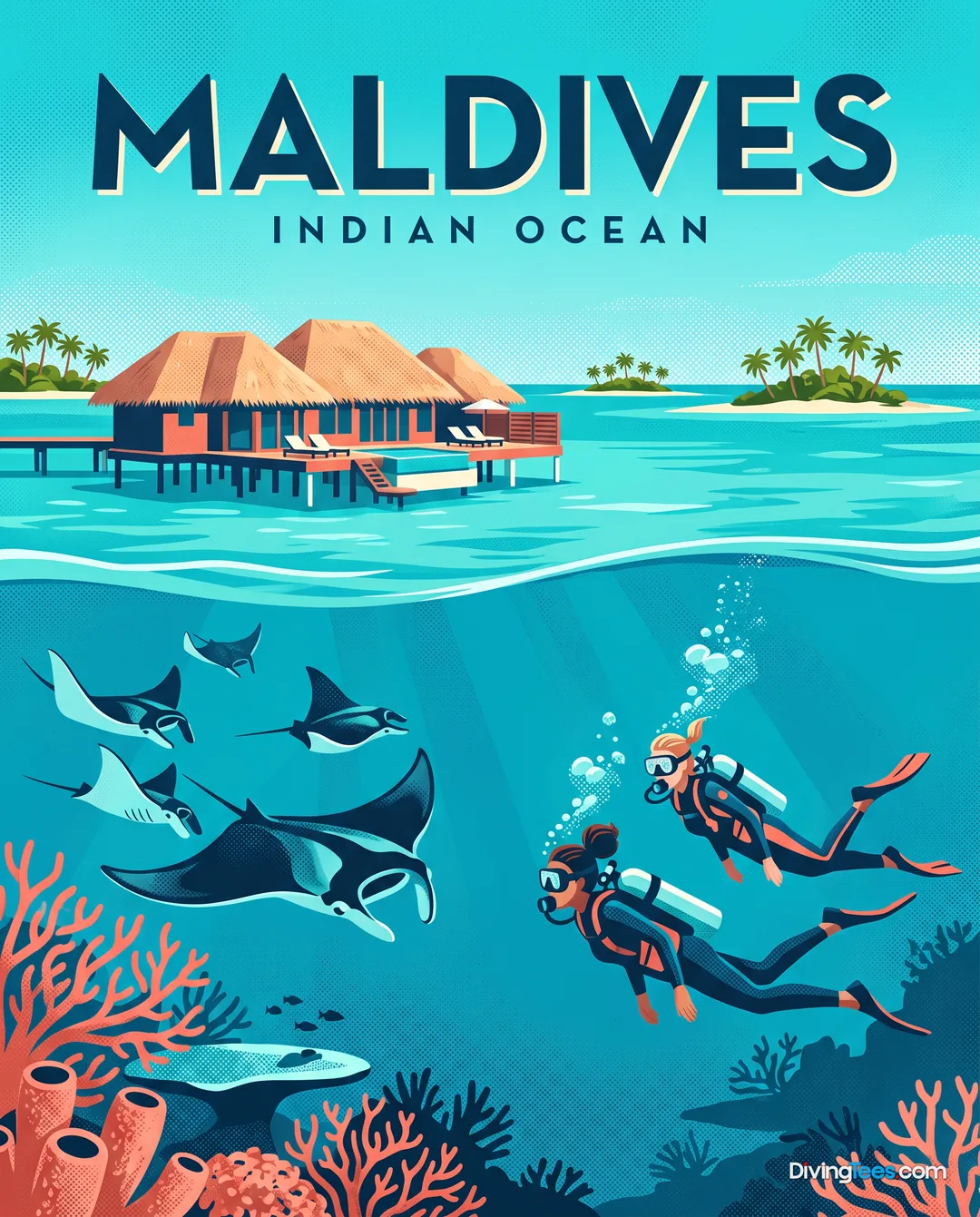
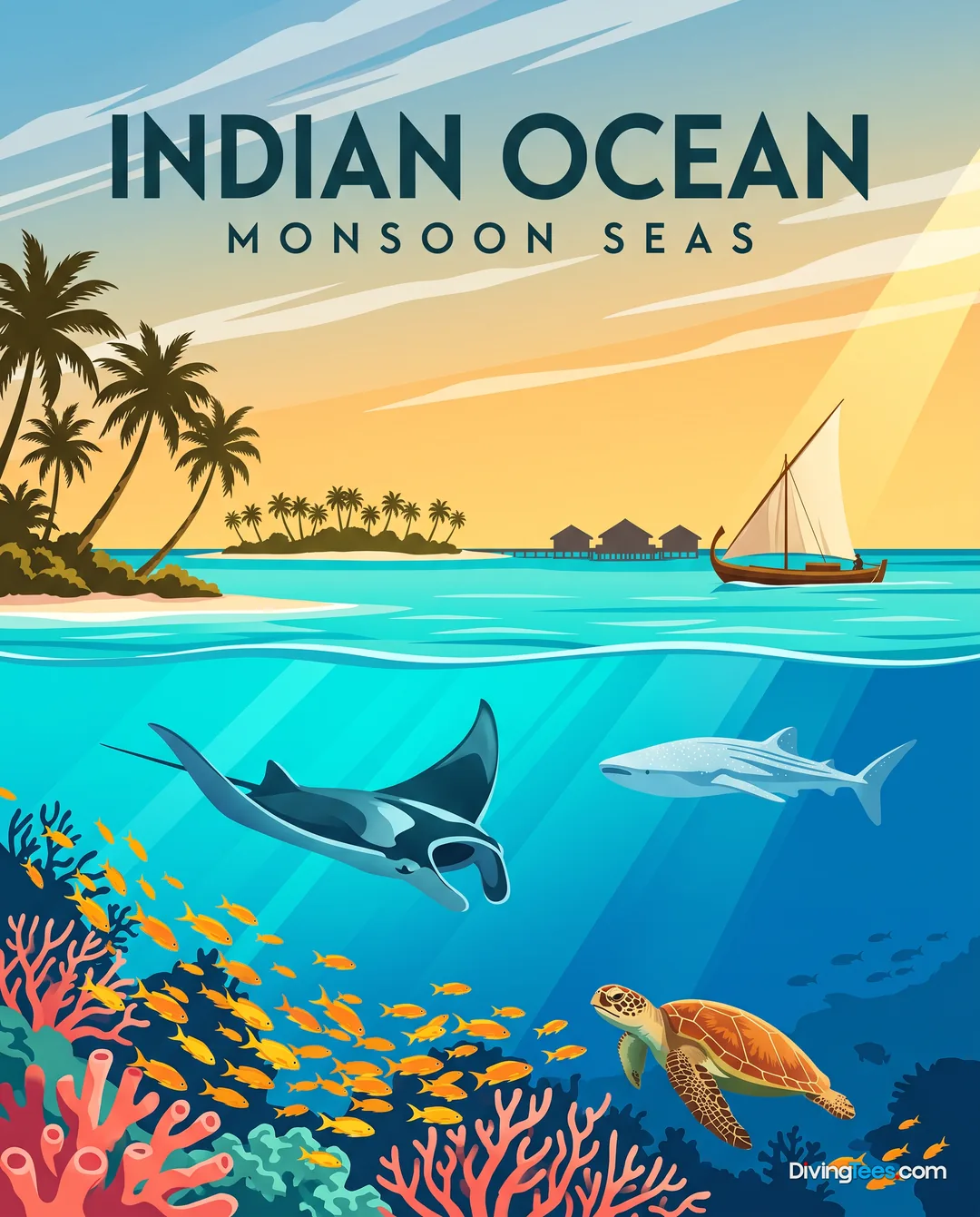
Liveaboards · Maldives
White Pearl — a modern Maldives liveaboard built around big-animal diving
What makes this boat unique
- Built in 2020, White Pearl carries up to 26 guests in 13 cabins, with panoramic-window cabins on the upper deck.
- Free nitrox, night dives, a shaded dive area, DIN adapters, camera rinsing and sidemount support keep the boat firmly dive-led.
- The route reaches manta cleaning stations, shark channels, whale-shark grounds and current-swept pinnacles across the central atolls.
- Between dives, there is a seven-metre whirlpool, free kayaks and SUP boards, an indoor space-themed spa, and a jet ski available as an extra.
For subtitles in English: start the video firstthen click the gearat the top right of the video, select “Subtitles/CC”, then “Auto-translate” and choose “English”.
The invitation
White Pearl suits divers who want the central Maldives without giving up space between dives. The reason to choose it is the combination: a purpose-built diving layout, free nitrox and night dives on one side, then a large whirlpool, shaded outdoor areas and an indoor space-themed spa on the other. The itineraries reach the sites that make the Maldives worth the journey—manta cleaning stations, shark channels, whale-shark water and current-fed thilas—while the boat gives non-divers and snorkellers enough to do between drops. It is a good match for a group that wants serious pelagic diving but does not want to spend the week living in a narrow, purely functional vessel.
Boarding
White Pearl makes a broad first impression at the dock: a long, modern vessel with enough room for the diving operation and the people waiting between dives. Built in 2020, it still reads as a contemporary liveaboard rather than a converted workboat. Once aboard, the layout separates the practical parts of the trip from the social ones: the dive area and tenders handle the wet work, while the dining room, lounges, bar and upper outdoor spaces give everyone somewhere to go after gear is off. The boat is reported to feel spacious and stable when the sea turns rough. That matters in the Maldives, where a comfortable platform changes the difference between resting properly and merely waiting for the next briefing.
The atmosphere on board
The crew's role is most visible in the small transitions: fresh fruit and towels after dives, dive gear washed daily, and a deeper clean before packing. That removes several chores that otherwise accumulate over a week. Crew members speak English, Dutch and German, and the atmosphere described aboard is welcoming without losing the focus on safe diving. The boat's size gives a group room to separate after a dive, but the shared tenders, briefings, meals and bar still bring people together quickly. Evenings can stay simple—food, a drink, a short briefing for the next day—or move outdoors while the boat lies quiet. The result is more organised than intimate: White Pearl is for divers who like a capable hospitality operation around them, not for those seeking the informality of a small dhow.
The sites you’ll dive
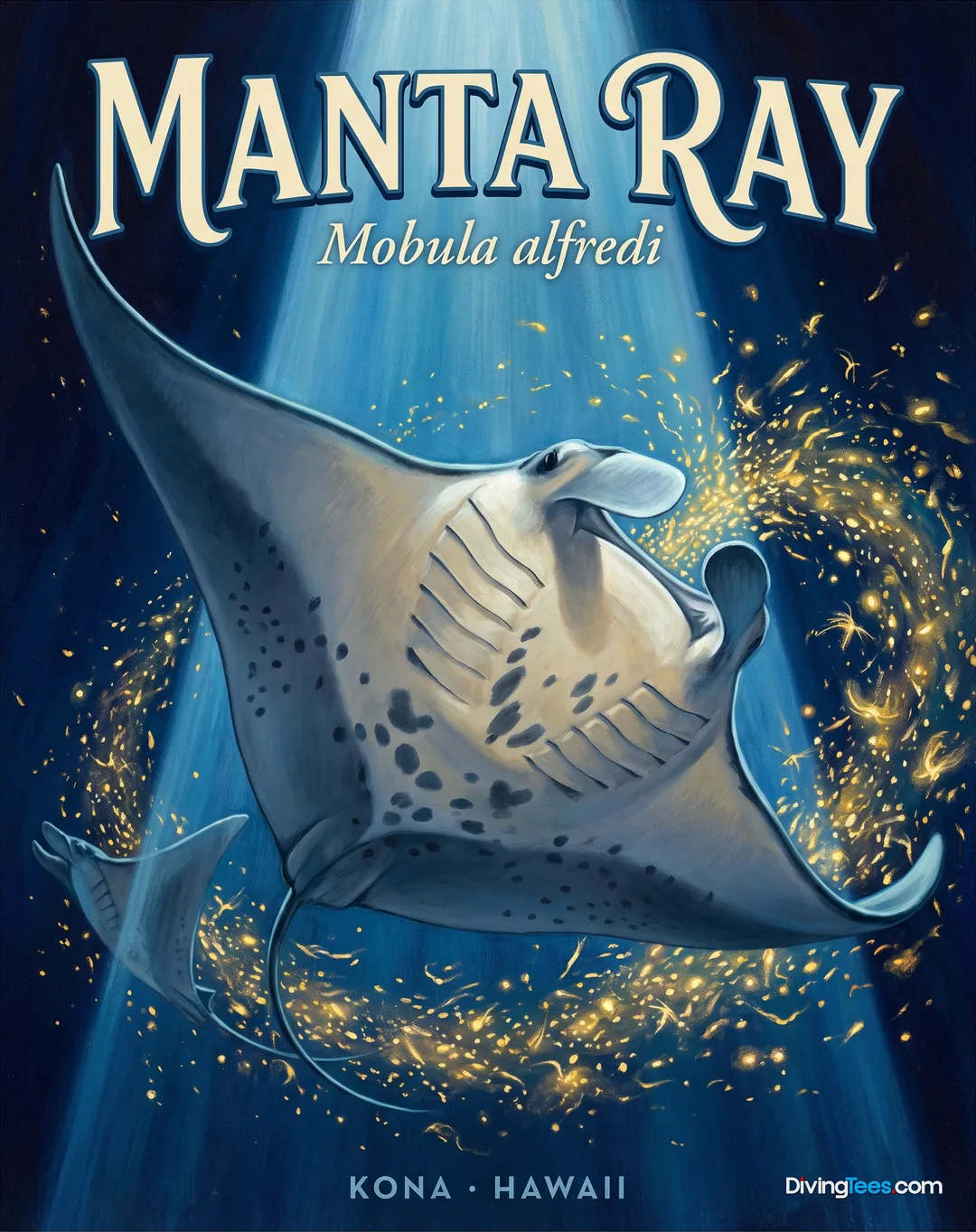
The route is built around currents and pelagics. Best of Central Atolls trips run from Malé to Malé for 7 days/6 nights or 8 days/7 nights; Hanifaru Bay Manta Encounter trips run for 8 days/7 nights, with one recorded route from Dharavandhoo to Malé. Hanifaru Bay in Baa Atoll is the headline manta encounter: hundreds of reef manta rays can gather in cyclone feeding formations inside the protected bay, with whale sharks also recorded. At Barracuda Giri, three submerged pinnacles drop to a maximum of -30m, where current concentrates schooling barracuda and other pelagics. Mushimasmigili Marine Reserve reaches a maximum of -30m at its up-current pinnacle, a place for grey reef sharks. Dhonkalo is a manta cleaning station in a sandy channel, while Maamigili and Maamigili Beiyru reach -30m and sit inside South Ari's whale-shark territory. Kudarah Thila Marine Reserve, also to -30m, adds clefts, overhangs, caves and schools of batfish. Myaru Kandu—the Shark Channel—reaches -30m and brings grey and whitetip sharks into a dynamic drift. Foththeyo Kandu is the deeper option, to -40m, with caves covered in yellow soft corals and open-ocean pelagics. Dhigalhi Haa, Dhonfanu and Dhigu Thila each reach -30m, adding coral growth, manta cleaning stations, a swim-through and strong-current encounters. Currents, tides, weather and traffic can change the final selection.
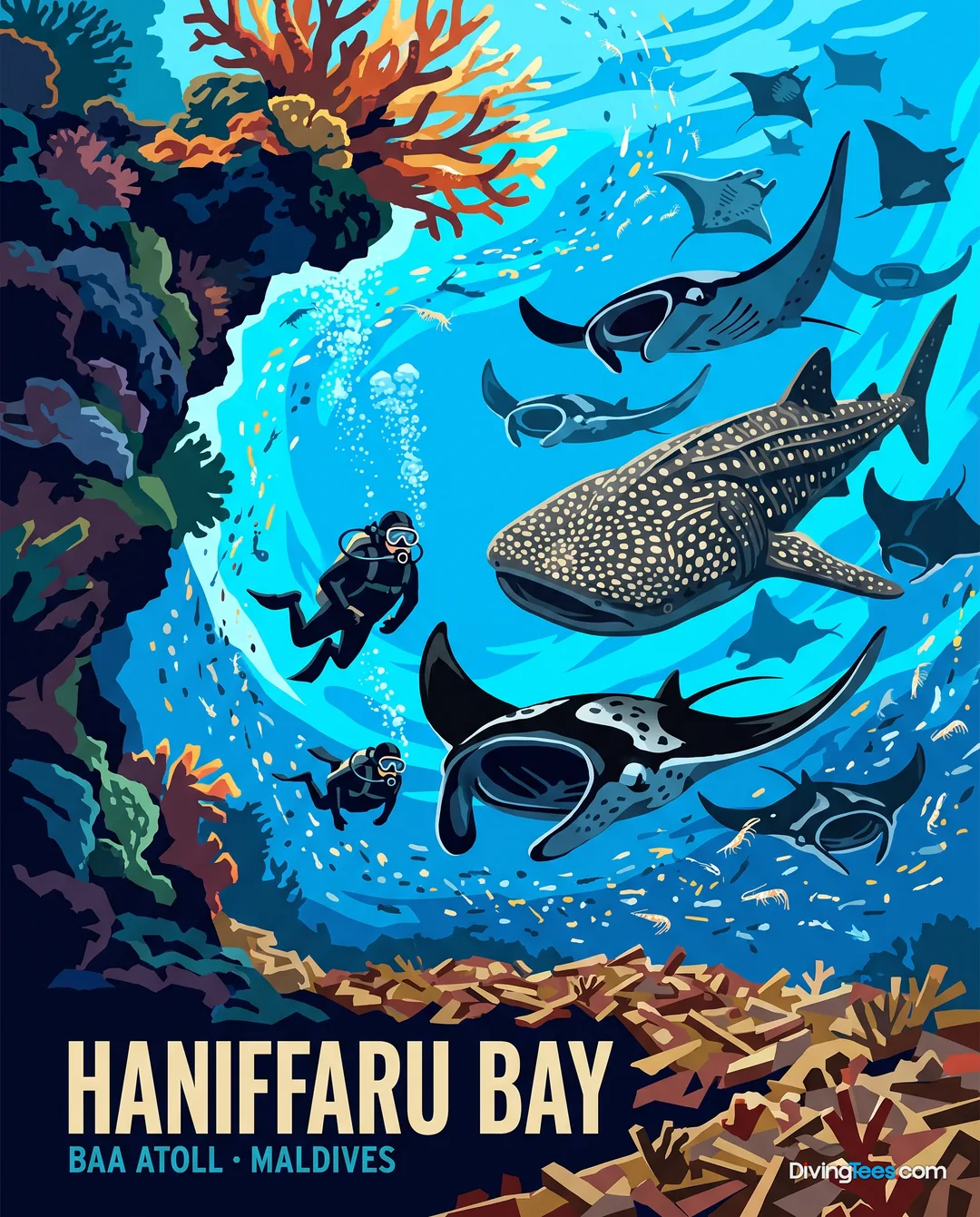
Hanifaru Bay →
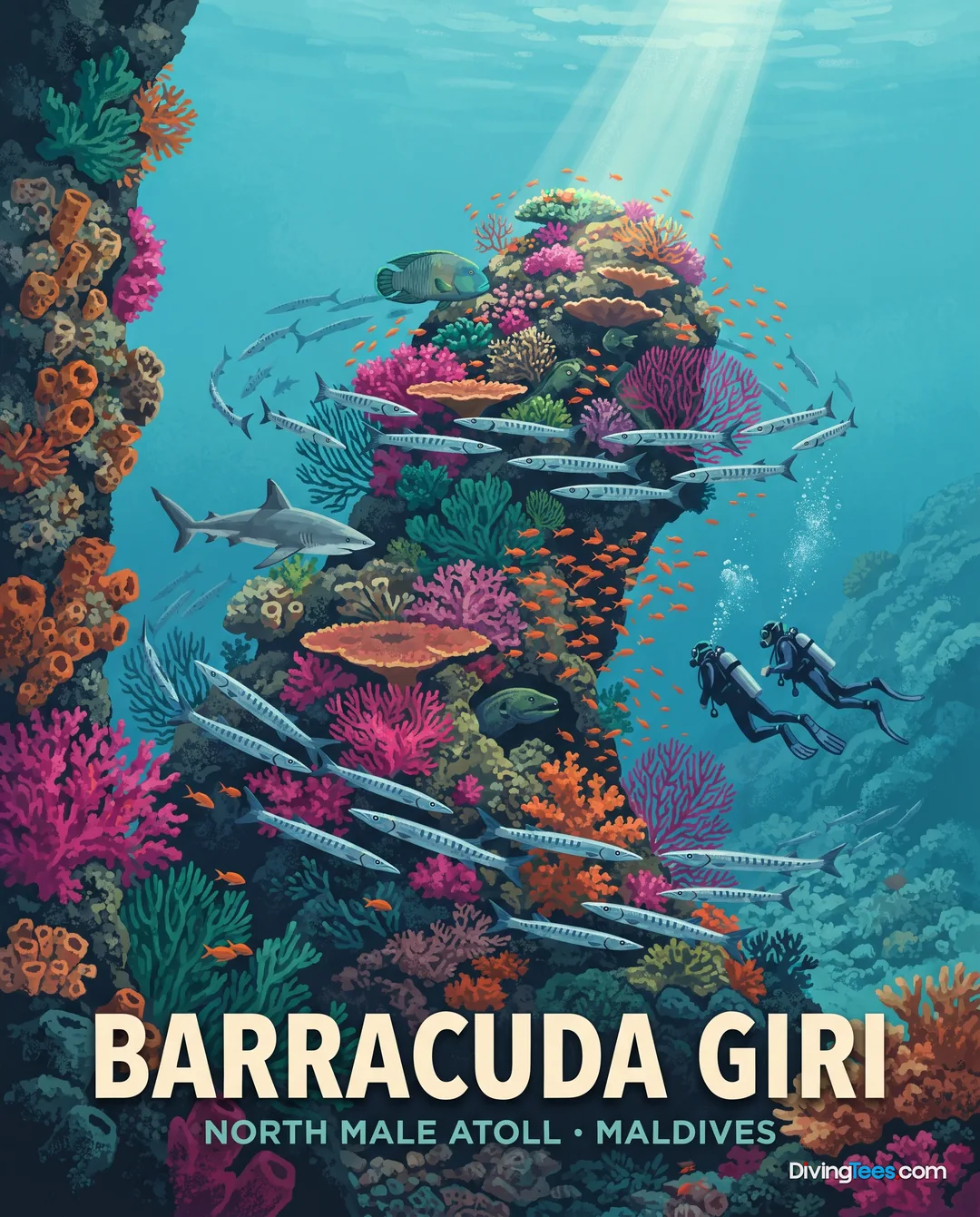
Barracuda Giri →
Max. depth · 30 m
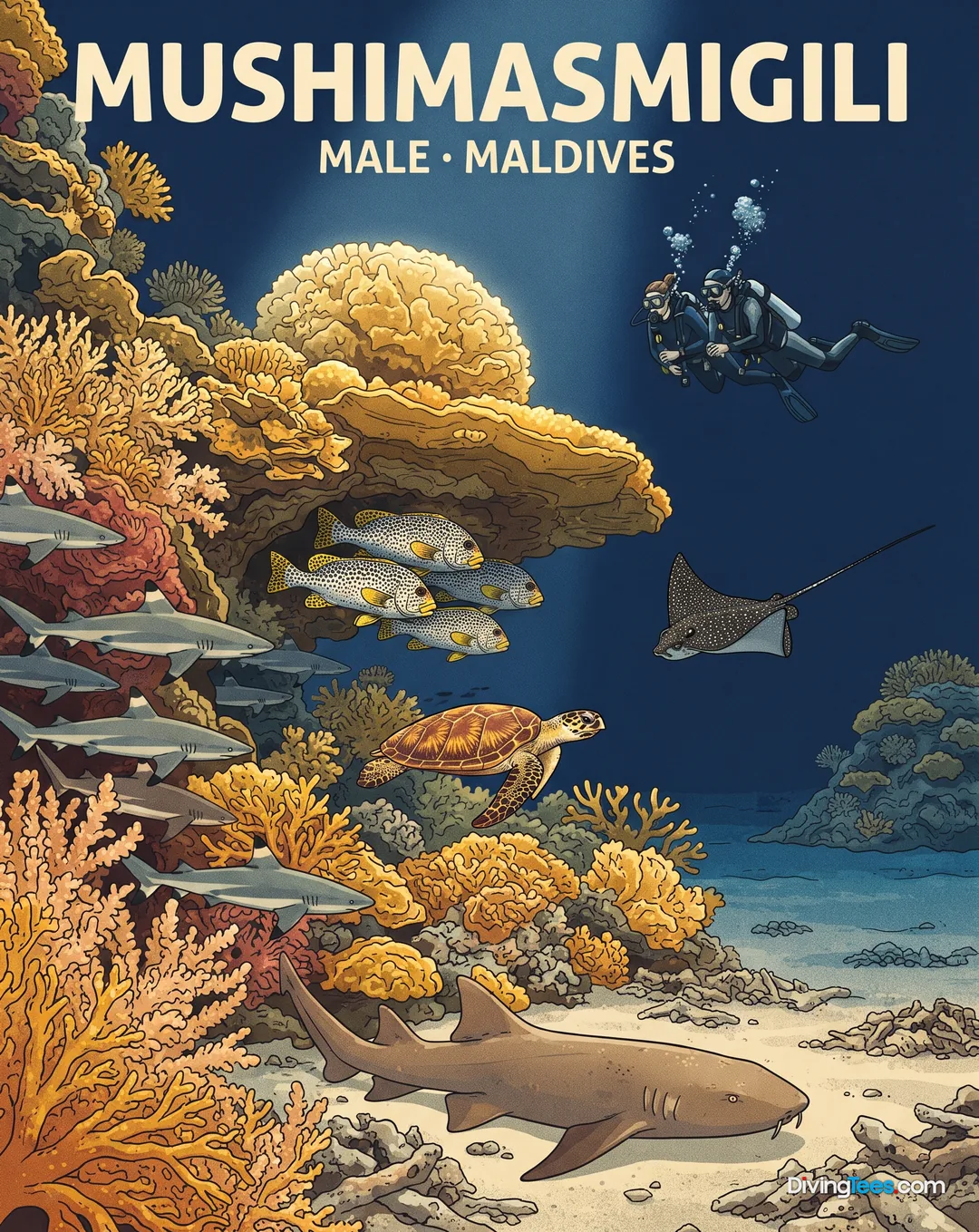
Mushimasmigili Marine Reserve →
Max. depth · 30 m
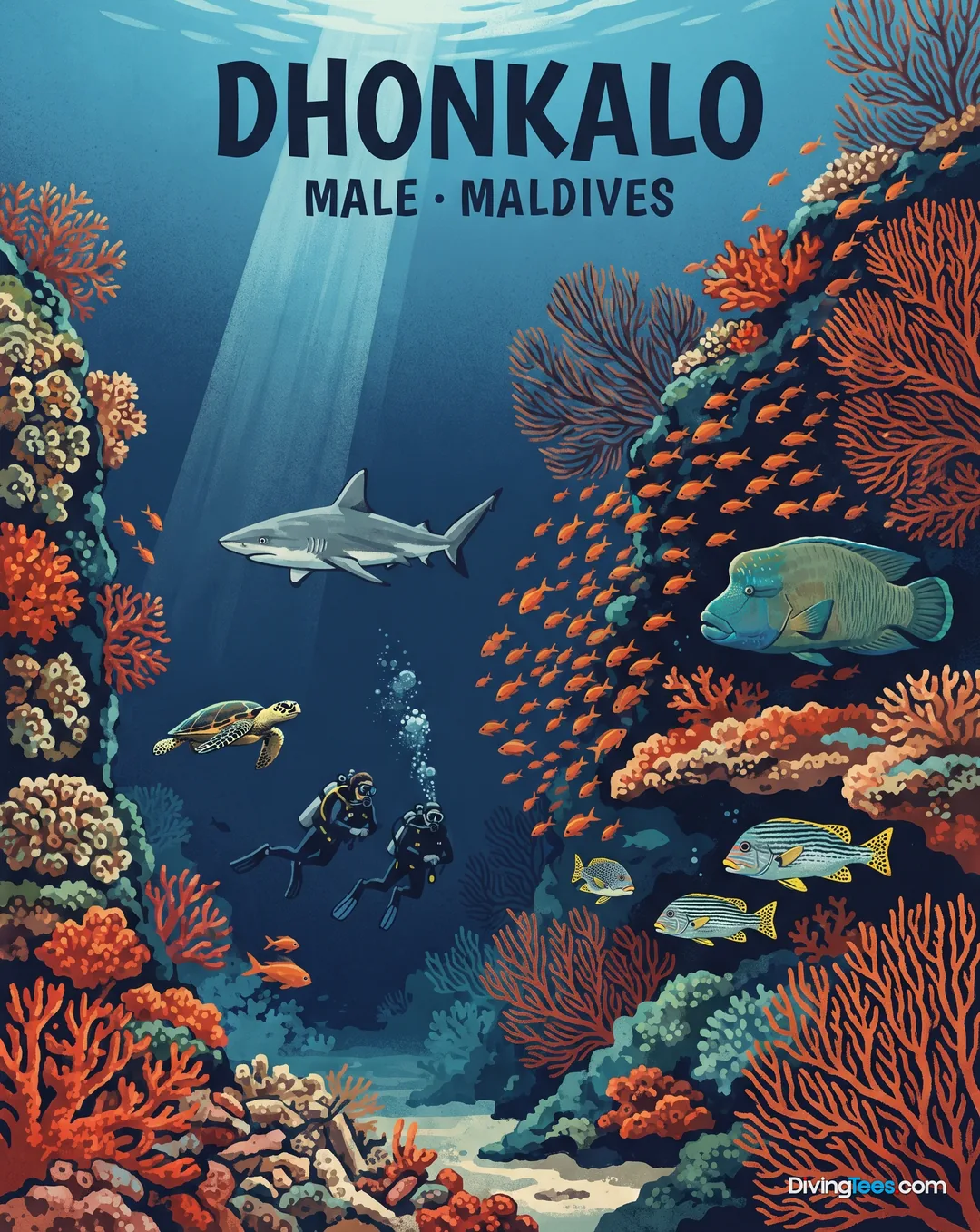
Dhonkalo →
Max. depth · 25 m
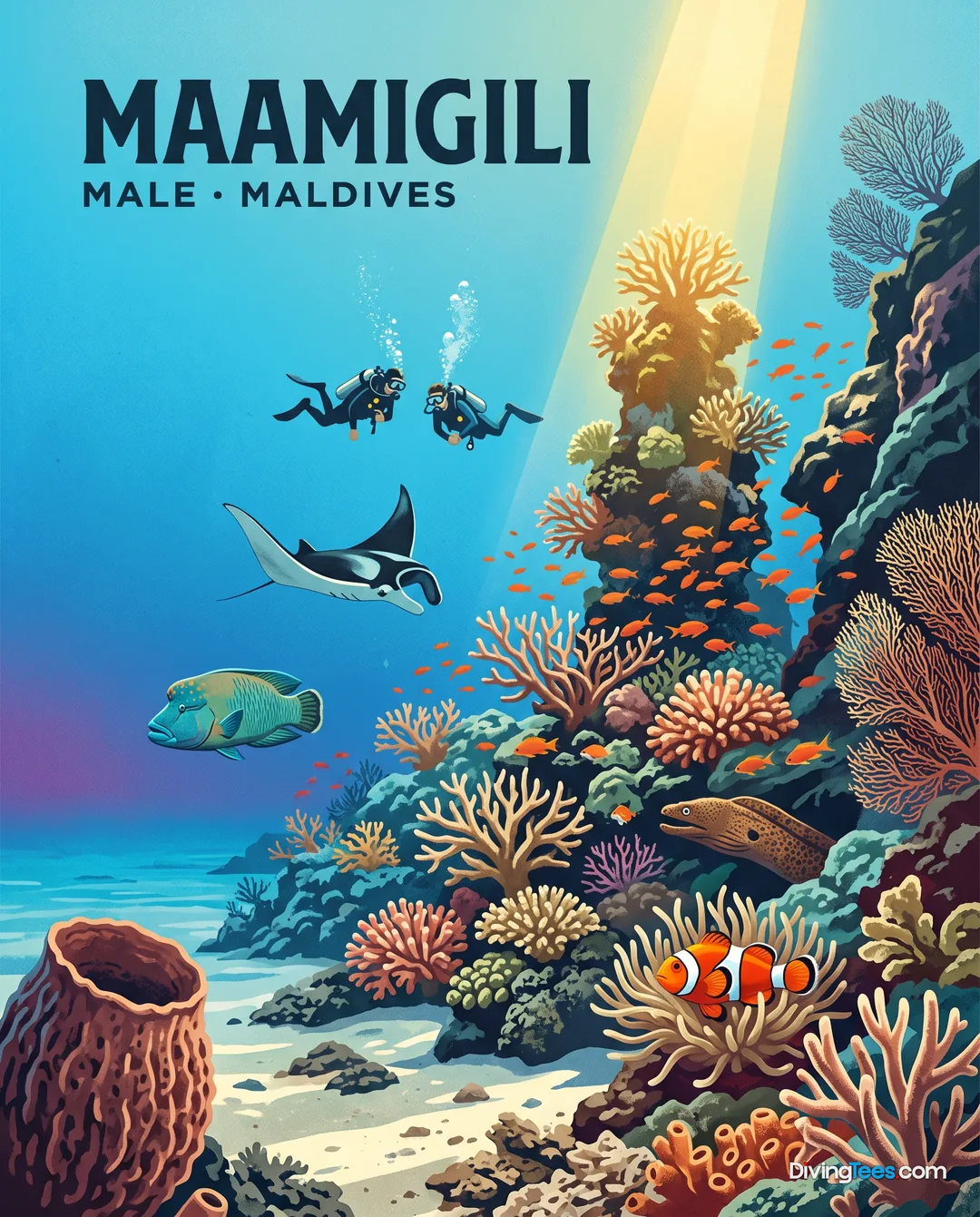
Maamigili →
Max. depth · 30 m
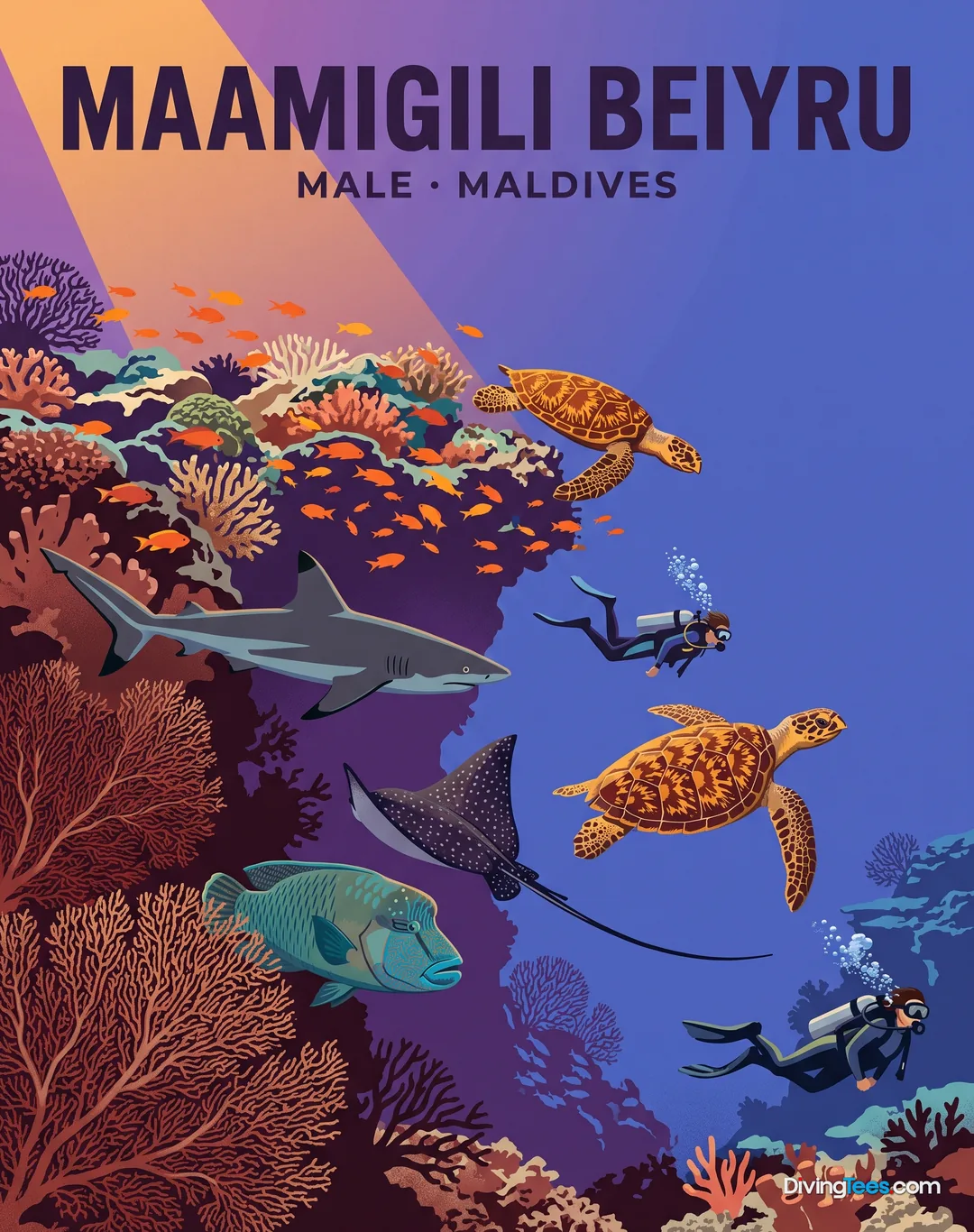
Maamigili Beiyru →
Max. depth · 30 m
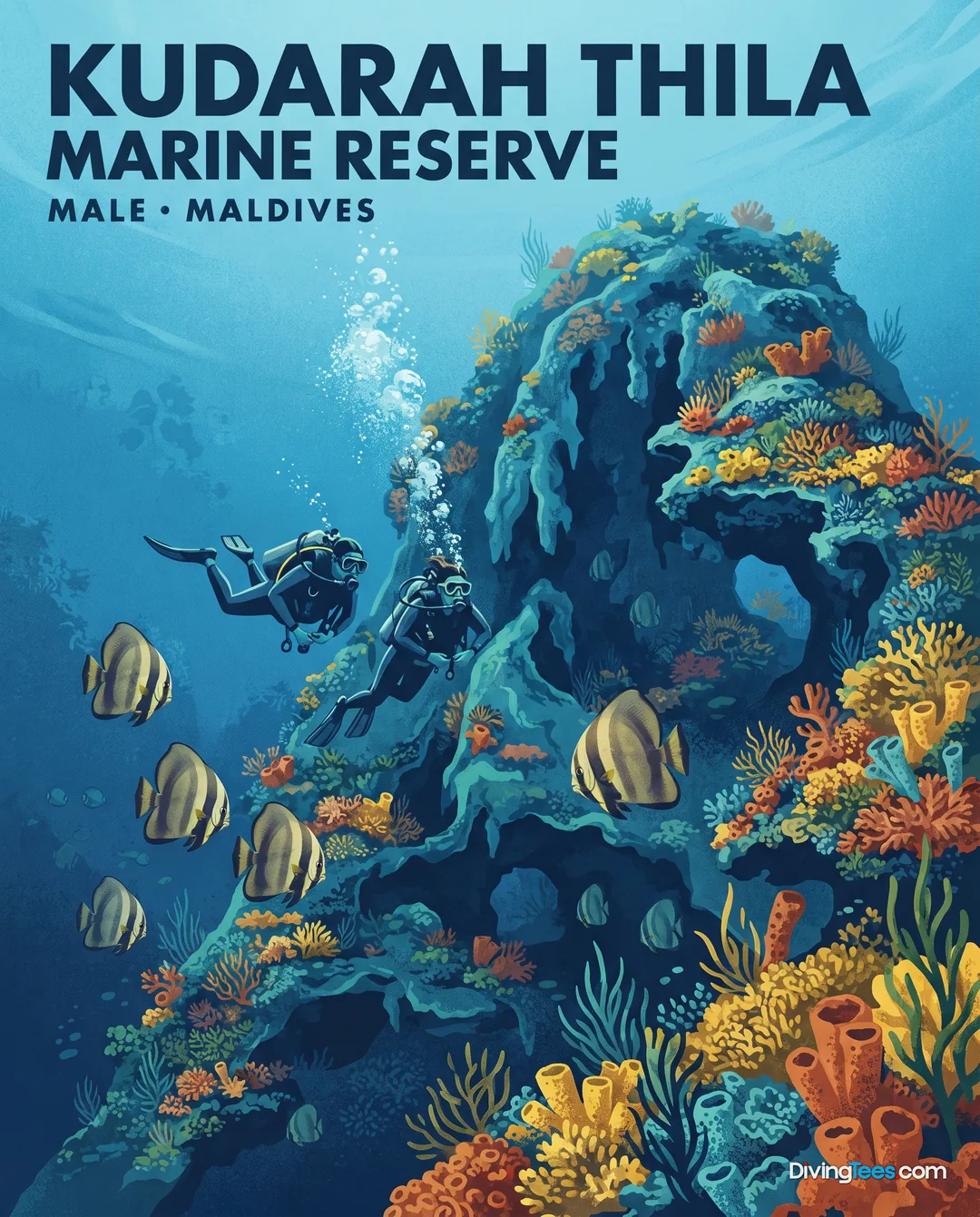
Kudarah Thila Marine Reserve →
Max. depth · 30 m
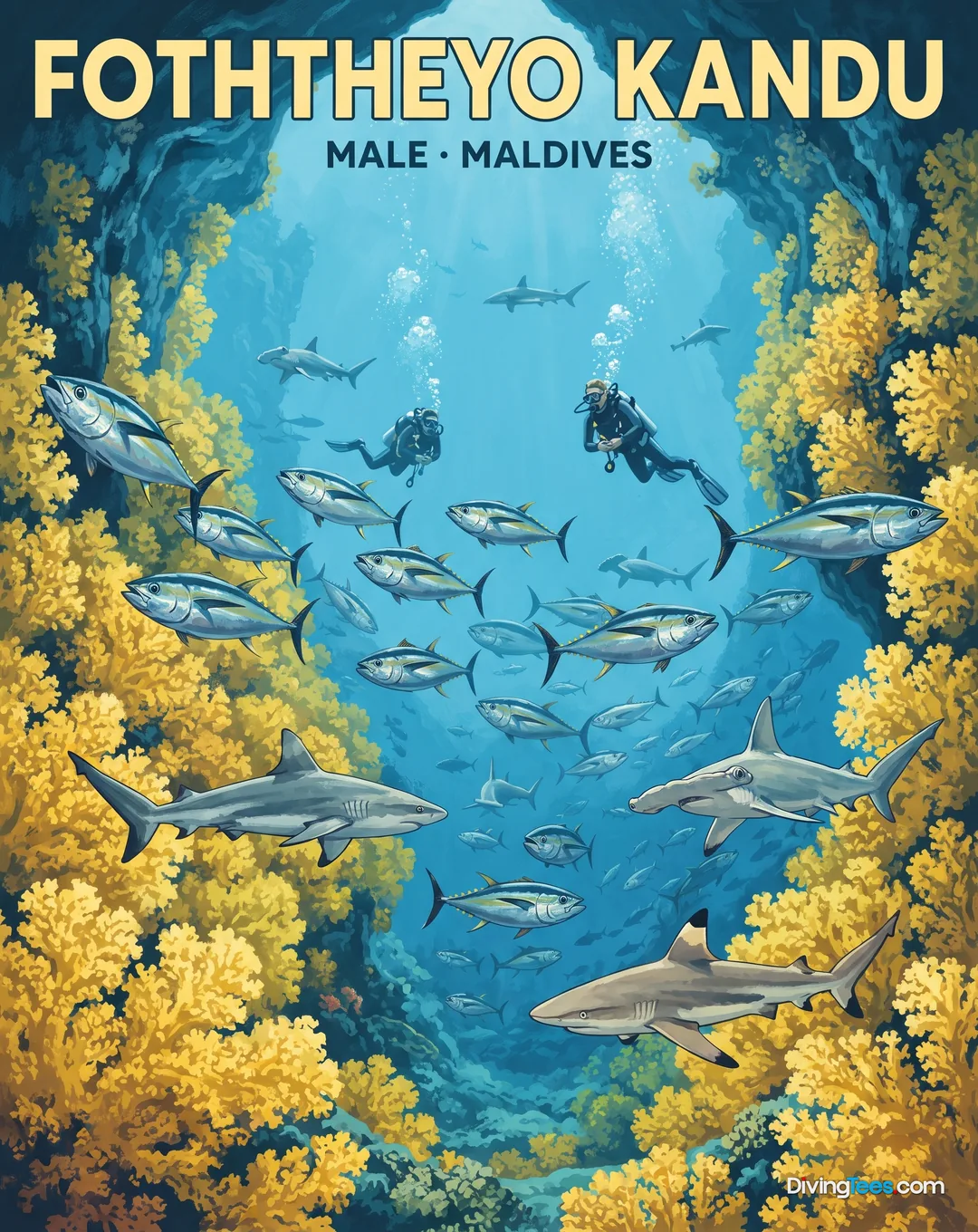
Foththeyo Kandu →
Max. depth · 40 m
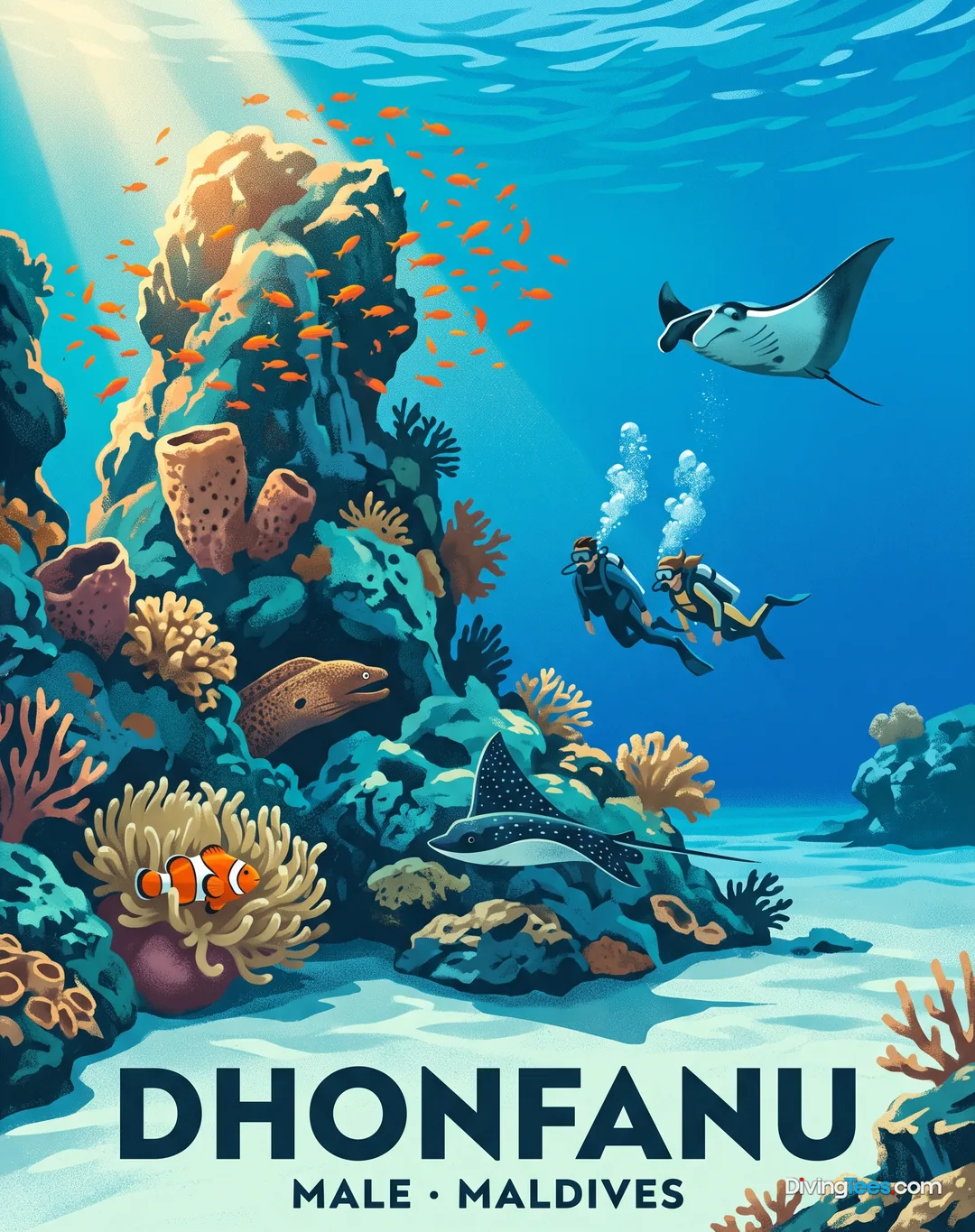
Dhonfanu →
Max. depth · 30 m
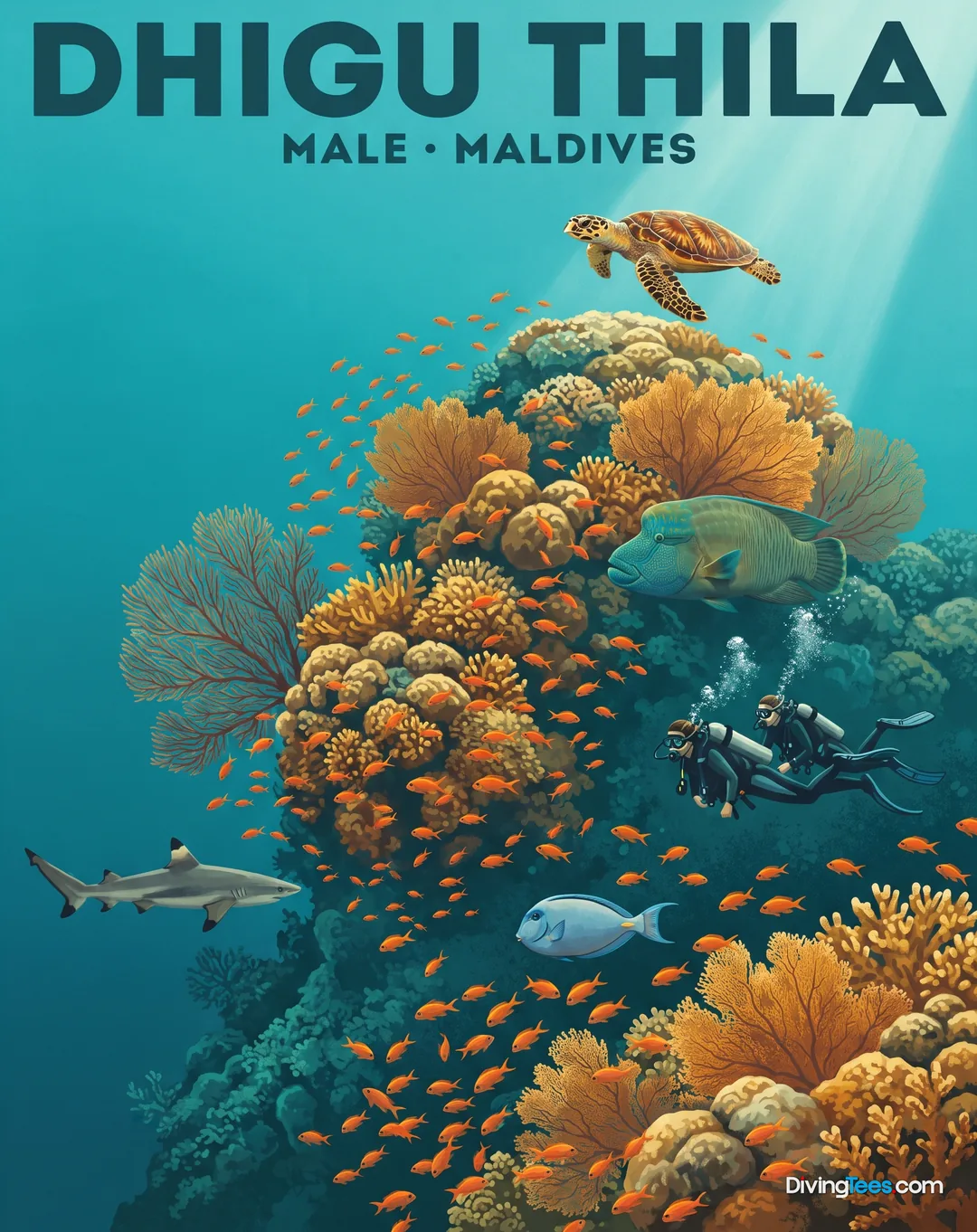
Dhigu Thila →
Max. depth · 30 m
What you’ll meet underwater
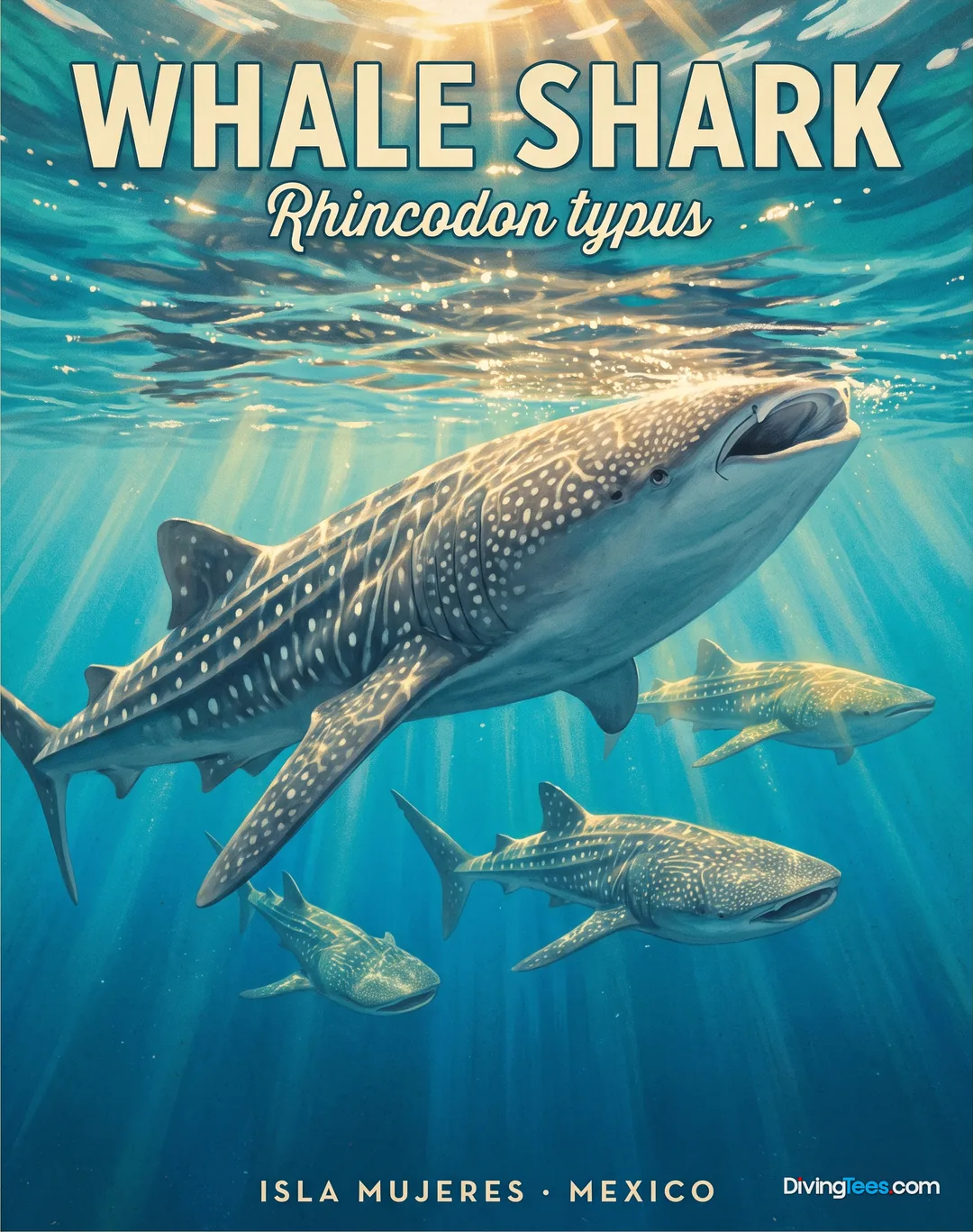
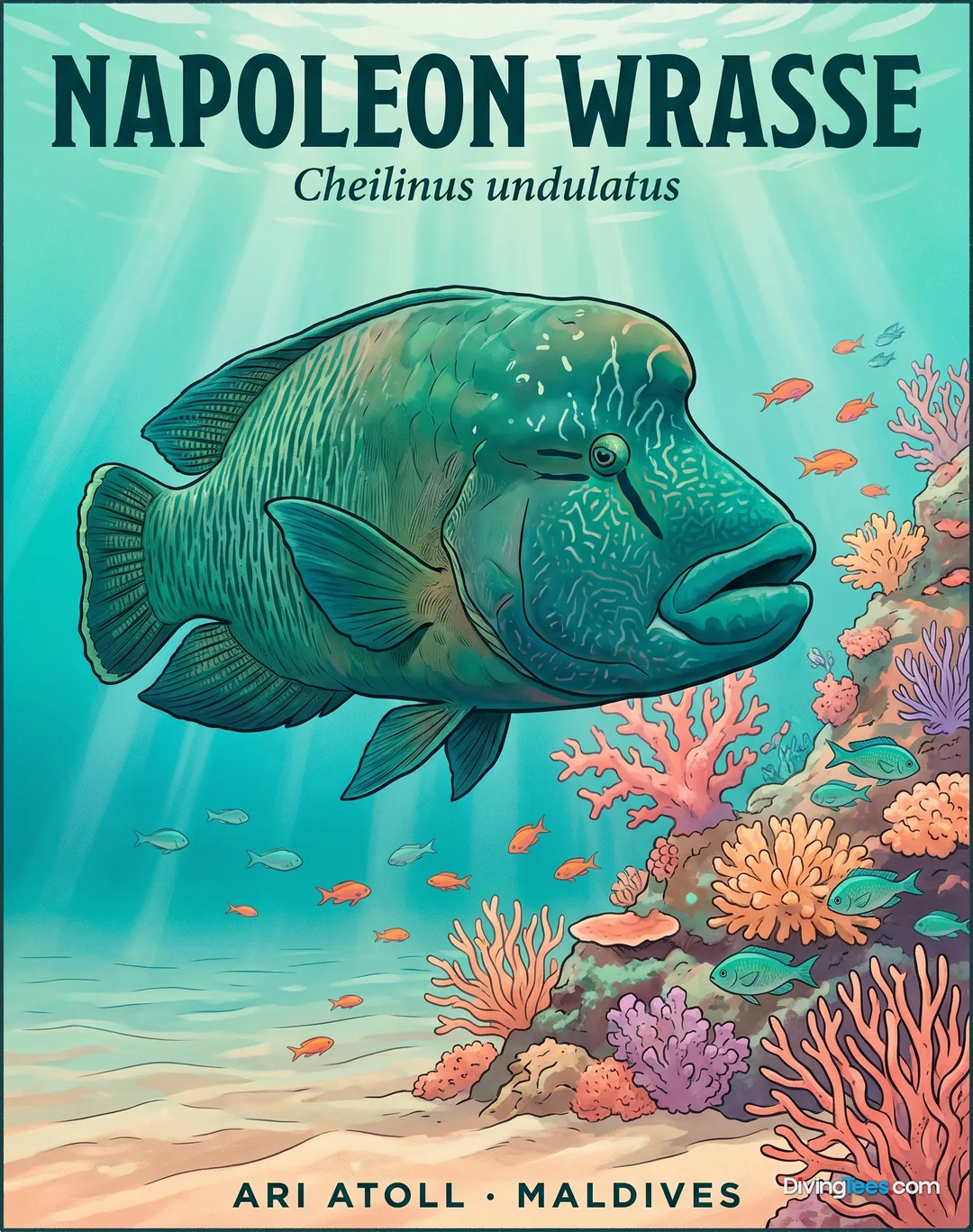
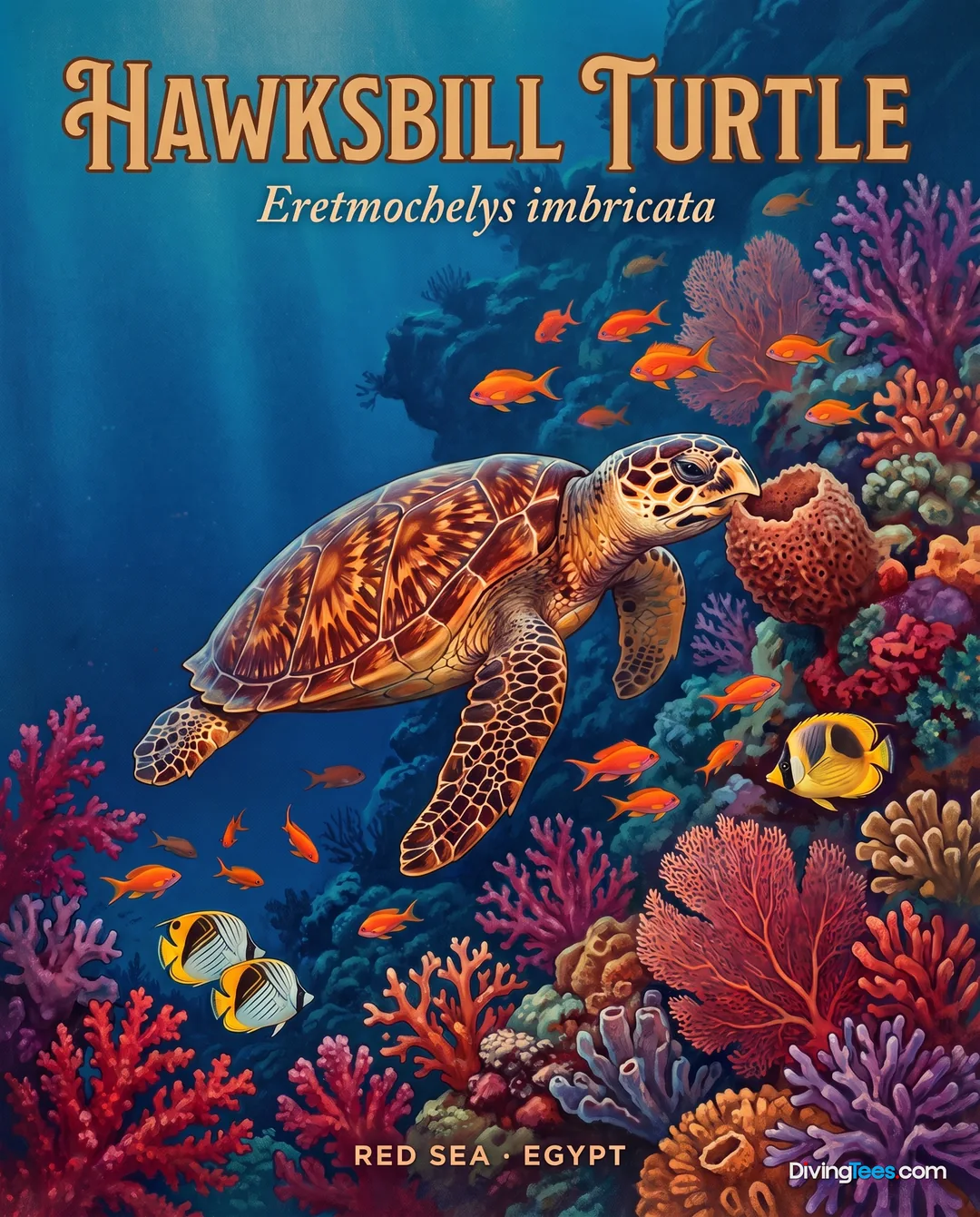
The recurring cast is the one divers come to the Maldives for: Napoleon wrasse, fusiliers, grey reef sharks, manta rays, tuna, turtles, barracuda, eagle rays, trevally, jacks, moray eels and batfish are recorded across much of this route. The current is the engine behind the larger scenes, pushing feeding and cleaning activity toward pinnacles and channels. The sites then add their own reasons to descend. Barracuda Giri is the place on this route for groupers and anthias. Banana Reef brings the anemones. Maamigili is where gaterins and porcupinefish are recorded. Dhigalhi Haa Marine Reserve is the specific stop for soft corals and gorgonians, alongside its red coralline algae and acropora growth. Dhigu Thila is the site associated with hawksbill turtles. Whale sharks and mantas are recorded at several South Ari sites, while Hanifaru Bay concentrates the manta spectacle in protected water. None of these encounters is guaranteed; the point is that the itinerary puts the boat where the animals gather.
Who puts you in the water
Briefings come before each scheduled dive, with the crew organising the entry from the tenders and adapting the plan to the site. The central-atoll itineraries involve currents, so a minimum of 20 logged dives, current experience and nitrox certification are recommended. That is a sensible threshold for routes built around channels, pinnacles and cleaning stations rather than sheltered reef circuits. The crew speaks English, Dutch and German, and passenger feedback describes the dive guides as knowledgeable and safety-focused. Safety equipment includes oxygen, first-aid kits, VHF and satellite communications, GPS, radar, sonar, a locating beacon, life jackets and fire systems. White Pearl also carries two tenders, so the surface operation can collect divers without making the main boat the only point of contact. Private guiding and diving courses are available as optional services.
The dive deck and the gear
White Pearl is arranged around a dedicated dive area with a shaded working space, a platform, rinse tanks and separate camera rinsing. Two tenders take divers to the sites, keeping the main vessel clear while groups enter and leave the water away from the hull. DIN adapters are available, and the boat supports sidemount diving as well as standard scuba. Nitrox is included for certified divers, and rental equipment is available on board. There is a camera area for preparation and care between dives, plus separate rinsing for cameras so salt water and fins do not share the same treatment. The equipment list also includes oxygen and first-aid support on the boat and tenders. What stands out is the separation of jobs: cameras, wet gear, tenders and resting spaces each have a defined place, which matters more after the third or fourth dive than another piece of lounge furniture.
Between dives
The best gap between dives is likely to be spent in the shade around the main-deck whirlpool, where the boat keeps the social space close without forcing everyone indoors. The sun deck and observation areas offer a quieter place to read, dry out or watch the atolls pass. Kayaks and SUP boards are included for a short excursion when the boat anchors, and a beach barbecue can turn an interval into a shore stop. The indoor spa is unusual for a Maldivian liveaboard: its space theme gives the boat a deliberately playful corner rather than another plain treatment room. Massage and spa treatments are available as extras, while the jet ski is also an optional activity. Non-divers and snorkellers are welcome, so the hours between dives do not belong only to the people carrying tanks.
A day on board
A typical diving day starts before sunrise, with a 06:00 wake-up call and hot drinks, a light breakfast, briefing and first dive between 06:30 and 07:00. A full breakfast follows once divers are back on board. The second briefing comes at 10:30, with the second dive before lunch; after the midday rest, the third briefing leads to the afternoon dive at 14:30. Snacks mark the next pause, and dinner is scheduled for 19:00. A sunset or night dive changes the evening sequence, bringing another briefing and a later meal. The gaps are long enough to eat, rinse cameras, sleep, sit in the shade or move between atolls and sites. It is a demanding rhythm, but a clear one: wake, dive, eat, recover, dive again, then decide whether the reef gets one more look after dark.
What you eat aboard
Meals follow the diving rather than interrupt it. A light breakfast and hot drinks come before the first briefing, then a fuller breakfast waits after the dive; lunch follows the second dive, snacks appear during the afternoon, and dinner closes the main day. Food is served buffet-style with Western dishes, vegan and vegetarian options, and snacks available throughout the day. Beer and wine are available, while a beach barbecue gives one meal a different setting from the dining room. On a schedule of repeated dives, that timing is practical: divers can eat properly after surfacing instead of rushing to the table with a wet suit still half on. The strong food feedback is consistent with a galley that treats meals as part of the trip, not just fuel between tanks.
Nights at sea
The cabins are on the upper deck and have panoramic windows, so the sea is part of the room rather than something glimpsed only from the lounge. Junior Suites, the Master Suite and Deluxe Double/Twin or Deluxe Twin cabins all have private bathrooms, hot water and air conditioning; some also have balconies. The finish is modern and hotel-like, with television, USB charging, a safe, hair dryer and keypad access. At night, the point is less the list of fittings than the separation from the dive deck: wet equipment and engines belong elsewhere, while the cabin gives the body a quiet place to recover. White Pearl has space to spread out, but it is still a liveaboard, not a resort room. Choose the cabin category for the view and the private outdoor space if those details matter over a week.
Junior Suite
Master Suite
Deluxe Double/Twin
Deluxe Twin
What to know before boarding
Most recorded trips depart from Malé and return to Malé. One Hanifaru Bay route starts in Dharavandhoo and finishes in Malé. Airport transfer to the boat is included; the exact meeting point and timing are provided for the selected departure. Arriving in the Maldives the night before is the safer choice for an international flight, rather than trying to make the embarkation connection on the same day.
Deck plan
- Year built
- 2020
- Length
- 56.4 m
- Beam
- 10.2 m
- Maximum number of passengers
- 26
- Number of cabins
- 13
- Number of bathrooms
- 16
- Cruising speed
- 10 knots
- Tenders
- 2
- Website
- pearlfleet.org ↗
Hello, I'm Marina, DivingDeal.com's AI assistant. I answer in detail about hotels, dive centres and liveaboards.

Thinking about the whole trip and the flights? Talk it over with Edith →
Marina is an AI. Some links are affiliate links: DivingDeal may earn a commission, at no extra cost to you. Bookings are made with the partner.