


First Class Cruising
★ 5/5 (270 reviews)
115 km away as the crow flies
Male · Maldives · Indian Ocean
Max. depth · 30 mDescend onto Dhonfanu Thila, a vibrant pinnacle in Baa Atoll, where reef mantas frequent cleaning stations and a narrow swim-through leads to a sheltered pool.
For subtitles in English: start the video firstthen click the gearat the top right of the video, select “Subtitles/CC”, then “Auto-translate” and choose “English”.
Dhonfanu Thila, also known simply as Dhonfanu, is a significant submerged pinnacle in the Baa Atoll, rising from a seabed of 30 to 35 metres to a shallow reef top between 8 and 12 metres below the surface. This distinct formation acts as a natural magnet for marine life, its topography shaping the water flow and creating varied environments. As you descend, you'll immediately notice the energy of this reef structure, which is exposed to the surrounding oceanic influences, making it a dynamic canvas for exploration.
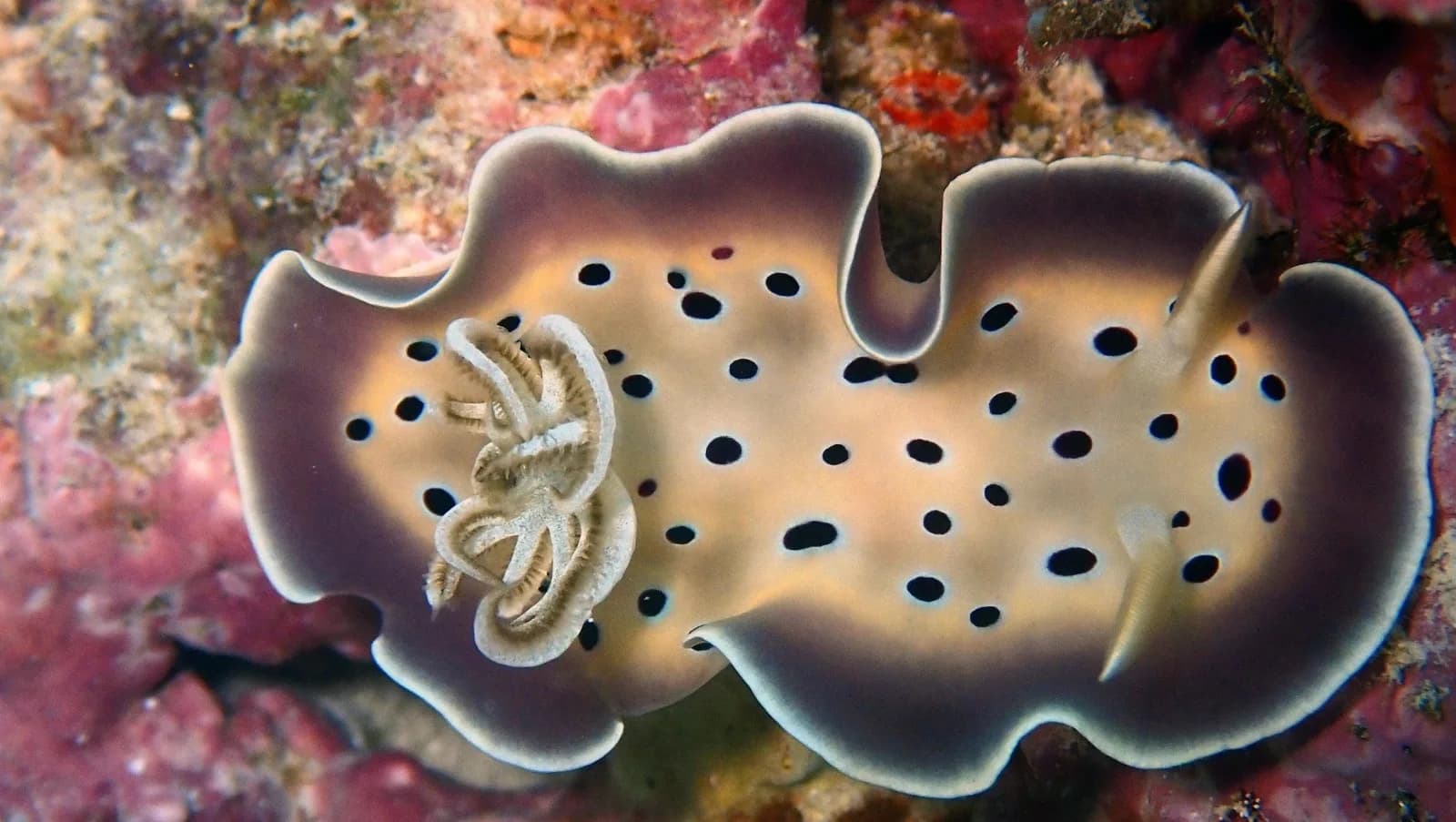
The pinnacle's flanks are covered in a mix of hard and soft corals, with black coral bushes reported in deeper sections. As you navigate its contours, you'll find overhangs and drop-offs that provide shelter and hunting grounds for numerous reef species. Schooling fusiliers, snappers, and batfish are abundant along the length of the reef, creating a constant movement against the coral backdrop. Keep an eye out for smaller inhabitants like longnose hawkfish and nudibranchs tucked into the reef structure.
One of Dhonfanu Thila's distinctive features is a narrow swim-through that begins around 25 to 27 metres. This passage leads into a calmer, more sheltered pool area within the thila, offering a different perspective on the reef's internal structure. Navigating this swim-through requires good buoyancy control and awareness of your surroundings, but it rewards you with a unique experience of the pinnacle's hidden spaces before rejoining the main reef.
Currents at Dhonfanu Thila are typically moderate to strong, often dictating a drift dive profile. The flow can change around the pinnacle, with stronger currents often experienced on outgoing tides. This variability means that while some days offer manageable conditions, others present a more advanced drift diving scenario. These currents are crucial, bringing nutrients that sustain the rich ecosystem and attract larger pelagic species to the site.
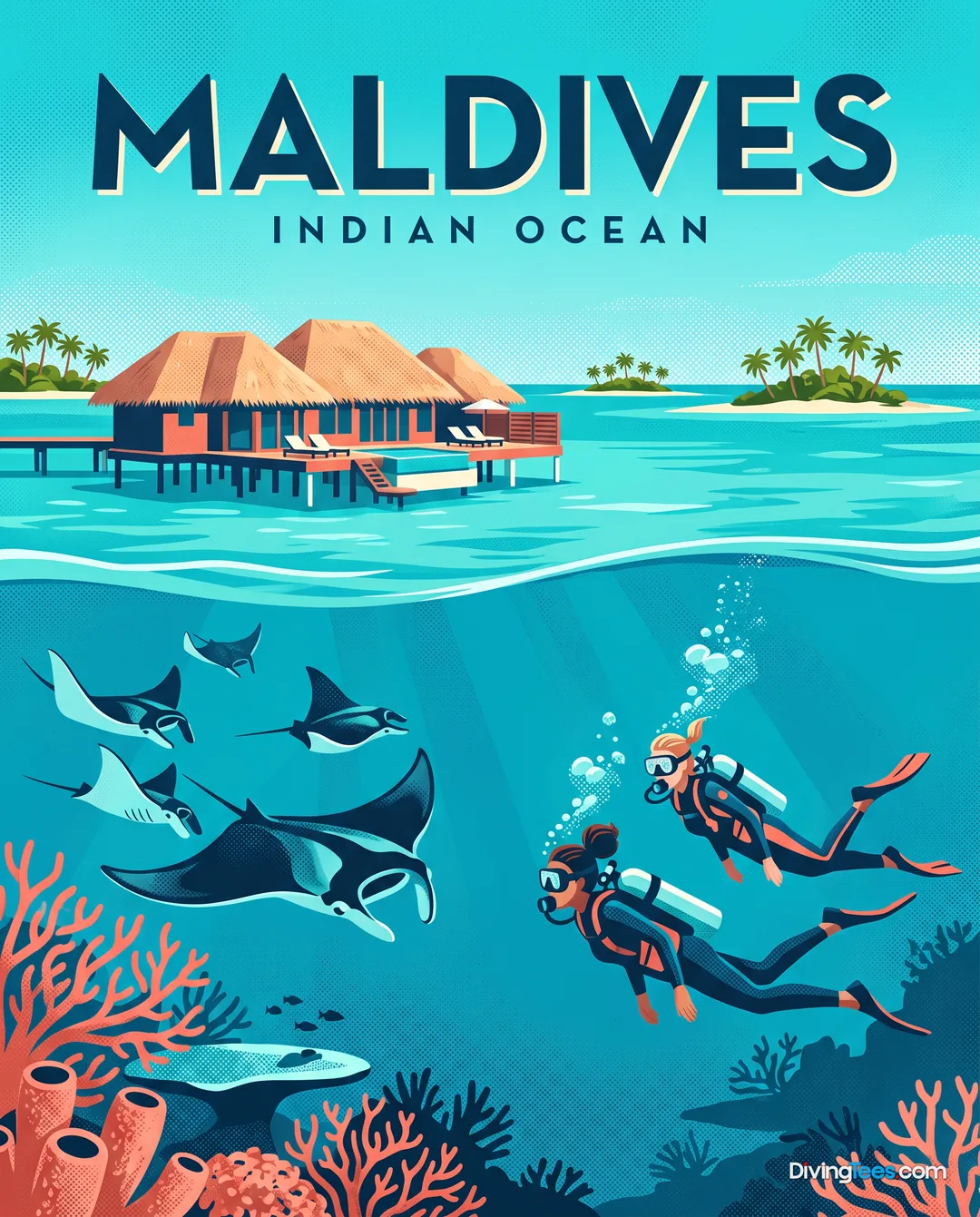
Dhonfanu Thila is particularly renowned for its reef manta ray encounters, especially from June to November during the southwest monsoon. During this period, plankton blooms attract these large filter feeders to established cleaning stations on the thila. Observing reef mantas (Manta alfredi) gracefully circling above the reef, often in groups, is a highlight of diving here, offering a chance to witness their natural behaviour up close.
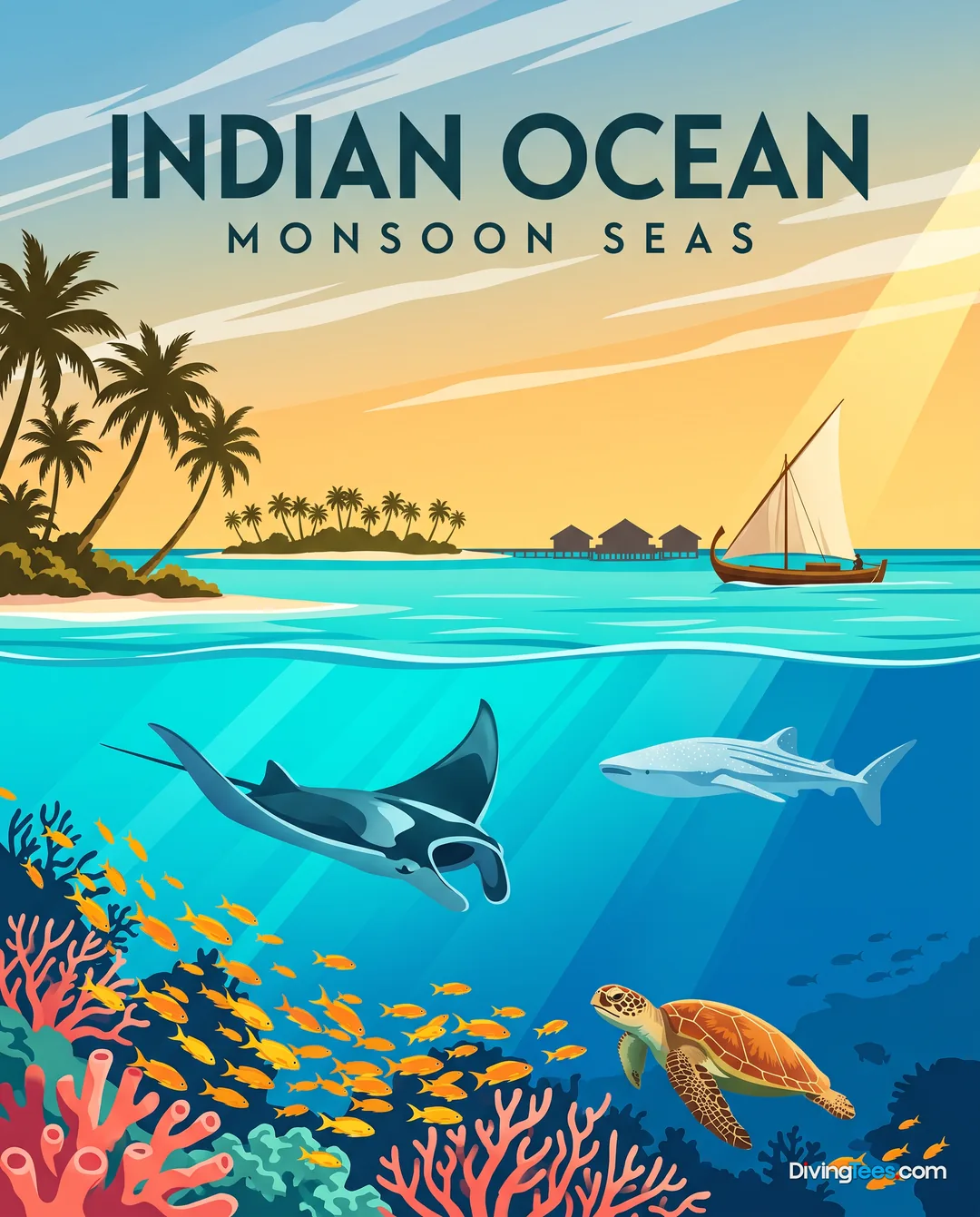
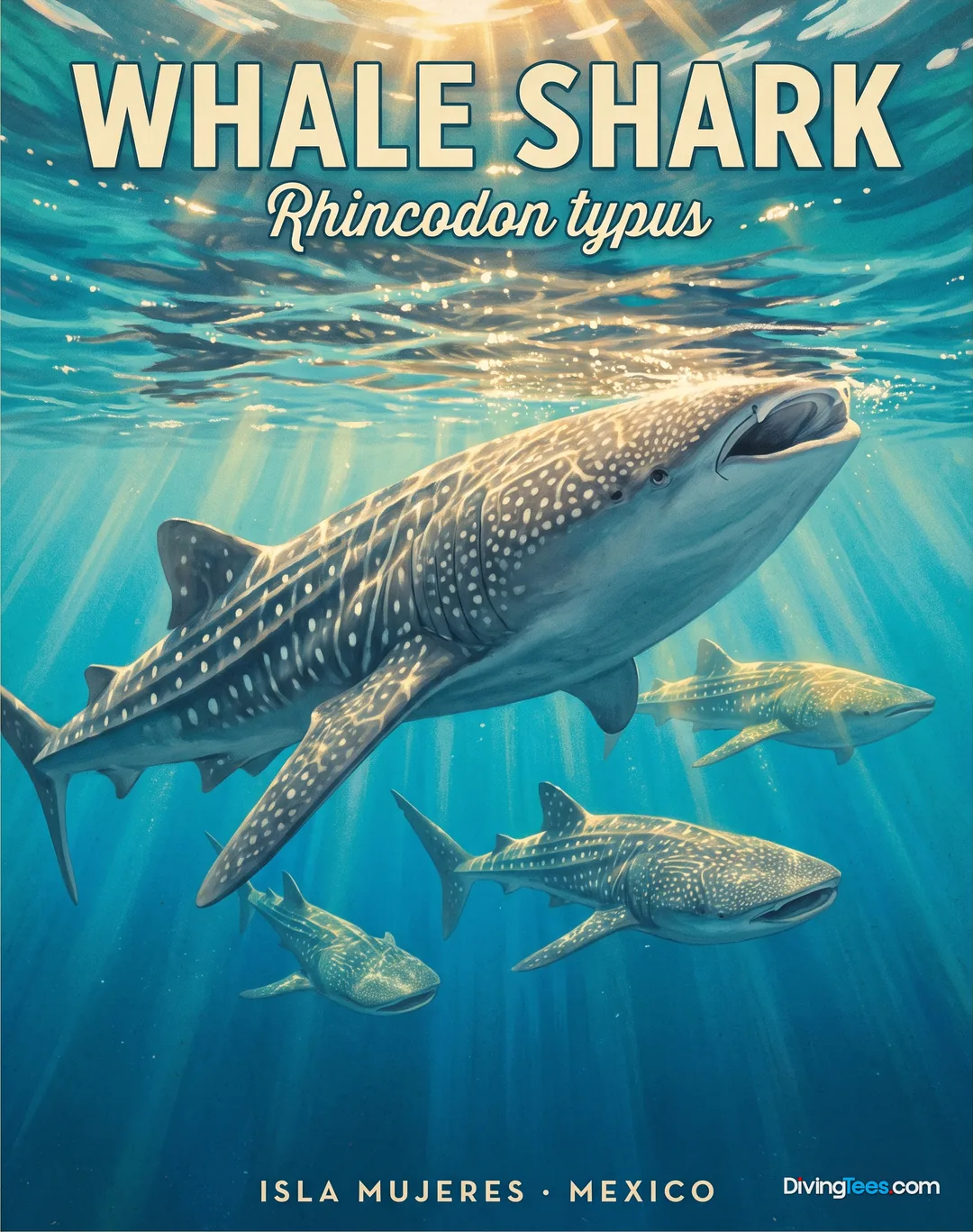
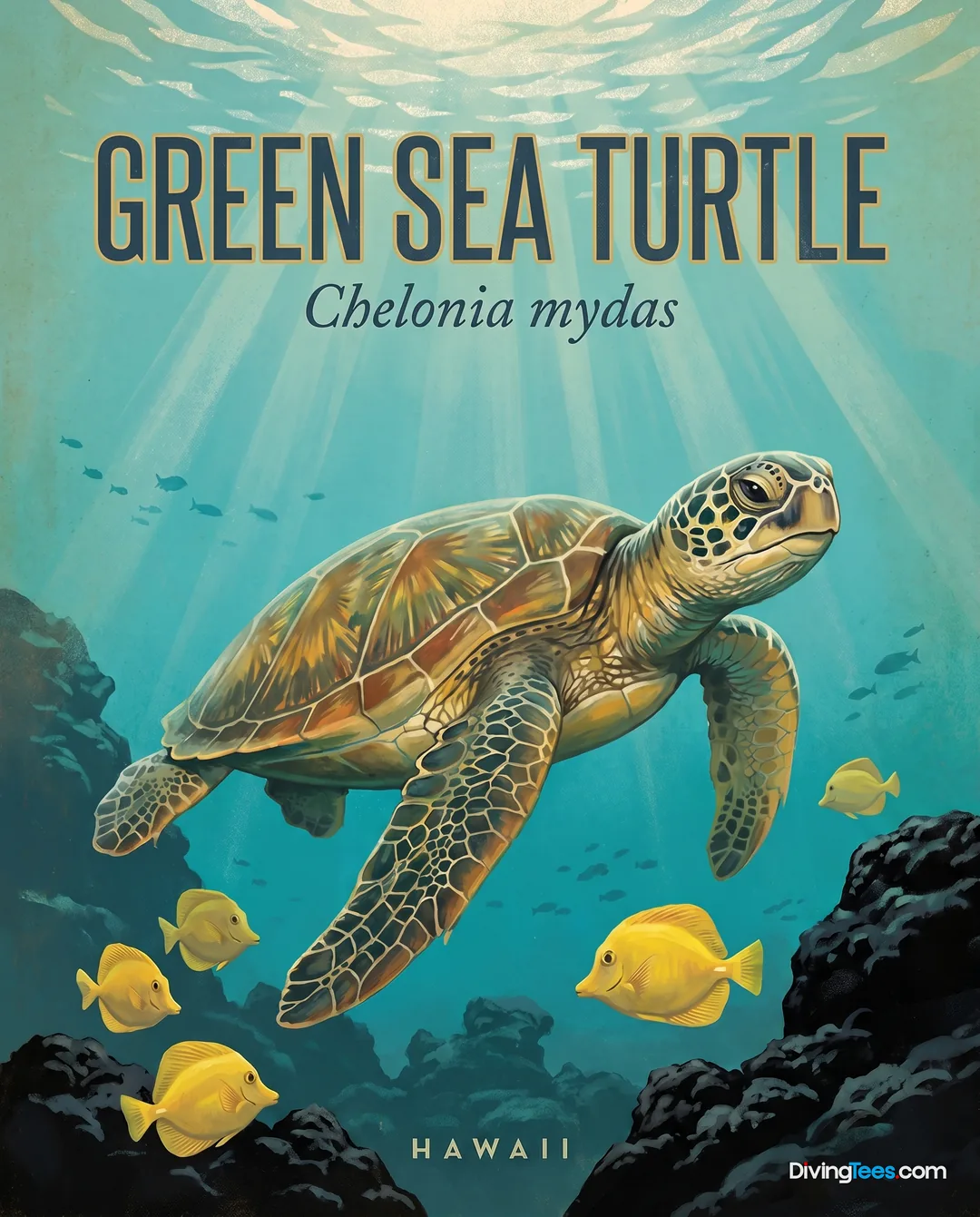
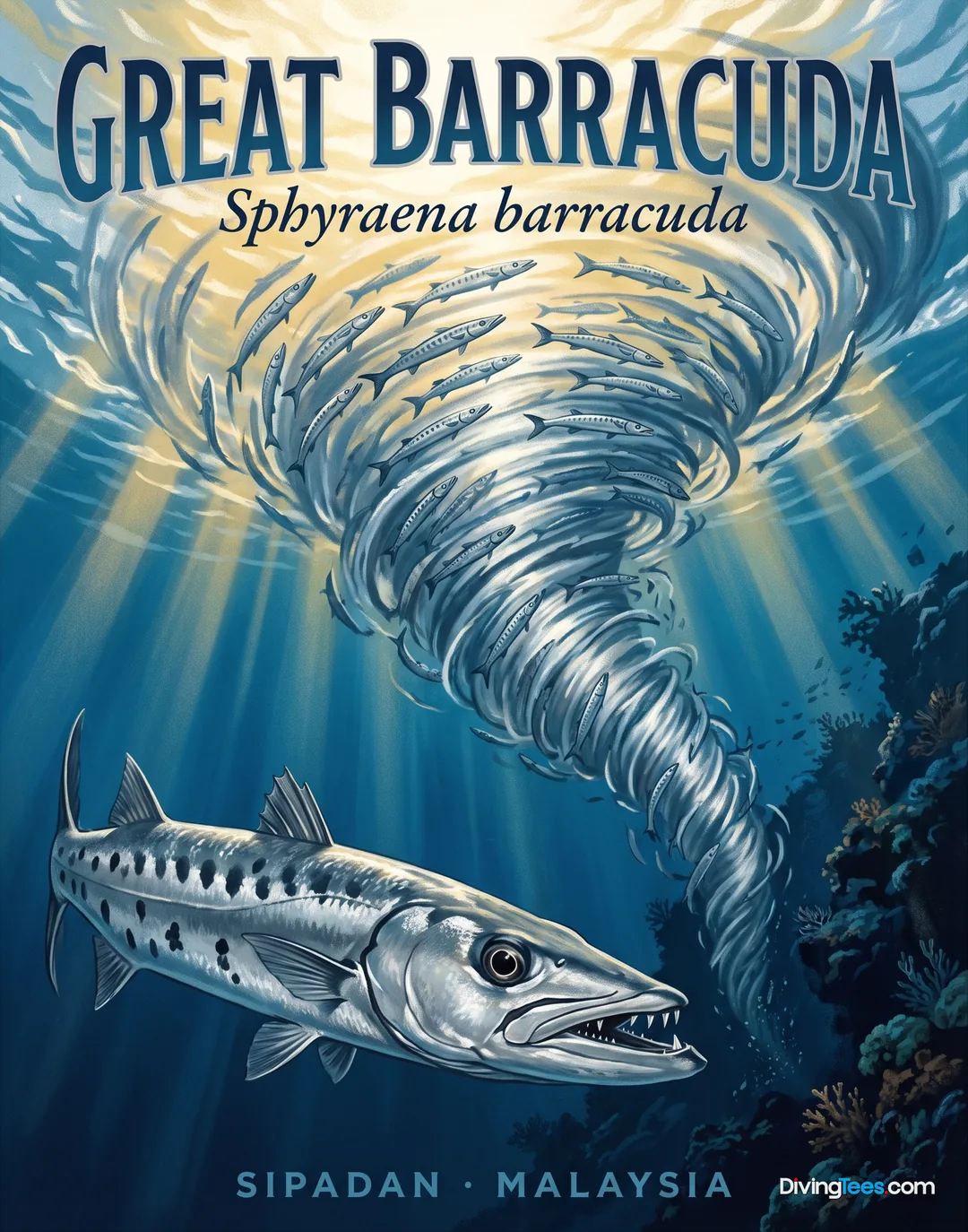
Beyond the mantas, the site is a crossroads for other pelagic traffic. Grey reef sharks (Carcharhinus amblyrhynchos) are regular visitors, patrolling the deeper sections and the edges of the pinnacle. You might also encounter eagle rays (Aetobatus narinari) gliding past, barracudas (Sphyraena barracuda) schooling in the blue, and green turtles (Chelonia mydas) or hawksbill turtles (Eretmochelys imbricata) foraging on the reef. Whale sharks (Rhincodon typus) are also reported, though less frequently.
The interaction with the open ocean defines the experience at Dhonfanu Thila. One moment you might be focused on the intricate details of a butterflyfish (Chaetodon spp.) or triggerfish (Balistidae) on the reef, and the next you're scanning the blue for larger visitors. This multi-layered dive appeals to those who appreciate both the subtle beauty of the reef and the thrill of potential pelagic encounters, making every dive unique.
The house reef of nearby Dhonfanu Island also offers a distinct experience, particularly for turtle enthusiasts. In very shallow water, around 5 metres, green and hawksbill turtles are frequently observed feeding. While separate from the main Thila dive, this nearby area provides an additional opportunity to interact with these marine reptiles in a calm, accessible environment.
Dhonfanu Thila is accessible from a minimum depth of 8 metres, with the main dive profile extending to 30 metres. Currents are variable, ranging from moderate to strong, particularly on outgoing tides, making it suitable for moderate to advanced drift divers. While some operators may accept capable novices, the dynamic current conditions generally favor divers with more experience. Visibility typically ranges from 20 to 40 metres, though it can occasionally drop to around 10 metres during plankton blooms. The best season for manta encounters is roughly June to November during the southwest monsoon, while general diving conditions are good year-round, with particularly favorable dry-season conditions from January to May.

★★★★
★ 9.1/10 (2,464 reviews)
152 km away as the crow flies
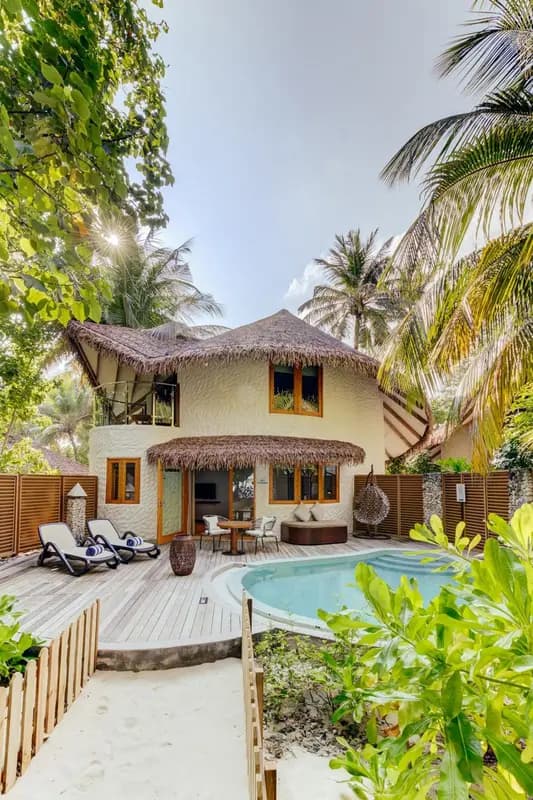
★★★★
★ 9.2/10 (772 reviews)
109 km away as the crow flies
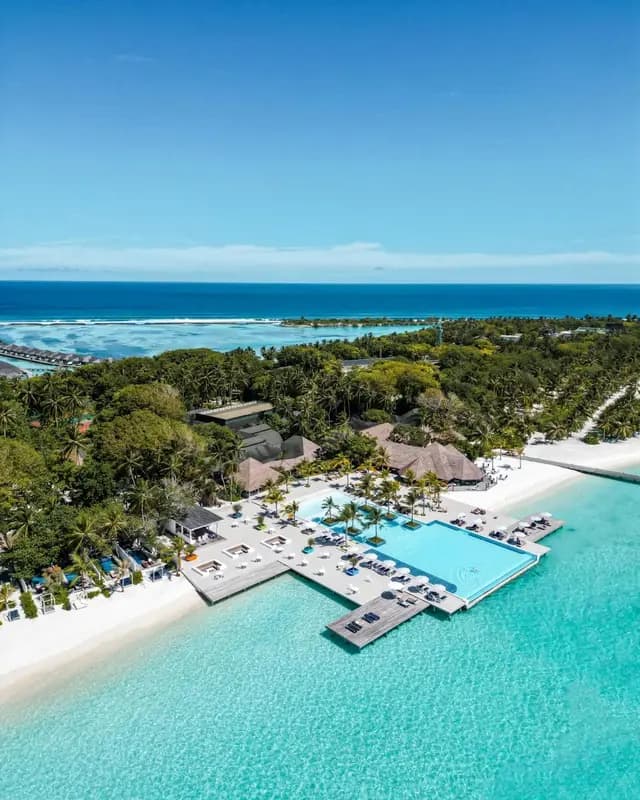
★★★★★
★ 9/10 (2,711 reviews)
110 km away as the crow flies
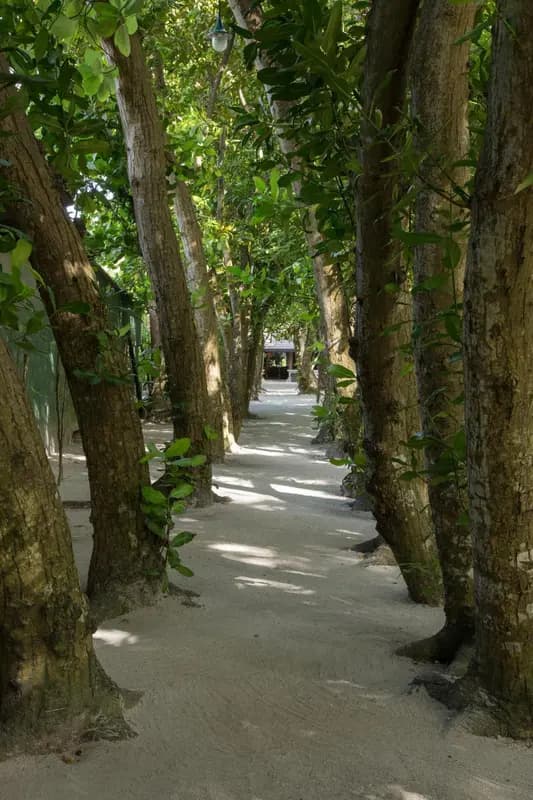
★★★
★ 8.9/10 (470 reviews)
129 km away as the crow flies
40 liveaboards depart from Male another way to explore the region, over several days at sea.

Departing from Male Harbour
★ 9.6/10 (239 reviews)
from 325 €/day
Discover this boat →

Departing from Male Harbour
★ 9.4/10 (201 reviews)
from 215 €/day
Discover this boat →
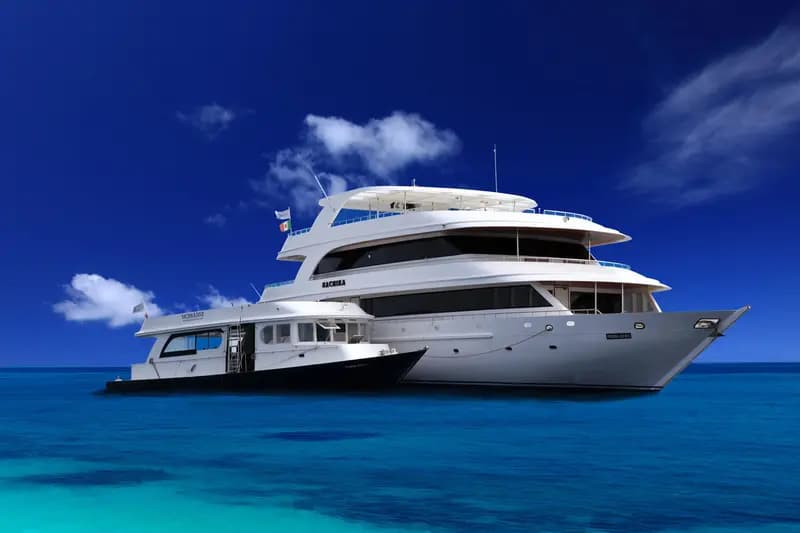
Departing from Male Harbour
★ 9.4/10 (160 reviews)
from 189 €/day
Discover this boat →

Departing from Male Harbour
★ 9.5/10 (85 reviews)
from 203 €/day
Discover this boat →