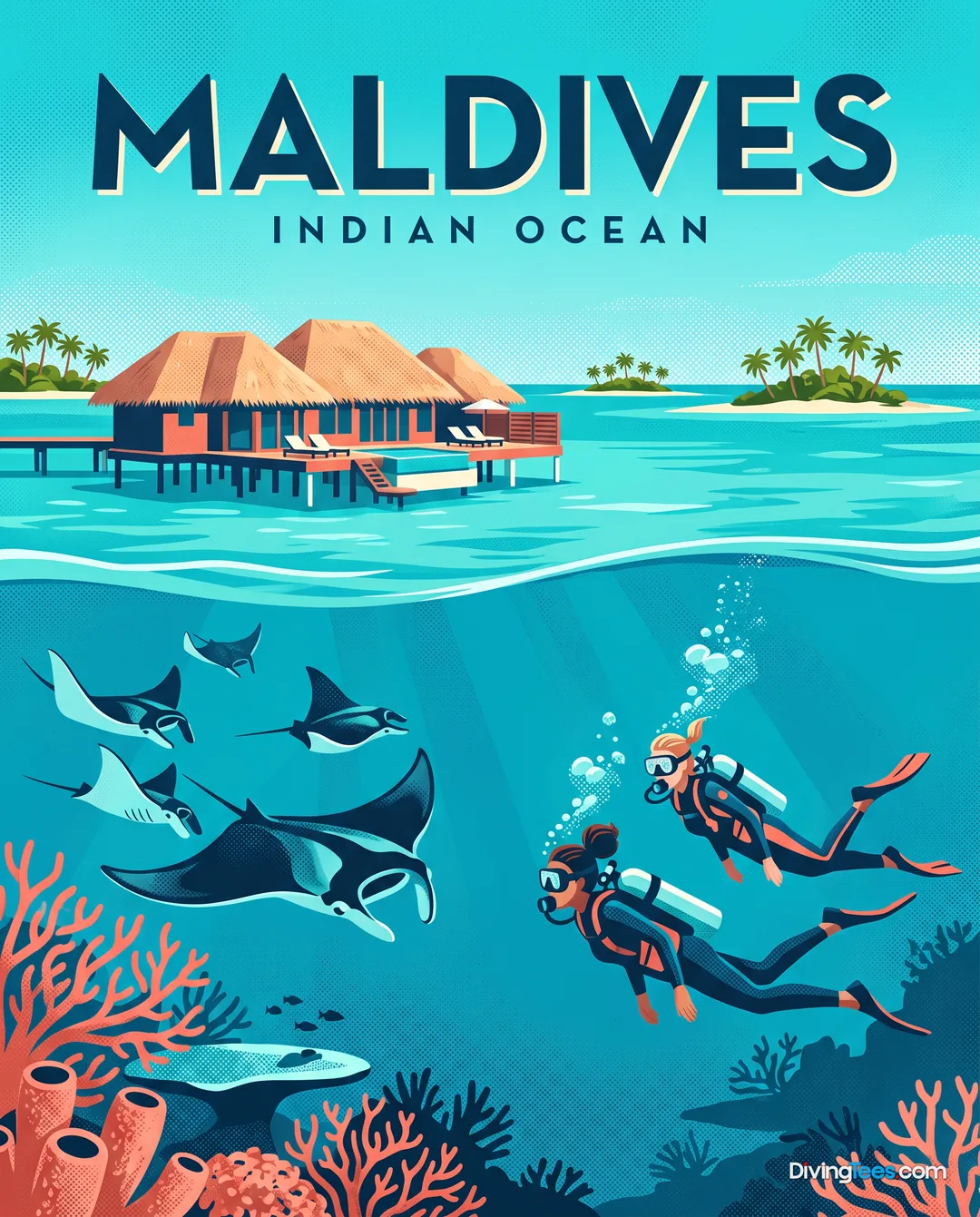
Liveaboards · Maldives
Princess Ulua — a wooden Maldivian liveaboard built around small-group diving
What makes this boat unique
- Princess Ulua is a 37.3-metre wooden motor yacht built in the Maldives in 2019.
- Dive groups are kept to four or five divers per guide, with 12-litre tanks and two to three dives per day, including a night dive.
- The 37-foot Ulua Hunter dive dhoni carries the diving operation, while a separate 22-foot tender serves beach landings and excursions.
- The 11 cabins include lower-deck Standard and Family Cabins, plus Seaview Suites on the main and upper decks.
- The Male-to-Male Best of Maldives route runs for 8 days and 7 nights through the central atolls.
The invitation
Princess Ulua is for divers who want the Maldives in small groups without giving up the space and service of a larger yacht. The important detail is not the jacuzzi or the bar, but the ratio in the water: four to five divers per guide means a guide can keep track of the group in a current, stop for a shark or manta, and still give the briefing room to breathe. The boat works particularly well for mixed groups. Divers have a full dhoni operation, while snorkellers, families and non-divers have kayaks, paddleboards, beach landings, fishing and open deck space of their own. The route links North and South Malé, Ari and Vaavu, with flexibility for weather, currents and animal movements rather than a rigid promise of one fixed sequence. Come aboard for channels, thilas, cleaning stations and pelagics, then stay for the comfort between dives.
Boarding
From the dock, Princess Ulua presents as a substantial wooden yacht rather than a stripped-down dive platform. The hull and superstructure give the boat a warm, traditional Maldivian character, while the lounges, bar and dining spaces are arranged for a more polished liveaboard week. Once aboard, the route from cabin to saloon to open deck is straightforward, and the dive operation is kept separate on the Ulua Hunter dhoni. That matters: wet equipment and post-dive traffic stay away from the main living spaces. There is one 640 hp diesel engine, so the boat has the direct, mechanical feel of a single-engine yacht underway rather than the muted separation of a twin-engine resort vessel. The crew of 15 handles the practical work around diving, cabins and meals. Guests set up their equipment on the first day and take it apart on the last; between those points, the crew takes care of the routine.
The atmosphere on board
Princess Ulua creates a fairly close group without making the whole week feel like a small boat expedition. The guest spaces are generous, but the diving stays personal because each guide looks after only four or five divers. By the second day, the same people are appearing at the briefing, on the dhoni and around the bar, while the crew remains visible in the practical places: moving tanks, resetting equipment, refreshing cabins, serving snacks and keeping the next transfer ready. Fifteen crew members support a maximum of 22 guests, so the service leans toward hands-on rather than self-service. Evenings can end with dinner in the saloon, a drink at the bar, a desert-island barbecue, traditional fishing or time on the upper deck. The atmosphere suits a group that wants both diving and an easy holiday for partners, children or non-divers. It is polished, but the day still revolves around getting back in the water.
The sites you’ll dive
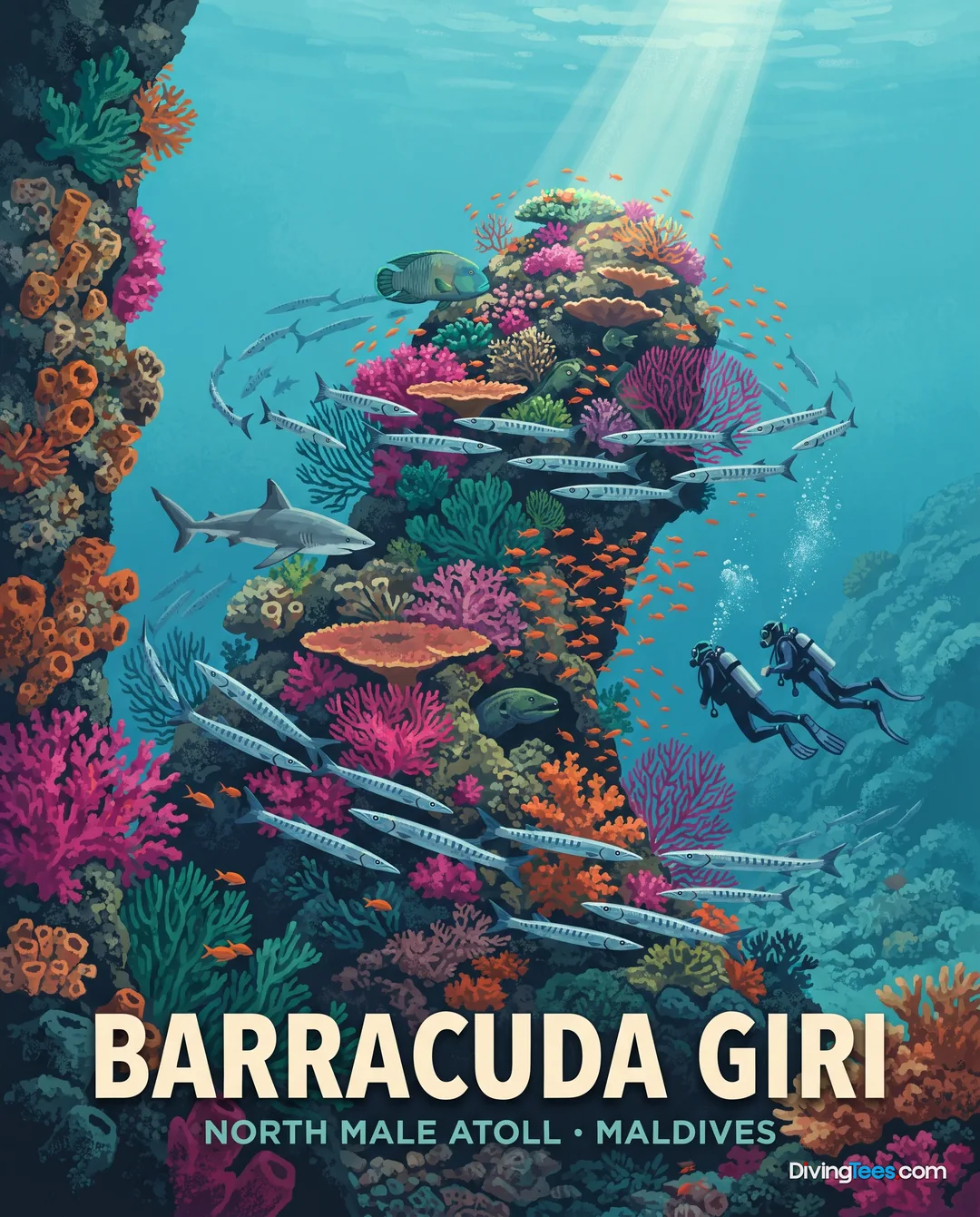
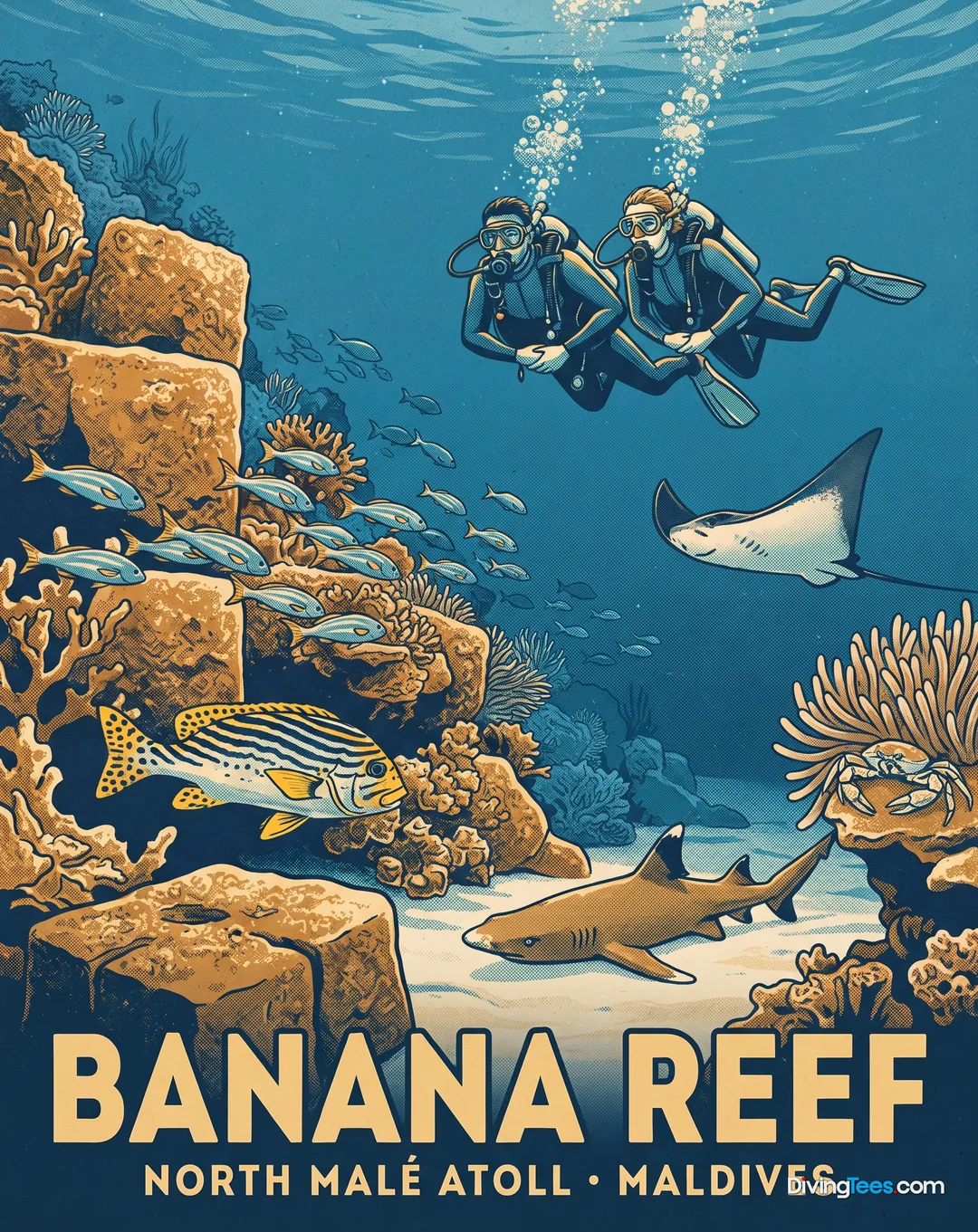
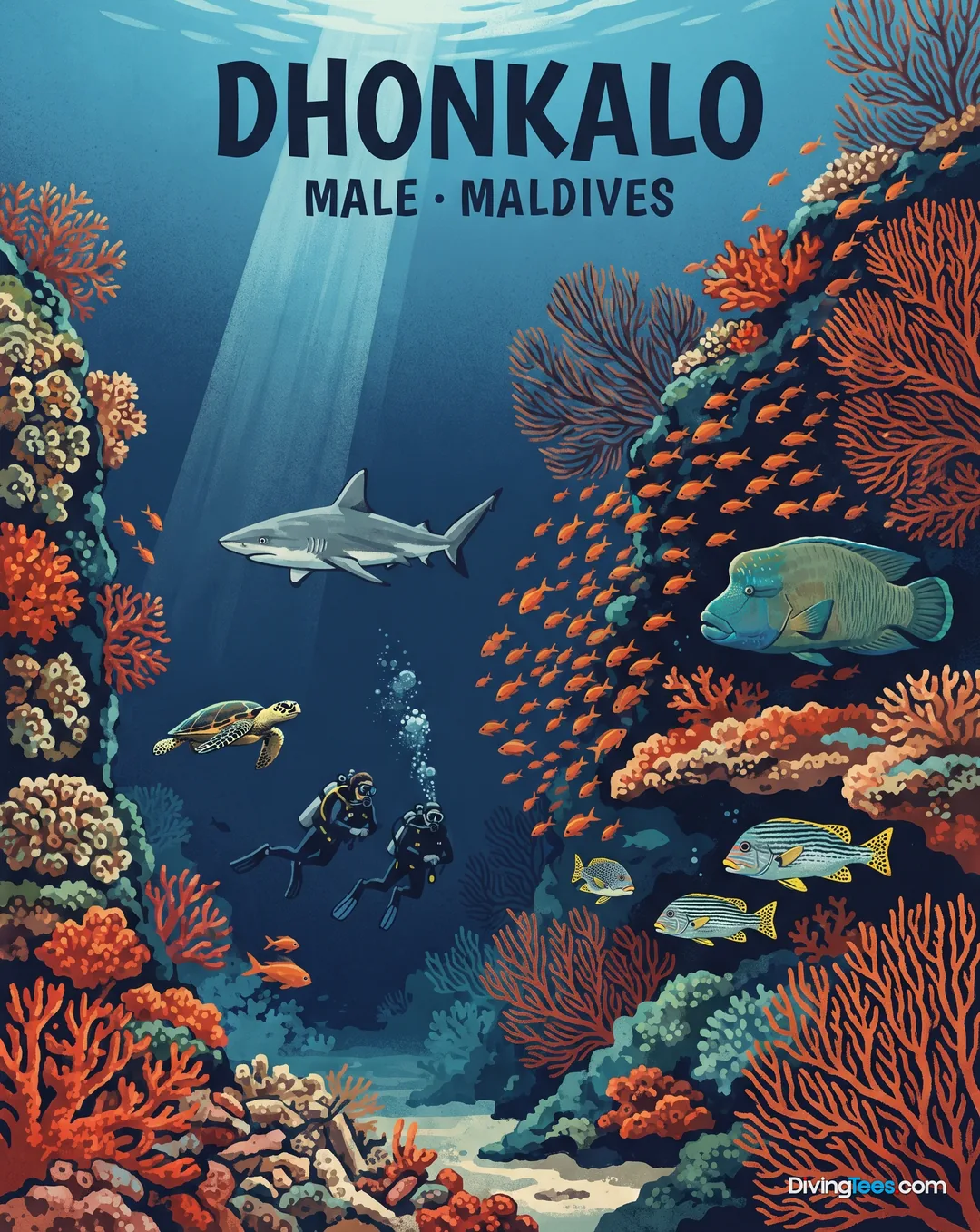
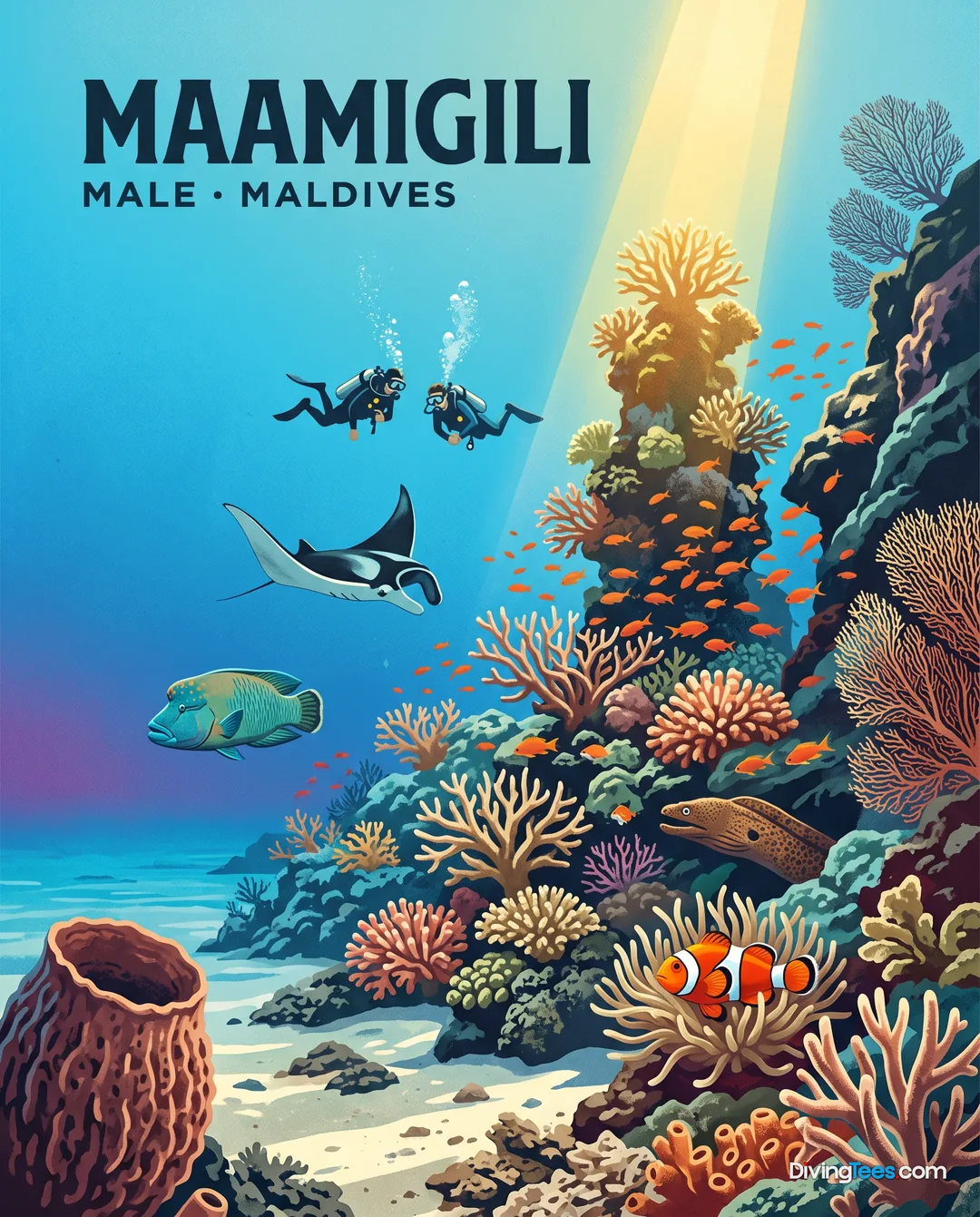
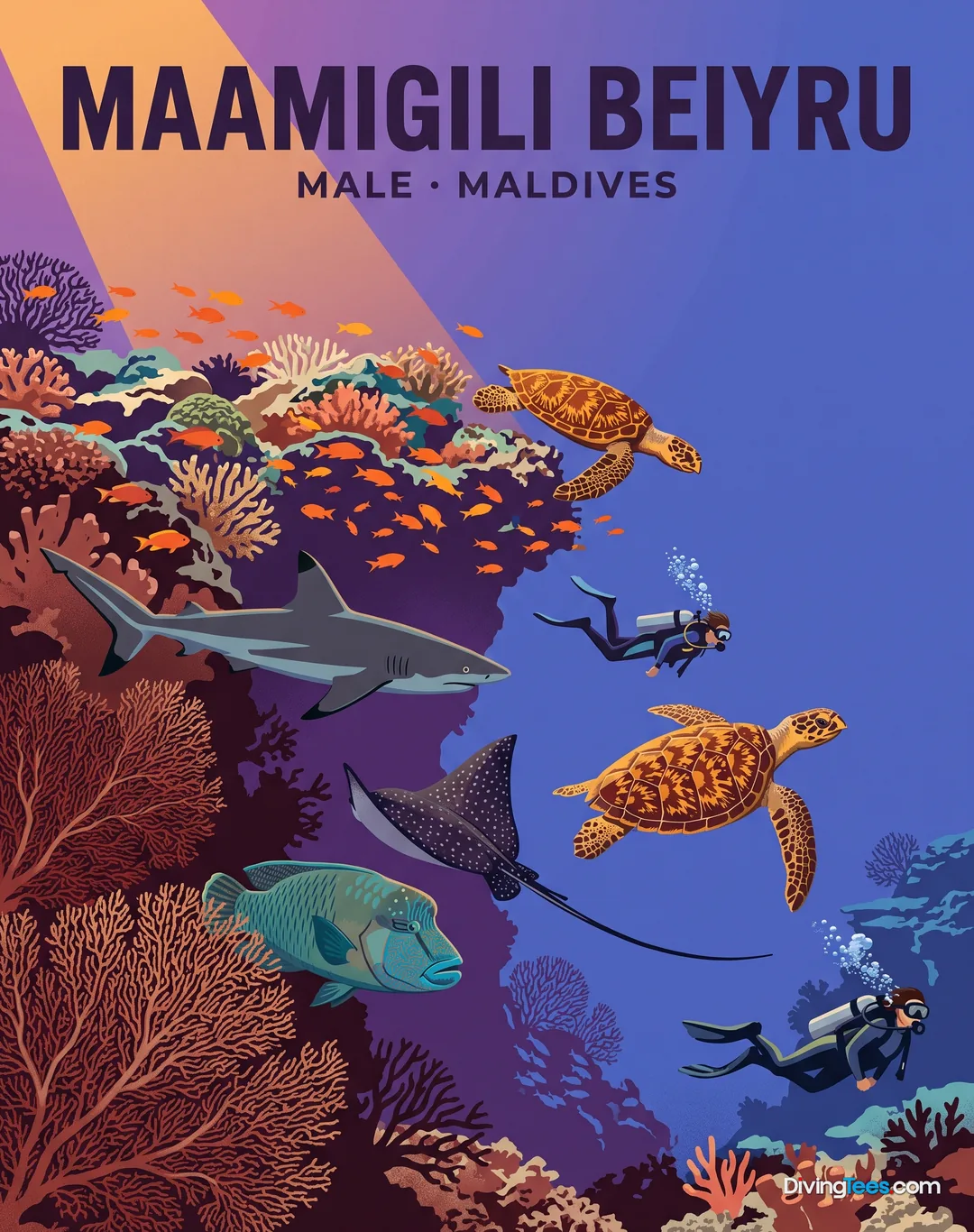
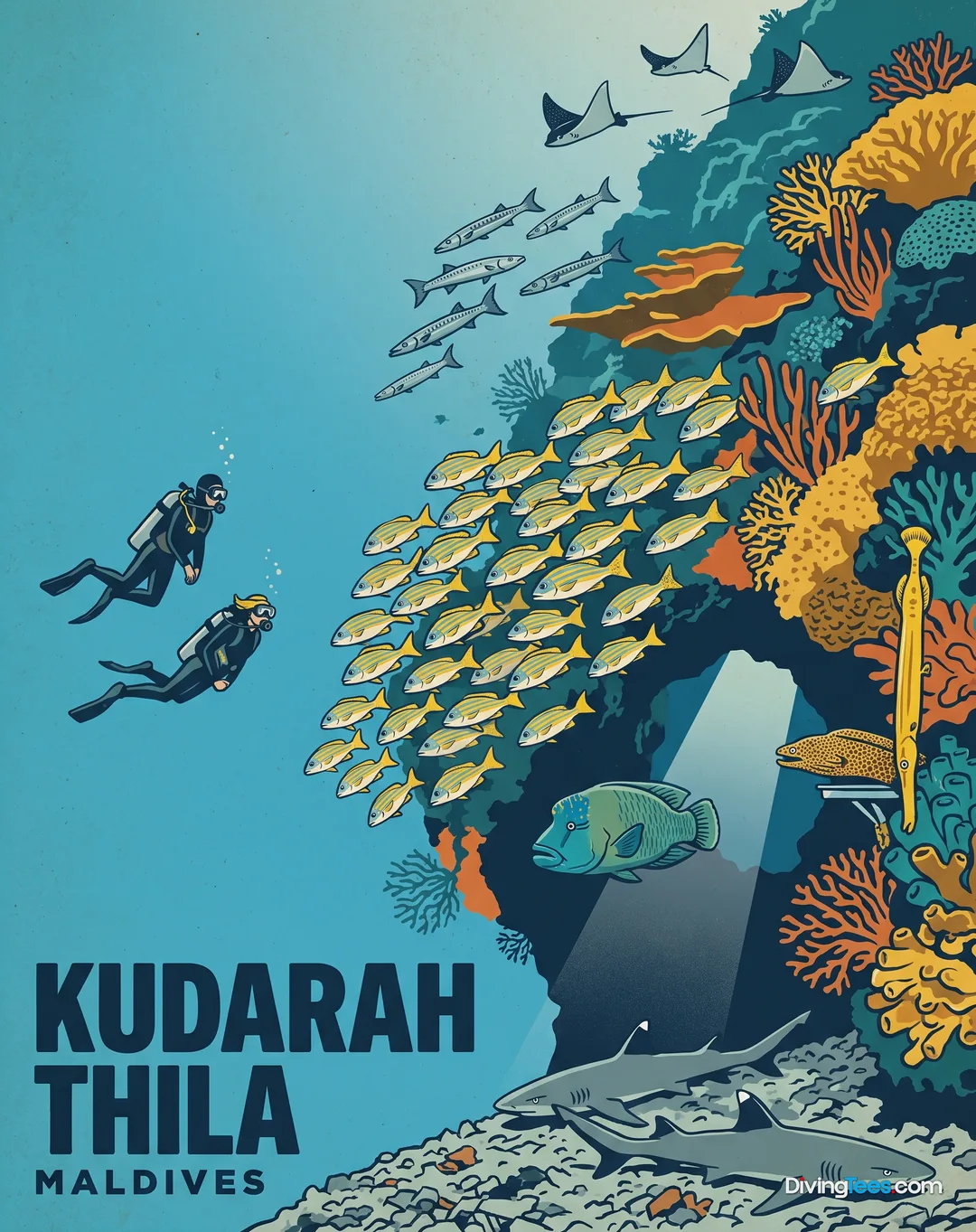
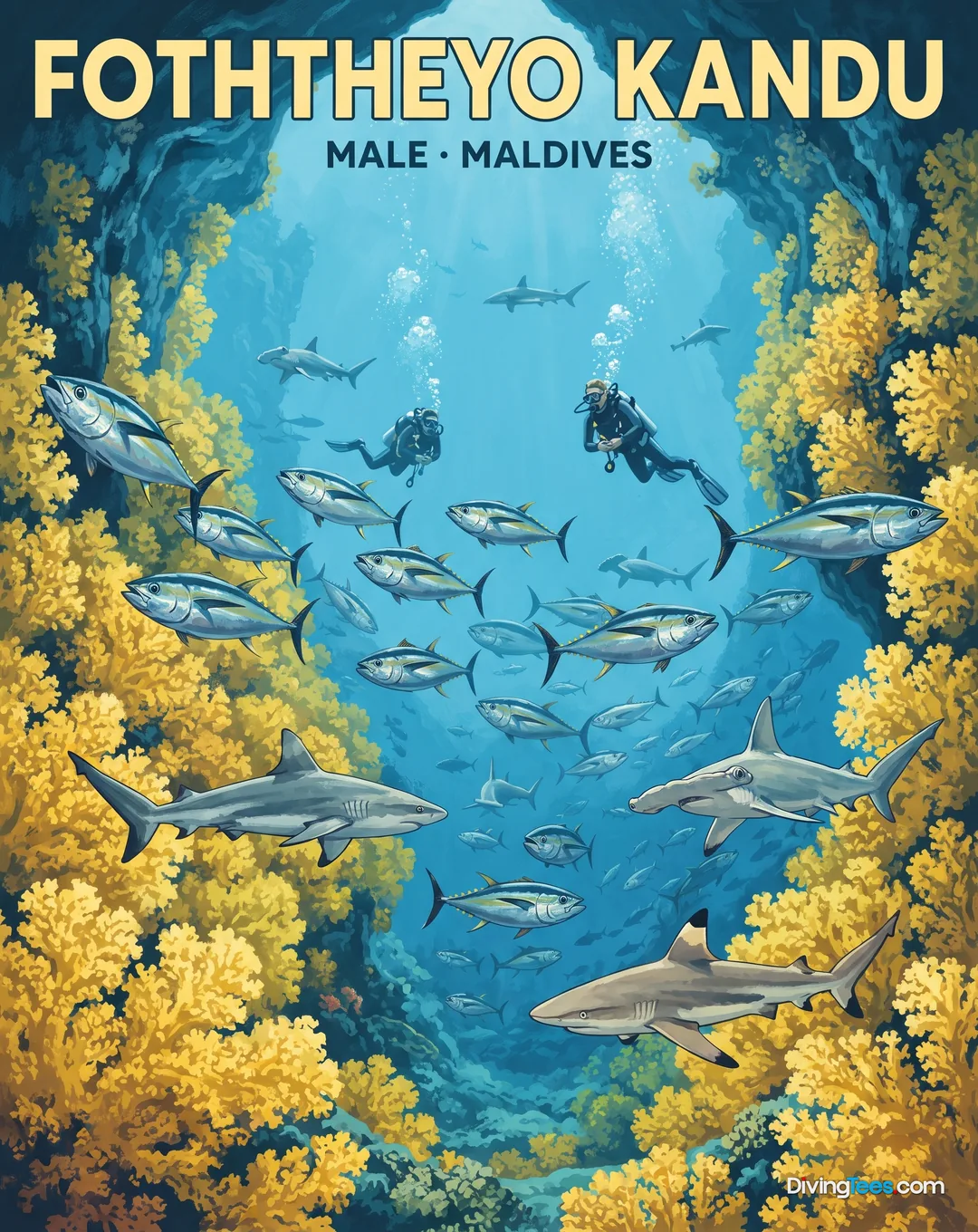
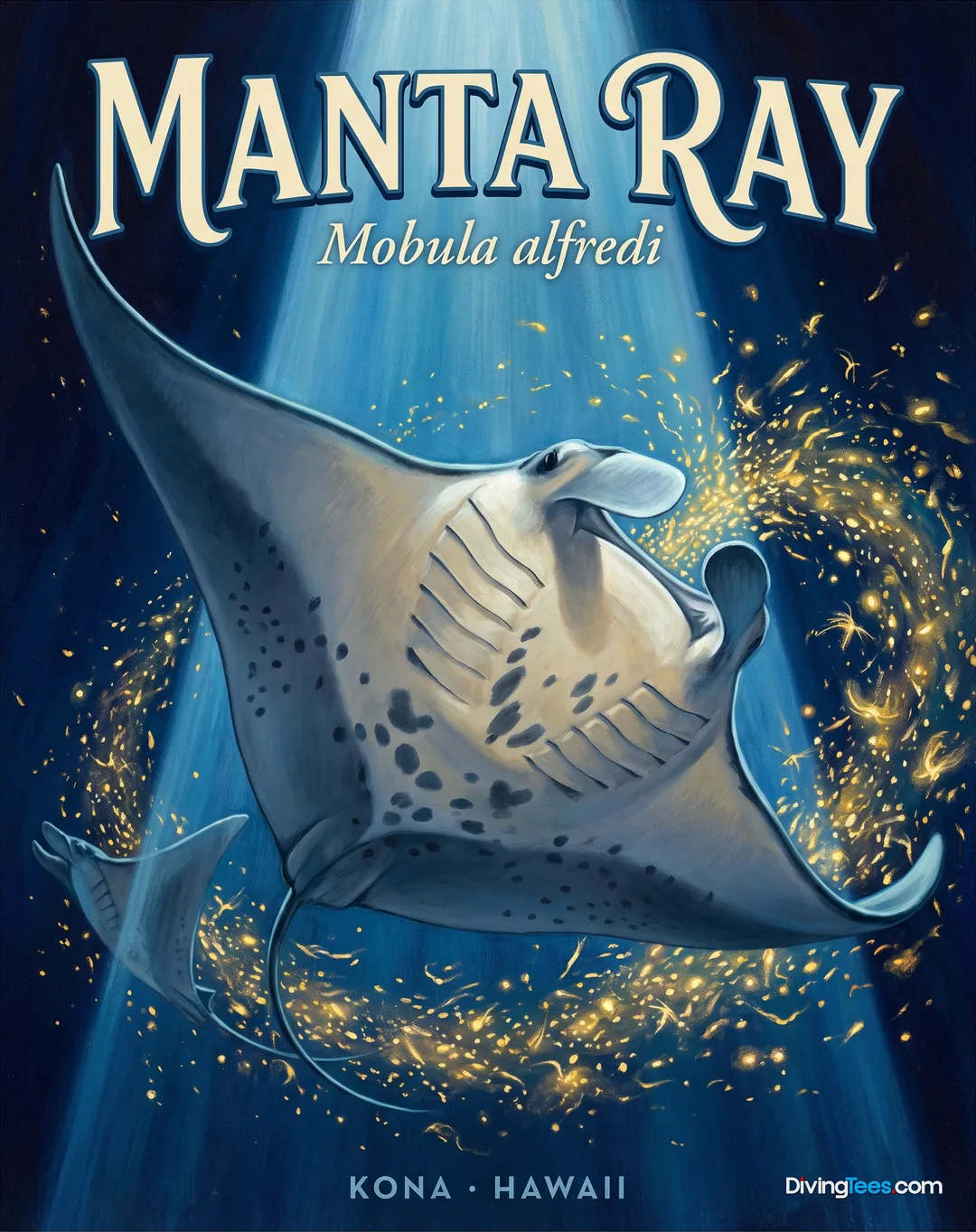
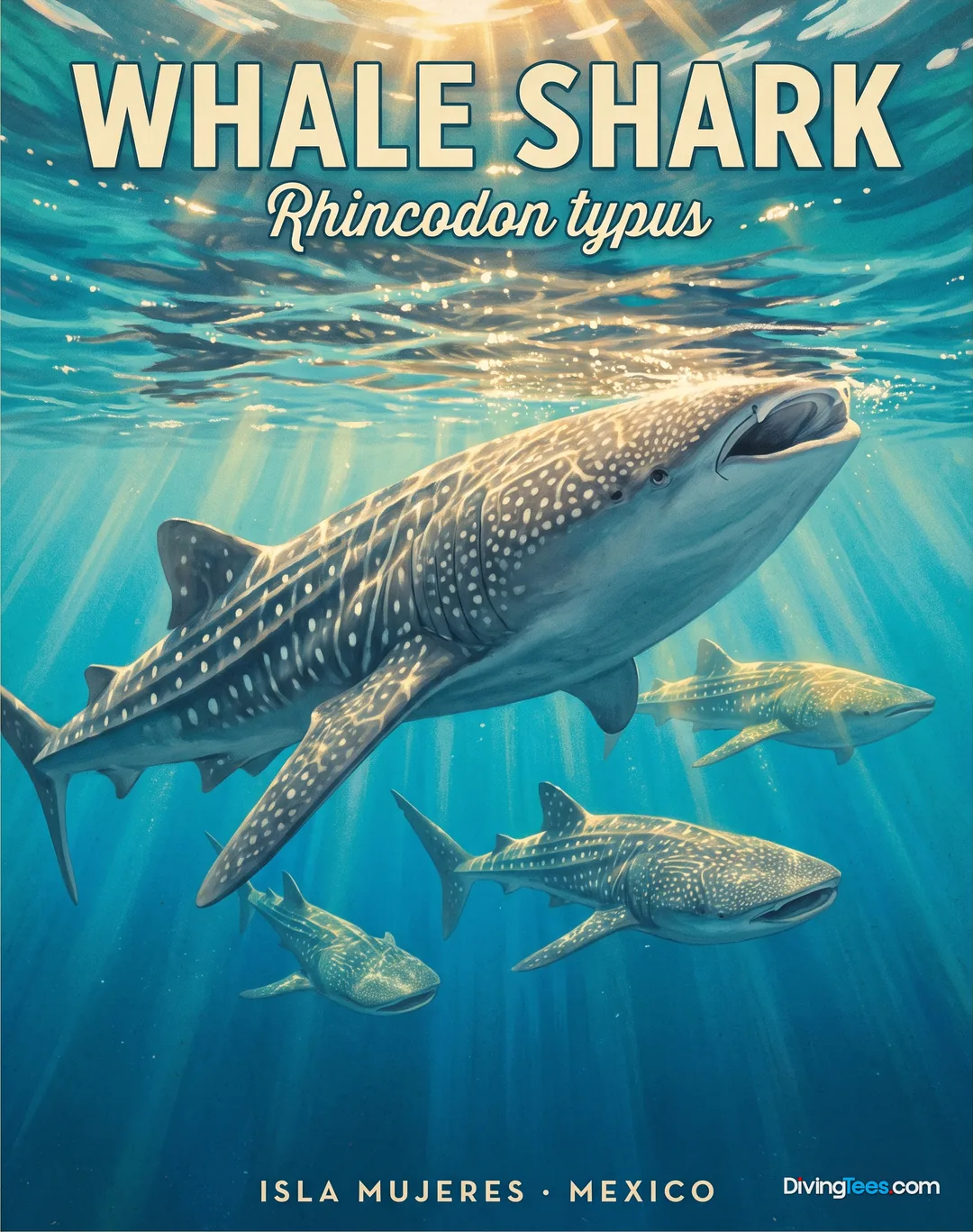
The Male-to-Male Best of Maldives route lasts 8 days and 7 nights, linking North and South Malé, Ari and Vaavu, with additional route coverage through the central atolls when conditions and animal movements allow. At Barracuda Giri, three submerged pinnacles drop to a maximum of -30m, where current brings barracudas, tunas, jacks and schooling fusiliers. Banana Reef is a lively reef system with reef sharks, eagle rays and bannerfish. Mushimasmigili Thila in the North Ari Atoll reaches -30m and places its grey reef shark encounters around the up-current pinnacle. Dhonkalo is a cleaning station in a sandy channel where manta rays gather, while Maamigili and Maamigili Beiyru, both to -30m, focus on whale sharks and mantas in the South Ari Marine Protected Area. Kudarah Thila, also to -30m, is an isolated pinnacle cut by clefts, overhangs and caves. In the channels, Myaru Kandu reaches -30m and Foththeyo Kandu -40m, with sharks, strong current and caves lined with yellow soft corals. Fushifaru Thila reaches -35m at manta cleaning stations. Weather, currents and migration decide the final order.
What you’ll meet underwater
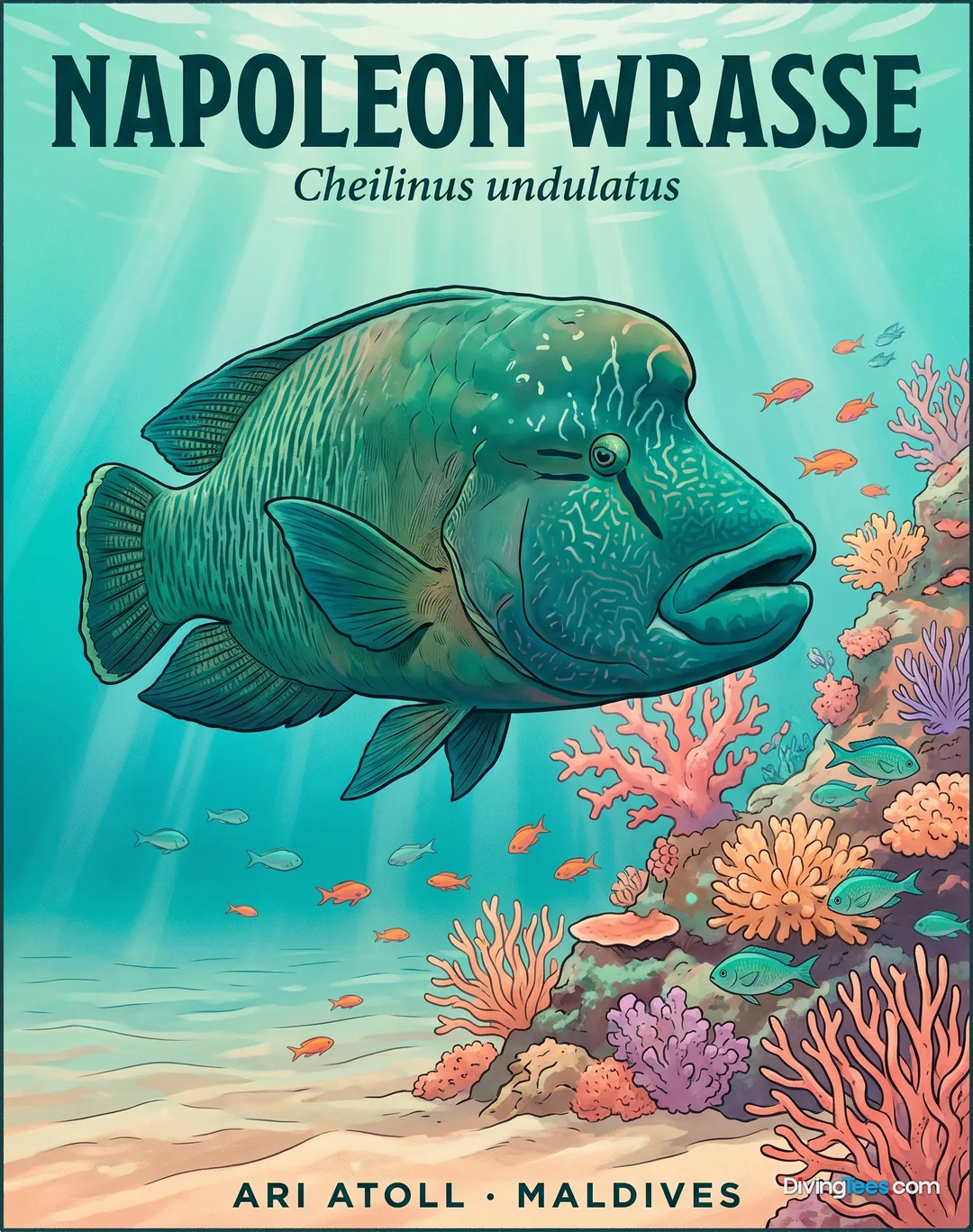
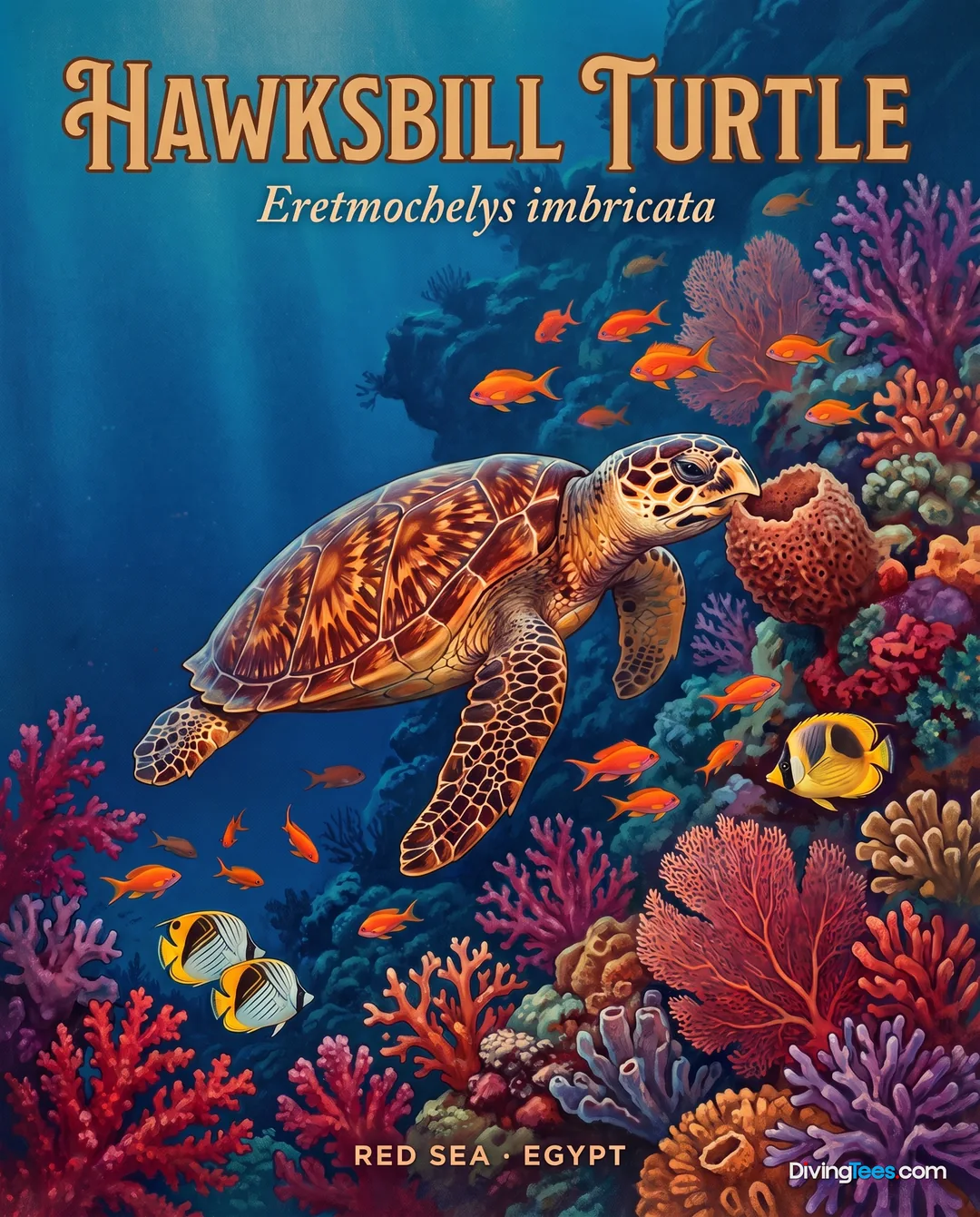
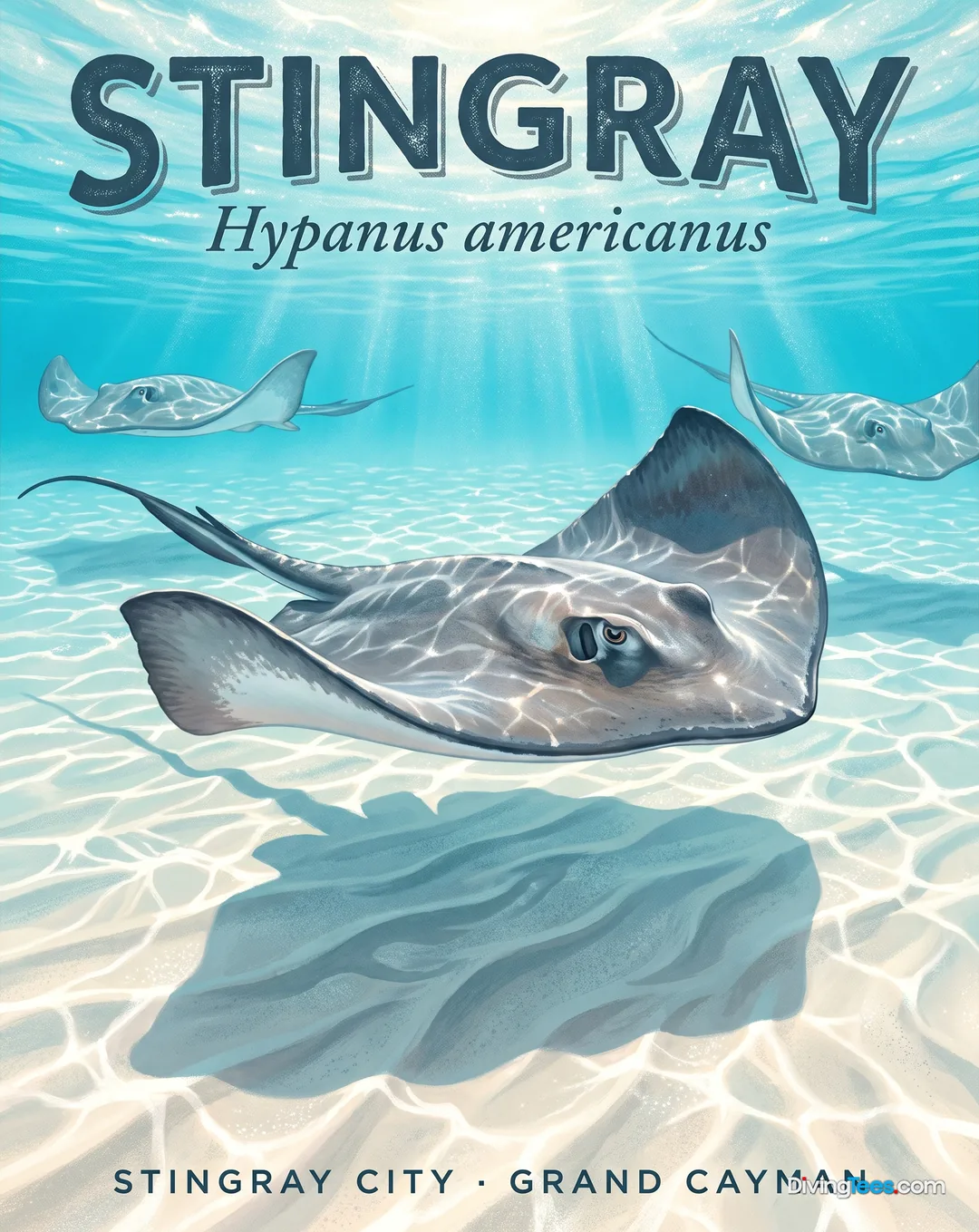
The recurring cast is substantial: Napoleon wrasse, grey reef sharks, whitetip reef sharks, turtles, barracudas, manta rays, tunas, fusiliers, eagle rays and jacks appear across much of the route. These are not aquarium sightings; channels and pinnacles concentrate current, and the same water that brings plankton to mantas also makes the diving more demanding. The reason to remember individual sites is what appears there in a particular setting. Barracuda Giri is the place for schooling barracudas, pelagic fish, grouper and anthias around its three pinnacles. Kudarah Thila can bring a giant trevally among the batfish and snapper schools. Dhigalhi Haa Marine Reserve combines red coralline algae, acropora and pelagic life, with soft coral and gorgonians recorded there. Myaru Kandu is known for grey reef and whitetip sharks, with the possibility of a dogtooth tuna. Maamigili is the route's whale-shark and manta focus. Dhigu Thila is the site associated with hawksbill turtles. Fushifaru Thila is notable for manta cleaning stations and stingrays.
Who puts you in the water
The working ratio is one dive guide for five divers, with groups commonly kept to four or five. That is the central safety advantage of the operation: a guide can manage a current dive without a large trail of divers disappearing around the pinnacle. The minimum requirement is 40 logged dives and an Advanced Open Water Diver certification or equivalent, so this is not a first-ever liveaboard for a newly certified diver. Briefings precede the dives and cover the site and conditions before guests move to the dhoni. English and Maldivian are spoken on board. The vessel carries oxygen kits and first-aid equipment, with full boat safety equipment and a dedicated compressor attendant among the crew. No course programme or defibrillator is listed, and no technical-diving support is offered. The guides are there to organise the group and read the site, not to turn demanding channel dives into a beginner training ground.
The dive deck and the gear
The diving is based from Ulua Hunter, a 37-foot dive dhoni that carries the equipment and takes divers to the sites. The arrangement keeps the main yacht clear of cylinders and wet kit, and gives the crew a proper working platform for briefings, entries and returns. A separate 22-foot speed tender is used for beach landings and other excursions. Included are 12-litre tanks, weights, compressors and a dive guide; equipment rental and nitrox are available as paid extras. The boat is not set up for technical diving. The published specifications do not identify tank material, valve type, compressor model, camera facilities, rinse-tank layout or a dedicated hot-water return shower, so those details should not be assumed when packing or planning a camera system. The dhoni also supports fishing and water sports, while the mothership provides the recovery point after the dive. The operation is designed around a full-service routine: equipment is set up at the beginning and broken down at the end.
Between dives
The quiet hours spread across several different spaces. The sun deck has loungers and a jacuzzi, while two outdoor lounges give guests somewhere shaded to sit without retreating indoors. The main-deck bar and open-air dining area suit the period after a dive, when wet hair is drying and the conversation is still about the last shark or current. Kayaks and stand-up paddleboards are available for a short escape from the yacht, and the tender can take guests ashore for beaches, sandbanks and excursions. A water slide is deployed during the trip, and fishing in the local style is included, with dhoni fishing available on request. For a longer surface interval, the indoor lounge offers sofas, music, a giant screen and home-cinema entertainment. The boat is at its best when the next dive is not rushed: rinse off, eat, find shade, then watch the atoll pass during navigation.
A day on board
A day starts before dawn when the boat is moving toward the next atoll or site. Coffee comes first, then a dive briefing and the first descent once the dhoni is in position. Breakfast follows the early dive, with another dive later in the morning and lunch between water work and navigation. The middle of the day may be filled by a beach landing, snorkelling, a sandbank, kayaks or simply shade on the sun deck. A further afternoon dive often follows, and the boat uses the evening to move toward the next region. Night diving is part of the programme, with the dhoni returning divers to the yacht before dinner or the evening meal following the dive depending on the site. Some nights bring a manta or whale-shark snorkel, traditional fishing, a Maldivian dinner or a beach barbecue instead. The exact sequence changes with weather, currents and animal movements. What stays constant is the useful repetition: briefing, dive, food, surface interval, navigation, then another entry.
What you eat aboard
Three meals a day come from a galley that covers Asian, Indian, Maldivian and European cooking, with snacks appearing around the dive schedule. Breakfast follows the early work of the boat, lunch arrives after the morning diving, and dinner closes the day after the later dive or evening activity. Local fish and Maldivian flavours can sit beside familiar European dishes, so the table does not become repetitive over a week. Vegetarian, vegan, lactose-free and gluten-free menus can be arranged in advance. Tea, instant coffee, hot chocolate and drinking water are included, while alcoholic drinks and other bar items are separate. On a four-dive-style day, food is not an event to dress around; it is the reliable handrail between briefings, gear changes and sleep. Beach landings and a night barbecue on a desert island add one meal away from the main dining room.
Nights at sea
Nights are spent in air-conditioned cabins with private bathrooms, television, minibar, safe and hairdryer. Standard Cabins and Family Cabins sit on the lower deck; the Family Cabins add a queen-size bed and a single bed, making them the useful choice for three people. Seaview Suites occupy the main and upper decks, with double or twin arrangements depending on the cabin. The difference is felt less in decoration than in where the cabin sits: lower-deck rooms are closer to the machinery and waterline, while the suites bring more daylight and a higher view over the atolls. Towels are refreshed daily. After dinner, guests can move between the indoor lounge, the open-air areas and the sun deck rather than being confined to a single saloon. The boat carries a working liveaboard soundscape—engine, compressors and water against the hull—alongside the quieter hours when the yacht is anchored and the decks empty.
Standard Cabin
Family Cabin
Seaview Suite
What to know before boarding
Standard charters start and finish in Malé, with airport pick-up and return to Velana International Airport. A scheduled group transfer from Malé airport to the boat and back is included; a private transfer is separate. Staff meet arriving guests at the airport with a Princess Ulua sign and take them to the boat, a journey of about 30 minutes. International flights often arrive late, so arriving in Malé the night before gives useful margin before boarding.
- Year built
- 2019
- Length
- 37.3 m
- Beam
- 10.6 m
- Maximum number of passengers
- 22
- Number of cabins
- 11
- Engines
- 1 × 640 hp diesel
- Tenders
- 1 × 11.3 m diving dhoni/speedboat and 1 × 6.7 m dinghy/speed tender
- Website
- princessuluamaldives.com ↗
Hello, I'm Marina, DivingDeal.com's AI assistant. I answer in detail about hotels, dive centres and liveaboards.

Thinking about the whole trip and the flights? Talk it over with Edith →
Marina is an AI. Some links are affiliate links: DivingDeal may earn a commission, at no extra cost to you. Bookings are made with the partner.