
Sellor - Kerguelen Sports Ocean
★ 4.7/5 (44 reviews)
9.7 km away as the crow flies
Brittany · France · Mediterranean
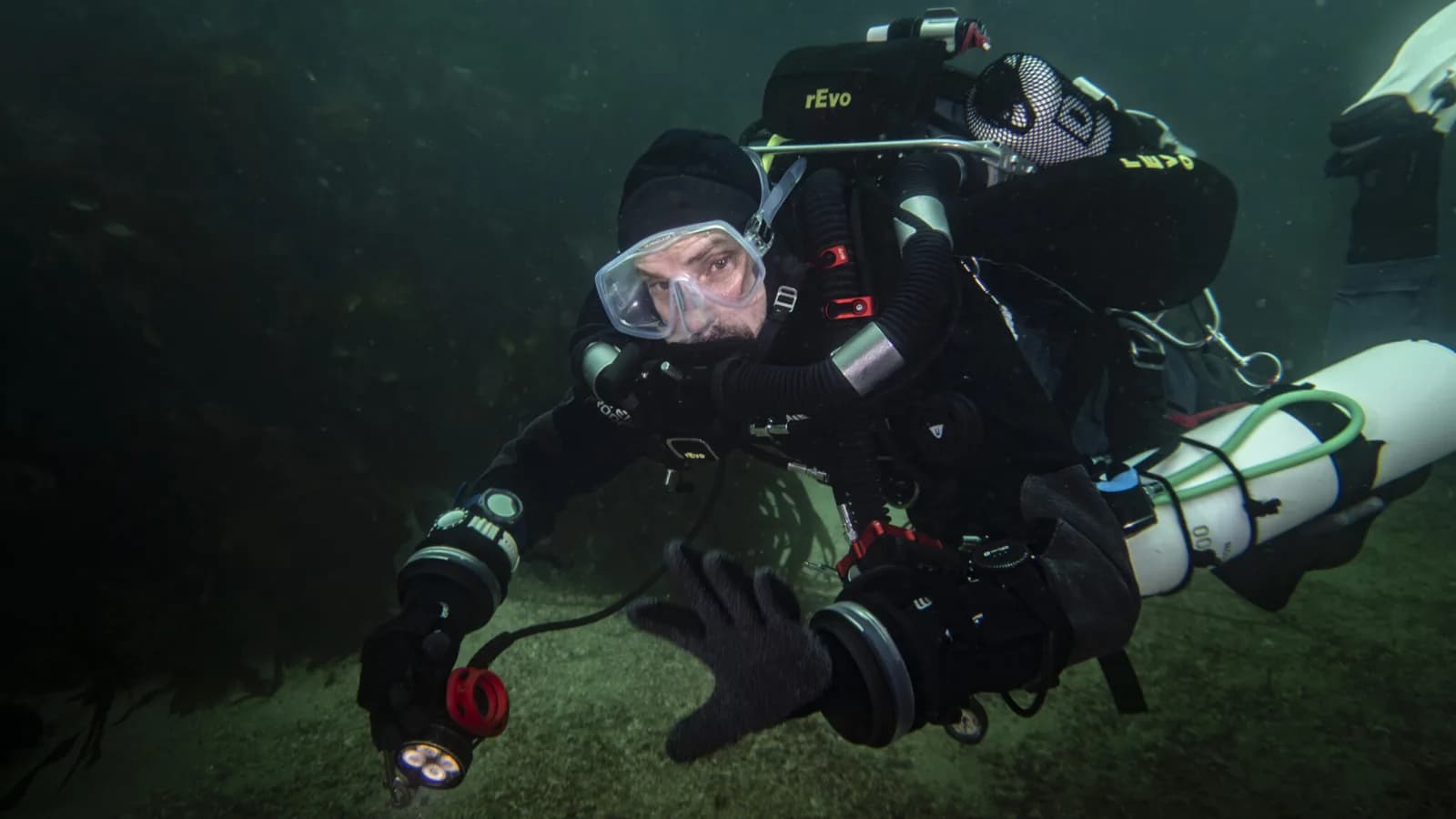
Max. depth · 25 mDescend into the granite formations of Les Roches de Port Lay, where Atlantic currents shape a rich, shallow reef environment.
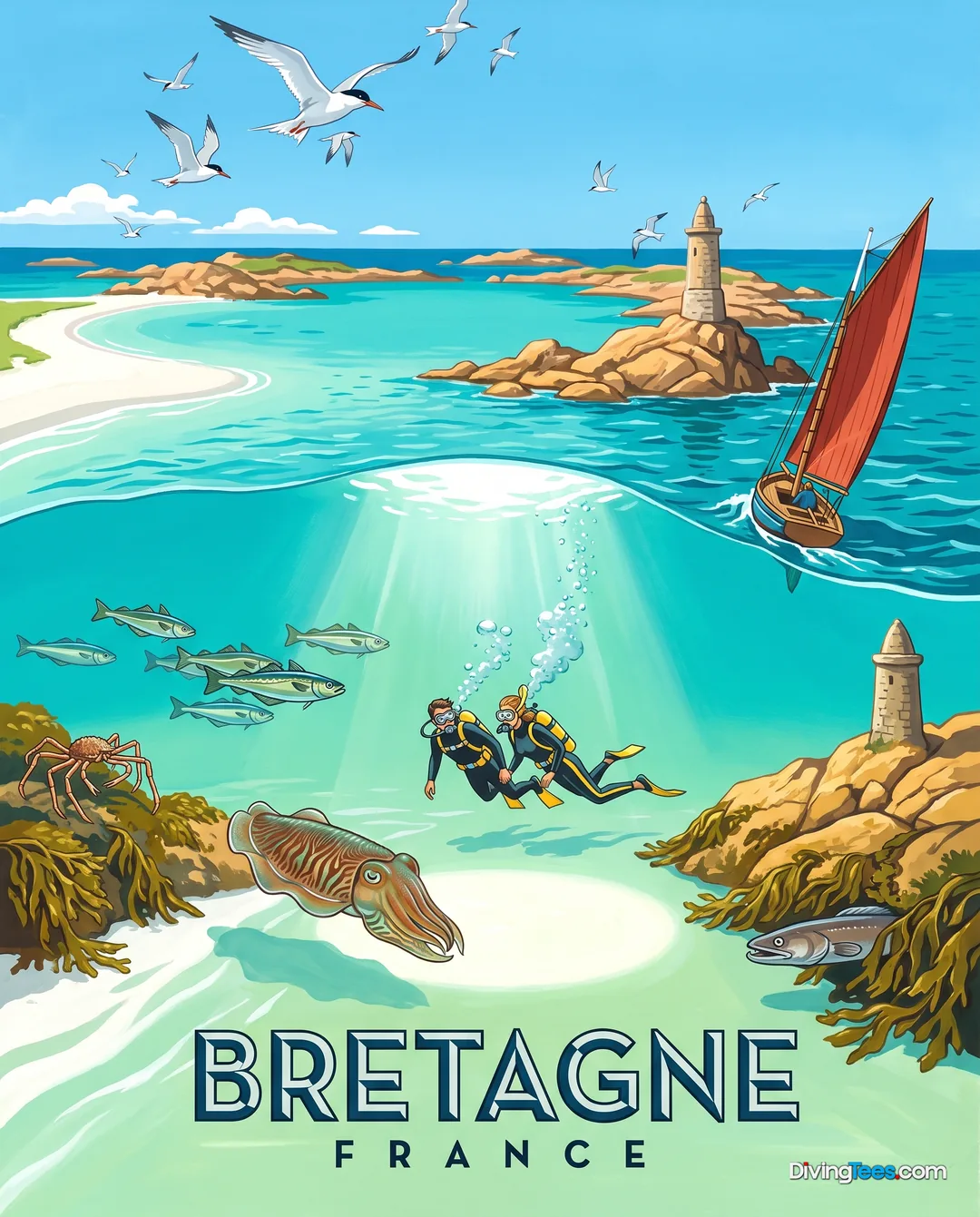
Les Roches de Port Lay, often referred to as Port Lay Rocks, presents a distinct Atlantic reef dive experience off the coast of Bretagne. The topography is dominated by granite rock faces and a network of shallow crevices, forming a complex relief that provides ample shelter for marine life. Unlike a deep wall or a large wreck, this site focuses on the intricate details of its rocky structure, inviting close exploration rather than grand vistas. The interaction of swell and current over these formations has sculpted a dive environment where every cranny holds potential.
The dive profile typically begins in shallower areas, around 5 meters, before gradually descending to a maximum depth of 25 meters. This allows for extended bottom times and a comprehensive exploration of the reef's varied zones. As you navigate the site, you'll find yourself tracing the contours of the granite, moving through areas of gentle slope and then encountering more abrupt drop-offs that lead to deeper sections. The interplay of light filtering through the shallower parts creates a dramatic effect on the rock formations, changing with the time of day and the sea state.
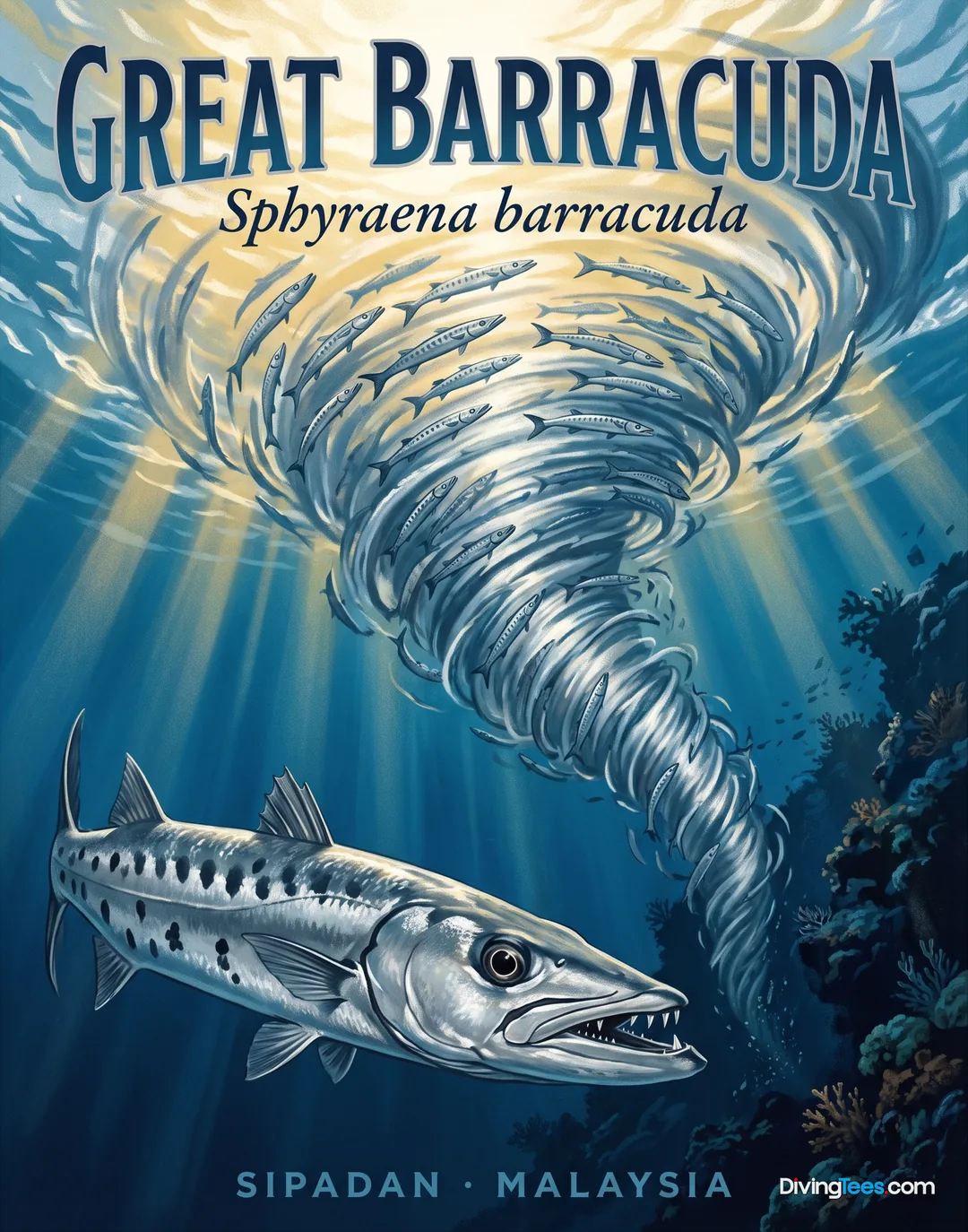
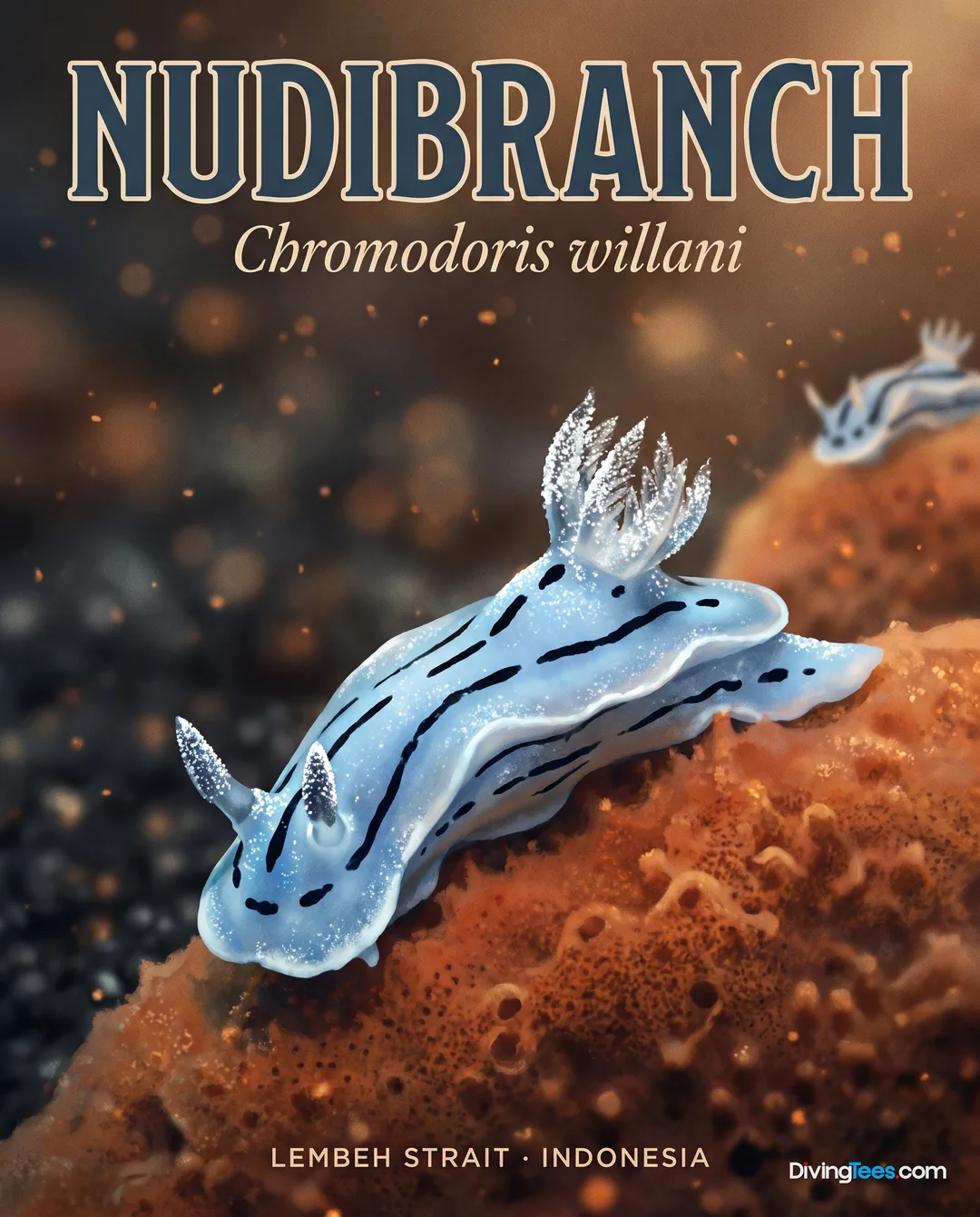
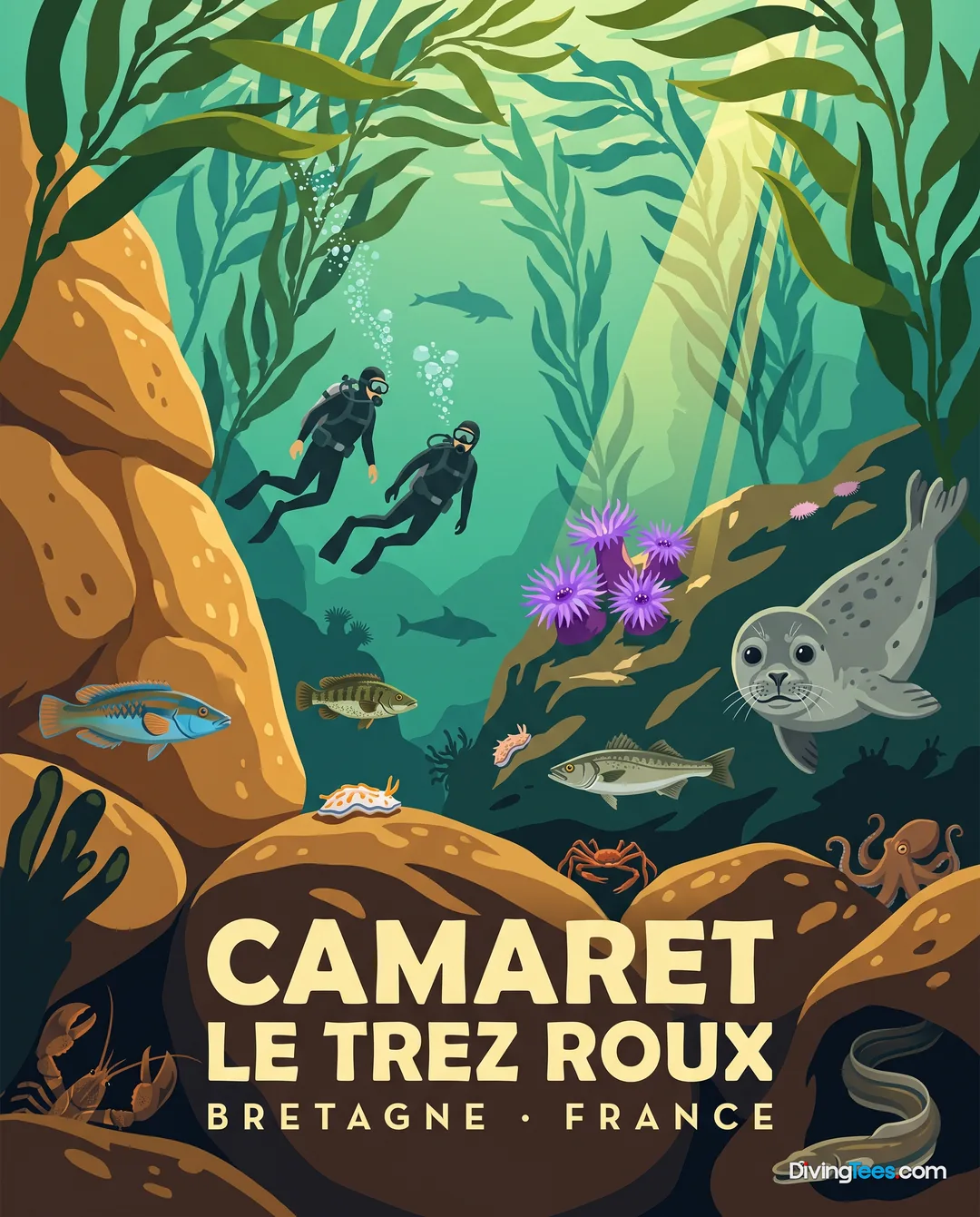
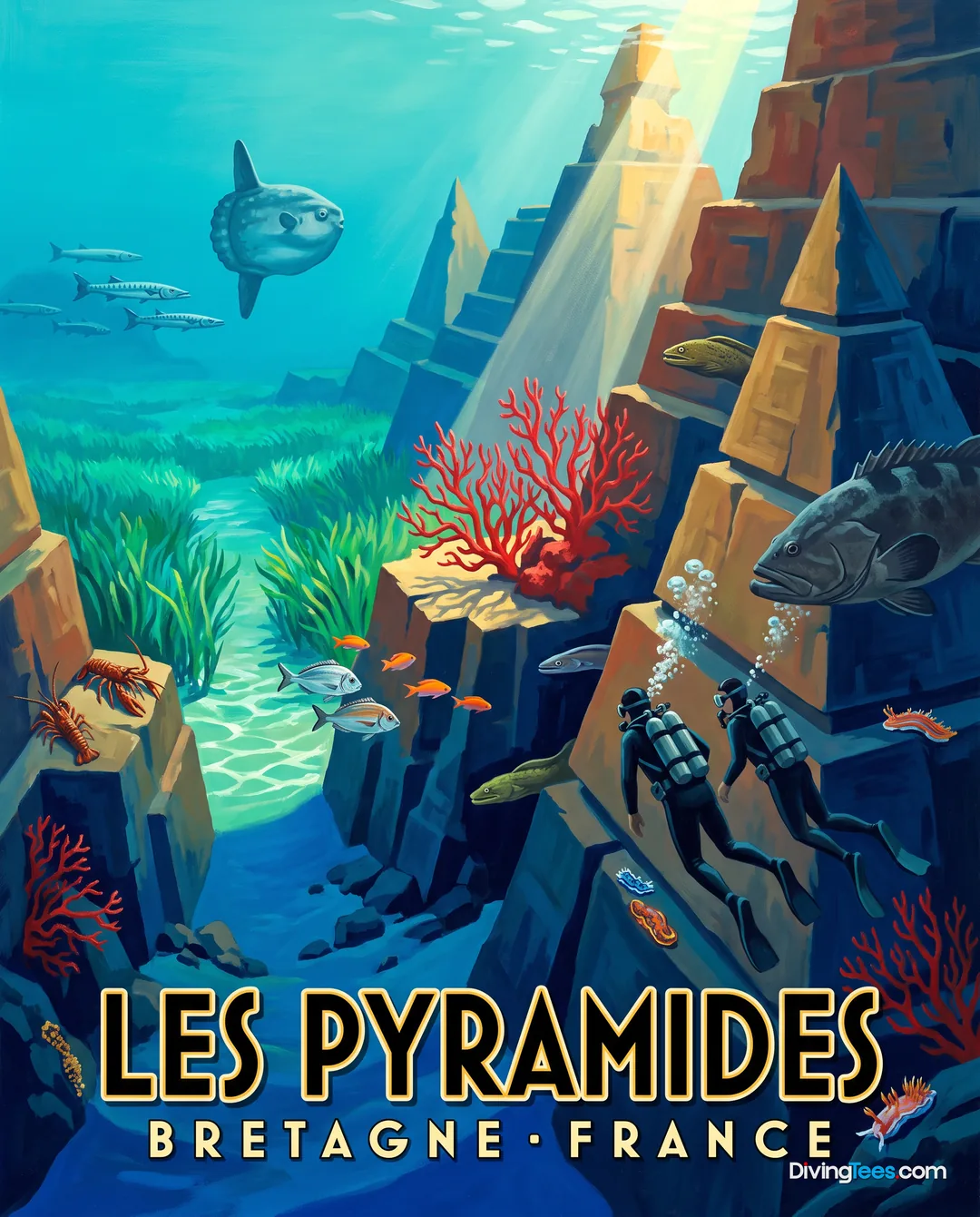
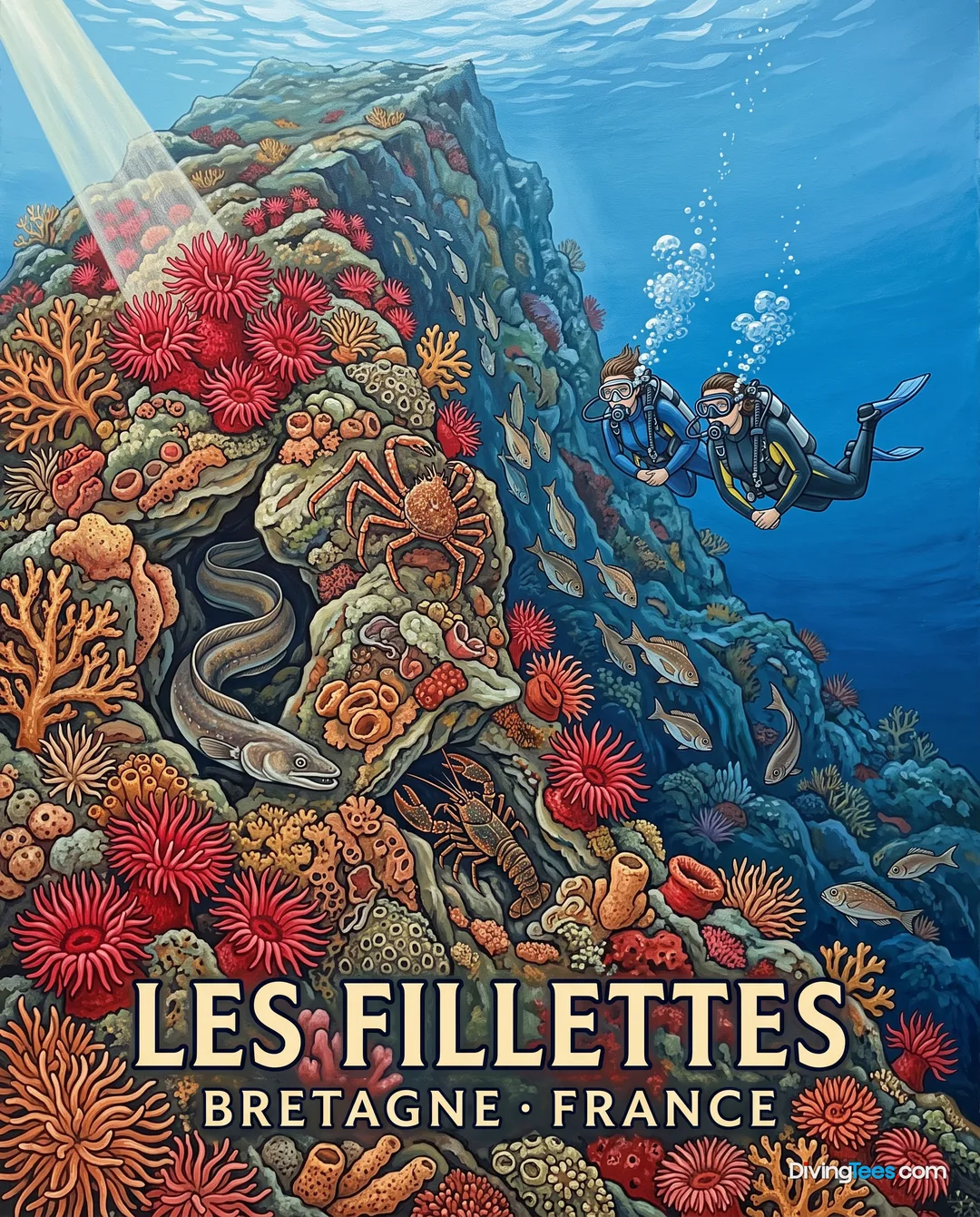
Marine life at Les Roches de Port Lay is adapted to these Atlantic conditions, with European bass and pollack frequently encountered patrolling the rocky outcrops. Beneath the ledges and within the numerous crevices, you'll discover a world of nudibranchs, providing a focus for macro enthusiasts. Keep an eye out for larger predators like barracuda, often seen moving in schools, and the more elusive grouper. The shelter of the rocks also provides habitat for octopus, lobster, and conger eels, requiring a keen eye to spot their camouflaged forms.
The site's character is heavily influenced by the dynamic conditions of the Atlantic. While described as 'variable,' the current at Les Roches de Port Lay can shift with the weather and local sea state, particularly during tidal changes. It's an environment that rewards situational awareness, as conditions can range from relatively calm, especially during the summer, to more exposed when storms or significant swell affect this western-facing location. Understanding these dynamics is key to a comfortable and safe dive, ensuring you plan your trajectory with the flow.
What truly sets Les Roches de Port Lay apart is its quintessential Brittany character; it's not about pelagics in the blue, but about the resilience and beauty of life thriving in a granite, current-swept environment. This is a site where seasonal changes bring different marine life and conditions, making each dive a unique experience. The emphasis here is on the rugged, shallow granite relief and the macro life that seeks refuge within its nooks, rather than dramatic deep walls or vast open water. It offers a tangible connection to the unique marine ecosystem of this coast.
Visibility at Les Roches de Port Lay typically ranges from 8 to 15 meters, influenced by the same Atlantic conditions that affect current and comfort. During the calmer summer months, you can expect the upper end of this range, providing clearer views of the reef's intricacies. Outside of this period, and particularly after stormy weather, suspended particles can reduce visibility, adding to the challenge but also the sense of exploration. Planning your dive during optimal weather windows will significantly enhance your experience of the site's rich textures and hidden inhabitants.
This site is accessible from 5 to 25 meters, requiring an Open Water Diver certification. Local experience is recommended due to the variable currents which can be significant, especially with changing tides or swell. Visibility ranges from 8 to 15 meters, typically improving during the calmer summer months. The optimal season for diving Les Roches de Port Lay is from June to August, when conditions are generally more stable and the site is less exposed to Atlantic weather patterns.
★ 4.7/5 (44 reviews)
9.7 km away as the crow flies

★ 5/5 (104 reviews)
26 km away as the crow flies
★ 4.9/5 (33 reviews)
19 km away as the crow flies
 CMAS
CMAS★ 5/5 (61 reviews)
27 km away as the crow flies
★★★
★ 8.9/10 (532 reviews)
23 km away as the crow flies
★★
★ 8.8/10 (495 reviews)
22 km away as the crow flies
★★★★
★ 9/10 (709 reviews)
30 km away as the crow flies
★★★
★ 8.6/10 (615 reviews)
26 km away as the crow flies