Zakynthos · Greece · Mediterranean
Max. depth · 15 mDafni Beach, Zakynthos: Shallow Reef and Coastal Canyons
Explore a labyrinth of rocky canyons and sandy patches in the Zakynthos Marine National Park.
What makes this site special
- Shallow depth of 5 to 15 metres
- Labyrinthine rocky canyons and passages
- Easy shore entry from the beach
- Presence of loggerhead sea turtles
- Immersed motorcycle among the rocks
- Diverse terrain of sand, rock, and seagrass
For subtitles in English: once the video has started, click the gearat the top right of the video, select “Subtitles/CC”, then “Auto-translate” and choose “English”.
Dafni about the site
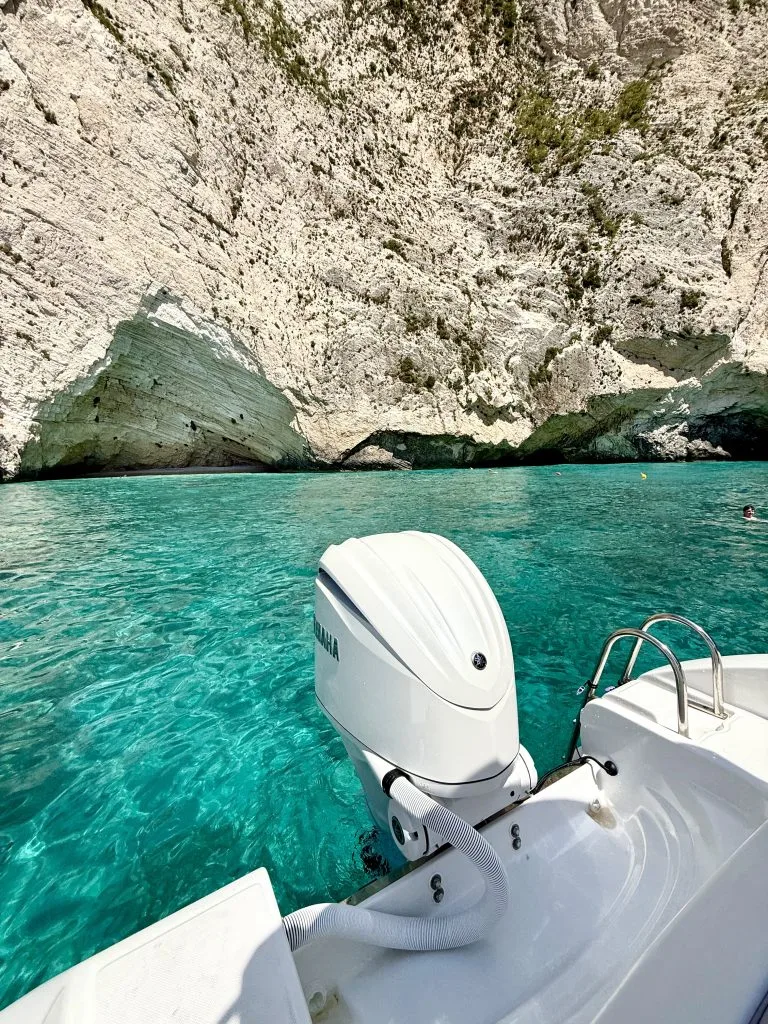
Approaching Dafni is straightforward as the site is primarily accessed via a shore entry from the beach. The topography begins with rocky formations that emerge at approximately 5 metres deep, creating a structured environment right from the start of your descent. As you move away from the immediate shoreline, the relief transitions into a series of sandy areas and seagrass meadows interspersed with scattered rocks. This combination of surfaces provides a diverse visual field even at relatively shallow depths.
The underwater layout is defined by its labyrinthine structure, where large rocky blocks have formed natural canyons and narrow passages. Navigating through these formations allows you to explore different micro-habitats within a very compact area. These canyons offer protection from any local surge and provide many hiding spots for smaller marine life. Following the contours of the rocks will lead you through a complex terrain that feels much larger than its actual depth suggests.
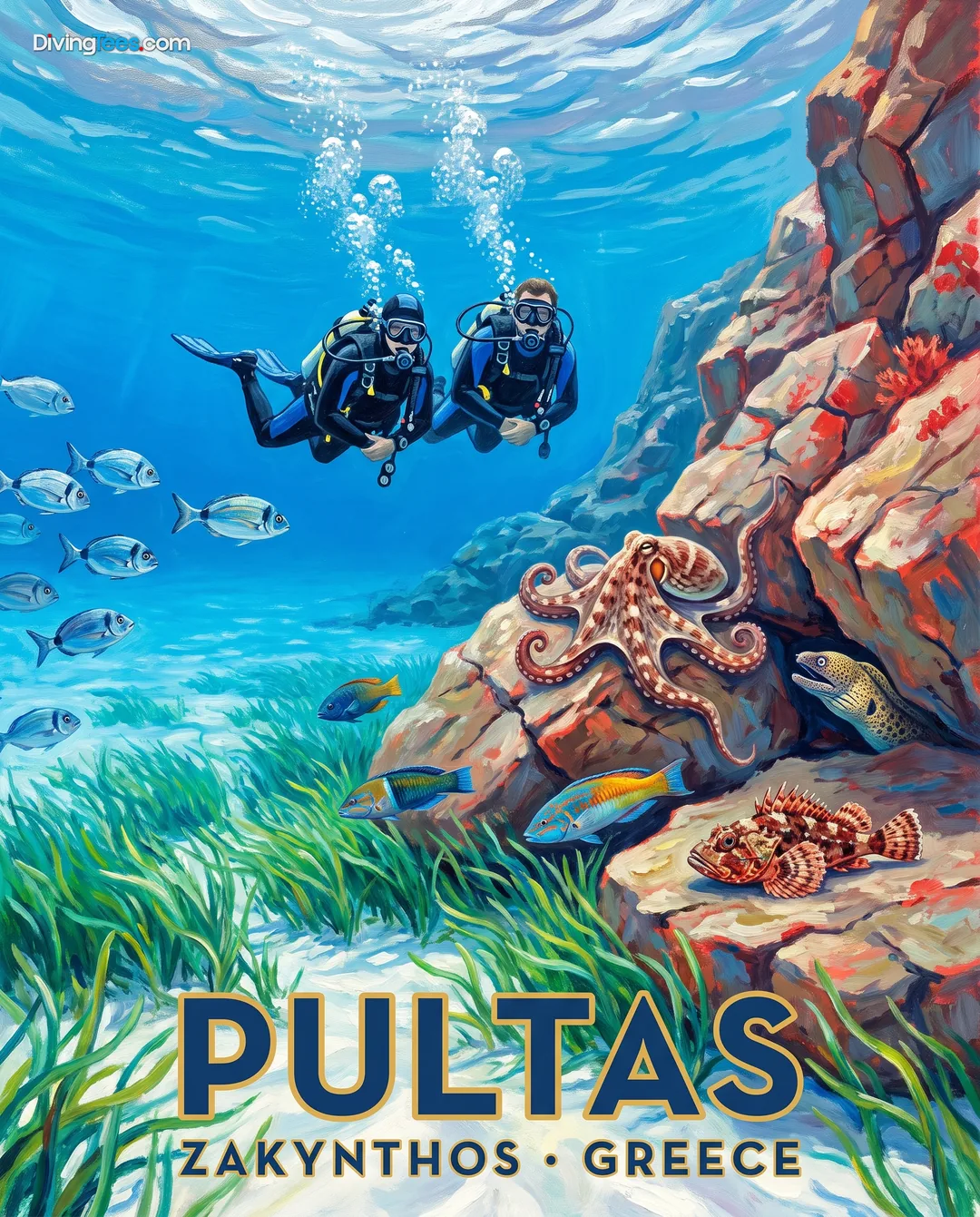
For those interested in spotting specific marine life, the rocky crevices and sandy transitions are the primary areas of interest. You will often find scorpionfish using their camouflage to blend into the surrounding stone, waiting for prey. The octopus is also a common resident here, frequently found tucked into the shadows of the rock formations or partially buried in the sand. These encounters require a patient eye and a slow, methodical approach to your swim through the canyons.
The site's location within the Zakynthos Marine National Park brings the possibility of encountering loggerhead sea turtles (Caretta caretta). These animals are often found in the calmer, shallower sections where the seagrass meadows provide foraging grounds. Observing them in their natural habitat requires maintaining a respectful distance to avoid disturbing their movement. Their presence is one of the defining characteristics of this protected coastal zone.
The bottom composition at Dafni is a mix of hard and soft surfaces, which is beneficial for both navigation and biology. Large boulders sit on a sandy floor, creating high-relief areas that draw in various species. The presence of seagrass is a key indicator of the site's health and serves as a nursery for much of the local fauna. Moving between the sandy expanses and the rocky walls allows for a varied dive profile without needing to descend to great depths.
One of the more unusual features to look for during your exploration is an immersed motorcycle. While not a traditional wreck, this object sits among the rocks and adds a unique element to the site's history. It serves as an additional point of interest for divers navigating the deeper sections of the reef. Finding it requires some familiarity with the local topography, as it is integrated into the natural environment of the seafloor.
Light penetration at Dafni is excellent due to the shallow nature of the site, typically ranging between 5 and 15 metres. This high light availability ensures that the colours of the reef and the textures of the rocks are clearly visible throughout the dive. The clarity of the water enhances the sense of space within the canyons, making the navigation feel open and safe. This makes the site particularly suitable for those working on buoyancy control or practicing basic navigation skills.
Diving Dafni: the marine life you’ll meet

Diving conditions
The site is shallow, with depths ranging from 5 to 15 metres. It is accessible from Open Water Diver level and is considered suitable for beginners. There is generally no notable current, though conditions can vary based on the local sea state and surface exposure. Visibility typically ranges between 16 and 25 metres. The best season to dive here is from May to October.
Three dives not to miss


Map of hotels, dive sites and dive centres in Zakynthos
Dive centres in Zakynthos
Nero-Sport Diving Center
Zakynthos
Google 5/5 (669 reviews)
4.1 km away as the crow flies
Nearest hotel: 400 m
Studio Timotheos Basic
Google 4.6/5 (76 reviews)

Hotels in Zakynthos
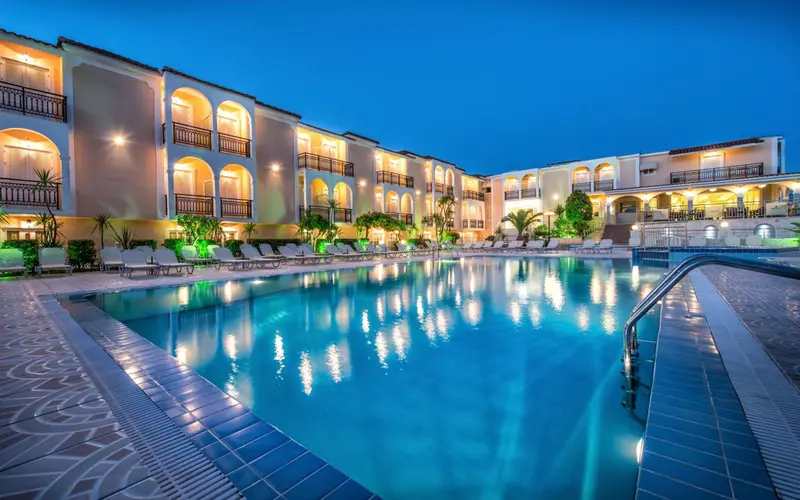
Zante Sun Resort
Zakynthos
Google 4.5/5 (1,169 reviews)
6.6 km away as the crow flies
Nearest dive centre: 270 m
Zante Diving
Google 4.9/5 (1,303 reviews)
Frequently asked questions about Dafni
When should you dive Dafni in Zakynthos?
You can dive Dafni from May to October. The site is accessed from the beach, so you begin with an easy shore entry before reaching rocky formations at shallow depth. Its clear, well-lit underwater terrain includes sandy areas, seagrass meadows, scattered rocks, canyons, and passages.
What level do you need for Dafni, and how deep is Dafni?
Dafni is suitable for beginners and accessible from Open Water Diver level. The site remains shallow, ranging from five to fifteen metres. Its varied bottom of rocks, sand, and seagrass lets you explore canyons and passages without needing to descend to great depths.
What current and water conditions should you expect at Dafni?
Dafni generally has no notable current, although conditions can vary with the local sea state and surface exposure. Visibility typically ranges from sixteen to twenty-five metres. The shallow depth allows strong light penetration, helping you see the rocks, reef colours, and canyon textures clearly during your dive.
What can you see while diving Dafni?
At Dafni, you can explore labyrinthine rocky canyons, narrow passages, sandy areas, seagrass meadows, and scattered rocks. Look for scorpionfish in rocky crevices and octopuses among shadows or sand. Loggerhead sea turtles may appear in calmer shallows, and an immersed motorcycle rests among the rocks.