

Mateua Dive
Google 4.9/5 (664 reviews)
7.1 km away as the crow flies
Spain · Mediterranean
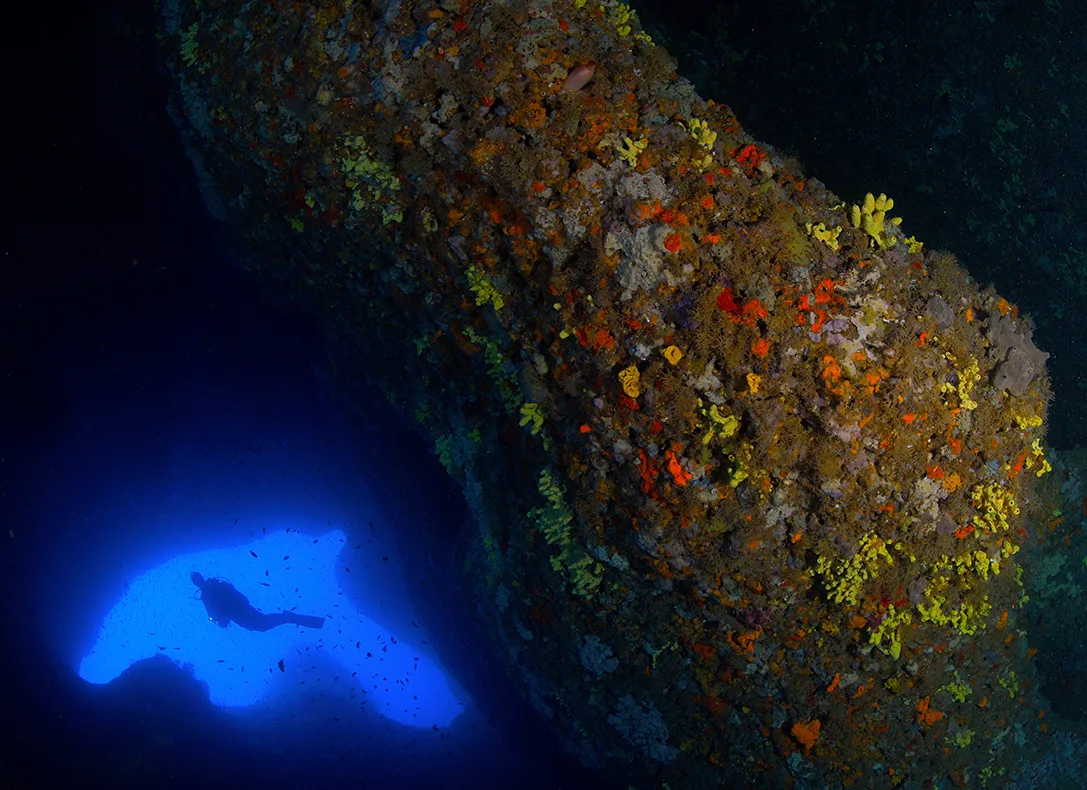
Short boat rides lead to red-gorgonian walls, Mediterranean canyons, brown groupers and the broken Reggio Messina wreck at 32 metres.
For subtitles in English: start the video firstthen click the gearat the top right of the video, select “Subtitles/CC”, then “Auto-translate” and choose “English”.
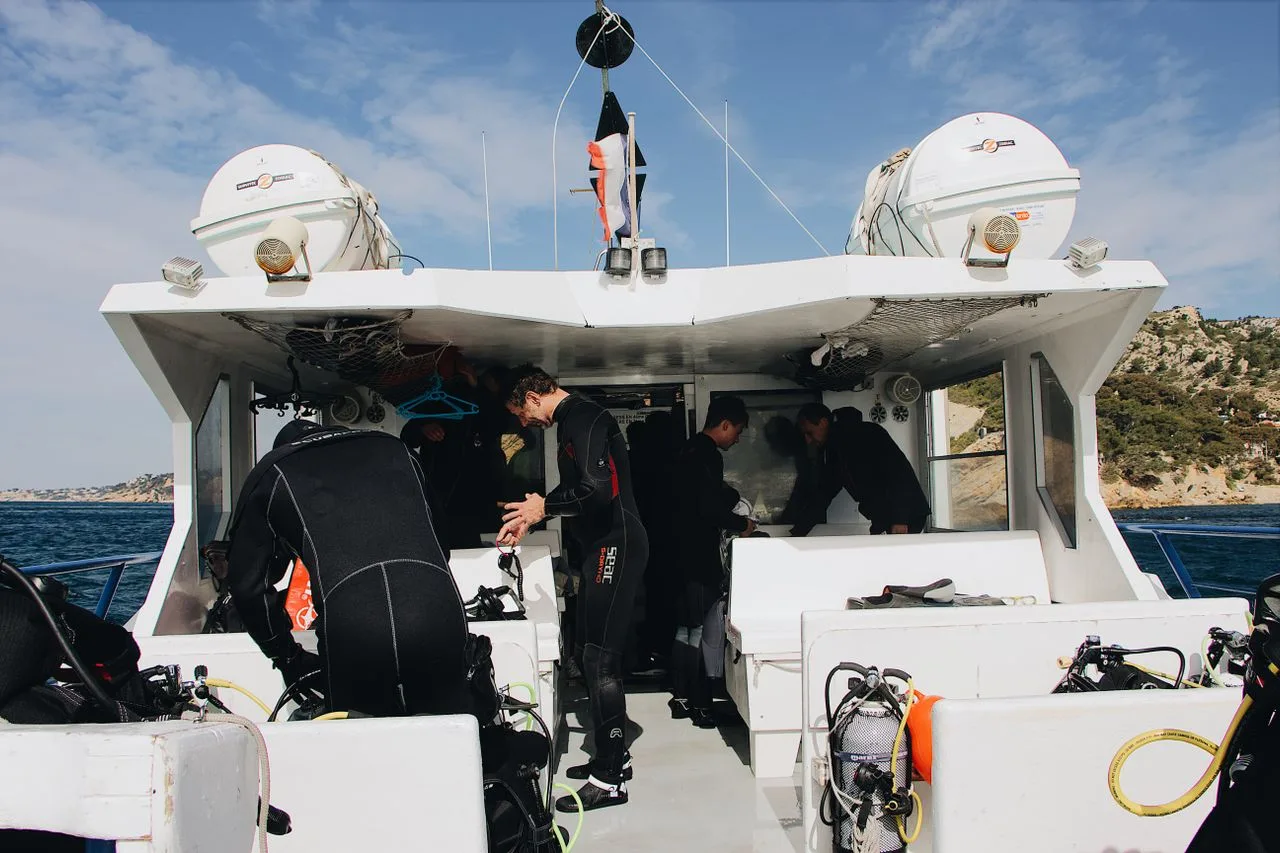
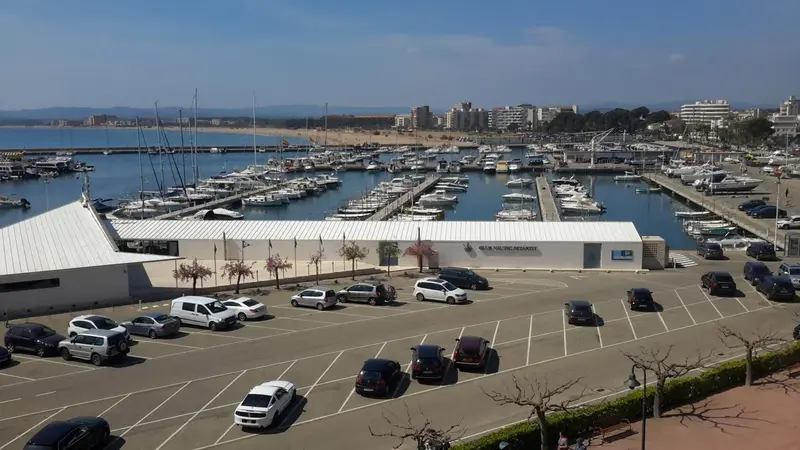
L’Estartit is a shore-based diving holiday built around short boat trips to the Medes Islands. The protected area supplies the main attraction: rocky walls, blocks, small underwater pinnacles and dense Mediterranean marine life close to the harbour. It suits a four- to seven-day stay, with enough topside choice for non-divers or rest days. This is not a liveaboard destination; divers sleep on land, return to L’Estartit between outings and use the town as their practical base.
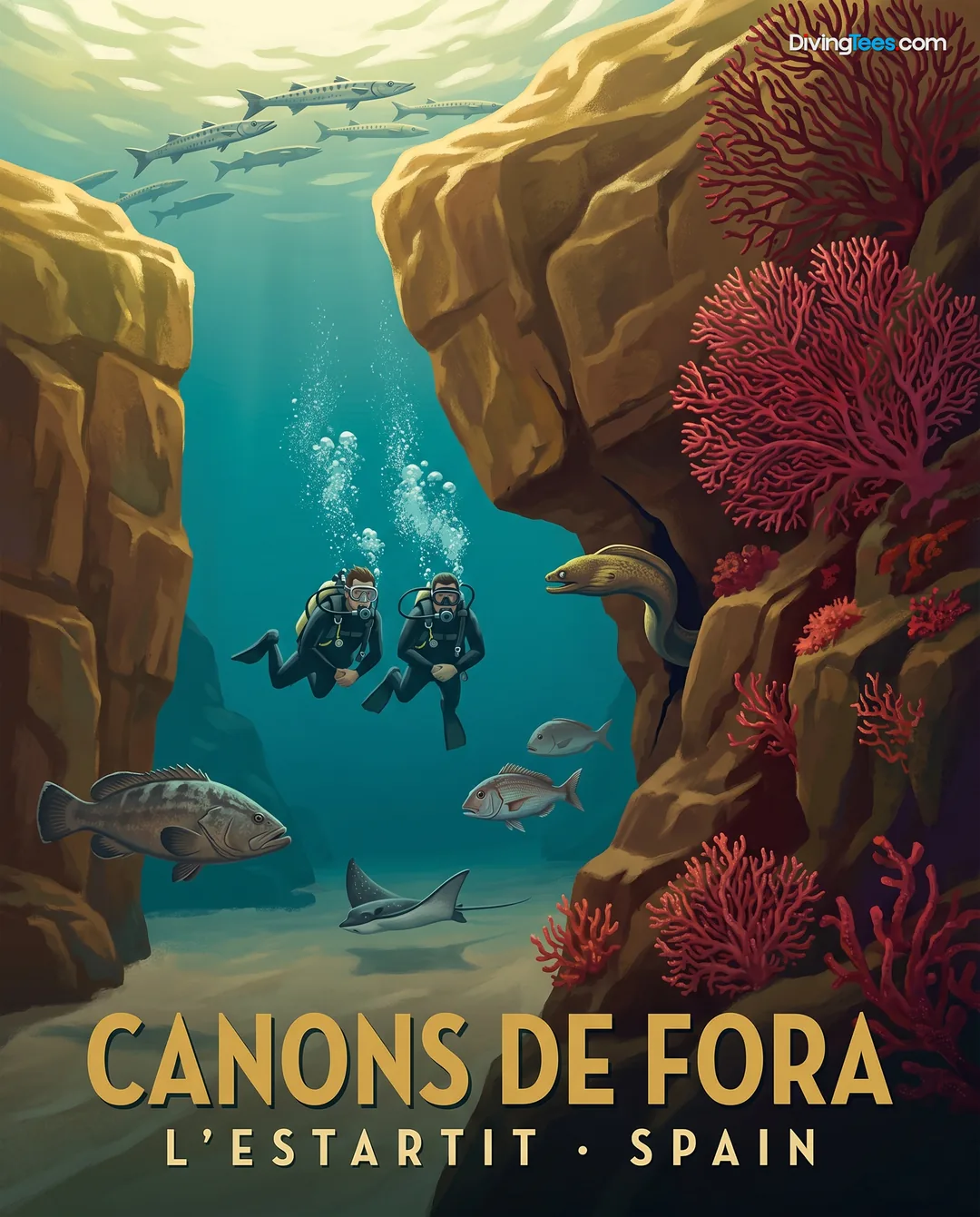
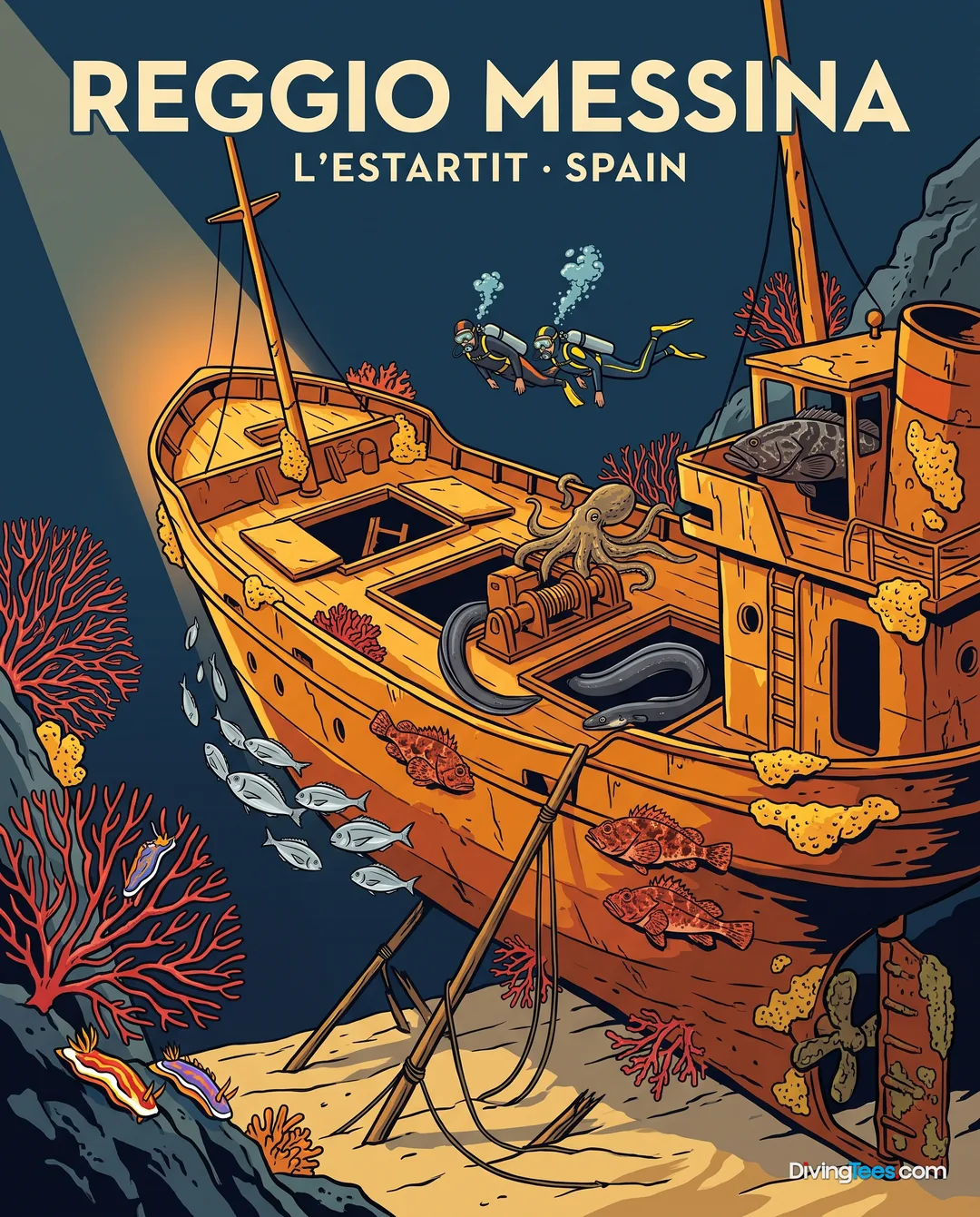
The diving is predominantly by boat, with short crossings from the port to sites shaped by walls, rocky blocks, fissures, overhangs and small underwater pinnacles. At Canons De Fora, advanced divers work through deep rocky canyons and confined spaces, with red gorgonians covering the walls. Currents are variable rather than consistently strong, but a change in direction or strength can affect the profile and the return to the boat. Visibility at Canons De Fora is generally excellent, around 25 to 30 metres; elsewhere, chop, swell and coastal run-off can reduce it. Reggio Messina changes the rhythm with a deeper wreck dive: the 122-metre ferry lies broken into three sections, with railway lines still visible on deck between 24 and 32 metres. Most departures are planned as leisure dives, but the site choice still matters.
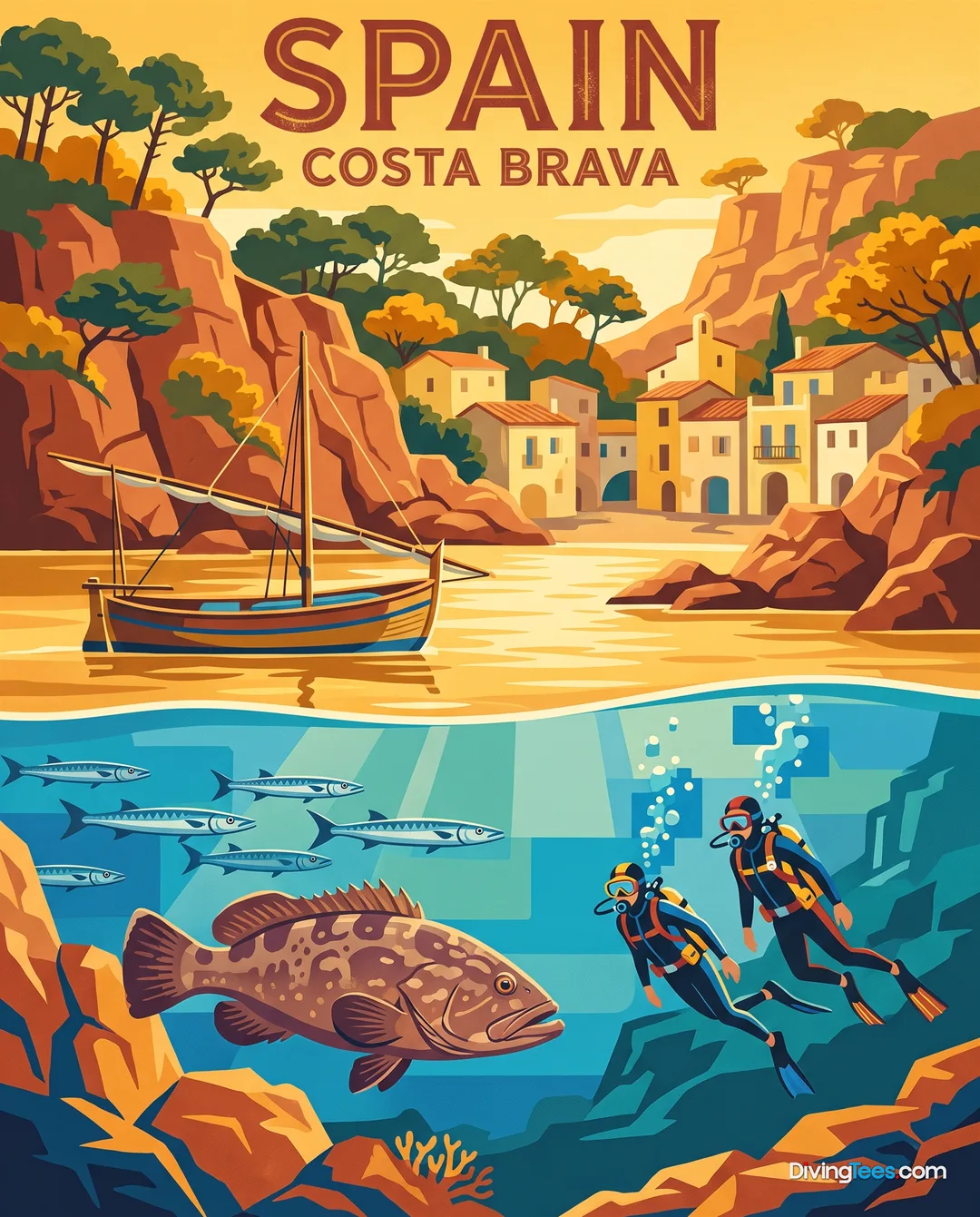
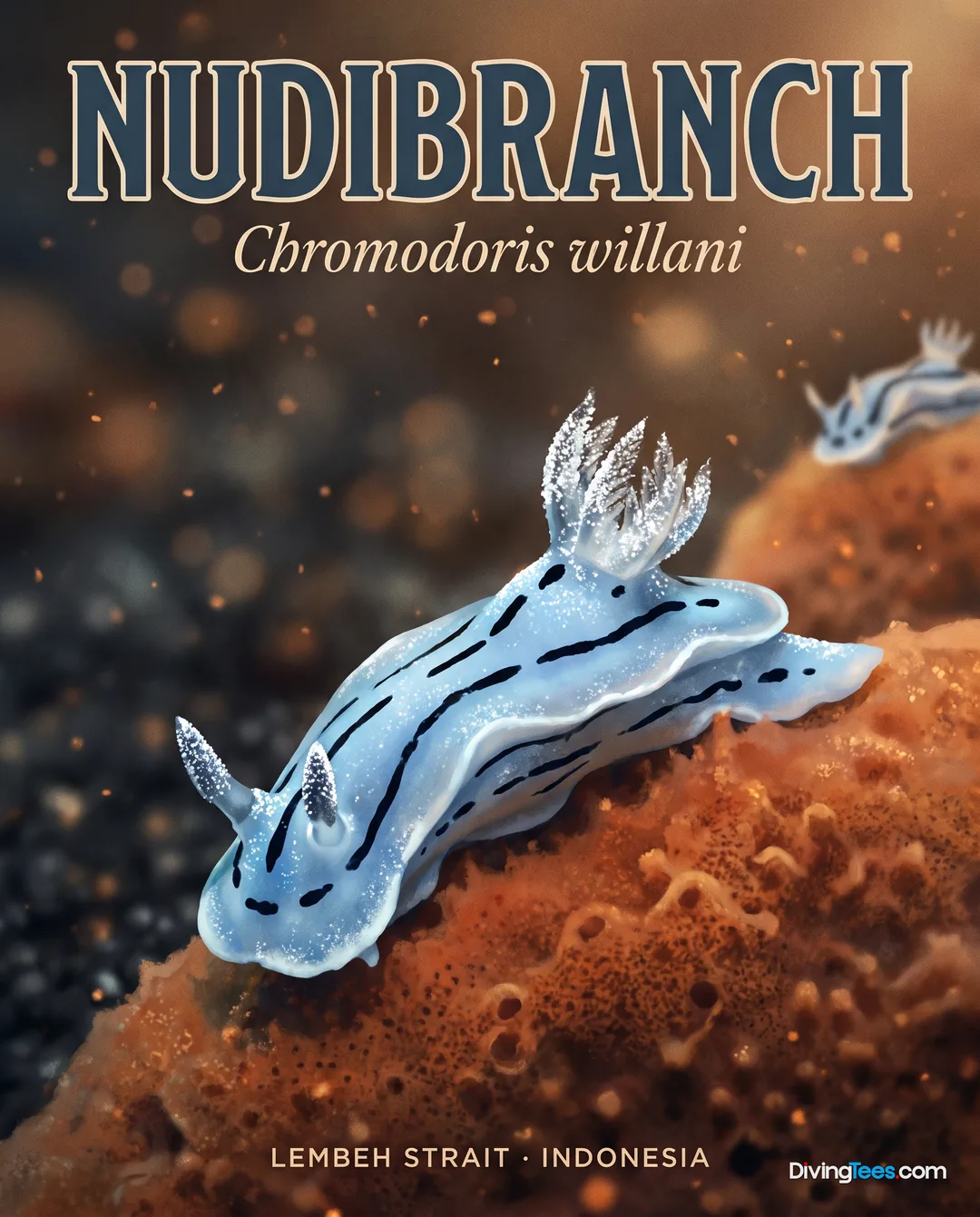
The Medes Islands are known for the size and abundance of their Mediterranean marine life rather than for a long list of unusual visitors. Brown groupers are a regular sight in summer and the shoulder season, often making the reserve’s rocky structure feel properly inhabited. Barracudas are regular in summer, adding moving silver shapes above the walls and blocks. Rays appear occasionally, while nudibranchs reward slower searching around the rock rather than a fast tour of the site. The protected status has allowed larger and more numerous animals than in open coastal areas nearby. That protection does not make every encounter predictable: current, visibility, boat traffic and the day’s site allocation still influence what a diver actually sees.
May, June, September and October make the most balanced diving months. The centres operate most easily through summer and the edges of the season, when boat programmes are straightforward to combine with a quieter stay. July and August bring the greatest demand because the Medes are a major attraction, so harbour movements, boat traffic and surface waiting are less relaxed. Summer is the useful window for barracudas, while brown groupers remain a sensible expectation into the shoulder season. A short trip should include a spare weather day, since sea conditions can disrupt boat departures even when the town itself looks settled.
L’Estartit works for a broad range of recreational divers, including PADI, SSI and BSAC members, but the reserve is not simply a beginner exercise area. Newer divers can use suitable leisure profiles, while Advanced Open Water or equivalent experience opens up deeper and more demanding choices. Canons De Fora requires confidence at depth and precise buoyancy in rocky, confined terrain. Reggio Messina reaches 32 metres, making Advanced training, or an appropriate Deep qualification, relevant rather than decorative. Nitrox can also be useful when the planned profile and operator arrangements support it.
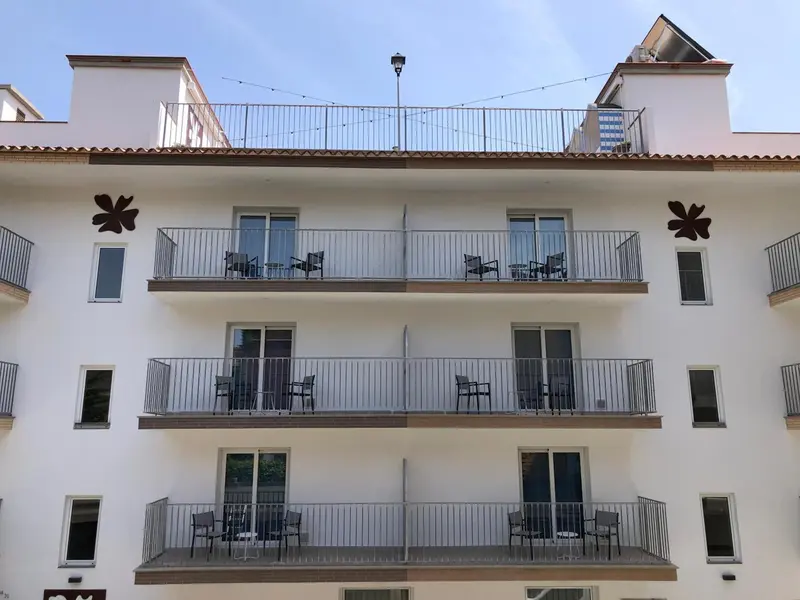
For travellers setting out from London Heathrow, London Gatwick or Manchester, L’Estartit is reached by combining the journey to Catalonia with a road transfer from Barcelona or Girona. The town itself has no ferry constraint: the ferry issue belongs to the diving, since the Medes trips leave by boat from the harbour. Once in L’Estartit, accommodation near the seafront or port generally keeps the daily logistics simple. Divers can reach the boats on foot, by bicycle or by local taxi, rather than arranging a separate coastal transfer for every outing. Because the diving depends on local boats and their departure slots, the land journey should leave enough flexibility for arrival, kit preparation and the first scheduled trip rather than being planned as a same-day rush.
Treat L’Estartit as a diving base, not a beach stop with a dive added at the last minute: the Medes programme is the reason to stay here. On a short visit, book the first outings of the day where possible; the port and the reserve become busier later, and peak-season traffic can create dead time between boat movements. Keep one day free as weather margin, particularly if several planned dives depend on boats reaching the islands. Bring the basic equipment whose fit matters most, as busy short-stay operations may have fewer convenient intermediate sizes or less familiar configurations. Arrive with buoyancy already under control. In a protected, heavily visited reserve, careless finning or contact with the bottom is especially conspicuous and risks the very habitat the park is managing. Do not assume every Medes dive is equally simple: choose deeper or more enclosed profiles only when depth, current and space match recent experience.
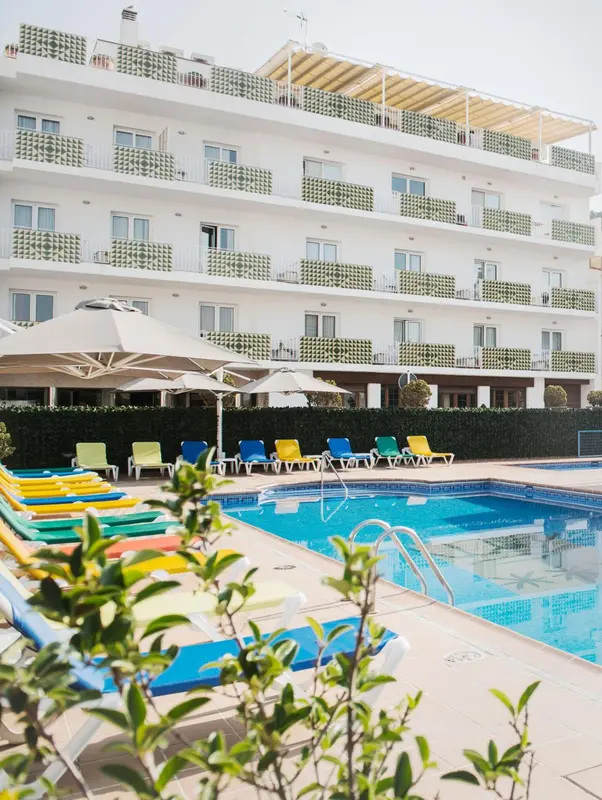
A sensible stay runs for four to seven days, allowing several boat outings without making one cancelled departure ruin the trip. L’Estartit keeps the routine straightforward: accommodation, harbour and dive operations are concentrated around the waterfront, while the non-diving day can be spent on the beach, walking the Montgrí coast or using the bay for kayaking and paddleboarding. The Empordà villages and inland excursions add variety for companions. Keep the final day for gentle surface activities rather than another demanding dive.
Hello, I'm Marina, DivingDeal.com's AI assistant. I guide you through destinations, areas and countries.
Thinking about the whole trip and the flights? Talk it over with Edith →
Marina is an AI. Some links are affiliate links: DivingDeal may earn a commission, at no extra cost to you. Bookings are made with the partner.
Your last day stays dry: no diving in the 18-24 hours before a flight, the perfect window to see the destination from another angle.
Ratings and reviews collected by Viator and Tripadvisor.
May, June, September and October offer balanced diving conditions and a quieter stay. July and August bring greater demand, more harbour activity and heavier boat traffic. Summer is the useful period for barracudas, while brown groupers remain a sensible expectation into the shoulder season. Keep a spare weather day for disrupted departures.
L’Estartit accommodates recreational divers from PADI, SSI and BSAC backgrounds, with suitable leisure profiles for newer divers. Advanced Open Water or equivalent experience gives access to deeper, more demanding sites. Canons De Fora requires confidence at depth and precise buoyancy in confined rocky terrain, while Reggio Messina reaches 32 metres.
Diving around L’Estartit’s Medes Islands includes red gorgonians on walls and deep fissures, brown groupers around protected rocky habitats and barracudas during summer. You may also find rays and nudibranchs, while Reggio Messina offers a broken ferry wreck between 24 and 32 metres, with railway lines visible on deck.
Plan L’Estartit as a shore-based diving holiday, with accommodation near the waterfront and short boat trips from the harbour. A four- to seven-day stay allows several outings, and keeping one day free provides weather margin. Book early boat departures where possible, leave flexibility for arrival and kit preparation, and reserve the final day for gentle surface activities.