
The Blue Jump Ecodiving
Google 5/5 (708 reviews)
2.8 km away as the crow flies
La Azohia · Spain · Mediterranean
Max. depth · 20 mA sheltered reef site transitioning from shallow Posidonia meadows to rocky structures at 20 metres.
For subtitles in English: start the video firstthen click the gearat the top right of the video, select “Subtitles/CC”, then “Auto-translate” and choose “English”.
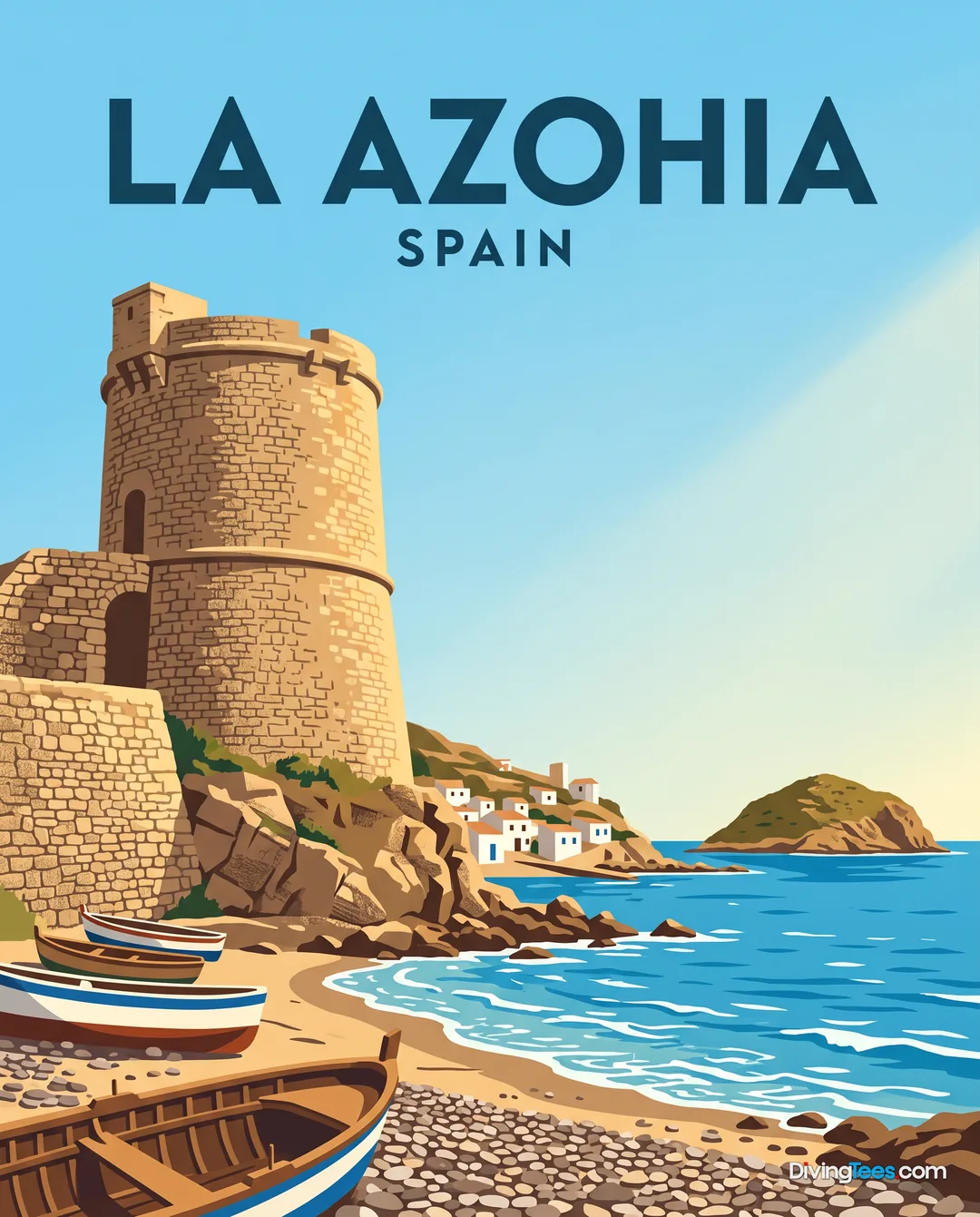
The dive at Corralon begins in a sheltered cove near the La Azohía sector, offering a calm entry point for those starting their underwater exploration. You will first encounter a seabed composed of Posidonia seagrass and smooth pebbles, arranged in a pattern reminiscent of a natural riverbed. This initial shallow section provides a stable environment for buoyancy practice and orientation before you move toward the deeper parts of the site. The transition from the cove toward the point is gradual, allowing for a controlled descent as the topography changes.
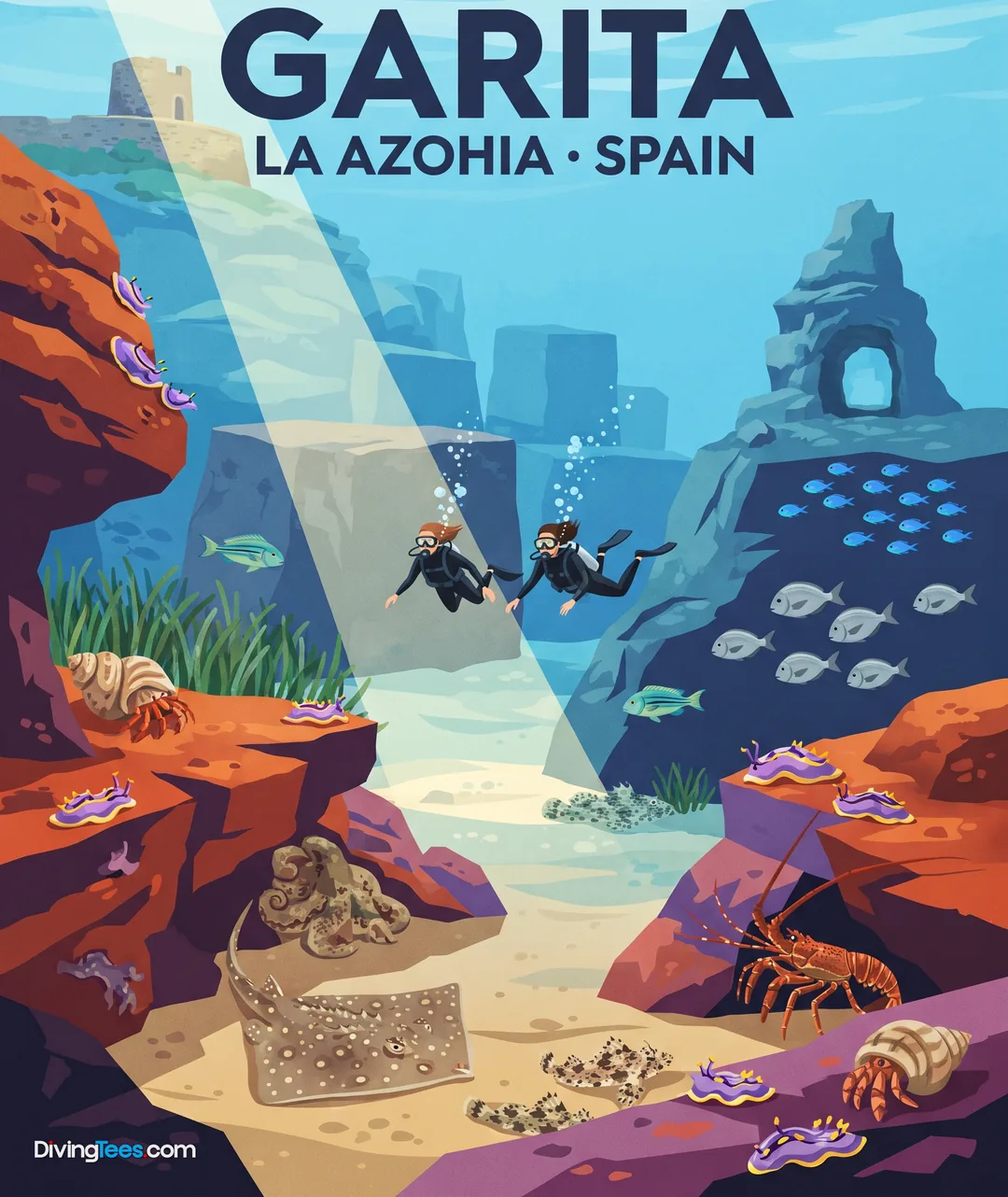
As you progress toward the point, the seabed drops steadily until it reaches a maximum depth of approximately 20 metres. The terrain becomes more complex here, featuring a mix of large rocky blocks, natural passages, and overhanging structures. These rock formations create various crevices and sheltered spots that are essential for the local marine life. You will also find patches of sand interspersed between the rocks, which add variety to the bottom profile and provide hunting grounds for several resident species.
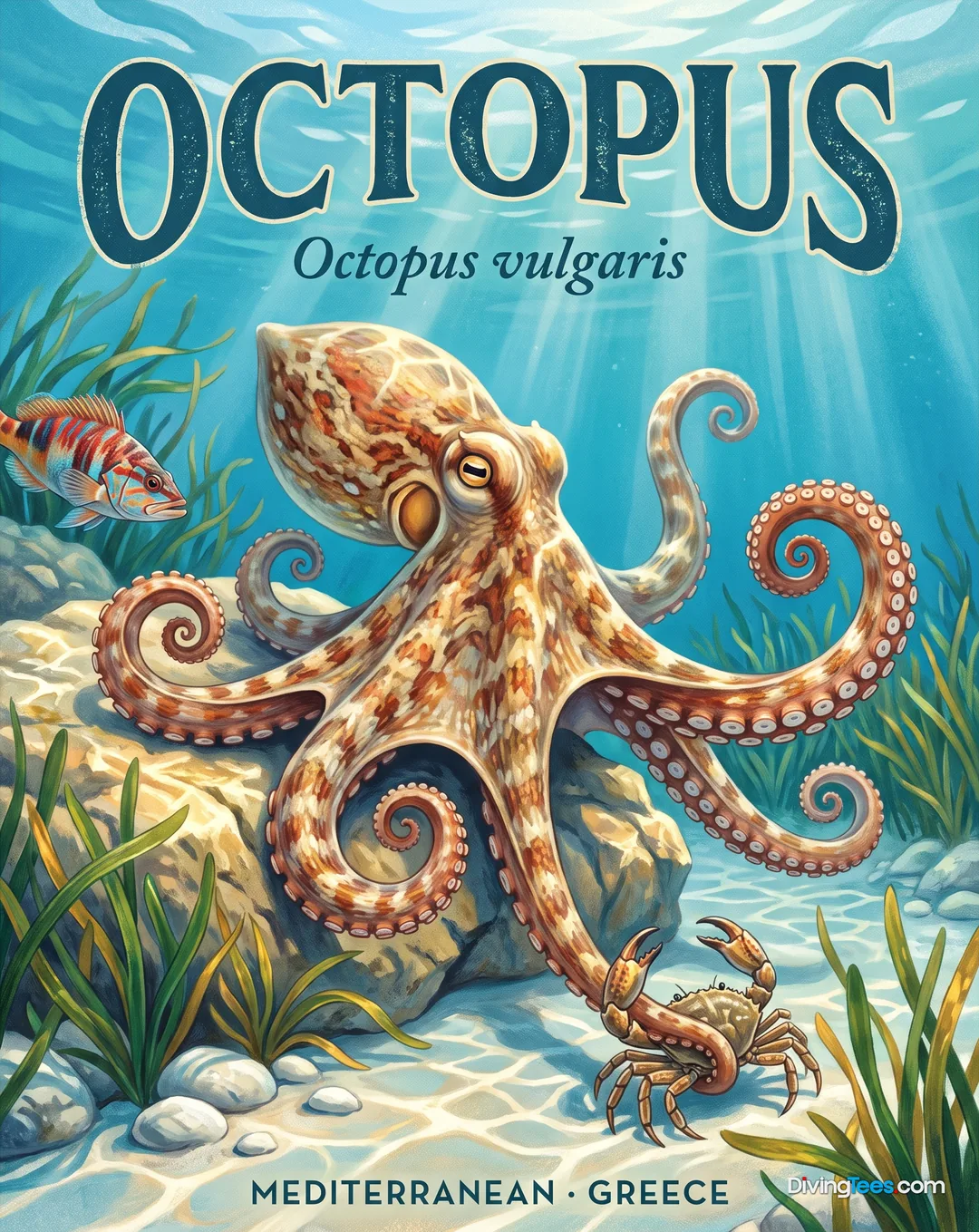
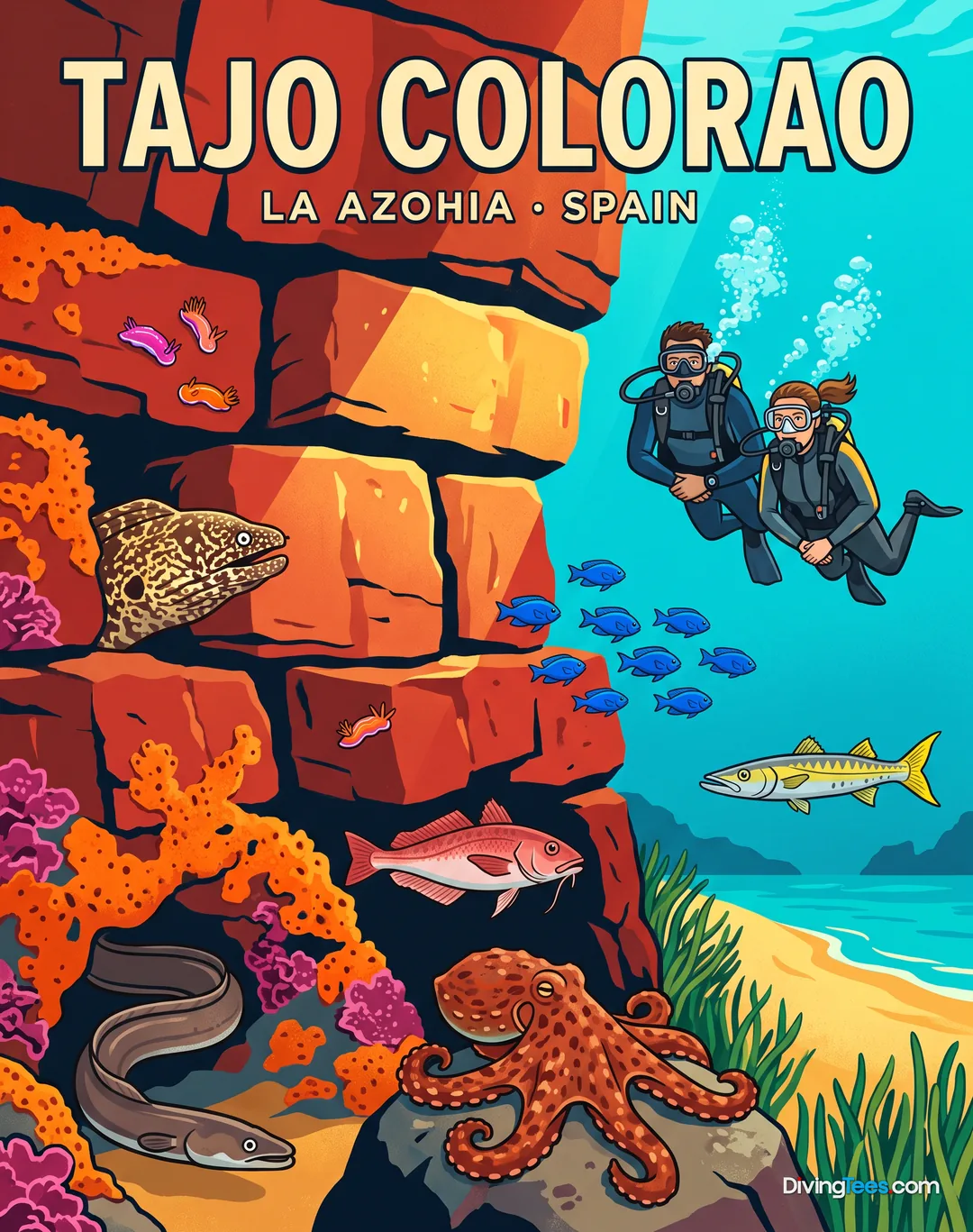
The site is situated within the Cabo Tiñoso marine reserve, which helps maintain the integrity of the local ecosystem. This protection is reflected in the presence of several resident species that utilize the rocky overhangs and crevices for cover. You might spot a common octopus (Octopus vulgaris) camouflaged against the stones or a Mediterranean moray (Muraena helena) peering out from a dark hole. The combination of rocky structure and sand patches creates a diverse habitat suitable for a wide range of Mediterranean reef life.
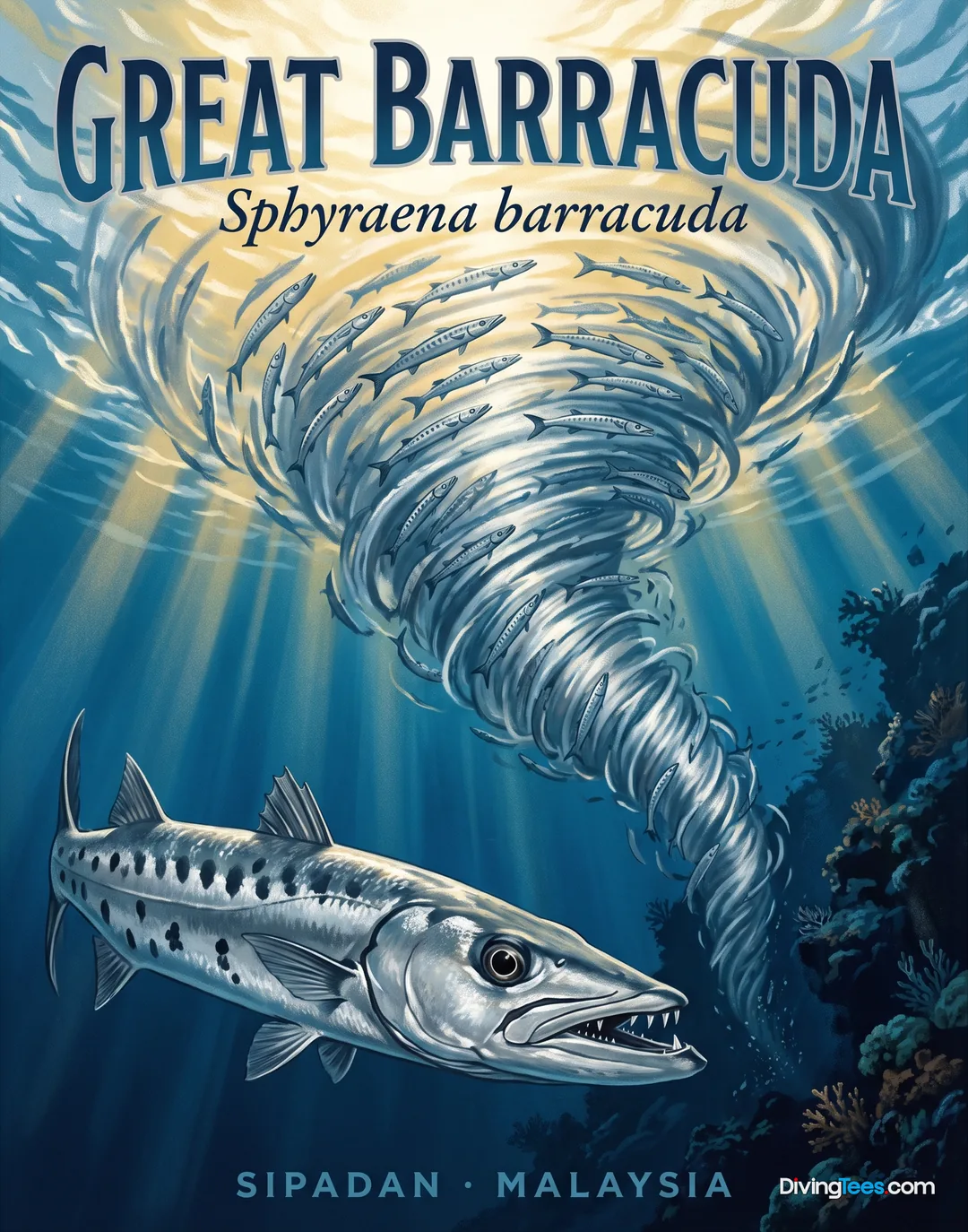
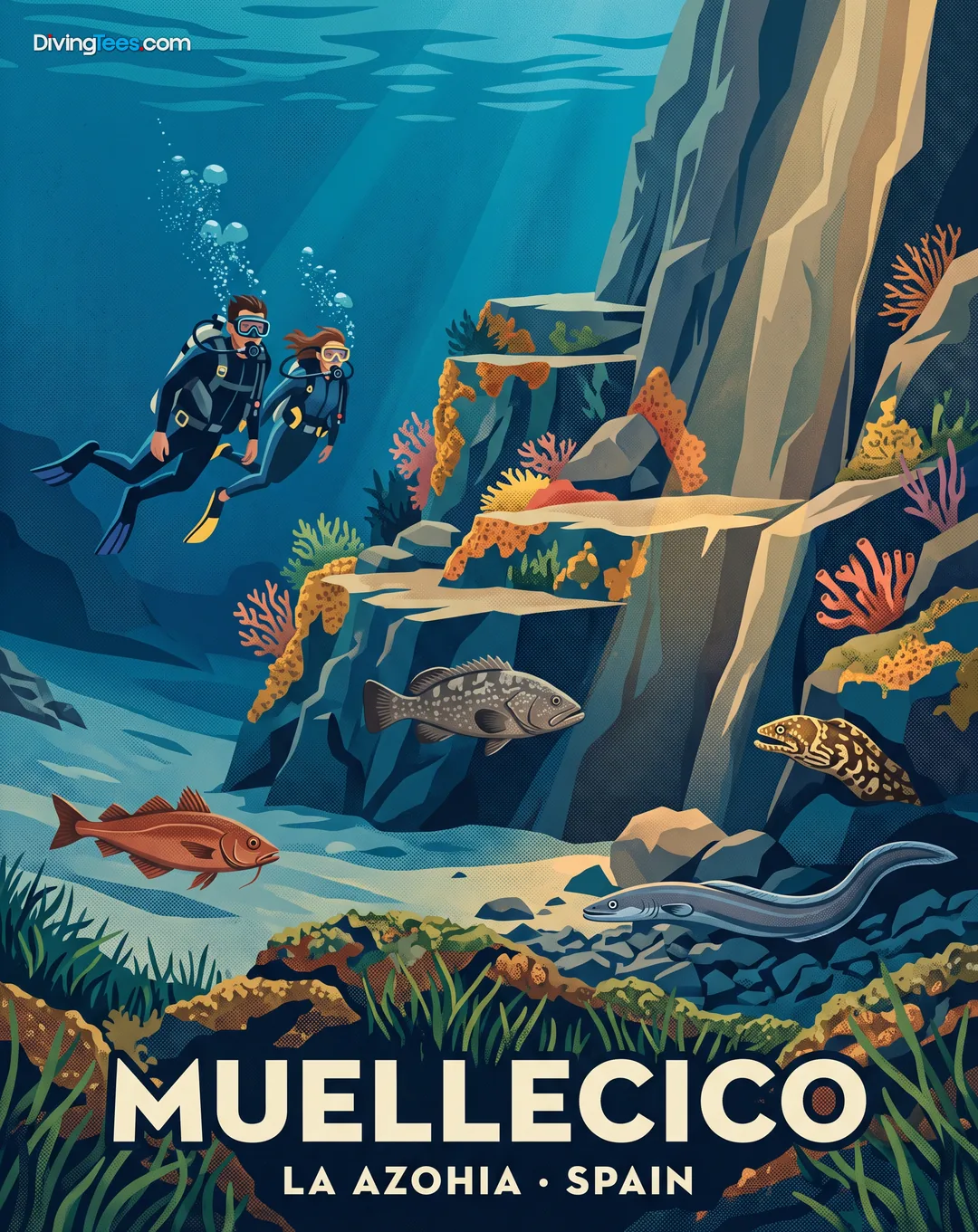
For those watching the mid-water column, the site offers sightings of various schooling fish and larger predators. White seabream (Diplodus sargus) and damselfish (Chromis chromis) are frequently seen moving through the shallower sections of the reef. If you look toward the deeper rocky areas, you may encounter a dusky grouper (Epinephelus marginatus) or a yellowmouth barracuda (Sphyraena barracuda) patrolling the edges of the structures. These encounters are typical of the healthy reef environment maintained within the protected zone.
The underwater topography of Corralon is particularly well-suited for divers who prefer a gradual depth profile rather than a vertical wall. The interplay between the rocky outcrops and the sandy floor provides multiple levels to explore during a single descent. You can navigate through natural passages formed by the rock blocks, which often host smaller inhabitants like forkbeard (Chelon labrosus). This structural variety ensures that even within a relatively shallow depth range, there is a constant change in the visual landscape.
Visibility at the site typically ranges between 10 and 25 metres, depending on the specific conditions of the day. This clarity allows for good natural light penetration, which is important for observing the textures of the rocks and the details of the seabed. Because the site is sheltered from the heavy currents found further offshore, the water remains relatively stable, making it an ideal location for observing subtle animal behaviours. You will find that the light shifting through the shallow Posidonia meadows adds a specific character to the initial part of the dive.
Depth ranges from 6 to 20 metres. The site is accessible from Open Water Diver level and is suitable for beginners and inexperienced divers due to its sheltered nature and gradual descent. There is no documented significant current, as the area is protected from offshore flows. Expected visibility is between 10 and 25 metres. The best period for diving here is from late spring to autumn.
You can dive Corralon from late spring through autumn. The site lies in a sheltered cove within the Cabo Tiñoso marine reserve, with calm conditions and a gradual descent. Visibility typically ranges from 10 to 25 metres, depending on the conditions of the day.
Corralon is accessible to Open Water Divers and suits beginners or inexperienced divers. Its sheltered setting provides a calm entry and gradual descent for practicing buoyancy and orientation. There is no documented significant current because the area is protected from offshore flows, making the water relatively stable.
Corralon descends gradually from 6 to 20 metres rather than following a vertical wall. You begin over Posidonia seagrass and smooth pebbles in the shallow cove, then move toward rocky blocks, natural passages, overhangs, and sandy patches as the seabed reaches its maximum depth.
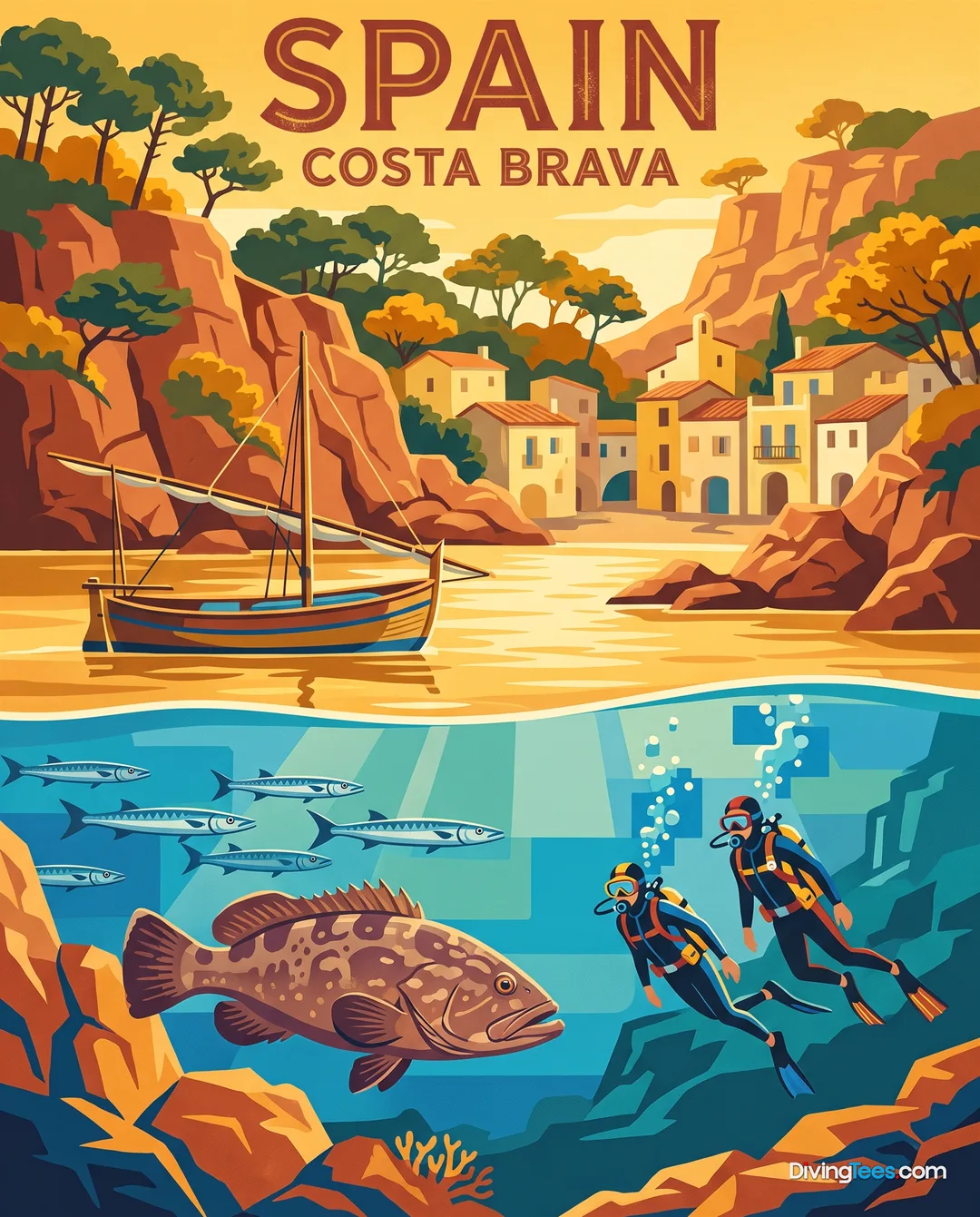
At Corralon, you can explore rocky outcrops, natural underwater passages, overhangs, Posidonia meadows, and sandy patches. Marine life may include common octopus, Mediterranean moray, dusky grouper, yellowmouth barracuda, white seabream, damselfish, schooling fish, and forkbeard, with many animals using crevices for shelter.